
Funding priorities pages
Plain-language pages for each focus area, with the geography and kinds of work you support.

For family and private foundations: a site that tells applicants what you fund before they write, and that one administrator can keep current, from $1,250.
2X
Better-fit grant requests
1page
Eligibility and deadlines
How your project runs
Teams we have built for:














The Problem
It shows up each grant cycle, when applicants can't tell what you fund and send proposals anyway. Your staff answers the same questions by email instead of reading the good ones.
01 · Vague priorities
Applicants can't tell what your foundation actually funds.
One page states focus areas, geography, and who is eligible.
02 · Old deadlines
Last year's deadlines still sit on the site.
Staff update deadlines in one place, and every page shows them.
03 · No grant history
Grantseekers can't see what you've funded before.
A past grants list by year and focus area shows your pattern.
04 · Family exposure
Family names and emails sit on public pages.
You choose what each trustee shares, and inquiries go to one inbox.
Every Monday the family office inbox fills with proposals. One asks for gala sponsorship, one comes from a state you don't fund, and one describes a program you closed two years ago. Your website is a single page with a mailing address, so applicants guess. Board members want to point people to past grants, but the list lives in a spreadsheet. Your administrator spends hours answering the same eligibility questions, and strong local applicants never find you.
We start with your grantmaking: what you fund, where, for whom, and how people apply. Then we build a how-to-apply page that answers eligibility before anyone writes a proposal. Past grants come from the spreadsheet your staff already keeps. The family's story appears at the level of privacy your board chooses. Off-mission applicants screen themselves out, and the right ones find you sooner.
Eligibility up front
Focus areas, geography, the grant sizes you set, and deadlines on one page applicants read first.
Grants on the record
A past grants list by year and focus area, imported from the spreadsheet you already keep.
Privacy for the family
You decide which trustees, photos, and contact details appear, and inquiries reach one shared inbox.
Our Foundation Website Design Process
You approve what the family shares, see the how-to-apply page before anything else, and test the grants list yourself before launch.
We read your current site, your guidelines, and the questions applicants email you most. You get a list of what's missing and a fixed quote. If a few simple pages fit a foundation that takes no applications, we'll tell you before we quote.
What's Included
Every plan covers funding priorities, a how-to-apply page, a past grants list, and trustee pages. Larger plans add a filterable grants database, financials, and family history.
Compare Options
A template builder or a general agency suits some foundations, especially very small ones. Here's how each handles grant guidelines, past grants, and family privacy.
| Feature | DeveloperLookBest fit | Template builder | General agency |
|---|---|---|---|
| Grant guidelines | Eligibility page planned with you | You write and lay it out | Often a generic About page |
| Past grants | Filterable list from your spreadsheet | Typed text or a PDF | Varies by agency |
| Family privacy | Board-approved detail level | Your call, no guidance | Depends on the brief |
| Accessibility | WCAG 2.1 AA checks per template | Depends on the theme | Sometimes tested |
| Upfront cost | From $1,250, fixed scope | Low monthly plan fee | Usually a larger proposal |
| Speed to launch | 3 to 10 weeks | Days, if copy is ready | Depends on their queue |
| Editing | Templates plus training | Easy drag-and-drop | Often needs the agency |
| Ownership | Foundation's own accounts | Tied to the builder | Check the contract |
Projects We've Built
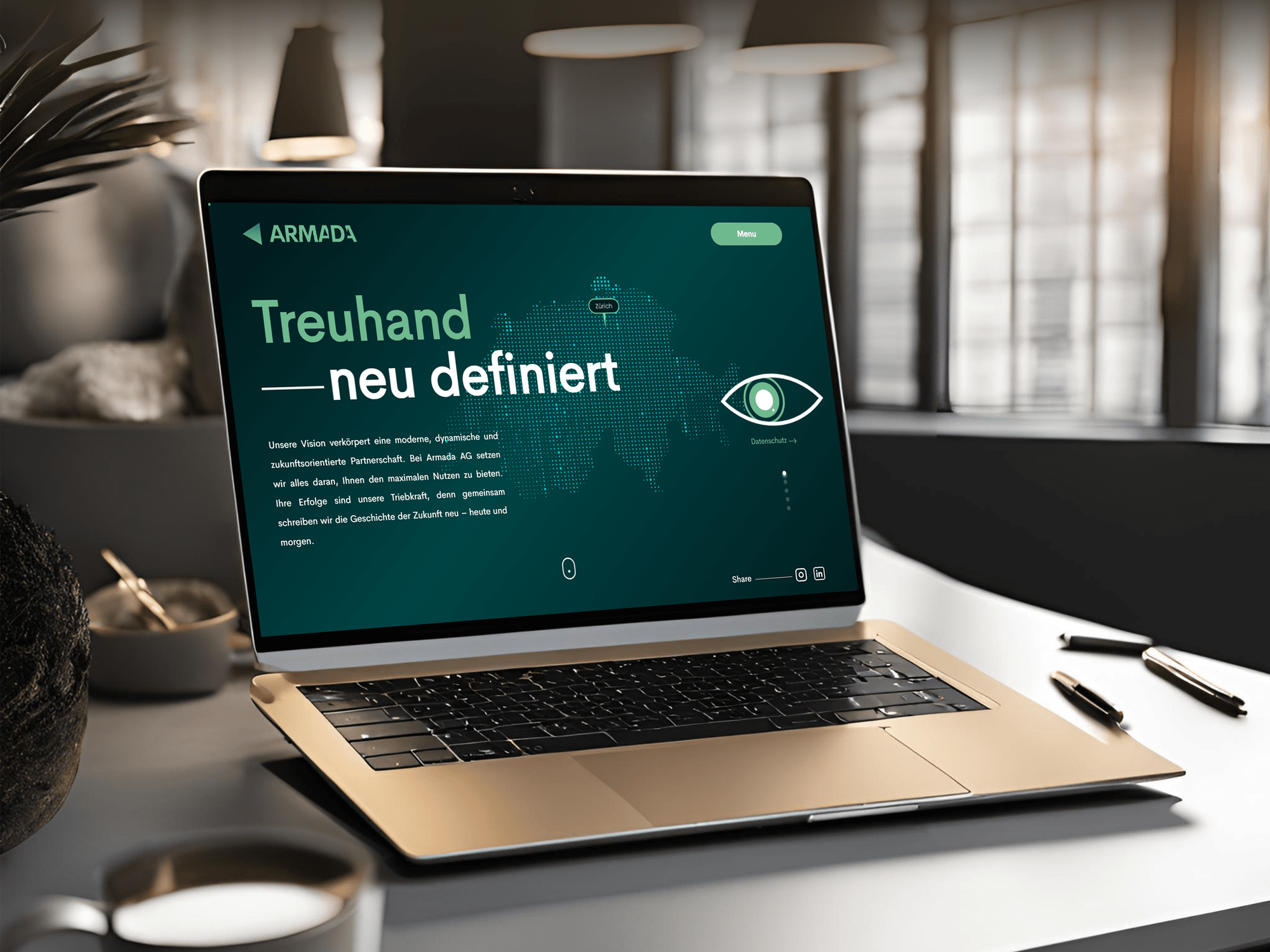
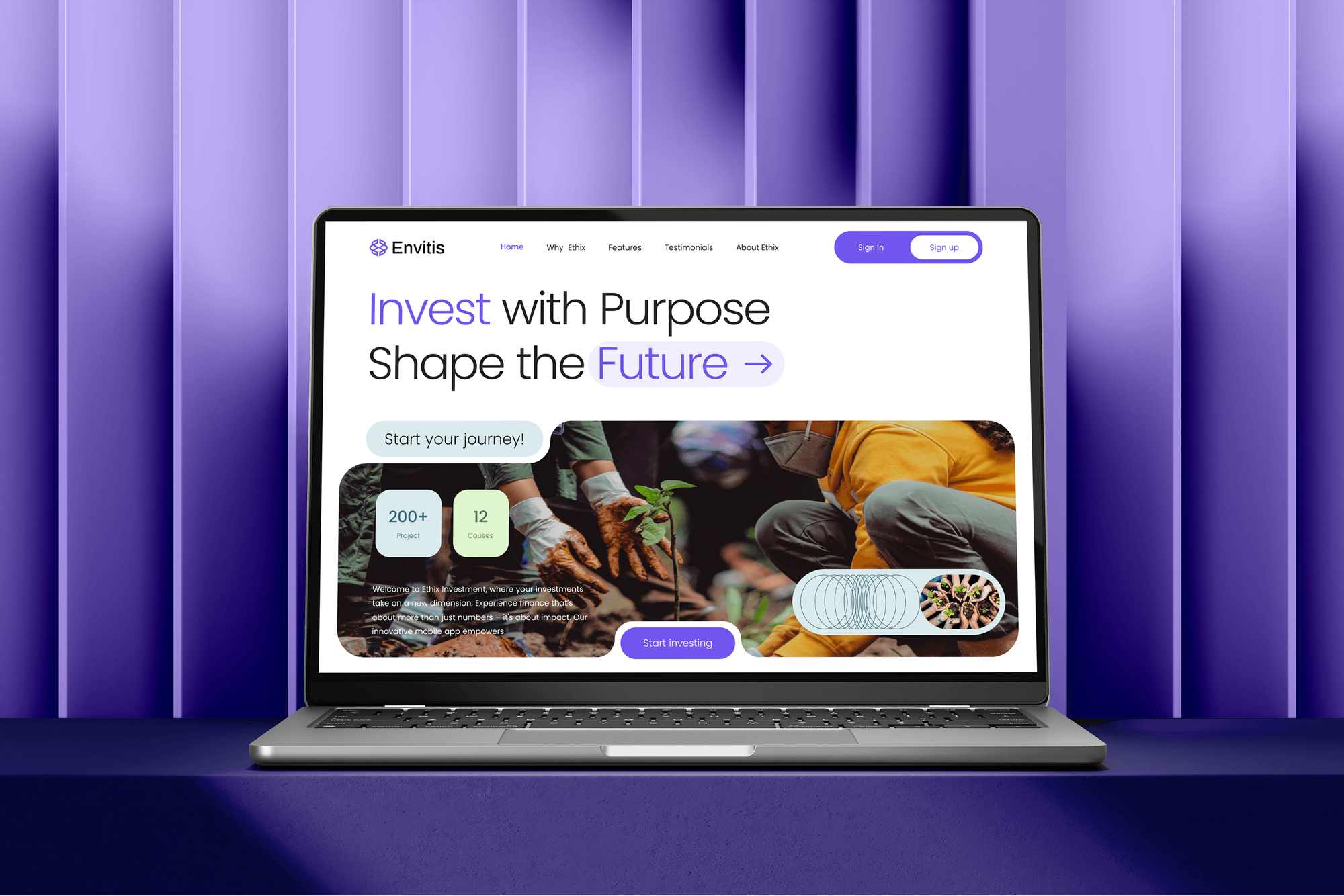
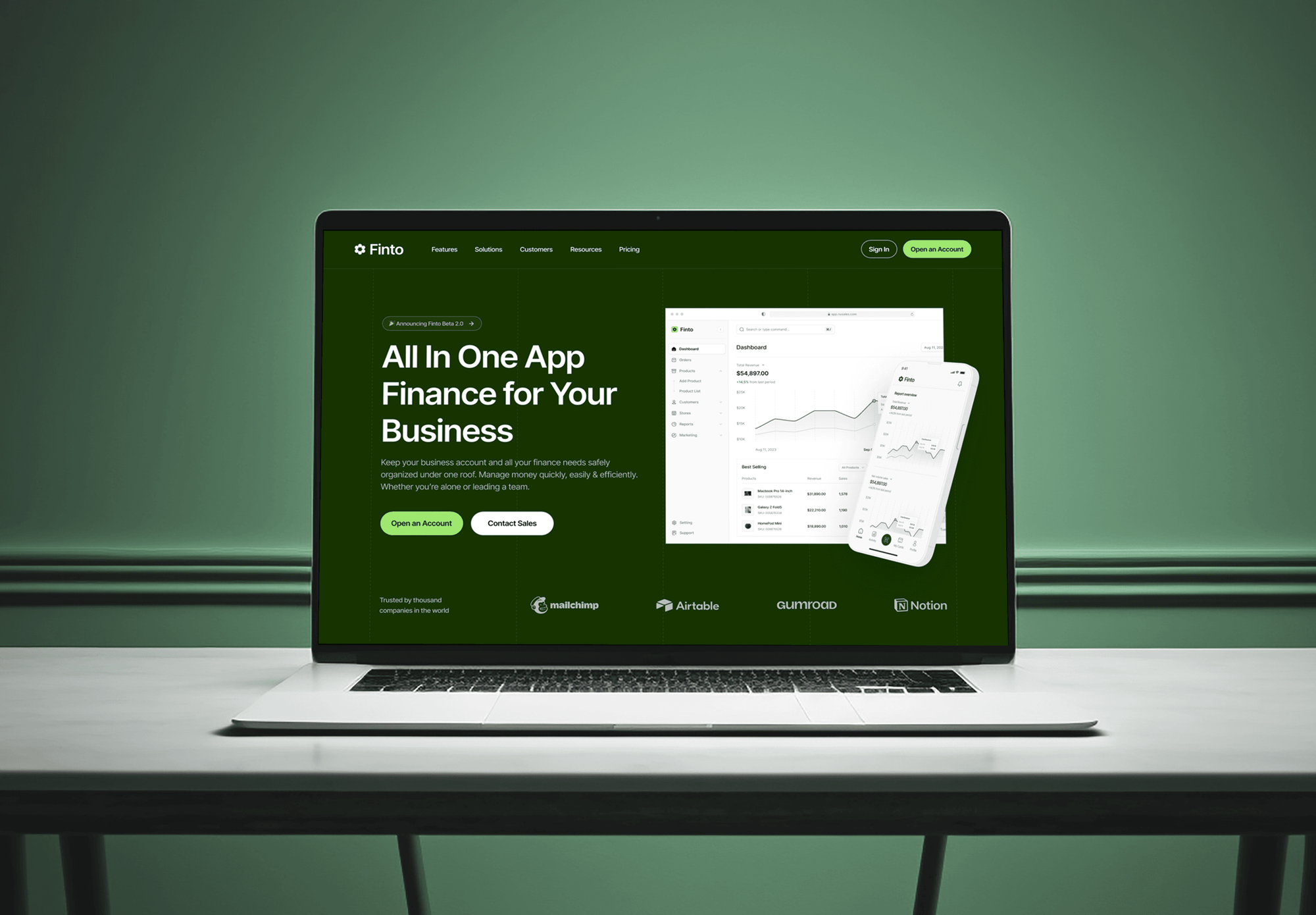
Fiduciary, impact investment, finance, and news websites from our team. They show calm, credible layouts and clear reporting pages, not foundation grantmaking work.

What Our Clients Say
Feedback from teams we have designed calm, credible websites for.
We had a pretty specific idea of what we wanted our website to become, but I wasn’t sure how easily we could explain all of it to a development team. There were quite a few moving parts, and we were working toward a deadline, so I expected a few things to get lost along the way. That never really happened. They understood what we were trying to achieve, kept us updated throughout the process, and got everything ready within the agreed timeline. The final site feels much easier to navigate, works beautifully on mobile, and is noticeably smoother for our customers. It was a huge relief seeing the original idea actually turn into the website we had in mind.
The mobile experience is probably my favourite part of the new site. We had spent a lot of time making sure the desktop version looked right, and the team kept pushing us to think about how everything would actually feel on a phone too. They were right. The navigation is clean, the interactions feel natural, and everything we’ve tested so far works exactly as it should. They also went through the links, forms, integrations, and other details more than once before launch, which I really appreciated. And even after going live, we could still reach out when something came up. The whole process felt friendly, organised, and surprisingly straightforward.
What I appreciate most is that the website is actually easy for us to manage now. We can update content ourselves instead of sending a developer a message every time we need to change something small. They also paid attention to the technical SEO side, which mattered to us because we didn’t want a new website to create problems for the traffic we already had. I’ve probably asked more questions than I should have since launch, but every question has been handled patiently and without any fuss. The team is easy to work with, they explain things clearly, and when we need something changed, they focus on getting it done rather than making the process complicated.
1,250+
Projects shipped
10+
Years of experience
Top 3%
Upwork Top Rated Plus
5 stars
Average review score

Want results like these?
Tell us what you are building. You get a reply within 24 hours on business days, then a written estimate.
Work Culture
Top foundation website designs answer applicants before they ask. These habits keep each site we build discreet, accessible, and easy for a small staff to run.
We ask what the family wants public before we write a word. Names, photos, and stories go live only after the board signs off.
Most foundations run with a small staff, so we build templates one person can update. Deadlines and grants change without calling a developer.
If your foundation doesn't take applications, a few clear pages may be enough. We'll say so before we quote and keep the build small.
Every template is tested against WCAG 2.1 AA with a keyboard and a screen reader. Applicants with disabilities can read your guidelines like anyone else.
You get a written scope and a fixed price your board can approve in one meeting. Changes are priced before any work starts.
Domain, hosting, CMS, and analytics sit in the foundation's accounts, not ours or a family member's personal one. Every login is handed over at launch.
Overview
DeveloperLook provides foundation website design for family and private foundations that want fewer off-mission requests. We build funding priority and how-to-apply pages, a past grants list, trustee pages at your chosen privacy level, and a financials page for your 990-PF. Sites start at $1,250, take 3 to 10 weeks, and stay in the foundation's accounts.
DEVELOPERLOOK
Project facts · Foundation Website Design
Reviewed 8 Oct 2026 by Saimul Islam
Good fit
Family foundations with a thin web presence
Your family foundation website is one page with a mailing address, so grantseekers call the family office to ask what you fund.
Private foundations flooded with off-mission requests
You fund early literacy in two counties, yet every week brings proposals for sports teams, galas, and projects in other states.
Foundations with no staff to update the site
Your foundation runs with one part-time administrator, and the site still lists last year's deadlines because nobody can edit it safely.
Next-generation trustees taking over
Your family's next generation is joining the board and wants a family foundation charitable giving website that tells the founders' story and shows current grants.
Agencies serving philanthropy clients
Your agency works with foundations and family offices and needs a foundation website designer who understands grant guidelines, delivering under your brand.
Not a fit
You raise money from donors
Your organization raises money from donors instead of making grants. Our Nonprofit Website Design and Donation Website Development for Nonprofits pages fit that work better.
Need a full grants system
You need online applications, reviewer scoring, and grant tracking in one system. That's grants management software, not a website, so we link to it rather than rebuild it.
Budget under $1,250
Your budget is under $1,250. A one-page site on a builder such as Squarespace, with your priorities and a contact email, is a sensible start.
Only the design looks dated
Your site's structure works and only the look feels dated. Our Website Redesign Services page covers a visual refresh without a full rebuild.
Not sure we're the right fit?
Book a free call or message us. We'll tell you honestly whether we're the right team.
Pricing
These are starting points in USD. Your final price depends on page count, how many past grants you publish, and content migration, and you get a fixed proposal after a free foundation review.
For family foundations that need clear priorities, guidelines, and a grants list on a small site.
$1,250one-time, USD
For foundations with several focus areas that want grants data and financials applicants can check.
$3,000one-time, USD
For larger foundations with several programs or scholarships and an older site to move.
$6,100one-time, USD
For Agencies
You own the client relationship. We supply the grantmaker know-how and the build: guidelines pages, past grants lists, family privacy choices, and accessibility testing. Everything ships under your brand, in the foundation's own accounts.
White label: your client only ever sees your brand
Share the foundation's guidelines, grants list, brand files, and privacy wishes with us.
You get a sitemap, an apply-page outline, and a fixed price to resell.
Templates built, grants imported, accessibility tested, and staff trained under your name.
Sitemaps, previews, and training videos carry your agency's name, not ours.
We know letters of inquiry, funding cycles, and 990-PF pages, so briefs stay short.
One price per foundation site, written so you can resell it.
Launches planned around your client's next application window and board meeting.
The Right Technology for Your Project
We build on platforms a small foundation staff can run, and keep grants data in a spreadsheet your administrator already knows.
 Figma
 Canva
 Adobe XD
 WordPress
 Webflow
 PHP
 HTML5
 Google Sheets
 HubSpot
 Salesforce
 Google Analytics
 Google Search Console
 Lighthouse
 PageSpeed Insights
FAQ
Straight answers on foundation website costs, timelines, grant applications, 990-PF posting, and family privacy.
Saimul IslamFounder & CEO, DeveloperLookStill have questions?
Send a message or book a call with the team.
A DeveloperLook foundation website starts at $1,250 for up to 8 pages, including a how-to-apply page and a past grants list. Sites with a filterable grants database, grantee stories, and a financials page start at $3,000. Larger builds with several programs, a family history timeline, and content migration start at $6,100. Hosting and domain fees are billed by those providers.
Essentials sites launch in 3 to 5 weeks, and larger builds take 6 to 10 weeks. The slowest step is usually board review of the family story and of which past grants to publish. If a grant cycle opens soon, we launch the how-to-apply page first so applicants see the new deadlines.
Your foundation's site should include your funding priorities, eligibility rules, deadlines, and how to apply, or a note that you don't take proposals. Add a past grants list, trustee or family pages at the detail you choose, and your annual reports. A contact route that reaches staff, not a family member's personal email, keeps inquiries organized.
The best foundation website design answers an applicant's first question fast: do we fit? Clear focus areas, a visible deadline, and a short list of recent grants do more than large photos or slogans. Calm typography, plain language, and quick pages on phones keep the site credible with boards, grantees, and the public.
Choose the best foundation website designer by asking how they'd handle eligibility, past grants, and family privacy before you discuss colors. Review a few foundations' websites, designs, and how-to-apply pages they've worked on, and ask how they test accessibility. Then confirm the foundation will own the domain and every account, not the designer.
Yes, in two ways: a link to the grants portal you already use, or a short letter of inquiry form on the site. Full applications with reviewer scoring belong in grants software, so we link to it rather than rebuild it. Inquiry forms can go to a shared inbox, or to HubSpot or Salesforce through Zapier.
It can, and IRS instructions say a return posted on your own site can count as widely available. The file must be an exact image of the return as filed, free to download, with clear instructions. You can then point written copy requests to that web address, though in-person inspection still applies. Your accountant confirms the details for your foundation.
Then the site says so clearly, at the top of the how-to-apply page, and explains how grantees are chosen. That one notice saves your staff a stream of polite rejections. Your priorities and past grants still help nonprofits judge whether to start a relationship, and they show the community what the family supports.
Yes. You choose whether trustees appear by name, with photos, or not at all, and inquiries go to one shared address. Personal emails, home towns, and family photos stay off the site unless the board approves them. Board documents stay in your board portal or shared drive, and the site can link trustees to it.
The foundation does. The domain, hosting, CMS, and analytics are set up in the foundation's name, not a family member's or ours, and every login is handed over at launch. Support runs 30 to 90 days depending on your plan. After that, your administrator updates deadlines and grants, or books help for bigger changes.
Saimul IslamFounder & CEO, DeveloperLookStill have questions?
Send a message or book a call with the team.
Free 30-min callGoogle Meet
Book a call
In 30 minutes on Google Meet we walk you through how we would build it, how long it takes and what it costs. Then you get a written estimate.
Calendar not showing? Book on cal.com or send a brief.