


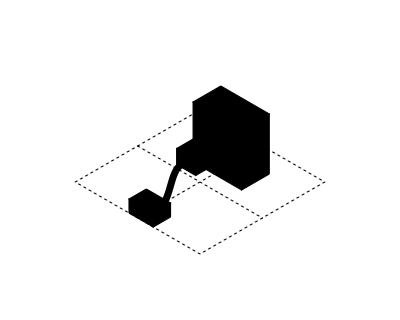

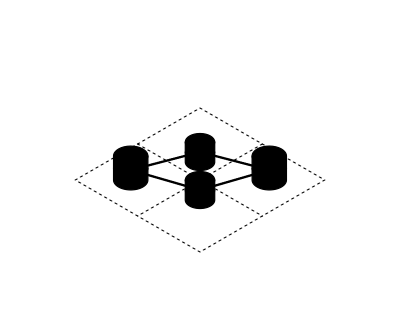
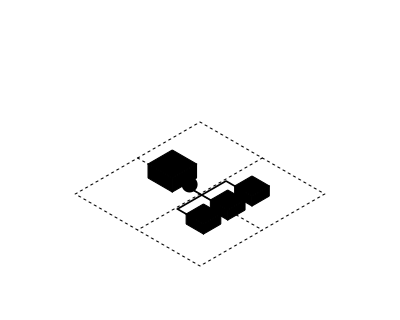

PHI flow map
Every place protected health information enters, moves, is stored, or leaves your app, your vendors included.

For health startups and clinics that need an app their security review can verify: every Security Rule safeguard built, tested, and documented, with no PHI in logs or pushes.
5of 5
Technical safeguards covered
100%
PHI kept out of logs
How your project runs
01 · FreeTeams we have built for:














The Problem
The database is encrypted, so the team assumes the app is covered. Then a review finds patient details in crash reports, push notifications, analytics events, and server logs.
Audit trail
No log shows who opened or changed a record.
Audit trail
An audit log records every view, change, and export with its user and time.
Lock screen
Push notifications show appointment types to anyone nearby.
Lock screen
Notifications only say something is waiting; details load after sign-in.
Crash reports
Crash and analytics tools capture names and visit details.
Crash reports
We scrub health data before any event, log, or crash report leaves the app.
Shared devices
Sessions stay open for days on clinic tablets.
Shared devices
Automatic logoff and re-authentication close idle sessions on shared devices.
Your database is encrypted and your cloud provider signed a BAA, so you assumed the app was done. Then a hospital's security review asks for your audit log, and you don't have one. Push notifications show appointment types on the lock screen. The crash reporter captures full API responses, names and all, and so does the analytics SDK. Sessions stay open for days on shared clinic tablets. Each finding sends you back into code you thought was finished, while the contract waits.
We start with the 5 technical safeguards in the HIPAA Security Rule and turn each one into features and tests. Access control becomes unique logins, emergency access, and automatic logoff. Audit controls become a log of every record viewed or changed. Then we close the phone-side leaks: notification text, logs, crash reports, analytics, and screenshots. You get an evidence map tying every safeguard to its code and test results, not a promise.
5 safeguards, mapped to code
Access, audit, integrity, authentication, and transmission security each become features and tests.
Phone-side leaks closed
Your notifications, logs, crash reports, analytics, and screenshots keep patient details out of view.
Evidence at handover
An evidence map ties every safeguard to its code, configuration, and test results.
Our HIPAA Compliant App Development Process
You approve the PHI map and the safeguard plan, see each safeguard tested in your builds, and get the evidence map before release.
We look at what your app does, where patient data enters it, and which vendors touch it. You get a first read on gaps, whether a build or a retrofit fits, and a fixed-price estimate.
What's Included
The safeguards, built and proven. You get a PHI flow map, each technical safeguard as working code, phone-side leak fixes, vendor checks, and an evidence map for your risk analysis.
Compare Options
A generic agency builds features quickly, and a compliance platform tracks policies and evidence well. Here is where each holds up when the code itself must carry the safeguards.
| Feature | DeveloperLookBest fit | Generic agency | Compliance platform |
|---|---|---|---|
| Technical safeguards | Each one built and tested | Encryption, the rest often missed | Tracks them, doesn't build them |
| PHI in logs and pushes | Searched for and removed | Rarely checked | Not in scope |
| Audit logging | Every view, change, and export | Basic server logs | Collects your logs |
| Vendor BAAs | Checked for every SDK | Usually assumed | Tracks signed BAAs |
| Policies and training | Via our HIPAA Compliance Services | Not included | |
| Speed to features | Safeguards first, then features | Fastest to a demo | |
| Evidence for reviews | Safeguard-to-code map | Usually none | Policy and control evidence |
| Cost | Fixed price per plan | Lower day rates | Annual subscription |
Projects We've Built
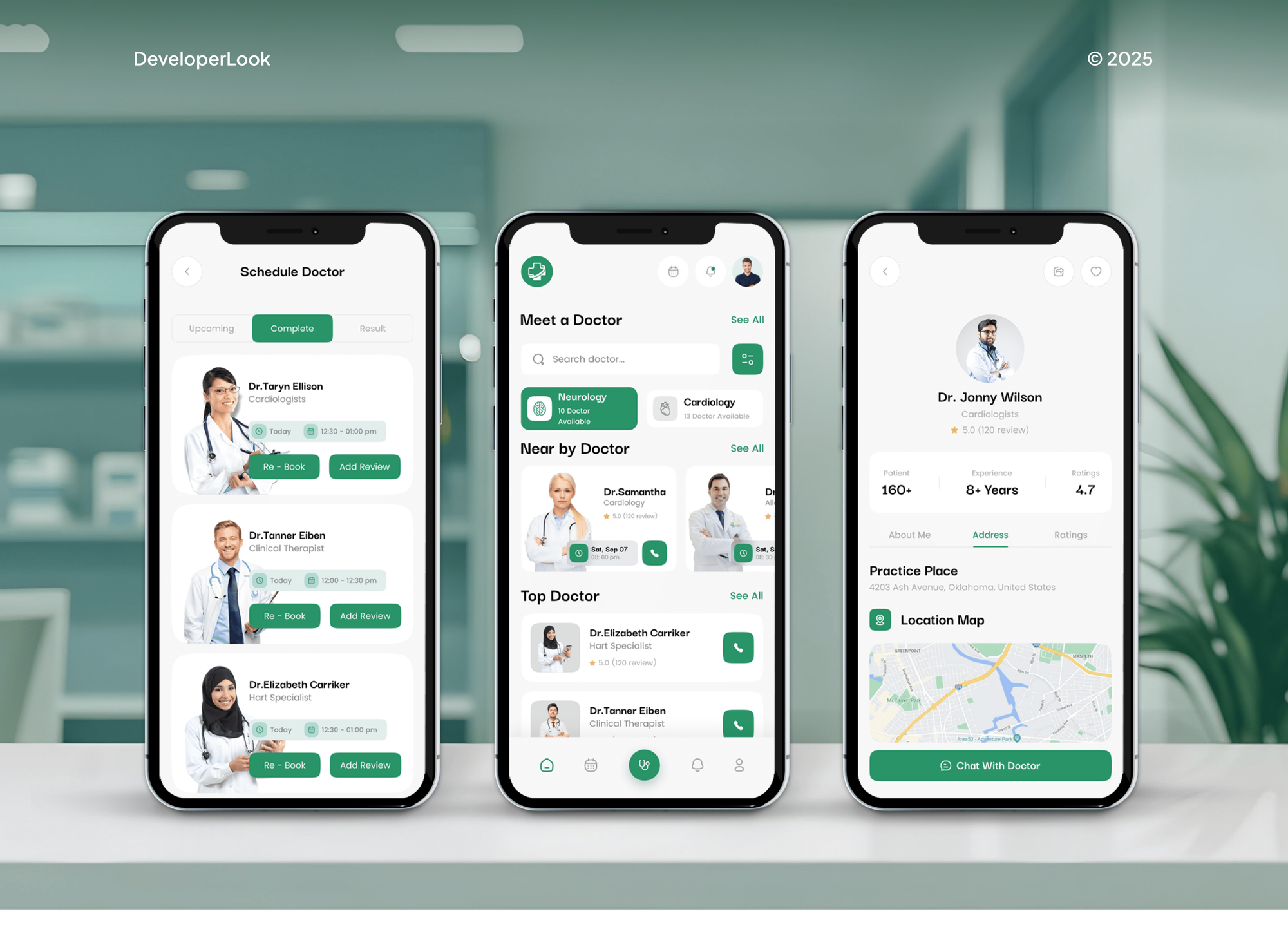
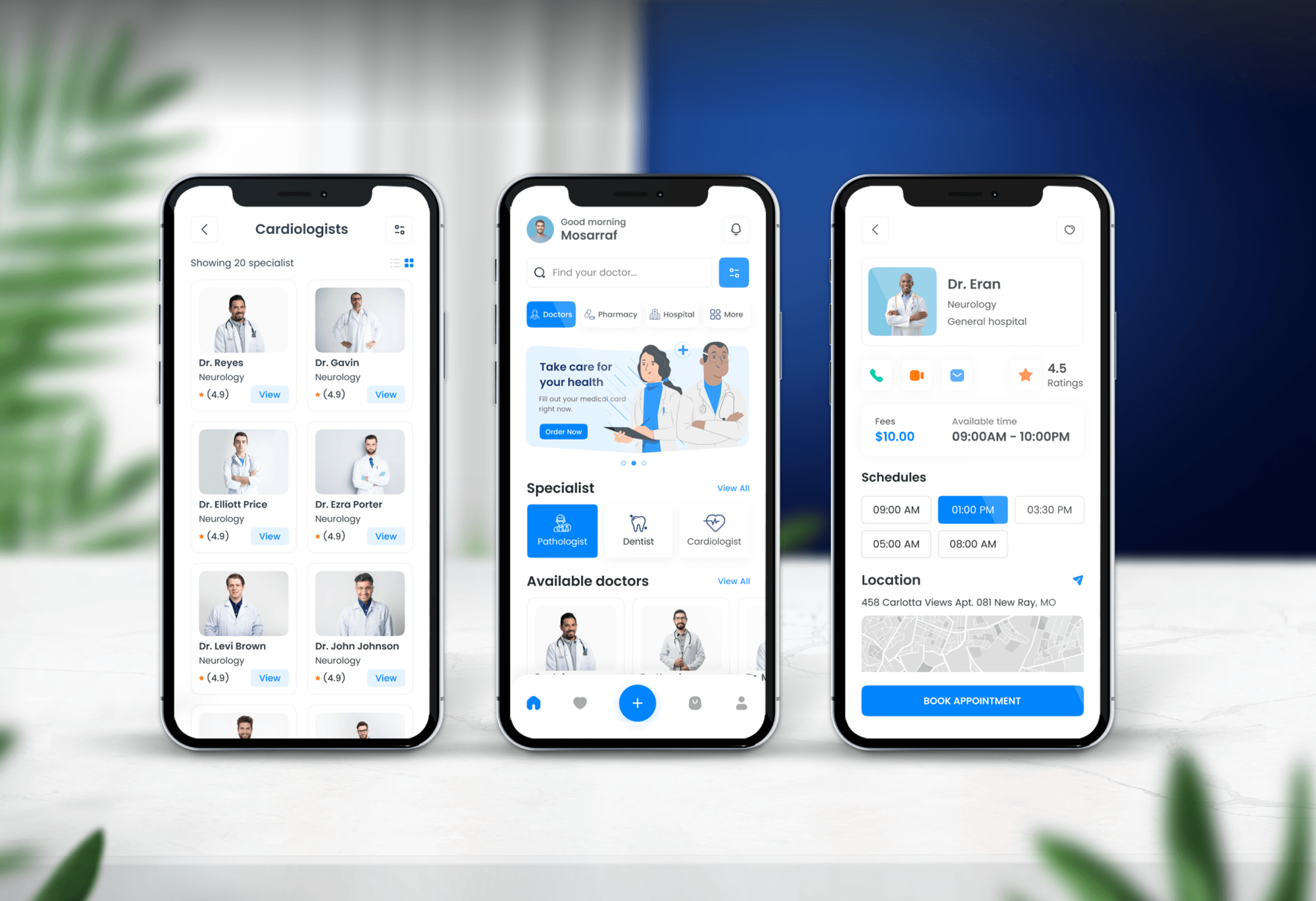
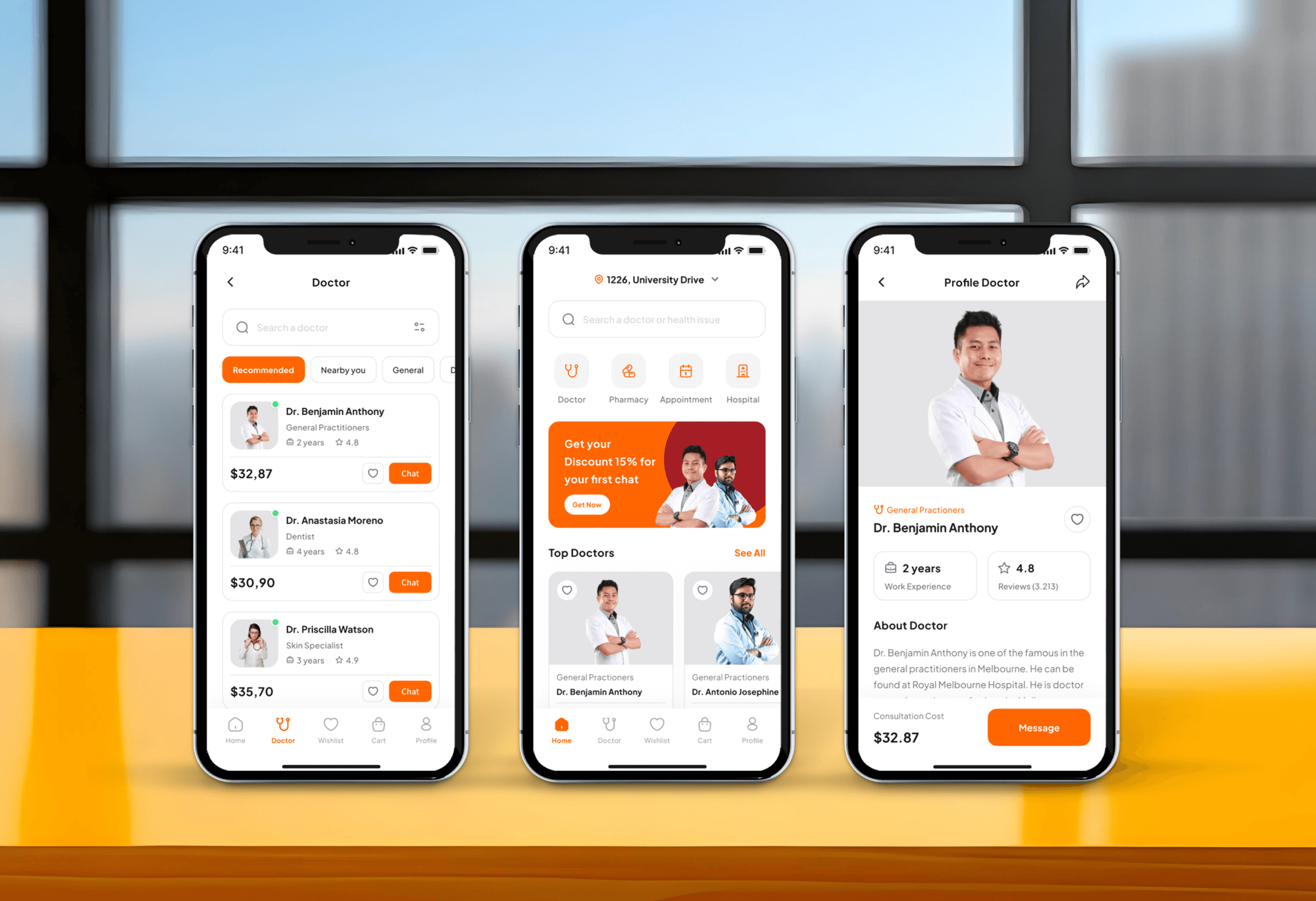
Patient and clinic apps from our portfolio. They show the booking, records, and dashboard features we secure, not a claim that each was a HIPAA project.
What Our Clients Say
Feedback from teams we have built apps and web platforms for.
We had a pretty specific idea of what we wanted our website to become, but I wasn’t sure how easily we could explain all of it to a development team. There were quite a few moving parts, and we were working toward a deadline, so I expected a few things to get lost along the way. That never really happened. They understood what we were trying to achieve, kept us updated throughout the process, and got everything ready within the agreed timeline. The final site feels much easier to navigate, works beautifully on mobile, and is noticeably smoother for our customers. It was a huge relief seeing the original idea actually turn into the website we had in mind.
The mobile experience is probably my favourite part of the new site. We had spent a lot of time making sure the desktop version looked right, and the team kept pushing us to think about how everything would actually feel on a phone too. They were right. The navigation is clean, the interactions feel natural, and everything we’ve tested so far works exactly as it should. They also went through the links, forms, integrations, and other details more than once before launch, which I really appreciated. And even after going live, we could still reach out when something came up. The whole process felt friendly, organised, and surprisingly straightforward.
What I appreciate most is that the website is actually easy for us to manage now. We can update content ourselves instead of sending a developer a message every time we need to change something small. They also paid attention to the technical SEO side, which mattered to us because we didn’t want a new website to create problems for the traffic we already had. I’ve probably asked more questions than I should have since launch, but every question has been handled patiently and without any fuss. The team is easy to work with, they explain things clearly, and when we need something changed, they focus on getting it done rather than making the process complicated.
1,250+
Projects shipped
10+
Years of experience
Top 3%
Upwork Top Rated Plus
5 stars
Average review score
1,250+
Projects shipped
10+
Years of experience
Top 3%
Upwork Top Rated Plus
5 stars
Average review score

Want results like these?
Tell us what you are building. You get a reply within 24 hours on business days, then a written estimate.
Work Culture
Most HIPAA-compliant development agencies stop at encryption. These habits cover the quieter places your app can leak protected health information.
We search your logs, crash reports, analytics events, and notification payloads for health data on every release. Encryption at rest doesn't help when a crash report ships a patient's name.
We build and test with made-up patient records, and real PHI stays in your production accounts. If a fix needs our team to work with real PHI, we sign a business associate agreement before we touch it.
No agency or product can be HIPAA certified, because HHS recognizes no such certification. We tell you what we built and tested, and your risk analysis does the rest.
HHS proposed in January 2025 to make encryption and multi-factor authentication required. That rule isn't final, and we build both in anyway, so a change won't force a rewrite.
Each third-party SDK in your app gets checked for what data it collects and whether its vendor signs a BAA. If it won't, we replace it or keep health data away from it.
Your code, cloud accounts, and evidence map sit in your name. Your next security review starts from documents you hold, not from a vendor's memory.
Overview
DeveloperLook provides HIPAA compliant app development for health startups and clinics, for new apps and existing ones. We build access control, audit logs, encryption, and session handling, then remove health data from logs, crash reports, and notifications. Plans start at $950, builds take 4 to 14 weeks, and you get an evidence map.
DEVELOPERLOOK
Project facts · HIPAA Compliant App Development
Reviewed 28 Oct 2026 by Saimul Islam
Good fit
Health startups facing a security review
Your first hospital customer sent a security questionnaire, and you need HIPAA compliant app development evidence before the contract moves forward.
Teams with an app already live
Your app already serves patients, and you need its safeguards retrofitted without rewriting the features your users rely on.
Clinics building their own app
Your clinic wants its own patient app, and your compliance officer needs to see how each Security Rule safeguard is handled before approving it.
Software vendors selling to providers
Your product stores patient data for providers, which makes you a business associate, and you need HIPAA compliance for software that customers will audit.
Agencies with a healthcare client
Your agency's healthcare client asked whether you're a HIPAA app developer, and you need one behind your brand who can prove the safeguards.
Not a fit
Policies and training only
You need HIPAA policies, workforce training, and a risk analysis rather than code changes. Our HIPAA Compliance Services cover that administrative side.
Website forms only
You only need intake forms or a website that handles patient details. Our HIPAA Compliant Website Design service fits that smaller job.
Video visits are the product
Your app is mainly video visits with intake and payments. Our Telehealth Platform Development service builds that, with the same safeguards included.
Budget under $950
Your budget is under $950, or you want a badge that says HIPAA certified. No such certification exists, and we'll say so before we quote.
Not sure we're the right fit?
Book a free call or message us. We'll tell you honestly whether we're the right team.
Pricing
These are starting points in USD. Your final price depends on app size, platforms, and the vendors that touch PHI, and you get a fixed proposal after a free safeguard call.
For Agencies
You own the client relationship. We supply the safeguard engineering for your healthcare client's app, from the PHI flow map to the evidence map at release. Your brand stays on every document your client's security team reviews.
White label: your client only ever sees your brand
Send the client's app, vendors, and review deadline, and we scope it in writing.
We map PHI, then build or retrofit safeguards in sprints under your brand.
You hand the release and evidence map to your client while we support it for 60 days.
Send the client's app, vendors, and review deadline, and we scope it in writing.
We map PHI, then build or retrofit safeguards in sprints under your brand.
You hand the release and evidence map to your client while we support it for 60 days.
The Right Technology for Your Project
Tools we use to build and test safeguards, from key management and audit logging to the scrubbing that keeps health data out of crash reports.
 Flutter
 React Native
 Next.js
 Node.js
 NestJS
 Python
 PostgreSQL
 AWS
 Google Cloud
 Docker
Related Services
Healthcare software and security services that sit around a HIPAA app build, from telehealth and EHR links to risk analysis and secure development.
This page
HIPAA Compliant App Development
Pairs with the 6 services around it
FAQ
Straight answers on cost, timelines, Security Rule safeguards, and how to make an app HIPAA compliant.
Saimul IslamFounder & CEO, DeveloperLookStill have questions?
Send a message or book a call with the team.
A safeguard review of an existing app starts at $950, with the PHI flow map, a leak search, and log and crash report scrubbing. A retrofit that builds audit logging, automatic logoff, and multi-factor sign-in into your app is $3,400. New apps built with every safeguard start at $8,200. Cloud and vendor fees go on your own accounts.
A safeguard review takes about 2 weeks, a retrofit takes 4 to 8 weeks, and a new app takes 8 to 14 weeks. Vendor swaps add the most time, when an SDK you rely on won't sign a BAA and needs replacing. Your plan lists those swaps up front, so they don't surprise you mid-build.
Developing a HIPAA compliant app starts with a PHI flow map of every place patient data enters, moves, is stored, or leaves. Then each Security Rule technical safeguard becomes features and tests, every vendor gets a BAA check, and health data comes out of logs and notifications. Leak and access tests close it out, with evidence kept for your risk analysis.
Start with a safeguard review of the live app instead of a rewrite. You map where PHI flows, search logs and crash reports for it, and rank the gaps against the 5 technical safeguards. Then you fix the riskiest gaps first, usually audit logging, session timeouts, and SDKs that collect health data.
Build it like any HIPAA app, then handle the phone itself. Keep tokens in the iOS Keychain or Android Keystore, blur the app in the app switcher, and keep health details out of push notifications. Apple's App Review Guidelines also bar storing personal health information in iCloud, so plan your backups around that rule.
Make the evidence part of the build. Unique user IDs and emergency access are required specifications, while automatic logoff and encryption are addressable, which means you document your choice. We build all of them and tie each one to its code and test results, so your reviewer reads proof instead of assurances.
DeveloperLook specializes in HIPAA compliant app development for new apps and retrofits of live ones. When you compare companies for HIPAA compliance application development, ask each for a sample evidence map. Then ask how they keep PHI out of crash reports and which cloud services they host on. Agencies that only mention encryption leave most of the Security Rule unaddressed.
No. HHS doesn't recognize or endorse any HIPAA certification, so no app or developer can be HIPAA certified. What you can show is evidence: a risk analysis, the safeguards built into your app, signed BAAs with vendors, and test results. Be wary of anyone selling a certification badge for your app store listing.
It also covers how your team works: who can reach production data, how keys are managed, and how vendors are vetted. Developers should build with synthetic data, use separate environments, and log admin access to production. A business associate agreement is needed with any vendor that handles PHI for you, including your cloud host.
You own the code, the cloud accounts, and the evidence map, all in your name from the start. We fix issues for 60 days after release and update the evidence map whenever code changes. After that, your team keeps the map current, or you keep us on for new features and the next security review.
Saimul IslamFounder & CEO, DeveloperLookStill have questions?
Send a message or book a call with the team.
Free 30-min callGoogle Meet
Book a call
In 30 minutes on Google Meet we walk you through how we would build it, how long it takes and what it costs. Then you get a written estimate.
Calendar not showing? Book on cal.com or send a brief.