




On-device testing
Your real iOS and Android builds tested on physical devices, including rooted and jailbroken phones.

For teams shipping iOS and Android apps: we test the installed build on real devices against the OWASP MASVS, then test its backend API. From $1,300.
8/8
MASVS groups checked
2
Platforms tested by hand
How your project runs
01 · FreeTeams we have built for:














The Problem
Passing app store review means your app follows the store's rules. It says nothing about whether an attacker can read its data, copy its secrets, or tamper with it.
Local data
Tokens or personal data sit in readable local storage.
Local data
We test what the app stores and prove whether it is protected.
Hard-coded keys
An API key or secret is baked into the app binary.
Hard-coded keys
We decompile the build and find secrets before an attacker does.
No pinning
Traffic can be read on shared Wi-Fi without pinning.
No pinning
We test the network layer and confirm pinning holds.
Backend trust
The app is checked but the API behind it is not.
Backend trust
We test the backend API the app calls, with the same rigor.
Your app shipped, it passed store review, and the backend sits behind HTTPS. Still, nobody has looked at what happens once your app is on a real phone in the wrong hands. Does it leave tokens or personal data in storage that any file browser can read? Is an API key baked into the binary where a decompiler finds it in minutes? Can someone on the same Wi-Fi read the traffic because pinning was skipped? A web scan does not see your app, and your QA team tests features, not attackers. The gaps live in the parts nobody tested.
We test your app the way an attacker with the phone would. We install your real iOS and Android builds on test devices, including rooted and jailbroken ones, and check them against the OWASP MASVS. We look at what your app stores, how it encrypts, how it handles tokens and deep links, what secrets sit in the binary, and whether it resists tampering. Then we test your backend API. You get proof for each finding and a fix your developers can apply.
Tested on real devices
We install the iOS and Android builds on test phones, including rooted and jailbroken ones, the way an attacker would.
Checked against the MASVS
We test your app across the OWASP MASVS control groups, from storage and crypto to resilience, so nothing is skipped.
App and backend together
We test your app and the backend API it talks to, because the worst findings usually cross between the two.
Our Mobile App Penetration Testing Process
You approve the scope and give us the builds. You watch each finding proven on a device, then get a report mapped to the MASVS, with a fix for every issue.
You tell us your apps, the platforms, and the backend they use. We agree whether one or both platforms and the API are in scope, and the testing window. You sign an authorization form, and we lock a fixed price. We test only apps and systems you own or are authorized to test.
What's Included
You get testing on real iOS and Android devices, a check against the MASVS, storage and crypto review, binary and tamper testing, backend API testing, and a retest.
Compare Options
An automated scanner checks the binary quickly, and a large firm carries brand weight for big contracts. Here is where each fits a mobile test and where it stops.
| Feature | DeveloperLookBest fit | Automated scanner | Large firm |
|---|---|---|---|
| Starting cost | From $1,300 | Free or monthly | Quoted per engagement |
| On-device testing | Rooted and jailbroken | Static only | |
| MASVS coverage | All control groups | Partial checks | |
| Binary secrets | Decompiled by hand | Pattern matching | Usually tested |
| Backend API | Tested with the app | Not covered | Often extra |
| Fix help | Fixes explained | Generic advice | Report only |
| Retest | Rescan anytime | Varies by contract | |
| Best for | iOS and Android apps | A quick first check | Large contracts |
Projects We've Built
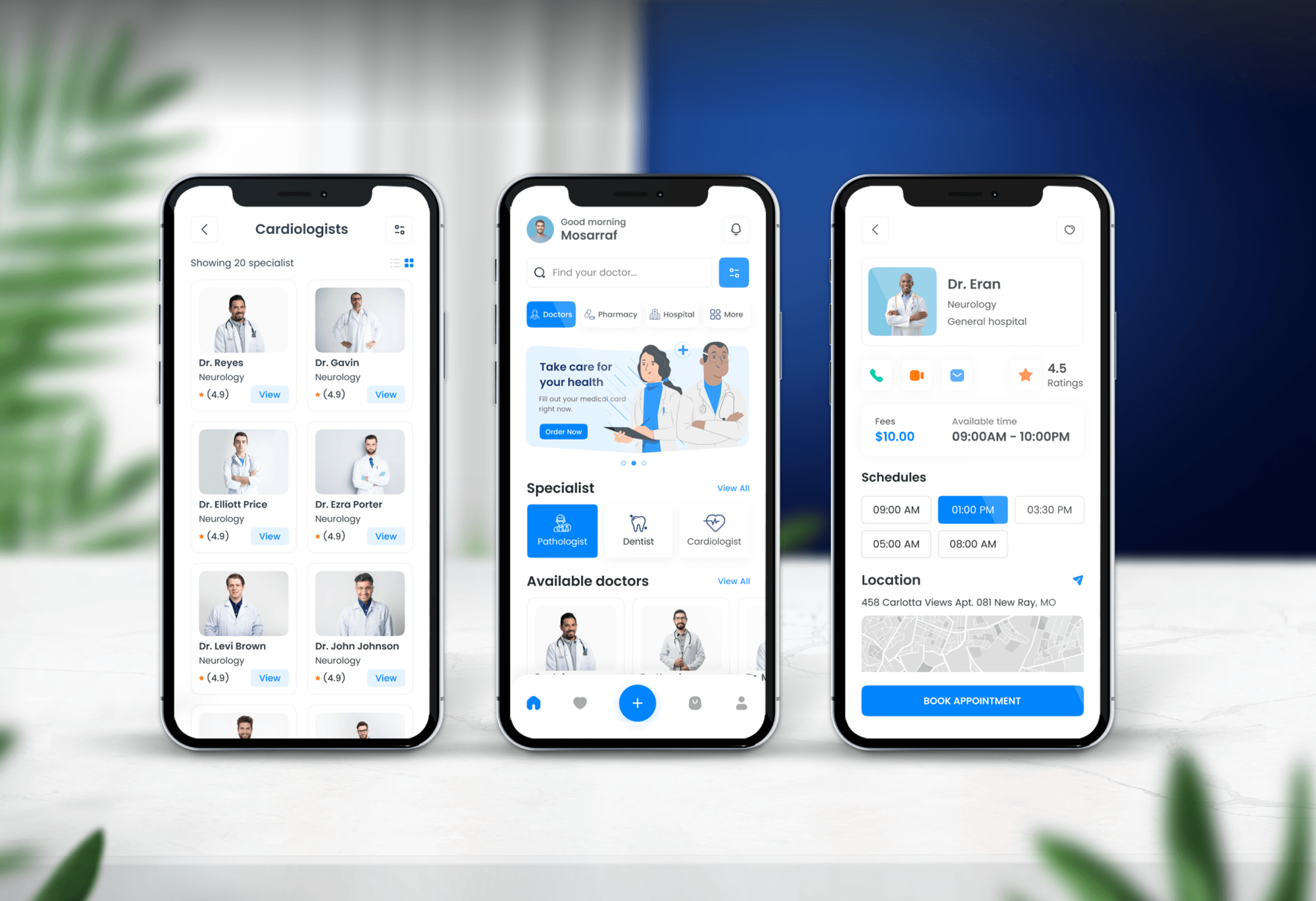
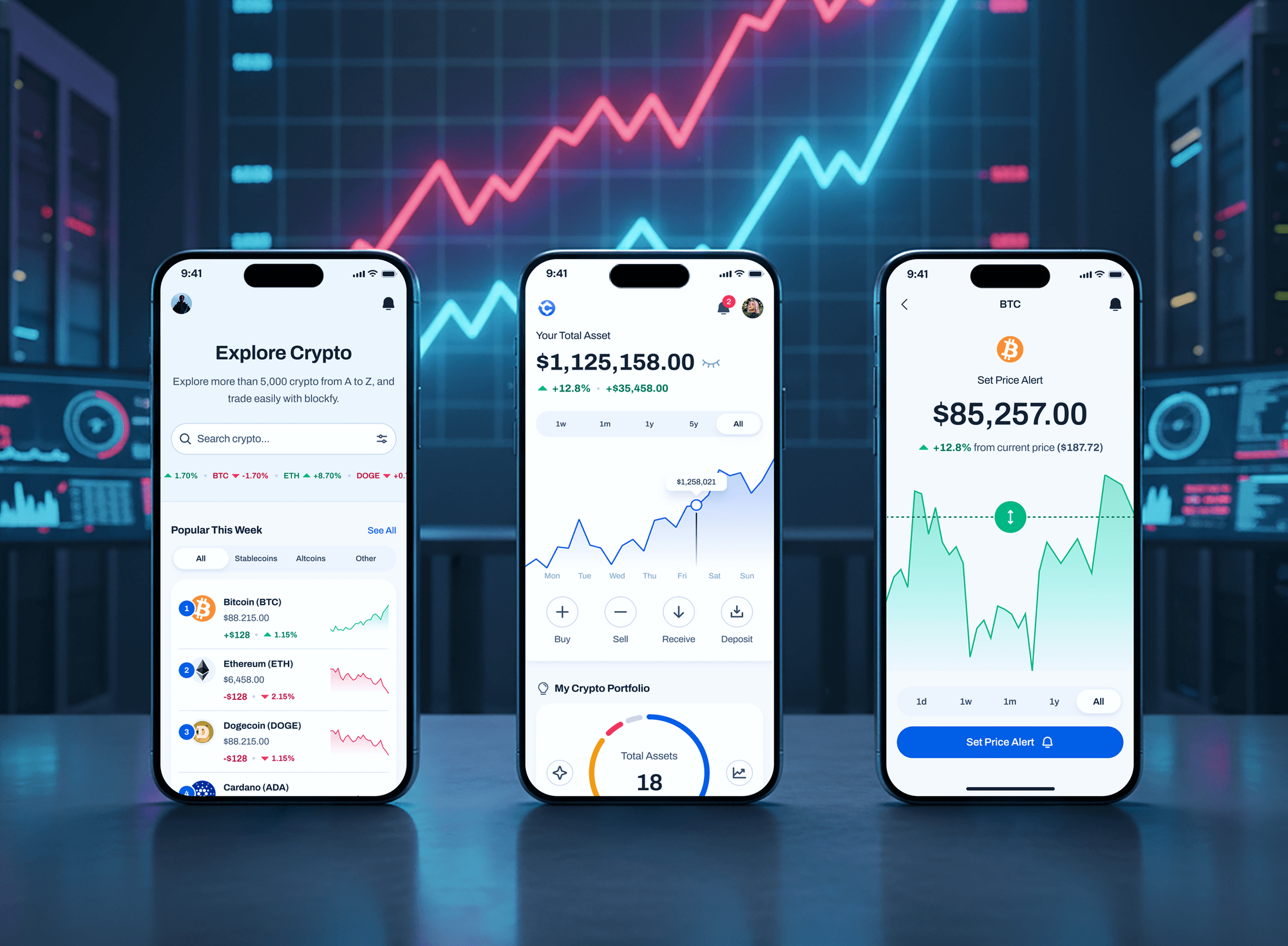
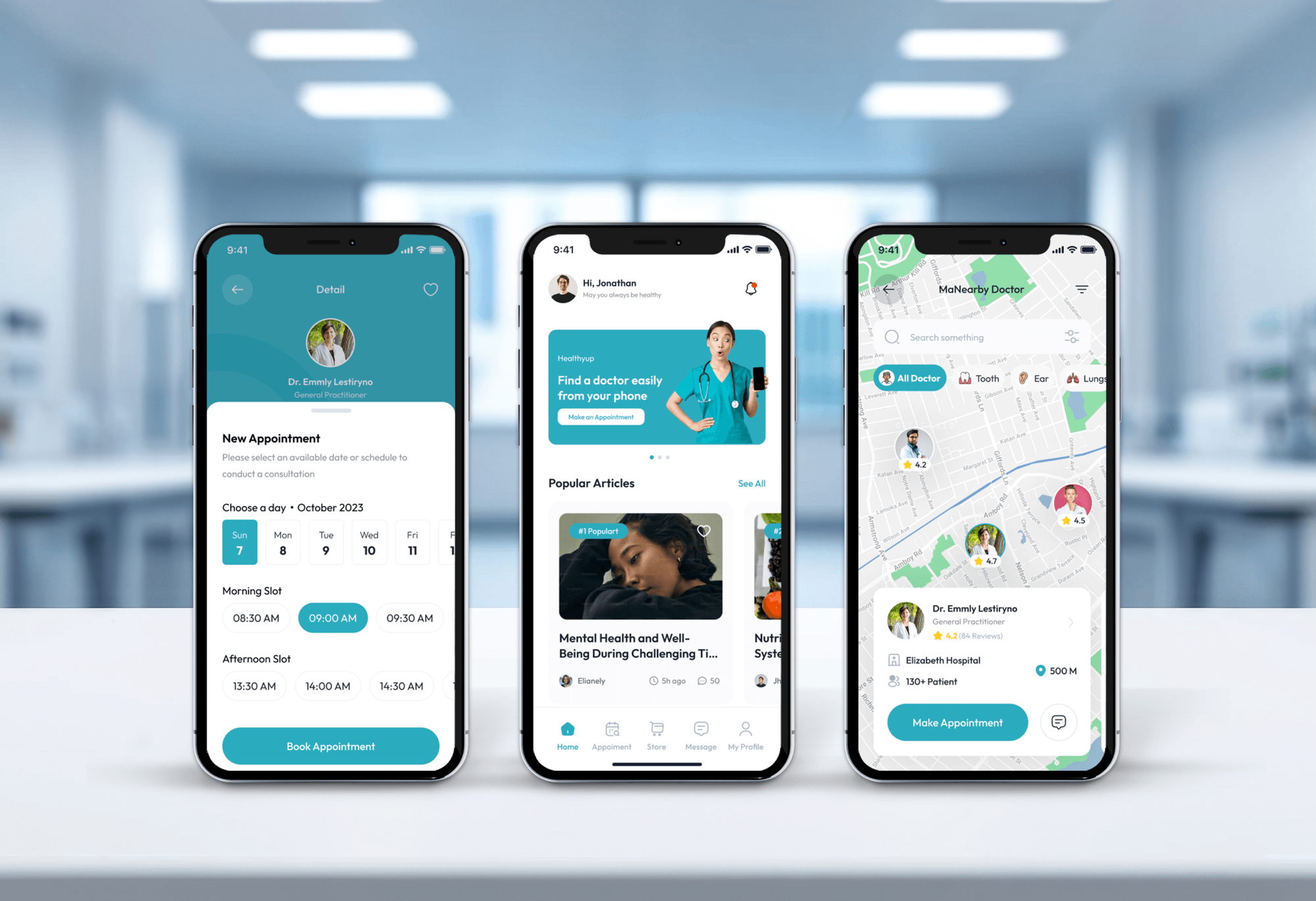
We design and ship native and cross-platform mobile apps, so we know where tokens, storage, and backend calls usually leak on a real device.
What Our Clients Say
Feedback from teams we have built and shipped mobile apps for.
We had a pretty specific idea of what we wanted our website to become, but I wasn’t sure how easily we could explain all of it to a development team. There were quite a few moving parts, and we were working toward a deadline, so I expected a few things to get lost along the way. That never really happened. They understood what we were trying to achieve, kept us updated throughout the process, and got everything ready within the agreed timeline. The final site feels much easier to navigate, works beautifully on mobile, and is noticeably smoother for our customers. It was a huge relief seeing the original idea actually turn into the website we had in mind.
The mobile experience is probably my favourite part of the new site. We had spent a lot of time making sure the desktop version looked right, and the team kept pushing us to think about how everything would actually feel on a phone too. They were right. The navigation is clean, the interactions feel natural, and everything we’ve tested so far works exactly as it should. They also went through the links, forms, integrations, and other details more than once before launch, which I really appreciated. And even after going live, we could still reach out when something came up. The whole process felt friendly, organised, and surprisingly straightforward.
What I appreciate most is that the website is actually easy for us to manage now. We can update content ourselves instead of sending a developer a message every time we need to change something small. They also paid attention to the technical SEO side, which mattered to us because we didn’t want a new website to create problems for the traffic we already had. I’ve probably asked more questions than I should have since launch, but every question has been handled patiently and without any fuss. The team is easy to work with, they explain things clearly, and when we need something changed, they focus on getting it done rather than making the process complicated.
1,250+
Projects shipped
10+
Years of experience
Top 3%
Upwork Top Rated Plus
5 stars
Average review score
1,250+
Projects shipped
10+
Years of experience
Top 3%
Upwork Top Rated Plus
5 stars
Average review score

Want results like these?
Tell us what you are building. You get a reply within 24 hours on business days, then a written estimate.
Work Culture
Testing a mobile app means working on the device and in the backend at once. These habits keep the test thorough and the report easy for your developers to act on.
Your build runs on physical phones, including rooted and jailbroken ones. An attacker holds a real device, so that is where your app is tested, not only in a simulator.
Your app is tested against the OWASP MASVS, so coverage stays consistent and your report maps to a standard your auditors already know.
Each issue is proven on a device or in the binary, with the steps to repeat it. You fix a confirmed problem, not a scanner's guess.
A secure app with a weak API is still exposed, so your backend is tested too. Many of the worst findings cross from your app into the backend it trusts.
If functional QA or a web app test covers your case, we will say so before we quote. The test should match your real risk.
Every report, proof, and fix stays yours to keep and share with customers, auditors, or an app store review, during the engagement and after.
Overview
DeveloperLook provides mobile app penetration testing services for iOS and Android teams. We install the real build on test devices, including rooted and jailbroken ones, check it against the OWASP MASVS, and test the backend API it calls. Tests start at $1,300, take 2 to 3 weeks, and you get proof for each finding, a MASVS-mapped report, and a retest.
DEVELOPERLOOK
Project facts · Mobile App Penetration Testing Services
Reviewed 27 Oct 2026 by Saimul Islam
Good fit
Fintech and banking app teams
You handle money or accounts in your app, and you need proof it protects tokens and data before a bank partner or auditor asks.
Health app teams
Your app holds patient or health data, and you need to show it is stored and sent safely on the device and to the backend.
Teams facing a security review
Your customer or partner asks for a recent mobile pen test, and you want a report mapped to the MASVS, not a scan export.
Apps with a public API
Your app talks to an API that anyone can call, and you want the app and the backend tested as one attack surface.
Teams after a new release
You just shipped a big update with new logins, payments, or deep links, and you want the new surfaces tested before users lean on them.
Not a fit
Functional QA
You want crash, usability, and device testing, not security. Our Mobile App Testing page covers that kind of release testing.
Web app only
Your product is a website or web app, not a mobile app. Our Web Application Penetration Testing Services page is the right fit.
Full code review
You want a deep source code and design review, not a device test. Our Application Security Assessment page goes to that depth.
Budget under $1,300
Your budget is under $1,300, or you only need a quick automated scan. A single-platform test is the smaller first step.
Not sure we're the right fit?
Book a free call or message us. We'll tell you honestly whether we're the right team.
Pricing
These are starting points in USD. Your price depends on how many platforms are in scope and whether the backend API is included. You get a fixed proposal after a free scoping call.
For Agencies
You own the client relationship. We supply the mobile testing under your brand: on-device testing against the MASVS, backend API testing, and a report your account team can present. Your studio can offer a real pen test without staffing mobile security testers in house.
White label: your client only ever sees your brand
You send us the client builds, the backend, and the rules of engagement.
We test the app on devices and the backend, and prove each finding.
Your team sends the MASVS-mapped report to the client as your own.
You send us the client builds, the backend, and the rules of engagement.
We test the app on devices and the backend, and prove each finding.
Your team sends the MASVS-mapped report to the client as your own.
The Right Technology for Your Project
We test with the tools mobile security testers rely on and report against a standard your developers and auditors already recognize.
 Burp Suite
 OWASP
 Python
 React Native
 Flutter
 Node.js
 GraphQL
 OpenAPI
 Firebase
 PostgreSQL
 AWS
 Microsoft Azure
 Google Cloud
 Docker
 Cloudflare
Related Services
Services app teams often add: the security hub, ongoing testing, functional QA, app development, and a deeper code review.
This page
Mobile App Penetration Testing Services
Pairs with the 6 services around it
FAQ
Straight answers on cost, timing, how the testing works, and the standard we test against.
Saimul IslamFounder & CEO, DeveloperLookStill have questions?
Send a message or book a call with the team.
Mobile app penetration testing services start at $1,300 for one platform tested on real devices against the MASVS. Testing both iOS and Android with the backend API runs $3,100. A full test with a backend cloud review and two retests starts at $5,800. You get a fixed quote after a free scoping call.
Most mobile tests take 1 to 2 weeks per platform, including hands-on work on real devices. Adding the backend API review takes up to 3 weeks, depending on how many platforms and backends are in scope. We retest once your team has shipped the fixes, usually within 60 days.
It is an authorized test of your iOS or Android app and its backend, run on real devices, to find weaknesses an attacker could use. Also called mobile application penetration testing or mobile app security testing, it checks what your app stores, how it protects data, and how it talks to its API. All of it maps to the OWASP MASVS.
We install your real build on test devices, including rooted and jailbroken ones, and work through the OWASP MASVS control groups. Our mobile application pentesting checks your storage, crypto, authentication, deep links, binary secrets, and tamper resistance. We decompile the app, read its traffic, and confirm each finding by hand, then test the backend API.
We treat your banking app as high-risk and test it harder. On top of the full MASVS checks, our mobile penetration testing looks at how tokens and session keys are stored and whether certificate pinning holds. We check whether it runs safely on a rooted phone, then test the banking backend API for access and logic flaws.
Yes. iOS and Android store data, pin certificates, and handle permissions differently, so a finding on one may not exist on the other. Our mobile app pen testing covers whichever platforms you ship, native or in React Native or Flutter. The two-platform plan tests both and shares one report.
Yes. A determined attacker will run your app on a rooted or jailbroken phone, so we test there too. We check whether the app detects the unsafe device, whether it still protects data and keys, and whether it can be tampered with. Penetration testing mobile applications without a rooted device misses a whole class of risk.
Yes, on the two-platform and full plans. A locked-down app is still exposed if its API is weak, so we test your backend for broken access between users, weak tokens, and logic flaws. You get the app and the API reviewed together, with findings in one ranked list.
We test against the OWASP Mobile Application Security Verification Standard (MASVS) and use its testing guide, the MASTG, for the method. Every finding is mapped to its MASVS control group, so your report lines up with a recognized standard. That makes it easy for your auditors and partners to read and trust.
You own the full report, the proofs, and the fix list, during the engagement and after it ends. Every plan includes at least one retest: once your developers apply the fixes, we retest each finding against its original proof and send an updated report. You can share that report with customers, auditors, or an app store review.
Saimul IslamFounder & CEO, DeveloperLookStill have questions?
Send a message or book a call with the team.
Free 30-min callGoogle Meet
Book a call
In 30 minutes on Google Meet we walk you through how we would build it, how long it takes and what it costs. Then you get a written estimate.
Calendar not showing? Book on cal.com or send a brief.