
A page for each support
One page per support, from support coordination to SIL, saying who it suits and how it's funded.

For NDIS providers who need referrals, not just visits: accessible service pages, Easy Read versions, and referral forms that reach your intake team. From $1,100.
2X
More referral enquiries
AA
WCAG 2.2 accessibility target
How your project runs
Teams we have built for:














The Problem
It shows up when a support coordinator has three providers to compare before lunch and needs your regions, registration status, and referral path fast.
01 · Coverage
Coordinators can't tell which regions or suburbs you actually cover.
Region pages list the suburbs you serve and the supports available in each.
02 · Referrals
The referral form asks for details intake never uses.
Forms ask only what intake needs, then route by support and region.
03 · Access
Screen reader users can't get past the menu.
We test keyboard and screen reader paths against WCAG 2.2 AA before launch.
04 · Services
Your list of supports is a PDF nobody can search.
Each support gets its own page with who it suits and how funding works.
A support coordinator opens your site with a participant's plan in hand. They need three answers: do you cover Ipswich, are you registered, and how do they refer. Your home page talks about values, and the service list is a PDF. The referral form lands in a shared inbox nobody checks on Fridays. A participant using a screen reader can't get past the menu. So the referral goes to the next provider on the list.
We start with the people who send you work: participants, families, and support coordinators. Each support gets its own plain-English page saying who it suits, which regions you cover, and how funding works. Key pages get Easy Read versions. Your registration status is stated accurately. Referral forms ask only what intake needs and reach the right person. Referrals arrive complete, not as a voicemail asking you to call back.
Easy Read key pages
Short sentences and supporting images on the pages participants read before choosing a provider.
Registration status stated plainly
Registered providers use the NDIA's registered provider logo correctly, and unregistered providers say so plainly.
Referrals that reach intake
Forms collect what your intake team needs and route each referral by support and region.
Our NDIS Website Design Process
You approve the sitemap, the plain-English copy, the clickable design, and the staging site. Nothing goes live until test referrals reach your team.
We look at where your referrals come from, which supports you deliver, and the regions you cover. You get a sitemap, a referral path for each audience, and a fixed price before design starts.
What's Included
Service pages, Easy Read versions, region pages, referral and careers forms, and accessibility testing. Every piece is built for the people who refer and choose you.
Compare Options
A provider website template gets a small provider online fast, and a freelance NDIS web designer can cost less. Here is where each one fits and where it falls short.
| Feature | DeveloperLookBest fit | Provider template | Freelancer |
|---|---|---|---|
| Planning approach | Referral paths for each audience | Fill in the template | Depends on the designer |
| Easy Read pages | Included for key pages | Rarely offered | Only if you ask |
| Accessibility | WCAG 2.2 AA tested | Varies by theme | Often not tested |
| Referral forms | Routed by support and region | Generic contact form | Basic form plugin |
| Logo and claims | Checked against NDIA guidelines | Up to you | Up to you |
| Launch speed | 4 to 8 weeks | Fastest, often days | 2 to 6 weeks |
| Upfront cost | From $1,100, fixed scope | Lowest upfront cost | Often cheaper per hour |
| Ownership | Every login in your name | Tied to the platform | Depends on the agreement |
Projects We've Built
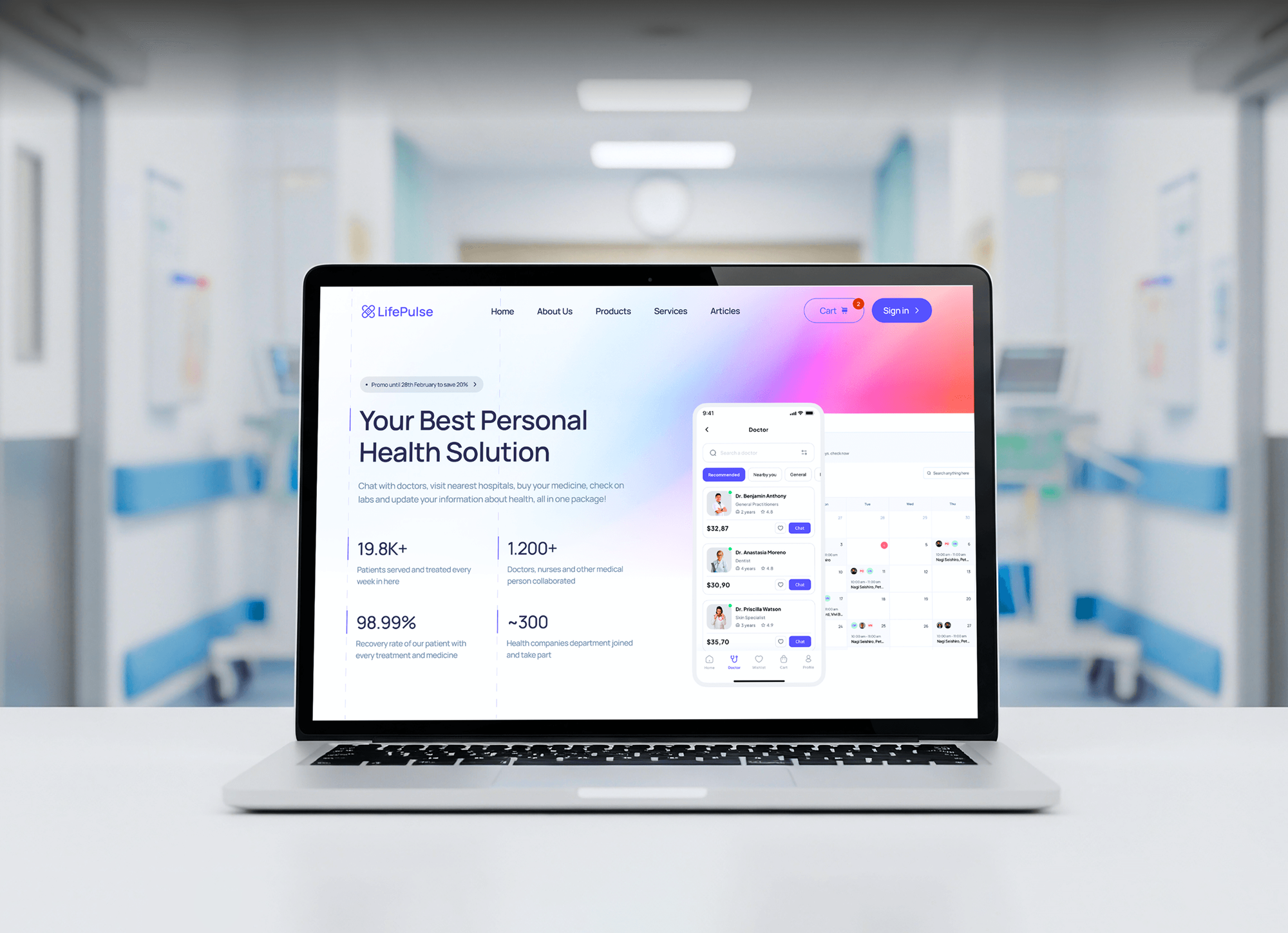
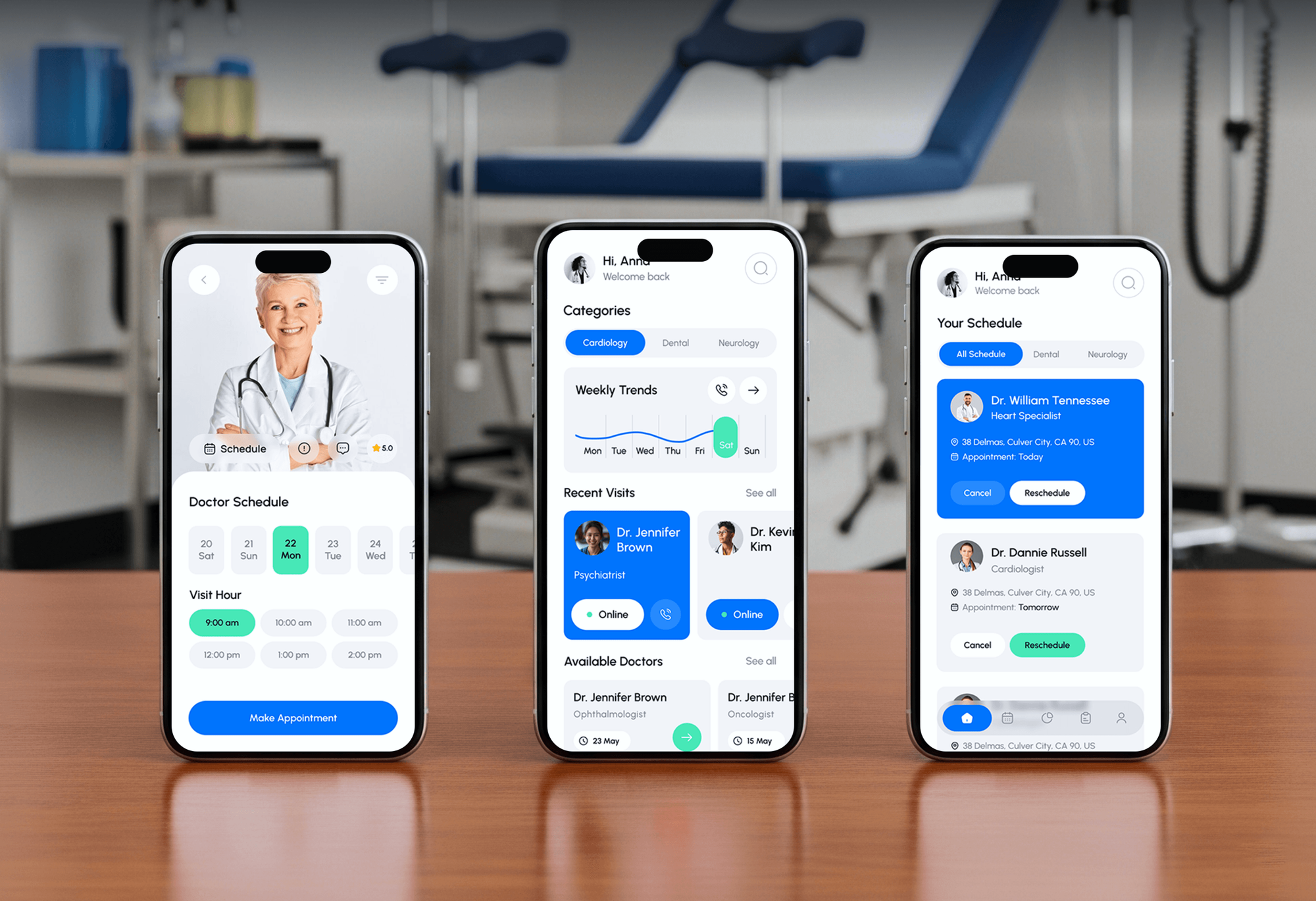
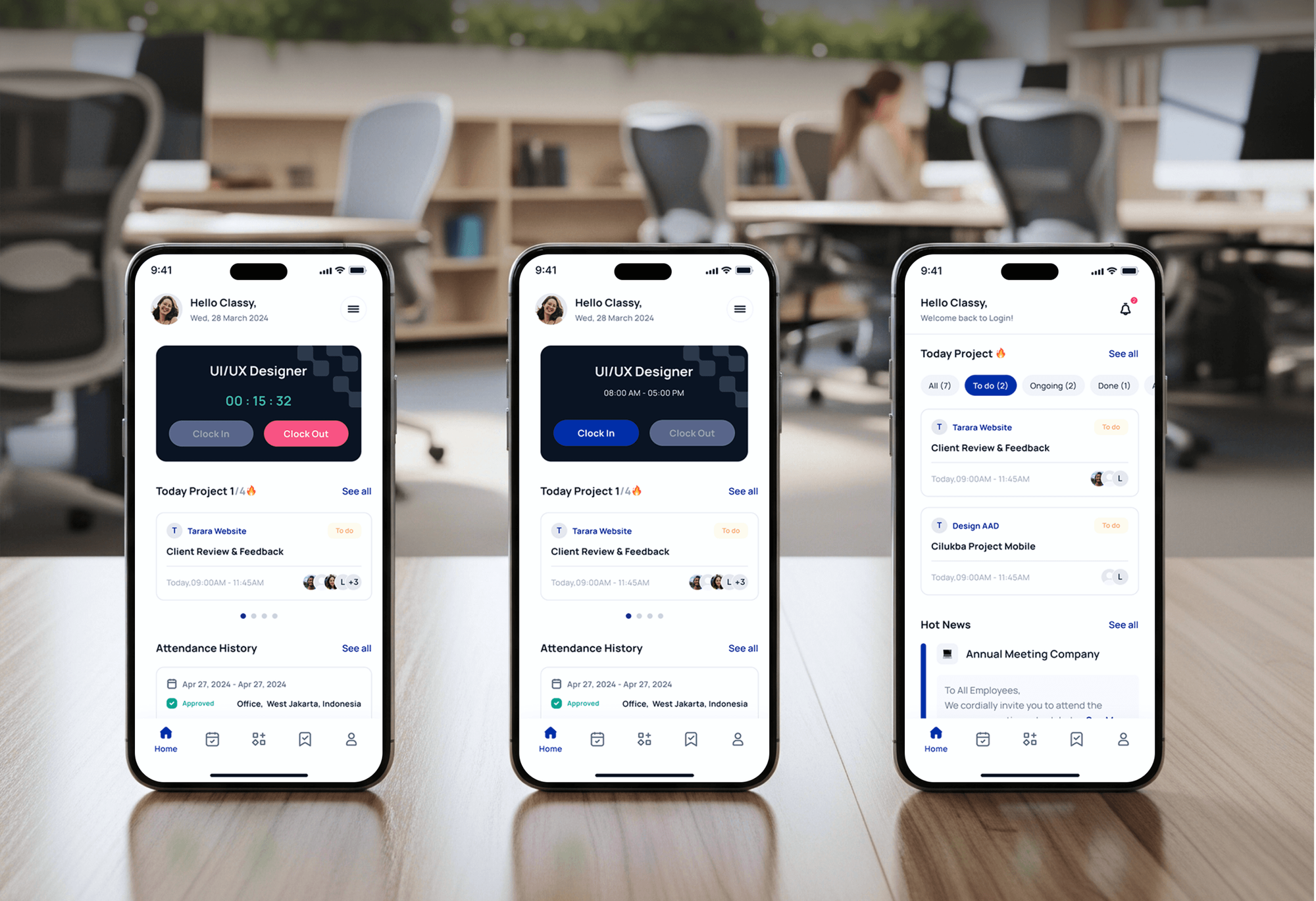
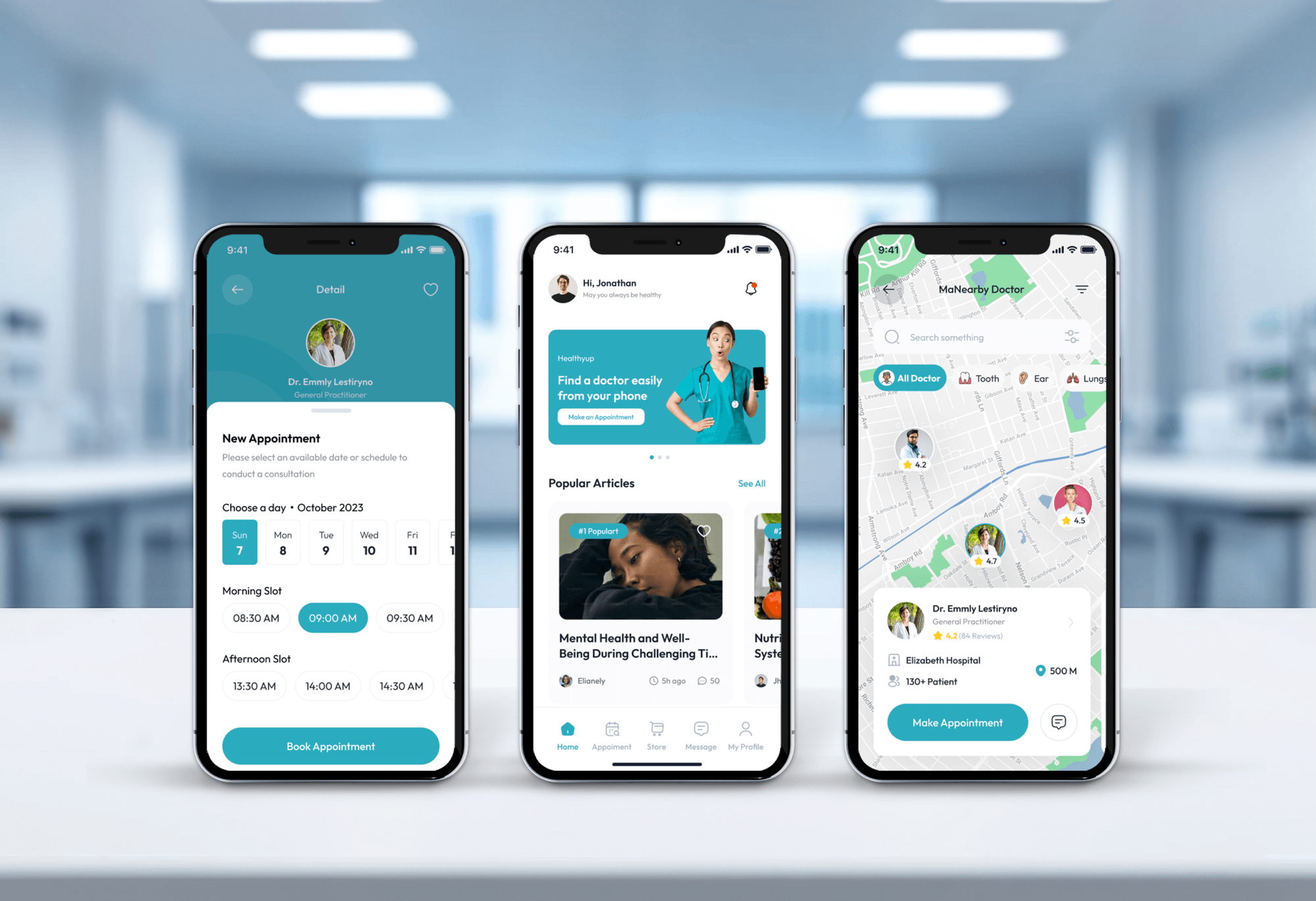
Healthcare websites, booking apps, and a staffing app from our portfolio. None was an NDIS provider site, but each handled bookings, sensitive personal details, or worker recruitment.
What Our Clients Say
Feedback from teams we have built websites and booking apps for.
We had a pretty specific idea of what we wanted our website to become, but I wasn’t sure how easily we could explain all of it to a development team. There were quite a few moving parts, and we were working toward a deadline, so I expected a few things to get lost along the way. That never really happened. They understood what we were trying to achieve, kept us updated throughout the process, and got everything ready within the agreed timeline. The final site feels much easier to navigate, works beautifully on mobile, and is noticeably smoother for our customers. It was a huge relief seeing the original idea actually turn into the website we had in mind.
The mobile experience is probably my favourite part of the new site. We had spent a lot of time making sure the desktop version looked right, and the team kept pushing us to think about how everything would actually feel on a phone too. They were right. The navigation is clean, the interactions feel natural, and everything we’ve tested so far works exactly as it should. They also went through the links, forms, integrations, and other details more than once before launch, which I really appreciated. And even after going live, we could still reach out when something came up. The whole process felt friendly, organised, and surprisingly straightforward.
What I appreciate most is that the website is actually easy for us to manage now. We can update content ourselves instead of sending a developer a message every time we need to change something small. They also paid attention to the technical SEO side, which mattered to us because we didn’t want a new website to create problems for the traffic we already had. I’ve probably asked more questions than I should have since launch, but every question has been handled patiently and without any fuss. The team is easy to work with, they explain things clearly, and when we need something changed, they focus on getting it done rather than making the process complicated.
1,250+
Projects shipped
10+
Years of experience
Top 3%
Upwork Top Rated Plus
5 stars
Average review score

Want results like these?
Tell us what you are building. You get a reply within 24 hours on business days, then a written estimate.
Work Culture
Your site is read by participants, families, and coordinators with very different needs. These habits keep it accurate, accessible, and honest about what you're registered to deliver.
We write at a reading level most participants can follow and explain terms like capacity building when we use them. A participant who understands the page is more likely to choose you.
We describe your registration status exactly as your certificate shows and use the registered provider logo only under the NDIA's guidelines. Unregistered providers say so plainly, which builds trust.
Referral forms collect only the personal information intake needs, and your privacy policy explains how you handle it. The Australian Privacy Principles expect that openness.
We're a US company, and we schedule calls in Australian business hours so your team isn't up at midnight. You get written notes after every call, with decisions and next steps.
If a provider website template already covers a small sole-trader practice, we'll tell you before we quote. Your budget may do more as support hours than as a new site.
Your domain, hosting, form tool, and analytics sit in your organization's accounts from day one. If you change agencies, every page and referral record goes with you.
Overview
DeveloperLook offers NDIS website design for disability service providers in Australia. Each site includes plain-English service pages, Easy Read versions of key pages, region pages, referral forms routed to intake, and WCAG 2.2 AA testing. Projects start at $1,100 and launch in 4 to 8 weeks, with fixed pricing and every account in your name.
DEVELOPERLOOK
Project facts · NDIS Website Design
Reviewed 8 Oct 2026 by Saimul Islam
Good fit
Support coordination providers
Your coordinators work across a whole region, yet your website doesn't say which suburbs you cover or how fast you respond.
SIL and SDA providers
You run supported independent living homes and need vacancy pages families can understand, with a way to register interest that reaches your housing team.
Allied health practices joining the NDIS
Your OT, speech, or physio clinic now sees participants, and you need website design for NDIS business that explains plan types without confusing private clients.
Small providers growing fast
You started as a sole trader on a template, now employ twelve support workers, and need careers pages and a site that matches your size.
Plan management providers
You pay invoices for plan-managed participants and need pages that explain your service clearly and show how to switch plan managers.
Not a fit
Logo without registration
You're not registered but want the registered provider logo on your site. We won't add it, because the NDIA's guidelines reserve it for registered providers.
Clinic booking only
Your therapy clinic mainly needs online booking by practitioner. Our Appointment Booking Website Development page covers that one feature.
Accessibility fixes only
Your current site works, but an audit found accessibility problems. Website Accessibility Remediation fixes those without a full rebuild.
Budget under $1,100
Your budget is under $1,100, or you're a sole trader with a handful of clients. A provider website template is the cheaper choice for now.
Not sure we're the right fit?
Book a free call or message us. We'll tell you honestly whether we're the right team.
Pricing
These are starting points in USD. Your final price depends on the number of supports, Easy Read pages, and regions, and you get a fixed proposal after a free discovery call.
For small providers that need clear service pages and a referral form that reaches intake.
$1,100one-time, USD
For providers covering several regions that need Easy Read pages and support worker recruitment.
$2,600one-time, USD
For larger providers across several states that need region hubs, vacancy pages, and staff editing.
$4,900one-time, USD
For Agencies
You own the client relationship. We design and build NDIS provider sites under your brand. That includes Easy Read pages, referral forms routed to intake, and an accessibility report your client keeps.
White label: your client only ever sees your brand
Send the provider's supports, regions, registration details, and brand files.
We return a fixed quote, a page plan, and one lead developer.
We build, test referral forms and accessibility, and hand over under your brand.
We work behind your brand, so the provider relationship stays with you.
We know support coordination, SIL, plan types, and the logo rules.
Senior developers handle referral routing, Easy Read layouts, and accessibility testing.
Take on more disability sector clients without hiring another developer.
The Right Technology for Your Project
We build on a CMS your staff can update, use form tools that handle personal information carefully, and test accessibility with automated and manual checks.
 Figma
 WordPress
 Webflow
 Next.js
 Cloudflare
 AWS
 Lighthouse
 Google Analytics (GA4)
 Google Tag Manager
 Google Search Console
 PageSpeed Insights
FAQ
Straight answers on cost, timing, the NDIS logo, accessibility, Easy Read pages, and referral forms.
Saimul IslamFounder & CEO, DeveloperLookStill have questions?
Send a message or book a call with the team.
Our NDIS provider sites start at $1,100 for up to 8 pages, a referral form, and WCAG 2.2 AA checks. Growing providers with region pages, Easy Read versions, and careers pages start at $2,600. Multi-region providers start at $4,900. Prices are in USD and fixed after a free discovery call.
Most NDIS provider sites launch in 4 to 8 weeks. A starter site takes about 4 weeks. Easy Read pages add 1 to 2 weeks, because each one needs your review. Region hubs and vacancy pages for larger providers take the full 8 weeks, mostly for content from each region.
Only if you're registered with the NDIS Commission, and only the NDIA's registered provider logos. Those are the I heart NDIS and We support NDIS style logos with the Registered Provider tagline. Unregistered providers can't use them, and nobody may use the NDIS logo itself without the NDIA's written consent.
An NDIS website checklist starts with a page for each support, the regions you cover, and your registration status. Add a referral path for participants and coordinators, a privacy policy, a feedback and complaints page, and contact options beyond a phone number. Then test keyboard and screen reader access before launch.
Not by a specific NDIS rule, but Australia's Disability Discrimination Act covers websites. The Australian Human Rights Commission's advisory notes point to WCAG as the benchmark. For a disability audience, it's also basic service. We test against WCAG 2.2 AA with automated tools plus manual keyboard and NVDA checks.
Not by rule, but many participants rely on them. Easy Read uses short sentences, one idea per line, and a supporting image beside each point. We usually create Easy Read versions of your home page, key service pages, and referral instructions, then ask you to review them with someone who reads Easy Read.
A specialist plans around the people who read the site: participants, families, and support coordinators. That means plain-English service pages, Easy Read versions, referral paths for each audience, and careful registration claims. A general designer may build an attractive site that misses all four, and NDIS web design lives in those details.
Collect only what intake needs and explain how you use it. Referral forms should skip details your service doesn't require, send to a monitored inbox, and link your privacy policy. Under the Australian Privacy Principles, that policy says what you collect, why, and how people can access or correct it.
Yes, when the site needs more than pages. NDIS website development can add a secure document upload for referrals, SIL and SDA vacancy listings your housing team updates, or online booking for therapy sessions. We scope each feature separately, so a provider who only needs pages doesn't pay for a portal.
Every plan includes 30, 60, or 90 days of post-launch fixes and staff help. After that, your team edits pages in the CMS, or a care plan handles updates. Your domain, hosting, form tool, and analytics stay in your organization's name, so you keep everything.
Saimul IslamFounder & CEO, DeveloperLookStill have questions?
Send a message or book a call with the team.
Free 30-min callGoogle Meet
Book a call
In 30 minutes on Google Meet we walk you through how we would build it, how long it takes and what it costs. Then you get a written estimate.
Calendar not showing? Book on cal.com or send a brief.