Booking widget on your site
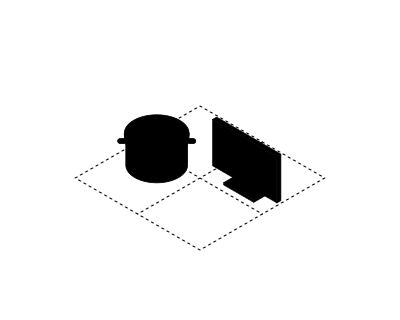
Guests pick a date, time, and party size on your own website, matched to real tables.

For restaurants and small groups: online table booking that knows your real tables, a host screen for the stand, and a guest list that stays yours. From $950.
24/7
Table booking on your site
1screen
For hosts to seat guests
Teams we have built for:














The Problem
It shows up when bookings run through a widget that doesn't know your floor. Turn times are guesses, no-shows cost real money, and the guest list belongs to someone else's platform.
Turn times
Every booking gets the same two hours, whatever the party size.
Turn times
Turn times are set by party size and day part, so tables free up on time.
No-shows
Large parties skip their booking without paying anything.
No-shows
Large parties and prime slots require a card hold under your own policy.
Host stand
Hosts juggle paper lists, a tablet, and a ringing phone.
Host stand
One host screen shows every table, booking, and waitlist party live.
Guest list
Your regulars' details sit inside a rented platform.
Guest list
Guest profiles with visits, allergies, and occasions live in your database.
It's 7:15 on a Saturday and your book says full, yet two four-tops sit empty. One party of six didn't show, and their table could have seated a waitlist couple twice. The widget gave every party two hours, even the couple who left after fifty minutes. Your host juggles a paper list, a tablet, and a phone that won't stop ringing. And the guests who visit every month? Their details live in a platform you rent.
We start with your floor: every table, which ones combine, and how long each party size really stays by day part. Then we build booking around that inventory. Guests book online against real tables, large parties leave a card, and hosts seat from one screen showing every table's status. Empty tables get filled from the waitlist by text. Your book matches your dining room, and your guest list stays in your database.
Bookings against real tables
Guests can only book tables that exist, including combinations for larger parties.
Turn times that fit
Each party size and day part gets its own seating time, so slots open up accurately.
Card holds for no-shows
Large parties and prime slots leave a card on file, charged only under your policy.
Our Restaurant Booking App Development Process
You approve your floor plan, turn times, and booking rules before design starts. Then your hosts test the screen during real services before guests book through it.
We map your tables, combinations, turn times by party size, and your no-show and deposit policy. You get a written scope and a fixed-price proposal based on how your dining room actually runs.
What's Included
Your build covers the booking widget, table inventory and turn times, confirmations and reminders, deposits, the host screen and waitlist, and guest profiles your team can trust.
Compare Options
Reservation networks bring new diners, and booking plugins cost little. Here is where each one fits, and when your own online restaurant reservation software pays for itself.
| Feature | DeveloperLookBest fit | Reservation network | Booking plugin |
|---|---|---|---|
| New diners found | Only your own traffic | Large diner audience | Only your own traffic |
| Table inventory | Your real floor and combinations | Detailed table management | Time slots, no tables |
| Turn times | By party size and day part | Set in the platform | One fixed length |
| No-show protection | Card holds under your policy | Usually available | Rarely available |
| Guest data | Your own database | Shared with the platform | In your website database |
| Ongoing cost | Hosting and text fees | Subscription and network fees | Low plugin fee |
| Time to launch | 3 to 12 weeks | About a week | Same day |
| Code ownership | You own the code | Vendor owns the platform | Plugin author's code |
Projects We've Built
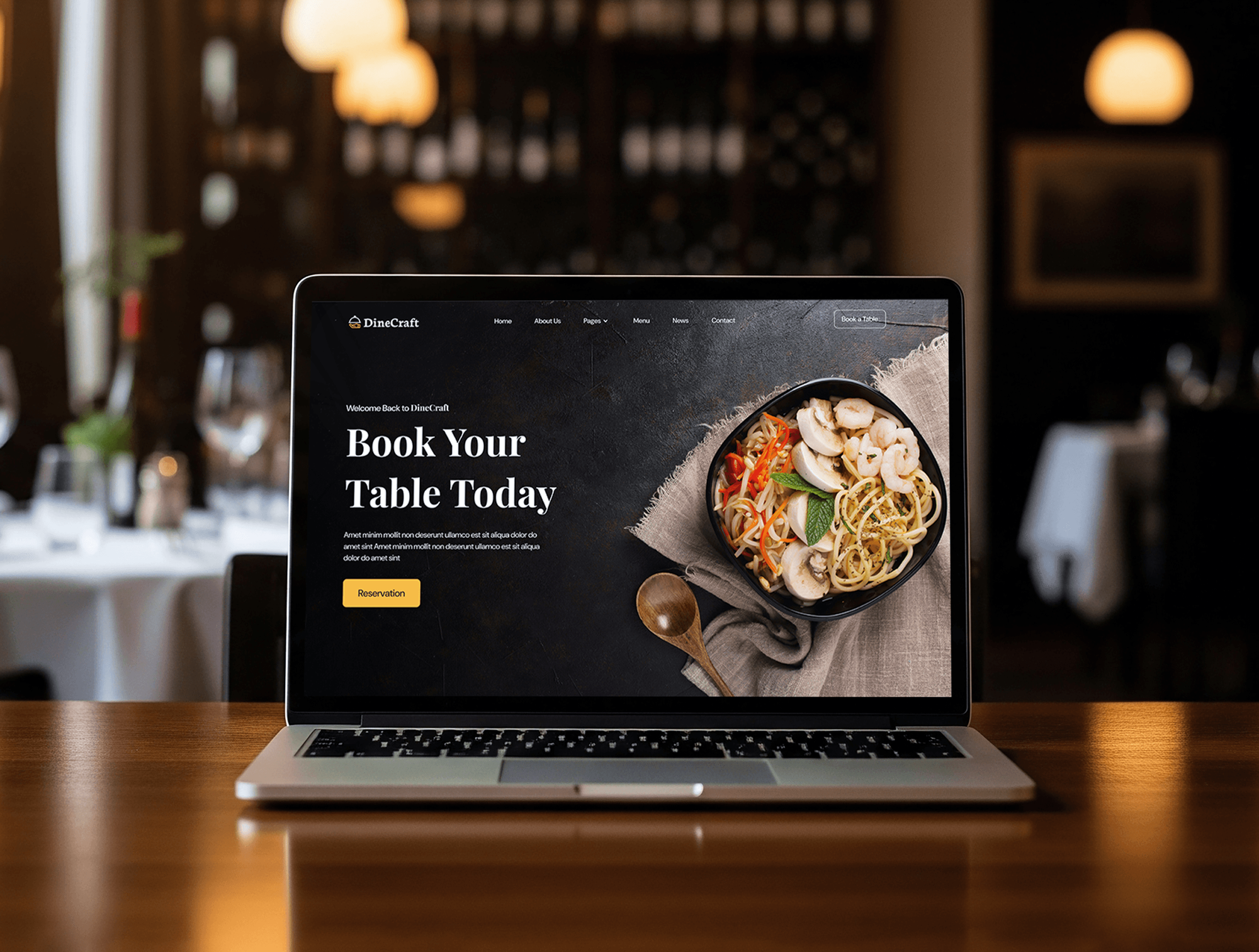
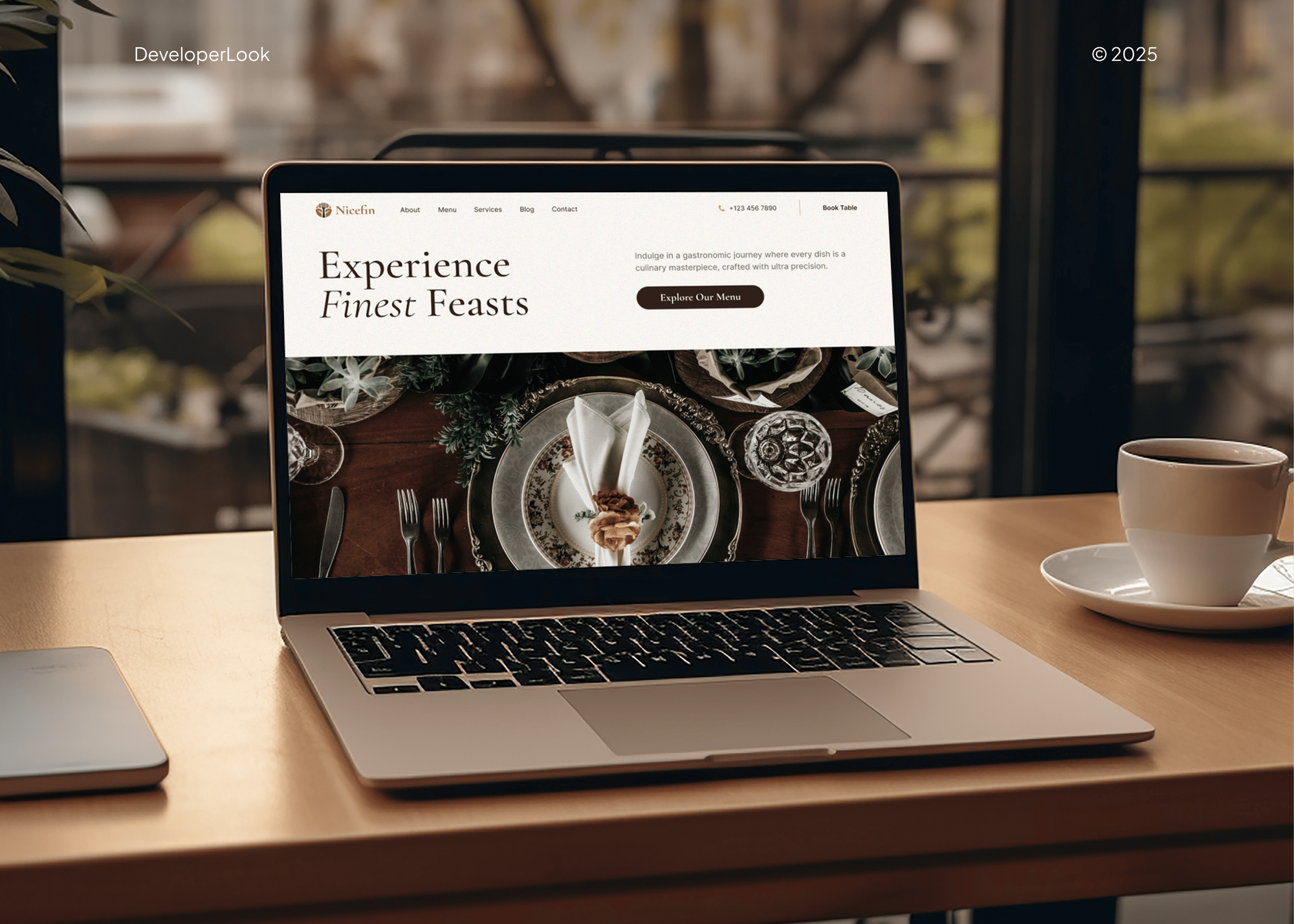
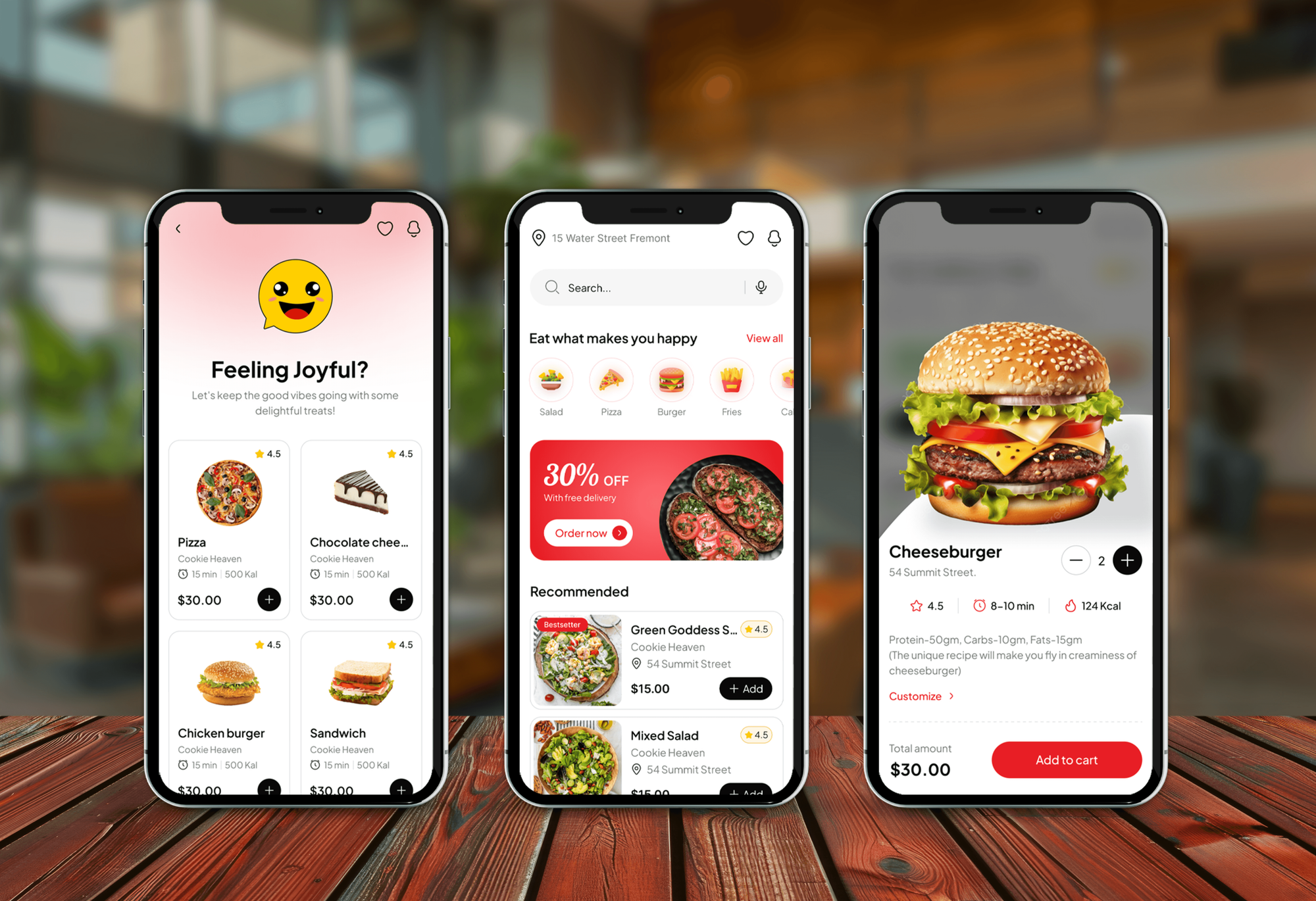
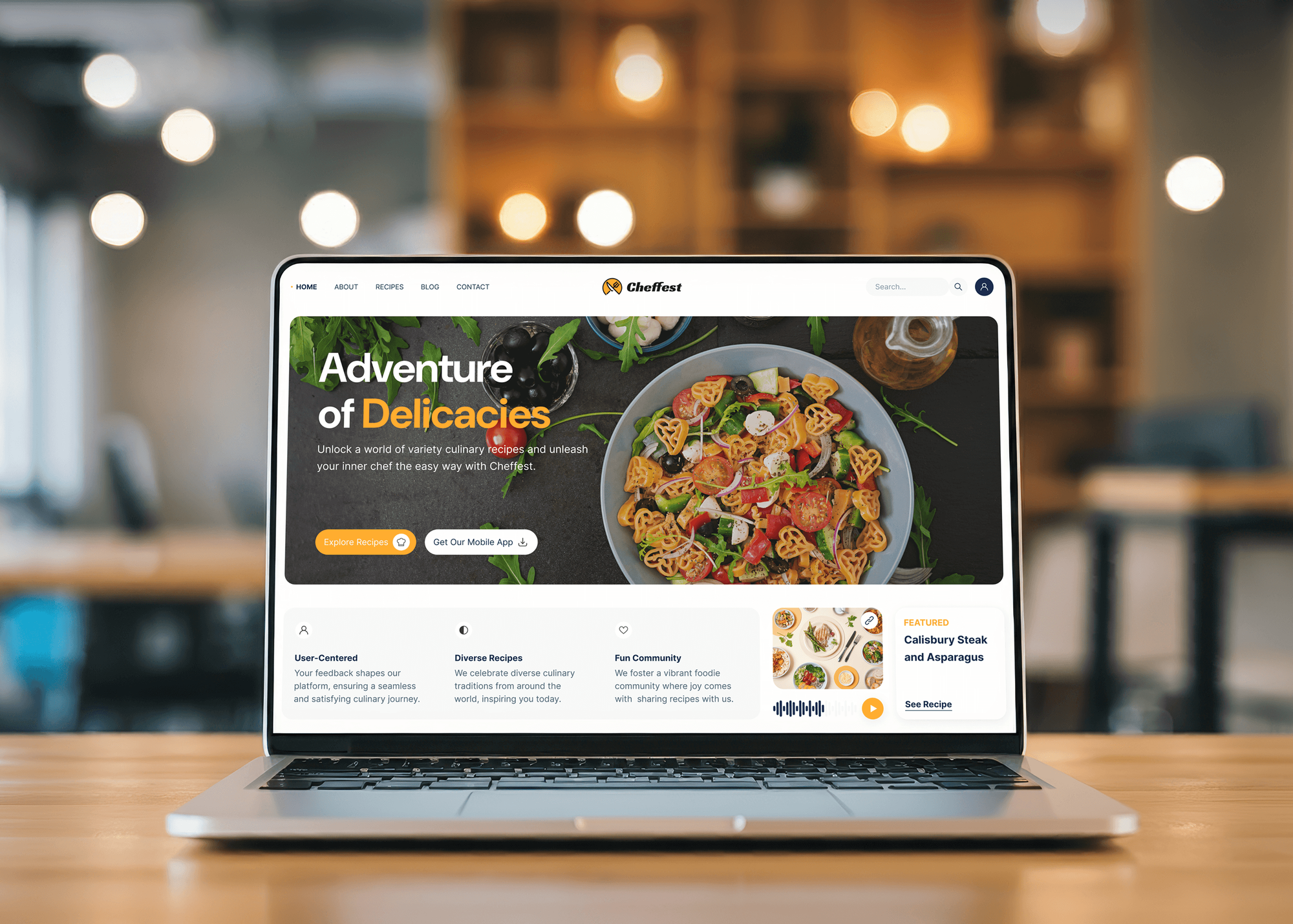
DineCraft, Nicefin, Sevanor, and Cheffest are restaurant products we designed and built where guests reserve tables online and staff manage bookings from a dashboard.
What Our Clients Say
Feedback from teams we have built booking systems, dashboards, and restaurant products for.
We had a pretty specific idea of what we wanted our website to become, but I wasn’t sure how easily we could explain all of it to a development team. There were quite a few moving parts, and we were working toward a deadline, so I expected a few things to get lost along the way. That never really happened. They understood what we were trying to achieve, kept us updated throughout the process, and got everything ready within the agreed timeline. The final site feels much easier to navigate, works beautifully on mobile, and is noticeably smoother for our customers. It was a huge relief seeing the original idea actually turn into the website we had in mind.
The mobile experience is probably my favourite part of the new site. We had spent a lot of time making sure the desktop version looked right, and the team kept pushing us to think about how everything would actually feel on a phone too. They were right. The navigation is clean, the interactions feel natural, and everything we’ve tested so far works exactly as it should. They also went through the links, forms, integrations, and other details more than once before launch, which I really appreciated. And even after going live, we could still reach out when something came up. The whole process felt friendly, organised, and surprisingly straightforward.
What I appreciate most is that the website is actually easy for us to manage now. We can update content ourselves instead of sending a developer a message every time we need to change something small. They also paid attention to the technical SEO side, which mattered to us because we didn’t want a new website to create problems for the traffic we already had. I’ve probably asked more questions than I should have since launch, but every question has been handled patiently and without any fuss. The team is easy to work with, they explain things clearly, and when we need something changed, they focus on getting it done rather than making the process complicated.
1,250+
Projects shipped
10+
Years of experience
Top 3%
Upwork Top Rated Plus
5 stars
Average review score
1,250+
Projects shipped
10+
Years of experience
Top 3%
Upwork Top Rated Plus
5 stars
Average review score

Want results like these?
Tell us what you are building. You get a reply within 24 hours on business days, then a written estimate.
Work Culture
Your reservation book decides how full your dining room gets on your busiest nights. These habits keep it accurate at the host stand, not only on a laptop.
Every table, combination, and turn time comes from your dining room, not a template. Your online availability then matches what hosts can actually seat.
Your hosts run real services on the new screen beside the old book. What slows them down at 7 p.m. gets fixed before launch.
Card details stay with Stripe, and guest profiles sit behind staff logins with roles. Allergy notes reach the people who need them, nobody else.
If diners find you mainly through a reservation network, leaving it may cost covers. You hear that on the first call, before any proposal.
Each release has a written scope and price before work starts. A new dining room or location gets its own quote, not a surprise invoice.
The booking system, database, and guest records live in your accounts. You can change developers later without losing a single reservation.
Overview
DeveloperLook offers restaurant booking app development for restaurants and small groups. We build online booking against real tables and turn times, text confirmations, card holds for no-shows, a host screen with waitlist, and guest profiles you own. Projects start at $950, take 3 to 12 weeks, and you keep the code and guest list.
DEVELOPERLOOK
Project facts · Restaurant Booking App Development
Reviewed 28 Oct 2026 by Saimul Islam
Good fit
Restaurants renting their guest list
Your regulars book through a reservation network, and you want them booking on your own site with their visits and allergies saved.
Busy dining rooms losing money to no-shows
Your Friday parties of eight skip bookings without warning, and you want card holds that follow the policy you set.
Restaurants with a long walk-in line
Your host stand runs a paper waitlist, and you want guests texted when a table opens instead of crowding the door.
Groups with several dining rooms
You run a main room, a patio, and two locations, and need one restaurant reservation management system across all of them.
Agencies building restaurant sites
Your agency's restaurant client wants a restaurant reservation application inside the site you built, without a third-party booking page.
Not a fit
Private events and buyouts
Your real need is private dining inquiries, event contracts, and buyouts. Our Tripleseat Website Integration Services page fits venues that run events through Tripleseat.
A booking button only
You only need a book-a-table button linked to the tool you already use. Our Restaurant Website Design page handles that.
Diner discovery matters most
Most of your new guests find you through a reservation network's app. Staying on that network keeps those covers coming.
Budget under $950
Your budget is under $950. A booking plugin or a network's entry plan is the cheaper start, and we'll tell you before we quote.
Not sure we're the right fit?
Book a free call or message us. We'll tell you honestly whether we're the right team.
Pricing
These are starting points in USD. Your final price depends on your floor plan, deposit rules, and number of locations, and you get a fixed proposal after a free floor review.
For Agencies
You own the client relationship. We supply the engineering for booking systems your restaurant clients run every service. It ships under your agency's brand, documented so your team can adjust rules later.
White label: your client only ever sees your brand
Send the client's floor plan, policies, and booking volume, and we shape the scope together.
The proposal arrives in your agency's name, with your build team named.
We build, run host trial services, and hand over code and access.
Send the client's floor plan, policies, and booking volume, and we shape the scope together.
The proposal arrives in your agency's name, with your build team named.
We build, run host trial services, and hand over code and access.
The Right Technology for Your Project
We use proven web frameworks with payment and messaging services restaurants already trust, so bookings, texts, and card holds run reliably.
 Laravel
 Node.js
 React
 Next.js
 PostgreSQL
 AWS
 Docker
 Stripe
 Apple Pay
 Google Pay
 Twilio
 Slack
 Google Analytics
Related Services
Catering, ordering, app, POS, and event builds that share your guests and floor, plus the restaurant website your booking page lives on.
This page
Restaurant Booking App Development
Pairs with the 6 services around it
FAQ
Straight answers on what a reservation system does, cost, timelines, choosing one, turnover, guest data, POS links, and AI booking.
Saimul IslamFounder & CEO, DeveloperLookStill have questions?
Send a message or book a call with the team.
It is software that takes table bookings and matches them to real tables and seating times. Good ones also run the waitlist, send confirmations and reminders, hold cards for no-shows, and keep guest profiles. Hosts use it to see which tables free up next and seat walk-ins.
Restaurant reservation app development starts with your floor plan, not the screens. Map your tables, combinations, and turn times, then design the booking flow and host screen around them. Build the engine, reminders, and deposits, and let hosts trial it during real services before guests book.
A custom restaurant booking system from DeveloperLook starts at $950 for a booking widget on your site with real tables, turn times, and text reminders. A table management system with a host screen, waitlist, and card holds starts at $2,700. Up to 5 locations start at $6,100. You get a fixed quote after a free floor review.
A booking widget for one restaurant launches in 3 to 5 weeks, including a host trial. A full table reservation system with floor plans, a waitlist, and deposits takes 8 to 12 weeks. Upcoming bookings move across in the final days, so no guest gets lost during the switch.
Choose one by checking how well it matches your real floor and who keeps the guest data. Ask whether it handles table combinations, turn times by party size, and card holds under your own policy. Then weigh what you pay each month against the new diners it actually brings.
Pick one that keeps a single guest profile across locations while each room keeps its own tables, hours, and rules. Check that managers see covers and no-shows per location and for the group. Shared guest notes, like allergies, should follow a guest from one location to the next.
They improve turnover by giving each party size a realistic seating time and pacing how many covers arrive per slot. Two-tops free up sooner than six-tops, and Friday dinners run longer than Tuesday lunches. Accurate turn times plus a texted waitlist fill tables that would otherwise sit empty.
Restaurants protect guest data by keeping card details with the payment processor and limiting who can see profiles. Ours stores Stripe tokens rather than raw card numbers, and puts guest profiles behind staff logins with roles. Guests can ask for their data or its deletion under privacy laws such as GDPR.
A restaurant POS helps by linking each reservation to its check. When a table's check closes, the host screen can mark the table as free, and spend per visit flows into the guest profile. Square's Orders API and Toast's read-only API access both make this possible.
The best AI reservation tools answer calls or chats and write bookings straight into your reservation book using live table availability. An AI agent can also sit on top of a custom system like ours, reading the same tables as your website. Whichever you choose, check that it confirms by text and hands special requests to a person.
Saimul IslamFounder & CEO, DeveloperLookStill have questions?
Send a message or book a call with the team.
Free 30-min callGoogle Meet
Book a call
In 30 minutes on Google Meet we walk you through how we would build it, how long it takes and what it costs. Then you get a written estimate.
Calendar not showing? Book on cal.com or send a brief.