
Approved content model
Collection types, components, and relations designed with editors and documented before the Strapi build begins.

For product and content teams who want an open-source headless CMS they control: Strapi modeled, extended, and deployed on your own servers, from $1,200.
100%
Data on servers you control
2
APIs from one model: REST and GraphQL
How your project runs
Teams we have built for:














The Problem
Product teams hit this when the website, the app, and partner feeds all need the same content. The choice looks like hand-built admin screens or a hosted CMS that keeps your data on its servers.
01 · Admin screens
Developers keep building admin pages instead of product features.
Strapi generates the admin panel from your content model, with roles and media built in.
02 · Data location
Security reviews block hosted tools that store data elsewhere.
Strapi runs on your own database, in your region and cloud account.
03 · Copy in sheets
Editors paste copy into spreadsheets and wait for a deploy.
Editors publish in Strapi, and a webhook rebuilds the affected pages.
04 · No growth plan
Nobody planned for translations, drafts, or a second front end.
We model components and locales up front, so new channels reuse the same content.
Your developers built a quick admin page so marketing could edit app content. Now it needs roles, image uploads, drafts, translations, and an API for the new website, and every request lands in the sprint. A hosted CMS would help, but your security review wants content in your own database and region. Meanwhile editors paste copy into a spreadsheet and wait for a deploy. Nobody planned how this grows.
We start with your content model, then build it in Strapi: collection types, components, and dynamic zones that match how editors think. Strapi generates the admin panel and REST endpoints, we add GraphQL through its plugin, and business rules go into custom controllers, policies, and lifecycle hooks. It runs in a container on your cloud or on Strapi Cloud. Your developers get back to the product, not the admin panel.
Your database, your rules
Content sits in PostgreSQL or MySQL on infrastructure you control, back up, and audit.
REST and GraphQL from one model
Every content type gets endpoints your website, app, and partners can query the same way.
Business logic in code
Custom controllers, policies, and lifecycle hooks handle the rules your product depends on.
Our Strapi Development Process
You approve the content model before any build, try the admin panel with your own content on staging, and see the deployment pipeline run before launch.
We look at your content, channels, data rules, and current stack. You get an honest answer on whether Strapi beats a hosted CMS or WordPress for you, a hosting plan with monthly costs, and a fixed quote.
What's Included
Every project covers the content model, the Strapi build, APIs, deployment, content migration where needed, and training, sized to your content types, front ends, and hosting.
Compare Options
A hosted headless CMS removes servers from your list, and a freelancer can cost less for a small build. The contentful vs strapi choice often comes down to who runs the server.
| Feature | DeveloperLookBest fit | Hosted headless CMS | Freelancer |
|---|---|---|---|
| Planning | Content model approved first | Vendor starter templates | Built as you go |
| Hosting | Your servers or Strapi Cloud | Run by the vendor | Often left to you |
| Data location | Your database, your region | Vendor's cloud | Your choice |
| Custom logic | Controllers, policies, hooks | Apps and webhooks | Depends on the freelancer |
| Upfront cost | From $1,200, fixed scope | Free tier, then paid plans | Lower hourly rate |
| Time to first API | 2 to 3 weeks | Same day | Depends on availability |
| Upgrades | Strapi 4 to 5 path planned | Handled by the vendor | Often skipped |
| Ownership | Code and data yours | Content yours, platform rented | Yours, if handed over |
Projects We've Built
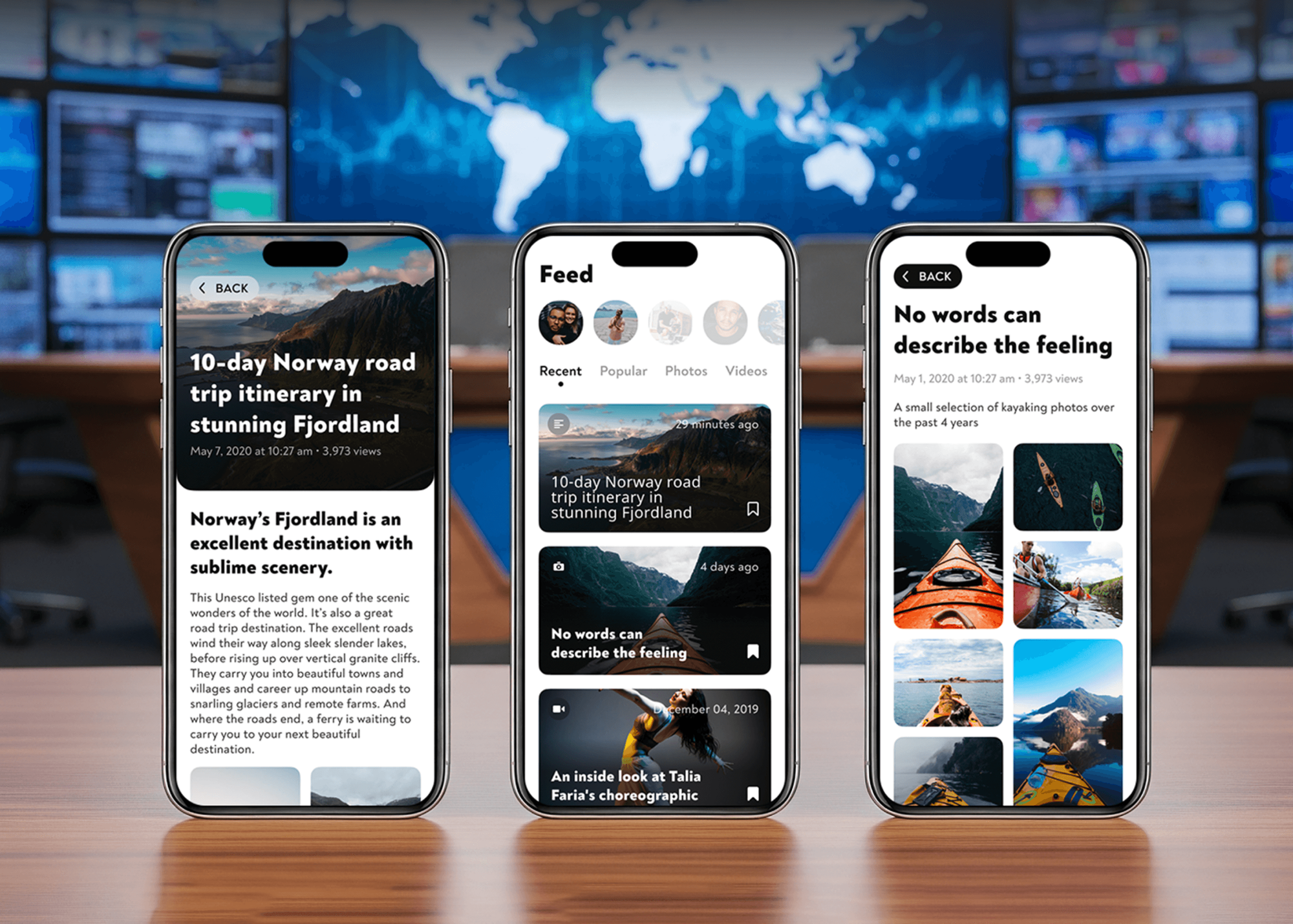
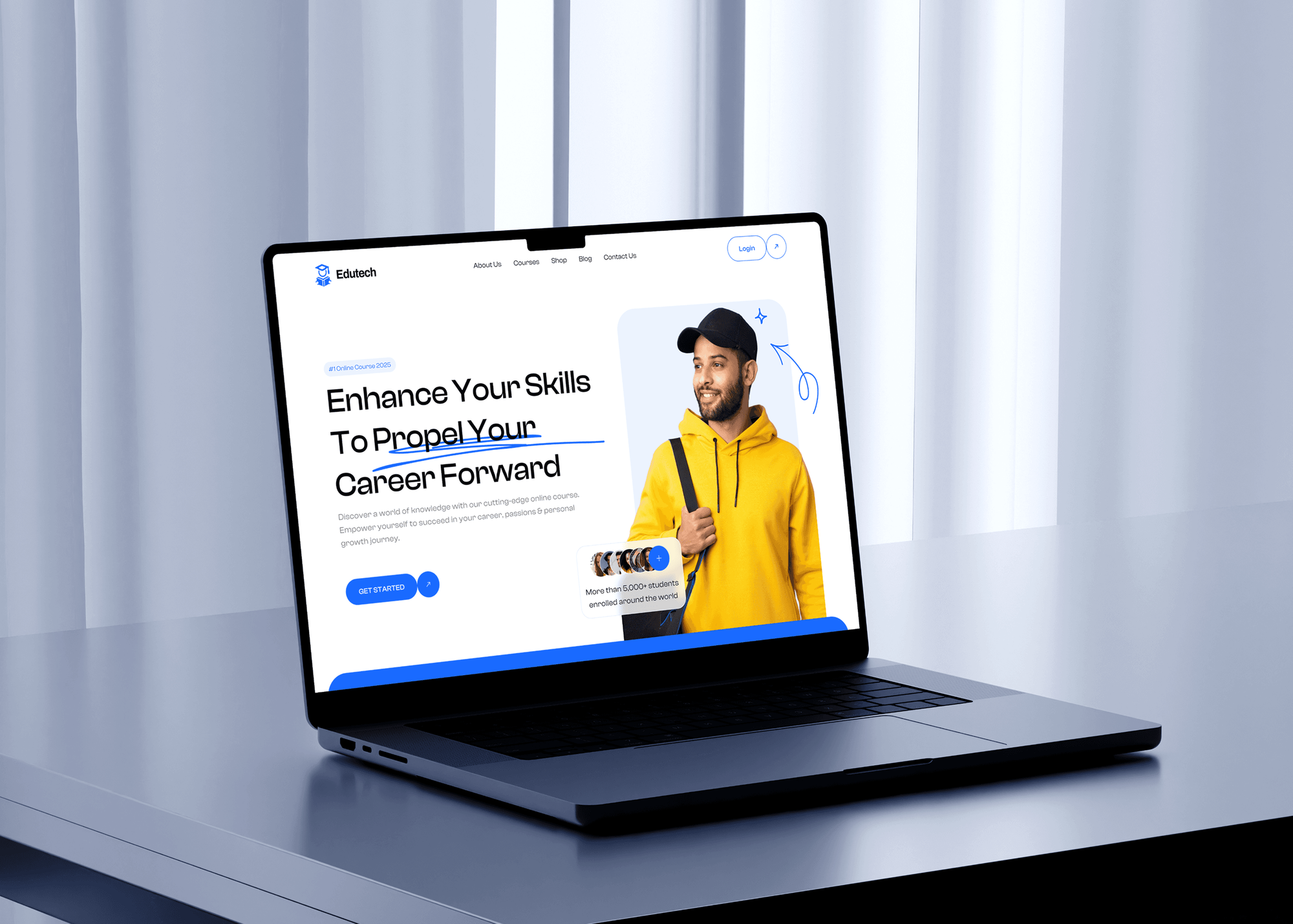
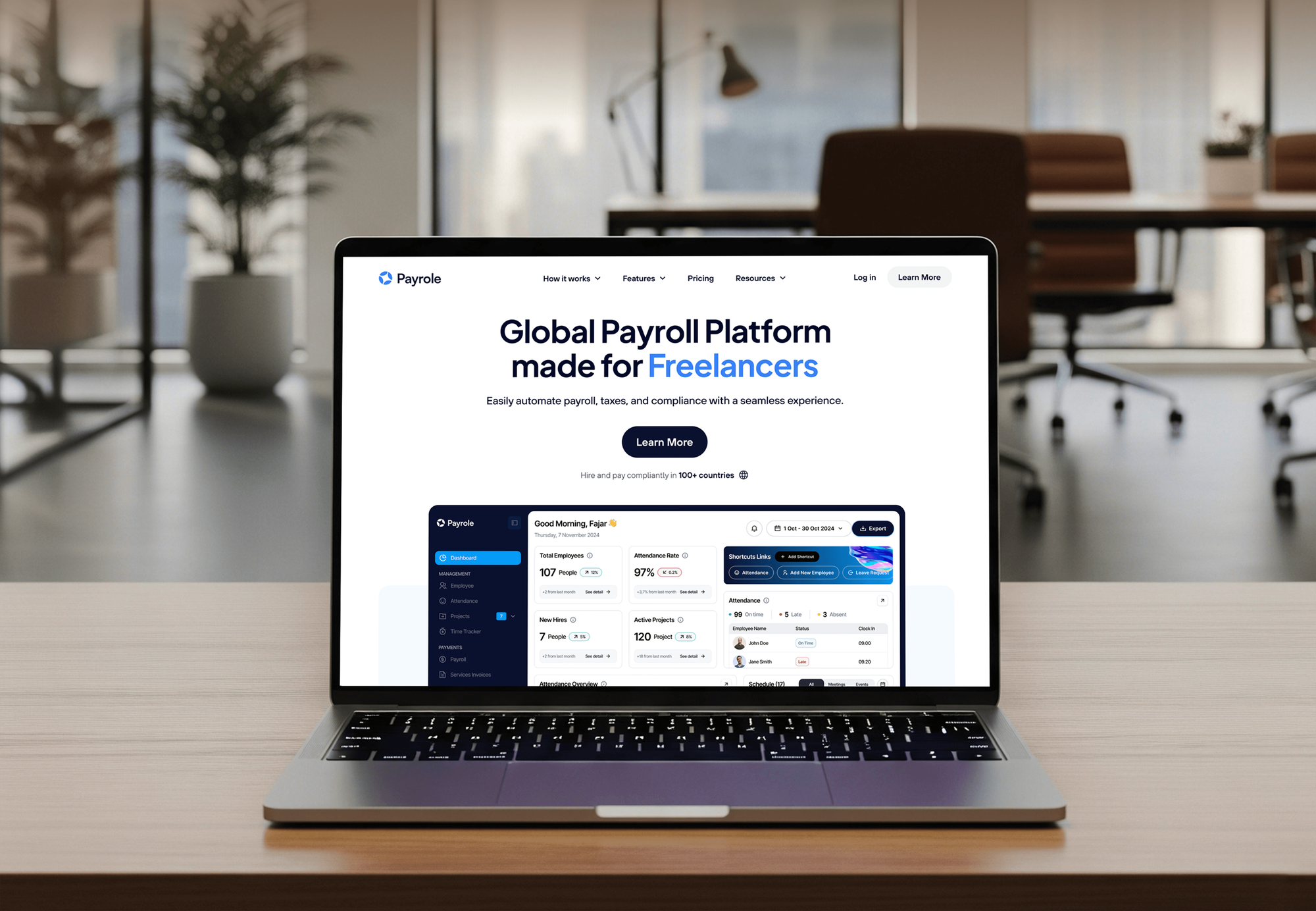
News, e-learning, and payroll platform websites and apps our team designed and built, the kind of products where one content source feeds several screens.

What Our Clients Say
Feedback from teams we have built websites, apps, and content platforms for.
We had a pretty specific idea of what we wanted our website to become, but I wasn’t sure how easily we could explain all of it to a development team. There were quite a few moving parts, and we were working toward a deadline, so I expected a few things to get lost along the way. That never really happened. They understood what we were trying to achieve, kept us updated throughout the process, and got everything ready within the agreed timeline. The final site feels much easier to navigate, works beautifully on mobile, and is noticeably smoother for our customers. It was a huge relief seeing the original idea actually turn into the website we had in mind.
The mobile experience is probably my favourite part of the new site. We had spent a lot of time making sure the desktop version looked right, and the team kept pushing us to think about how everything would actually feel on a phone too. They were right. The navigation is clean, the interactions feel natural, and everything we’ve tested so far works exactly as it should. They also went through the links, forms, integrations, and other details more than once before launch, which I really appreciated. And even after going live, we could still reach out when something came up. The whole process felt friendly, organised, and surprisingly straightforward.
What I appreciate most is that the website is actually easy for us to manage now. We can update content ourselves instead of sending a developer a message every time we need to change something small. They also paid attention to the technical SEO side, which mattered to us because we didn’t want a new website to create problems for the traffic we already had. I’ve probably asked more questions than I should have since launch, but every question has been handled patiently and without any fuss. The team is easy to work with, they explain things clearly, and when we need something changed, they focus on getting it done rather than making the process complicated.
1,250+
Projects shipped
10+
Years of experience
Top 3%
Upwork Top Rated Plus
5 stars
Average review score

Want results like these?
Tell us what you are building. You get a reply within 24 hours on business days, then a written estimate.
Work Culture
Strapi gives developers a lot of freedom, which is exactly how projects drift. These habits keep Strapi development tied to your product, your data rules, and your budget.
If one marketing site is your only channel, WordPress or a hosted CMS may cost less to run. We'll tell you that before we quote.
You see the monthly cost of the server, database, and file storage before you commit. No surprise cloud invoices arrive after launch.
Strapi's Content-Type Builder only edits schemas in development mode, so every change ships through Git and review. Staging and production stay in step.
Database and media backups run on a schedule, and we restore one to staging before launch. A backup nobody has restored is only a hope.
We keep Strapi and its plugins on supported releases and run major upgrades with Strapi's own upgrade tool. Your project won't strand on an old version.
The repository, database, and hosting accounts sit in your organization's name. Any Node.js developer who knows Strapi can continue the work.
Overview
DeveloperLook offers Strapi development services for teams that want an open-source headless CMS on infrastructure they control. We model content types, configure roles, build REST and GraphQL APIs, write custom logic, and deploy on your cloud or Strapi Cloud. Projects start at $1,200, take 2 to 14 weeks, and the code and data are yours.
DEVELOPERLOOK
Project facts · Strapi Development Services
Reviewed 8 Oct 2026 by Saimul Islam
Good fit
Product teams feeding an app and a site
Your mobile app and website need the same content, and you want one Strapi API serving both instead of two databases drifting apart.
Teams that must keep data in-house
You compared strapi vs sanity and picked Strapi because your content must stay in your own database, region, and cloud account.
Developers who want Strapi experience
You want to hire Strapi developers who have shipped content types, custom controllers, and deployments before, not people learning on your budget.
Strapi 4 projects due for an upgrade
Your Strapi 4 project still runs, but its plugins are aging, and you need a Strapi development company to plan the move to Strapi 5.
Agencies needing Strapi capacity
Your agency sold a headless build and needs a Strapi agency to deliver the backend under your name while your team owns the front end.
Not a fit
Keeping the WordPress editor
Your editors love WordPress, and you only need a faster front end. Our Headless WordPress Development page keeps the editor they already know.
No servers to run
You want a fully hosted CMS with no servers, backups, or upgrades on your side. In the contentful vs strapi choice, our Contentful Development page covers that route.
Content must live in MongoDB
Your product must store content in MongoDB. Strapi 5 runs on SQL databases only, so a custom Node.js API on MongoDB fits that requirement better.
Budget under $1,200
Your budget is under $1,200 for the whole project. Strapi's free Community Edition and its own documentation are the better place to start for now.
Not sure we're the right fit?
Book a free call or message us. We'll tell you honestly whether we're the right team.
Pricing
These are starting points in USD. Your final price depends on content types, custom logic, and front ends, and you get a fixed proposal after a free Strapi review.
For teams with a front end in place that need Strapi modeled and deployed properly.
$1,200one-time, USD
For marketing and content sites built new with Strapi and a Next.js front end.
$3,900one-time, USD
For products that need custom logic, integrations, or a move up from Strapi 4.
$7,900one-time, USD
For Agencies
You own the client relationship. We supply the Strapi engineering behind it: content models, APIs, custom logic, and deployments for your headless builds. Everything ships under your agency's name, and your team stays the client's contact.
White label: your client only ever sees your brand
Send the client's content, channels, front-end plans, and hosting constraints.
You get a draft content model, a hosting plan, and a fixed price.
Strapi built, deployed to the client's cloud, and documented for your developers.
Runbooks, staging links, and handover notes carry your agency's name.
We build Strapi while your team builds the front end in parallel.
Prices set by content types, custom logic, and hosting setup.
More Strapi hands when two client launches land in the same month.
The Right Technology for Your Project
We use Strapi's own tooling and mainstream Node.js hosting, so any developer who knows Strapi can maintain the setup after launch.
 Node.js
 GraphQL
 PostgreSQL
 MySQL
 SQLite
 Next.js
 React
 Nuxt
 Docker
 AWS
 Vercel
FAQ
Straight answers on Strapi costs, how it works, licensing, databases, and where to host it.
Saimul IslamFounder & CEO, DeveloperLookStill have questions?
Send a message or book a call with the team.
Strapi projects at DeveloperLook start at $1,200 for a configured backend with content types, roles, and both APIs, deployed for you. A Strapi website build with a Next.js front end starts at $3,900, and a custom platform with plugins and integrations starts at $7,900. Hosting and any paid Strapi plan are billed separately.
A Strapi backend takes 2 to 3 weeks, and a full website or custom platform takes 6 to 14 weeks. Content modeling fills the first week either way. Integrations, admin plugins, and content migration decide where your project lands in that range, and the proposal fixes the timeline.
Strapi is an open-source headless CMS built on Node.js that turns the content types you define into an admin panel and APIs. Editors work in the admin panel, and your website or app fetches content as JSON. You can host it yourself or on Strapi Cloud, the vendor's managed hosting.
Strapi gives you three things from one content model: an admin panel for editors, database tables, and API endpoints. It also handles media uploads, roles and permissions, draft and publish, and translations through its built-in i18n feature. Developers add business rules with custom controllers, services, and lifecycle hooks.
Strapi runs as a Node.js server between your SQL database and your front ends. You define content types, Strapi stores entries in the database, and each API request passes through routes, policies, and controllers before content returns as JSON. In Strapi 5, the Document Service API handles that data layer.
Yes, Strapi's Community Edition is free and open source under the MIT license, with no limit on entries or API calls. You pay for your own hosting instead. Strapi's pricing pages list a self-hosted Growth plan at $45 per month for 3 seats, and Strapi Cloud hosting from $35 per project per month.
Choose Strapi when content feeds several front ends and your developers write JavaScript, and WordPress when one website with plugins covers your needs. WordPress ships with themes and a page editor, while Strapi needs a front end built for it. In the free review, we compare both against your team and budget.
No, Strapi 5 doesn't support MongoDB or any other NoSQL database. Its docs list PostgreSQL, MySQL, MariaDB, and SQLite as the supported databases, each with a minimum version. MongoDB support ended back in Strapi 4, so if your data lives in MongoDB, we migrate it to PostgreSQL or expose it through a custom API.
Not the Strapi server itself: Strapi's docs say it isn't well suited to serverless platforms, because it runs as a long-running Node.js service. Host your Next.js front end on Vercel and run Strapi on Strapi Cloud, a container platform, or a virtual server. A Strapi webhook then rebuilds pages on Vercel when editors publish.
We deploy Strapi as a Docker container with PostgreSQL, and media goes to S3 or another cloud bucket, not the server's disk. Strapi publishes no official container images, so we write and maintain your Dockerfile. A CI pipeline builds the admin panel and ships each release to staging before production.
Saimul IslamFounder & CEO, DeveloperLookStill have questions?
Send a message or book a call with the team.
Free 30-min callGoogle Meet
Book a call
In 30 minutes on Google Meet we walk you through how we would build it, how long it takes and what it costs. Then you get a written estimate.
Calendar not showing? Book on cal.com or send a brief.