
Token spec you sign off
Name, symbol, decimals, supply, roles, and release schedules written down and approved before any code.

For Web3 founders launching an ERC-20 or BEP-20 token: supply, vesting, and admin keys coded, tested, and handed to your multisig, from $750.
100%
Supply rules tested before mainnet
2of 3
Multisig signers on admin keys
How your project runs
Teams we have built for:














The Problem
Most token problems come from decisions nobody wrote down: who can mint, when team tokens are released, which chain gets what, and who holds the admin key.
01 · Supply
The owner wallet can still mint unlimited tokens.
A hard cap and role-based minting are coded and tested before deployment.
02 · Vesting
Team tokens sit in one wallet on a promise.
Vesting contracts release team and investor tokens on the agreed schedule.
03 · Airdrops
Thousands of manual transfers cost gas and invite mistakes.
A Merkle claim lets each eligible holder claim once and pay their own gas.
04 · Chains
Each chain runs a slightly different contract.
One codebase deploys identical, verified contracts to every chain you choose.
Your token went live on Friday from a generator site. On Monday, an investor asks why the owner wallet can still mint unlimited supply. The team allocation sits in one wallet with a promise to hold it for a year. Your airdrop list runs to thousands of addresses, and the plan is to send them one transaction at a time. The BNB Smart Chain contract doesn't match the Ethereum one, because they came from two different files. Every fix now means a new token and a migration your holders have to trust.
We start with a token spec: supply, decimals, mint and burn rights, pause rules, and the vesting schedule, signed off before code. Then we build on OpenZeppelin's ERC-20, test every supply rule with Foundry, and deploy the same tested code to each chain. Airdrops use a Merkle claim, so holders claim once and pay their own gas. Admin roles end up in your Safe, not in a deployer wallet.
Supply rules in code
Mint, burn, cap, and pause rights written into the contract and tested before launch.
Vesting enforced on-chain
Team and investor tokens release on the agreed cliff and schedule, enforced by the contract.
Admin keys handed over
Roles move to your Safe multisig at launch, with ownership changes done in two steps.
Our Token Development Services Process
You approve the supply and vesting numbers before code, try the token on a testnet, and sign the mainnet deployment from your own multisig.
We go through your token's purpose, supply, allocations, and target chains, and flag anything your lawyer should see first. You get a recommended standard, a feature list, and a fixed quote. If a plain OpenZeppelin token with no extras covers your case, we'll tell you before we quote.
What's Included
Each project covers the token spec, the contracts, tests for every supply rule, testnet and mainnet deployments, verified source, and the handover of admin roles to your team.
Compare Options
A token generator is the cheapest way to mint a basic token, and a freelancer can move quickly. Here is where each holds up once vesting, airdrops, and investor questions arrive.
| Feature | DeveloperLookBest fit | Token generator | Freelancer |
|---|---|---|---|
| Planning | Token spec you approve | Form fields only | Varies by developer |
| Supply and roles | Coded to your spec | Preset options | Coded to your spec |
| Vesting and airdrops | Vesting and Merkle claims included | Limited or paid add-ons | Often extra work |
| Testing | Every supply rule tested | The generator's own tests | Varies by developer |
| Speed to mainnet | 2 to 3 weeks | Minutes for a basic token | Often days for basics |
| Multi-chain | One codebase on every chain | One chain per form | Depends on experience |
| Admin keys | Handed to your Safe multisig | Your connected wallet | Usually the deployer's wallet |
| Cost predictability | Fixed price after the spec | Lowest upfront cost | Hourly, can grow |
Projects We've Built
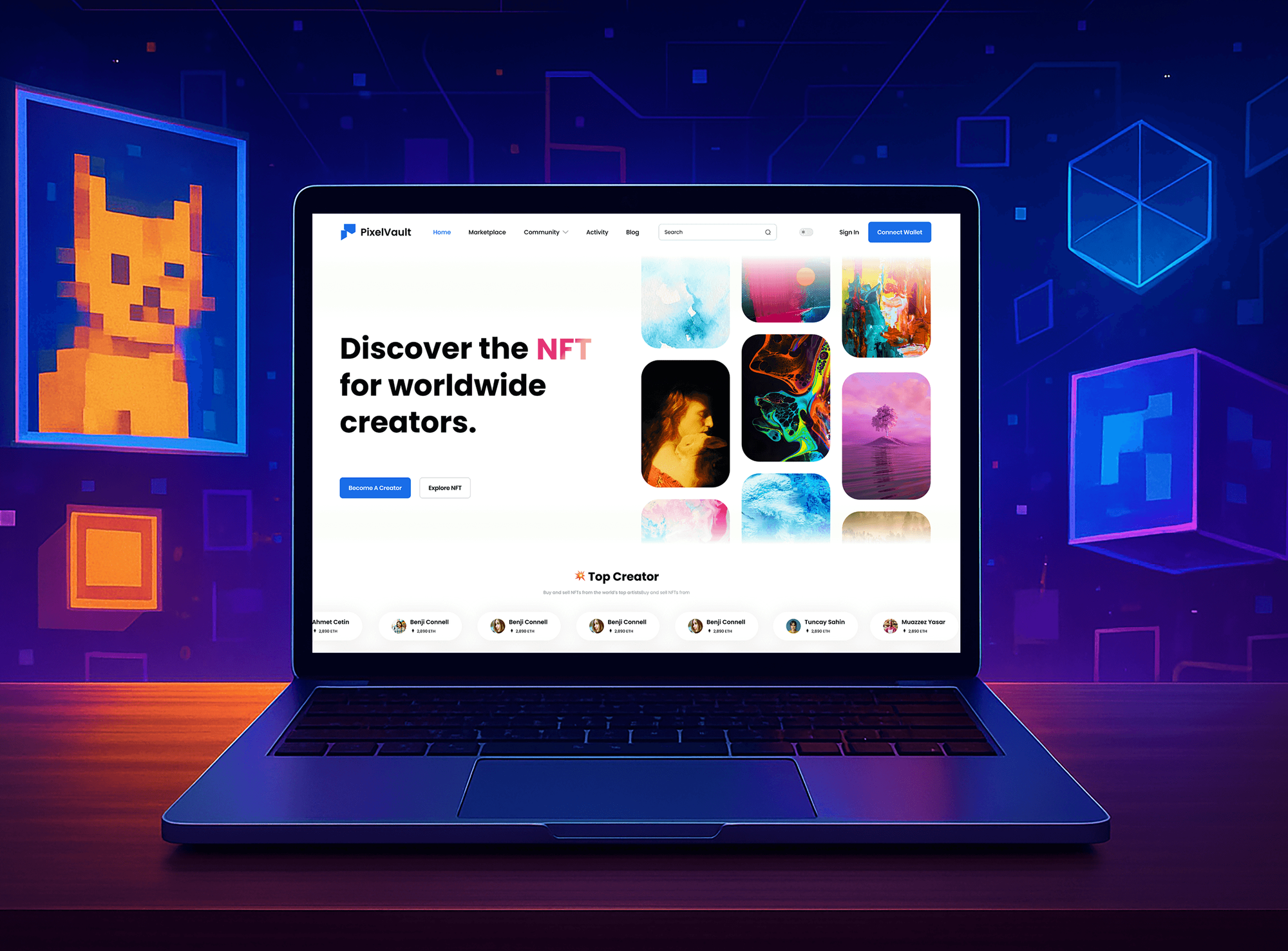
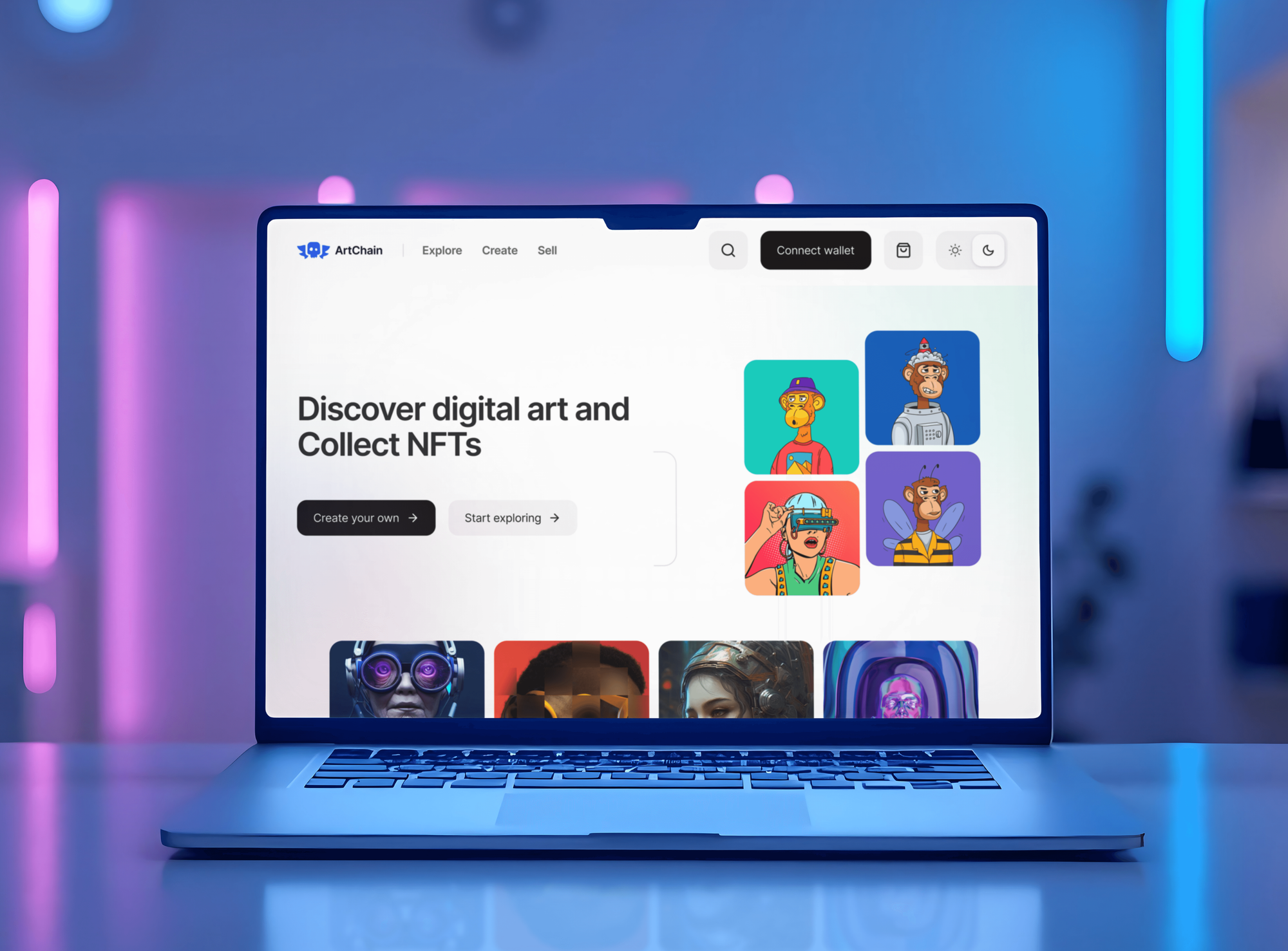
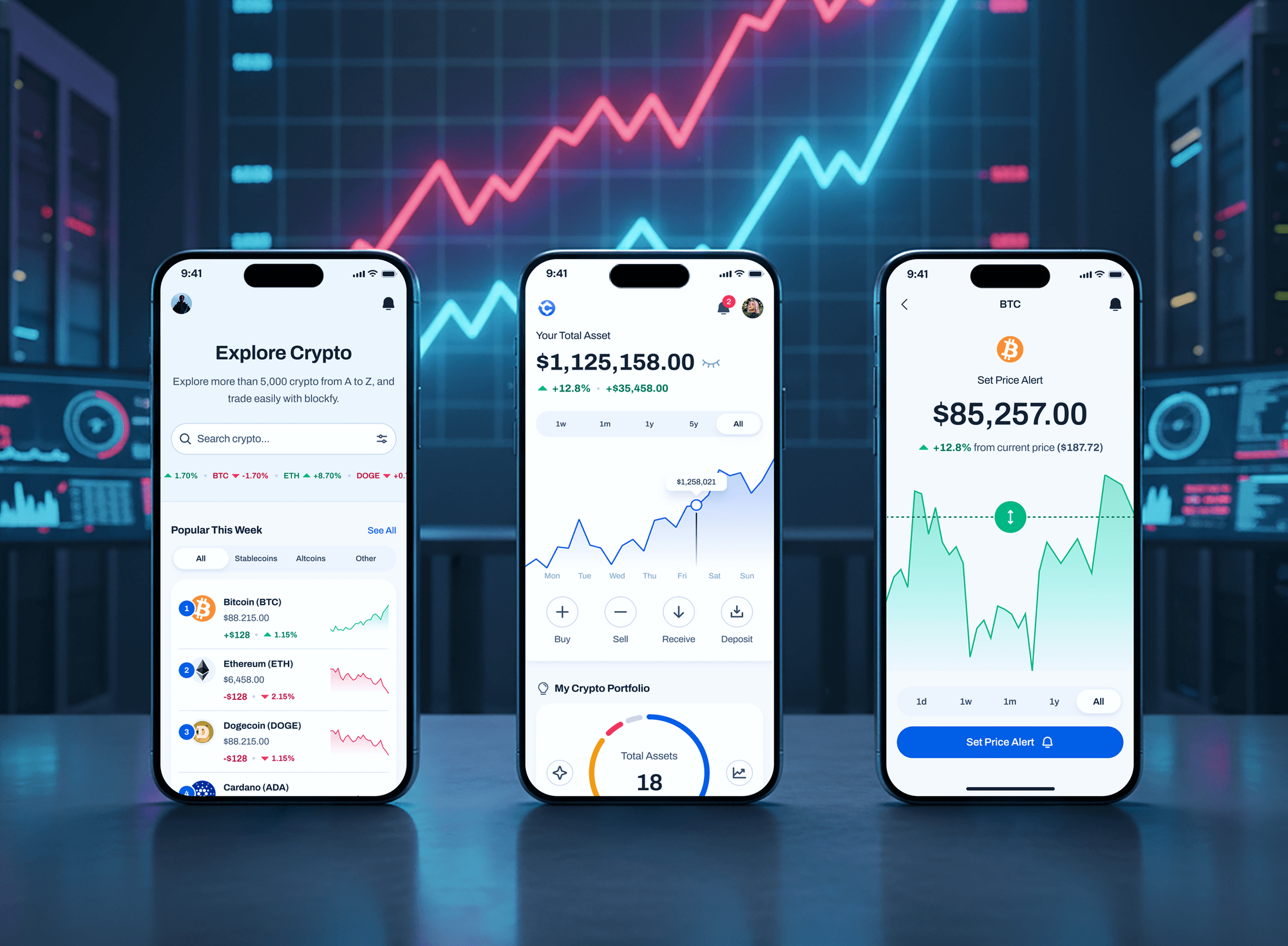
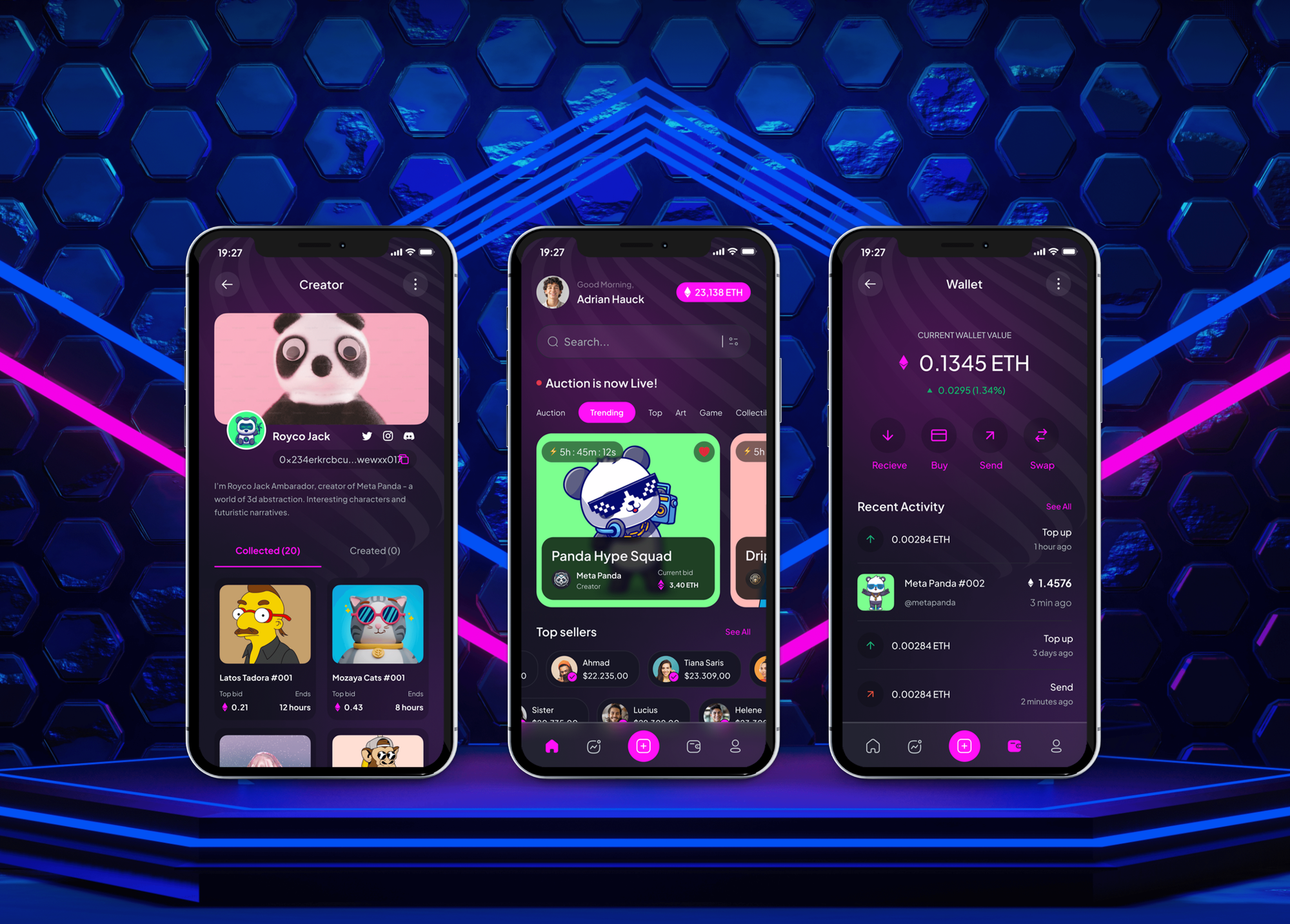
NFT marketplaces and crypto apps we designed and built, with wallet connection and token transactions. They show the holder-facing side your token will need.
What Our Clients Say
Feedback from teams we have built websites, apps, and integrations for.
We had a pretty specific idea of what we wanted our website to become, but I wasn’t sure how easily we could explain all of it to a development team. There were quite a few moving parts, and we were working toward a deadline, so I expected a few things to get lost along the way. That never really happened. They understood what we were trying to achieve, kept us updated throughout the process, and got everything ready within the agreed timeline. The final site feels much easier to navigate, works beautifully on mobile, and is noticeably smoother for our customers. It was a huge relief seeing the original idea actually turn into the website we had in mind.
The mobile experience is probably my favourite part of the new site. We had spent a lot of time making sure the desktop version looked right, and the team kept pushing us to think about how everything would actually feel on a phone too. They were right. The navigation is clean, the interactions feel natural, and everything we’ve tested so far works exactly as it should. They also went through the links, forms, integrations, and other details more than once before launch, which I really appreciated. And even after going live, we could still reach out when something came up. The whole process felt friendly, organised, and surprisingly straightforward.
What I appreciate most is that the website is actually easy for us to manage now. We can update content ourselves instead of sending a developer a message every time we need to change something small. They also paid attention to the technical SEO side, which mattered to us because we didn’t want a new website to create problems for the traffic we already had. I’ve probably asked more questions than I should have since launch, but every question has been handled patiently and without any fuss. The team is easy to work with, they explain things clearly, and when we need something changed, they focus on getting it done rather than making the process complicated.
1,250+
Projects shipped
10+
Years of experience
Top 3%
Upwork Top Rated Plus
5 stars
Average review score

Want results like these?
Tell us what you are building. You get a reply within 24 hours on business days, then a written estimate.
Work Culture
A token's rules are public from the first block and hard to change after. These habits keep your supply, vesting, and keys exactly as your team agreed.
Supply, decimals, and every release date are approved in writing before we write code. Your token matches your cap table, not a developer's guess.
The Howey test in the US and the MiCA rules in the EU decide what your token legally is. We build to your counsel's decisions and stay out of legal advice.
Every admin role we add is one more thing holders must trust. We leave out mint, pause, and blocklist powers unless your spec gives a reason.
We deploy one tested codebase to each chain instead of copying files by hand. Holders see identical rules whether they use Ethereum or BNB Smart Chain.
Admin roles move to your Safe multisig at launch, and we keep no wallet with special rights. You can check that on the explorer yourself.
The spec sets the price, so extra chains or features become a change order you can take or skip. You know the full cost before deployment day.
Overview
DeveloperLook handles token development for Web3 founders launching ERC-20 or BEP-20 tokens. We code the supply rules, mint and burn permissions, vesting, and airdrop claims. Every rule is tested before mainnet, and admin roles go to your Safe multisig. Projects start at $750, take 2 to 8 weeks, and your counsel classifies the token.
DEVELOPERLOOK
Project facts · Token Development Services
Reviewed 22 Oct 2026 by Saimul Islam
Good fit
Founders launching a project token
You're launching a token for your app or community and need supply, decimals, and permissions decided before anyone sees a contract address.
Teams with investors and a vesting schedule
Your cap table promises team and investor tokens on a cliff with monthly releases, and you want that schedule enforced by code, not a spreadsheet.
Projects choosing Ethereum or BNB Chain
You're deciding between Ethereum and BNB Smart Chain and want an ERC20 token development company that can ship either from one tested codebase.
Communities planning an airdrop
You want to reward early users with an airdrop and need a claim page that checks eligibility without you paying gas to send every wallet tokens.
Agencies with a token client
Your agency's client wants a token alongside their app, and you need crypto token development services delivered under your brand.
Not a fit
Token sale or ICO marketing
You need a token sale, exchange listing, or investor marketing. We build the contracts only, and your counsel and a licensed provider handle any sale.
Pooled-fund DeFi logic
Your token feeds staking pools, lending, or a swap protocol with pooled funds. Our DeFi Development Services team tests that economic logic properly.
NFT collection or marketplace
You're launching an NFT collection or marketplace rather than a fungible token. Our NFT Marketplace Development Services page covers mint sites and listings.
Budget under $750
Your budget is under $750, or you want a meme token with no vesting, roles, or tests. A no-code token generator costs less, though you inherit its defaults.
Not sure we're the right fit?
Book a free call or message us. We'll tell you honestly whether we're the right team.
Pricing
These are starting points in USD. Your final price depends on token features, vesting and airdrop needs, and chain count, and you get a fixed proposal after a free token review.
For projects that need one ERC-20 or BEP-20 token, tested and live on one chain.
$750one-time, USD
For teams with investor or team allocations and a community airdrop to deliver.
$2,200one-time, USD
For tokens launching on up to 3 EVM chains with cross-chain transfers between them.
$4,800one-time, USD
For Agencies
You own the client relationship. We supply the token engineering behind it: the spec, the contracts, vesting and airdrop claims, and verified deployments, all delivered under your agency name and ready to present.
White label: your client only ever sees your brand
Send the client's supply plan, allocations, vesting terms, and target chains.
You get a fixed quote, then we build, test, and rehearse the launch on a testnet.
Your team announces the verified token under your brand, with our support behind it.
Your brand on the token spec, test report, and launch checklist.
Fixed scope per token, with testnet and mainnet dates set in the plan.
Every supply rule and release date covered by Foundry tests before launch.
Add token launches to your services without making a Solidity hire.
The Right Technology for Your Project
We use the standard libraries and explorers that wallets and holders already rely on, so your token reads correctly wherever it shows up.
 Next.js
 TypeScript
 Vercel
FAQ
Straight answers on cost, timelines, creating and developing tokens, ERC-20 versus BEP-20, and vesting.
Saimul IslamFounder & CEO, DeveloperLookStill have questions?
Send a message or book a call with the team.
Token development with DeveloperLook starts at $750 for one ERC-20 or BEP-20 token with tested supply rules, deployed and verified on one chain. Adding vesting contracts, a Merkle airdrop, and a claim page starts at $2,200. Tokens on up to 3 chains with cross-chain transfers start at $4,800. Deployment gas is paid from your own wallet.
A standard token takes 2 to 3 weeks from the free review to mainnet. Most of that time goes to the spec and testing, not the code. Vesting and airdrop setups take 4 to 5 weeks. Multi-chain launches take 6 to 8 weeks, because every chain gets its own rehearsal and verification.
You create a crypto token by deploying a smart contract that follows a standard such as ERC-20 or BEP-20. The contract sets the name, symbol, decimals, supply, and who can mint or burn. We write that contract on OpenZeppelin, test it, rehearse it on a testnet, and deploy it from your multisig.
Start with the decisions only you can make: what the token is for, the total supply, who gets allocations, and when those tokens are released. Then pick a chain and check the plan with your lawyer. Once those are written down, crypto token development itself is the smaller part, and we handle the contracts, tests, and deployment.
Yes. Anyone with a wallet and some gas can deploy a token contract, and generator sites make it take minutes. Making one that investors, wallets, and exchanges take seriously is harder. It needs clear supply rules, tested permissions, verified source, and admin keys held by more than one person. Legal rules on selling tokens still apply to everyone.
We develop a crypto token in five steps, from a free review to the mainnet handover. In between come the written spec, the contracts and tests, and a testnet rehearsal. Tests cover every rule that should fail, such as minting past the cap or claiming an airdrop twice, and you try the token in your own wallet first.
On both chains we write one Solidity contract on OpenZeppelin's ERC-20, because BEP-20 tokens follow the same interface. Deployment scripts handle each chain's settings, gas token, and explorer, so the two contracts match line for line. That's why a BEP20 token development company and an Ethereum one can be the same team.
Choose the chain first, because the standard follows it: ERC-20 on Ethereum and Base, BEP-20 on BNB Smart Chain. Your users, the wallets and apps you want to reach, and the gas costs they'll accept decide that choice. Many projects start on one chain and add others later through a cross-chain transfer setup.
Vesting contracts hold team and investor tokens and release them on a schedule, usually a cliff followed by steady monthly releases. Airdrops use a Merkle claim: we publish one root hash on-chain, and each eligible wallet proves its place on the list when it claims. Both run on rules anyone can read, so holders don't rely on a promise.
You do. We deploy from your Safe multisig, transfer every admin role to your signers in two steps, and keep no wallet with special rights. If the token needs no admin powers at all, we renounce them on-chain so holders can check it. Post-launch support runs 30, 60, or 90 days, depending on your plan.
Saimul IslamFounder & CEO, DeveloperLookStill have questions?
Send a message or book a call with the team.
Free 30-min callGoogle Meet
Book a call
In 30 minutes on Google Meet we walk you through how we would build it, how long it takes and what it costs. Then you get a written estimate.
Calendar not showing? Book on cal.com or send a brief.