
Token and transfer rules spec
Standard, investor limits, lockups, and admin powers written down and reviewed with your counsel before code.

For fintech founders and asset managers tokenizing real assets: investor checks, permissioned transfers, and a cap table that matches the chain, from $1,250.
100%
Transfers checked against investor rules
1
Cap table matching on-chain balances
How your project runs
Teams we have built for:














The Problem
Tokenizing an asset goes wrong when transfer rules, investor checks, and the legal wrapper live in three places that don't agree with each other.
01 · Transfers
Tokens can move to any wallet, verified or not.
Every transfer checks the identity registry and your investor rules first.
02 · Onboarding
KYC approvals sit in a separate system from the token.
Your KYC provider's approvals update the on-chain registry through one integration.
03 · Cap table
Balances get copied into spreadsheets before each report.
The admin console reads holdings straight from the chain for every report.
04 · Lost wallets
A lost investor wallet strands that investor's shares.
A counsel-approved recovery moves tokens to the investor's new verified wallet.
Your pilot token went out on a testnet in a weekend. Then counsel asks how you stop a transfer to an unverified wallet, and the honest answer is a spreadsheet. Investors from two countries need different limits. Your KYC provider approves people in one system while the token contract knows nothing about them. Each payout means copying balances into a payment tool by hand. And when one investor loses a wallet, nothing can move their shares back.
We start with the transfer rules counsel signs off on, then build them into a permissioned token that checks an identity registry before every transfer. Your KYC provider feeds that registry, the investor portal reads the same balances as your cap table, and distributions pay holders from one admin console. The rules live in the contract, not in a spreadsheet beside it.
Verified holders only
Transfers settle only between wallets your KYC provider approved and your investor rules allow.
One cap table
Holdings, distributions, and investor reports all read from the same on-chain record.
Counsel sets the rules
Investor limits, countries, and lockups come from your lawyers, then get coded and tested.
Our Asset Tokenization Platform Development Process
You approve the token model and transfer rules with counsel, test investor flows on a testnet, and sign the mainnet deployment from your own multisig.
We go through the asset, the investors you expect, their countries, and what counsel has decided so far. You get a recommended token model, a feature list, and a fixed quote. If a licensed tokenization provider already covers your case, we'll tell you before we quote.
What's Included
Each project covers the token model, permissioned contracts, the identity registry link, the investor portal, and the admin console. Distributions, testing, and the admin key handover come with it.
Compare Options
A tokenization SaaS gets a first offering live quickly, and an in-house team knows your business best. Here is where each fits once custom assets and investor rules come in.
| Feature | DeveloperLookBest fit | Tokenization SaaS | In-house team |
|---|---|---|---|
| Transfer rules | Coded to counsel's spec | The vendor's preset rule set | Coded to your spec |
| Speed to launch | 3 to 16 weeks | Fastest for standard offerings | Months to hire and build |
| KYC provider | Your choice, integrated | The vendor's provider | Your choice |
| Asset types | Any asset counsel structures | Types the vendor supports | Any, given time |
| Testing | Every blocked transfer tested | Vendor-tested platform | Varies by team |
| Ownership | Your contracts, code, and keys | Licensed from the vendor | Fully yours |
| Running cost | No platform fee from us | Ongoing platform fees | Salaries and upkeep |
| Cost predictability | Fixed price after the spec | Predictable subscription | Open-ended payroll |
Projects We've Built
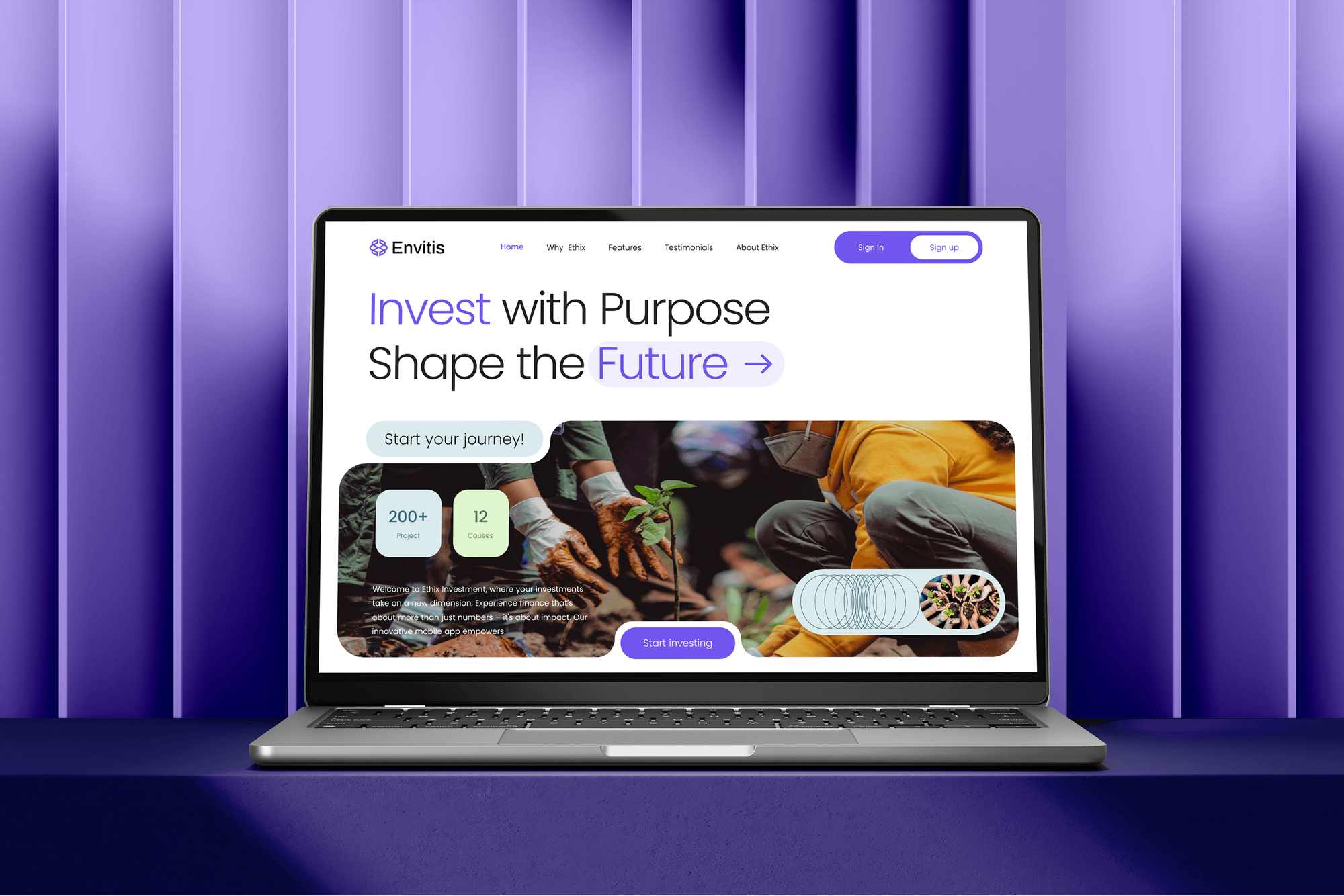
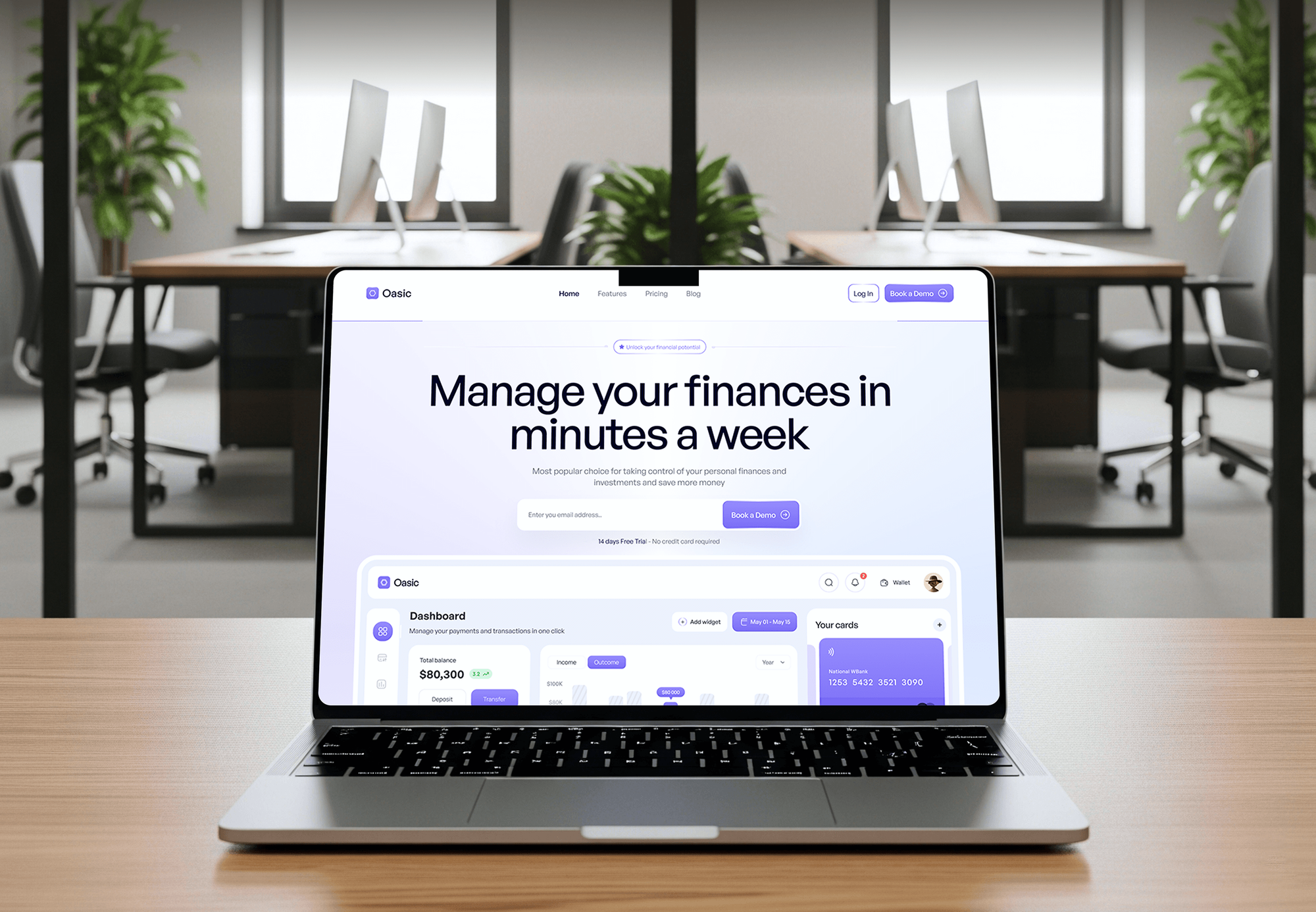
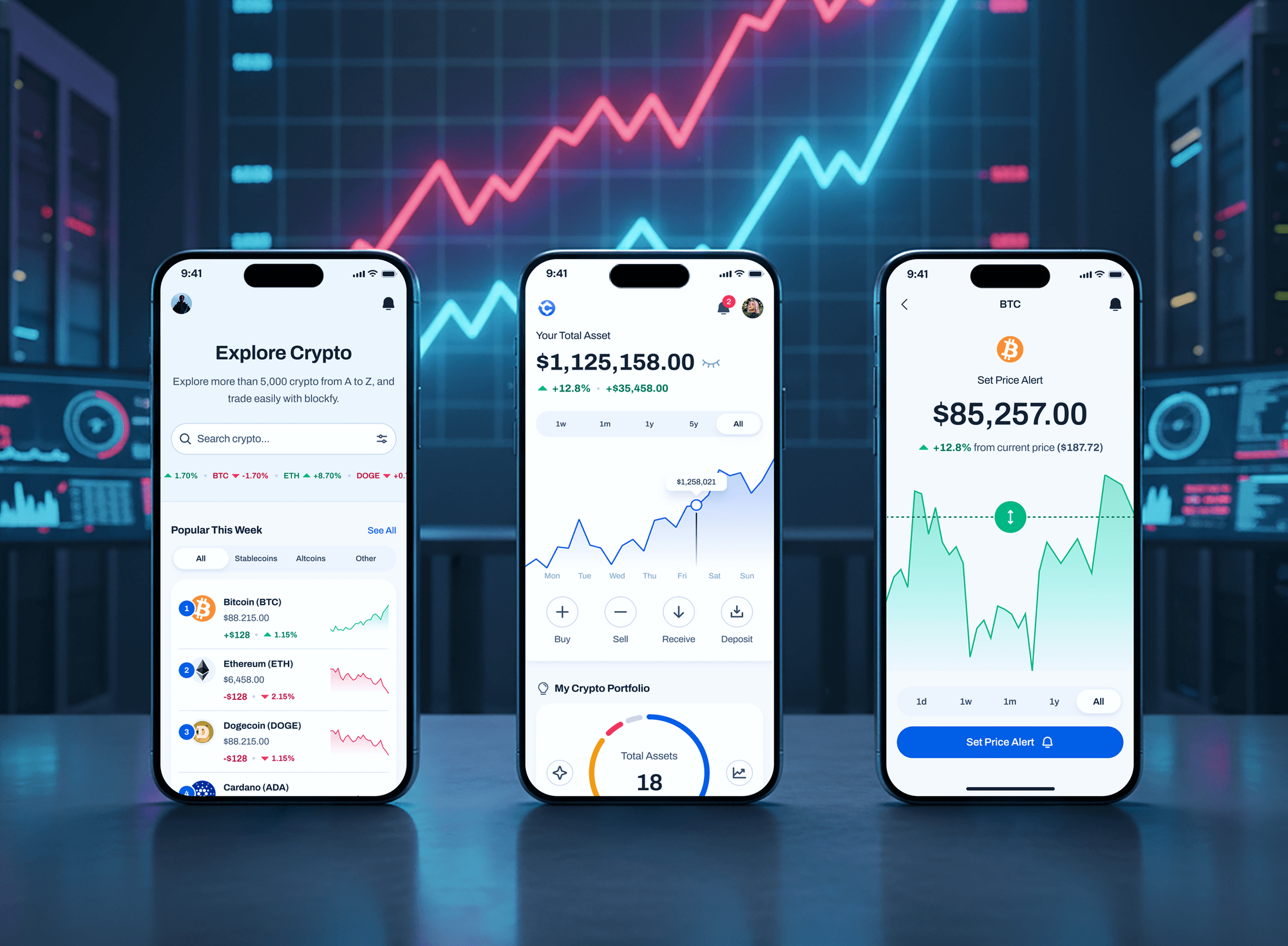
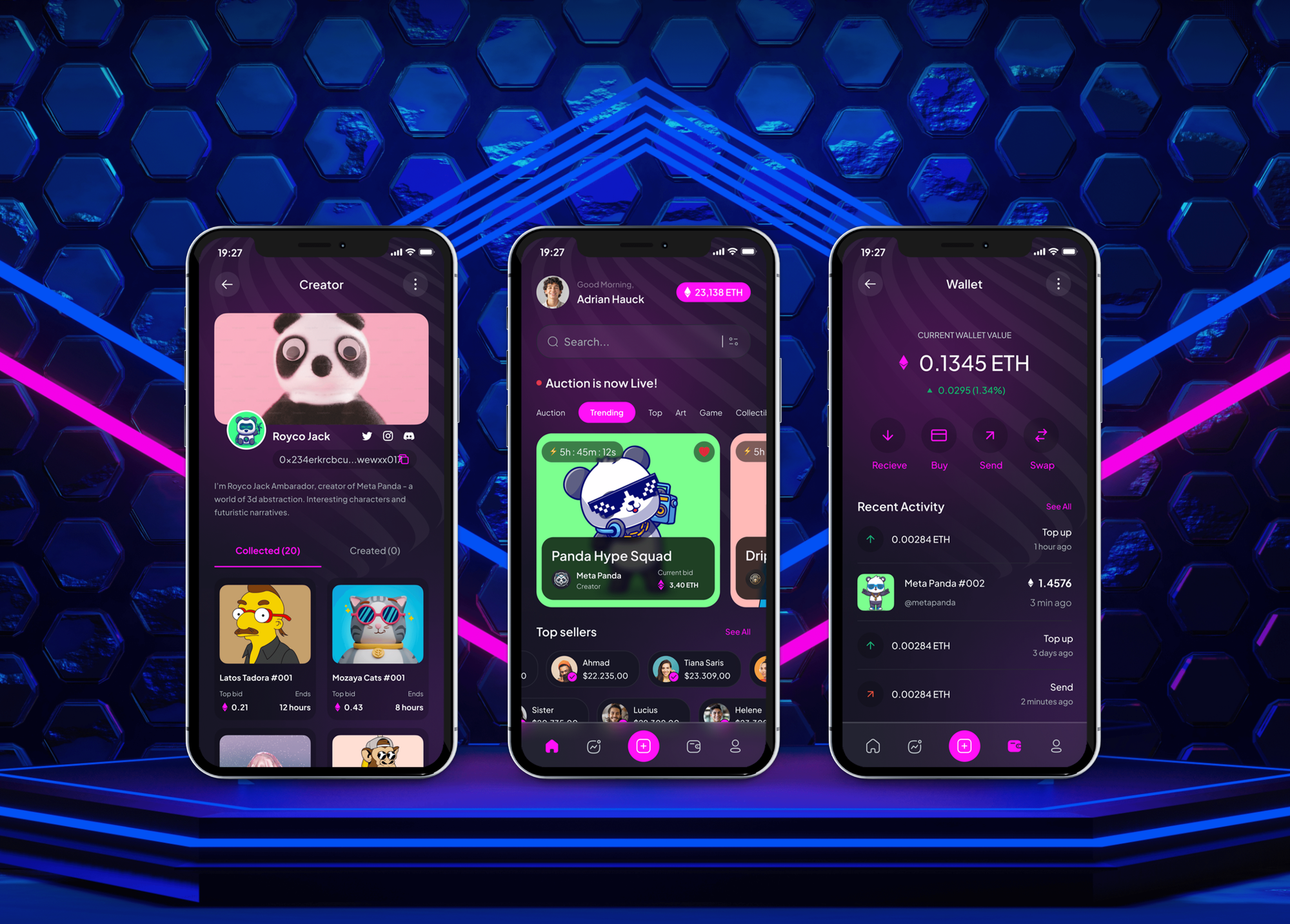
Investment, finance, and crypto products we designed and built, with investor dashboards, sign-up flows, and admin panels. They show the portal side a tokenization platform needs.
What Our Clients Say
Feedback from teams we have built websites, apps, and integrations for.
We had a pretty specific idea of what we wanted our website to become, but I wasn’t sure how easily we could explain all of it to a development team. There were quite a few moving parts, and we were working toward a deadline, so I expected a few things to get lost along the way. That never really happened. They understood what we were trying to achieve, kept us updated throughout the process, and got everything ready within the agreed timeline. The final site feels much easier to navigate, works beautifully on mobile, and is noticeably smoother for our customers. It was a huge relief seeing the original idea actually turn into the website we had in mind.
The mobile experience is probably my favourite part of the new site. We had spent a lot of time making sure the desktop version looked right, and the team kept pushing us to think about how everything would actually feel on a phone too. They were right. The navigation is clean, the interactions feel natural, and everything we’ve tested so far works exactly as it should. They also went through the links, forms, integrations, and other details more than once before launch, which I really appreciated. And even after going live, we could still reach out when something came up. The whole process felt friendly, organised, and surprisingly straightforward.
What I appreciate most is that the website is actually easy for us to manage now. We can update content ourselves instead of sending a developer a message every time we need to change something small. They also paid attention to the technical SEO side, which mattered to us because we didn’t want a new website to create problems for the traffic we already had. I’ve probably asked more questions than I should have since launch, but every question has been handled patiently and without any fuss. The team is easy to work with, they explain things clearly, and when we need something changed, they focus on getting it done rather than making the process complicated.
1,250+
Projects shipped
10+
Years of experience
Top 3%
Upwork Top Rated Plus
5 stars
Average review score

Want results like these?
Tell us what you are building. You get a reply within 24 hours on business days, then a written estimate.
Work Culture
A tokenized asset carries legal rights and investor money from the first issue. These habits keep the contract, the cap table, and counsel's rules in agreement.
Whether a token is a security, and which exemption applies, is your lawyers' decision. We build to their written rules and give no legal or investment advice.
Every transfer checks the identity registry first, including the ones your own admins send. A rule that only holds in the front end doesn't count.
Lost wallets happen with real investors. We code a counsel-approved recovery path at the start, instead of improvising one after a shareholder calls.
Legal documents, the transfer agent's register, and token balances have to agree. We build reports that compare them, so a mismatch surfaces early.
Freeze, mint, and forced transfer powers sit in a Safe multisig with several signers. No single person at your company or ours can move investor tokens alone.
The spec sets the price for each phase, so new asset types or rules become change orders you approve. You know the build cost before you raise.
Overview
DeveloperLook handles asset tokenization platform development for fintech founders and asset managers. We build permissioned token contracts, investor onboarding through your KYC provider, an investor portal, and an admin console for issuance and distributions. Platforms start at $1,250, take 3 to 16 weeks, and your counsel sets the legal structure.
DEVELOPERLOOK
Project facts · Asset Tokenization Platform Development
Reviewed 22 Oct 2026 by Saimul Islam
Good fit
Founders building a tokenization platform
You're building a platform that issues tokenized assets for other owners and need permissioned contracts, onboarding, and an admin console you control.
Real estate and fund sponsors
Your fund or property deal has counsel's structure ready, and you want real world asset tokenization that keeps investor records and payouts in one system.
Asset managers piloting RWA tokenization
You want a pilot of RWA tokenization for one asset to show your board and investors before you commit to a full platform build.
Teams leaving a white-label vendor
You launched with a white-label vendor, and its fees, rule set, or asset limits now block the offerings you want to run next.
Agencies with a fintech client
Your agency's client wants to tokenize assets for investors, and you need the contracts and portal delivered under your brand with counsel's rules built in.
Not a fit
Legal structuring or issuance
You need the legal structure, securities filings, or a broker-dealer to sell the tokens. Counsel and licensed partners handle that, and we build once their rules exist.
A utility or community token
Your token gives access or rewards rather than a share in an asset. Our Token Development Services page covers standard tokens without investor checks.
Unsure a blockchain fits
You're not sure the asset needs a blockchain at all. Our Blockchain Consulting Services give you a written yes, no, or not yet before any build.
Budget under $1,250
Your budget is under $1,250, or you only need visuals for a pitch. A clickable design prototype costs less until investors commit.
Not sure we're the right fit?
Book a free call or message us. We'll tell you honestly whether we're the right team.
Pricing
These are starting points in USD. Your final price depends on the number of assets, the investor rules, and your KYC and custody integrations, and you get a fixed proposal after a free platform review.
For teams that need one asset tokenized on a testnet to show investors and counsel.
$1,250one-time, USD
For one asset going live with real investors, onboarding, and distributions on mainnet.
$4,700one-time, USD
For platforms issuing several assets with transfers between verified investors.
$9,600one-time, USD
For Agencies
You own the client relationship. We supply the tokenization engineering behind it: the permissioned contracts, the KYC link, the investor portal, and the admin console. Everything ships under your agency's name, built to counsel's rules.
White label: your client only ever sees your brand
Send the asset, investor profile, counsel's rules, and preferred KYC provider.
You get a fixed quote, then we build it and trial it with test investors.
Your client issues the asset under your brand, with us on call after launch.
Your brand on the spec, the test report, and the investor portal.
Fixed scope per phase, with testnet and mainnet dates set in the plan.
Every blocked transfer proven by tests before any investor joins.
Take on tokenization clients without hiring a Solidity team.
The Right Technology for Your Project
We use an audited standard for permissioned tokens and a familiar web stack for the portal, so counsel, auditors, and investors can follow how it works.
 Next.js
 TypeScript
 Node.js
 PostgreSQL
FAQ
Straight answers on cost, timelines, how tokenization works, building a platform, and whether RWA tokens are securities.
Saimul IslamFounder & CEO, DeveloperLookStill have questions?
Send a message or book a call with the team.
Asset tokenization platform development starts at $1,250 for a pilot: one asset tokenized on a testnet with investor checks and an admin console. A live platform with KYC integration, an investor portal, and USDC distributions starts at $4,700. Multi-asset platforms with peer transfers start at $9,600. Legal, KYC, and custody fees are separate.
A testnet pilot takes 3 to 4 weeks. A live platform for one asset takes 8 to 10 weeks, and multi-asset platforms take 12 to 16 weeks. Counsel's review of the transfer rules often sets the pace, so we start that document in the first week and build the parts that don't depend on it.
Asset tokenization is recording ownership of a real asset, such as property, a fund share, or a loan, as tokens on a blockchain. Each token stands for a defined share under a legal agreement held off-chain. The tokenization of assets lets shares move and pay out faster, while the legal rights still come from that agreement.
Real world asset tokenization, often shortened to RWA, means tokenizing things that exist outside crypto: real estate, private credit, funds, commodities, or invoices. The token carries ownership or income rights, and the asset itself sits with a custodian or legal entity. That link to an off-chain asset is what separates RWA from purely digital tokens.
Tokenized assets are tokens that represent a claim on something real, like a building share, a fund unit, or a loan. Holders see their balance on-chain and can receive distributions to their wallet. What a tokenized asset legally gives you depends on the documents behind it, not on the token itself.
Asset tokenization works in four layers, each with its own job. A legal entity holds the asset, counsel defines investor rights, a token contract records holdings, and an identity registry decides who may hold them. When an investor buys in, the platform checks their verification, issues tokens, and records the purchase. Distributions then flow to verified wallets.
You tokenize an asset in five steps. Place it in a legal structure, define investor rules with counsel, choose a chain and token standard, onboard verified investors, and issue tokens to them. We handle the technical steps, from the permissioned contract to the investor portal. Structuring and offering documents stay with your lawyers.
We build the platform around ERC-3643, a final Ethereum standard for permissioned tokens that checks an on-chain identity registry before every transfer. Around it sit the KYC integration, investor portal, admin console, and distribution contract. Each part is tested on a testnet with mock investors before mainnet, including transfers that must fail.
Often, yes. A January 2026 SEC staff statement says putting a security on a blockchain doesn't change how federal securities laws apply. In the EU, MiCA excludes tokens that qualify as financial instruments, so MiFID II covers them instead. Your counsel decides how a specific token is classified, and we build to that decision.
Yes, tokenizing real-world assets is legal in many places when the offering follows local securities, property, and anti-money laundering rules. The technology itself isn't the issue. How the tokens are offered, to whom, and with what disclosures is. Asset tokenization companies, ours included, should build to the structure your counsel approves.
Saimul IslamFounder & CEO, DeveloperLookStill have questions?
Send a message or book a call with the team.
Free 30-min callGoogle Meet
Book a call
In 30 minutes on Google Meet we walk you through how we would build it, how long it takes and what it costs. Then you get a written estimate.
Calendar not showing? Book on cal.com or send a brief.