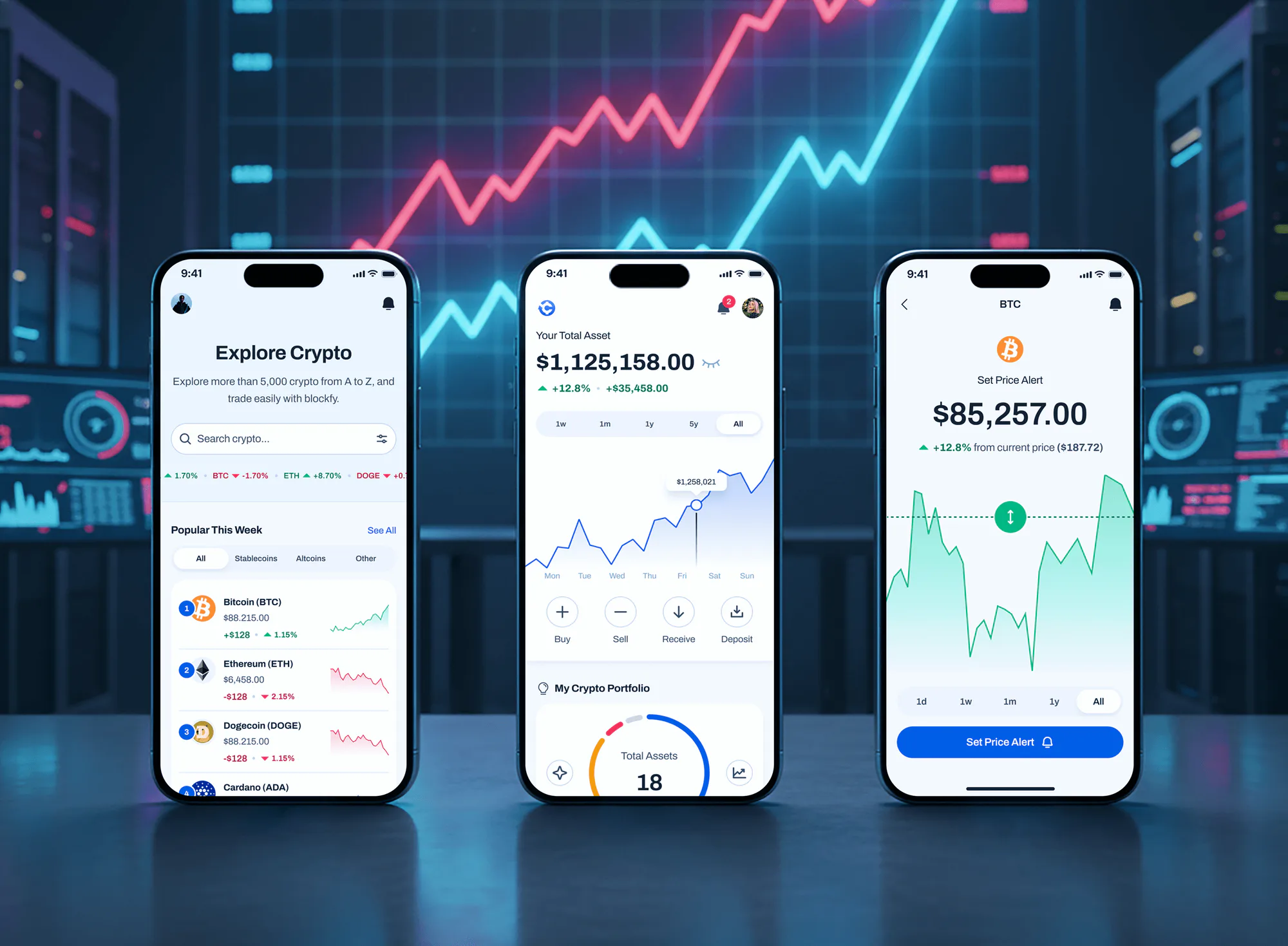
CoinSphere Crypto App Design & Development
- Crypto & NFT
- Dashboard
- Mobile App

For Web3 teams about to deploy or upgrade contracts: two independent reviewers read every line, prove each bug with a failing test, and recheck your fixes.
2
Reviewers on every line
100%
Findings rechecked after fixes
How your project runs
01 · FreeIndustry leaders we work with
 Rust
 OWASP Smart Contract Top 10
The Problem
Risk peaks in the weeks before deployment and after each upgrade: code is frozen, funds are about to arrive, and nobody outside the team has read it.
Same authors
The team that wrote the code also wrote its tests.
Same authors
Reviewers who didn't build it question every assumption the original tests make.
Reentrancy
An external call runs before the balance updates.
Reentrancy
Every external call is traced, state updates come first, and reentrancy guards get tested.
Admin keys
One owner key can mint, pause, or upgrade everything.
Admin keys
Privileged roles are listed with what each can do, and single-key powers are flagged.
Upgrades
A proxy upgrade ships unreviewed code after launch.
Upgrades
Storage layout and initializers are checked, and each upgrade gets its own review scope.
Your contracts pass every test your team wrote, because the same people wrote the code and the tests. Nobody has asked what happens when a withdraw call re-enters before the balance updates. Nobody has tested an oracle price that moves inside one block, or a single owner key guarding the mint function. Launch is in three weeks and the token is announced. An upgrade proxy means one bad deploy can replace everything. On-chain, a bug becomes a public transaction anyone can repeat.
We start by freezing the scope at a commit hash and writing down what must hold: total supply, who can mint, and what a withdrawal may not exceed. Two reviewers then read every in-scope line by hand, with Slither, fuzzing, and invariant tests checking their hunches. Each finding comes with a failing test that proves it. After your team fixes the code, we review the new commit, so the report describes the contract you deploy, not an earlier draft.
Scope frozen at a commit
The audit names the exact commit hash, so the report matches the code you deploy.
Two reviewers per line
Two auditors read every in-scope line on their own, then compare notes before anything is written up.
A failing test per finding
Each bug comes with a test that fails before your fix and passes after it.
Our Smart Contract Audit Process
You agree the commit and scope before we read a line, see findings as they are confirmed, and get a final report that matches your fixed code.
We look at the repository, the chains you deploy to, and your launch date. You get the in-scope files, a line count, a fixed price, and a start date within 2 business days.
Projects We've Built
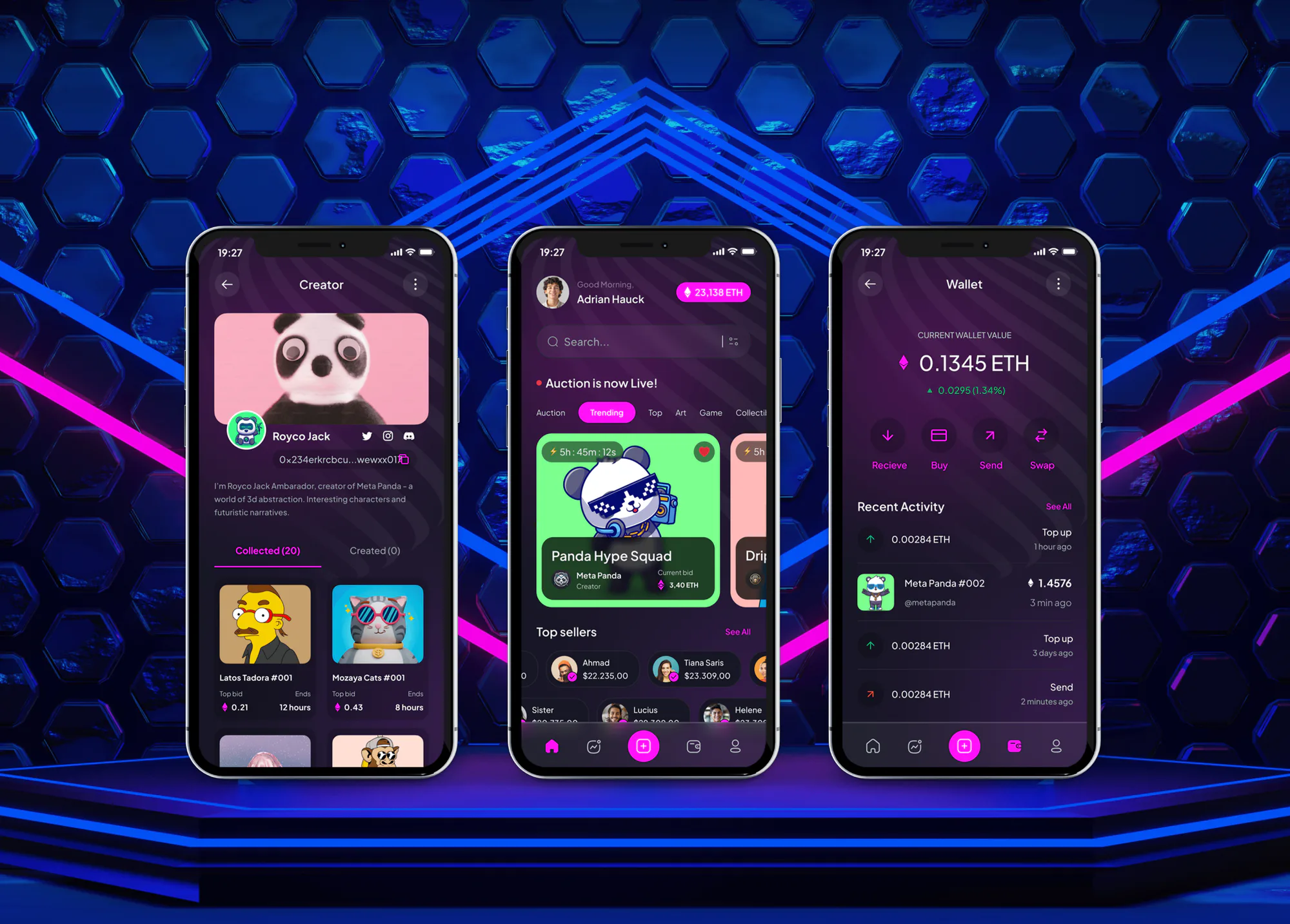
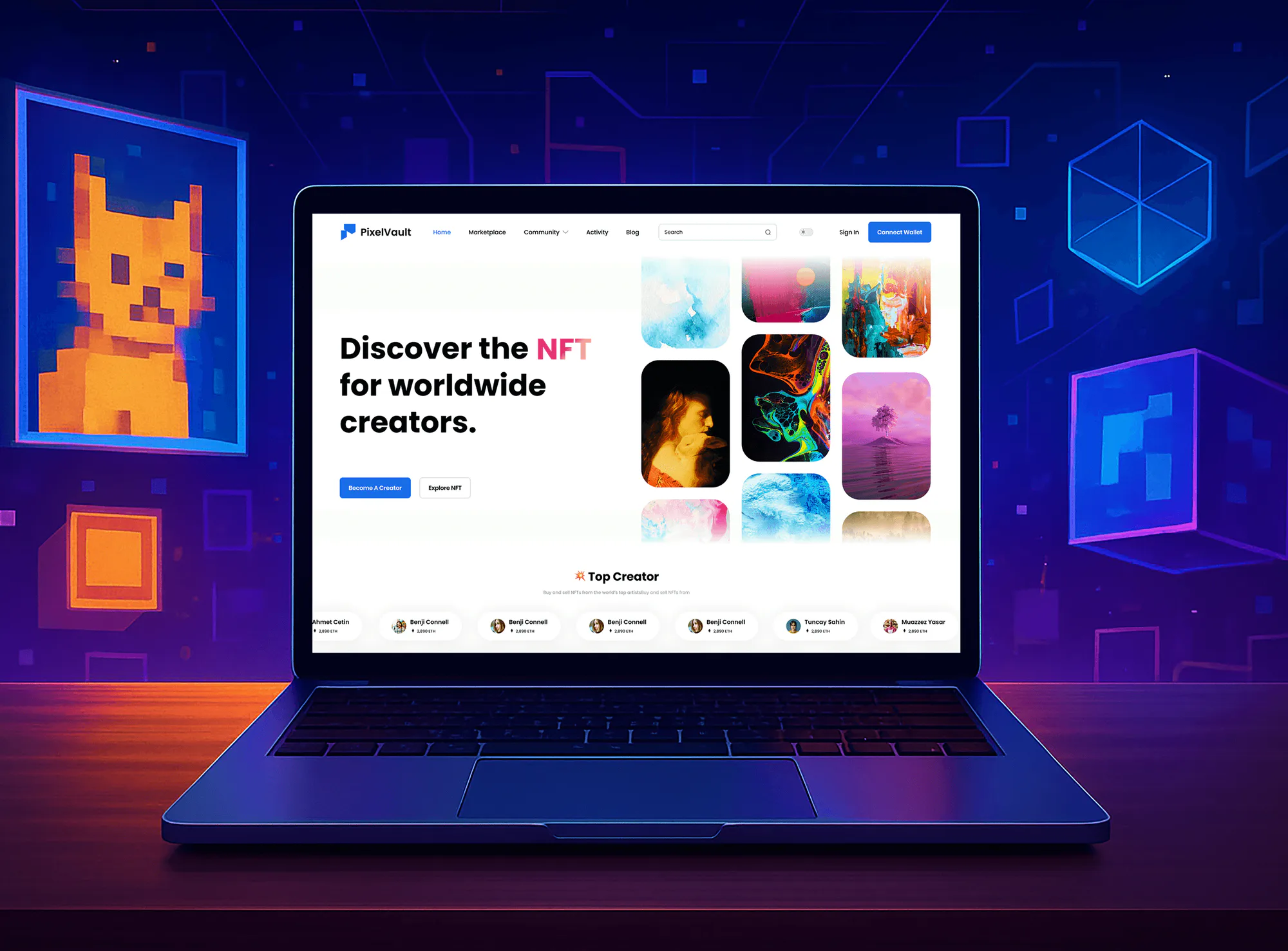
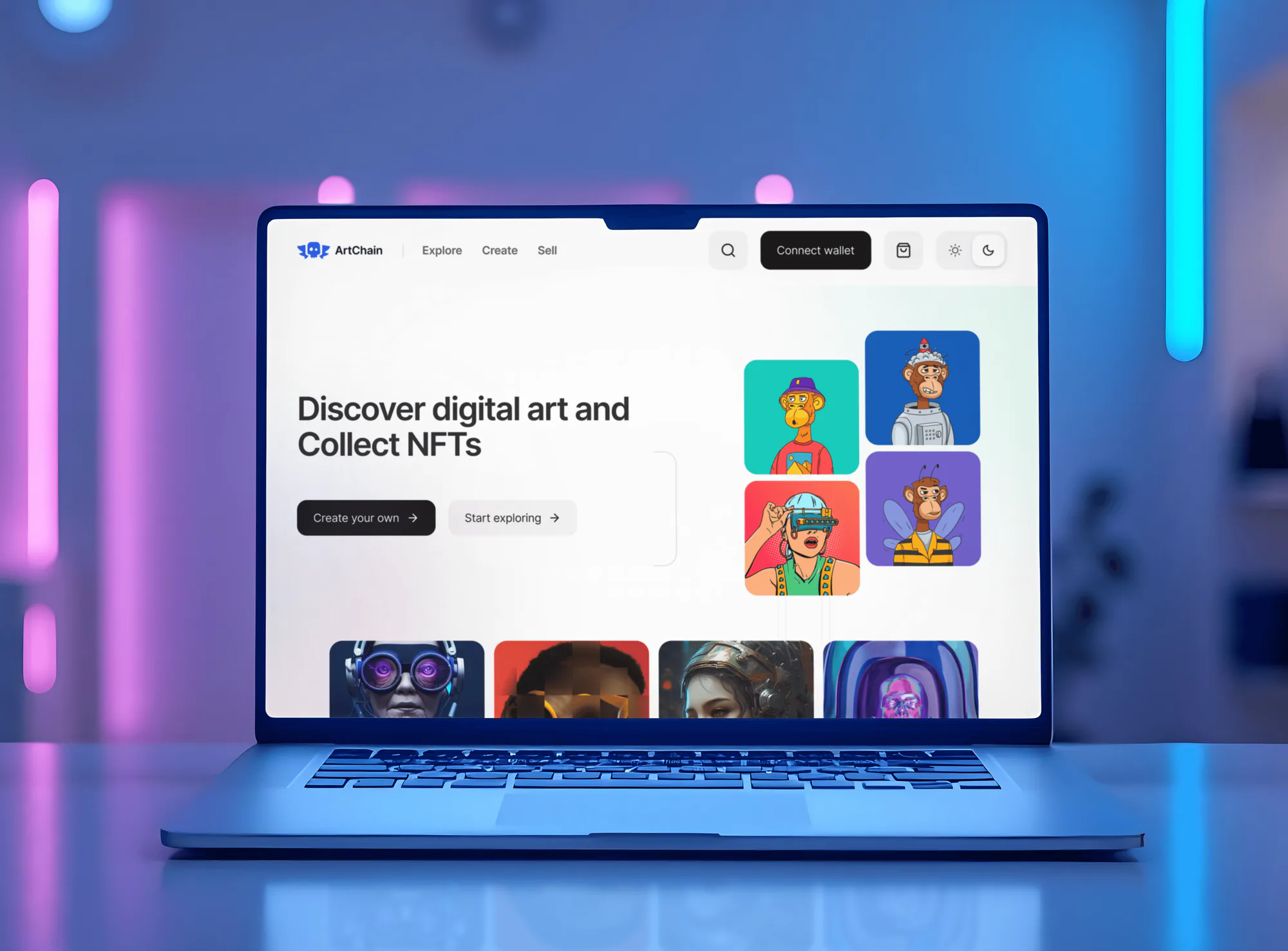
Crypto apps and NFT marketplaces we designed and built. They show our Web3 build work, not past audits, and we don't audit code we wrote.
What's Included
Everything you need to fix the code and show users, exchanges, or investors what was reviewed: scope, threat model, findings, tests, and a final report.
Compare Options
Scanners are fast and contests put many eyes on code. Here is where each fits, and where a small team of named reviewers works better before launch.
| Feature | DeveloperLookBest fit | Automated Scanner | Audit Contest |
|---|---|---|---|
| Planning | Threat model before review | Run on any commit | Contest rules and prize pool |
| Manual line review | Two reviewers, every line | Many reviewers, uneven depth | |
| Business logic bugs | Checked against your invariants | Rarely caught | Often found, when rewards are large |
| Speed | Starts within days | Minutes per run | Weeks to schedule and judge |
| Proof per finding | Failing test for each | Rule match only | Varies by submitter |
| Fix review | Rerun it yourself | Often a separate engagement | |
| Cost | Fixed price per scope | Free or low cost | Prize pool plus platform fees |
| Report | Final report you can publish | Raw tool output | Public findings list |
What Our Clients Say
Feedback from teams we have built apps, platforms, and websites for.
We had a pretty specific idea of what we wanted our website to become, but I wasn’t sure how easily we could explain all of it to a development team. There were quite a few moving parts, and we were working toward a deadline, so I expected a few things to get lost along the way. That never really happened. They understood what we were trying to achieve, kept us updated throughout the process, and got everything ready within the agreed timeline. The final site feels much easier to navigate, works beautifully on mobile, and is noticeably smoother for our customers. It was a huge relief seeing the original idea actually turn into the website we had in mind.
The mobile experience is probably my favourite part of the new site. We had spent a lot of time making sure the desktop version looked right, and the team kept pushing us to think about how everything would actually feel on a phone too. They were right. The navigation is clean, the interactions feel natural, and everything we’ve tested so far works exactly as it should. They also went through the links, forms, integrations, and other details more than once before launch, which I really appreciated. And even after going live, we could still reach out when something came up. The whole process felt friendly, organised, and surprisingly straightforward.
What I appreciate most is that the website is actually easy for us to manage now. We can update content ourselves instead of sending a developer a message every time we need to change something small. They also paid attention to the technical SEO side, which mattered to us because we didn’t want a new website to create problems for the traffic we already had. I’ve probably asked more questions than I should have since launch, but every question has been handled patiently and without any fuss. The team is easy to work with, they explain things clearly, and when we need something changed, they focus on getting it done rather than making the process complicated.
1,250+
Projects shipped
10+
Years of experience
5 stars
Clutch rating
5 stars
GoodFirms rating
Excellent
Trustpilot rating
Top 3%
Upwork Top Rated Plus
1,250+
Projects shipped
10+
Years of experience
5 stars
Clutch rating
5 stars
GoodFirms rating
Excellent
Trustpilot rating
Top 3%
Upwork Top Rated Plus

Want results like these?
Tell us what you are building. You get a reply within 24 hours on business days, then a written estimate.
Work Culture
An audit is only as useful as its honesty about what was and wasn't checked. These six habits shape every report we sign.
If we built your contracts, use another auditor, because nobody should review their own code. We audit only contracts DeveloperLook did not write.
An audit lowers the chance of an exploit but can't prove a contract is bug-free. Our reports say exactly what was in scope and what wasn't.
The final report names the reviewed commit and files. After launch, we can confirm that the verified on-chain source matches the code we reviewed.
We rate a finding critical only when a test shows the damage. Theoretical issues are labeled as such, so you don't burn launch days on noise.
If your contract is an unmodified OpenZeppelin token with no custom logic, a full audit may be more than you need. When a lighter review covers your case, we'll tell you before we quote.
You get a fixed price based on in-scope lines and complexity before we start. Code added after the commit freeze is quoted as a new scope.
Overview
DeveloperLook provides smart contract audit services for Solidity and Rust contracts on Ethereum, EVM chains, and Solana. Two reviewers read every in-scope line, write a failing test for each finding, rate severity, and review your fixes. Audits start at $1,450 and take 1 to 5 weeks, and we only audit code we did not write.
DEVELOPERLOOK
Project facts · Smart Contract Audit Services
Reviewed 27 Oct 2026 by Saimul Islam
Good fit
Token and NFT teams before launch
Your ERC-20 or NFT mint contract adds vesting, allowlists, or royalties to OpenZeppelin code, and launch day is set before anyone outside the team has read it.
DeFi protocols with real deposits
Your vault, staking, or lending contracts on Ethereum or Arbitrum will hold user deposits, and you need an Ethereum smart contract audit before liquidity arrives.
Solana teams writing Rust programs
Your Solana programs use Anchor, and you need a Rust smart contract audit that checks account validation, signer checks, and program derived addresses.
Projects upgrading live contracts
Your contracts are live on Base, Polygon, or BNB Smart Chain behind an upgrade proxy, and the next upgrade changes storage or adds a new role.
Founders comparing audit options
You're comparing a smart contract audit company with an audit contest and want named reviewers, a fixed price, and a fix review included.
Not a fit
We wrote your contracts
DeveloperLook wrote your contracts, so an independent firm should audit them. Our smart contract development page explains how we prepare the audit pack for that firm.
Off-chain security concerns
Your worry is the front end, signing flow, RPC keys, or multisig operations around the contracts. Our crypto and Web3 security audit covers that off-chain side.
Need formal verification proofs
You need a mathematical proof of every property across all states. A formal verification specialist fits better, since our audits use fuzzing and invariant tests instead.
Budget under $1,450
Your budget is under $1,450, or the contract is an unmodified OpenZeppelin template. Running Slither yourself and keeping audited library code unchanged may be enough.
Not sure we're the right fit?
Book a free call or message us. We'll tell you honestly whether we're the right team.
Pricing
These are starting points in USD. Your final price depends on in-scope lines, contract complexity, and chain, and you get a fixed proposal after a free scoping call.
For Agencies
You own the client relationship. We supply the review behind the contracts your clients bring you: threat models, line-by-line review, proof-of-concept tests, and fix reviews, written up under your agency's name and presented by your team.
White label: your client only ever sees your brand
Send the repository, target chains, commit, and your client's launch date.
You get a line count, fixed price, and start date within 2 business days.
We review, report in your format, and run the fix review with you.
Send the repository, target chains, commit, and your client's launch date.
You get a line count, fixed price, and start date within 2 business days.
We review, report in your format, and run the fix review with you.
The Right Technology for Your Project
The analysis and testing tools behind every review, the languages and frameworks we read, and the chains we check deployments on.
RustOWASP Smart Contract Top 10FAQ
Straight answers on cost, timelines, audit frequency, upgrades, Solidity and Rust reviews, and the fix review.
Saimul IslamFounder & CEO, DeveloperLookStill have questions?
Send a message or book a call with the team.
Our smart contract audit services start at $1,450 for one contract or program up to 300 lines, including a fix review. That plan has two reviewers on every line and a proof-of-concept test per finding. Protocols up to 1,200 lines across 6 contracts start at $4,200, and DeFi or Solana protocols up to 3,000 lines start at $8,900. Line count and complexity drive the price, and you get a fixed quote before we start.
A single contract takes 1 to 2 weeks, and protocols take 3 to 5 weeks, including the fix review. The threat model takes 1 to 2 days, manual review 3 days to 3 weeks, and the report 2 to 3 days. Book the audit when your code is feature-complete, because changes during review reset part of the work.
A smart contract audit is a line-by-line security review of contract code by people who didn't write it. The goal is to find exploitable bugs before attackers do. Reviewers test risky paths with tools such as Slither and fuzzers, then write up each issue with its severity and a fix. A good report also states exactly which commit and files were reviewed.
Audits matter before deployment because most contracts can't be edited once they're live, and any bug is visible to anyone reading the chain. An exploit can drain funds in one transaction, with no chargeback or support desk to reverse it. An audit lowers that risk while a fix is still a code change, though no audit can promise a bug-free contract.
Audit smart contracts before the first deployment and again before every upgrade that changes logic, storage, or permissions. Unchanged contracts don't need a yearly re-audit, but new integrations, such as a new oracle or token, change their risk. Teams that release often audit each upgrade's diff instead of the whole codebase, which keeps the cost in line with the change.
Audit after any deployment update that touches contract logic, storage layout, access roles, or external integrations, and do it before the upgrade goes live. For a proxy upgrade, we review the new implementation, its storage layout against the old one, and the initializer. Parameter changes made through existing admin functions usually need a check of the new values, not a full audit.
Smart contract audits are done by specialist audit firms, independent reviewers, and audit contests where many researchers compete for rewards. DeveloperLook audits as a small team of named reviewers with a fixed price and a fix review included. Whoever you choose, pick someone who didn't write the code, and ask for a sample report before you sign.
A Solidity smart contract audit checks access control, reentrancy, input validation, arithmetic, oracle use, external calls, and upgrade logic. Those match the risks in the OWASP Smart Contract Top 10 (2025). We also check business logic against the threat model, since costly bugs are often code doing exactly what it says but not what you meant.
Solana audits focus on account validation more than reentrancy. The common risks are missing owner and signer checks, unchecked program derived addresses, and arithmetic that wraps silently when overflow checks are off. We review Anchor constraints by hand, run cargo audit and Clippy, and write a proof-of-concept test for each finding, just as we do for Solidity.
You have 30 days to send your fixed commit, and we review every change and mark each finding fixed, acknowledged, or open. The final report names the reviewed commit, so users and exchanges can match it to the deployed code. The Full Protocol Audit adds a second fix review and a check that the verified on-chain source matches the audited commit.
Saimul IslamFounder & CEO, DeveloperLookStill have questions?
Send a message or book a call with the team.
Free 30-min callGoogle Meet
Book a call
In 30 minutes on Google Meet we walk you through how we would build it, how long it takes and what it costs. Then you get a written estimate.
Calendar not showing? Book on cal.com or send a brief.