
One-screen emergency page
Call button, location share, and your response area on one phone screen, built to load on a weak signal.

Towing website design with a sticky call button, location-share tow requests, and impound pages. From $900, fixed price.
2X
More calls from stranded drivers
2.5sec
Load target for emergency pages
Teams we have built for:














The Problem
Towing calls start in bad places. A dark shoulder, a parking garage, a dead battery with kids in the back seat. The first site that loads and connects the call usually gets the job, and you want it to be yours.
01 · Buried button
A flatbed video loads first, and the call button sits below it.
The emergency page puts the call button and next steps on one screen.
02 · Unknown location
Dispatch can't tell which exit the driver is near.
Web requests text your dispatcher the driver's map pin, vehicle, and problem.
03 · Impound anger
Owners call angry about release hours, fees, and paperwork.
Release hours, fees, and required documents get published on their own page.
04 · Mixed callers
Commercial and motor club inquiries clutter your emergency page.
Commercial accounts and motor club partners get their own paths.
It's 11 p.m. on the interstate and a driver's car dies in the right lane. Hazards on, one bar of signal, trucks roaring past. She searches for a tow and taps your listing. Your homepage starts loading a video of a flatbed, and the call button sits below it. After a few seconds of nothing, she backs out and calls the next number. That one might be a real company, or a lead broker who sells the job to whoever answers.
We start with the moment of the call. Your emergency page loads with the call button, a location share, and what happens next, all on one screen. Web requests send the driver's map pin, vehicle, and problem to your dispatcher by text. Separate paths handle impound releases, commercial accounts, and motor club partners, away from the emergency page. Stranded drivers reach your dispatcher, not a lead broker's switchboard.
Call button on every screen
A sticky call bar stays in reach from the moment your page starts loading.
Location with every request
Drivers share a map pin with a single tap, so dispatch knows which exit they're near.
Impound questions answered
Release hours, fees, and required documents are published, so upset owners know what to bring.
Our Towing Website Design Process
Every step ends with something you can check yourself. You approve the call flow, the service areas, a clickable emergency page, and a staging site that texts your real dispatcher.
We call your number the way a stranded driver would and review your site and Google profile on a phone. You get a sitemap, a call flow plan, and a fixed price.
What's Included
Your roadside calls come first. Every build adds location requests, impound details, service areas, proof, and tracking. Larger plans add commercial paths, heavy-duty pages, and a second yard.
Compare Options
Each option suits some towing companies. A site builder is your cheapest start, and marketing agencies bundle ads with a template. Here's how each handles your speed, dispatch, and impound questions.
| Feature | DeveloperLookBest fit | Marketing agency | Site builder |
|---|---|---|---|
| Mobile load speed | Built to a 2.5 sec target | Varies by template | Depends on the theme |
| Tap-to-call placement | Sticky on every screen | Usually in the header | Header only |
| Location sharing | Map pin with request | Rarely offered | Not built in |
| Impound release details | Hours, fees, documents | Generic contact page | You write it |
| Commercial account path | Own page and form | Sometimes included | Not included |
| Start-up cost | Fixed, from $900 | Setup plus monthly | Lowest cost |
| Launch speed | 3 to 8 weeks | 2 to 4 weeks | A weekend |
| Who owns the site | You, from day one | Often the agency | You, on their platform |
Projects We've Built
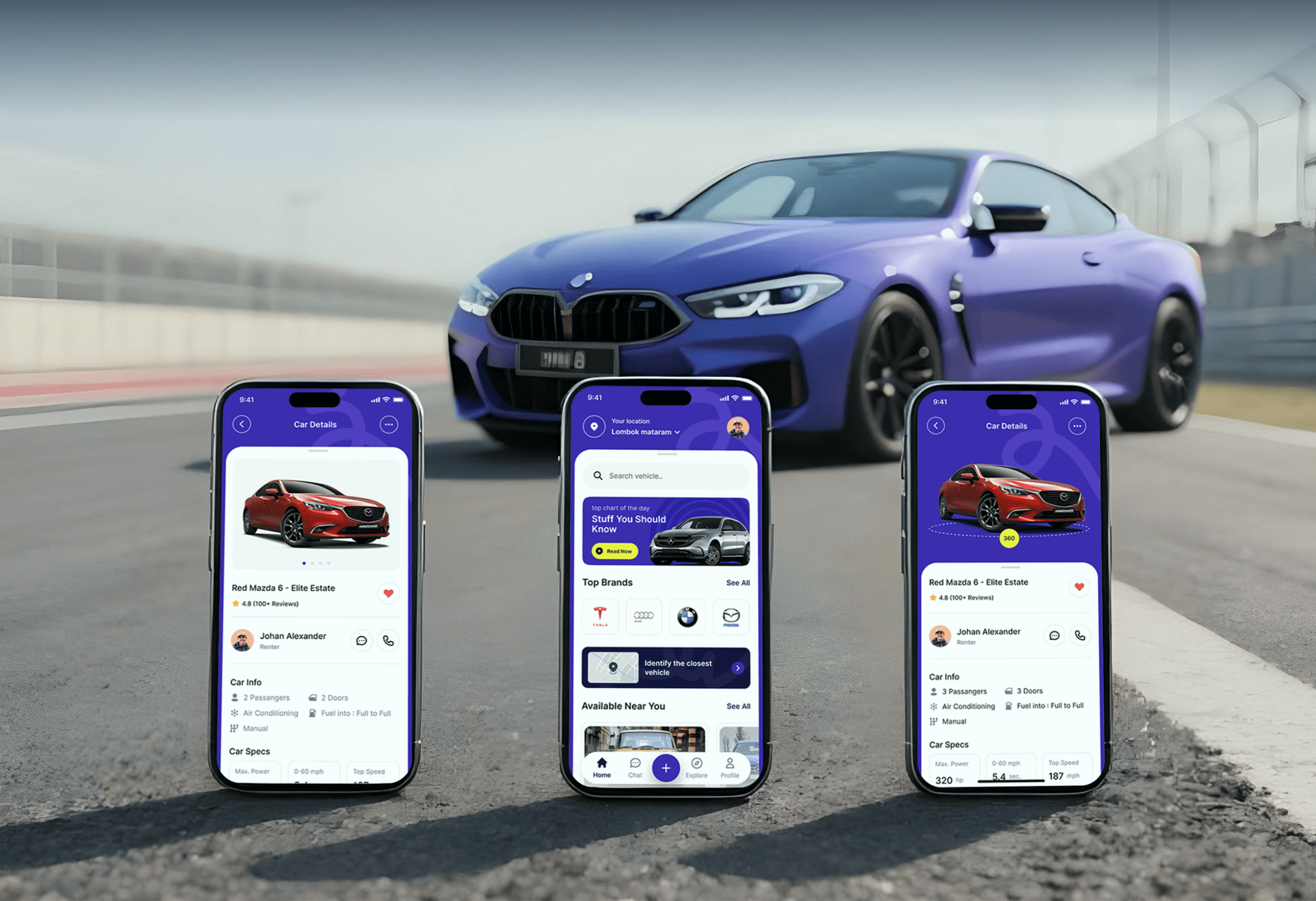
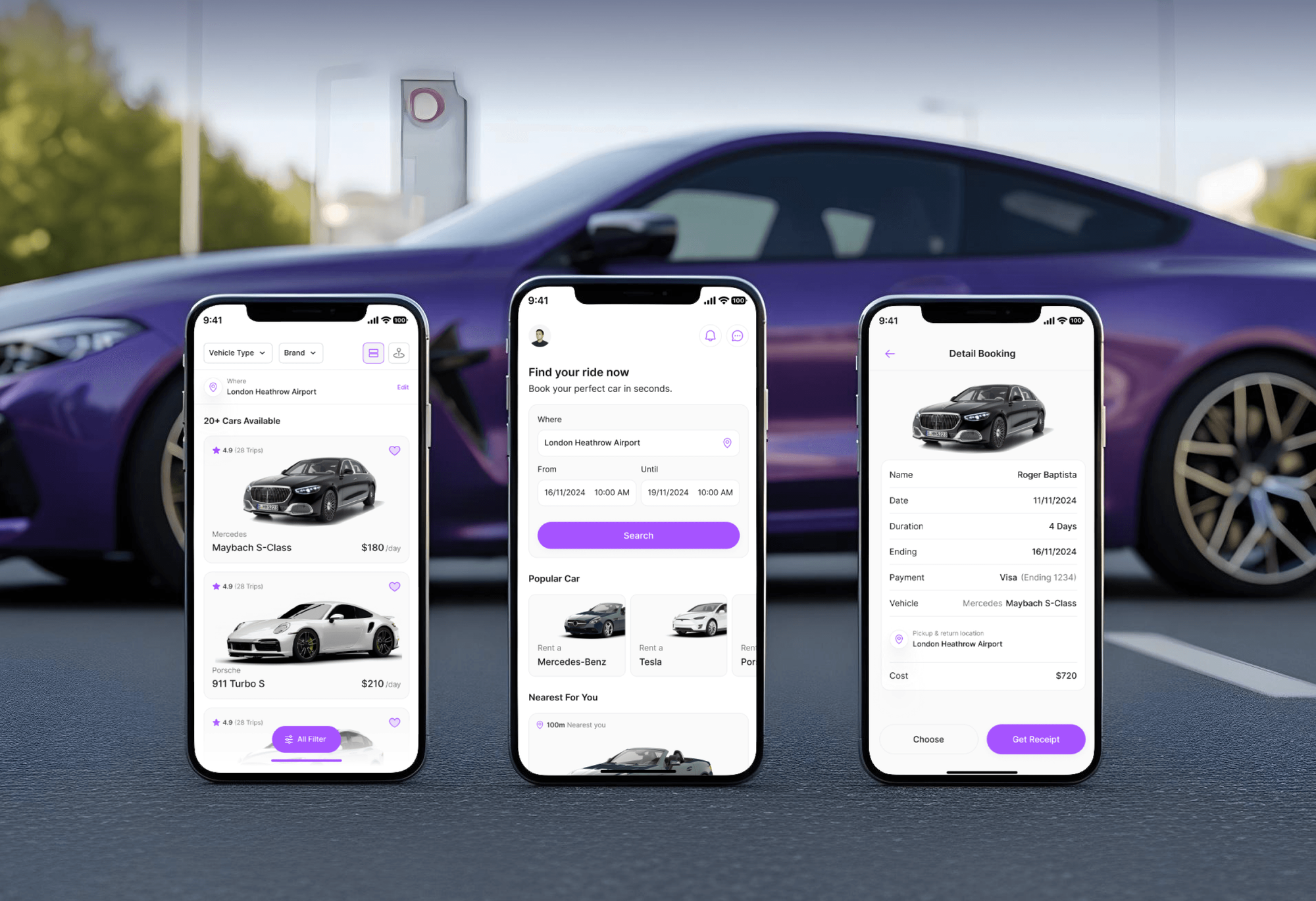
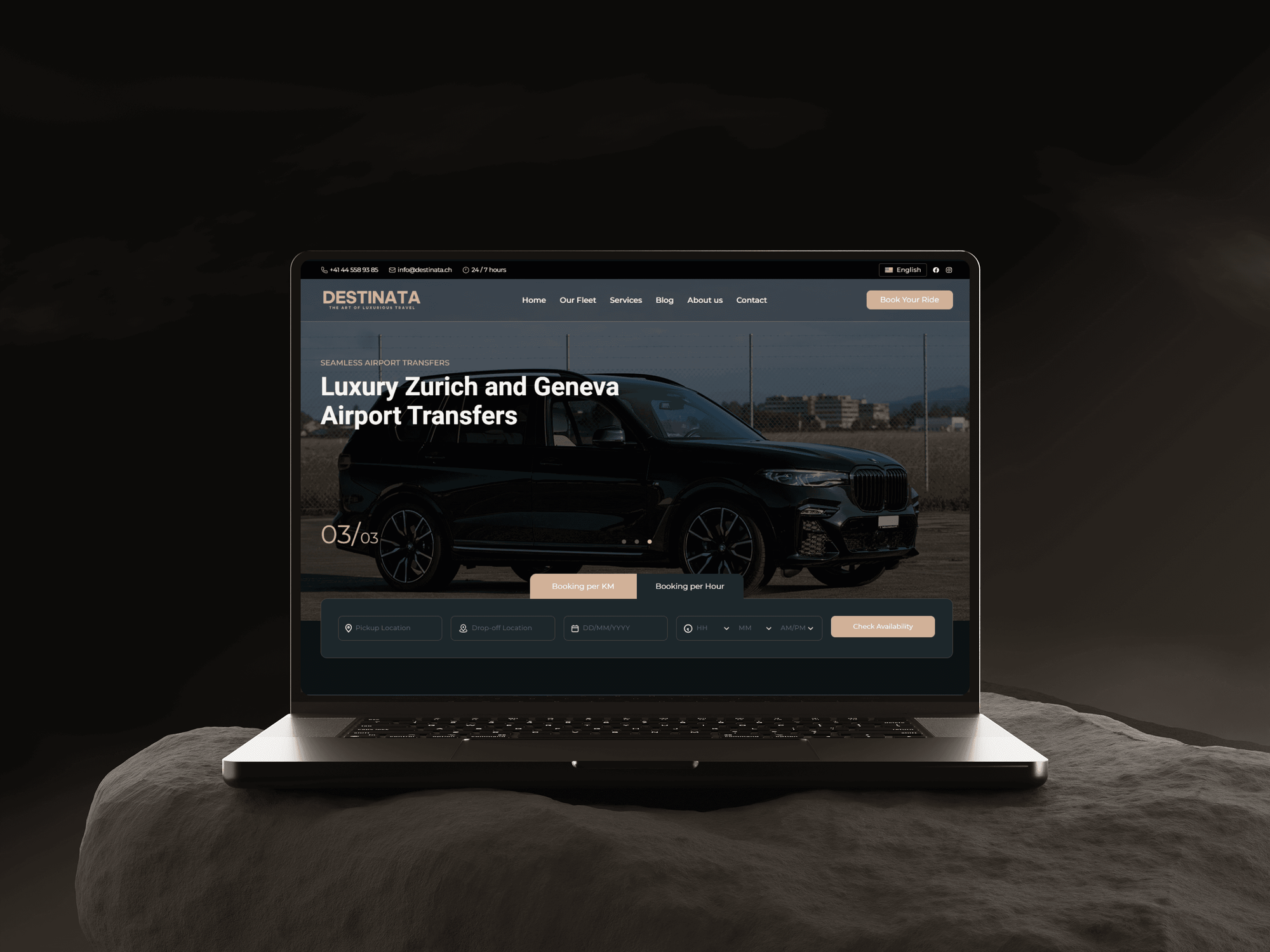
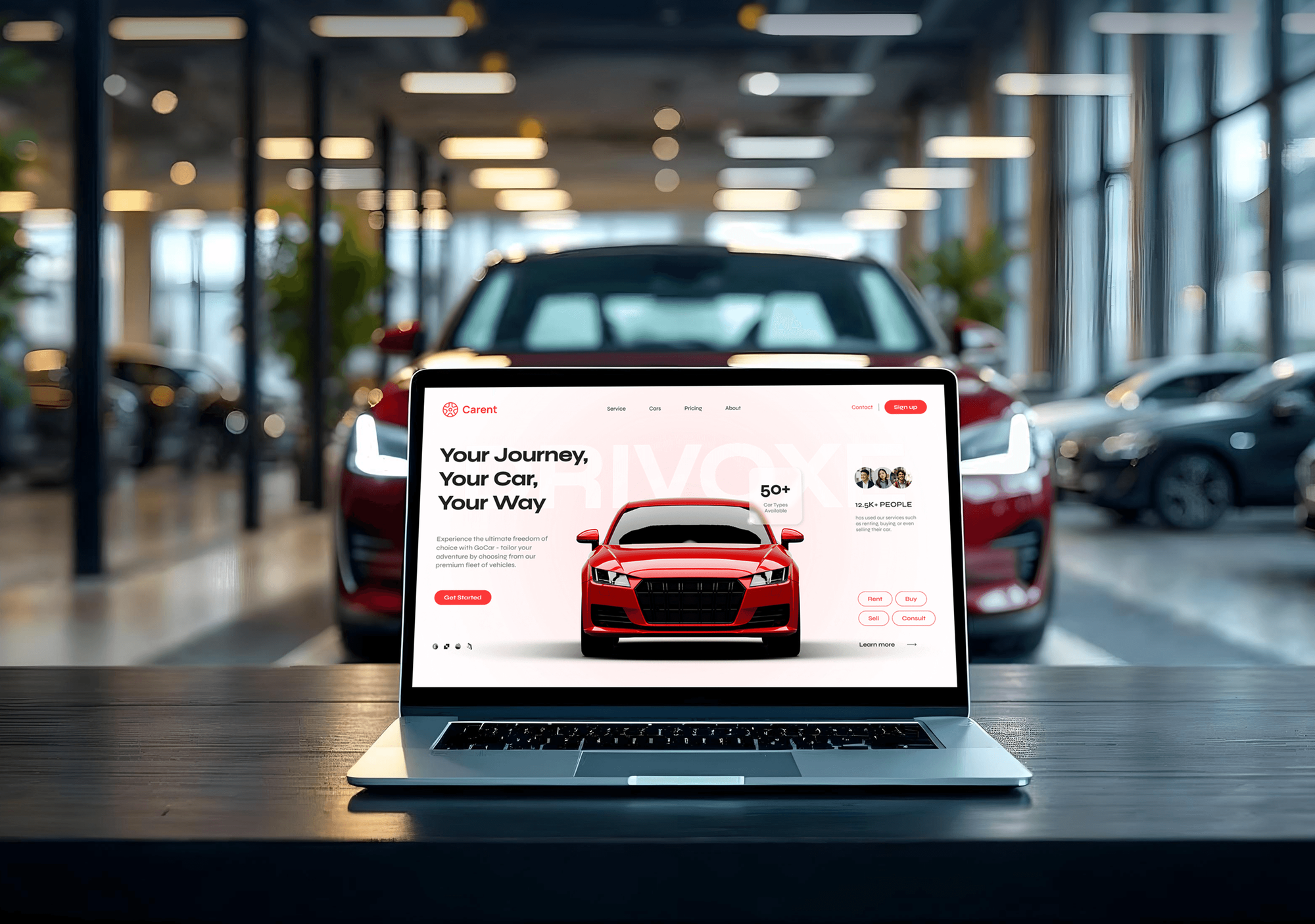
A limo booking site, plus car rental websites and apps with location-based search and fleet dashboards. They show the mobile request flows a towing site depends on.
What Our Clients Say
Feedback from teams we have built websites for.
We had a pretty specific idea of what we wanted our website to become, but I wasn’t sure how easily we could explain all of it to a development team. There were quite a few moving parts, and we were working toward a deadline, so I expected a few things to get lost along the way. That never really happened. They understood what we were trying to achieve, kept us updated throughout the process, and got everything ready within the agreed timeline. The final site feels much easier to navigate, works beautifully on mobile, and is noticeably smoother for our customers. It was a huge relief seeing the original idea actually turn into the website we had in mind.
The mobile experience is probably my favourite part of the new site. We had spent a lot of time making sure the desktop version looked right, and the team kept pushing us to think about how everything would actually feel on a phone too. They were right. The navigation is clean, the interactions feel natural, and everything we’ve tested so far works exactly as it should. They also went through the links, forms, integrations, and other details more than once before launch, which I really appreciated. And even after going live, we could still reach out when something came up. The whole process felt friendly, organised, and surprisingly straightforward.
What I appreciate most is that the website is actually easy for us to manage now. We can update content ourselves instead of sending a developer a message every time we need to change something small. They also paid attention to the technical SEO side, which mattered to us because we didn’t want a new website to create problems for the traffic we already had. I’ve probably asked more questions than I should have since launch, but every question has been handled patiently and without any fuss. The team is easy to work with, they explain things clearly, and when we need something changed, they focus on getting it done rather than making the process complicated.
1,250+
Projects shipped
10+
Years of experience
Top 3%
Upwork Top Rated Plus
5 stars
Average review score

Want results like these?
Tell us what you are building. You get a reply within 24 hours on business days, then a written estimate.
Work Culture
Towing website design is judged in the few seconds before a driver gives up. So we build for your roadside callers first and everything else second.
Before designing anything, we call your line the way a stranded driver would. If the call flow loses people, a website can't fix that alone, and we'll tell you.
Emergency pages carry no heavy video or sliders. They load on a mid-range phone at the roadside, where a slow page sends the call to someone else.
We show your actual yard address, the licenses you supply, and photos of your trucks. Drivers wary of fake listings can see a real company behind the number.
Owners looking for a towed car are already upset. Clear hours, fees, and documents on your release page mean fewer angry calls to your yard.
You get a written scope and one fixed price after the call flow review. Pages, alerts, and service areas are named up front, so the invoice holds no surprises.
The domain, site files, call tracking numbers, and every web request sit in accounts you control. Change providers and your phone numbers move with you.
Overview
DeveloperLook offers towing website design for tow operators, impound yards, and heavy-duty recovery companies. Each build includes a one-screen emergency page, a call button on every screen, location-share tow requests, and vehicle release pages. Sites start at $900 and launch in 3 to 8 weeks, with a fixed price and every call tracked.
DEVELOPERLOOK
Project facts · Towing Company Website Design
Reviewed 28 Sep 2026 by Saimul Islam
Good fit
Owner-operators with a few trucks
You answer calls yourself. Every missed call at night goes straight to a competitor's number or a lead broker's listing.
Towing companies running impounds
Your yard handles private property impounds, and owners call all day asking where their car is and what to bring.
Operators chasing commercial accounts
You want contracts with property managers, dealerships, and fleets, but your site only speaks to stranded drivers.
Heavy-duty recovery specialists
Your rotators and heavy wreckers handle semi recoveries, yet the website looks like any light-duty operator's site.
Agencies with towing clients
Your agency buys ads for a towing client and needs a build partner for emergency pages and dispatch alerts under your brand.
Not a fit
Collision shop on site
Your yard also runs a collision shop that repairs cars after the tow. Auto Body Shop Website Design covers estimates and insurance claims for that side.
Mostly semi repair
Your main work is repairing semis and fleet trucks, with towing on the side. Diesel Repair Marketing and Website Design fits that business better.
Speed fixes only
You like your current site and only need it faster. Website Speed Optimization tunes what you have without a rebuild.
Motor clubs send everything
Your budget is under $900, or motor clubs send nearly all your calls. A free directory profile covers that for now, and we'll say so.
Not sure we're the right fit?
Book a free call or message us. We'll tell you honestly whether we're the right team.
Pricing
These are starting points in USD. Your final price depends on yards, truck types, and impound needs, and you get a fixed proposal after a free discovery call.
For owner-operators who need a fast emergency page and requests that reach dispatch.
$900one-time, USD
For towing companies adding service areas, commercial accounts, and dispatch text alerts.
$2,200one-time, USD
For towing groups with heavy-duty recovery, fleet contracts, and more than one yard.
$4,450one-time, USD
For Agencies
You own the client relationship. We build tow company sites under your brand: emergency pages, location-share requests, dispatch text alerts, and impound pages. Your ads send drivers to pages that load fast and ring the right phone.
White label: your client only ever sees your brand
Share the client's yards, trucks, service area, and current call setup.
Receive a fixed quote with dates and one lead developer you can reach.
We launch, test calls, and document the dispatch alerts for your team.
Your logo on proposals, staging links, and handoff notes.
We test the client's phone line before launch, not after.
Emergency pages are tested on mid-range phones and weak signals.
Add a towing client in the middle of the month without hiring.
The Right Technology for Your Project
We build your towing site on Next.js or WordPress for speed and send each web request, with its map pin, to your dispatcher through Twilio.
 Next.js
 WordPress
 Tailwind CSS
 Cloudflare
 Twilio
 Zapier
 Google Sheets
 Google Search Console
 Semrush
 Google Analytics (GA4)
 Google Tag Manager
 PageSpeed Insights
 Lighthouse
FAQ
Straight answers on cost, speed, dispatch calls, impound pages, fake listings, and towing marketing.
Saimul IslamFounder & CEO, DeveloperLookStill have questions?
Send a message or book a call with the team.
Towing company website design starts at $900 for a roadside call site with 6 pages, a sticky call button, location-share requests, and an impound page. Dispatch-ready sites with service-area pages and commercial paths start at $2,200. Heavy-duty and multi-yard builds start at $4,450, each fixed after a free call.
Most towing builds take 3 to 8 weeks. A roadside call site launches in 3 to 4 weeks, a dispatch-ready site in 5 to 6, and a heavy-duty build in 7 to 8. If you're losing calls right now, your call screen can go live first while we finish the rest.
They strip the page down to what your caller needs on a dark shoulder: a way to call, a location share, and the next step. No video, no sliders, no pop-ups. We target the Largest Contentful Paint level that Google's web.dev guidance calls good, tested on a mid-range phone.
No interface can promise zero drop-off, but a few pieces come close. You want a sticky call button that works before the page finishes loading and a location share as a fallback. Then a text confirms dispatch has the request. Each piece removes a moment where your caller might give up.
Give each kind of work its own path, so none of them gets in a stranded driver's way. Retail callers get tap-to-call and what to expect. Property managers get an impound agreement page, and motor clubs get your dispatch contacts and coverage map. The site grows the work you want without losing the rest.
Google replaced the Guaranteed badge with Google Verified, which towing companies earn after screening that includes on-hook and cargo insurance. Pair it with a verified Google Business Profile at your real yard address and consistent citations. Report fake listings through Google's Business Redressal Complaint form.
Tow truck web design should cover an emergency page, a page per service, impound release details, and service areas. Your services usually include light-duty towing, jump starts, lockouts, winch-outs, and heavy-duty recovery if you run it. Every page ends with tap-to-call and your short request form.
Yes, as a separate monthly program if you want it. Towing company marketing usually means Google profile upkeep, Local Services Ads, and review requests after each job. The website comes first, because ads that land on a slow page waste the budget, so we quote marketing once the site works.
Hire a towing marketing agency when you need ads managed monthly and your site already converts. Hire a designer first if calls drop off, pages load slowly, or impound questions flood your phone. Roadside assistance web design fixes the foundation that every ad dollar depends on.
Yes, the domain, site files, call tracking numbers, and every web request belong to you. If you switch providers, your numbers and history move with you. Post-launch fixes are included for 30, 60, or 90 days by plan. After that, a monthly care plan can cover your updates.
Saimul IslamFounder & CEO, DeveloperLookStill have questions?
Send a message or book a call with the team.
Free 30-min callGoogle Meet
Book a call
In 30 minutes on Google Meet we walk you through how we would build it, how long it takes and what it costs. Then you get a written estimate.
Calendar not showing? Book on cal.com or send a brief.