
External scan of public assets
Public IPs, domains, VPN gateways, mail servers, and websites scanned from outside, the way an attacker sees them.

For IT teams and growing businesses that need to know which weaknesses are real: every finding confirmed by hand, ranked by risk, and fixed in order. From $700.
100%
Findings confirmed by hand
Top 5
Fixes that cut the most risk
How your project runs
Teams we have built for:














The Problem
It shows up when an insurer, a customer, or an auditor asks for proof your systems were checked, and the only evidence is an unread scan export.
01 · Noise
A free scan export lists hundreds of findings, unsorted.
Every finding is confirmed by hand, so false alarms stay out of your report.
02 · Priority
Severity scores hide the flaws attackers already use.
Each finding is checked against CISA's known exploited list and ranked by exposure.
03 · Blind spots
Forgotten servers and staging sites are missing from the scan list.
Scoping lists every public IP, domain, cloud account, and office network first.
04 · Ownership
Nobody knows who should fix what, or by when.
Each finding gets an owner, fix steps, and a place in the fix order.
Your cyber insurer's renewal form asks when your systems were last checked for weaknesses. Someone runs a free scanner and exports hundreds of findings, sorted by plugin name. The firewall at the edge shows a medium score, yet its flaw sits on CISA's list of vulnerabilities attackers already exploit. An old staging server still answers on the remote desktop port. Nobody knows which findings are real or what to fix first, so the form gets a vague answer.
We start with scope: every public IP, domain, office network, cloud account, and web app you want covered. We scan from outside, then from inside with credentials, and an engineer confirms each finding by hand. Real findings are ranked by CVSS score, active exploitation, and exposure. You get a short fix order with owners, not a raw export nobody reads.
Confirmed by an engineer
Each scanner result is checked by hand before it reaches your report.
Ranked by real exploit risk
CVSS score, CISA known exploited status, and exposure decide the fix order.
A report you can share
Evidence, fix steps, and a summary your insurer or customers can read.
Our Vulnerability Assessment Services Process
You approve the scope and scan windows before anything runs, then walk through every confirmed finding with us at the end.
We list your public IPs, domains, office networks, cloud accounts, and web apps, and agree which are in scope. You get a written scope, scan windows, and a fixed price. If a scanner you already own covers your case, we'll tell you before we quote.
What's Included
Each engagement covers scoping, external and internal scans, cloud and web checks on larger plans, hand verification, risk ranking, and a report for IT and leadership.
Compare Options
Scanner subscriptions and other vulnerability assessment solutions suit teams with time to triage, and in-house IT knows your network best. Here is where each option holds up.
| Feature | DeveloperLookBest fit | DIY scanner | In-house IT |
|---|---|---|---|
| Planning | Written scope of every asset | You pick the targets | Known systems only |
| Coverage | External, internal, cloud, and web apps | Whatever you configure | Depends on spare time |
| False positives | Removed by hand before reporting | Left for you to triage | Triaged when time allows |
| Risk ranking | CVSS, known exploits, and exposure | CVSS score only | Gut feel and tickets |
| Report | Written for leadership and insurers | Raw export | Internal notes |
| Support | 30 days of fix questions | Vendor help desk | Already on site |
| Speed to start | Scans within a week of scoping | Runs the same day | When the queue allows |
| Cost | Fixed price from $700 | Cheapest per year | No extra invoice |
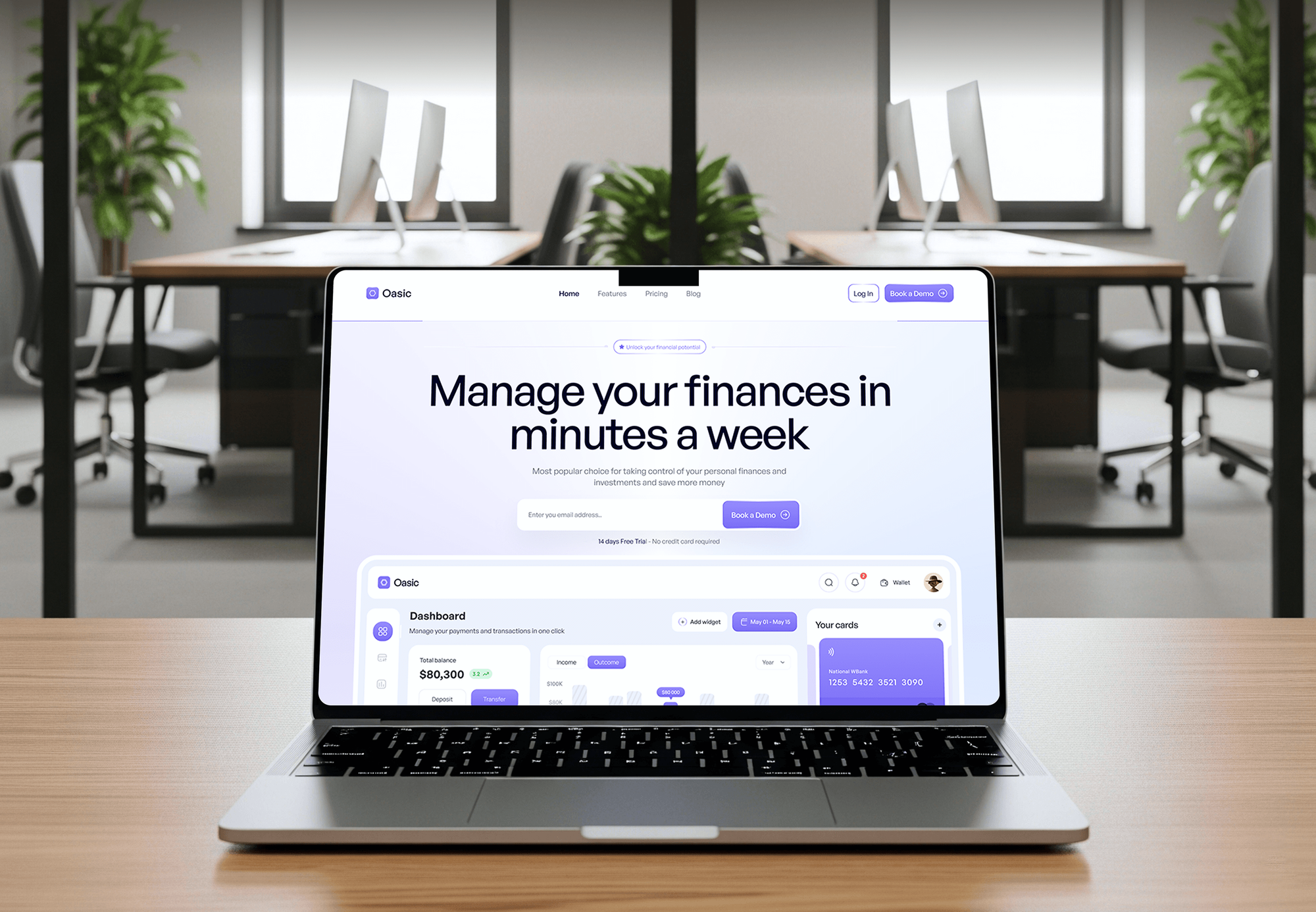
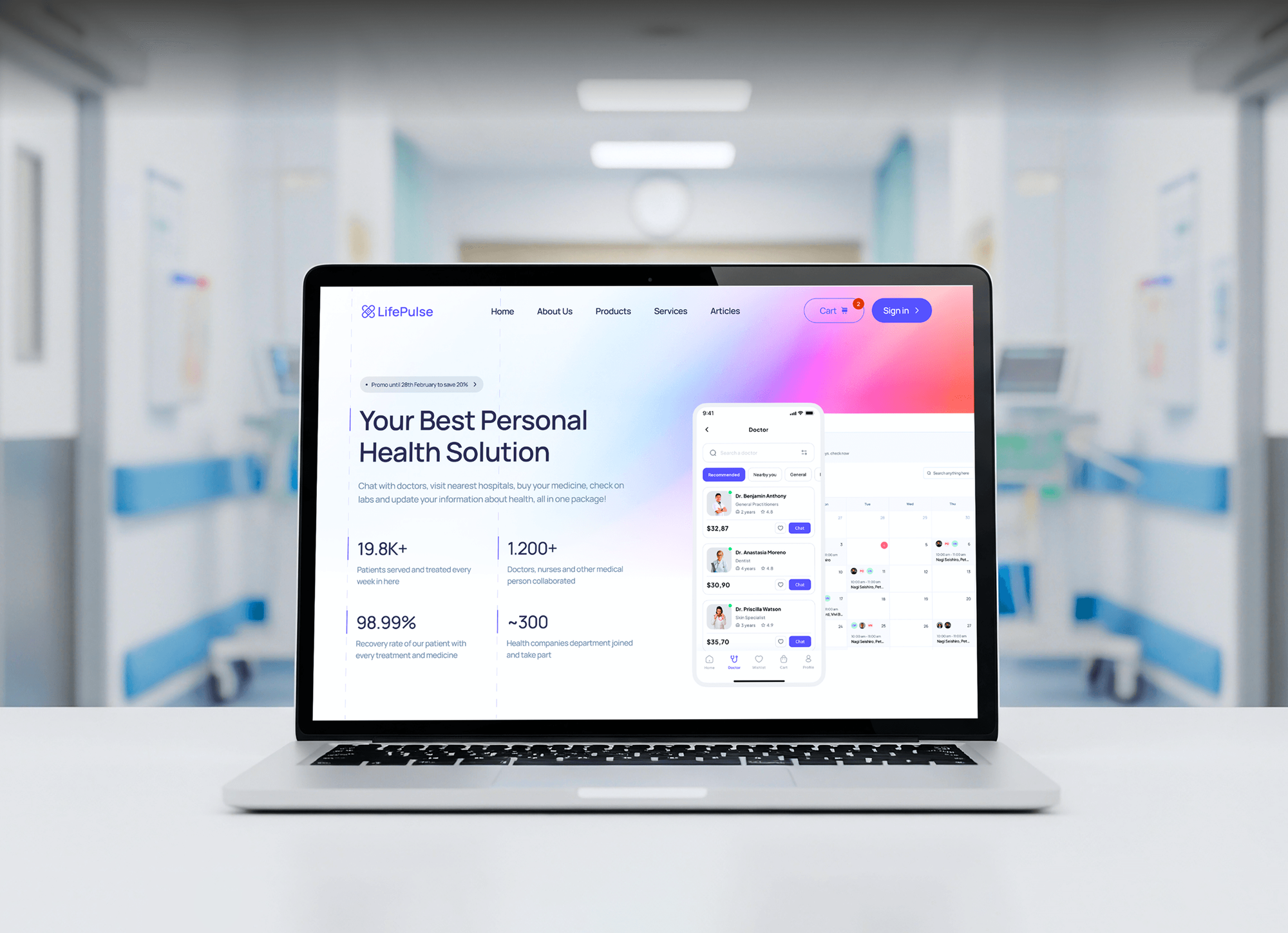
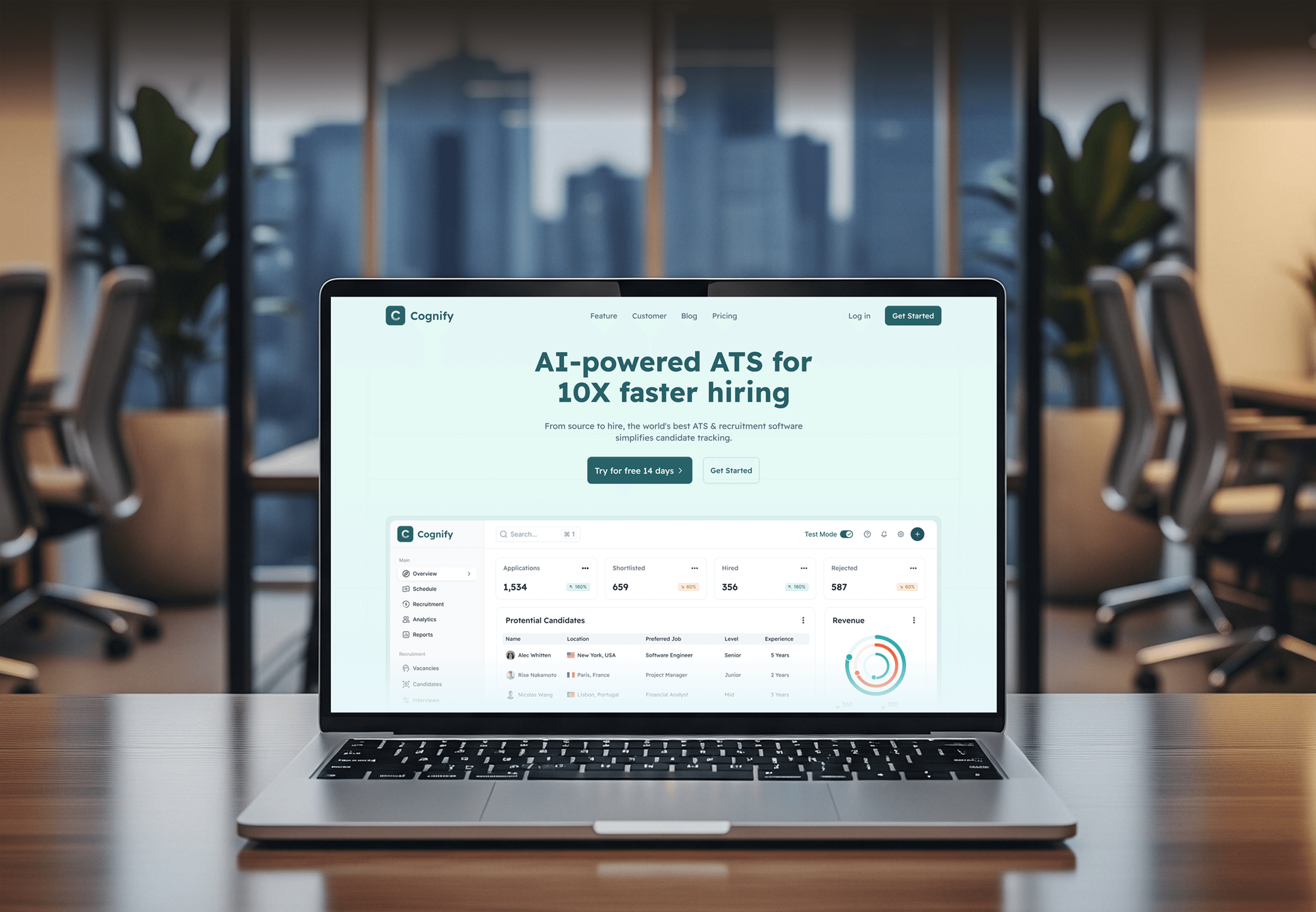
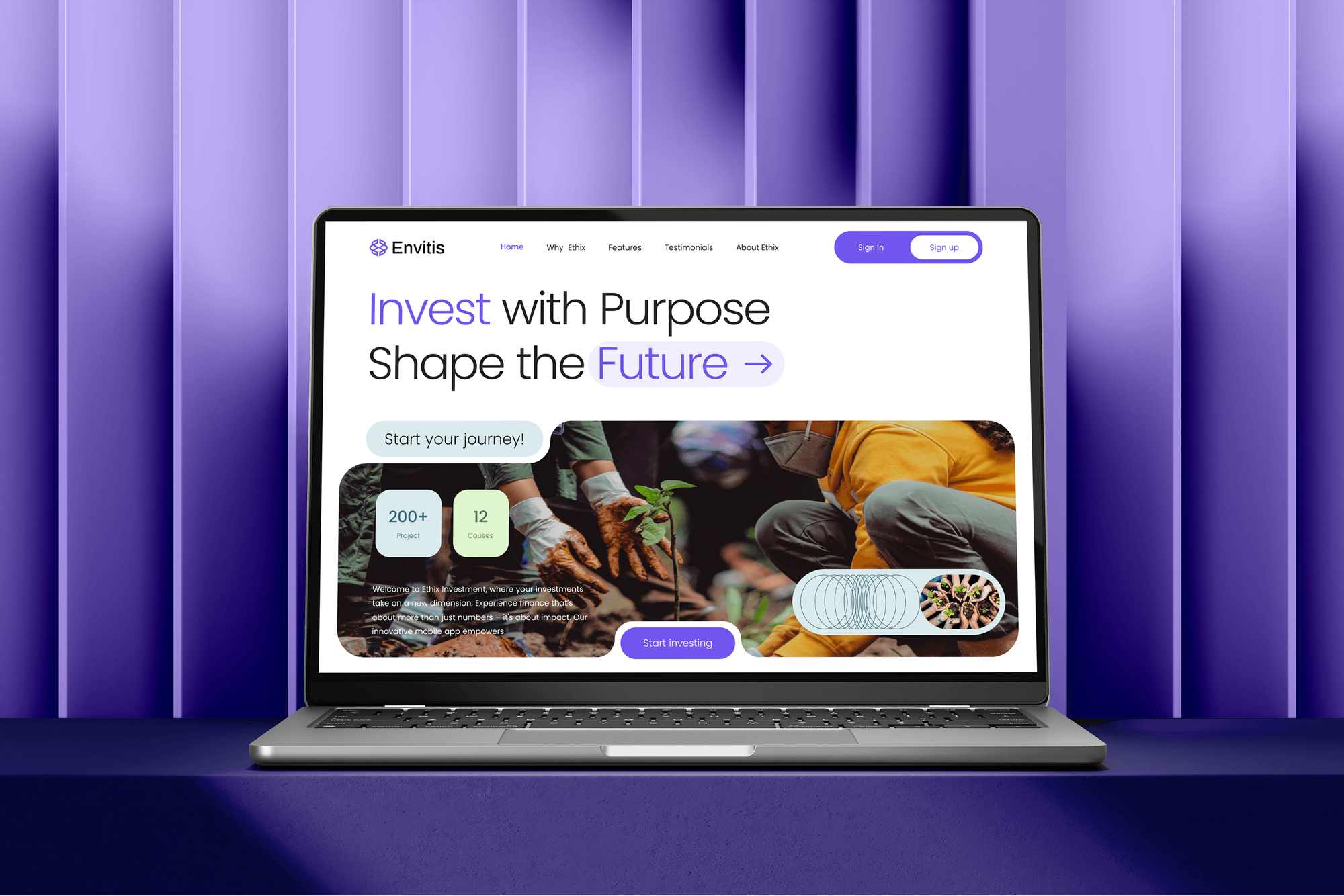
Projects We've Built
Platforms we built for finance, healthcare, and recruiting teams. Systems like these, full of logins and customer data, are what an assessment checks.
What Our Clients Say
Feedback from teams we have built apps, platforms, and websites for.
We had a pretty specific idea of what we wanted our website to become, but I wasn’t sure how easily we could explain all of it to a development team. There were quite a few moving parts, and we were working toward a deadline, so I expected a few things to get lost along the way. That never really happened. They understood what we were trying to achieve, kept us updated throughout the process, and got everything ready within the agreed timeline. The final site feels much easier to navigate, works beautifully on mobile, and is noticeably smoother for our customers. It was a huge relief seeing the original idea actually turn into the website we had in mind.
The mobile experience is probably my favourite part of the new site. We had spent a lot of time making sure the desktop version looked right, and the team kept pushing us to think about how everything would actually feel on a phone too. They were right. The navigation is clean, the interactions feel natural, and everything we’ve tested so far works exactly as it should. They also went through the links, forms, integrations, and other details more than once before launch, which I really appreciated. And even after going live, we could still reach out when something came up. The whole process felt friendly, organised, and surprisingly straightforward.
What I appreciate most is that the website is actually easy for us to manage now. We can update content ourselves instead of sending a developer a message every time we need to change something small. They also paid attention to the technical SEO side, which mattered to us because we didn’t want a new website to create problems for the traffic we already had. I’ve probably asked more questions than I should have since launch, but every question has been handled patiently and without any fuss. The team is easy to work with, they explain things clearly, and when we need something changed, they focus on getting it done rather than making the process complicated.
1,250+
Projects shipped
10+
Years of experience
Top 3%
Upwork Top Rated Plus
5 stars
Average review score

Want results like these?
Tell us what you are building. You get a reply within 24 hours on business days, then a written estimate.
Work Culture
Scanning live systems carries real risk if it's done carelessly. These habits keep production stable, your data private, and every finding worth your team's time.
We schedule heavy scans outside busy hours and slow them down on fragile systems. Your phones, tills, and business apps keep running while we test.
Nothing gets scanned until your signed authorization lists every IP, domain, and account. Hosted systems are checked against the provider's testing rules first.
We use read-only cloud roles and one dedicated scan account. Both are disabled at handover, and you get a list of every credential we used.
A finding reaches your report only after an engineer reproduces it. Your team spends its hours fixing real problems instead of disproving false ones.
If a finding is low risk in your setup, we say so and explain why. You won't get inflated severities that make a report look busier.
Reports, scan data, and evidence belong to you and live in your storage. We delete our working copies after the 30-day support window.
Overview
DeveloperLook runs vulnerability assessment engagements for growing businesses that need to know which weaknesses are real. We scan public assets, internal networks, cloud accounts, and web apps, confirm every finding by hand, and rank each one by CVSS score, known exploits, and exposure. Projects start at $700 and take 1 to 4 weeks.
DEVELOPERLOOK
Project facts · Vulnerability Assessment Services
Reviewed 22 Oct 2026 by Saimul Islam
Good fit
Businesses facing a cyber insurance renewal
Your insurer's form asks for a recent cyber security vulnerability assessment, and you need a dated report showing what was checked and fixed.
SaaS teams answering security questionnaires
Your enterprise prospect wants proof of a security vulnerability assessment before signing, and a raw scanner export won't satisfy their security reviewer.
IT managers inheriting an undocumented network
You've taken over an environment with no documentation and need an IT vulnerability assessment before you change anything people rely on.
Companies with offices, laptops, and cloud
Your staff work from an office network, laptops at home, and an AWS account, and you want one assessment that covers all three.
Agencies and MSPs reselling security work
Your clients now ask for security checks, and you need a partner who runs assessments quietly under your brand.
Not a fit
Only one website to check
You run a single website or online store and want its plugins, admins, and settings reviewed. Our website security audit services cover that from $450.
Need proof of exploitation
You need testers to break into one app the way an attacker would, with proof for every flaw. Our web application penetration testing services fit better.
Want weekly exposure tracking
You mostly need to discover what your company exposes online and watch it every week. Our attack surface management service is built for that job.
Budget under $700
Your budget is under $700 and you have a handful of public systems. Your firewall or hosting provider's built-in scan, reviewed by your IT person, is a sensible first step.
Not sure we're the right fit?
Book a free call or message us. We'll tell you honestly whether we're the right team.
Pricing
These are starting points in USD. Your final price depends on host count, cloud accounts, and manual testing, and you get a fixed proposal after a free scoping call.
For businesses that need their internet-facing systems checked and a report they can share.
$700one-time, USD
For teams that also need the office network, one cloud account, and one web app checked.
$1,600one-time, USD
For companies that want the top findings exploited by hand to prove the real risk.
$2,800one-time, USD
For Agencies
You own the client relationship. We scan, verify, and write the report in your template, and join client calls only when you ask. Your clients get a dated, defensible report without you hiring a security engineer.
White label: your client only ever sees your brand
Send the client's assets, networks, and the questions their insurer or customers asked.
You get a written scope, a permission form, and a fixed price for each client.
We assess, confirm findings by hand, and deliver the report in your template.
You present the findings while we work quietly under your brand.
Findings written in your format, with your logo and severity labels.
Every finding confirmed by hand before your client ever sees it.
Run one client assessment or yearly checks for your whole client list.
The Right Technology for Your Project
Well-known open scanners do the wide sweep, and engineers confirm the results by hand. Every tool runs from accounts you can audit and switch off.
 Burp Suite
 Python
 AWS
 Google Cloud
 Google Sheets
FAQ
Straight answers on cost, timing, the difference from penetration testing, and running assessments for a small business.
Saimul IslamFounder & CEO, DeveloperLookStill have questions?
Send a message or book a call with the team.
DeveloperLook's assessments start at $700 for up to 30 internet-facing hosts, each finding checked by hand and ranked. An internal scan of up to 150 hosts, one cloud account, one web app, and a retest move you to $1,600. The $2,800 plan adds manual testing of the top 10 findings across up to 300 hosts and 2 web apps.
Most external assessments take 1 to 2 weeks from the scoping call to the report. Internal and cloud coverage adds about a week, because the scanning sensor and read-only accounts need setting up first. Plans with manual testing take 3 to 4 weeks in total, and scans run only in windows you approve.
Vulnerability assessment is the process of finding, confirming, and ranking security weaknesses in your systems before attackers do. It looks for missing patches, outdated software, weak settings, and services exposed by mistake. NIST SP 800-115 covers the scanning techniques it relies on. The output is a ranked list with evidence and fixes, not a pass or fail grade.
In cyber security, this assessment is the check that shows which known weaknesses your systems carry right now. The NIST Cybersecurity Framework 2.0 places it under Identify: vulnerabilities in assets are identified, validated, and recorded. Unlike a firewall, it blocks nothing by itself. Its value comes from the fixes it triggers and the evidence it gives auditors.
A well-run assessment follows five steps: scope, access, scan, verify, and report. List every asset and get written permission first. Then run external and credentialed internal scans, confirm each result by hand, and rank what's real by CVSS score, known exploitation, and exposure. Close with a report that gives each finding an owner and a fix, then retest.
An assessment finds and ranks as many weaknesses as possible, while a penetration test exploits a few to prove real impact. Assessments are broad, repeatable, and cheaper. Penetration tests are narrow and manual, and they show how far an attacker could get. Most teams assess first, fix the obvious gaps, then pay for a penetration test on what remains.
Vulnerability assessment and penetration testing, often shortened to VAPT, pairs a broad scan-and-verify assessment with hands-on exploitation of the most serious findings. Our $2,800 plan works this way: we assess up to 300 hosts and 2 web apps, manually test the top 10 findings, and document each attack path.
A network vulnerability assessment checks the devices on your network (servers, laptops, firewalls, printers, and VPN gateways) for missing patches, open ports, and weak settings. An external pass shows what the internet can reach. A credentialed internal pass logs in to each host and finds what outside scans miss, such as unpatched third-party apps.
Small businesses should start outside: public IPs, the website, email, and remote access, because attackers reach those first. Add the office network and your cloud account when budget allows. Repeat the check at least once a year and after big changes. Fix critical findings, especially ones on CISA's known exploited list, before you chase medium ones.
Choose a provider that confirms findings by hand, ranks them by real exploit risk, and shows you a sample report before you sign. Ask how it keeps scans from disrupting production and whether a retest is included. US critical infrastructure organizations should check CISA's free Cyber Hygiene scanning first, since it may cover their external assets.
Saimul IslamFounder & CEO, DeveloperLookStill have questions?
Send a message or book a call with the team.
Free 30-min callGoogle Meet
Book a call
In 30 minutes on Google Meet we walk you through how we would build it, how long it takes and what it costs. Then you get a written estimate.
Calendar not showing? Book on cal.com or send a brief.