
Vehicle dropdown cascade
Dropdowns show only real combinations from your fitment data, then submodel or engine when a part needs it.

Auto parts year make model selector builds for Shopify, BigCommerce, and WooCommerce, with ACES data and VIN decode. From $900.
2X
More orders from fitment search
100%
Parts pages with fit checks
How your project runs
Teams we have built for:














The Problem
It starts at the search bar. Your shopper types a part name, picks the one that looks right, and learns in the garage that it fits the other engine.
01 · Guesswork
Shoppers pick parts by name and guess at trim.
The vehicle cascade adds submodel and engine steps only where parts differ.
02 · Returns
Wrong-fit parts come back and you pay return shipping.
Product pages and the cart confirm fit against the shopper's saved vehicle.
03 · Filter limits
Native filters cut off long model lists and big collections.
A separate fitment index handles large catalogs outside the platform's filter limits.
A shopper searches for front brake pads and picks the cheapest set. It fits the sport trim with bigger rotors. The pads come back, you pay the return shipping, and the shopper buys from a store that asked for the vehicle first. Your fitment data exists in ACES files or spreadsheets, but your storefront can't use it. Native filters cut off long model lists, and your biggest collections lose filters altogether.
We start with your fitment data, not the theme. Your ACES rows are mapped to VCdb vehicles. Then a year, make, and model cascade narrows the catalog, adding submodel and engine only where parts differ. Shoppers save their vehicle once, and product pages and the cart confirm the fit. Your shoppers stop guessing, and the returns shelf stops filling up.
Dropdowns built from real fitment
Only the years, makes, and models your catalog covers, so nobody lands on an empty page.
Fit checks where buyers decide
Product pages and the cart confirm the saved vehicle before the order goes through.
Data that updates itself
Scheduled ACES imports add your new part numbers without anyone editing products by hand.
Our YMM Selector Process
You approve the dropdown order, the fit rules, and a spot-check list before launch. Nothing goes live on guesses.
We look at where your fitment lives today: product tags, spreadsheets, or ACES files from your brands. You get a written scope and a fixed price, and if a store app already covers your catalog, we'll tell you before we quote.
What's Included
Six pieces make up an auto parts year make model selector. Your shopper sees dropdowns and fit checks, and a data pipeline keeps fitment current behind them.
Compare Options
An app is cheap and quick, and native filters cost nothing. Both suit small catalogs. Here is where each holds up as your fitment grows.
| Feature | DeveloperLookBest fit | App | Filters |
|---|---|---|---|
| Setup cost | From $900 | Low monthly fee | Free, built in |
| Time to launch | 2 to 10 weeks | Days, simple catalogs | Hours, using tags |
| Industry fitment data | ACES mapped to VCdb | Varies by app | Not supported |
| Engine-level choices | Where parts differ | Depends on the app | Manual tags only |
| Large catalogs | Own search index | App limits apply | Capped at scale |
| VIN decode | Built in, vPIC | Some apps include it | Not available |
| Cart fit check | Checks saved vehicle | Depends on the app | Not available |
| Code ownership | Yours to keep | Rented monthly | Part of your platform |
Projects We've Built
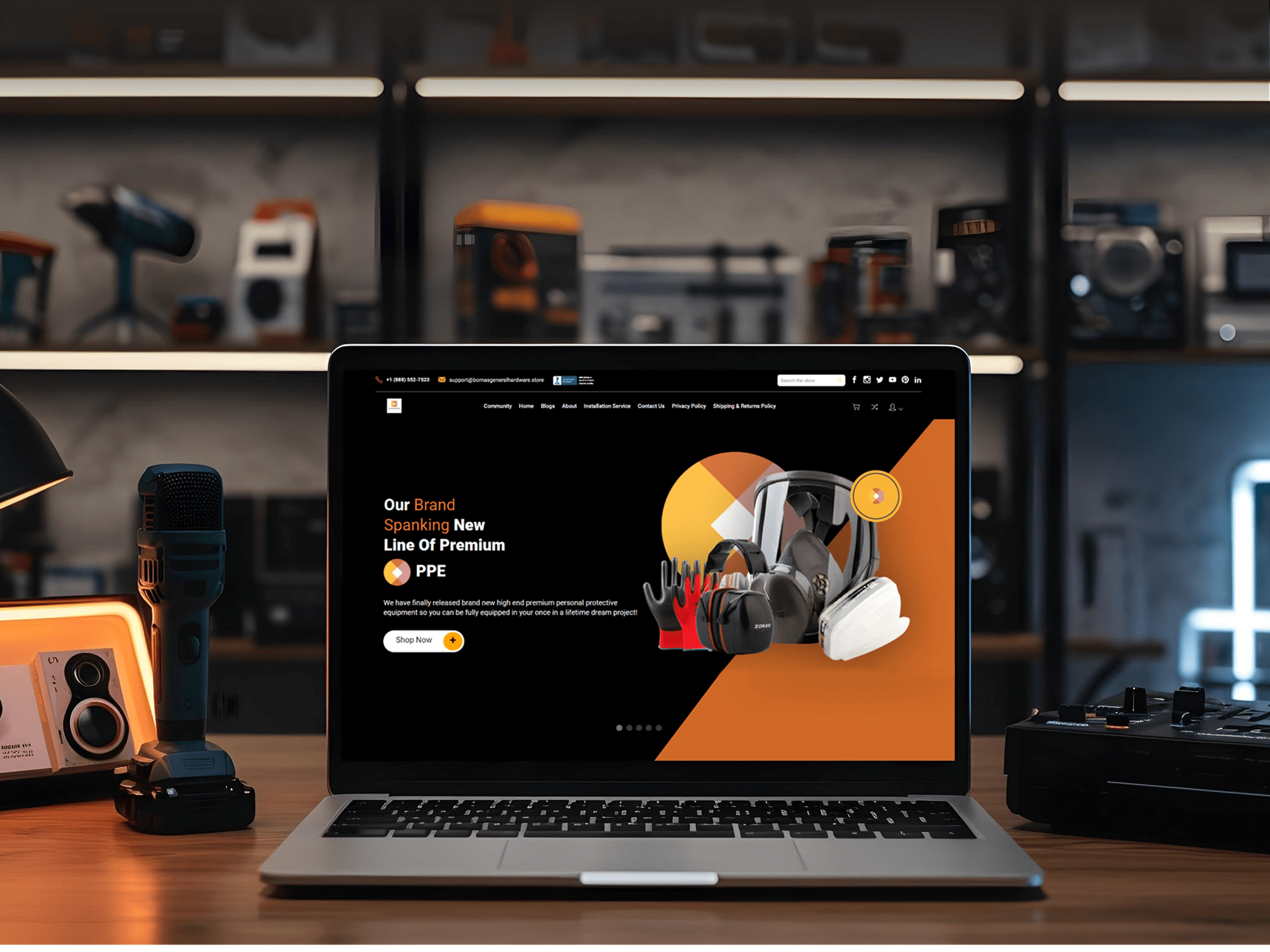
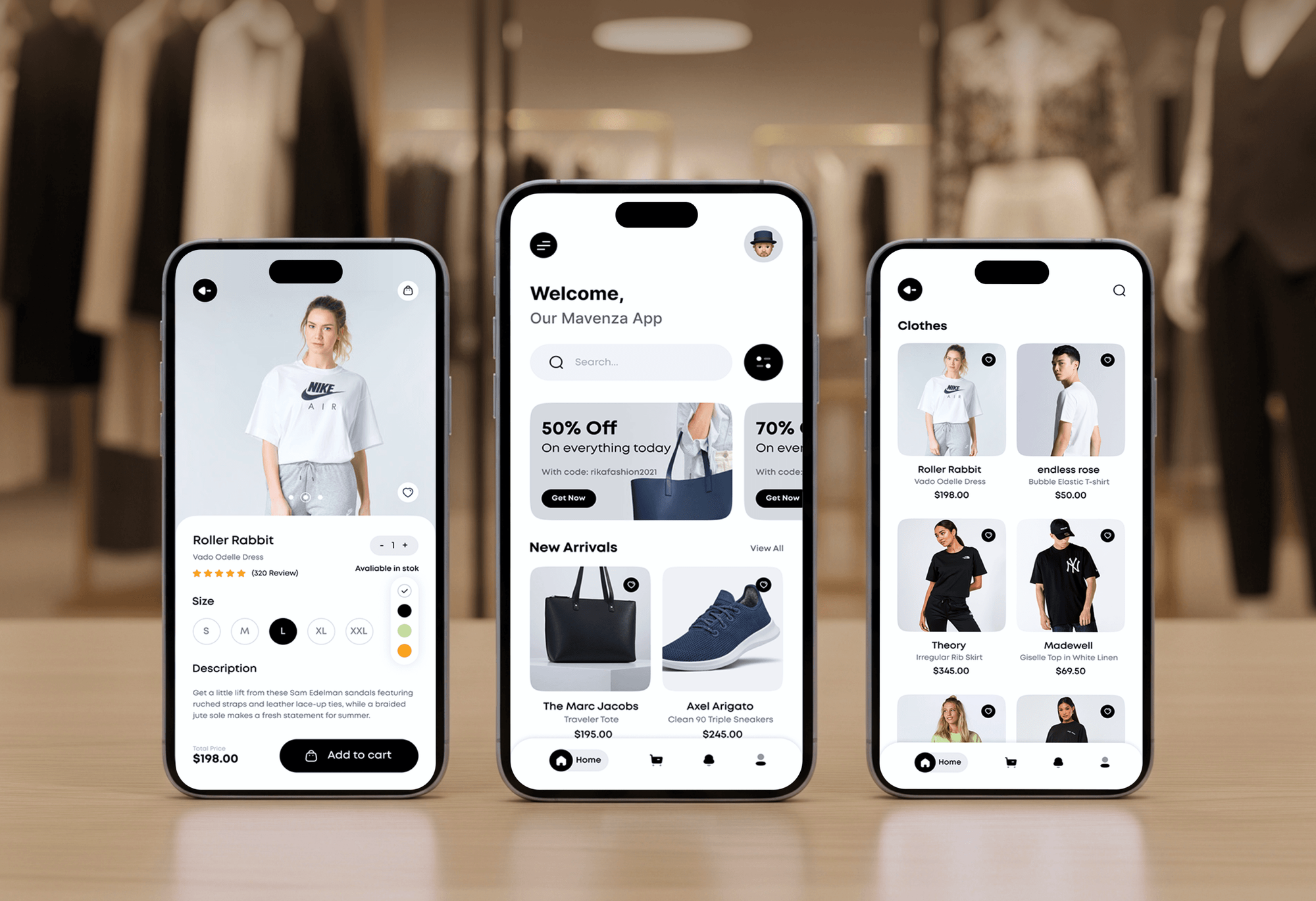
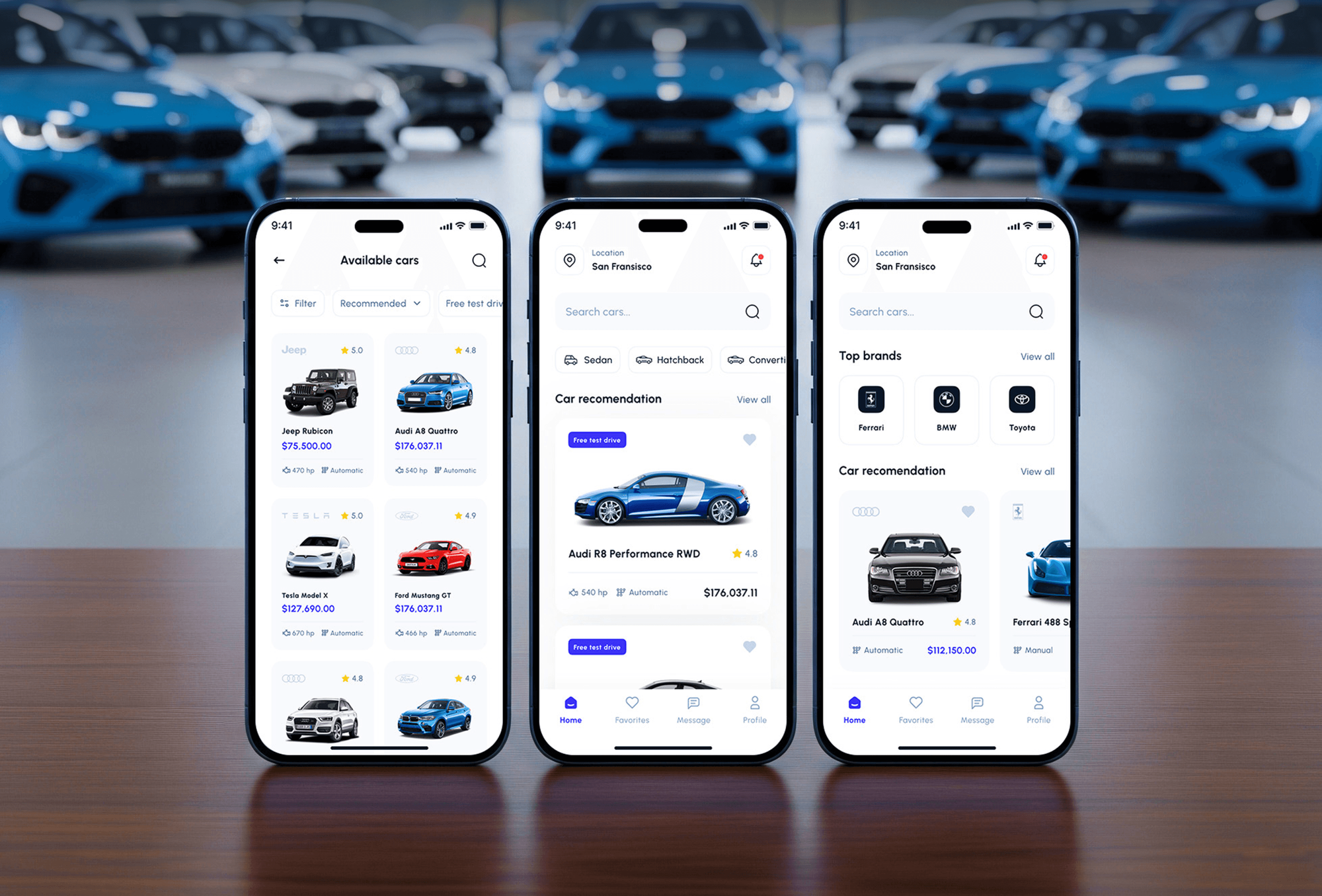
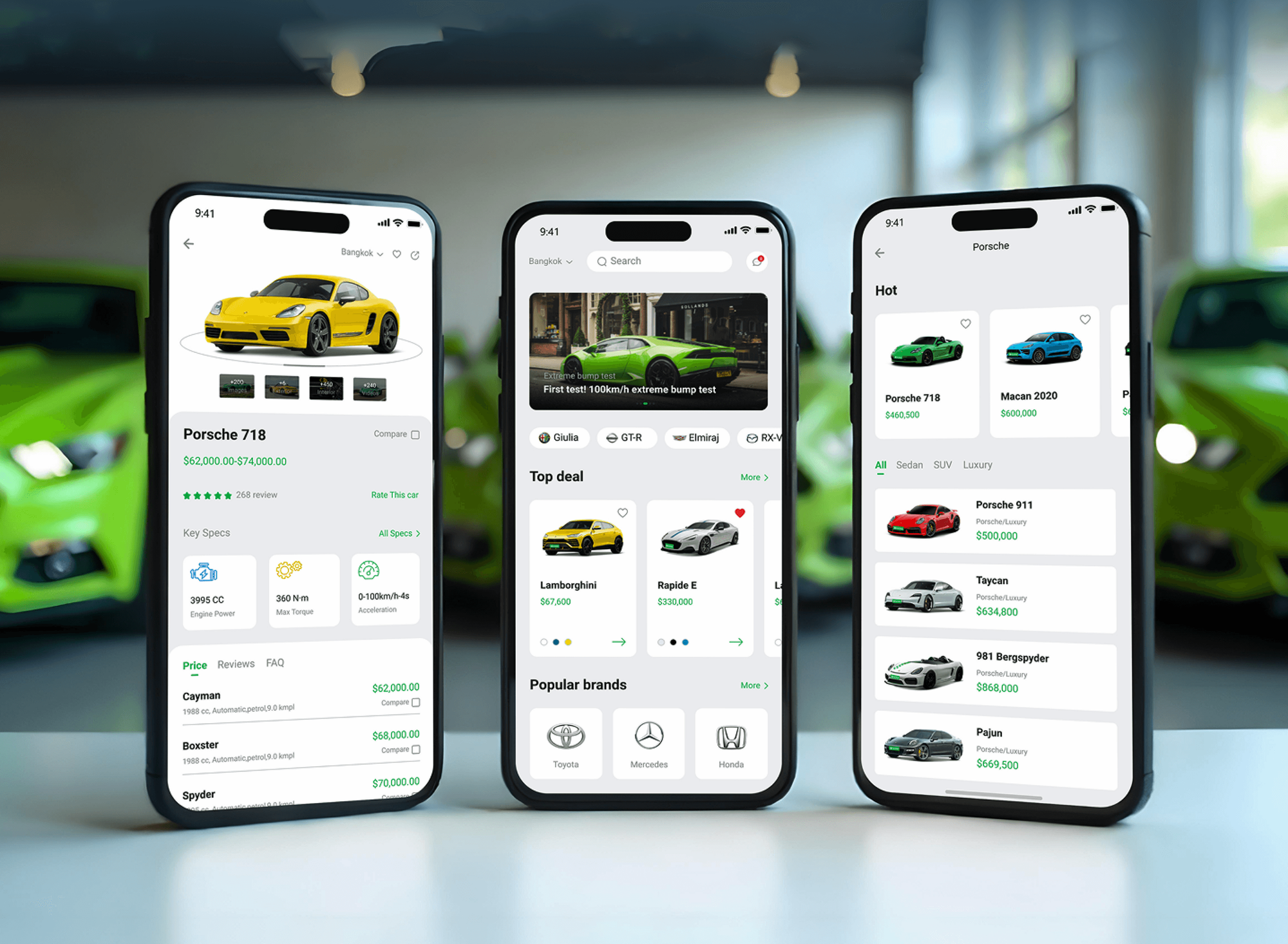
A hardware store ecommerce site with a large catalog, a fashion ecommerce app with size choices, and car apps that filter listings by brand, showing the search work a selector needs.
What Our Clients Say
Feedback from teams we have built ecommerce stores, search, and web apps for.
We had a pretty specific idea of what we wanted our website to become, but I wasn’t sure how easily we could explain all of it to a development team. There were quite a few moving parts, and we were working toward a deadline, so I expected a few things to get lost along the way. That never really happened. They understood what we were trying to achieve, kept us updated throughout the process, and got everything ready within the agreed timeline. The final site feels much easier to navigate, works beautifully on mobile, and is noticeably smoother for our customers. It was a huge relief seeing the original idea actually turn into the website we had in mind.
The mobile experience is probably my favourite part of the new site. We had spent a lot of time making sure the desktop version looked right, and the team kept pushing us to think about how everything would actually feel on a phone too. They were right. The navigation is clean, the interactions feel natural, and everything we’ve tested so far works exactly as it should. They also went through the links, forms, integrations, and other details more than once before launch, which I really appreciated. And even after going live, we could still reach out when something came up. The whole process felt friendly, organised, and surprisingly straightforward.
What I appreciate most is that the website is actually easy for us to manage now. We can update content ourselves instead of sending a developer a message every time we need to change something small. They also paid attention to the technical SEO side, which mattered to us because we didn’t want a new website to create problems for the traffic we already had. I’ve probably asked more questions than I should have since launch, but every question has been handled patiently and without any fuss. The team is easy to work with, they explain things clearly, and when we need something changed, they focus on getting it done rather than making the process complicated.
1,250+
Projects shipped
10+
Years of experience
Top 3%
Upwork Top Rated Plus
5 stars
Average review score

Want results like these?
Tell us what you are building. You get a reply within 24 hours on business days, then a written estimate.
Work Culture
Fitment work lives or dies on data. These habits keep your selector accurate after launch, not just on demo day.
We audit your fitment rows before designing a single screen. A selector is only as accurate as the data behind it, so gaps get fixed first.
We test with vehicle and part pairs from your own returns history. The mistakes that already cost you money are the first ones we check.
We map your catalog to Auto Care VCdb IDs instead of typed model names. Your data then lines up with suppliers that use the same standard.
We test the selector on mid-range phones and slow connections. A dropdown that stalls in your customer's driveway loses the sale to one that loads.
Your catalog review ends with a written scope and one fixed price. New requests mid-build get their own quote, so the final bill holds no surprises.
The selector code, the fitment index, and every mapping table belong to you. Switch platforms or developers later and your fitment work moves with you.
Overview
DeveloperLook builds auto parts year make model selector tools for Shopify, BigCommerce, and WooCommerce stores. We load your fitment data, add submodel and engine steps, decode VINs, and confirm fit in the cart. Projects start at $900 and launch in 2 to 10 weeks, and you own the code and the data.
DEVELOPERLOOK
Project facts · Year-Make-Model Vehicle Selector Development
Reviewed 28 Sep 2026 by Saimul Islam
Good fit
Online auto parts stores on Shopify
Your Model filter got cut off. Your biggest collections stopped showing filters, and shoppers now scroll instead of search.
Brands that already publish ACES data
You send ACES files to distributors and marketplaces, yet your own website still makes shoppers guess.
Repair shops booking by vehicle
Your repair shop wants an auto repair vehicle selector plugin that shows only the service packages that fit the car being booked.
Performance and accessory retailers
You sell lift kits, exhausts, and wheels where one engine or cab size changes the part, and returns are eating your margin.
Agencies building parts stores
You're building a YMM selector website for a parts client and need fitment engineering you can deliver under your agency's name.
Not a fit
Budget under $900
Your catalog is small and your budget is under $900. An off-the-shelf YMM app from your platform's app store costs less.
You sell tires by size
You mainly sell tires by size with installation. Our Tire Shop Website Design & Tire Catalog Integration service covers that.
You need service booking
You want customers booking service slots, not buying parts. Auto Repair Scheduling Software & Booking Systems is built for that.
Shoppers need advice
Your shoppers don't know which part they need and want advice by use case. A Product Finder Quiz fits better than a vehicle filter.
Not sure we're the right fit?
Book a free call or message us. We'll tell you honestly whether we're the right team.
Pricing
These are starting points in USD. Catalog size, data sources, and your platform set the final price, fixed in writing after a free catalog review.
For stores with up to 2,000 parts and fitment already in tags or a spreadsheet.
$900one-time, USD
For brands and retailers with ACES files and up to 25,000 parts in the catalog.
$2,350one-time, USD
For large catalogs, multi-brand stores, and repair shops booking service by vehicle.
$4,700one-time, USD
For Agencies
You own the client relationship. We supply the fitment engineering behind your parts store builds, from data mapping to the search index. Your client sees your agency's name, and you keep the account.
White label: your client only ever sees your brand
Share the platform, catalog size, and a sample of the client's fitment files.
We map a sample, then quote a fixed price and a timeline you can resell.
We build, test against known vehicles, and hand the admin access to your client.
You run the client calls and present the selector as your agency's work.
Fixed scope and dated milestones, even when the fitment data is messy.
Engineers who know ACES, VCdb IDs, and where store filters hit their limits.
Add fitment work to a store build without hiring a catalog specialist.
The Right Technology for Your Project
Your store platform, industry fitment standards, and a fast search index for catalogs that outgrow native filters.
 Shopify
 BigCommerce
 WooCommerce
 Next.js
 eBay
eBay Algolia
 Node.js
 PostgreSQL
 Python
 Google Analytics (GA4)
 Google Tag Manager
 Google Sheets
FAQ
Straight answers on cost, timing, ACES data, VIN and plate lookups, and platform filter limits.
Saimul IslamFounder & CEO, DeveloperLookStill have questions?
Send a message or book a call with the team.
A starter selector costs $900 for up to 2,000 parts with fitment already in tags or a spreadsheet. ACES imports with submodel, engine, and VIN steps start at $2,350. Large catalogs and repair booking builds start at $4,700, and you get a fixed quote after a free catalog review.
Starter selectors launch in 2 to 3 weeks. ACES Fitment Search builds take 4 to 6 weeks, mostly for data mapping, and large catalogs or booking builds take 8 to 10 weeks. Cleaning fitment rows is usually the slowest part, so we ask for a data sample in week one.
Fitment search removes the guess at the moment of purchase. A shopper who picks a vehicle first sees parts that fit it, and the product page and cart confirm the match. For repair shops, the same check keeps a booking from reserving the wrong part for the car on the lift.
It uses the same vehicle IDs your parts suppliers use. ACES ties each part to VCdb vehicle records, with position and notes, so a booking for one engine pulls parts listed for that engine. PIES adds product details such as dimensions, which the booking form can show before it confirms the job.
We attach rules to each service package, such as engine code, fuel type, drivetrain, or trim. Once your customer picks the model, the next dropdown lists only the trims and engines in your data. The package list then narrows, so a V8 oil change price won't appear for a four-cylinder car.
VIN decoding usually starts with NHTSA's free vPIC API, which returns make, model, year, and engine details. Plate lookups need a paid source: CARFAX offers plate-to-VIN search through partner software, and Autodata licenses vehicle data through its API. Mitchell 1 limits its API program to software providers and enterprise partners.
Built-in filters work for small catalogs but hit hard limits. Shopify's Search & Discovery filters show at most 100 values per filter, and collections with more than 5,000 products show no filters at all. That hurts a year, make, model search. Automotive catalogs pass those limits fast, so larger stores need a separate index.
You need one to work with ACES data, since the Auto Care Association requires an annual paid subscription to its reference databases. If your brands already send you ACES files, the mapping runs on that subscription. Without ACES, we start from tags or spreadsheets and move to ACES later.
Yes, the top plan exports compatibility for eBay's Seller Hub Reports upload, which takes vehicle data in its Relationship columns. eBay matches parts to its own Master Vehicle List and allows up to 3,000 compatible vehicles per listing. We map your fitment to eBay's names and flag parts over that limit.
You own the selector code, the fitment index, and the mapping tables, and your VCdb subscription stays in your name. You get admin access and a guide for adding vehicles. Fixes are free for 30 to 90 days depending on your plan, and new catalog work after that is priced per job.
Saimul IslamFounder & CEO, DeveloperLookStill have questions?
Send a message or book a call with the team.
Free 30-min callGoogle Meet
Book a call
In 30 minutes on Google Meet we walk you through how we would build it, how long it takes and what it costs. Then you get a written estimate.
Calendar not showing? Book on cal.com or send a brief.