
Question and answer design
4 to 8 plain-language questions, written from your support tickets and return reasons.

Get a product finder quiz that matches shoppers to in-stock products and saves answers in Klaviyo.
2X
Conversion from quiz takers
100%
In-stock recommendations
Teams we have built for:














The Problem
It starts once your catalog passes a few dozen similar products. Filters expect shoppers to know the answer already. Your support team can't guide every visitor at 11 p.m.
01 · Choice overload
Shoppers face 64 bottles and names only your team understands.
Your best staff's questions become short quiz steps tied to your data.
02 · Wrong guesses
Guessed purchases come back as returns.
Matching rules use your tags, metafields, or measurements.
03 · Sold-out picks
Your quiz recommends a bestseller that sold out Tuesday.
Results check live stock, so shoppers see only products you can ship.
04 · Lost answers
Quiz answers vanish instead of shaping your emails.
Every answer can land on the shopper's Klaviyo profile.
A shopper lands on your collection page looking for shampoo for fine, color-treated hair. They see 64 bottles, six filters, and names that only make sense to your team. They open three tabs and leave to ask a friend. The shoppers who do buy often guess, and wrong guesses come back as returns. Your quiz app, if you have one, shows the same three bestsellers to everyone, including the one that sold out on Tuesday.
We start with your catalog data and the questions your best staff ask. Those become 4 to 8 quiz questions tied to tags, metafields, or measurements. Results come only from in-stock products, answers land in Klaviyo, and every path is tested before launch. Your shoppers get a short list of real options instead of a guess.
Questions your staff would ask
We turn what your best support people ask shoppers into short quiz steps.
Only products you can ship
Results check live stock, so shoppers only see products you can send out today.
Answers that feed your email
Every answer can land on the shopper's Klaviyo profile for segments and follow-up flows.
Our Quiz Build Process
You approve the questions and rules before any code is written. Then you test every quiz path on a preview link before launch.
We review your catalog, tags, return reasons, and support questions. You get a short plan: the questions worth asking, the data each answer needs, and whether a quiz is the right fix at all.
What's Included
Everything a working quiz needs. You get a product recommendation quiz Shopify merchants add as an app block, or an embed for WooCommerce and BigCommerce.
Compare Options
A quiz app suits simple catalogs and fast launches. Good filters work when shoppers already know what they want. Here is where each one breaks down.
| Feature | DeveloperLookBest fit | Quiz app | Filters only |
|---|---|---|---|
| Setup time | 2 to 7 weeks | Same day | Already built |
| Upfront cost | From $1,200 | Monthly plan fee | |
| Matching logic | Your rules, ranges, bundles | Template questions | Shopper picks filters |
| Stock awareness | Checked per variant | Varies by app | Can hide sold-out |
| Klaviyo data | Every answer saved | Basic sync, some plans | None |
| Guides new shoppers | Plain-language questions | Set question formats | Needs product know-how |
| Ownership | You own the code | Rented monthly | Part of your theme |
| Help after launch | 30 days of fixes | App support desk | Theme developer |
Projects We've Built
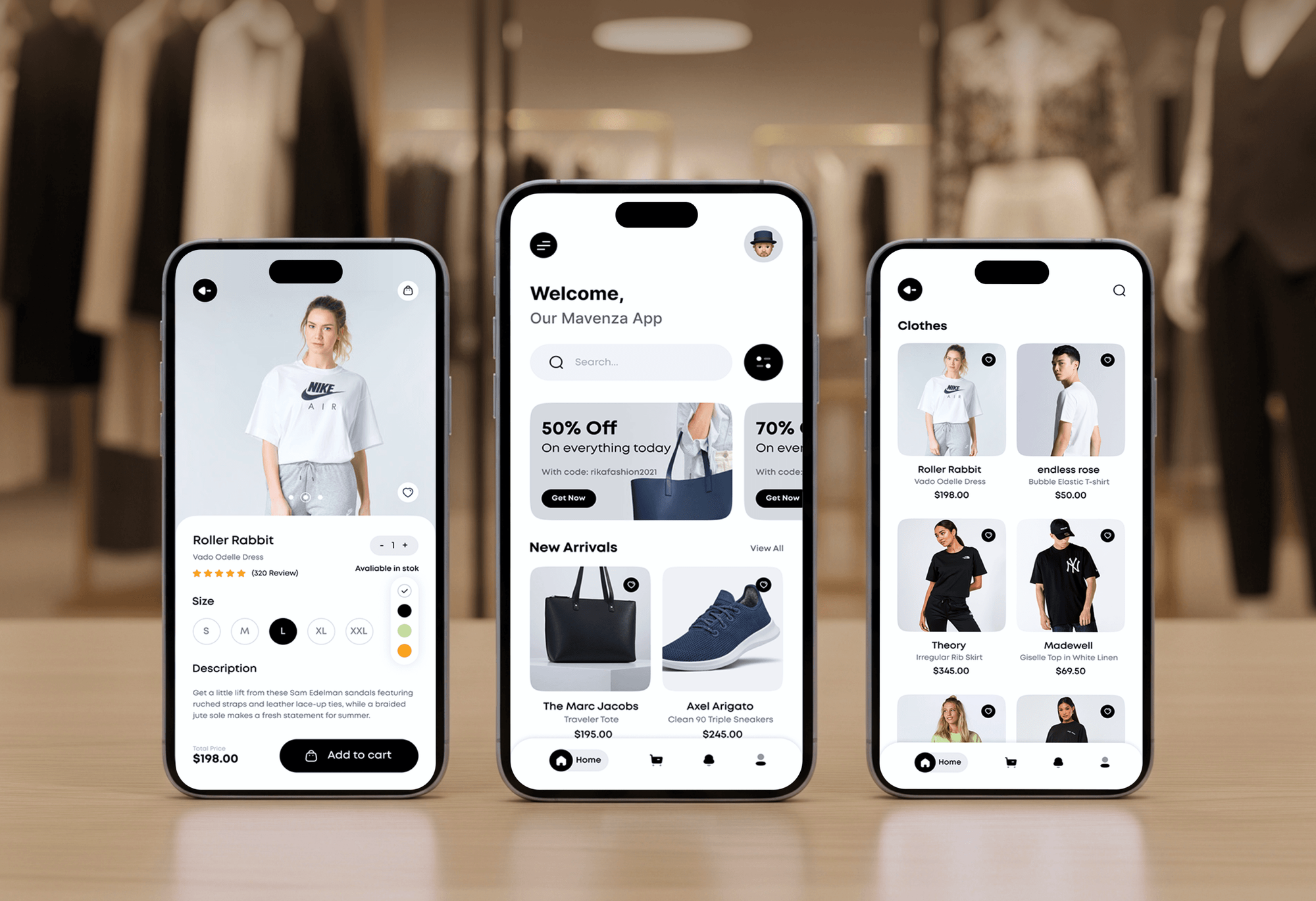
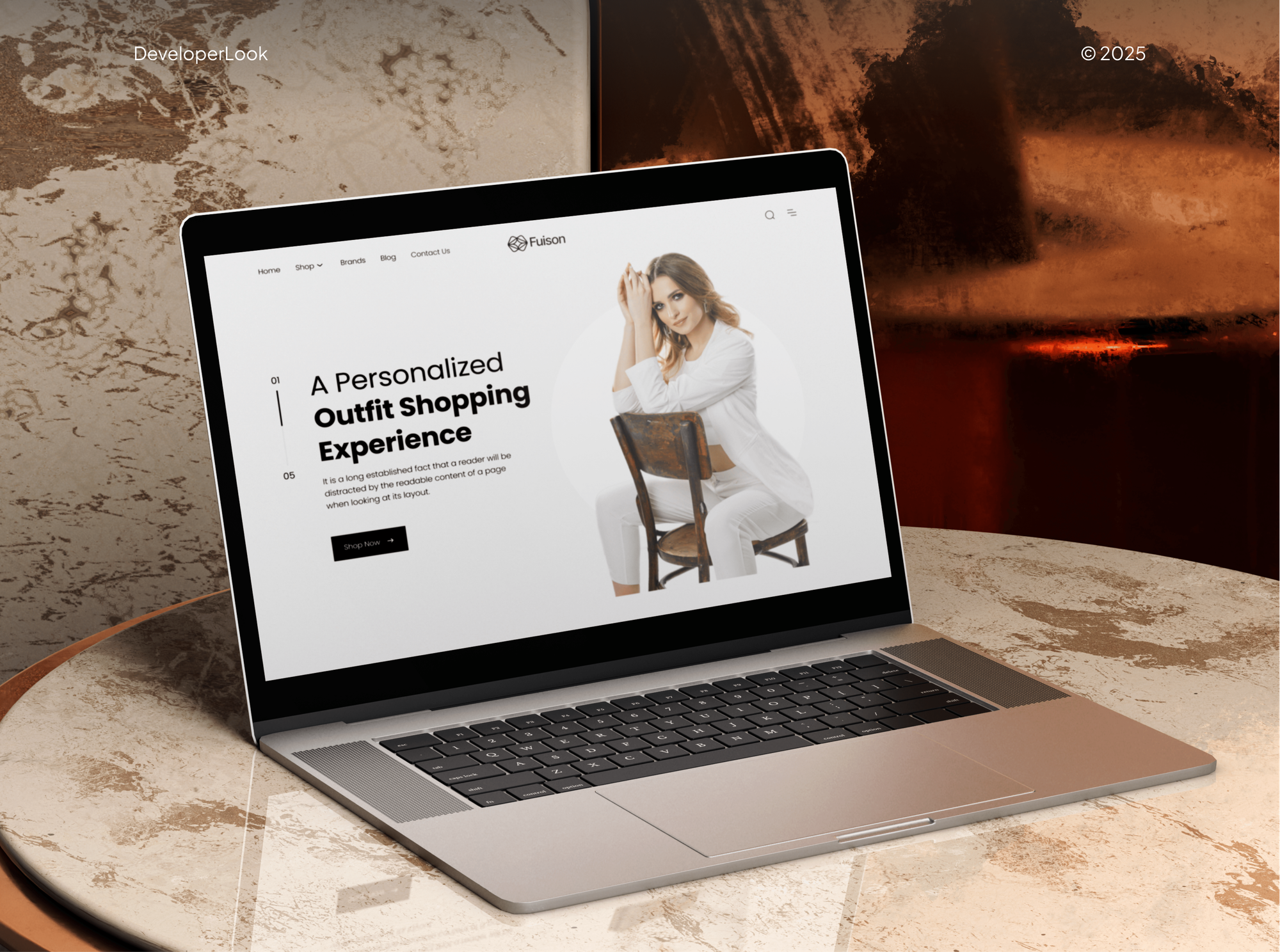
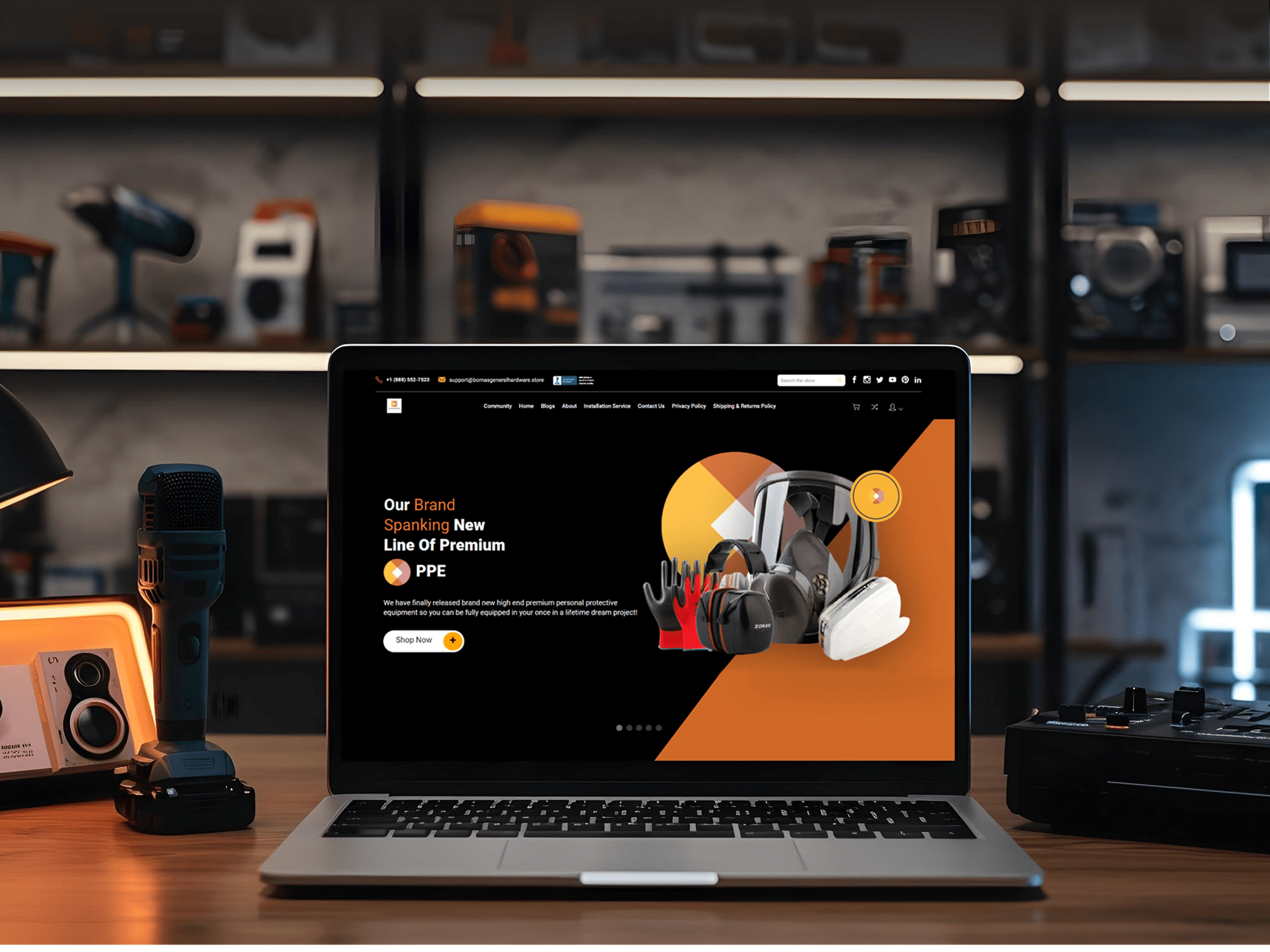
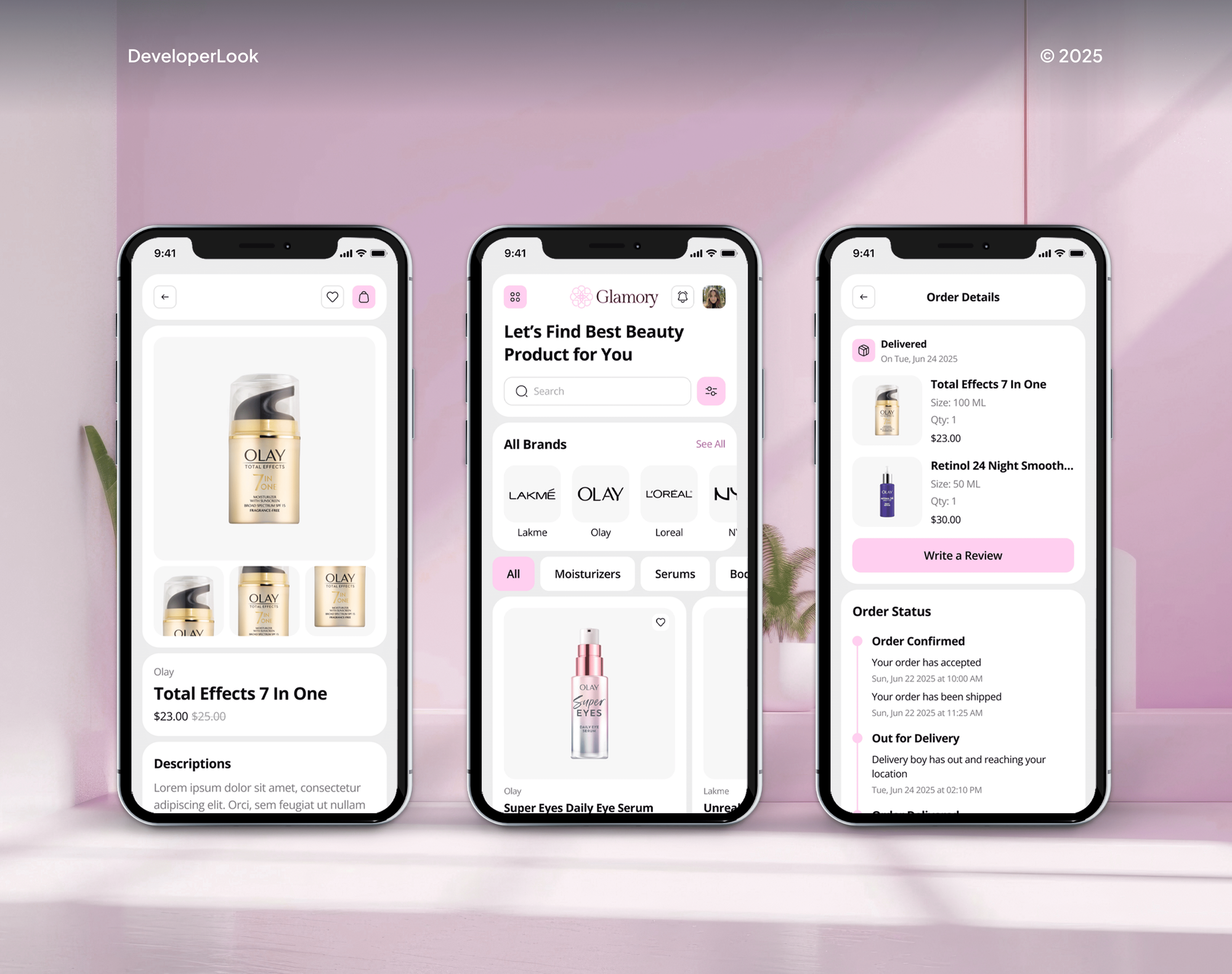
Online stores we have designed and built for fashion, beauty, and hardware brands. A quiz plugs into exactly this kind of catalog and theme.
What Our Clients Say
Feedback from ecommerce teams we have built stores and store features for.
We had a different kind of problem. People were visiting the store, adding products to their carts, and then disappearing before they finished the order. We had tried a few apps and made changes here and there, but nothing really seemed to solve the bigger issue. The team went through the shopping experience with us and pointed out things we hadn't really noticed ourselves. They cleaned up the cart and checkout flow, made the mobile experience much smoother, and helped us make the store feel easier to shop. I’m not going to pretend we fixed everything overnight, but it finally feels like the store is helping the sale instead of getting in the way of it.
The mobile experience is probably my favourite part of the new site. We had spent a lot of time making sure the desktop version looked right, and the team kept pushing us to think about how everything would actually feel on a phone too. They were right. The navigation is clean, the interactions feel natural, and everything we’ve tested so far works exactly as it should. They also went through the links, forms, integrations, and other details more than once before launch, which I really appreciated. And even after going live, we could still reach out when something came up. The whole process felt friendly, organised, and surprisingly straightforward.
We had a pretty specific idea of what we wanted our website to become, but I wasn’t sure how easily we could explain all of it to a development team. There were quite a few moving parts, and we were working toward a deadline, so I expected a few things to get lost along the way. That never really happened. They understood what we were trying to achieve, kept us updated throughout the process, and got everything ready within the agreed timeline. The final site feels much easier to navigate, works beautifully on mobile, and is noticeably smoother for our customers. It was a huge relief seeing the original idea actually turn into the website we had in mind.
1,000+
Projects shipped
10+
Years of experience
Top 3%
Upwork Top Rated Plus
5 stars
Average review score

Want results like these?
Tell us what you are building. You get a reply within 24 hours on business days, then a written estimate.
Work Culture
A quiz is only as good as your product data. So we start with your catalog and return reasons, and these habits shape every quiz we build.
We write quiz questions from your support tickets, reviews, and return reasons. Shoppers recognize them, so more of them finish.
Every result is checked against live inventory before it shows. Shoppers get products they can buy today instead of a sold-out favorite.
We aim for 4 to 8 questions and cut any step that doesn't change the result. Each extra question costs you finishers.
Answers land in Klaviyo with clear property names your email team can filter on. Your flows can then follow up with the exact product each shopper matched.
If clear filters or better collection pages would solve the problem, we'll tell you before we quote. A quiz earns its cost only when shoppers need guidance.
The code, the question map, and the answer data stay in your accounts. There's no fee per response and no lock-in.
Overview
DeveloperLook builds the product finder your shoppers use to reach the right item in a few questions. We write the questions and matching rules, filter results to in-stock products, save answers in Klaviyo, and add AI for free-text answers when it helps. Quizzes start at $1,200, most go live in 2 to 7 weeks, and you own the code.
DEVELOPERLOOK
Project facts · Product Finder Quiz Development
Reviewed 28 Sep 2026 by Saimul Islam
Good fit
Stores with large, look-alike catalogs
Your catalog has 400 serums or drill bits that look alike, and shoppers leave without picking one.
Brands losing margin to wrong-fit returns
You see the same return reasons every week: wrong size, wrong formula, wrong fit. A few questions could catch that earlier.
Email teams that want answers in Klaviyo
Your email team wants each shopper's skin type or dog size, saved as quiz answers on their Klaviyo profile.
Shopify stores that outgrew a quiz app
You tried a quiz from the Shopify App Store, and it can't filter by stock, handle weight ranges, or return a bundle as the answer.
Agencies selling guided selling to clients
Your agency sold a client a guided quiz and needs developers who can build the logic, the integrations, and the tests under your brand.
Not a fit
Behavior-based suggestions
You want suggestions based on browsing and purchase history, not questions shoppers answer. Our Product Recommendation Engine Development page covers behavior-based picks.
Prices, not products
You need visitors to get a price or an estimate, not a product match. Our Quote Calculator Development page covers pricing tools.
Small, distinct catalog
You sell fewer than 30 products that are easy to tell apart. Clear collection pages and filters will do more than a quiz.
Basic quiz this week
You need a basic quiz live this week with no stock filtering, and your budget is under $1,200. A quiz app on a starter plan is the cheaper start.
Not sure we're the right fit?
Book a free call or message us. We'll tell you honestly whether we're the right team.
Pricing
These are starting points in USD. Your final price depends on your question count, platform, and AI needs, and you get a fixed proposal after a free catalog review.
For stores that need one quiz with clear matching rules, live in about 2 to 3 weeks.
$1,200one-time, USD
For brands that need branching paths, number ranges, and every quiz answer in Klaviyo.
$2,600one-time, USD
For catalogs that need free-text answers, bundle results, and return reporting, in 5 to 7 weeks.
$4,400one-time, USD
For Agencies
You own the client relationship. We supply the quiz logic, catalog matching, and Klaviyo work under your brand. You can offer guided selling to store clients without hiring for each build.
White label: your client only ever sees your brand
Send the store URL, a catalog export, and what the client wants shoppers to find.
You get a question map, a fixed price, and a timeline you can show the client.
We build, test on a preview link, and hand over files your team can present.
You run the client calls. We work in your tools and stay unseen.
Fixed scope per quiz, with a question map your client signs off first.
Developers who have built Shopify app blocks, Klaviyo syncs, and catalog logic.
Add one quiz or a steady flow of builds as your client list grows.
The Right Technology for Your Project
We use your store's own APIs and your existing tools, so the quiz reads real product data and sends answers where your team works.
 Shopify
 WooCommerce
 BigCommerce
 WordPress
 React
React Next.js
 JavaScript
 Tailwind CSS
 Node.js
 GraphQL
 Algolia
 PostgreSQL
 Google Sheets
 OpenAI
 Anthropic Claude
 Google Analytics (GA4)
 Google Tag Manager
FAQ
Straight answers on cost, build time, quiz apps, stock rules, Klaviyo, and AI.
Saimul IslamFounder & CEO, DeveloperLookStill have questions?
Send a message or book a call with the team.
A custom quiz from DeveloperLook starts at $1,200 for up to 6 questions with live stock filtering. Branching paths, number ranges, and Klaviyo sync cost $2,600. AI for free-text answers, bundles, and return reporting starts at $4,400. The price is fixed after a free review.
Most quizzes take 2 to 3 weeks for a rules-based build and 5 to 7 weeks with AI. The question map takes about a week, since every answer must point to real products. Untagged catalogs add about a week, and we flag that in the review.
The quiz asks a few questions and scores each product against the answers. Each answer adds or removes tags, metafields, or number ranges. In-stock products that match best rise to the top, and the result page shows a top pick with two alternatives, each with an add to cart button.
A product finder app is the better choice if your questions map cleanly to tags and you want to launch this week. A custom build pays off when you need stock checks per variant, size ranges, bundles, or full answer data in Klaviyo. Many stores start on an app and switch later.
Yes, every result is checked against live inventory before it shows. On Shopify we read variant availability through the Storefront API, so a sold-out size drops out while other sizes stay. The next-best product fills the gap, and you can hide items below a stock level you set.
Yes, every answer can be saved to the shopper's Klaviyo profile as a custom property. You can then build segments such as dry skin and fragrance-free and send flows that feature the matched products. We add consent wording to the email step and test that profiles update before launch.
Yes, a quiz can match on labels like skin type or skill level and on numbers like pet weight or room size. Labels map to product tags. Numbers use ranges from your size charts, so a 32-pound dog gets the medium bed and a 150-square-foot room gets the right heater.
A quiz's effect on returns depends on why products come back, so we don't promise a fixed percentage. It helps most when return reasons say wrong size or wrong fit. We tag quiz orders and compare their return rate with other orders after 60 to 90 days, so you see the effect on your own data.
Yes, an AI product finder can read answers typed in the shopper's own words, like sensitive skin and no fragrance. A model such as OpenAI's GPT or Anthropic's Claude turns that text into your tags, and your rules still pick the products. It can't recommend something you don't sell.
Yes, you own the code, the question map, and every answer your shoppers give. Support covers 30 days after launch, or 60 days on the AI plan. After that, you can edit copy in your theme editor, and rule changes become small fixed-price jobs.
Saimul IslamFounder & CEO, DeveloperLookStill have questions?
Send a message or book a call with the team.
Free 30-min callGoogle Meet
Book a call
In 30 minutes on Google Meet we walk you through how we would build it, how long it takes and what it costs. Then you get a written estimate.
Calendar not showing? Book on cal.com or send a brief.