Statement written for your site
The standard you follow, where you conform, what doesn't work yet, and a contact, in plain language.

Accessibility statement written from real test results, then kept true with weekly scans and manual retests. Plans from $300 per month.
100%
Statement claims backed by tests
52
Regression scans every year
How your project runs
Teams we have built for:














The Problem
Sites change every week: new apps, sections, and campaigns. A statement written once and left alone drifts away from the site it describes.
01 · Stale promises
Your footer statement promises a standard nobody has retested.
Your statement is written in plain language from real, dated test results.
02 · Dead inbox
The contact email in your statement goes unanswered.
The listed contact reaches a person on your team.
03 · New apps
A reviews app, a popup, and a theme update went untested.
Weekly scans flag new failures after each update.
04 · Broken promises
A shopper reports the size picker fails with a screen reader.
Keyboard and screen reader retests catch what automated scans miss.
After last year's audit, someone pasted a statement into your footer. It promises WCAG 2.1 AA and lists an email nobody checks. Since then, you've added a reviews app, a popup, and a theme update, and nobody retested. Last week, a shopper wrote that the size picker doesn't work with a screen reader. Your statement said it did. The one page meant to show good faith now says something untrue.
We start from real test results: your audit from the last 12 months, checked against the live site. We write your statement in plain language, with a contact that reaches a person. Weekly scans flag new failures, and scheduled keyboard and screen reader retests catch what scans miss. Each retest updates the statement and its date, so it stays a record of fact, not last year's promise.
Written from real results
Your statement reflects tested pages and dated findings, not another site's template.
Scans every week
Automated checks run on your key pages weekly and flag new failures after updates.
People test what scans miss
Scheduled keyboard and screen reader retests catch problems automated tools can't judge.
Our Statement and Monitoring Process
You approve the statement wording and the page list before anything goes live. Then you get a monthly summary, plus alerts on larger plans.
We review your latest audit, any statement you already have, and a sample of your key pages. If the free W3C statement generator already covers your case, we'll tell you before we quote.
What's Included
Every plan covers an accessibility statement for website visitors, the checks that keep it true, and a dated record of what you tested.
Compare Options
A free generator gives you a solid statement format, and scanner subscriptions check thousands of pages cheaply. Neither tests your site by hand.
| Feature | DeveloperLookBest fit | Statement generator | Scanner subscription |
|---|---|---|---|
| Monthly cost | From $300 per month | Free to use | Low to mid fee |
| Statement content | Written from test results | Your own answers | Template, if offered |
| Pages checked | Up to 300 weekly | No testing included | Often thousands |
| Keyboard retests | Quarterly or monthly | Not included | Not included |
| Screen reader retests | On every plan | Not included | Not possible |
| When your theme changes | Retested, statement updated | Statement goes stale | Flags some new issues |
| Fixes included | Up to 3 hours on Managed | Not included | Not included |
| Records you keep | Dated scans and retests | The statement page | History while subscribed |
Projects We've Built
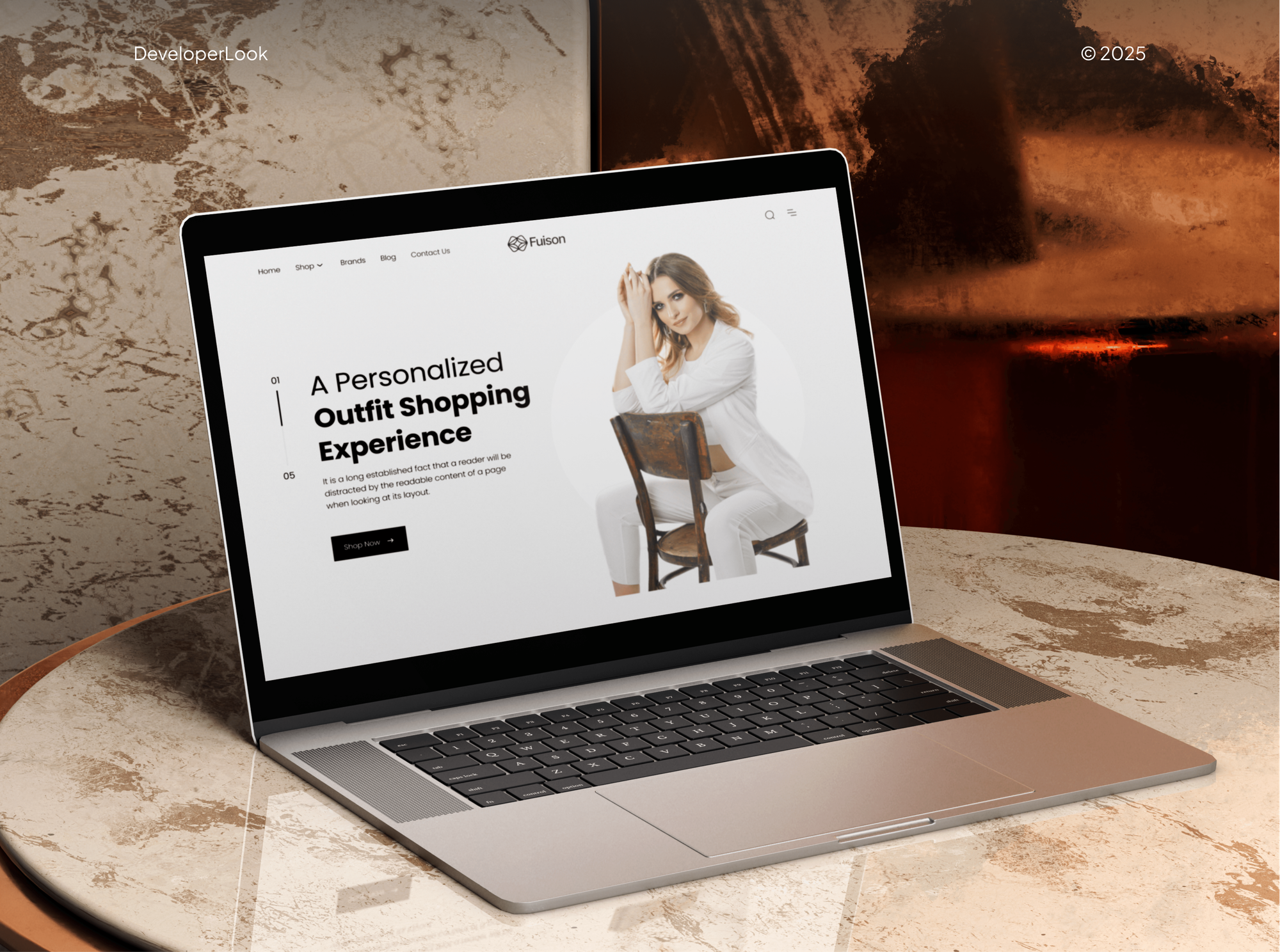
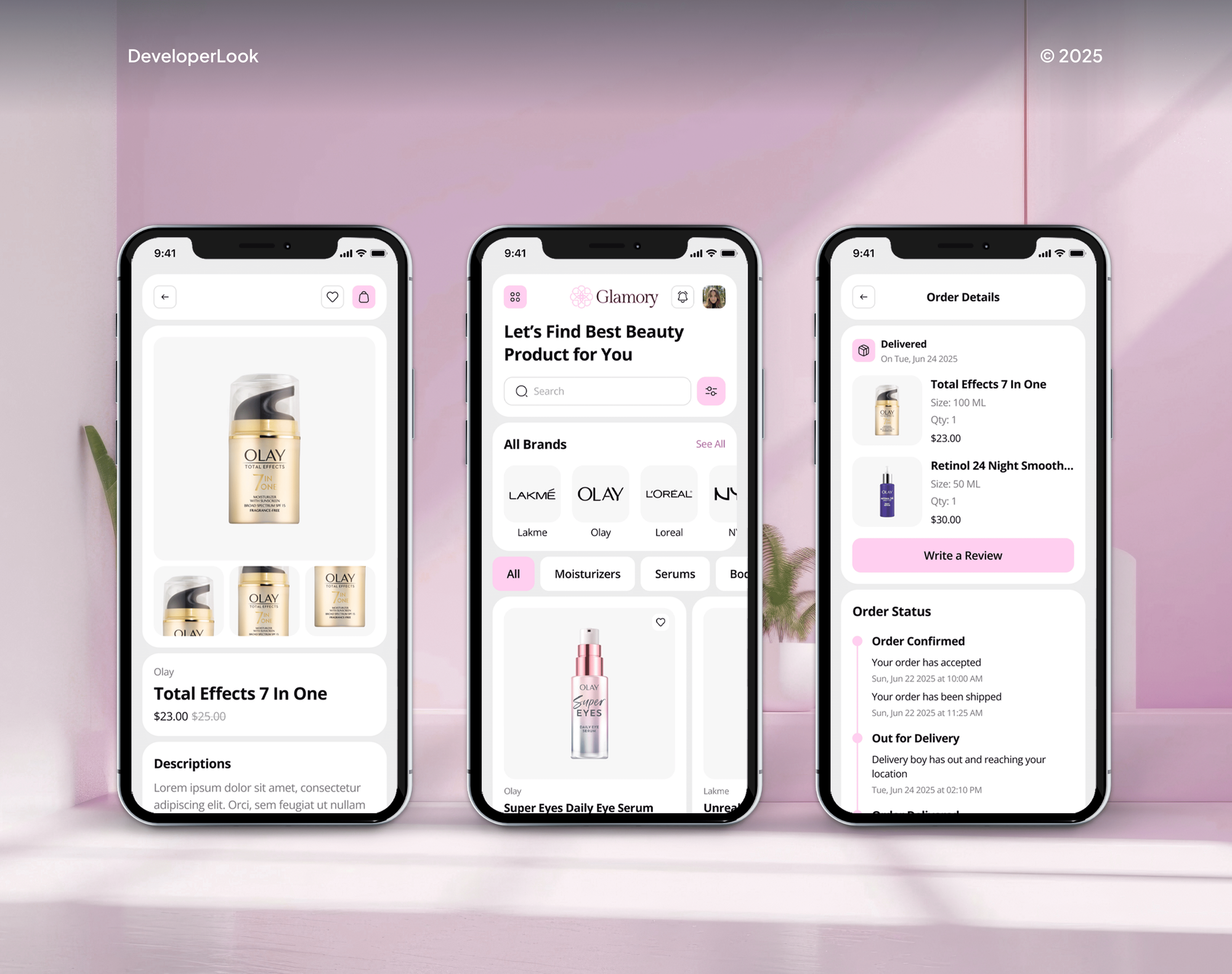
Stores and business sites we have built. Sites like these change weekly, which is why a statement needs checks after launch, not a one-time write-up.


What Our Clients Say
Feedback from teams we have built websites and online stores for.
We had a pretty specific idea of what we wanted our website to become, but I wasn’t sure how easily we could explain all of it to a development team. There were quite a few moving parts, and we were working toward a deadline, so I expected a few things to get lost along the way. That never really happened. They understood what we were trying to achieve, kept us updated throughout the process, and got everything ready within the agreed timeline. The final site feels much easier to navigate, works beautifully on mobile, and is noticeably smoother for our customers. It was a huge relief seeing the original idea actually turn into the website we had in mind.
The mobile experience is probably my favourite part of the new site. We had spent a lot of time making sure the desktop version looked right, and the team kept pushing us to think about how everything would actually feel on a phone too. They were right. The navigation is clean, the interactions feel natural, and everything we’ve tested so far works exactly as it should. They also went through the links, forms, integrations, and other details more than once before launch, which I really appreciated. And even after going live, we could still reach out when something came up. The whole process felt friendly, organised, and surprisingly straightforward.
What I appreciate most is that the website is actually easy for us to manage now. We can update content ourselves instead of sending a developer a message every time we need to change something small. They also paid attention to the technical SEO side, which mattered to us because we didn’t want a new website to create problems for the traffic we already had. I’ve probably asked more questions than I should have since launch, but every question has been handled patiently and without any fuss. The team is easy to work with, they explain things clearly, and when we need something changed, they focus on getting it done rather than making the process complicated.
1,000+
Projects shipped
10+
Years of experience
Top 3%
Upwork Top Rated Plus
5 stars
Average review score
Work Culture
A statement is only as honest as the testing behind it. These habits keep yours accurate, readable, and backed by dated records.
Your statement says only what our latest tests support, including what still fails. An honest partial conformance beats a full claim nobody can back up.
The contact in your statement goes to a monitored inbox or form, and we test that it works. Shoppers who hit a barrier get an answer, not silence.
Automated scans catch missing labels and contrast drops fast, while people test what scans can't judge. Every plan includes both, because you need both.
Each scan, retest, and statement update is logged with its date. If anyone asks what you knew and when, the answer is already written down.
We don't sell compliance badges or certificates, because a badge can't make a site accessible. You get test results and a statement that describes them.
Your plan has a fixed monthly price and a named page list. If your site outgrows it, we quote the change before your bill moves.
Overview
DeveloperLook writes your accessibility statement from real test results: your WCAG 2.2 AA conformance status, known limitations, feedback contact, and assessment date. Weekly scans and scheduled manual retests keep it accurate as your site changes. Plans start at $300 per month, and your statement goes live within 2 weeks.
DEVELOPERLOOK
Project facts · Accessibility Statement and Monitoring
Reviewed 28 Sep 2026 by Saimul Islam
Good fit
Businesses that just finished an audit
Your audit and fixes are done, and you want a statement that records the work and stays accurate as the site changes.
Stores that update themes and apps often
You add apps, sections, and campaign banners every month, and any release can quietly undo an accessibility fix.
Companies selling to EU customers
You sell to EU consumers, where the European Accessibility Act asks service providers to publish how their service meets accessibility requirements.
Sites with an outdated statement
Your web accessibility statement was written years ago, still names WCAG 2.0, and lists a contact email nobody reads.
Agencies maintaining client sites
Your agency looks after many client sites and wants website accessibility monitoring handled under your brand, with reports clients can read.
Not a fit
Site not tested yet
Your site hasn't been tested yet. A statement needs real results, so start with WCAG Audit Services or an ADA Website Audit, then add monitoring.
Barriers need fixing
You need barriers fixed, not just monitored. Website Accessibility Remediation fixes them in your code, and the statement can follow.
Small, stable site
Your site is small and rarely changes, or your budget is under $300 per month. The free W3C generator and a yearly check may be enough.
Legal advice wanted
You want legal advice on what your statement should promise. That's a question for your attorney, and we can support them with test records.
Not sure we're the right fit?
Send a two-line brief. We'll tell you honestly whether we're the right team.
Pricing
These are monthly starting points in USD. Your plan depends on the pages we monitor and how often we retest them, and you get a fixed proposal after a free status check.
For small sites that need a true statement published and checked every week.
$300/month
For stores that change themes, apps, or campaigns every month.
$500/month
For busy sites that want regressions found and fixed every month.
$750/month
For Agencies
You own the client relationship. We supply the statements, scans, and retests under your brand, so each client gets monthly proof their site stays accessible, and your team skips the scanner triage.
White label: your client only ever sees your brand
Send each client site, its latest audit, and the pages that matter most.
We write the statements and schedule scans, all branded for your agency.
You receive white-label reports and alerts to forward or act on.
Monthly summaries and statements go out under your agency's name.
Add an ongoing accessibility service without hiring or buying scanning tools.
We separate real regressions from scanner noise before anything reaches your client.
Regressions go to your developers, or to ours on Managed plans.
The Right Technology for Your Project
We run automated scans on a schedule, retest by hand with screen readers, and publish statements on whatever platform your site runs.
 Shopify
 WooCommerce
 BigCommerce
 WordPress
 Webflow
 Lighthouse
 PageSpeed Insights
 Chrome DevTools
 Node.js
 HTML5
HTML5 CSS3
CSS3 JavaScript
 React
React Google Analytics (GA4)
 Google Sheets
 Slack
Slack Loom
LoomFAQ
Straight answers on what a statement includes, who needs one, how monitoring works, and cost.
 Saimul IslamFounder & CEO, DeveloperLook
Still have questions?
Send a message or book a call with the team.
It's a public page that tells visitors how accessible your site is and how to report a barrier. A good one names the standard you follow, such as WCAG 2.2 AA, where you fall short, and a contact. The W3C's Web Accessibility Initiative publishes guidance on writing one, plus a free generator.
In the US, no federal law requires one for private businesses, but it's the clearest public record of your accessibility work. In the EU, the European Accessibility Act has required online stores, except microenterprises, to publish how their service meets accessibility requirements since June 2025. Many do that with a statement page.
Yes, every plan starts with it. We write the statement from your latest test results, you approve the wording, and we publish it on your site with a footer link. After each retest, we update its status, limitations, and review date, so the page stays accurate.
Within 1 to 2 weeks of your go-ahead, if you have test results from the last 12 months. We confirm those results still match your live site, write the draft, and publish it once you approve. Without recent results, start with an audit, because a statement built on guesses can mislead your customers.
Automated scans run every week on your monitored pages and compare results with the last run, so new failures stand out. People retest key journeys each quarter, or monthly on larger plans. You get a monthly report, and larger plans add alerts within 1 or 2 business days.
Weekly for automated scans, and at least every quarter for keyboard and screen reader checks. Stores that launch new sections or apps every month get more from monthly manual retests. Save full audits for big moments, like a redesign or a move to a new theme.
It catches the ones a machine can measure, like missing alt text, empty buttons, broken heading order, and contrast drops. Scans can't judge focus order, confusing labels, or a drawer that traps keyboard users, and Lighthouse itself lists items to check by hand. That's why every plan includes manual retests.
Monitoring starts at $300 per month, including your statement, weekly scans of up to 25 pages, and quarterly manual retests. Monitoring Plus is $500 per month for up to 100 pages, monthly keyboard retests, and retests after theme updates. Managed Accessibility is $750 per month and adds up to 3 hours of fixes.
Yes, on the Managed Accessibility plan, which includes up to 3 hours of fixes each month. That covers typical regressions, like a missing label or a contrast change. On other plans, we document each issue with the fix your developer needs. Larger problems go to our remediation team for a fixed quote.
You do. The statement lives on your site, and every scan result, retest note, and monthly report is yours to keep in a shared folder. If you stop monitoring, the statement stays live, but its review date will age, so update it after your next test.
Saimul IslamFounder & CEO, DeveloperLookStill have questions?
Send a message or book a call with the team.
30-min strategy callGoogle Meet
Book a call
Pick a 30-minute slot that works for you. We meet on Google Meet to align on goals, scope, and the right next step.
