Update impact report
Clicks and impressions compared around the rollout, split by search type, page group, and query.

For site owners whose clicks fell after a Google update: the losing pages found, the likely cause named, and the fixes Google's guidance supports. From $700.
Top 25
Pages ranked by clicks lost
4
Search types checked separately
How your project runs
01 · FreeTeams we have built for:














The Problem
Core updates change how Google ranks content across the web. They don't target one site, but a drop can still be steep, and guessing at the cause tends to make it worse.
Guesswork
The team argues about causes without looking at data.
Guesswork
A week-before and week-after comparison by page, query, and search type.
Mass deletion
Someone wants to delete half the blog right away.
Mass deletion
Pages improved or merged first; removal only for content that can't be saved.
Wrong cause
A release in the same week gets blamed on Google.
Wrong cause
Releases, migrations, and indexing checked inside the same date window.
Quick fixes
Every title gets changed overnight for supposed SEO reasons.
Quick fixes
Changes made for readers, judged against Google's self-assessment questions.
You check Search Console on a Monday and clicks are down across your best guides. Someone on the team blames AI content, someone else wants to delete half the blog, and a forum thread says to rewrite every title. Nobody has checked which pages actually lost, which queries moved, or whether a release went live the same week. Changing pages that still perform could cost you the traffic you kept.
We start with dates: the update's rollout window from Google's Search Status Dashboard, then a full week after it ends compared with the week before it began. We split the drop by search type, page group, and query, and check for technical causes in the same window. Then we read your losing pages next to the pages that replaced them, using Google's self-assessment questions. You improve what lost, not what still works.
Dates matched to rollouts
Each drop is compared week over week against the update's published start and end dates.
Losses split by page group
Web, Images, Video, and News results analyzed separately, then by template, topic, and query.
Winning pages protected
Pages that held or gained are left alone, as Google advises after core updates.
Our Google Algorithm Update Recovery Process
You see the data behind every conclusion and approve each page change before it goes live. Pages that are still performing stay untouched unless you decide otherwise.
We match your Search Console data to Google's update dates. You learn whether the drop lines up with a core update, a spam update, or something on your side, plus a fixed price for the work.
What's Included
Each project covers the date-matched analysis, the page-level diagnosis, the improvements, and monthly tracking, so you can see what changed and what it did.
Compare Options
Waiting costs nothing and is right for small drops, and a content agency can produce pages quickly. Here is where each one fits after a Google update.
| Feature | DeveloperLookBest fit | Waiting It Out | Content Agency |
|---|---|---|---|
| Small drops | May be more than you need | Often the right call | More content may not help |
| Diagnosis | Date-matched, by page and query | Usually assumes content is the cause | |
| Technical causes | Checked in the same window | Not checked | Rarely checked |
| Page improvements | Losing pages first, winners left alone | New articles more than rewrites | |
| Content removal | Last resort, with redirects | Rarely considered | |
| Tracking | Monthly, by page group | Search Console, if you check | Traffic totals |
| Cost | Fixed price from $700 | No cost | Per article or retainer |
| Recovery timing | No date promised, tracked monthly | Next core update, perhaps | Varies by agency |
Projects We've Built
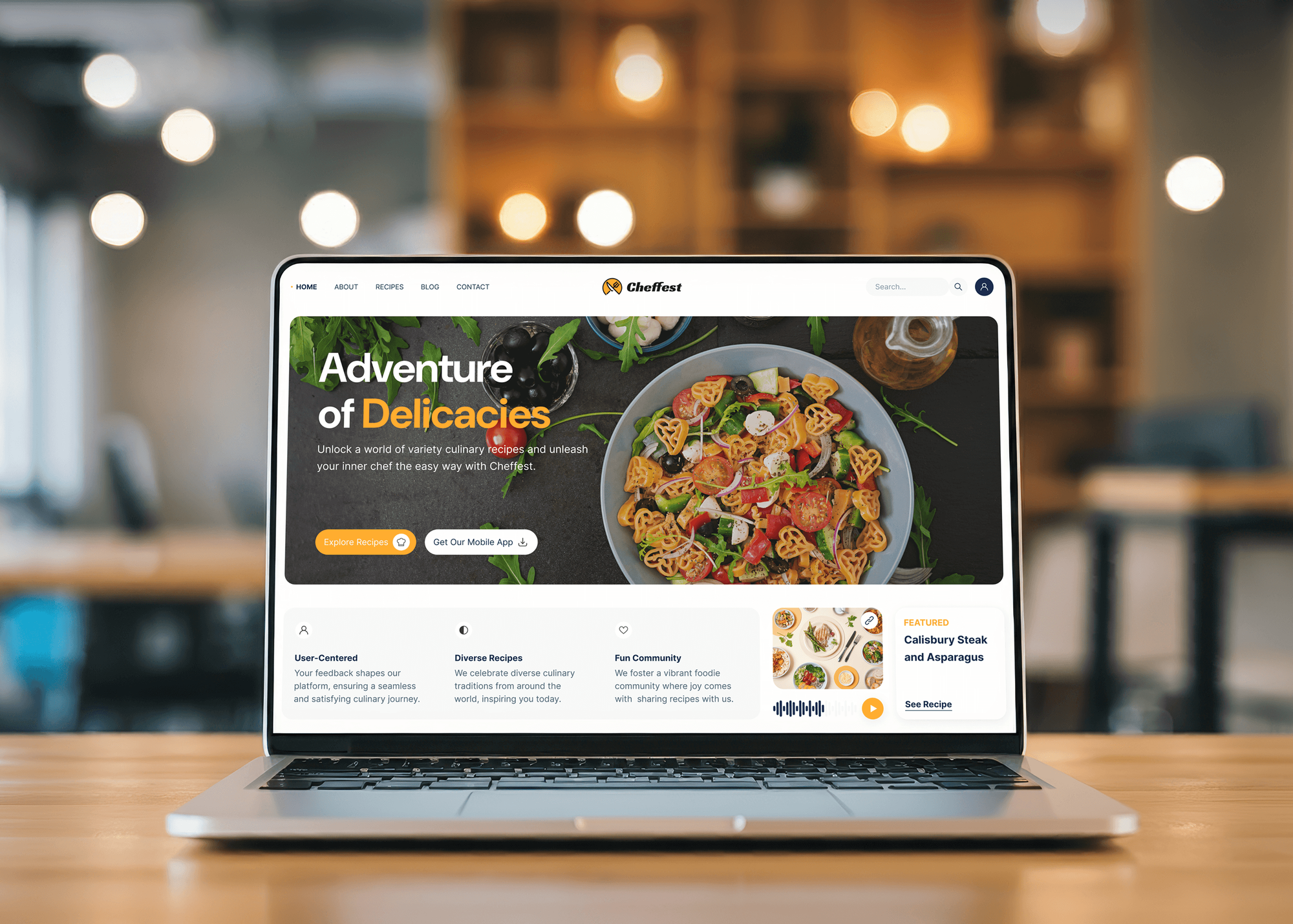
These are magazine, recipe, travel, and e-learning sites we designed and built. They aren't recovery case studies, but they're the kind of content sites core updates reassess.



What Our Clients Say
Feedback from teams we have built and improved websites for.
We had a pretty specific idea of what we wanted our website to become, but I wasn’t sure how easily we could explain all of it to a development team. There were quite a few moving parts, and we were working toward a deadline, so I expected a few things to get lost along the way. That never really happened. They understood what we were trying to achieve, kept us updated throughout the process, and got everything ready within the agreed timeline. The final site feels much easier to navigate, works beautifully on mobile, and is noticeably smoother for our customers. It was a huge relief seeing the original idea actually turn into the website we had in mind.
The mobile experience is probably my favourite part of the new site. We had spent a lot of time making sure the desktop version looked right, and the team kept pushing us to think about how everything would actually feel on a phone too. They were right. The navigation is clean, the interactions feel natural, and everything we’ve tested so far works exactly as it should. They also went through the links, forms, integrations, and other details more than once before launch, which I really appreciated. And even after going live, we could still reach out when something came up. The whole process felt friendly, organised, and surprisingly straightforward.
What I appreciate most is that the website is actually easy for us to manage now. We can update content ourselves instead of sending a developer a message every time we need to change something small. They also paid attention to the technical SEO side, which mattered to us because we didn’t want a new website to create problems for the traffic we already had. I’ve probably asked more questions than I should have since launch, but every question has been handled patiently and without any fuss. The team is easy to work with, they explain things clearly, and when we need something changed, they focus on getting it done rather than making the process complicated.
1,250+
Projects shipped
10+
Years of experience
Top 3%
Upwork Top Rated Plus
5 stars
Average review score
1,250+
Projects shipped
10+
Years of experience
Top 3%
Upwork Top Rated Plus
5 stars
Average review score

Want results like these?
Tell us what you are building. You get a reply within 24 hours on business days, then a written estimate.
Work Culture
After a drop, the pressure is to change everything at once. These habits keep the work tied to evidence, so the next update doesn't undo it.
Google suggests waiting at least a full week after an update finishes before analyzing. We wait too, because mid-rollout numbers move every day.
Pages that held or gained during the update stay as they are. Google advises against changing content that's already performing well, and so do we.
We ask people unconnected to your business to read losing pages with Google's questions. It's hard to judge your own pages objectively, which is why Google suggests it.
Google says some changes take several months to be recognized, and some wait for the next core update. We tell you that upfront instead of promising a date.
Removing pages can cut traffic you'd have kept. We improve or merge first and remove only content that can't be saved, with redirects where they fit.
Each edited page is logged with its date and what changed. When the next core update lands, you can see which changes held up.
Overview
DeveloperLook provides Google algorithm update recovery services for sites that lost clicks after a core or spam update. We compare the weeks around the rollout, find the pages and queries that lost, rule out technical causes, and improve the losing pages. Projects start at $700, take 3 to 8 weeks, and we track results monthly without promising a recovery date.
DEVELOPERLOOK
Project facts · Google Algorithm Update Recovery Services
Reviewed 28 Oct 2026 by Saimul Islam
Good fit
Publishers hit by a core update
Your guides and reviews lost clicks during a core update, and you want answers based on your own data, not forum advice.
Stores whose category pages slipped
Your category and product pages dropped after an update while competitors with richer content moved up for the same searches.
Sites hit after a spam update
Your traffic fell during a spam update, and you need to know which policy it points to before you change anything.
Teams burned by a past fix
You hired an algorithm recovery service that rewrote every page, and the next core update took the traffic away again.
Agencies explaining a client's drop
Your client's traffic fell after an update, and they want answers this week with data your team can present as its own.
Not a fit
Manual action in Search Console
Your Manual Actions report lists an action. That's a penalty with its own review process, and Google Penalty Recovery Services covers it.
Small drop, few pages
Your positions moved a little on a few pages. Google advises no drastic action for small drops; if waiting a few weeks covers it, we'll tell you before we quote.
Slow decline, no update
Your traffic is sliding slowly because posts are out of date, not because of an update. Content Refresh Services updates decaying pages on their existing URLs.
Hacked site or spam pages
Google shows spam pages under your domain after a hack. Japanese Keyword Hack Cleanup removes those before any content work starts.
Not sure we're the right fit?
Book a free call or message us. We'll tell you honestly whether we're the right team.
Pricing
These are starting points in USD. Your final price depends on how many pages lost traffic and how many templates are involved, and you get a fixed proposal after a free impact check.
For Agencies
You own the client relationship. We supply the update analysis, the page diagnosis, and the improvements behind it. Your team presents the findings and the plan, and every report goes out under your agency's name.
White label: your client only ever sees your brand
Add us to the client's Search Console and GA4, and name the update.
You get the impact summary and a fixed partner price for the work.
Your team walks the client through causes, fixes, and monthly tracking.
Add us to the client's Search Console and GA4, and name the update.
You get the impact summary and a fixed partner price for the work.
Your team walks the client through causes, fixes, and monthly tracking.
The Right Technology for Your Project
We start from Google's own data and published update dates, then use crawlers and rank data to explain what moved and why.
 Google Search Console
 Google Analytics (GA4)
 Semrush
 Chrome DevTools
 PageSpeed Insights
 WordPress
 Webflow
 HubSpot
 Google Sheets
 Loom
 Slack
Related Services
Update drops often lead to other work. These services cover penalties, content audits and refreshes, technical fixes, and the ongoing SEO program.
This page
Google Algorithm Update Recovery Services
Pairs with the 6 services around it
FAQ
Straight answers on cost, recovery time, core updates, and what to change after a drop.
Saimul IslamFounder & CEO, DeveloperLookStill have questions?
Send a message or book a call with the team.
Projects start at $700 for an Update Impact Report that names the losing pages and likely causes. Recovery Fixes costs $1,400 and improves up to 15 losing pages. Site-Wide Recovery costs $2,150 for up to 40 pages plus template changes. Each comes with a fixed quote after the free impact check, so you know the full price before work starts.
There's no fixed time. Google says some improvements show within days, while others take several months for its systems to recognize, and some sites wait until the next core update. Our work takes 3 to 8 weeks, and we track clicks monthly for up to 6 months so you can see recovery as it builds.
Recovering from a Google algorithm update starts with finding what lost before changing anything. Compare a full week after the rollout with the week before, split by page and query, and rule out technical causes from the same dates. Then improve the losing pages for readers, leave pages that held alone, and track results over months.
Google core update recovery means improving the pages that lost so they serve searchers better than the pages that passed them. Google says a core update drop doesn't mean something is wrong with your site, so there's no penalty to remove. Small drops often need no action; large, site-wide drops call for an honest content review.
Check which update it was first, because the path differs. After a spam update, Google says sites that comply with its spam policies may improve over a period of months. After a link spam update, boosts from neutralized links can't be regained, so the work is earning new ones. A listed manual action goes to Google Penalty Recovery Services.
No. Google says core updates don't target specific sites or pages, and a drop doesn't mean your pages broke a rule. Other content was judged more helpful for those searches. That's why there's no reconsideration request for core updates: recovery comes from improving content, not from asking Google to look again.
They start with dated data and stay honest about timing. The best Google algorithm update recovery services compare the weeks around the rollout, separate content causes from technical ones, and leave your winning pages alone. Be wary of anyone who promises a recovery date or blames one tactic before showing you the losing pages.
Only as a last resort. Google advises deleting content only when it can't be salvaged, and removing pages can cut traffic you'd have kept. We improve or merge weak pages first and redirect merged URLs to their new home. Only pages with no search value and no realistic fix get removed.
Usually not. Google advises against changing content that's already performing well after a core update. We leave pages that held or gained as they are, record their baseline, and focus edits on the page groups that lost. Changing everything at once also hides which edits actually helped.
Check Google's Search Status Dashboard for each update's start and end dates, then compare them with your Search Console clicks. If the drop starts inside a rollout window, that update is the likely cause. If it doesn't, look at your own releases, migrations, and indexing first. Our free impact check does this matching for you.
Saimul IslamFounder & CEO, DeveloperLookStill have questions?
Send a message or book a call with the team.
Free 30-min callGoogle Meet
Book a call
In 30 minutes on Google Meet we walk you through how we would build it, how long it takes and what it costs. Then you get a written estimate.
Calendar not showing? Book on cal.com or send a brief.