
Version upgrades with ng update
One major version at a time, with breaking changes fixed and tests passing at every step.

For teams running a business-critical Angular or AngularJS app: upgrades, new features, and migrations that keep it supported and moving, from $1,300.
100%
Upgraded to a supported version
2X
Faster builds after the upgrade
How your project runs
Teams we have built for:














The Problem
It shows up when a security review or a browser change forces the issue. The app still works, but the upgrade path looks long, and nobody wants to touch the shared modules.
01 · Versions
The app sits several major Angular versions behind.
We upgrade one major version at a time with ng update and tests.
02 · AngularJS
Old AngularJS screens still run inside a hybrid setup.
We rebuild them module by module in current Angular while users keep working.
03 · Builds
Builds are slow enough that developers avoid running them.
We move the project to the esbuild-based application builder.
04 · Modules
Shared NgModules make every change feel risky.
New work uses standalone components and signals with clear inputs and tests.
Your Angular app handles claims, orders, or approvals for hundreds of staff, and it's several major versions behind. Every upgrade guide lists breaking changes across RxJS, Angular Material, and your third-party grid. One corner still runs AngularJS through a hybrid setup nobody fully understands. Builds take long enough that developers avoid running them. Security scans flag old dependencies every quarter, and the estimate for catching up keeps growing while the backlog waits.
We start with an upgrade map: your current version, every dependency that blocks the next one, and the order to clear them. Then we move one major version at a time with ng update, run your tests at each step, and switch to the esbuild-based builder. New features use standalone components and signals, so the codebase gets simpler as it moves forward. The app stays live throughout, because nothing ships as a big-bang rewrite.
One version at a time
We follow Angular's own update path, testing at every major version instead of jumping ahead.
Faster builds
Moving to the esbuild-based application builder cuts the wait on every build and test run.
AngularJS moved in slices
Old AngularJS screens move module by module while the rest of the app keeps running.
Our Angular Development Services Process
You see the full upgrade path and a fixed price first, then click through a staging build after every major version before we move to the next.
We read your package.json, run the Angular update guide against your versions, and look at shared modules and tests. You get the upgrade path, the dependencies that block it, and the plan that fits.
What's Included
Your Angular app brought up to a supported version and set up to stay there. That covers upgrades, modern patterns, AngularJS migration where needed, tests, and notes for the next upgrade.
Compare Options
Your own team knows the business best, and a large consultancy can staff a huge program. Here's how each handles upgrades and AngularJS migration next to an Angular app development company.
| Feature | DeveloperLookBest fit | In-house team | Consultancy |
|---|---|---|---|
| Upgrade planning | Written path per major version | Fits around feature work | Formal assessment phase |
| Business knowledge | Learned in the review | Deepest knowledge | Learned in workshops |
| AngularJS migration | Module by module, app stays live | Hard alongside daily work | Often a full rewrite |
| Testing | Tests pass at every version | Depends on existing tests | Separate QA team |
| Time to start | About 1 week | Immediate | Weeks of procurement |
| Program size | Small to mid-size apps | Limited by headcount | Can staff big programs |
| Ownership | Code and notes are yours | Yours | Yours, after handover |
| Cost | Fixed price per phase | Salaries already paid | Day rates, larger minimums |
Projects We've Built
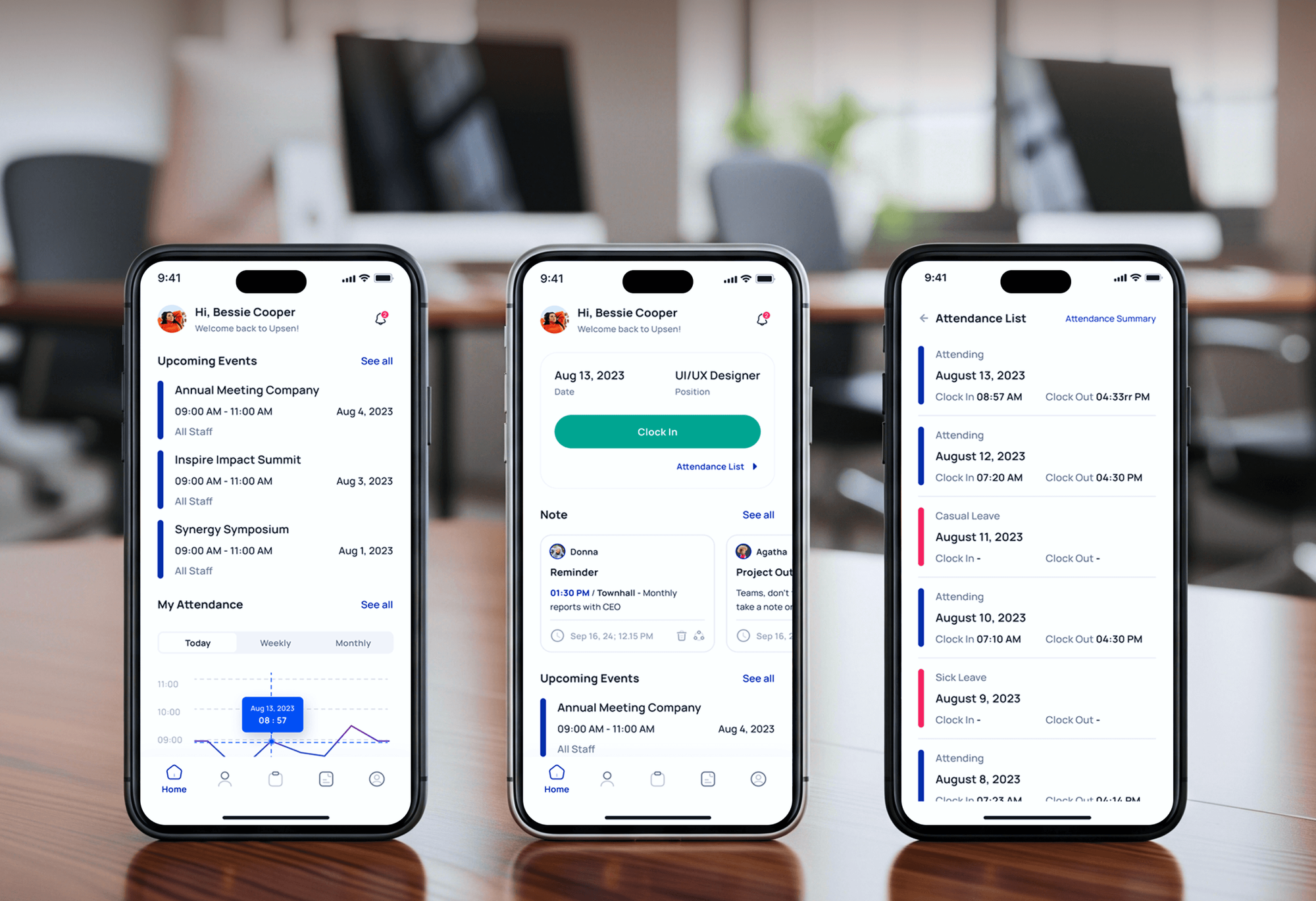
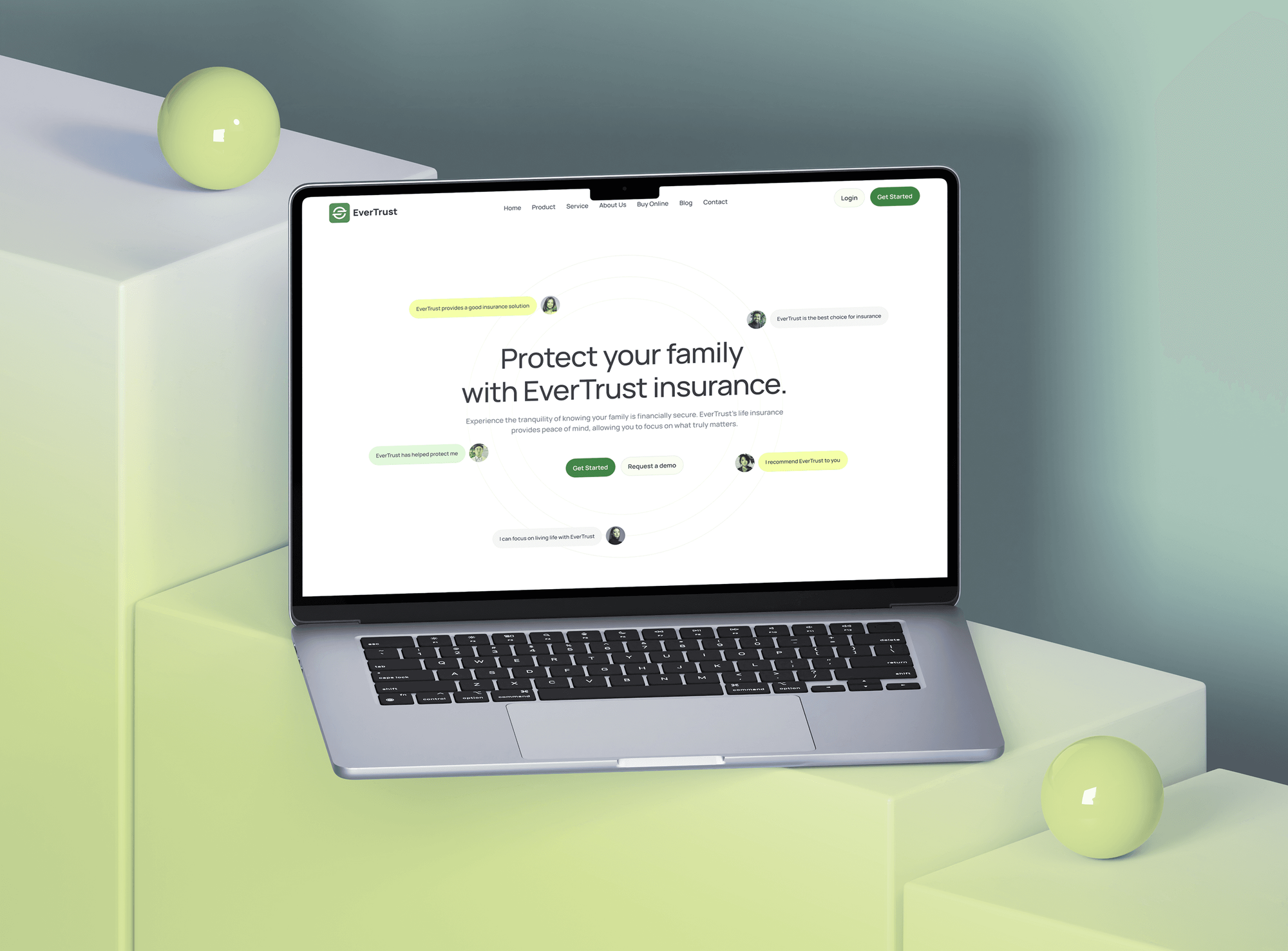
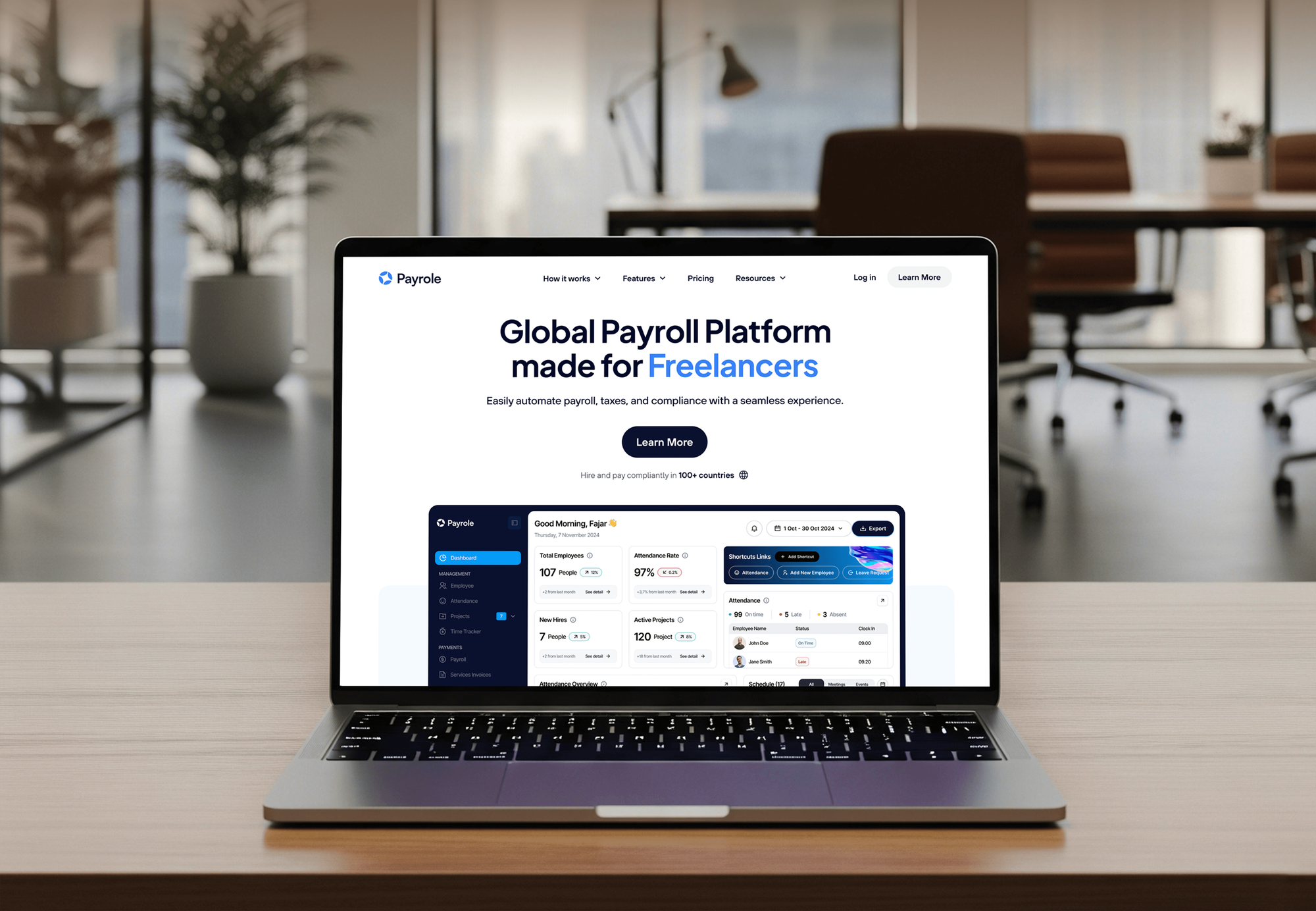
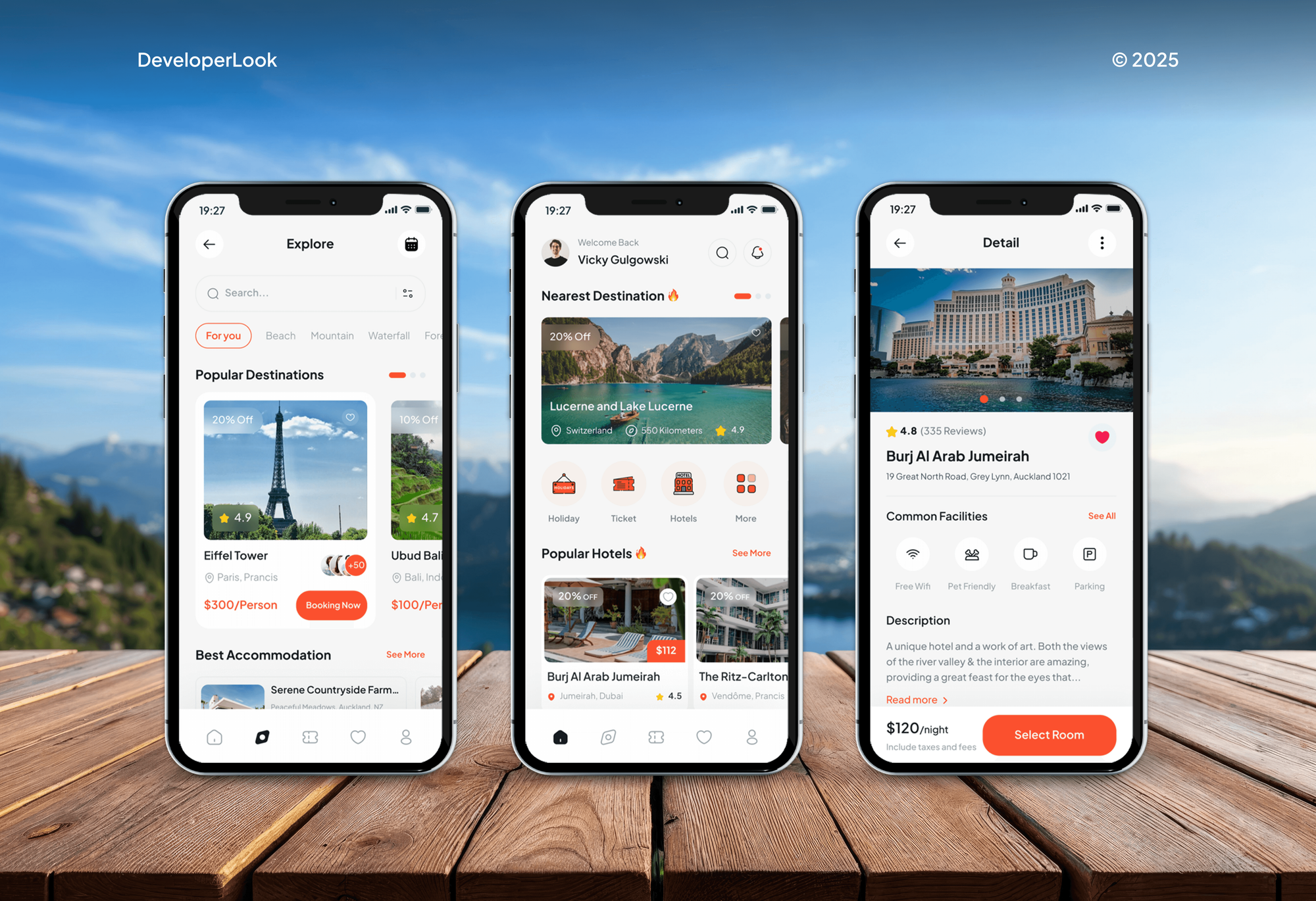
HR, insurance, payroll, and travel agency tools we designed and built. They aren't presented as Angular builds: they show the kind of business software we plan and ship.
What Our Clients Say
Feedback from teams we have built business apps and websites for.
We had a pretty specific idea of what we wanted our website to become, but I wasn’t sure how easily we could explain all of it to a development team. There were quite a few moving parts, and we were working toward a deadline, so I expected a few things to get lost along the way. That never really happened. They understood what we were trying to achieve, kept us updated throughout the process, and got everything ready within the agreed timeline. The final site feels much easier to navigate, works beautifully on mobile, and is noticeably smoother for our customers. It was a huge relief seeing the original idea actually turn into the website we had in mind.
The mobile experience is probably my favourite part of the new site. We had spent a lot of time making sure the desktop version looked right, and the team kept pushing us to think about how everything would actually feel on a phone too. They were right. The navigation is clean, the interactions feel natural, and everything we’ve tested so far works exactly as it should. They also went through the links, forms, integrations, and other details more than once before launch, which I really appreciated. And even after going live, we could still reach out when something came up. The whole process felt friendly, organised, and surprisingly straightforward.
What I appreciate most is that the website is actually easy for us to manage now. We can update content ourselves instead of sending a developer a message every time we need to change something small. They also paid attention to the technical SEO side, which mattered to us because we didn’t want a new website to create problems for the traffic we already had. I’ve probably asked more questions than I should have since launch, but every question has been handled patiently and without any fuss. The team is easy to work with, they explain things clearly, and when we need something changed, they focus on getting it done rather than making the process complicated.
1,250+
Projects shipped
10+
Years of experience
Top 3%
Upwork Top Rated Plus
5 stars
Average review score

Want results like these?
Tell us what you are building. You get a reply within 24 hours on business days, then a written estimate.
Work Culture
Enterprise Angular apps fail slowly: skipped upgrades, unclear module boundaries, and tests nobody trusts. These habits keep your app supported and your team confident.
Angular ships a major version about every 6 months and supports each one for 18 months. We plan upgrades around that calendar, so you stay inside the support window.
If core flows lack tests, we add them before upgrading. A passing suite at every version is how you know nothing quietly broke.
Each version upgrade lands as its own reviewed change set. Your team can follow along and roll back one step without losing the rest.
If rebuilding a small app costs less than upgrading it, we'll show you the numbers. If your current version is safe for now, we'll tell you before we quote.
Dependency audits run at each step, and we replace packages that stopped receiving fixes. Your security team gets a list of what changed and why.
Every project ends with written notes on remaining deprecations and the next version's changes. Your developers can run the following upgrade without us.
Overview
DeveloperLook provides Angular development services for teams running long-lived business apps. We upgrade Angular versions with ng update, build features with standalone components and signals, and migrate AngularJS apps module by module while they stay live. Projects start at $1,300, take 1 to 16 weeks, and you own the code.
DEVELOPERLOOK
Project facts · Angular Development Services
Reviewed 8 Oct 2026 by Saimul Islam
Good fit
Enterprises with a business-critical app
Your Angular app runs claims, orders, or approvals, and it's several major versions behind with a security review coming up.
Teams still running AngularJS
Your AngularJS app lost official support at the end of 2021, and you need an Angular JS development company to move it forward safely.
.NET teams short on Angular skills
You want to hire Angular developers for a defined feature set without adding permanent headcount to a .NET-heavy team.
Companies starting a new Angular app
Your organization standardized on Angular, and you need a new internal app built with standalone components and signals from day one.
Agencies with Angular clients
You've won an enterprise client on Angular and need to hire Angular JS developers or current Angular specialists under your brand.
Not a fit
No Angular requirement
You're starting a new app with a small team and no reason to use Angular. React Development Services may suit you better, and we'll help you compare honestly.
SSO and IT gate first
Your main hurdle is SSO, security review, and IT requirements for a new app. Enterprise Web Development Company covers that gate before framework work starts.
Budget under $1,300
You need one small bug fixed in an otherwise current Angular app. A freelancer will cost less than our smallest plan and can start sooner.
Full-time seats for a year
You want Angular developers embedded full time for a year or more. A staffing agency or an in-house hire fits that better than scoped project work.
Not sure we're the right fit?
Book a free call or message us. We'll tell you honestly whether we're the right team.
Pricing
These are starting points in USD. Your final price depends on version gap, libraries, and test coverage, and you get a fixed proposal after a free upgrade review.
For Angular apps one or two major versions behind that need a safe, tested upgrade.
$1,300one-time, USD
For apps several versions behind that also need modern patterns and a new feature area.
$4,600one-time, USD
For AngularJS apps that need to move to current Angular while staying live for users.
$9,400one-time, USD
For Agencies
You own the client relationship. We supply the Angular engineering behind it: upgrade plans, version upgrades, AngularJS migrations, and new features, delivered under your name. Your team stays the client's contact, and we keep the app supported.
White label: your client only ever sees your brand
Send repository access or a package.json, plus the client's deadlines and constraints.
We return the upgrade path, the risks, and a fixed price per phase with room for margin.
We work in the client's repository, demo each version with you, and hand over notes.
Your client hears from your team at every milestone and demo.
Written upgrade paths your account team can present as their own.
Signals, RxJS, Material, and Nx experience your client's developers can inherit.
Add us for one upgrade or a steady run of Angular work.
The Right Technology for Your Project
The Angular tooling, testing, and back-end platforms we work with on upgrades, migrations, and new builds.
 TypeScript
 Webpack
 Node.js
 PHP
FAQ
Straight answers on cost, upgrade timelines, what Angular is, who uses it, and hiring.
Saimul IslamFounder & CEO, DeveloperLookStill have questions?
Send a message or book a call with the team.
Angular projects with DeveloperLook start at $1,300 for up to 2 major version upgrades on a current app. Upgrading across up to 5 versions with modern patterns and a new feature area costs $4,600, and AngularJS migrations start at $9,400. You get a fixed price after a free upgrade review.
Most Angular version upgrades take 1 to 3 weeks, depending on how many major versions you're behind and how many libraries need replacing. AngularJS migrations usually take 8 to 16 weeks for up to 20 screens, because each module is rebuilt and tested while the app stays live.
Angular development is building web apps with Angular, which ships routing, forms, an HTTP client, and testing tools in one package. Teams like it for large apps because the structure stays consistent across projects. Current Angular uses standalone components and signals, which make code simpler than older module-based apps.
Angular is free, open-source software for building web front ends, released under the MIT license. It includes the Angular CLI, which creates projects, runs builds, and applies version updates with ng update. Angular apps run in the browser and work with any back end, such as .NET, Node.js, Python, or PHP.
Angular is used mostly for large, data-heavy web apps: internal tools, admin dashboards, banking and insurance portals, and enterprise software. Its built-in forms, routing, and dependency injection suit teams where many developers share one codebase. Our Angular JS development services also cover the older AngularJS apps that still run systems like these.
Yes, Angular is developed and maintained by a team at Google, with contributions from the open-source community. Google publishes a release plan with a new major version about every 6 months, and each version gets 18 months of support. AngularJS, the older framework, stopped receiving official support at the end of 2021.
Google uses Angular for many of its own web apps, and Angular is common in banking, insurance, healthcare, and government portals. Large organizations choose it because one framework covers routing, forms, and testing, which keeps big teams consistent. Many of these companies still run AngularJS somewhere, which is why migration work is so common.
Hire Angular developers by checking how they handle upgrades, not just new screens. Ask about the last major version upgrade they ran, how they combine signals with RxJS, and how they test. When you compare Angular developers for hire through an agency, ask who writes and reviews the code. You can also hire Angular developer time for one feature first.
Yes, for most apps, but gradually. Angular's own migration schematics convert NgModules to standalone components, and signals can replace simple RxJS state one component at a time. We keep RxJS where streams fit, such as live data feeds or complex search, and we don't rewrite working code just to follow a trend.
Yes, most of our Angular work starts in code someone else wrote. We begin with the free upgrade review, add tests to core flows if they're missing, and document what we find. You keep ownership of the repository, and support runs 30 to 90 days after release, depending on your plan.
Saimul IslamFounder & CEO, DeveloperLookStill have questions?
Send a message or book a call with the team.
Free 30-min callGoogle Meet
Book a call
In 30 minutes on Google Meet we walk you through how we would build it, how long it takes and what it costs. Then you get a written estimate.
Calendar not showing? Book on cal.com or send a brief.