











API tier map
Each data need matched to a Marketplace app, the Certified FHIR APIs, or other interfaces, with possible fees noted.

For medical practices and health tech teams on athenaOne: data moves between your tools and the chart, with API fees and consent checked first, from $1,100.
12+ hrs
Staff data entry saved weekly
100%
API tiers checked before building
How your project runs
01 · FreeTeams we have built for:














The Problem
It shows up when a practice adds apps one at a time and buys athenahealth EHR integration services. Nobody asks which API tier, consent, or BAA each connection needs.
API tier
Nobody knows which API tier a vendor's connection uses.
API tier
We map each data need to a Marketplace app, Certified APIs, or others.
Fees
Possible API fees show up after the build is done.
Fees
Non-Certified API use gets a fee check before you approve the build.
Intake
Front desk staff retype intake answers into the chart.
Intake
A tested feed moves intake data into athenaOne, with consent confirmed first.
Billing data
The outside biller exports claim data by hand every week.
Billing data
Charge and remittance data reaches your biller through a logged API feed.
Your practice signed up for a remote monitoring app that promised an athenaOne connection. Weeks later, nobody knows whether it reads through the free Certified APIs or the kind that may carry fees. The front desk still retypes intake answers into the chart. Your billing company exports claim data by hand, because nobody mapped what it needs. And when a vendor asks for an Authorization and Consent form, nobody is sure who signs it or which BAA covers the data.
We start by sorting every data need by athenahealth's own tiers. If a Marketplace app already does the job, you request that. Reads go through the Certified FHIR APIs, which athenahealth provides free to athenaOne Base customers. Writes that need other APIs get a fee check before anyone builds. Then we handle OAuth credentials, consent, and testing. You pay for API access only where a workflow needs it, not where a cheaper tier would do.
Tier checked before building
Each data need is matched to a Marketplace app, the Certified APIs, or other APIs first.
Fees checked upfront
Non-Certified APIs may carry fees, so you see that before approving any build.
Consent and BAAs in order
Authorization and Consent and every vendor's BAA are confirmed before patient data moves.
Our athenahealth Integration Services Process
You see the API tier, fee status, and consent step for every data need before we build, and your staff test each flow in athenaOne before go-live.
We list each piece of data you want moved, which direction it goes, and which athenaOne products you run. You get each need matched to a Marketplace app, the Certified APIs, or other athenahealth interfaces.
What's Included
A tier map for every data need, Certified FHIR read feeds, write workflows where allowed, secure credentials, a consent and BAA checklist, and tested handover.
Compare Options
A Marketplace app is the fastest route when it fits, and a generic agency can write code. Here is where each fits, and where it stops once API tiers, consent, and custom workflows matter.
| Feature | DeveloperLookBest fit | Marketplace app | Generic agency |
|---|---|---|---|
| Fit to your workflow | Built around your process | Same for every practice | Built to the brief |
| API tier choice | Certified first, fees checked | Set by the partner | Often decided mid-build |
| Writes to athenaOne | Where your contract allows | Whatever the app supports | Depends on EHR experience |
| Consent and BAA handling | Checklist before data moves | Handled by the partner | Often left to you |
| Testing | With your staff before launch | Tested by the partner | Varies by team |
| Time to start | 2 to 6 weeks | Request and enable | Weeks to months |
| Cost | From $1,100, fixed scope | Partner subscription fees | Hourly, open-ended |
| Ownership | Code and runbook are yours | Licensed from the partner | Varies by contract |
Projects We've Built
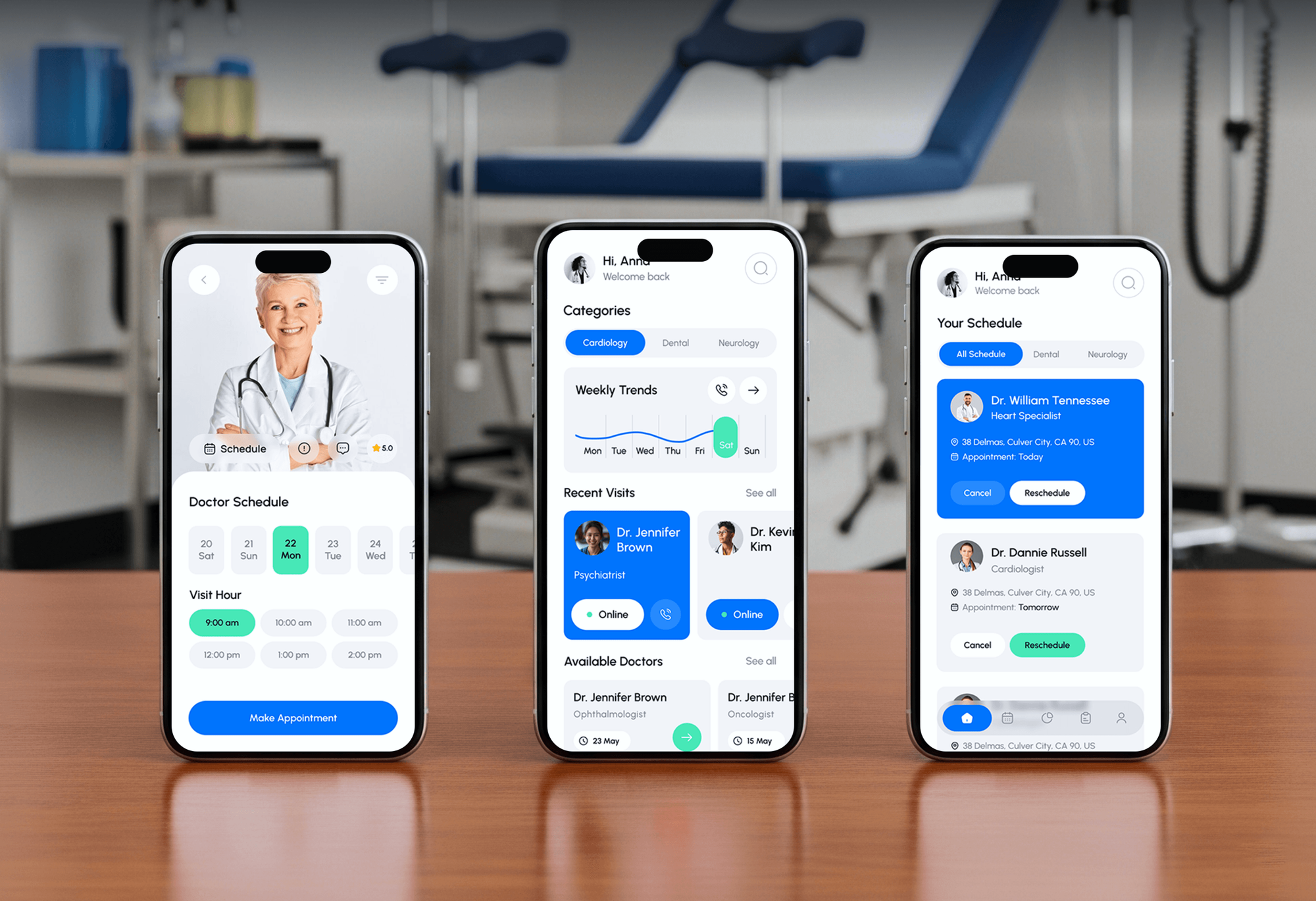
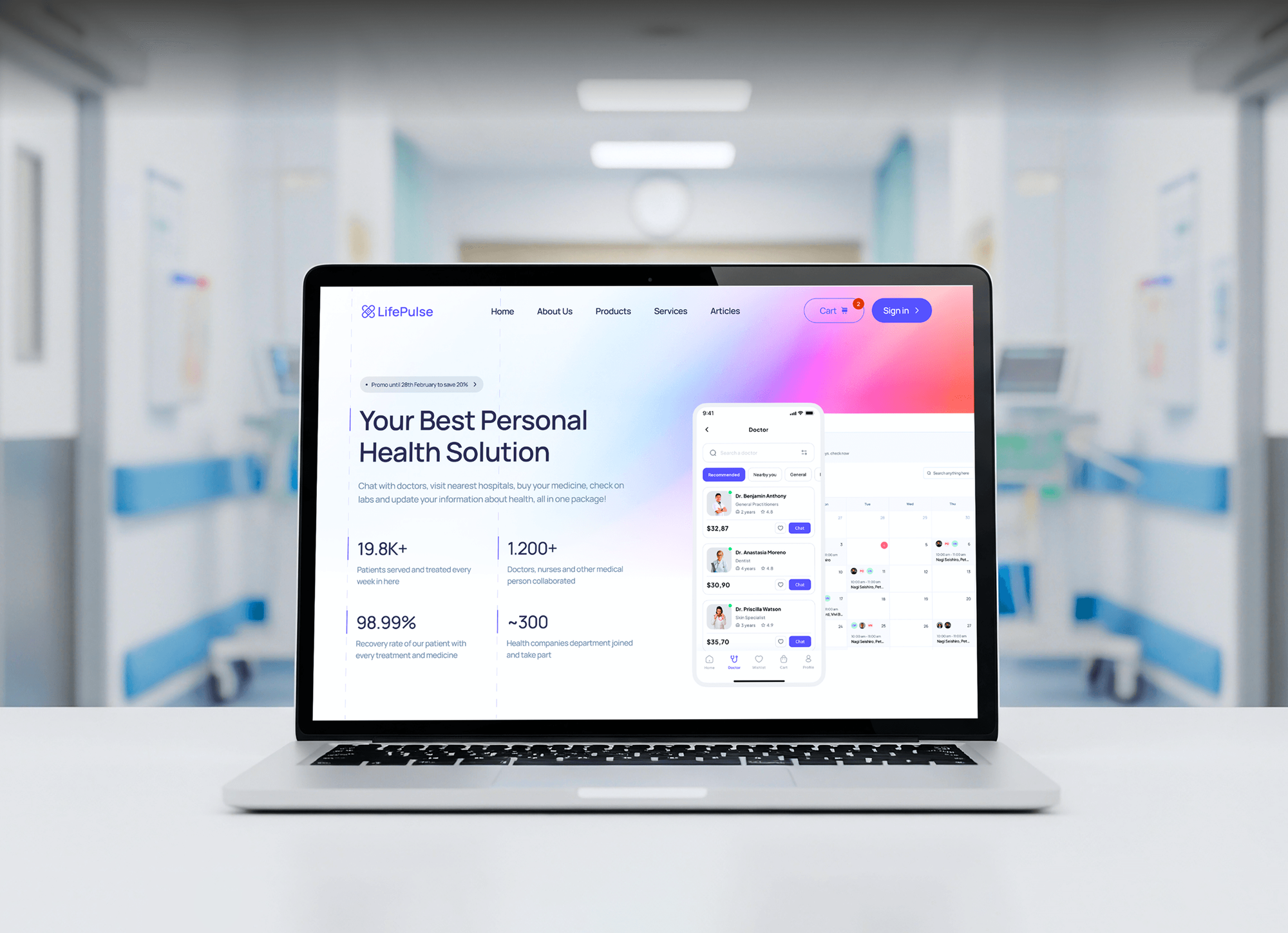
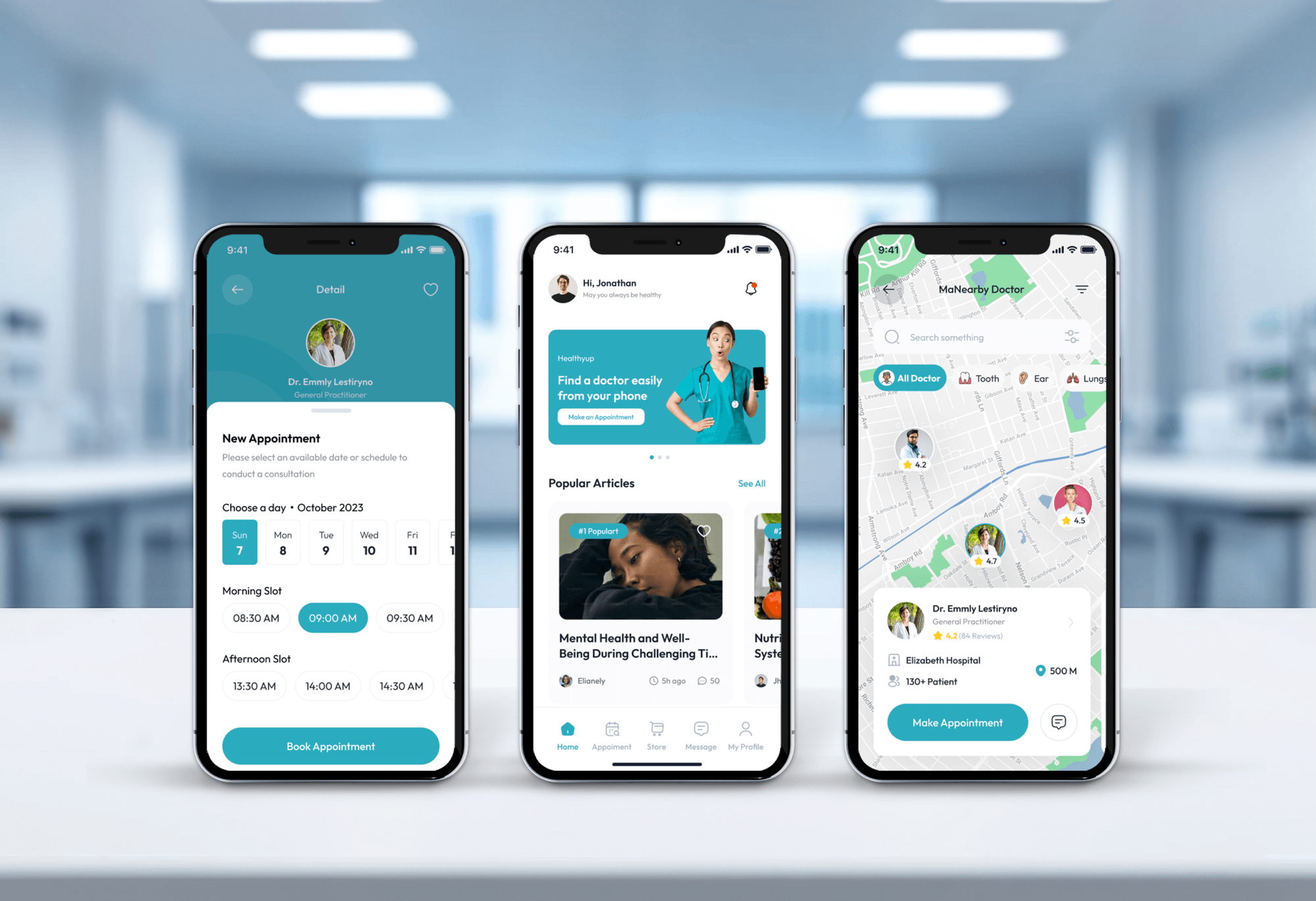
Medical booking and telehealth apps and websites we designed and built. None ran athenaOne, but they show how we handle appointments, patient records, and clinical data.

What Our Clients Say
Feedback from teams we have built healthcare apps and websites for.
We had a pretty specific idea of what we wanted our website to become, but I wasn’t sure how easily we could explain all of it to a development team. There were quite a few moving parts, and we were working toward a deadline, so I expected a few things to get lost along the way. That never really happened. They understood what we were trying to achieve, kept us updated throughout the process, and got everything ready within the agreed timeline. The final site feels much easier to navigate, works beautifully on mobile, and is noticeably smoother for our customers. It was a huge relief seeing the original idea actually turn into the website we had in mind.
The mobile experience is probably my favourite part of the new site. We had spent a lot of time making sure the desktop version looked right, and the team kept pushing us to think about how everything would actually feel on a phone too. They were right. The navigation is clean, the interactions feel natural, and everything we’ve tested so far works exactly as it should. They also went through the links, forms, integrations, and other details more than once before launch, which I really appreciated. And even after going live, we could still reach out when something came up. The whole process felt friendly, organised, and surprisingly straightforward.
What I appreciate most is that the website is actually easy for us to manage now. We can update content ourselves instead of sending a developer a message every time we need to change something small. They also paid attention to the technical SEO side, which mattered to us because we didn’t want a new website to create problems for the traffic we already had. I’ve probably asked more questions than I should have since launch, but every question has been handled patiently and without any fuss. The team is easy to work with, they explain things clearly, and when we need something changed, they focus on getting it done rather than making the process complicated.
1,250+
Projects shipped
10+
Years of experience
Top 3%
Upwork Top Rated Plus
5 stars
Average review score
1,250+
Projects shipped
10+
Years of experience
Top 3%
Upwork Top Rated Plus
5 stars
Average review score

Want results like these?
Tell us what you are building. You get a reply within 24 hours on business days, then a written estimate.
Work Culture
We read through the free Certified APIs first, check the Marketplace before writing code, and keep consent and BAA records your compliance lead can find without digging.
We read through the Certified FHIR APIs wherever they cover the data. They're free to athenaOne Base customers, so paid API access goes only where a workflow needs it.
If a Marketplace app already does the job, we'll tell you before we quote. Custom work starts where the Marketplace stops.
We record each practice's Authorization and Consent and which vendors hold a BAA. Your compliance lead can answer an auditor's question without digging through email.
Client IDs and secrets live in a secrets manager, not in the repository. If a developer leaves, nothing sensitive leaves with the code.
We schedule cutovers outside clinic hours and test with the staff who use each screen. A morning schedule stays intact because no feed goes live mid-clinic.
You approve the tier plan and price before we build. If athenahealth's enablement steps add work, we quote it before doing it.
Overview
DeveloperLook provides athenahealth EHR integration services for medical practices and health tech teams. We check the Marketplace first, read data through the free Certified FHIR APIs, and use Non-Certified APIs only where a workflow needs them. Projects start at $1,100 and take 2 to 6 weeks.
DEVELOPERLOOK
Project facts · athenahealth Integration Services
Reviewed 27 Oct 2026 by Saimul Islam
Good fit
Multi-provider practices on athenaOne
Your front desk copies intake answers into athenaOne by hand, because nobody checked whether a read or write API already covers that data.
Practices weighing a Marketplace app
You found a Marketplace app that almost fits, but Marketplace integrations can't be customized for one practice, and your workflow needs one change.
Health tech teams selling to practices
You're building a scheduling, remote monitoring, or analytics product, and practices on athenaOne keep asking whether it connects to their EHR.
Billing companies with athenaOne clients
Your billing company works claims for practices on athenaOne and needs charge and remittance data without exporting it from each practice by hand.
Agencies building healthcare websites
You build practice websites and need booking or intake forms that hand data to athenaOne with consent recorded and every BAA in place.
Not a fit
Practice runs Tebra
Your practice runs Tebra instead of athenaOne. Our Tebra Integration page covers the scheduling, export, and API work for that system.
Booking widget only
You only need patients booking online from your website. Our Patient Scheduling Software Integration page covers booking tools and calendar links.
Marketplace app fits as is
A Marketplace app already does exactly what you need. Request it through the athenahealth Marketplace, and we'll tell you so before we quote.
Practice on athenaPractice
Your practice runs athenaPractice or athenaFlow, not athenaOne. Those older products use different interfaces, so this page's API plan doesn't apply as written.
Not sure we're the right fit?
Book a free call or message us. We'll tell you honestly whether we're the right team.
Pricing
These are starting points in USD. Your final price depends on the data, read or write access, and enablement steps, and you get a fixed proposal after a free discovery call.
For Agencies
You own the healthcare client, their website, or their product. We supply the athenaOne side: API tier plans, Certified FHIR feeds, write workflows, and consent checklists, tested with the practice's staff before launch. Your brand stays on it.
White label: your client only ever sees your brand
Send the practice's athenaOne products, the data to move, and the tools involved.
We map API tiers, price the work, and build under your agency's name.
You get a white-label runbook, consent checklist, and test notes.
Send the practice's athenaOne products, the data to move, and the tools involved.
We map API tiers, price the work, and build under your agency's name.
You get a white-label runbook, consent checklist, and test notes.
The Right Technology for Your Project
The standards and tools we use around athenaOne, limited to its Certified FHIR APIs, other athenahealth interfaces, and the Marketplace, so every connection is one athenahealth supports.
 Node.js
 Python
 AWS
 Microsoft Azure
 PostgreSQL
 WordPress
 Twilio
 HubSpot
Related Services
Practices buying athenahealth EHR integration services often look at these next: a wider integration plan, other practice software, healthcare CRM, HIPAA forms, or a new site.
This page
athenahealth Integration Services
Pairs with the 6 services around it
FAQ
Straight answers on athenahealth costs, API fees, the Marketplace, FHIR, revenue cycle work, and BAAs.
Saimul IslamFounder & CEO, DeveloperLookStill have questions?
Send a message or book a call with the team.
Integration work on athenaOne from DeveloperLook starts at $1,100 for one read feed on the Certified FHIR APIs, with OAuth setup and consent steps mapped. Write workflows on the other APIs start at $2,600. A partner build for health tech teams serving many practices starts at $4,700. Any fees athenahealth charges for API access are separate from our price.
An athenahealth EHR integration takes 2 to 3 weeks for a Certified API read feed and 4 to 6 weeks for write workflows. athenahealth's own steps add time: the practice signs an Authorization and Consent, and some access is enabled on athenahealth's side. We plan those steps into the timeline from the first week.
athenahealth, Inc. makes athenaOne, a cloud-based EHR, practice management, and patient engagement suite for medical practices. athenaOne runs as a single-instance, multi-tenant cloud platform, so every practice works on the same version. Outside apps connect to it through athenahealth's APIs, HL7 interfaces, and the Marketplace, its app store for integrated products.
Practices use athena health's athenaOne to run charting, scheduling, billing, claims, and patient messages in one cloud system. athenaClinicals covers the EHR, athenaCollector handles revenue cycle and practice management, and athenaCommunicator handles patient engagement. athenahealth now groups these three as athenaOne Base in its service description.
Athena healthcare software usually means athenaOne, athenahealth's cloud suite for medical practices. Older names still turn up: athenaNet was its former name, and the login page at athenanet.athenahealth.com is now labeled athenaOne Login. athenaPractice and athenaFlow are separate legacy products, so we check which one your practice runs before planning anything.
Partly. athenahealth's service description says access to Certified APIs is free of charge to athenaOne Base customers, while its other APIs may be subject to additional fees. No public rate card shows athenahealth API pricing for those other APIs, so we confirm costs with athenahealth before you approve any build that needs them.
Start by checking what athenaCollector already does, because claim scrubbing, submission, and payer acknowledgements are built into athenaOne. Outside billing companies can receive data through athenahealth's APIs, which athenahealth says cover provider, patient, and biller workflows. We map the charge, claim, and remittance data your biller needs, then confirm the tier and fees before building.
Use a Marketplace app when one does exactly what you need, since your practice requests it and buys from the partner directly. athenahealth says Marketplace integrations can't be customized practice by practice. So a workflow that needs one change, or a tool with no listing, calls for custom work on the APIs.
The athenahealth FHIR API reads standard records such as patients, appointments, and clinical data through FHIR R4 endpoints certified under federal health IT rules. These Certified APIs are free to athenaOne Base customers, and patient-facing apps get read-only access. athenahealth also runs an alpha FHIR Subscriptions framework that pushes change notices, with scopes granted by its API team.
Every vendor that creates, receives, or stores your patients' data needs a business associate agreement with your practice. athenahealth's partner terms say each partner holds its own BAA with the shared practice, not with athenahealth. We list every vendor in the data path and confirm each BAA before patient data moves.
Saimul IslamFounder & CEO, DeveloperLookStill have questions?
Send a message or book a call with the team.
Free 30-min callGoogle Meet
Book a call
In 30 minutes on Google Meet we walk you through how we would build it, how long it takes and what it costs. Then you get a written estimate.
Calendar not showing? Book on cal.com or send a brief.