
Tool choice in writing
Triple Whale, Northbeam, or neither, compared on your channels, spend, and the plan terms you'd sign.

For Shopify brands whose ad platforms all claim the same sales: Triple Whale or Northbeam set up with clean UTMs, real costs, and checked data, from $700.
100%
Paid clicks tagged with UTMs
1
View of spend across channels
How your project runs
Teams we have built for:














The Problem
Attribution tools fail quietly after a rushed setup: ads without UTMs, a pixel missing from some pages, and no product costs entered.
01 · Double counting
Each ad platform claims the same sales as its own.
One pixel matches each order to the clicks that came before it.
02 · Missing UTMs
Half your ads run without tracking parameters.
Every ad account gets UTM templates, set in the field that platform reads.
03 · No costs
Profit numbers ignore product costs, shipping, and fees.
We enter product costs, shipping, and fees, so profit reflects real margins.
04 · Trust
Nobody trusts a dashboard enough to move budget.
We reconcile the first weeks against Shopify orders before anyone moves budget.
Your Meta Ads Manager says it drove 140 sales last week. Google Ads claims 90. Shopify shows 160 orders in total. Someone connected Triple Whale last spring, but half your ads still run without UTMs, so the pixel files those sales under direct traffic. Product costs weren't entered, so the profit view is a guess. Your team argues about which channel to cut, and the budget call goes to whichever dashboard looks best that day.
We start with your channels, spend, and checkout, then pick the tool that fits: Triple Whale, Northbeam, or neither. The pixel goes in and gets checked on real orders. Every ad platform gets UTM templates in the field it reads, and your costs go in so profit is real. Then we compare the tool's numbers with Shopify for the first weeks. Your team moves budget on checked data, not on the loudest dashboard.
Tracking on every ad
UTM templates set where each platform reads them, so paid clicks don't land as direct traffic.
Costs in, real profit out
Product costs, shipping, and fees entered, so dashboards show margin and not only revenue.
Checked against Shopify orders
The first weeks of data compared with your orders before your team acts on it.
Our Triple Whale and Northbeam Setup Process
You approve the tool choice and the UTM plan, then see the tool's numbers checked against your Shopify orders before your team acts on them.
We review your ad channels, monthly spend, checkout setup, and current tags. You get a tool recommendation (Triple Whale, Northbeam, or neither), a list of tracking gaps, and a fixed quote for the setup.
What's Included
Every setup covers the tool choice, pixel install, UTM templates, costs, an order check, and training. The numbers then hold up when budget is on the line.
Compare Options
The tool's own onboarding works for simple stores, and a media buyer knows your campaigns well. Here's where each setup holds up and where tracking gaps slip in.
| Feature | DeveloperLookBest fit | DIY onboarding | Media buyer |
|---|---|---|---|
| Planning | Tracking review before setup | Onboarding checklist | Starts with campaigns |
| Tool choice | Compared on your channels | Picked from sales demos | Their preferred tool |
| Pixel coverage | Checked on real orders | Auto-install, rarely checked | Usually not their job |
| UTM setup | Every ad account tagged | Added as you go | Their own campaigns |
| Costs and margins | Entered and checked | Often skipped | Sometimes entered |
| Data checks | Reconciled with Shopify orders | Up to you | Platform reports first |
| Ongoing ads | Setup and handover only | You run them | Included in their fee |
| Cost | From $700, fixed scope | Free, plus your time | Monthly retainer |
Projects We've Built
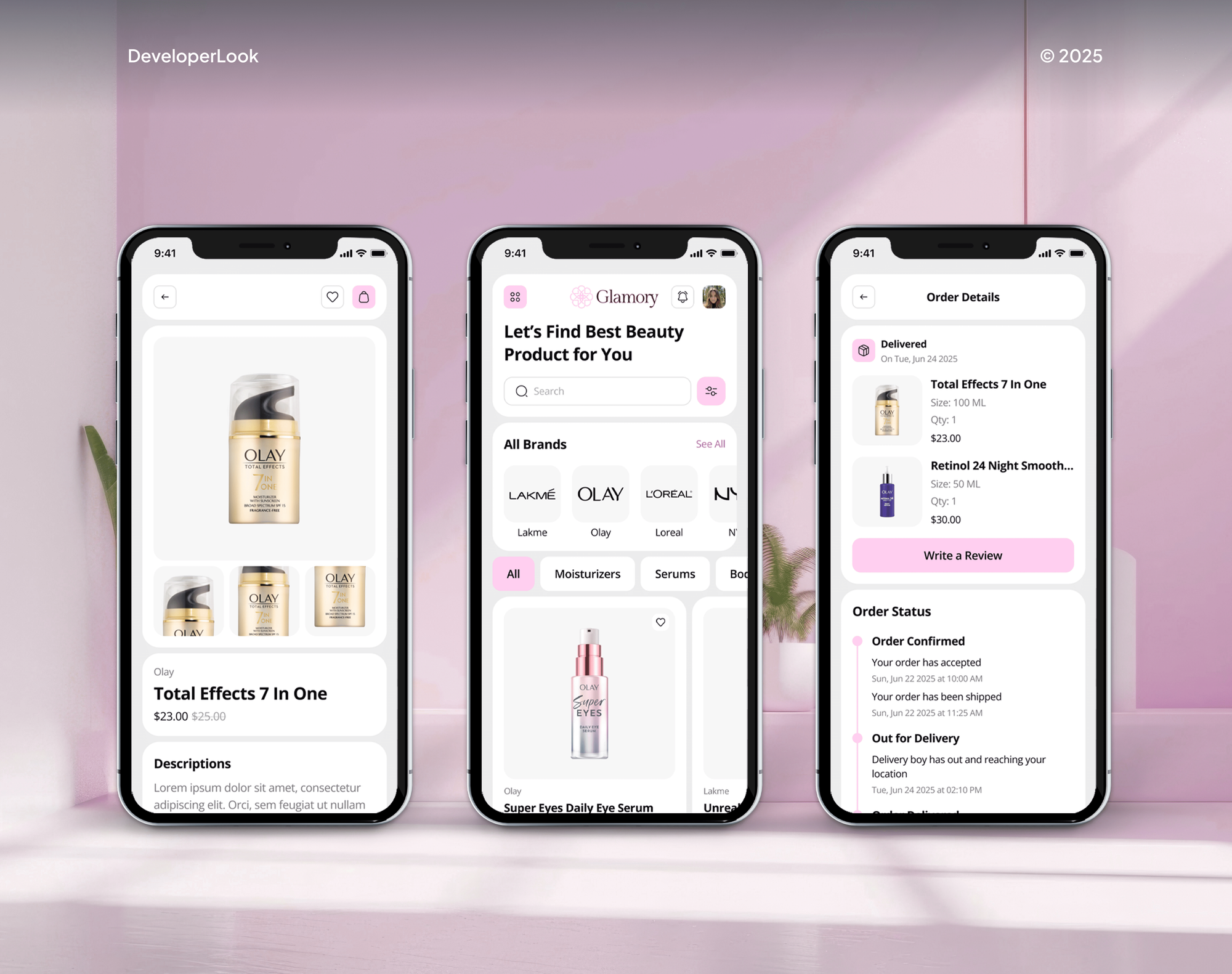
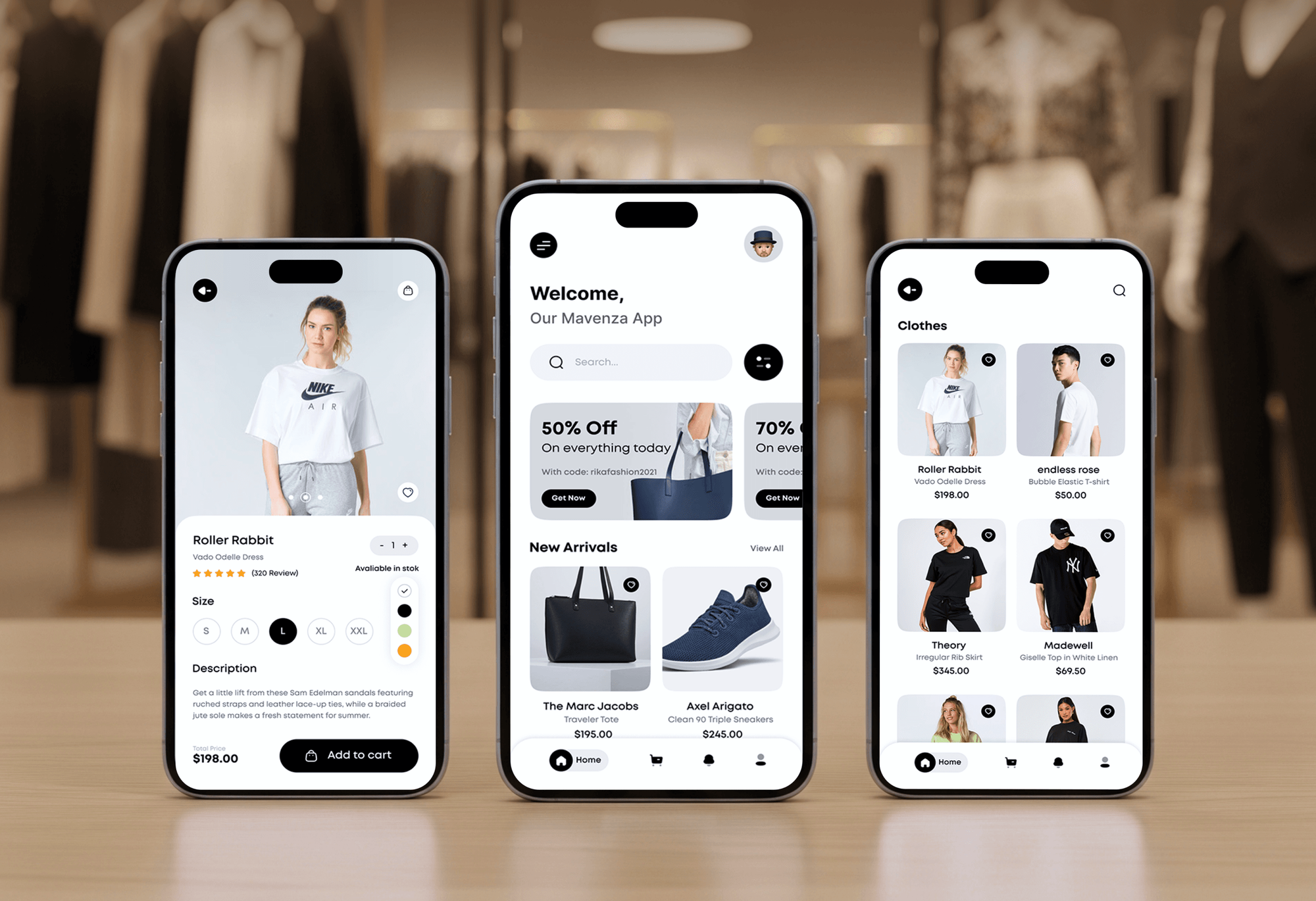
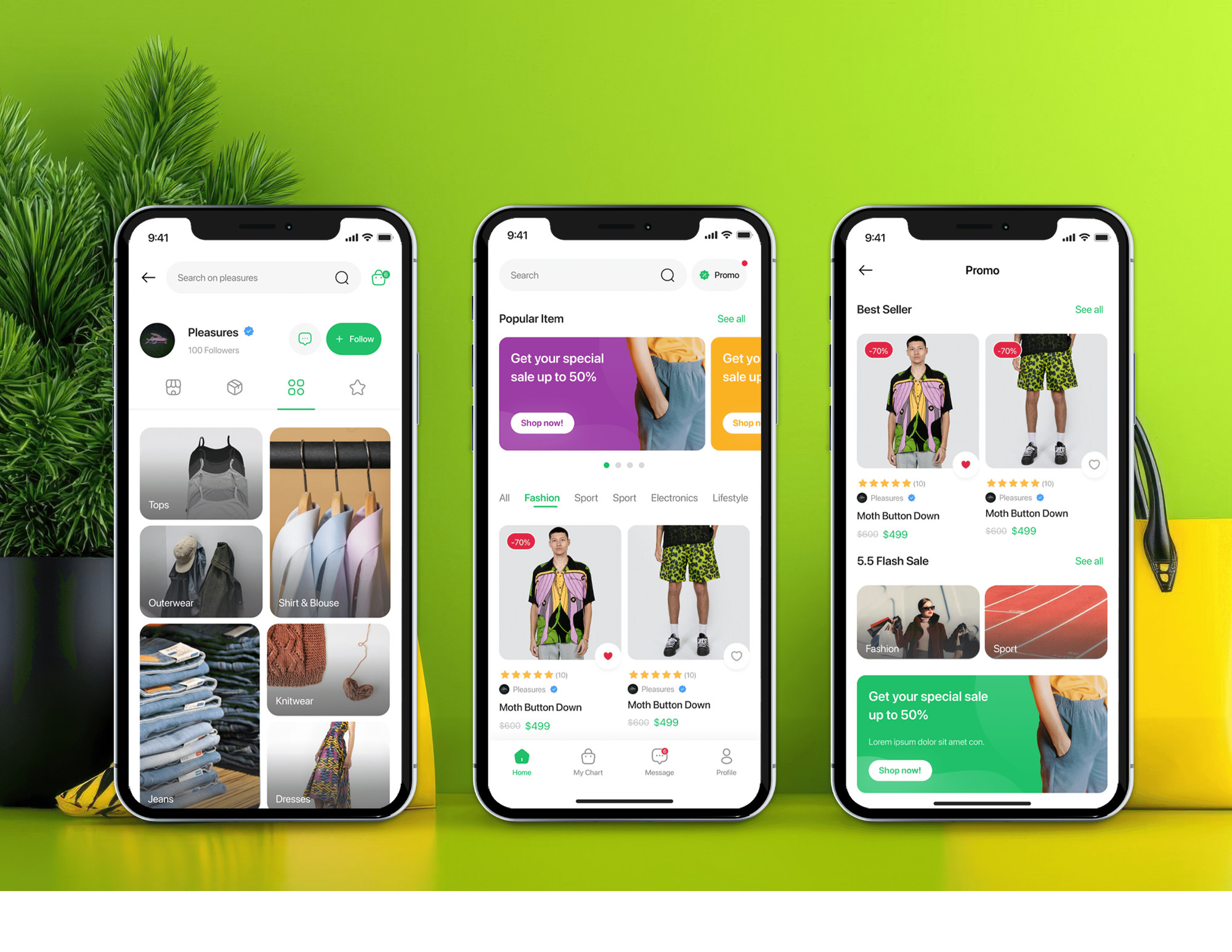
Fashion and beauty stores with admin dashboards our team designed and built. Attribution tools read their orders from storefronts like these.

What Our Clients Say
Feedback from teams we have built online stores and store features for.
We had a pretty specific idea of what we wanted our website to become, but I wasn’t sure how easily we could explain all of it to a development team. There were quite a few moving parts, and we were working toward a deadline, so I expected a few things to get lost along the way. That never really happened. They understood what we were trying to achieve, kept us updated throughout the process, and got everything ready within the agreed timeline. The final site feels much easier to navigate, works beautifully on mobile, and is noticeably smoother for our customers. It was a huge relief seeing the original idea actually turn into the website we had in mind.
The mobile experience is probably my favourite part of the new site. We had spent a lot of time making sure the desktop version looked right, and the team kept pushing us to think about how everything would actually feel on a phone too. They were right. The navigation is clean, the interactions feel natural, and everything we’ve tested so far works exactly as it should. They also went through the links, forms, integrations, and other details more than once before launch, which I really appreciated. And even after going live, we could still reach out when something came up. The whole process felt friendly, organised, and surprisingly straightforward.
What I appreciate most is that the website is actually easy for us to manage now. We can update content ourselves instead of sending a developer a message every time we need to change something small. They also paid attention to the technical SEO side, which mattered to us because we didn’t want a new website to create problems for the traffic we already had. I’ve probably asked more questions than I should have since launch, but every question has been handled patiently and without any fuss. The team is easy to work with, they explain things clearly, and when we need something changed, they focus on getting it done rather than making the process complicated.
1,250+
Projects shipped
10+
Years of experience
Top 3%
Upwork Top Rated Plus
5 stars
Average review score

Want results like these?
Tell us what you are building. You get a reply within 24 hours on business days, then a written estimate.
Work Culture
Attribution tools only help when the setup underneath is clean. These habits keep your numbers honest and every account in your own name.
If one ad channel and GA4 already answer your questions, we'll tell you before you sign a 12-month subscription. Attribution tools earn their fee when spend crosses several channels.
Every attribution model credits sales differently, and none of them is the whole truth. We show your team what each model means for the budget calls you make.
Pixels need time to learn, and they don't credit sales from before they went live. We set that expectation on day one, so nobody cuts a channel on week-one data.
The subscription, pixel, and ad connections belong to your business. We work through invited access and remove it when you ask.
You get a one-page UTM guide and a short dashboard walkthrough. New campaigns get tagged the right way long after our work ends.
Pixel coverage, missing UTMs, and order mismatches get reported plainly. A dashboard that looks exact but isn't leads to worse budget calls than having none.
Overview
DeveloperLook handles Triple Whale Shopify setup, and Northbeam setup, for brands running ads on several channels. We install the pixel, add UTMs to every ad account, enter your costs, and check the data against Shopify orders. Setup starts at $700 and takes 1 to 3 weeks, and every account stays in your name.
DEVELOPERLOOK
Project facts · Triple Whale and Northbeam Setup
Reviewed 7 Oct 2026 by Saimul Islam
Good fit
Shopify brands spending on Meta and Google
Your Meta and Google dashboards both claim the same sales, and together they report more revenue than Shopify shows.
Brands choosing an attribution tool
You're weighing northbeam vs triple whale, or looking at Triple Whale alternatives, and want a straight answer before signing a yearly plan.
Brands with a half-finished Triple Whale
You signed up months ago, but UTMs are missing on half your ads and the pixel's numbers still don't match Shopify.
Headless or custom storefront brands
Your storefront is headless or uses outside landing pages, so the one-click pixel install doesn't reach every page or event.
Agencies running paid media
Your agency manages ads for Shopify brands and needs attribution set up under your name before you report results to clients.
Not a fit
One ad channel only
You run ads on one channel with a modest budget. GA4 will tell you enough, and our GA4 Setup and Audit Services page covers that setup.
Server events, no new tool
You want better Meta, Google, and TikTok tracking without paying for an attribution tool. Our Server-Side Tracking Setup service handles that instead.
Budget under $700
Your budget is under $700. Triple Whale's free Founders Dash and its install guides will get a basic Shopify dashboard running on your own.
Want an official partner
You want one of the official Triple Whale partners for partner perks or escalated support. We aren't in that program, so start with Triple Whale's agency directory.
Not sure we're the right fit?
Book a free call or message us. We'll tell you honestly whether we're the right team.
Pricing
These are starting points in USD. Your final price depends on your ad platforms, your storefront setup, and the tool you choose, and you get a fixed proposal after a free tracking review.
For Shopify brands starting one attribution tool with 2 or 3 ad channels.
$700one-time, USD
For brands across 4 or more channels who want enriched data and a trained team.
$1,650one-time, USD
For headless or custom storefronts, or brands testing both tools side by side.
$3,300one-time, USD
For Agencies
You own the client relationship. We supply the tracking work behind your reports for Triple Whale or Northbeam: pixel installs, UTM templates, cost setup, and data checks. It's delivered under your brand at a fixed price.
White label: your client only ever sees your brand
Send the client's store, ad channels, and current tracking setup.
You get the tracking gaps and a fixed price you can resell.
Pixel, UTMs, and costs live, checked against orders before handover.
Setup notes and data checks go out under your agency's name.
Attribution checked against orders before you present results to clients.
A price set by ad channels, storefront setup, and tool choice.
Capacity when several new clients start in the same month.
The Right Technology for Your Project
We work inside Triple Whale or Northbeam and your store's own event stream, so every setting stays visible in accounts you own.
 Shopify
 Google Tag Manager
 JavaScript
 Meta
 TikTok
 Google Analytics (GA4)
 Google Sheets
FAQ
Straight answers on what Triple Whale and Northbeam do, what they cost, whether they're worth it, and how attribution works.
Saimul IslamFounder & CEO, DeveloperLookStill have questions?
Send a message or book a call with the team.
Setup with DeveloperLook starts at $700 for one tool on a Shopify store. That covers the pixel, UTMs on up to 3 ad platforms, and your costs. Six platforms, Sonar checks, and team training start at $1,650. Headless storefronts or a side-by-side test of both tools start at $3,300. Your Triple Whale or Northbeam subscription is billed separately by the vendor.
Triple Whale has a free plan, Founders Dash, plus paid plans priced by your brand's annual GMV and the package you pick. The paid tiers are Foundation, Automate, and Enterprise, sold as 12-month subscriptions billed monthly or yearly. Your exact figure moves with your revenue band, so check Triple Whale's pricing page.
Our Triple Whale Shopify setup takes 1 to 3 weeks, depending on how many ad accounts need UTMs and whether your storefront is headless. Triple Whale says its pixel then needs a learning phase of about 5 to 7 days. The pixel isn't retroactive, so sales from clicks before setup won't get credited to any channel.
Triple Whale is an ecommerce analytics and attribution platform built first for Shopify brands. It pulls ad spend from platforms such as Meta, Google, and TikTok, tracks visitors with its own first-party pixel, and matches them to store orders. Brands use it to see blended and per-channel results in one dashboard instead of five ad managers.
Triple Whale shows which ads, channels, and emails lead to orders, using its pixel, your UTMs, and more than 60 integrations. Triple Whale integrations include Meta, Google Ads, TikTok, Klaviyo, Recharge, and GA4. It also offers post-purchase surveys, profit views once costs are in, an AI assistant called Moby, and Sonar for sending enriched events back to ad platforms.
Triple Whale is worth it when you spend across several ad channels and need one view of what each returns. With one channel and modest spend, Shopify analytics and GA4 usually answer the same questions for free. Setup matters too: without UTMs on every ad and your costs entered, the dashboard looks exact but misleads.
Northbeam is a marketing analytics platform that combines multi-touch attribution with media mix modeling (MMM+) and incrementality testing. It reads Shopify orders natively and other stores through an orders API, using its pixel and required UTMs. The northbeam vs triple whale choice usually comes down to your spend, your channel mix, and how much modeling you need.
Triple Whale works by matching ad clicks to Shopify orders through its first-party pixel and the tracking parameters on each ad. The pixel builds an anonymous visitor identity and follows it to checkout. Spend arrives through ad integrations, and you pick a model, such as first click, last click, linear, or Triple Attribution, to split the credit.
Ecommerce attribution is crediting store orders to the marketing touchpoints that came before them, such as ads, emails, or searches. Each ad platform reports its own version, so one sale often gets counted twice. An attribution tool, or GA4, compares those touchpoints in one place under one set of rules, which is why the setup underneath matters.
Multi-touch attribution in ecommerce splits credit for an order across every tracked touchpoint before the purchase, not just the first or last click. Linear models share credit evenly, and tools such as Triple Whale and Northbeam add their own models. Since Apple's App Tracking Transparency rules in 2021, first-party pixels help fill gaps that ad platform tracking misses.
Saimul IslamFounder & CEO, DeveloperLookStill have questions?
Send a message or book a call with the team.
Free 30-min callGoogle Meet
Book a call
In 30 minutes on Google Meet we walk you through how we would build it, how long it takes and what it costs. Then you get a written estimate.
Calendar not showing? Book on cal.com or send a brief.