
Plan-a-visit page
Service times, directions, parking, kids check-in, and what a first Sunday feels like, all on one page.

For churches of every size: a site that tells newcomers what Sunday looks like, keeps sermons and giving online, and that volunteers can update, from $1,100.
24/7
Sermons and giving online
1tap
To service times and directions
How your project runs
Teams we have built for:














The Problem
It shows up on a Saturday night, when a family new to town searches for a church. Your site gets a few seconds to answer what time, where, and what to expect.
01 · Service times
Service times hide in the footer or an old banner.
Times, address, and parking sit on a plan-a-visit page linked everywhere.
02 · Stale sermons
The newest sermon online is weeks out of date.
Your volunteers post each week's sermon to a simple archive in minutes.
03 · Kids questions
Parents can't find your kids check-in or safety details.
The plan-a-visit page explains kids check-in, rooms, and who leads them.
04 · Giving page
The give button opens a page that looks unfamiliar.
Your giving platform's form sits on a page styled like the rest of the site.
A young family moves to town and searches for a church on Saturday night. Your homepage still shows last Easter's banner, and the welcome video won't play on a phone. Your service times sit in the footer. There's no word on parking or kids check-in, and the newest sermon online is from last month. The give button opens a page that looks nothing like your church. So they pick the church down the road, which answered their questions on one screen.
We start with the questions a first-time guest asks: when, where, what about the kids, and what to wear. Those answers go on your plan-a-visit page, linked from every screen. Your sermons get an archive by series with the livestream on top, and giving runs through the platform you already use. Your volunteers update it all from simple templates. Your guests arrive knowing where to park, not guessing at the door.
A clear plan-a-visit page
Service times, address, parking, kids check-in, and what to expect, one tap from every page.
Sermons people can find
An archive by series, speaker, and scripture, with this week's livestream at the top.
Giving that feels familiar
Your current giving platform's form, styled and placed so members recognize and trust it.
Our Church Website Design Process
You approve the visitor plan, review designs with your staff and elders, and post a test sermon yourself before the new site goes live.
We look at your current site the way a newcomer would: on a phone, searching for service times and parking. You get honest notes, a page plan, and a fixed quote. If a church template platform already covers your needs, we'll tell you before we quote.
What's Included
Each project covers the newcomer path, sermons, giving, events, accessibility, and volunteer training, so the people who run your church site can keep it current.
Compare Options
A church template platform or a freelancer suits some congregations, especially small ones on a tight budget. Here's how each handles church website development, from sermons to who holds the logins.
| Feature | DeveloperLookBest fit | Church template | Freelancer |
|---|---|---|---|
| Visitor planning | Newcomer questions mapped first | Fixed template sections | Depends on the freelancer |
| Sermon archive | Series, speaker, and scripture filters | Basic media list | Often a plain list |
| Online giving | Your platform, styled to match | The platform's own giving tool | Embedded if you ask |
| Accessibility | WCAG 2.1 AA checks per template | Untested, theme dependent | Rarely tested |
| Volunteer editing | Templates plus recorded training | Easy, built for churches | Varies by build |
| Upfront cost | From $1,100, fixed scope | Low monthly subscription | Often a lower hourly rate |
| Speed to launch | 2 to 9 weeks | Days with content ready | Depends on their availability |
| Ownership | Your accounts and domain | Tied to the platform | Sometimes on their hosting |
Projects We've Built
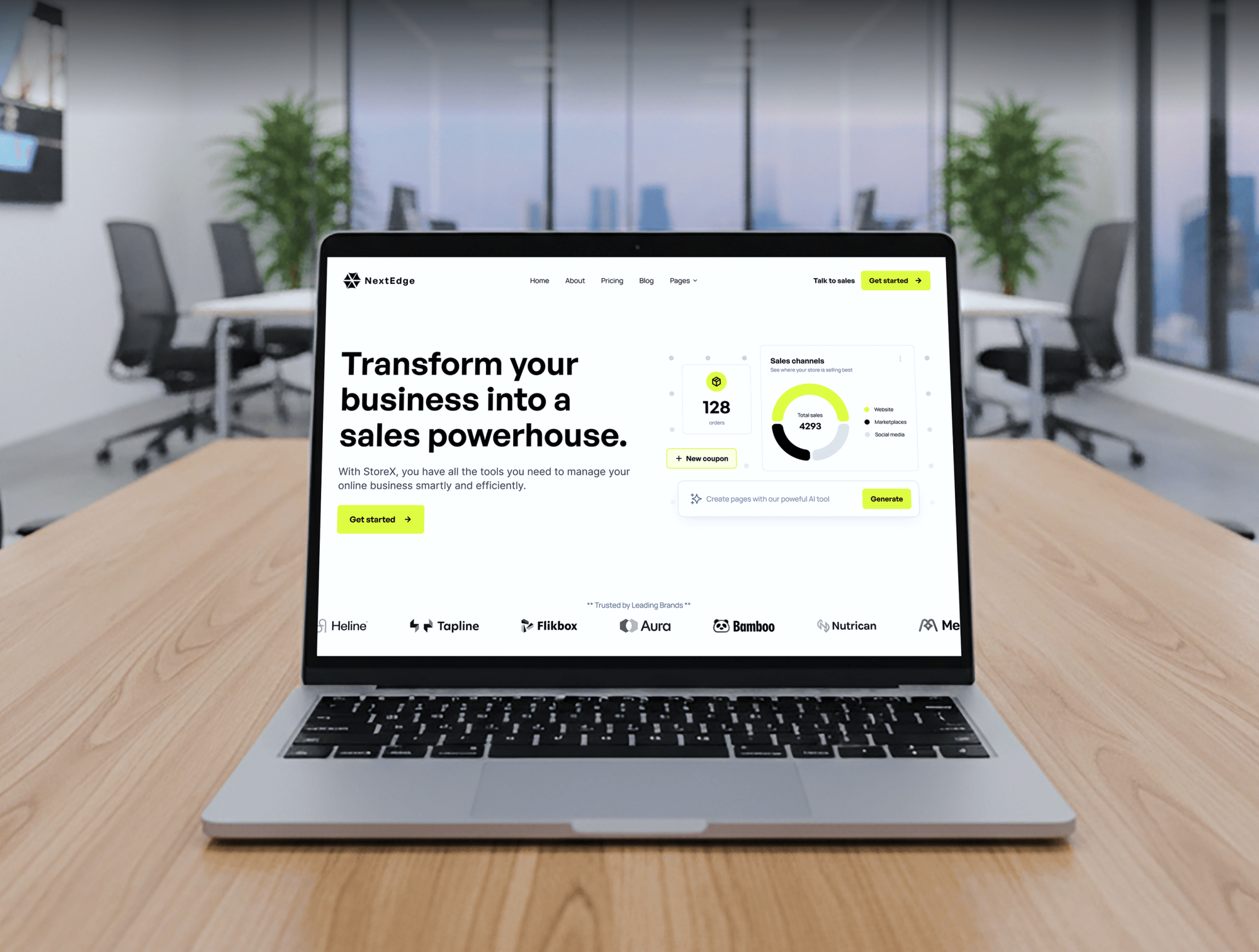
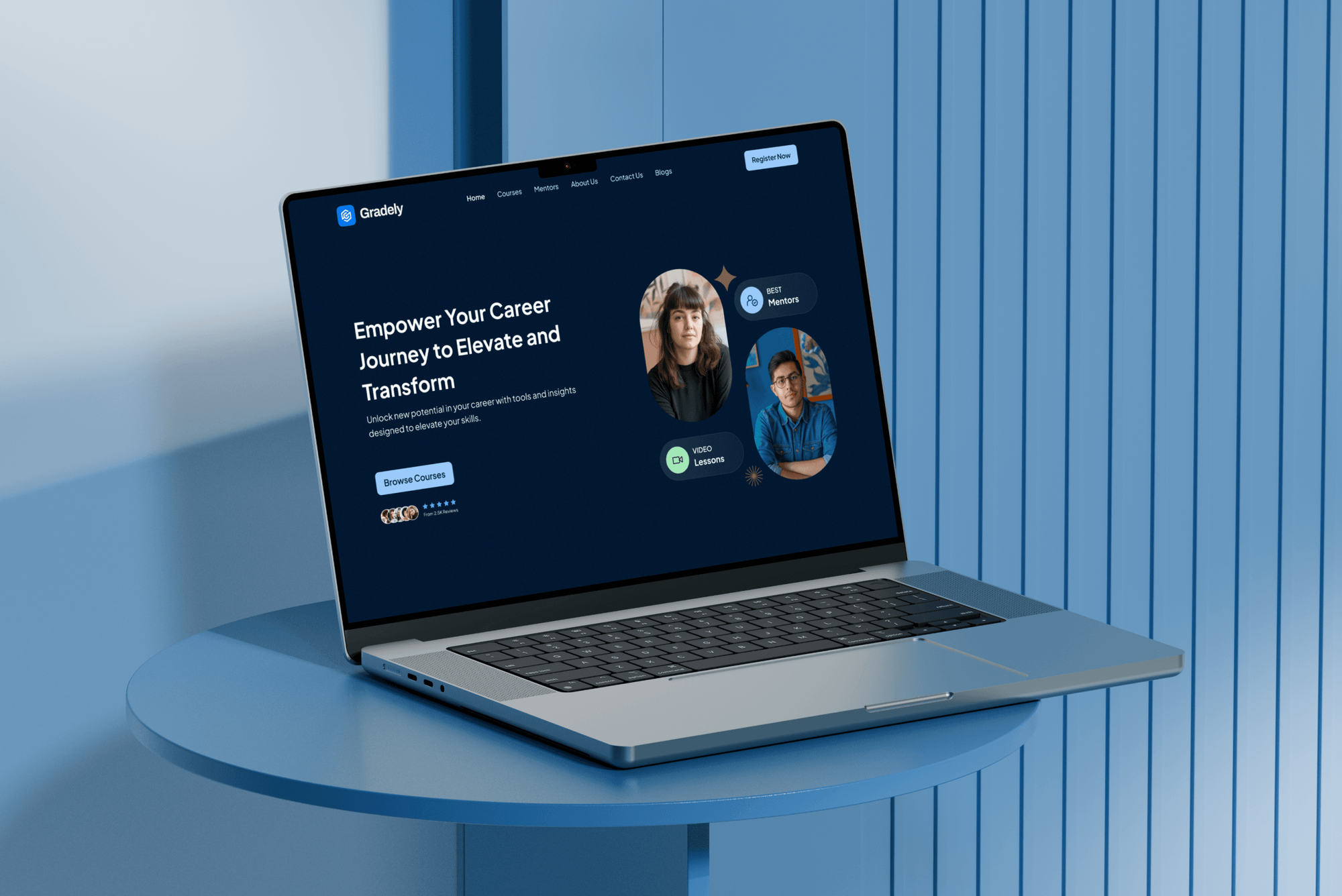
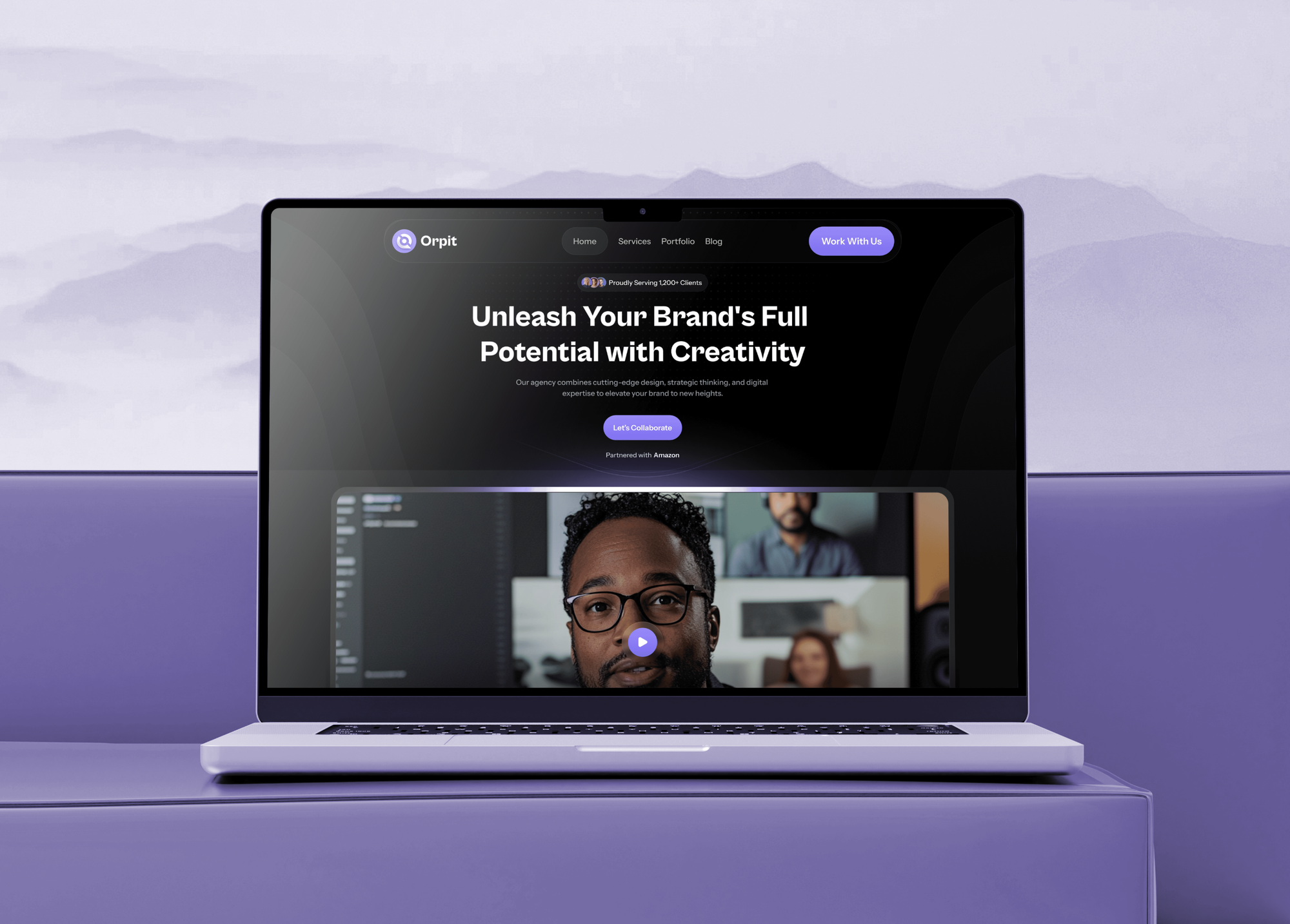
A news archive, an education site, and business websites built by our team. Each one organizes a large content library around simple next steps. None of them is church work.

What Our Clients Say
Feedback from teams we have designed and built websites for.
We had a pretty specific idea of what we wanted our website to become, but I wasn’t sure how easily we could explain all of it to a development team. There were quite a few moving parts, and we were working toward a deadline, so I expected a few things to get lost along the way. That never really happened. They understood what we were trying to achieve, kept us updated throughout the process, and got everything ready within the agreed timeline. The final site feels much easier to navigate, works beautifully on mobile, and is noticeably smoother for our customers. It was a huge relief seeing the original idea actually turn into the website we had in mind.
The mobile experience is probably my favourite part of the new site. We had spent a lot of time making sure the desktop version looked right, and the team kept pushing us to think about how everything would actually feel on a phone too. They were right. The navigation is clean, the interactions feel natural, and everything we’ve tested so far works exactly as it should. They also went through the links, forms, integrations, and other details more than once before launch, which I really appreciated. And even after going live, we could still reach out when something came up. The whole process felt friendly, organised, and surprisingly straightforward.
What I appreciate most is that the website is actually easy for us to manage now. We can update content ourselves instead of sending a developer a message every time we need to change something small. They also paid attention to the technical SEO side, which mattered to us because we didn’t want a new website to create problems for the traffic we already had. I’ve probably asked more questions than I should have since launch, but every question has been handled patiently and without any fuss. The team is easy to work with, they explain things clearly, and when we need something changed, they focus on getting it done rather than making the process complicated.
1,250+
Projects shipped
10+
Years of experience
Top 3%
Upwork Top Rated Plus
5 stars
Average review score

Want results like these?
Tell us what you are building. You get a reply within 24 hours on business days, then a written estimate.
Work Culture
Your church website is run by busy staff and volunteers, often late on a Saturday. These habits keep our website design for churches simple to update and honest about cost.
If a church template platform covers what you need, we'll say so before quoting. Many small congregations don't need a custom build, and we won't sell one.
Posting a sermon or an event takes a few fields, not a design lesson. Your volunteers rotate, so we keep each task simple enough to teach in minutes.
Kids check-in, room locations, and the safety policies your church supplies get their own clear section. Parents often decide about a first visit based on those details.
Card details stay with your giving platform, not on your website. We embed its form and test a gift before launch, so members can give with confidence.
We check every page on a phone, the way a guest checks on the drive over. Service times and directions need to work with one thumb.
The domain, hosting, and giving accounts stay in your church's name. We hand over every login at launch, so a staff change doesn't lock you out.
Overview
DeveloperLook offers church website design for congregations that want newcomers to visit and members to stay connected. We build plan-a-visit pages, sermon archives with livestream, giving pages on your current platform, and event pages volunteers can update. Projects start at $1,100, take 2 to 9 weeks, and every account stays in your church's name.
DEVELOPERLOOK
Project facts · Church Website Design
Reviewed 8 Oct 2026 by Saimul Islam
Good fit
Small churches with volunteer staff
Your church secretary updates the site between bulletins, and the homepage still shows a banner for an event that ended months ago.
Church plants launching a first site
You're planting a church and need a first site with service times, a launch Sunday page, and online giving before your first service.
Growing churches with many ministries
Your church website designs have grown page by page, and visitors now get lost between ministries, small groups, and events.
Churches on WordPress or Squarespace
Your current WordPress or Squarespace site can't sort sermons by series, and the giving page looks nothing like the rest of your site.
Agencies with church clients
Your agency needs a church website designer who can deliver sermon archives, giving pages, and volunteer training under your brand.
Not a fit
Charity, not a church
You run a charity or community nonprofit rather than a congregation. Our Nonprofit Website Design page covers donor journeys, impact pages, and volunteer sign-ups.
Budget under $1,100
Your budget is under $1,100. A church template platform with built-in sermons and giving, set up by a volunteer, is the sensible place to start.
Only a visual refresh
Your site's content and structure work, and you only want a fresher look on the current pages. Our Website Redesign Services page fits that better.
One event page only
You only need a page for an Easter service, a conference, or a building campaign. Our Landing Page Design service builds one focused page faster.
Not sure we're the right fit?
Book a free call or message us. We'll tell you honestly whether we're the right team.
Pricing
These are starting points in USD. Your final price depends on page count, sermon library size, and campuses or languages, and you get a fixed proposal after a free church site review.
For small churches and church plants that need newcomers, sermons, and giving covered well.
$1,100one-time, USD
For churches with several ministries, a weekly sermon series, and regular events.
$2,600one-time, USD
For larger churches with more than one campus, more than one language, or a big archive.
$5,200one-time, USD
For Agencies
You own the client relationship. We supply the church design and build behind it: visitor paths, sermon archives, giving pages, and volunteer training. Your agency's name goes on every deliverable, while the church keeps its own accounts.
White label: your client only ever sees your brand
Share the church's ministries, service times, branding, and current giving setup.
You get a visitor path, a sitemap, and a fixed price to resell.
Pages built, sermons set up, and volunteers trained under your agency's name.
Plans, preview links, and training videos carry your branding, not ours.
Sermon series, ministries, and plan-a-visit pages structured the way congregations use them.
One clear price per church site that you can mark up.
Extra hands when several church clients want new sites before Easter or Christmas.
The Right Technology for Your Project
We use platforms volunteers can run each week, and embed the streaming and giving tools your church already pays for.
 Figma
 Canva
 WordPress
 PHP
 CSS3
 Google Analytics
 Google Search Console
 Lighthouse
 PageSpeed Insights
FAQ
Straight answers on church website costs, what to include, design choices, online giving, and livestreams.
Saimul IslamFounder & CEO, DeveloperLookStill have questions?
Send a message or book a call with the team.
A church site with DeveloperLook starts at $1,100 for up to 7 pages, including a plan-a-visit page, giving, and your livestream. Sites with a sermon archive, an events calendar, and a podcast feed start at $2,600. Multi-campus or bilingual builds with content migration start at $5,200. Your giving platform and hosting bill you separately.
Most welcome sites launch in 2 to 4 weeks, and larger builds take 5 to 9 weeks. Moving a big sermon library adds time, so we often launch with recent series first and add older ones afterward. Tell us your target Sunday, and we'll plan the schedule backward from it.
A church website is your congregation's front door online, where newcomers check service times and beliefs and members catch up on sermons, events, and giving. It also answers practical questions, such as parking and kids check-in, before someone walks in. For many guests, it's the first impression of your church.
A church website needs service times, directions with parking, a plan-a-visit page, beliefs, ministries, recent sermons, events, and giving. Add your staff names and photos so guests know who they'll meet. Leave out what nobody will update, such as a blog or prayer wall that goes stale.
Start with the questions your first-time guests ask, then plan pages that answer them in order. Design the homepage, plan-a-visit page, and sermon page first, test them on a phone, and choose a platform your volunteers can run. We follow those steps on every church project and review each one with your staff before launch.
An effective church website gets a guest from search to Sunday in as few taps as possible. Good church web page design puts service times and directions in the header, uses real photos of your people instead of stock images, and avoids church jargon. Track it with plan-a-visit form submissions and directions clicks in GA4.
A vibrant church website shows real life in your congregation: current photos, short clips from recent services, and events that are actually coming up. Bold color and type help, but they matter less than freshness. A page full of last year's events looks quiet, however bright the design is.
Look for a company that asks about newcomers and volunteers before it shows you templates. Check that it has built content archives, can embed your current giving platform, tests accessibility, and hands over every login. Ask who updates the site after launch. If the answer is only them, keep looking.
Yes. We embed the giving form from the platform your church already uses, so card details stay with that provider, and we test a gift before launch. Livestreams usually come from YouTube or Vimeo and sit at the top of the sermon page. Past services then move into the archive by series.
Your church does, from the domain to the analytics. Every account is opened in the church's name rather than ours, and the logins pass to your staff on launch day. Your plan includes 30 to 90 days of support for fixes and questions, and volunteers can book extra help any time after that.
Saimul IslamFounder & CEO, DeveloperLookStill have questions?
Send a message or book a call with the team.
Free 30-min callGoogle Meet
Book a call
In 30 minutes on Google Meet we walk you through how we would build it, how long it takes and what it costs. Then you get a written estimate.
Calendar not showing? Book on cal.com or send a brief.