
Framework decision memo
React Native, Flutter, or Kotlin Multiplatform scored against your features, team skills, and long-term upkeep, in writing.

For founders and product teams who want one app on iPhone and Android without funding two codebases or watching two apps drift apart. From $1,050.
2
App stores, one shared codebase
100%
Feature parity on iOS and Android
Teams we have built for:














The Problem
Cross-platform projects go wrong in two ways: the framework gets picked from a blog post, or two native apps drift so far apart that every feature costs double.
01 · Double work
Every feature is estimated, built, and tested twice.
One shared codebase means one estimate, one build, and one test plan.
02 · Drift
The Android app lags months behind the iPhone app.
A feature parity checklist sends every feature to both stores together.
03 · Hunch picks
The framework was chosen from a blog post, not your features.
A written decision scores each framework against your features and your team.
04 · Late gaps
A missing native feature shows up halfway through the build.
We prototype the riskiest native feature on both phones before the build starts.
Your iPhone app got the new checkout in March. The Android app still doesn't have it, because a different contractor builds it on a different schedule, with its own bugs. Support tickets mention features half your users can't find. Every change is estimated twice and tested twice. Or you're just starting, and one adviser says Flutter while another swears by React Native. Pick on a hunch and the gaps show up late: a missing native feature, or a team that can't read the code.
We start with a written stack decision: your features, your team's skills, and the native capabilities you need, scored against React Native, Flutter, and Kotlin Multiplatform. Then we build one codebase with shared logic and screens that follow each platform's conventions. If you already have two apps, we merge them under the same store listings, so users get an update, not a new download.
Framework chosen in writing
React Native, Flutter, or Kotlin Multiplatform, scored against your features and the team that will maintain it.
Same listings after a merge
Two native apps become one codebase under your existing bundle ID and package name.
Each platform's conventions kept
Navigation, back gestures, and permission prompts behave the way iPhone and Android users expect.
Our Cross-Platform App Development Process
Our cross platform app development services follow five steps. You approve the framework, the parity checklist, and every test build on your own iPhone and Android phone.
On a free call, we go through your feature list, any existing apps, and who will maintain the code. You get a list of native features to check and a fixed quote for the stack decision sprint.
What's Included
A written framework decision, shared logic, platform-correct screens, native features, a parity checklist, and both store releases, in your own repository and accounts.
Compare Options
Two native apps give the deepest platform access, and a no-code builder is the quickest way to test a simple idea. A shared codebase gives you native screens on both stores with one team.
| Feature | DeveloperLookBest fit | Two native apps | No-code builder |
|---|---|---|---|
| Codebases to maintain | One shared codebase | Two, in Swift and Kotlin | One, inside the builder |
| Feature parity | Tracked per feature | Drifts without strict process | Same, within builder limits |
| Native platform access | Most APIs, plus custom modules | Full and immediate | Only what plugins offer |
| Time to first release | 8 to 14 weeks | Longer: two builds | Fastest for simple apps |
| Platform conventions | Adjusted per platform | Native by default | Template-driven |
| Testing effort | One suite, both devices | Two separate suites | Builder preview plus devices |
| Upfront cost | From $1,050 | Highest: two builds | Lowest, plus monthly fees |
| Code ownership | Your repo and accounts | Your repos | Depends on the builder's export |
Projects We've Built
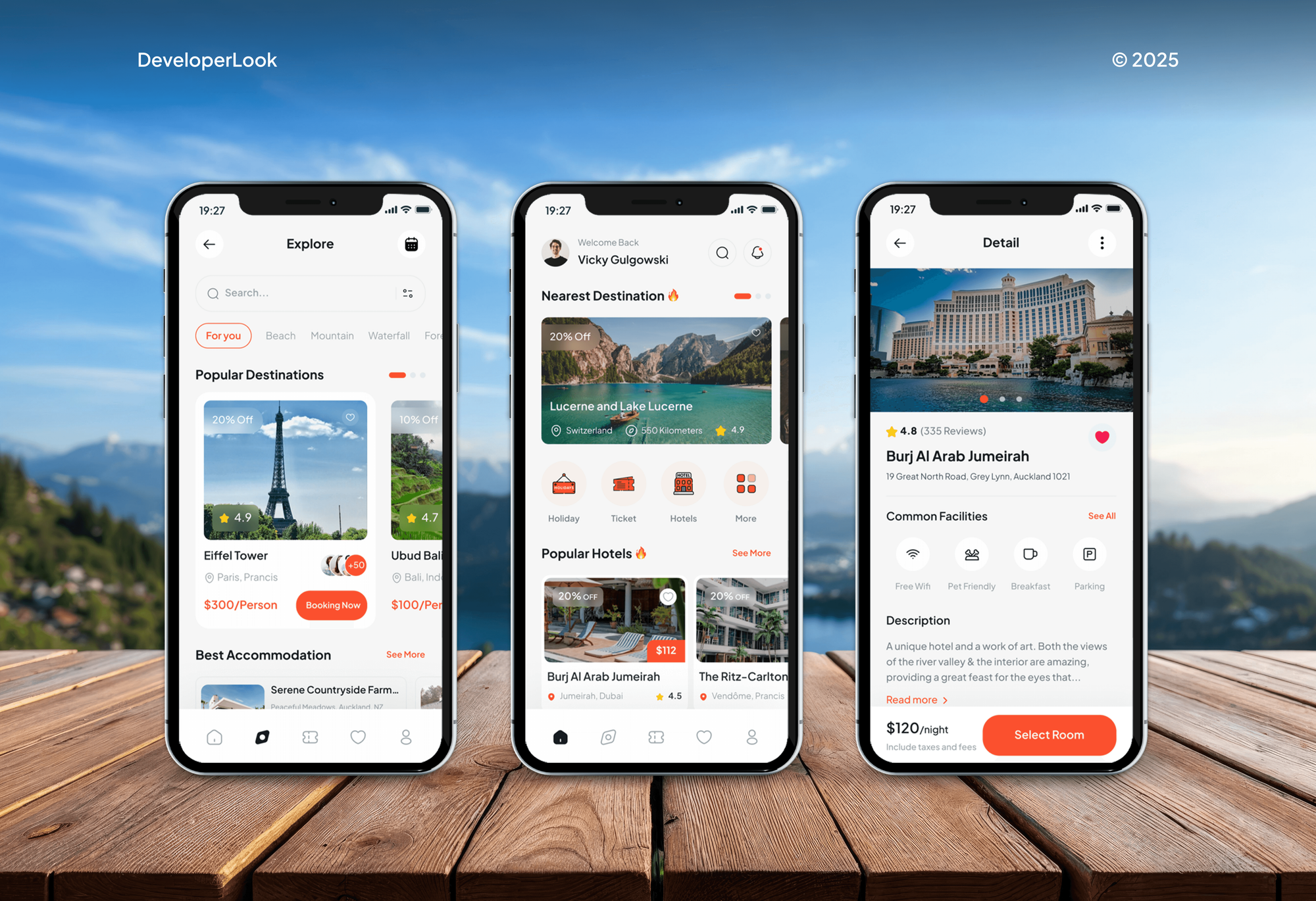
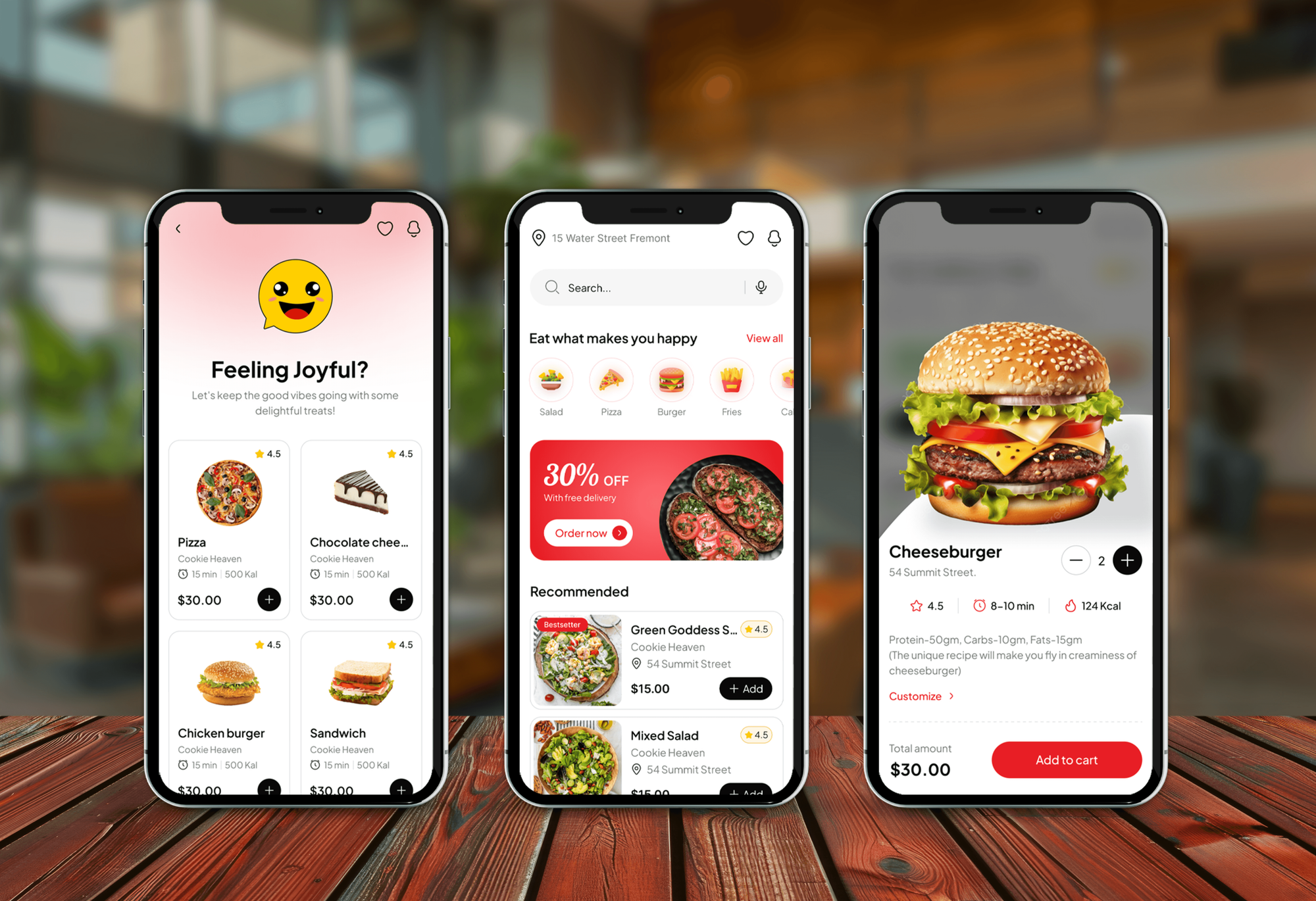
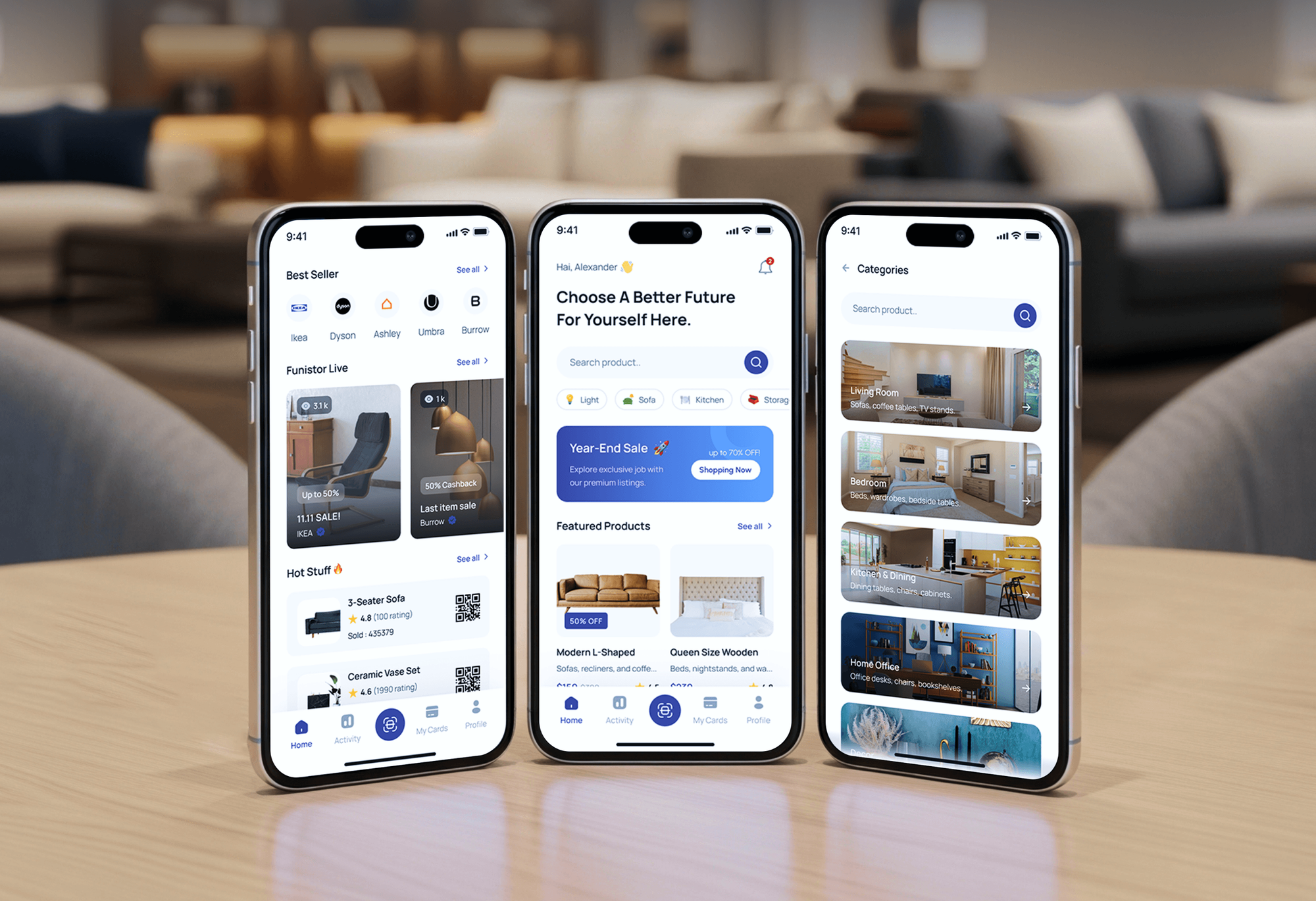
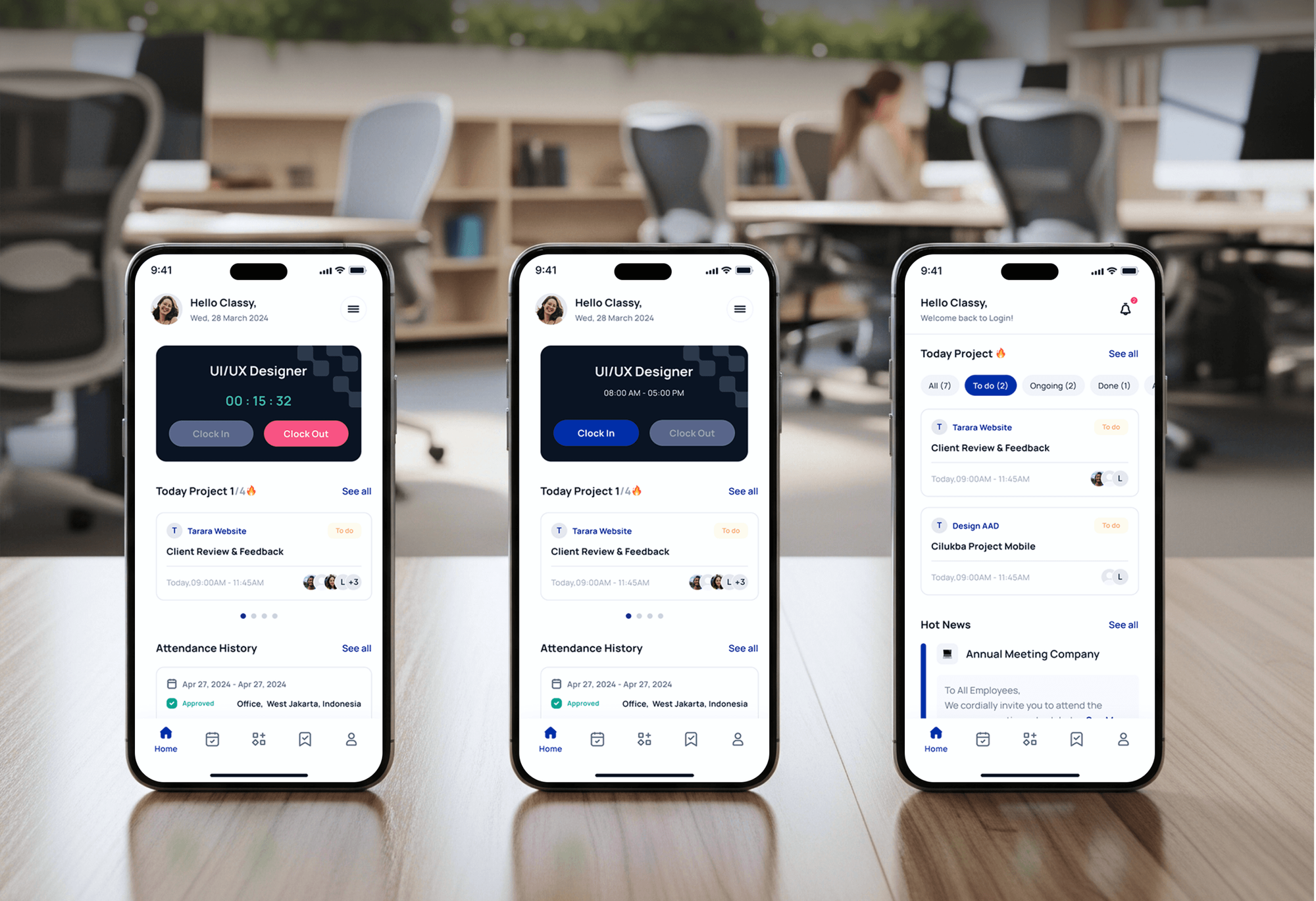
Travel, food delivery, furniture ecommerce, and staffing apps with their admin dashboards, shown for their flows and screens, not as proof of one framework.
What Our Clients Say
Feedback from teams we have built mobile and web products for.
We had a pretty specific idea of what we wanted our website to become, but I wasn’t sure how easily we could explain all of it to a development team. There were quite a few moving parts, and we were working toward a deadline, so I expected a few things to get lost along the way. That never really happened. They understood what we were trying to achieve, kept us updated throughout the process, and got everything ready within the agreed timeline. The final site feels much easier to navigate, works beautifully on mobile, and is noticeably smoother for our customers. It was a huge relief seeing the original idea actually turn into the website we had in mind.
The mobile experience is probably my favourite part of the new site. We had spent a lot of time making sure the desktop version looked right, and the team kept pushing us to think about how everything would actually feel on a phone too. They were right. The navigation is clean, the interactions feel natural, and everything we’ve tested so far works exactly as it should. They also went through the links, forms, integrations, and other details more than once before launch, which I really appreciated. And even after going live, we could still reach out when something came up. The whole process felt friendly, organised, and surprisingly straightforward.
What I appreciate most is that the website is actually easy for us to manage now. We can update content ourselves instead of sending a developer a message every time we need to change something small. They also paid attention to the technical SEO side, which mattered to us because we didn’t want a new website to create problems for the traffic we already had. I’ve probably asked more questions than I should have since launch, but every question has been handled patiently and without any fuss. The team is easy to work with, they explain things clearly, and when we need something changed, they focus on getting it done rather than making the process complicated.
1,250+
Projects shipped
10+
Years of experience
Top 3%
Upwork Top Rated Plus
5 stars
Average review score

Want results like these?
Tell us what you are building. You get a reply within 24 hours on business days, then a written estimate.
Work Culture
Cross-platform apps stay healthy when the framework fits the team and both platforms get equal attention. These habits keep your app that way.
We recommend React Native, Flutter, or Kotlin Multiplatform based on your features and the people who'll maintain the code. The choice and its trade-offs go into a memo you keep.
Every feature has a row on the parity checklist with its iPhone and Android status. You see gaps in the sprint review, not in a one-star review.
Each sprint's build is tested on iPhones and Android phones, including slower ones. Shared code still behaves differently on each platform, and older hardware shows it first.
When we merge two native apps, we keep your bundle ID, package name, and signing keys. Your users get a normal update, and your ratings stay with the app.
Store accounts, signing keys, and the repository are set up in your name from day one. An in-house team can take over later without moving anything.
Some apps need a native build: heavy 3D graphics, deep hardware work, or Apple-only features with no Android plans. If yours is one, we'll say so on the first call.
Overview
DeveloperLook provides cross platform app development services that start with a written framework decision: React Native, Flutter, or Kotlin Multiplatform. We build shared logic, platform-correct screens, native features, and both store releases. Projects start at $1,050, most apps launch in 8 to 14 weeks, and the code and store accounts stay yours.
DEVELOPERLOOK
Project facts · Cross-Platform App Development Services
Reviewed 8 Oct 2026 by Saimul Islam
Good fit
Founders launching on both stores
You need your app on iPhone and Android at launch, and your budget covers one development team, not two.
Owners of two drifting native apps
Your iOS and Android apps were built by different teams, and every feature now ships twice, months apart, with different bugs.
Teams stuck on the framework choice
You've read a dozen framework comparisons and still can't tell whether React Native, Flutter, or Kotlin Multiplatform suits your app.
Buyers comparing vendors
You're shortlisting a cross platform mobile app development company and want the framework choice explained in writing before you sign.
Agencies with app requests
Your clients keep asking for apps on both stores, and you need multi platform mobile application development delivered under your agency's brand.
Not a fit
Apple-only features
Your app depends on widgets, HealthKit, or Apple Pay, and Android isn't planned. Our iOS App Development Services page fits better.
Framework already chosen
Your team already picked a framework and only needs builders. Our React Native App Development Services and Flutter App Development Services pages go deeper.
No screens designed yet
You want flows tested with real users before anyone writes code. Our Mobile App Design Services page covers that stage first.
Budget under $1,050
Your budget is under $1,050, or a mobile-friendly website would serve your users. If a website covers it, we'll tell you before we quote.
Not sure we're the right fit?
Book a free call or message us. We'll tell you honestly whether we're the right team.
Pricing
These are starting points in USD. Your final price depends on screens, native features, and whether we merge existing apps, and you get a fixed proposal after a free feature review.
For teams that need the framework settled and the riskiest feature proven before a build. About 2 weeks.
$1,050one-time, USD
For a first release on iPhone and Android from one codebase. About 8 to 14 weeks.
$4,400one-time, USD
For companies replacing separate iOS and Android apps with one codebase under the same listings. About 14 to 20 weeks.
$8,600one-time, USD
For Agencies
You keep the client relationship. We supply the cross-platform engineering in the background: a framework decision you can present, one codebase for both stores, and releases under your client's own developer accounts.
White label: your client only ever sees your brand
Tell us the app idea, target platforms, must-have native features, and your deadline.
You get a framework memo, a parity plan, and a fixed price to resell.
We release to both stores under your client's accounts and hand over the code.
Store listings and signing keys sit under your client's accounts.
Test builds every two weeks that your client installs on both phones.
React Native, Flutter, and Kotlin Multiplatform work from experienced developers.
Hand us a new app, a merge of two apps, or one feature.
The Right Technology for Your Project
React Native, Flutter, or Kotlin Multiplatform for the shared app, native code where a feature needs it, and the backend and release tools both stores rely on.
 React Native
 Flutter
 Dart
 Node.js
 Firebase
 Supabase
 GraphQL
 PostgreSQL
FAQ
Straight answers on cross-platform costs, framework choice, native vs cross-platform trade-offs, and when one codebase makes sense.
Saimul IslamFounder & CEO, DeveloperLookStill have questions?
Send a message or book a call with the team.
Cross-platform projects at DeveloperLook start at $1,050 for a stack decision sprint with a prototype of your riskiest feature. A full app on both stores, up to 15 screens with sign-in and push, starts at $4,400. Merging two existing native apps into one codebase starts at $8,600. Apple's yearly and Google's one-time developer fees are billed to you directly.
Cross-platform app development means building one app from a shared codebase that runs on both iOS and Android. Instead of a Swift app plus a separate Kotlin app, one team writes most of the code once. Each store still gets its own signed build and its own review, and some screens adapt to each platform's conventions.
Cross platform mobile app development is the phone side of cross-platform work: one codebase that compiles into an iPhone app and an Android app. It covers concerns a shared web project doesn't: push notifications, camera and location permissions, offline data, and app store review. Some frameworks also target web or desktop, but that's a separate decision.
No single framework is best: the right one depends on your team and your features. React Native suits teams that already write React and TypeScript. Flutter suits apps with a strong custom look, built in Dart. Kotlin Multiplatform mobile app development suits teams with Android developers who want shared logic and native screens. We score all three against your feature list in writing.
Most agencies recommend the framework their own team knows, which may not be the one your app needs. React Native and Flutter are the two you'll hear most often, and Kotlin Multiplatform is a strong option when Android developers will own the code. Ask any agency, us included, to justify its pick against your features and name who could maintain it after handover.
Pick cross-platform when you need both stores with one team; pick native when your app depends on platform-only features or a single platform. List your must-have features and check each against what the framework supports. Then ask who will maintain the code: a React web team, Android developers, or nobody yet. Our free feature review walks through this with you.
Neither is better for every app: native gives the deepest platform access, while cross-platform gives one codebase for both stores at a lower cost. For booking, ordering, account, and content apps, users rarely notice which approach was used. Native still wins for 3D games, advanced camera or audio work, and apps built around Apple Watch or home screen widgets.
Choose a cross-platform app when you need iPhone and Android users served at the same time without funding two teams. Features ship to both stores together, one test plan covers both, and a fix lands once. Hiring gets simpler too, because one skill set maintains the whole app. If nearly all your users are on one platform, a native app may be simpler.
The main advantages are one shared codebase, features that reach both stores together, and a single team to hire and manage. A bug fixed in shared logic is fixed for everyone. The trade-offs are real. New Apple and Google features reach frameworks after the platforms ship them, some need a native module, and apps can be slightly larger than native builds.
It isn't replacing native everywhere, but more business apps now start cross-platform because one codebase covers both stores. The frameworks matured: React Native renders native components, Flutter draws its own consistent interface, and Kotlin Multiplatform shares logic while keeping native screens. Native is still the right call for graphics-heavy, hardware-heavy, or single-platform apps, and we'll tell you which side yours falls on.
Saimul IslamFounder & CEO, DeveloperLookStill have questions?
Send a message or book a call with the team.
Free 30-min callGoogle Meet
Book a call
In 30 minutes on Google Meet we walk you through how we would build it, how long it takes and what it costs. Then you get a written estimate.
Calendar not showing? Book on cal.com or send a brief.