
Upgrade assessment
Every project's .NET version, NuGet packages, and Windows-only dependencies listed with a migration order.

For companies running ASP.NET apps on .NET Framework or a release near end of support: a tested move to supported .NET, hosted on Windows or Linux. From $1,200.
100%
Apps on a supported .NET release
1
Codebase for Windows and Linux hosting
How your project runs
Teams we have built for:














The Problem
Many internal tools and portals were built on ASP.NET years ago and still work. The risk grows quietly: Windows-only hosting, old libraries, and a support calendar that keeps moving.
01 · Windows lock-in
The app runs only on one Windows server with IIS.
Modern .NET runs in Linux containers, on Azure, or on Windows.
02 · Web Forms
Web Forms screens can't move to modern .NET as they are.
We rebuild those screens in Blazor or Razor Pages, keeping the business logic.
03 · Ending support
The newer API runs on a .NET release near end of support.
We retarget it to .NET 10 LTS, which Microsoft supports until November 2028.
04 · Stale packages
Half the NuGet packages haven't been updated in years.
Each package gets updated, replaced, or removed, with tests around the change.
Your order portal was built on ASP.NET Web Forms and .NET Framework 4.x, and it still works. But it only runs on one Windows server with IIS, so hosting costs stay high and scaling means another license. Half the NuGet packages haven't been updated in years. Your newer API runs on .NET 8, and Microsoft's support for it ends in November 2026. Developers who know Web Forms are getting harder to find, and every change takes longer than the last.
We start with an upgrade assessment of the whole solution: projects, NuGet packages, and Windows-only dependencies. Apps already on modern .NET move to .NET 10 LTS first, because that's quick. Framework apps move to ASP.NET Core one project at a time, and Web Forms screens get rebuilt in Blazor or Razor Pages. Your app ends up on a supported release that runs on Windows or Linux.
Support dates on one page
Every app mapped to its .NET support end date, so upgrades get planned instead of rushed.
Windows or Linux hosting
Modern .NET runs in Linux containers and on Azure, not only on one Windows server.
One project at a time
Class libraries move first and screens last, so the app keeps running during the migration.
Our .NET Development Process
Our .NET application development services follow five steps. You see every project's support date first, approve the migration order, and test each piece on staging.
You share the solution or a copy and tell us which apps matter most. We list each project's .NET version, NuGet packages, and Windows-only pieces. You get a support calendar and a fixed-price proposal.
What's Included
Whether you hire .NET developers for a migration or a new build, the work covers these six deliverables, in a repository and cloud account you own.
Compare Options
Staying on .NET Framework is cheapest this year, and a rewrite in another stack can suit a tiny app. For most teams weighing dot net development services, a planned migration keeps the business logic and drops the Windows lock-in.
| Feature | DeveloperLookBest fit | Stay on Framework | Rewrite elsewhere |
|---|---|---|---|
| Upfront cost | From $1,200, fixed scope | Lowest today | Highest |
| Business logic | Kept and covered by tests | Kept as is | Rewritten from scratch |
| Hosting | Windows, Linux, or Azure | Windows Server and IIS only | Depends on the new stack |
| New features | Current .NET and C# features | No new framework features | Whatever the new stack offers |
| Security updates | Supported .NET release | Patched through Windows | Supported if maintained |
| Risk during change | Migrated in tested slices | None now, more later | High: everything changes |
| Hiring developers | Large modern .NET pool | Shrinking Web Forms pool | Depends on the stack |
| Ownership | Your repository and cloud | Yours | Yours |
Projects We've Built
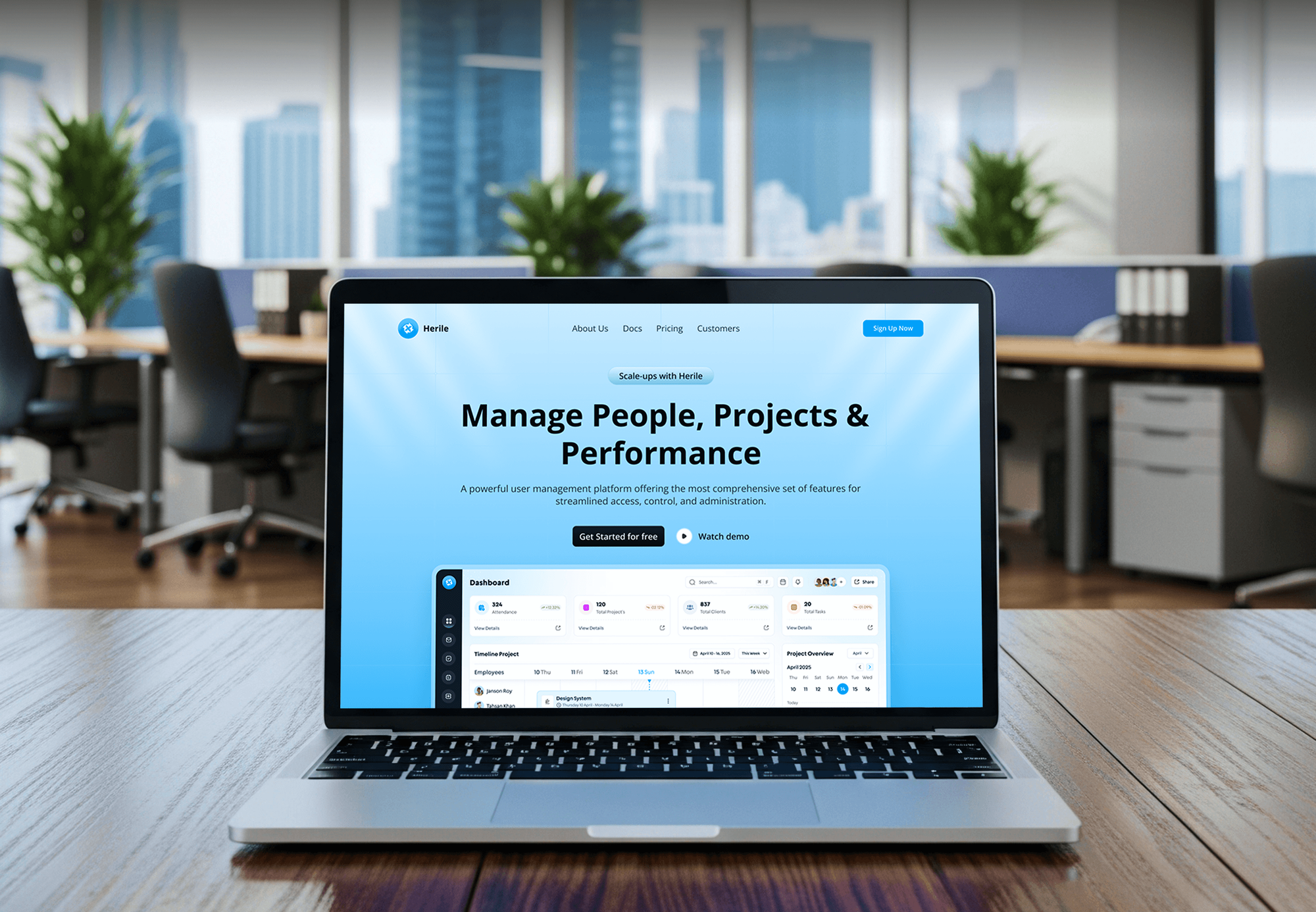
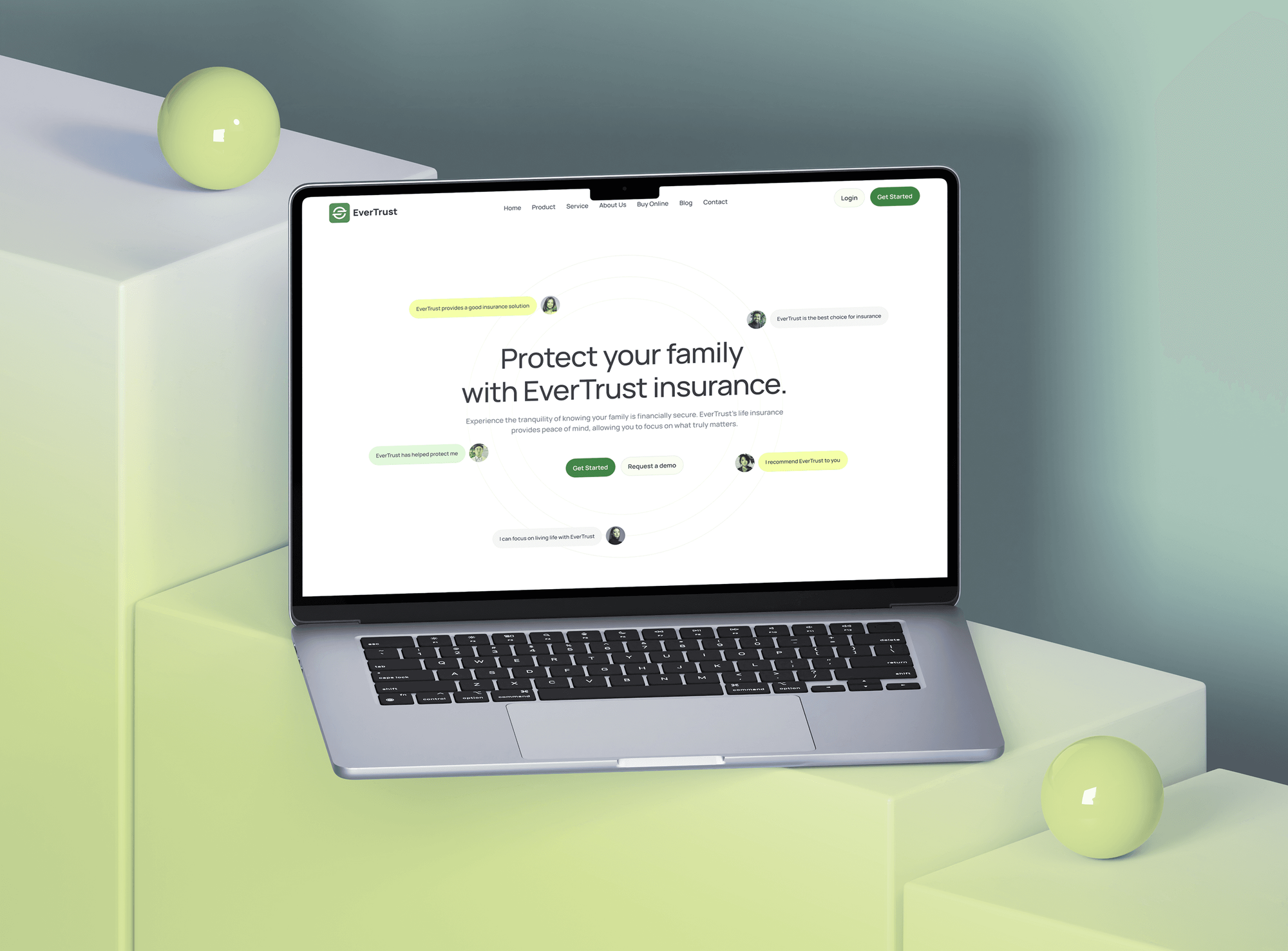
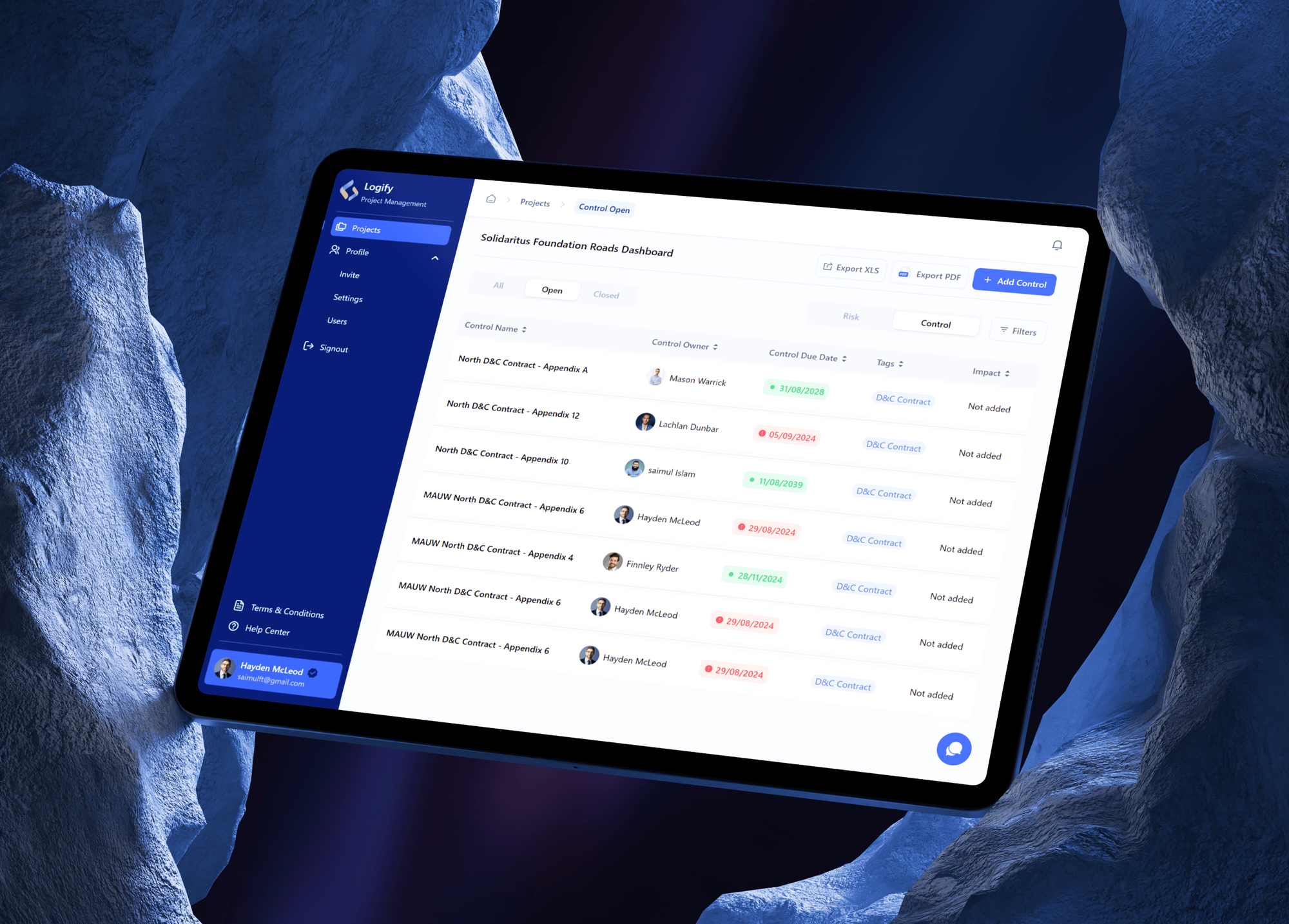
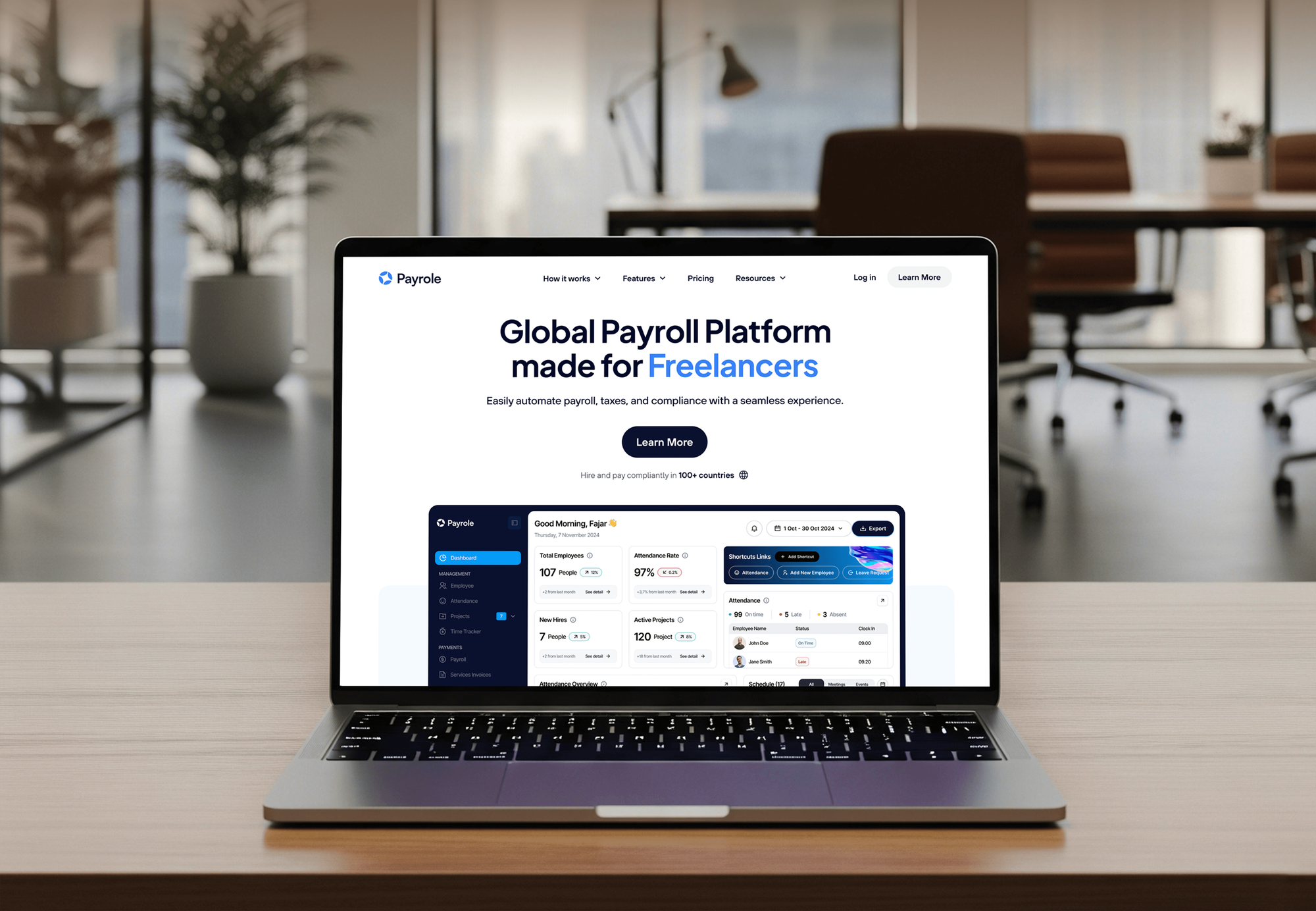
HR, insurance, payroll, and risk-management platforms from our portfolio, chosen for the business rules behind them, not as examples of one framework.
What Our Clients Say
Feedback from teams we have built business apps and portals for.
We had a pretty specific idea of what we wanted our website to become, but I wasn’t sure how easily we could explain all of it to a development team. There were quite a few moving parts, and we were working toward a deadline, so I expected a few things to get lost along the way. That never really happened. They understood what we were trying to achieve, kept us updated throughout the process, and got everything ready within the agreed timeline. The final site feels much easier to navigate, works beautifully on mobile, and is noticeably smoother for our customers. It was a huge relief seeing the original idea actually turn into the website we had in mind.
The mobile experience is probably my favourite part of the new site. We had spent a lot of time making sure the desktop version looked right, and the team kept pushing us to think about how everything would actually feel on a phone too. They were right. The navigation is clean, the interactions feel natural, and everything we’ve tested so far works exactly as it should. They also went through the links, forms, integrations, and other details more than once before launch, which I really appreciated. And even after going live, we could still reach out when something came up. The whole process felt friendly, organised, and surprisingly straightforward.
What I appreciate most is that the website is actually easy for us to manage now. We can update content ourselves instead of sending a developer a message every time we need to change something small. They also paid attention to the technical SEO side, which mattered to us because we didn’t want a new website to create problems for the traffic we already had. I’ve probably asked more questions than I should have since launch, but every question has been handled patiently and without any fuss. The team is easy to work with, they explain things clearly, and when we need something changed, they focus on getting it done rather than making the process complicated.
1,250+
Projects shipped
10+
Years of experience
Top 3%
Upwork Top Rated Plus
5 stars
Average review score

Want results like these?
Tell us what you are building. You get a reply within 24 hours on business days, then a written estimate.
Work Culture
Old .NET apps hold years of business rules and quiet workarounds. These habits move them to modern .NET without losing either one.
We map every app to its .NET support end date and share it with you. Upgrades get budgeted months ahead instead of rushed after a deadline.
During a migration, the old and new apps run on the same test data. You compare screens and totals yourself before any user switches over.
We point out where moving off Windows Server or SQL Server licenses saves money, and where it doesn't. The savings case gets written down, not promised.
Pricing, approvals, and invoice rules get tests before we change any code around them. The migrated app has to pass the same tests as the old one.
Web Forms can't move to modern .NET as it is, so those screens need rebuilding. We tell you that on day one, with a price, not halfway through.
Your source code, Azure subscription, and build pipelines stay under your company's accounts. A future team takes over with a handover, not a hunt for passwords.
Overview
DeveloperLook provides .NET development services for companies running ASP.NET apps on .NET Framework or on a release near end of support. We assess the solution, upgrade apps to .NET 10 LTS, port Framework apps to ASP.NET Core, and build new Blazor or API projects. Prices start at $1,200, upgrades take 1 to 2 weeks, and migrations 6 to 16 weeks.
DEVELOPERLOOK
Project facts · .NET Development Services
Reviewed 8 Oct 2026 by Saimul Islam
Good fit
Companies on .NET Framework and Web Forms
Your core app runs on .NET Framework with Web Forms screens, and only one Windows server in the building can host it.
Teams on an ending .NET release
Your API or app runs on .NET 8 or 9, and you need it on .NET 10 LTS before Microsoft's support ends.
Businesses comparing .NET partners
You're comparing a .NET development company with a freelancer for a migration and want a written assessment before anyone touches code.
Microsoft shops needing a new app
You need a custom .NET development company to build a new ASP.NET Core app that signs users in with Microsoft Entra ID.
Agencies with ASP.NET clients
Your agency has a client on ASP.NET and needs an ASP.NET development company to do the work under your brand.
Not a fit
SharePoint customization
Your project is SharePoint pages, web parts, or lists rather than an ASP.NET app. Our SharePoint Development Services page covers that work.
Simple internal form app
You need a simple approval or form app that Power Apps can handle. Our Power Apps Developer for Business Apps page is cheaper for that.
Budget under $1,200
Your budget is under $1,200, or your app is small enough to stay on .NET Framework for now. If staying put suits your case, we'll tell you before we quote.
Leaving the Microsoft stack
You want to leave the Microsoft stack entirely and rebuild in PHP. Our PHP Development Services page covers rebuilds in PHP and Laravel.
Not sure we're the right fit?
Book a free call or message us. We'll tell you honestly whether we're the right team.
Pricing
These are starting points in USD. Your final price depends on your projects, any Web Forms screens, and your hosting, and you get a fixed proposal after a free solution review.
For one small app on .NET 6, 7, 8, or 9 that needs a supported release. About 1 to 2 weeks.
$1,200one-time, USD
For one ASP.NET MVC or Web API app still on .NET Framework. About 6 to 10 weeks.
$4,200one-time, USD
For a new ASP.NET Core app, or a Web Forms app rebuilt in Blazor. About 12 to 16 weeks.
$8,800one-time, USD
For Agencies
You keep the client relationship. We supply the .NET engineering behind it: upgrade assessments, Framework migrations, and new ASP.NET Core builds, delivered under your brand with code in your client's repository.
White label: your client only ever sees your brand
Send the code or a copy, the .NET versions, and your client's deadline.
You get a migration order and a fixed price you can resell.
We migrate, test, and deploy under your client's Azure or server accounts.
Your client sees your name on every report and release.
A support calendar and migration order your client signs off.
C#, ASP.NET Core, Blazor, and EF Core work from experienced developers.
One upgrade, a full migration, or months of .NET work.
The Right Technology for Your Project
Modern .NET and C#, the Microsoft data and hosting tools most ASP.NET apps already use, and the test and build tools that make migrations safe.
 PostgreSQL
 Docker
FAQ
Straight answers on .NET costs and timelines, hiring .NET developers, .NET websites, and cross-platform .NET.
Saimul IslamFounder & CEO, DeveloperLookStill have questions?
Send a message or book a call with the team.
.NET work at DeveloperLook starts at $1,200 to upgrade one small app from .NET 6, 7, 8, or 9 to .NET 10 LTS. Porting an ASP.NET MVC or Web API app off .NET Framework starts at $4,200. A new ASP.NET Core app, or a Web Forms app rebuilt in Blazor, starts at $8,800. Every price is fixed after a free solution review.
A .NET Framework migration usually takes 6 to 10 weeks for one ASP.NET MVC or Web API app. Upgrades between modern .NET versions take 1 to 2 weeks. Web Forms apps take longer, often 12 to 16 weeks, because their screens have to be rebuilt in Blazor or Razor Pages rather than ported.
Hire .NET developers by checking work on modern .NET, not only .NET Framework, and asking how they'd migrate an old app. Good candidates know ASP.NET Core, EF Core, and dependency injection, and write tests with xUnit or NUnit. A team also covers the Web Forms and WCF corner cases a single hire may not have met.
.NET development is building software on Microsoft's free, open-source .NET platform, mostly in C#. It covers web apps and APIs with ASP.NET Core, desktop apps with WPF or WinForms, background services, and cloud functions. Modern .NET runs on Windows, Linux, and macOS, and a new major version ships every November.
A .NET developer is a software engineer who builds and maintains applications on Microsoft's .NET platform, usually in C#. Day to day, they write ASP.NET Core APIs and pages, work with SQL Server through Entity Framework, and keep projects on supported .NET releases. Many also maintain older .NET Framework code during migrations.
Yes, .NET is widely used for web development through ASP.NET Core. It powers APIs, server-rendered sites with Razor Pages or MVC, and interactive web apps with Blazor. It's especially common in companies already using SQL Server, Azure, and Microsoft 365, where sign-in and data access fit together well.
.NET websites are sites whose server code runs on Microsoft's .NET platform, built with ASP.NET Core, ASP.NET MVC, or older ASP.NET Web Forms. Pages are generated on the server in C# and sent to the browser as HTML. Visitors can't tell from the design, though older Web Forms sites often show .aspx in their URLs.
Websites that use .NET include many corporate portals, banking and insurance sites, government services, and business tools behind a login. Stack Overflow is one well-known example. Content sites built on Umbraco or Sitecore also run on .NET, which is why both CMSs suit companies already hosting on Microsoft tools.
.NET Core, now just called .NET, handles cross-platform development by running the same compiled code on Windows, Linux, and macOS. The runtime and libraries are built for each operating system, and the compiler warns when code calls a Windows-only API. In practice, one ASP.NET Core app can run in a Linux container on Azure and on a developer's Mac.
.NET application development is building business software on .NET: web apps, APIs, Windows desktop tools, and background services that share C# code and libraries. Our .NET development work covers all of these, from a small internal tool to a customer portal. Hosting can be Azure, Linux, or your own Windows servers.
Saimul IslamFounder & CEO, DeveloperLookStill have questions?
Send a message or book a call with the team.
Free 30-min callGoogle Meet
Book a call
In 30 minutes on Google Meet we walk you through how we would build it, how long it takes and what it costs. Then you get a written estimate.
Calendar not showing? Book on cal.com or send a brief.