
Project-by-project path
Every project and NuGet package you run, mapped to retarget, port, or rewrite, with a cost range for each.

For IT teams on .NET Framework, Web Forms, VB6, or Delphi: business software moved to .NET 10 one project at a time, with every business rule tested along the way.
Nov 2,028
Support runway with .NET 10 LTS
100%
Business rules kept and tested
How your project runs
Teams we have built for:














The Problem
The trigger is usually a support date, a security review, or a cloud move the old framework can't make. .NET 8 support ends on November 10, 2026.
01 · Support dates
.NET 8 and Framework 4.6.2 leave support within months.
Your projects retarget to .NET 10 LTS, supported until November 2028.
02 · Web Forms
Web Forms pages can't run on ASP.NET Core.
Your pages move to Blazor or Razor Pages one at a time behind a proxy.
03 · Lost knowledge
The people who understood the WCF services have left.
Your business rules get captured as tests against the running app first.
04 · Hosting
The cloud team wants containers, but the app needs Windows.
Your migrated apps run on Linux hosting and containers after cutover.
Your order system runs on ASP.NET Web Forms and .NET Framework 4.6.2, with a VB6 tool in the warehouse. Version 4.6.2 leaves support in January 2027, and your security team wants a plan. The cloud team wants Linux containers, but Web Forms only runs on Windows servers. Two of the three people who understood the WCF services have left. Every quote you've seen is a two-year rewrite that freezes the business.
We start with a portability analysis of every project and package. Class libraries move first, multi-targeted so your old app keeps running on them. Then the web layer moves page by page behind a proxy, with old and new side by side. VB6 and Delphi screens get rebuilt after their business rules are captured as tests against the running app. You reach .NET 10 one release at a time, not in one risky switch.
A path for every project
Each of your projects and packages gets a retarget, port, or rewrite verdict with a cost range.
Old and new side by side
A proxy routes your finished pages to .NET 10 while the rest stay on your current app.
Rules tested before rewrites
Your calculations and validations get recorded as tests against the running app before code moves.
Our .NET Migration Process
You approve a path for each project and see each module run on .NET 10 in staging. Traffic switches only when its tests pass.
You tell us what runs where, and we look at solution files, frameworks, and hosting. You learn which projects are simple retargets, which need porting, and which need a rewrite, with a rough budget.
What's Included
Everything needed to move business software onto supported .NET: a map of your projects, ported libraries, a side-by-side web migration, rebuilt legacy screens, and a clean cutover.
Compare Options
A .NET Framework migration can lean on Microsoft's upgrade tooling or start from scratch. Each suits some apps, and here is where each one tends to break down.
| Feature | DeveloperLookBest fit | Upgrade tools alone | Full rewrite |
|---|---|---|---|
| Project analysis | Every project and package mapped | Analysis report, no plan | Often skipped |
| Web Forms and WCF | Rebuilt as Blazor, gRPC, or REST | Not converted automatically | Rebuilt from scratch |
| VB6 and Delphi | Forms rebuilt, rules tested | Not supported | Rebuilt from scratch |
| Business rules | Captured in tests first | Kept if the code compiles | Often lost along the way |
| Old and new together | Side by side through a proxy | One project at a time | One big switch at the end |
| Upfront cost | Fixed price per phase | Low or no license cost | Largest single budget |
| Speed on small projects | 1 to 2 weeks to assess | Hours for a class library | Months before anything ships |
| Cost predictability | Fixed proposal after the assessment | Cheap, but manual fixes add up | Often grows mid-project |
Projects We've Built
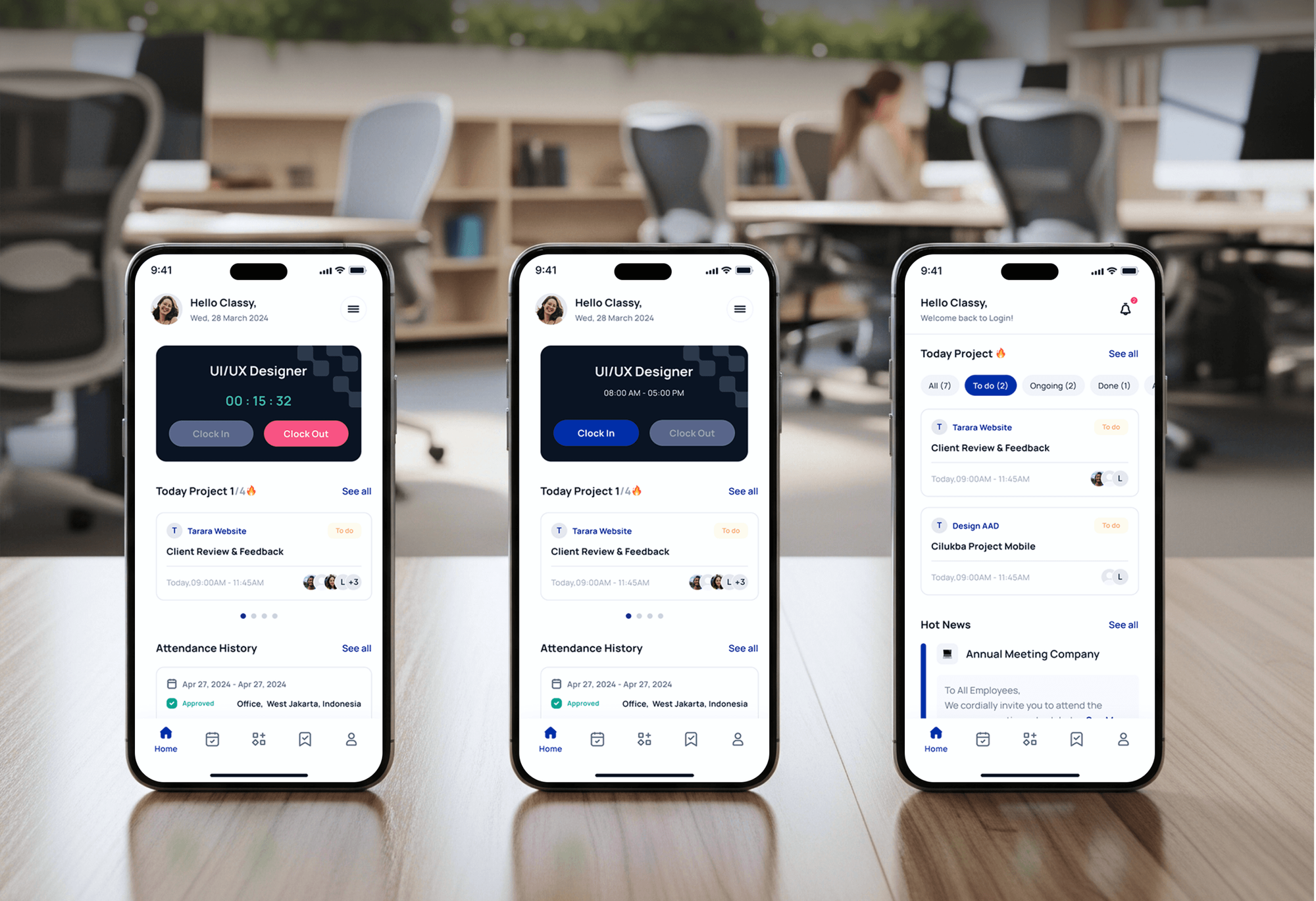
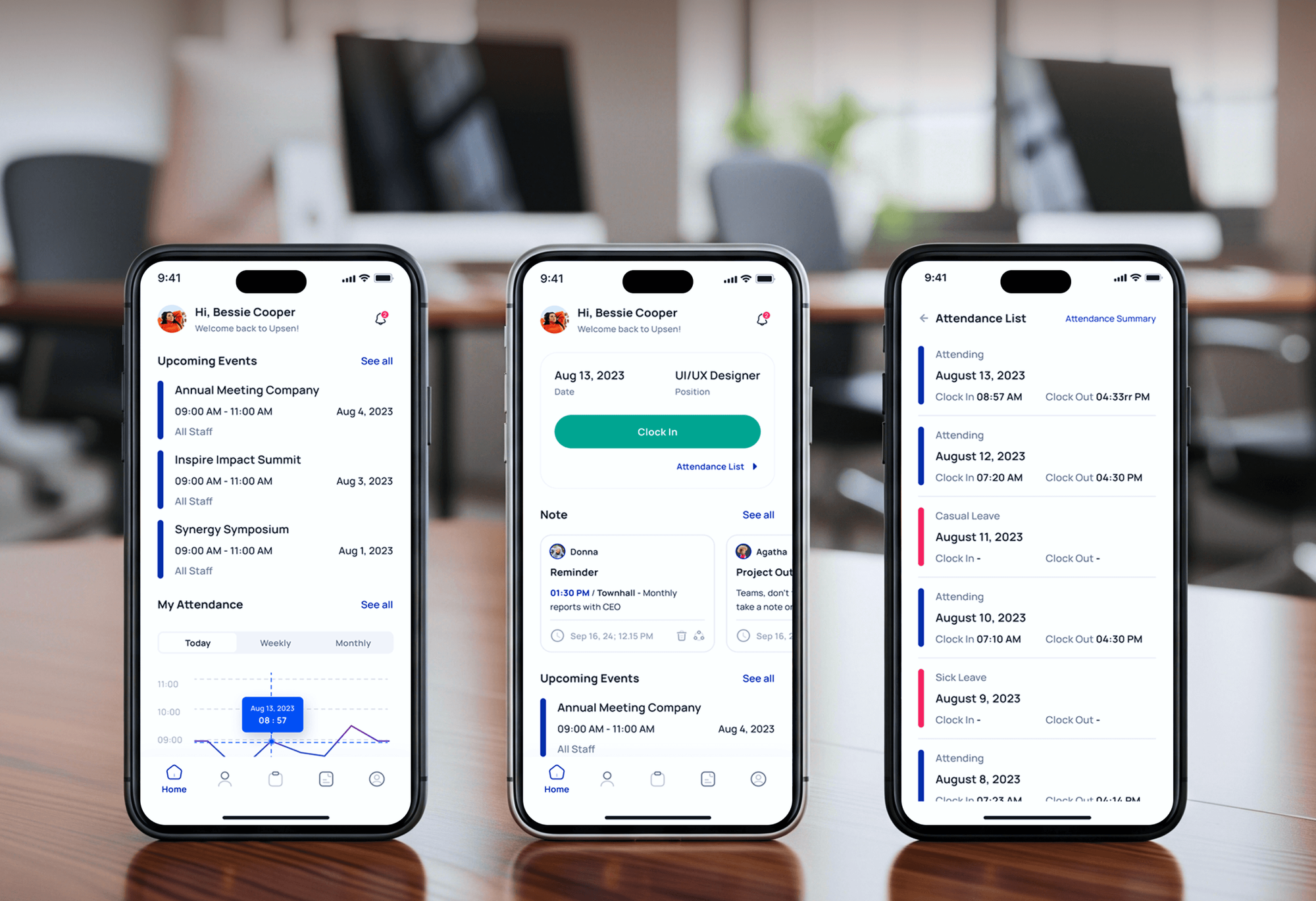
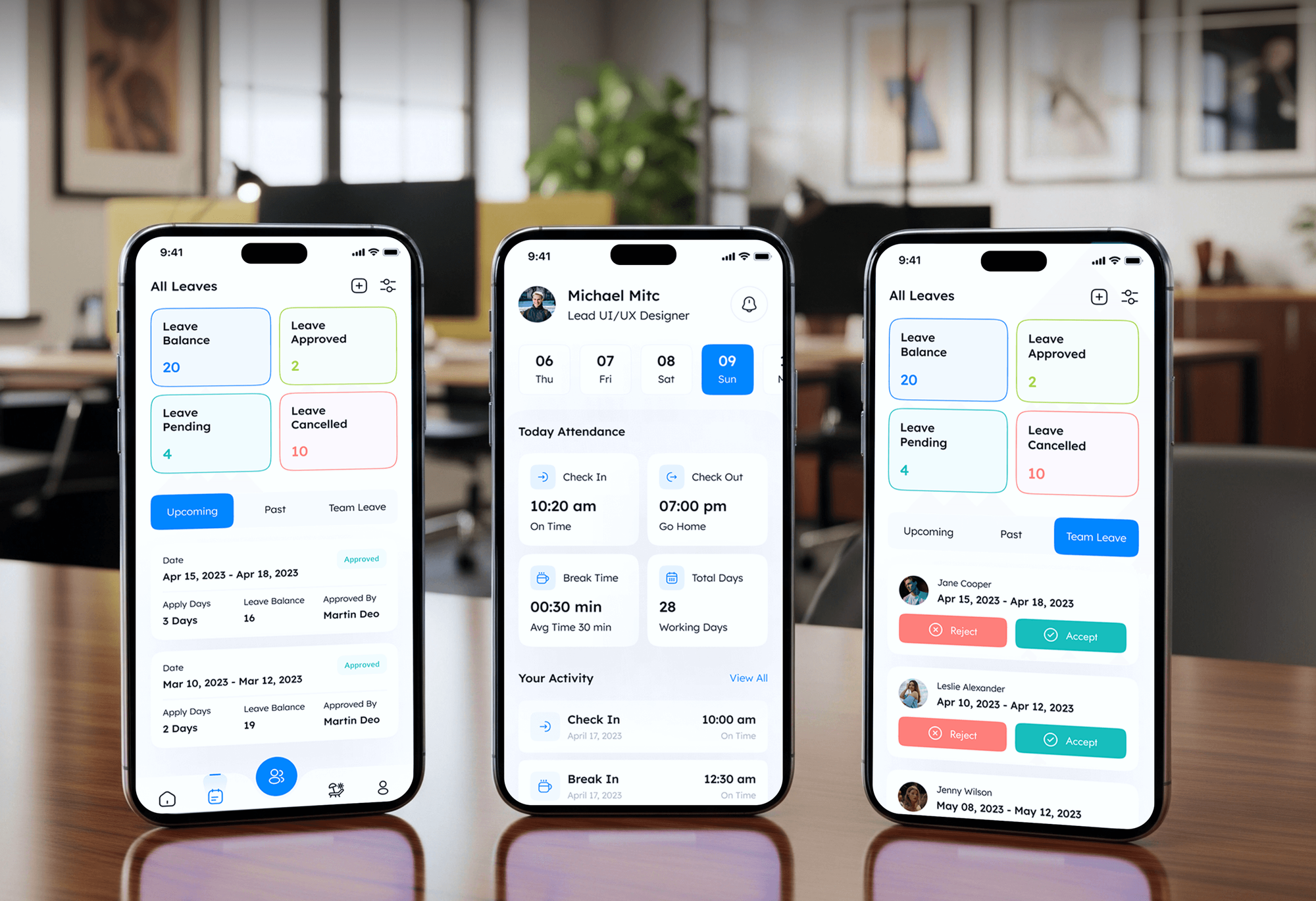
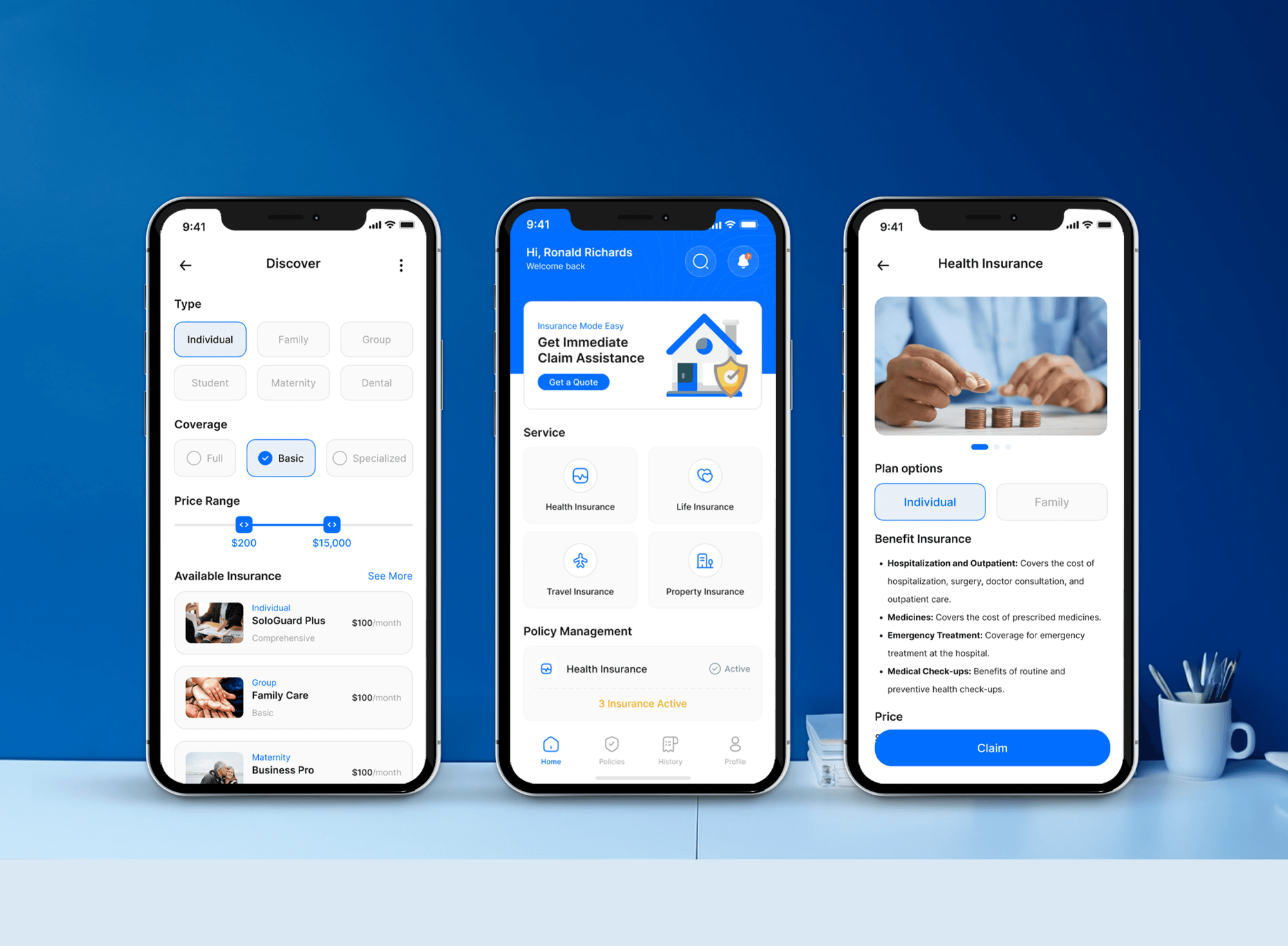
HR and insurance platforms we designed and built, the kind of internal business software IT teams run for years. They aren't .NET migration case studies.
What Our Clients Say
Feedback from teams we have built business apps and platforms for.
We had a pretty specific idea of what we wanted our website to become, but I wasn’t sure how easily we could explain all of it to a development team. There were quite a few moving parts, and we were working toward a deadline, so I expected a few things to get lost along the way. That never really happened. They understood what we were trying to achieve, kept us updated throughout the process, and got everything ready within the agreed timeline. The final site feels much easier to navigate, works beautifully on mobile, and is noticeably smoother for our customers. It was a huge relief seeing the original idea actually turn into the website we had in mind.
The mobile experience is probably my favourite part of the new site. We had spent a lot of time making sure the desktop version looked right, and the team kept pushing us to think about how everything would actually feel on a phone too. They were right. The navigation is clean, the interactions feel natural, and everything we’ve tested so far works exactly as it should. They also went through the links, forms, integrations, and other details more than once before launch, which I really appreciated. And even after going live, we could still reach out when something came up. The whole process felt friendly, organised, and surprisingly straightforward.
What I appreciate most is that the website is actually easy for us to manage now. We can update content ourselves instead of sending a developer a message every time we need to change something small. They also paid attention to the technical SEO side, which mattered to us because we didn’t want a new website to create problems for the traffic we already had. I’ve probably asked more questions than I should have since launch, but every question has been handled patiently and without any fuss. The team is easy to work with, they explain things clearly, and when we need something changed, they focus on getting it done rather than making the process complicated.
1,250+
Projects shipped
10+
Years of experience
Top 3%
Upwork Top Rated Plus
5 stars
Average review score

Want results like these?
Tell us what you are building. You get a reply within 24 hours on business days, then a written estimate.
Work Culture
Business software carries years of rules nobody wrote down. These habits keep your rules intact while the framework underneath changes.
We record how the running app calculates, validates, and rounds before porting it. Your invoices and reports come out the same on .NET 10.
Microsoft's modernization tooling speeds up your project files and API swaps, but a developer reviews every change. Generated fixes compile more often than they're correct.
Your plan follows real deadlines like the end of .NET 8 support in November 2026. Projects closest to a support cliff move first.
Your old and new apps run side by side until each route proves itself. If a page misbehaves, its traffic goes back to the old version.
Some VB6 tools cost more to migrate than they save. If yours is one of them, we'll say so and suggest how to keep it running.
Code lives in your repository and deploys to your Azure or AWS account. Nothing in the new stack depends on us.
Overview
DeveloperLook provides .NET migration services for IT teams running .NET Framework, Web Forms, WCF, VB6, or Delphi apps. We map every project, port shared libraries, move web pages side by side through a proxy, and rebuild legacy screens on .NET 10. A Migration Assessment starts at $1,300 and takes 1 to 2 weeks.
DEVELOPERLOOK
Project facts · .NET Migration Services
Reviewed 22 Oct 2026 by Saimul Islam
Good fit
IT teams on .NET Framework 4.x
Your line-of-business apps run on .NET Framework 4.6.2 or 4.7, and you need a dated migration plan before your next security review.
Teams on .NET 6 or .NET 8
Your apps run on .NET 6 or .NET 8, both at or near end of support. You want them on .NET 10 LTS with little disruption.
Companies with VB6 or Delphi tools
Your warehouse or finance staff depend on a desktop tool. You're looking for VB6 to .NET migration services before its last developer retires.
Teams moving to Azure or AWS
Your company is moving to the cloud, and your .NET Framework apps would need Windows virtual machines unless modernized first.
Agencies with enterprise .NET clients
You hold an enterprise client with aging ASP.NET apps. You want a white-label team to run the migration while you manage the account.
Not a fit
Starting a new .NET product
You're building a new product on .NET with no legacy code to move. .NET Development Services builds it from a clean start.
Hosting move only
Your app already runs on modern .NET and only needs to move to Azure. Azure Consulting Services plans and runs that move.
Small VB6 tool that works
Your VB6 tool has a handful of users and works fine. Microsoft still supports the VB6 runtime on current Windows, so leaving it alone may cost less.
One small project, under $1,300
Your project is one class library or console app and the budget is under $1,300. Microsoft's modernization agent in Visual Studio may handle it alone.
Not sure we're the right fit?
Book a free call or message us. We'll tell you honestly whether we're the right team.
Pricing
These are starting points in USD. Your final price depends on project count, Web Forms or VB6 screens, and WCF services, and you get a fixed proposal after the assessment.
For IT teams that need a path for every project and proof that the port works.
$1,300one-time, USD
For apps on .NET 6 or 8, MVC, Web API, or shared libraries on .NET Framework.
$4,600one-time, USD
For Web Forms, WCF, VB6, or Delphi code that has to be rebuilt, up to 2 modules.
$8,800one-time, USD
For Agencies
You own the client relationship. We supply the .NET migration team: the portability analysis, the side-by-side web migration, and rebuilt legacy screens, delivered in your client's repository and cloud under your brand.
White label: your client only ever sees your brand
Send repository access and a short brief about the client's applications.
You get a path per project and a fixed phase price to present.
We move libraries, pages, and screens while you run the client side.
Assessments and status reports go out under your name.
Fixed prices per phase make client quotes simple.
Engineers who know Web Forms, WCF, and modern .NET.
Work stays inside the client's Azure or AWS account.
The Right Technology for Your Project
The legacy frameworks you're moving off, the modern .NET stack you're moving onto, and the tooling and hosting around both.
 .NET Framework
 Microsoft Azure
 AWS
 Docker
 PostgreSQL
FAQ
Straight answers on .NET Framework, Web Forms, VB6, Delphi, Azure moves, costs, and timelines.
Saimul IslamFounder & CEO, DeveloperLookStill have questions?
Send a message or book a call with the team.
Because .NET Framework gets security fixes as part of Windows but no new features, and version 4.6.2 leaves support on January 12, 2027. Modern .NET, the line that began as .NET Core, runs on Linux and in containers and gets every new C# feature. Many new libraries now target only modern .NET.
You migrate in layers: analyze, port your class libraries, then move the web or UI layer last. Your libraries become SDK-style projects that target both frameworks at once. APIs missing in modern .NET, such as System.Web or WCF server code, get replaced. Then a YARP proxy moves your web routes to ASP.NET Core one at a time.
Change the target framework from net6.0 to net8.0, update your NuGet packages, and fix the breaking changes Microsoft lists for each release. But .NET 8 support ends on November 10, 2026, and .NET 6 support ended in November 2024. In most cases, go straight to .NET 10, which is supported until November 14, 2028.
You rebuild Web Forms pages in Blazor or Razor Pages, because ASP.NET Core has no Web Forms. Blazor's components and events feel closest to Web Forms controls, so your team adapts faster. Pages move one at a time behind a YARP proxy, with System.Web adapters sharing session and sign-in between old and new.
A VB6 to .NET migration starts by listing every form, module, and ActiveX control, then recording how the running app behaves. Visual Studio's old upgrade wizard is long gone, so forms are rebuilt in WinForms or as web pages. VB.NET still runs on modern .NET, but Microsoft no longer evolves the language, so most teams port to C#.
Because modern .NET opens up simpler, often cheaper Azure hosting. .NET Framework apps need Windows App Service plans or virtual machines. .NET 10 runs on Linux plans, Azure Container Apps, and AKS. Linux plans are often priced below Windows plans, and containers keep your deployments repeatable.
Yes, as a rewrite, because no Microsoft tool converts Delphi's Object Pascal and VCL forms to C#. We capture each of your screens' behavior and data rules first. Then your forms are rebuilt in WinForms, WPF, or the browser, and data access moves from BDE or FireDAC to EF Core. Modules ship one at a time, so your staff adjust gradually.
Our .NET migration services start at $1,300 for a Migration Assessment: portability analysis, a path for each project, and one library ported to .NET 10. Retargeting and porting up to 8 projects starts at $4,600. Rewriting Web Forms, WCF, VB6, or Delphi modules starts at $8,800. You get a fixed price for each phase, so your budget is known before work starts.
Assessment takes 1 to 2 weeks, and shared libraries take another 2 to 4 weeks. Web layers and rebuilt screens add 3 to 10 weeks, depending on your page and form count. Old and new run side by side throughout, so your business keeps working while each part moves.
You do, from the first commit: everything lives in your repository and deploys to your own Azure or AWS account. Each migration plan includes 30 days of fixes after cutover. After that, keep us for .NET 10 updates and the next LTS move. Or hand the code to your team with docs and tests.
Saimul IslamFounder & CEO, DeveloperLookStill have questions?
Send a message or book a call with the team.
Free 30-min callGoogle Meet
Book a call
In 30 minutes on Google Meet we walk you through how we would build it, how long it takes and what it costs. Then you get a written estimate.
Calendar not showing? Book on cal.com or send a brief.