
Firebase Authentication
Email, Google, and Apple sign-in, with roles stored in custom claims set from trusted server code.

For startups and product teams building on Firebase: sign-in, live data, and Cloud Functions with locked-down rules and costs you can predict. From $850.
3
Projects for dev, staging, and live
100%
Security Rules tested before launch
How your project runs
Teams we have built for:














The Problem
Firebase lets a small team ship sign-in and live data in days. The shortcuts that make it fast, such as open rules and broad roles, are the ones that bite later.
01 · Open rules
Any signed-in user can read every document.
Security Rules rewritten per collection and proven with emulator tests before deploy.
02 · Broad access
Every past developer still has Owner access to live.
Least-privilege Firebase roles for each person, with old accounts removed.
03 · Read costs
One feed screen reads far more documents than it shows.
Firestore queries and collections reshaped so each screen reads fewer documents.
04 · No staging
Changes get tested on real users in production.
Separate dev, staging, and live Firebase projects, as Firebase recommends.
You launched on Firebase because it was quick, and it was. Then someone noticed the Firestore rules still let any signed-in user read every document. Every developer who ever helped has Owner access to the live project. A new feed screen pushed reads up sharply, and the bill followed. There's no staging project, so changes get tested on real users. And when a customer asks who can see their data, nobody has a confident answer.
We start by reading your rules and data the way an attacker and a billing report would. Then we rewrite the Security Rules and prove them with tests in the Emulator Suite. We also reshape Firestore queries so screens read fewer documents, and split dev, staging, and live into separate projects. You keep Firebase's speed, without the open doors or the surprise invoices.
Rules proven by tests
Security Rules are unit-tested in the Emulator Suite before every deploy, not checked by hand.
Reads you can predict
Firestore models are shaped around each screen, because every document read shows up on the bill.
Three separate environments
Development, staging, and live run as separate Firebase projects with their own data and keys.
Our Firebase Development Process
Five steps take your Firebase app from an idea or a risky project to a tested launch. You approve the data model and rules before we build, and you test every feature on staging.
You show us the app idea or your current Firebase project, and we look at the rules, the data, and the billing together. You get a short risk list and a fixed-price proposal.
What's Included
Everything a Firebase app needs to launch safely: sign-in, a Firestore model, tested rules, server logic, separate environments, and the monitoring that catches problems early.
Compare Options
A DIY setup is the cheapest way to prototype, and a custom backend suits heavy SQL reporting. Working with us keeps Firebase's speed while closing the gaps tutorials leave open.
| Feature | DeveloperLookBest fit | DIY setup | Custom backend |
|---|---|---|---|
| Planning | Data model and rules first | Learned along the way | Full architecture upfront |
| Time to launch | 5 to 8 weeks for a backend | Fastest for a prototype | Longest build time |
| Access rules | Unit-tested in the emulator | Often left in test mode | Checks live in server code |
| Read costs | Modeled per screen | Discovered on the bill | Fixed server costs |
| Environments | Dev, staging, and live projects | One shared project | Usually staging and live |
| Servers to run | None, Google runs them | None, Google runs them | Your team patches them |
| Support after launch | 30 or 60 days included | Community forums | Depends on the team |
| Cost | Fixed price per scope | Your time only | Highest upfront cost |
Projects We've Built
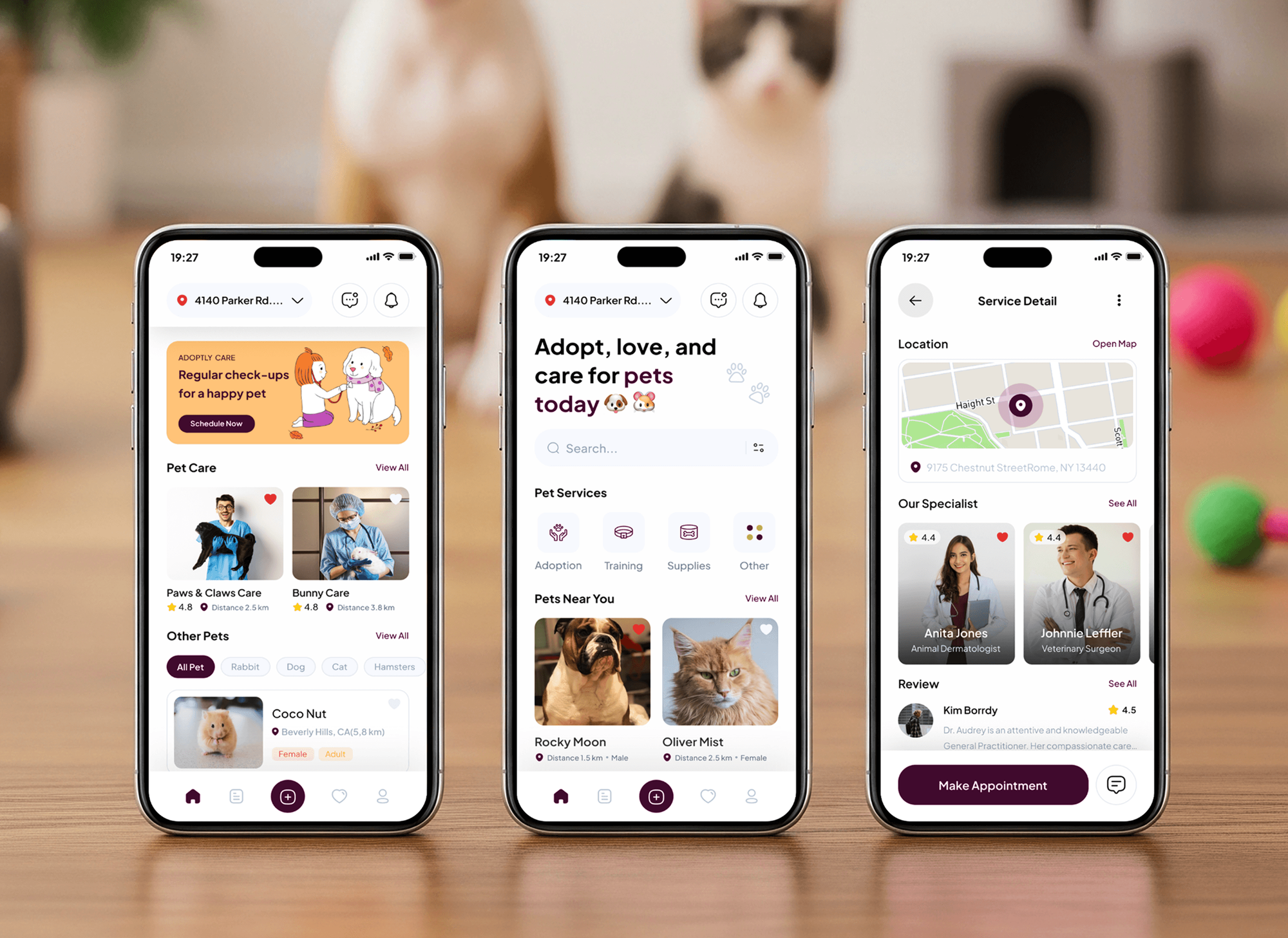
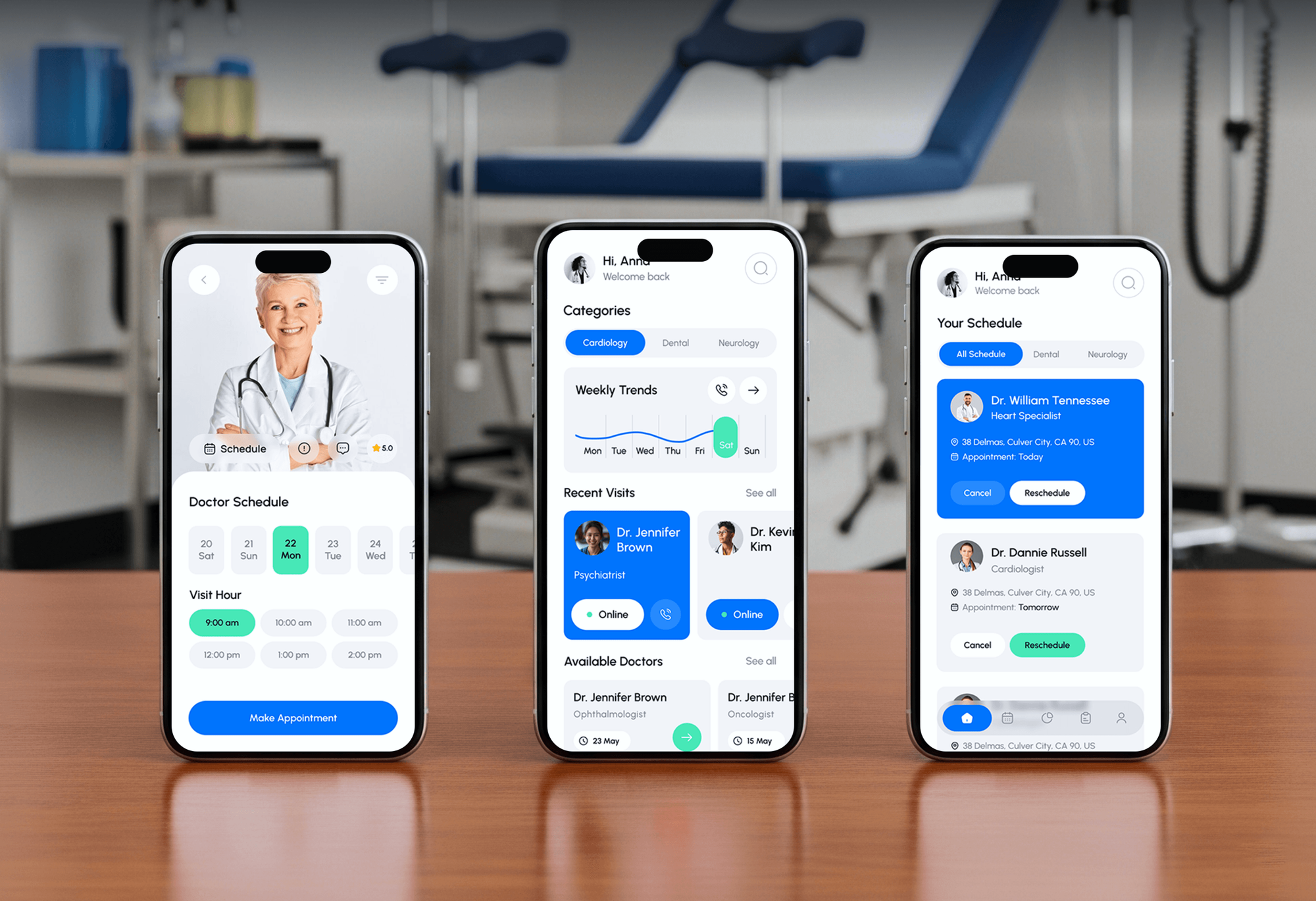
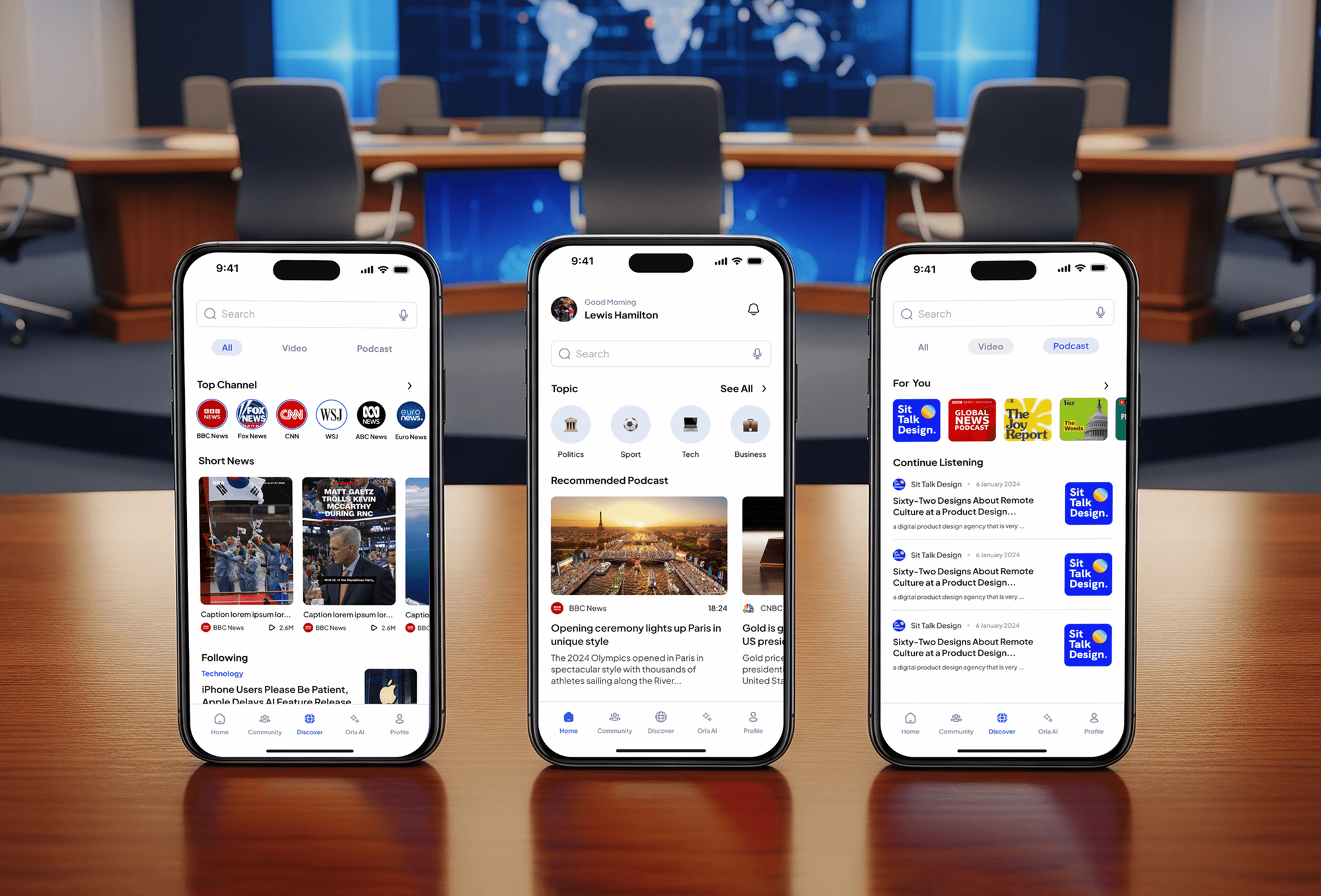
Pet care, coffee ordering, doctor booking, and news apps from our portfolio, chosen for their sign-in and live data, not presented as Firebase builds.

What Our Clients Say
Feedback from teams we have built mobile and web apps for.
We had a pretty specific idea of what we wanted our website to become, but I wasn’t sure how easily we could explain all of it to a development team. There were quite a few moving parts, and we were working toward a deadline, so I expected a few things to get lost along the way. That never really happened. They understood what we were trying to achieve, kept us updated throughout the process, and got everything ready within the agreed timeline. The final site feels much easier to navigate, works beautifully on mobile, and is noticeably smoother for our customers. It was a huge relief seeing the original idea actually turn into the website we had in mind.
The mobile experience is probably my favourite part of the new site. We had spent a lot of time making sure the desktop version looked right, and the team kept pushing us to think about how everything would actually feel on a phone too. They were right. The navigation is clean, the interactions feel natural, and everything we’ve tested so far works exactly as it should. They also went through the links, forms, integrations, and other details more than once before launch, which I really appreciated. And even after going live, we could still reach out when something came up. The whole process felt friendly, organised, and surprisingly straightforward.
What I appreciate most is that the website is actually easy for us to manage now. We can update content ourselves instead of sending a developer a message every time we need to change something small. They also paid attention to the technical SEO side, which mattered to us because we didn’t want a new website to create problems for the traffic we already had. I’ve probably asked more questions than I should have since launch, but every question has been handled patiently and without any fuss. The team is easy to work with, they explain things clearly, and when we need something changed, they focus on getting it done rather than making the process complicated.
1,250+
Projects shipped
10+
Years of experience
Top 3%
Upwork Top Rated Plus
5 stars
Average review score

Want results like these?
Tell us what you are building. You get a reply within 24 hours on business days, then a written estimate.
Work Culture
Firebase makes the first version easy. These habits keep the next versions safe, affordable, and easy to hand to any developer.
Every Security Rule ships with emulator tests that try both allowed and blocked access. A rule change that opens data fails the test run before it deploys.
We count the document reads behind each busy screen before launch. You see the read cost of your busiest screens before Google's invoice does.
Each person gets the narrowest Firebase role their work needs, and access ends when the work does. The Owner role stays with you.
If your app needs joins and reports across many tables, a PostgreSQL backend such as Supabase will serve you better. We say that before you pay for a Firebase build.
Every change runs on a separate staging project first, with its own test data. Your real users don't meet half-finished rules or functions.
Projects sit in your Google account or organization, and code sits in your repository. We join as members and leave by removing one access entry.
Overview
DeveloperLook helps you hire Firebase developers who write and test your Security Rules before launch. We model Firestore for read costs, add App Check, set least-privilege roles, and separate dev, staging, and live projects. Prices start at $850, safety checks take about 2 weeks, new apps 5 to 14 weeks, and you own everything.
DEVELOPERLOOK
Project facts · Hire Firebase Developers
Reviewed 11 Oct 2026 by Saimul Islam
Good fit
Founders launching a Firebase app
You're launching an app with sign-in and live data, and you want Firebase so there's no server for your small team to run.
Teams worried about open rules
Your Firestore rules were written during a hackathon, and you're not sure what a signed-out user can read today.
Apps with a surprising Firebase bill
Your Firebase bill jumped after a feature launch, and nobody can say which screen is reading so many documents.
Mobile teams needing backend help
Your mobile developers know Flutter or Swift well, but need a Firebase app development company for rules, functions, and data design.
Agencies with Firebase client apps
Your agency builds client apps on Firebase and needs Firebase app development services under your brand, with rules your clients can trust.
Not a fit
Heavy SQL reporting
Your app depends on joins and SQL reports across many tables. Our Supabase Backend Development Services page builds that on PostgreSQL instead.
One custom API for all
You need one custom API that web, mobile, and partner systems all call. Our MERN Stack Development Services page builds that on Express and MongoDB.
Long heavy processing
Your workload is long video processing or steady heavy compute all day. A container service costs less than Cloud Functions, and we'll tell you before we quote.
Budget under $850
Your budget is under $850, or you only need a contact form and hosting. A website builder covers that for less.
Not sure we're the right fit?
Book a free call or message us. We'll tell you honestly whether we're the right team.
Pricing
These are starting points in USD. Your final price depends on the number of collections, sign-in methods, and integrations, and you get a fixed proposal after a free project review.
For one existing Firebase app with open rules, broad access, or a rising bill. About 2 weeks.
$850one-time, USD
For a new web or mobile app backend on Firebase. About 5 to 8 weeks.
$3,000one-time, USD
For a full product with a web front end, payments, and push notifications. About 9 to 14 weeks.
$6,500one-time, USD
For Agencies
You keep the client relationship. We supply the Firebase engineering behind it: data models, tested Security Rules, and Cloud Functions under your brand. Projects sit in your client's Google account, ready for your team to maintain.
White label: your client only ever sees your brand
Send the app idea or project access and your client's launch date.
You get a risk list, a data model outline, and a fixed price.
Rules and functions ship to your client's live project with a runbook for your team.
Rule test reports and staging links go out under your brand.
Fixed scope, with the data model and rules agreed first.
Firestore, Cloud Functions, and Security Rules work from experienced developers.
A safety check, a full backend, or ongoing Firebase help each month.
The Right Technology for Your Project
Firebase's own services, the web and mobile tools that call them, and the testing setup that proves your rules before each release.
 Firebase
 React
 Next.js
 Flutter
 Google Cloud
 Stripe
 TypeScript
FAQ
Straight answers on Firebase costs, timelines, developer permissions, Auth complaints, and ownership.
Saimul IslamFounder & CEO, DeveloperLookStill have questions?
Send a message or book a call with the team.
Hiring Firebase developers through DeveloperLook starts at $850 for a safety check of one existing project: tested Security Rules, App Check, and least-privilege roles. A new Firebase backend with sign-in, Firestore, and Cloud Functions starts at $3,000. Full products with payments, push notifications, and a web front end start at $6,500. Google bills Firebase usage separately.
A Firebase safety check takes about 2 weeks, and a new Firebase backend takes 5 to 8 weeks. Full products with payments, push notifications, and a web front end take 9 to 14 weeks. Writing and testing Security Rules runs alongside the build from the first week, so it doesn't become a rushed step before launch.
In web development, Firebase is Google's platform of managed backend services that a website or web app calls straight from the browser. It covers sign-in with Firebase Authentication, data in Cloud Firestore, files in Cloud Storage, server logic in Cloud Functions, and hosting. Firebase web development means less server code, so your Security Rules carry more weight.
Yes, Firebase is a developer platform: Google services and SDKs that developers build apps on, not a finished app or a no-code builder. You still need a front end, a data model, and Security Rules. That's why Firebase projects go better with developers who understand rules and read costs, not just the setup screens.
Look for a Firebase development company that shows you tested Security Rules, not just finished screens. Ask how they test rules in the Emulator Suite, how they keep Firestore read costs down, and whether they separate dev, staging, and live projects. A good one also tells you when a SQL database such as Supabase fits better.
To find a Firebase developer, ask candidates to walk you through a Security Rule they wrote and how they tested it. Strong answers mention the Emulator Suite, the rules unit-testing library, and Firestore read costs. If you'd rather not vet individuals, you can hire remote Firebase developers through an agency whose work gets reviewed.
Give a developer the narrowest Firebase role that covers their work, usually Firebase Develop Admin, not Owner or Firebase Admin. Firebase supports least privilege through product-category roles such as Develop, Quality, and Grow. Deploying Cloud Functions needs extra permissions beyond Develop Admin, so grant those only to the person who ships releases.
The main complaints about Firebase Auth are basic role support, user management that needs server code, and enterprise sign-in behind an upgrade. Roles live in custom claims, which Firebase limits to 1000 bytes and intends for access control only. Listing users needs the Admin SDK, and MFA, SAML, or OIDC need the Identity Platform upgrade.
You own the Firebase projects and the code from the first day. We create the dev, staging, and live projects under your Google account or organization and join them as members with limited roles. The repository, the Security Rules, and the Cloud Functions source all live in your accounts, so changing developers means removing our access.
Every Firebase project includes 30 days of fixes after launch, or 60 days on the Firebase Product Build plan. During that window we watch Crashlytics and Cloud Functions logs, adjust rules if real usage exposes a gap, and tune queries that read more documents than expected. After that, you can book further work at a fixed price.
Saimul IslamFounder & CEO, DeveloperLookStill have questions?
Send a message or book a call with the team.
Free 30-min callGoogle Meet
Book a call
In 30 minutes on Google Meet we walk you through how we would build it, how long it takes and what it costs. Then you get a written estimate.
Calendar not showing? Book on cal.com or send a brief.