
APIs on Lambda
API Gateway endpoints backed by Lambda functions, with request validation and Cognito or token-based sign-in.

For teams with spiky traffic, scheduled jobs, or event-heavy apps: AWS Lambda builds that scale with demand and bill by use. From $1,100.
Auto
Scaling, no servers to patch
100%
Infrastructure defined in code
How your project runs
Teams we have built for:














The Problem
Plenty of apps have uneven traffic: quiet nights, busy launches, and jobs that run once an hour. Paying for servers sized for the peak, and patching them, makes little sense for that shape.
01 · Idle cost
Servers sized for peak traffic sit idle most of the day.
Lambda bills by requests and run time, so quiet hours cost little.
02 · Peak load
The queue backs up on launch days.
Functions scale out with demand, with concurrency limits set to protect your database.
03 · Lost jobs
A cron job fails quietly when the server restarts.
Scheduled jobs run on EventBridge, with retries and a dead-letter queue for failures.
04 · Hand-built
Nobody can rebuild the setup with confidence.
Every resource lives in AWS SAM or CDK, so environments rebuild from code.
Your app runs on servers sized for the busiest hour of the month. Most of the time they sit idle, and you still patch and pay for them. On launch day the queue backs up anyway. A nightly cron job fails quietly when the box restarts, and nobody notices until a customer asks. The setup was built by hand in the console, so nobody can rebuild it with confidence. Each new feature means another server to babysit.
We start by mapping your traffic and jobs, then estimate the monthly cost at your real volumes before building anything. Workloads that fit move to AWS Lambda behind API Gateway, EventBridge, or SQS, all defined in AWS SAM or CDK. Failed events land in a dead-letter queue instead of disappearing. You stop paying for idle capacity and stop patching servers, without giving up visibility.
Cost estimated first
You see a monthly cost estimate at your real traffic before any build starts.
Infrastructure as code
Functions, queues, and permissions are defined in AWS SAM or CDK and reviewed like code.
No lost events
Retries and dead-letter queues keep failed events for inspection and replay.
Our Serverless App Development Process
Five steps take your workload from servers or a sketch to tested functions on AWS. You approve the cost estimate and the architecture before we write code, and you review each stage.
You walk us through the app, its traffic pattern, and its background jobs. We flag what suits serverless and what doesn't, such as steady heavy compute. You get a short plan and a fixed-price proposal.
What's Included
Serverless application development is building an app from functions and managed services instead of servers you run. With us, it covers the API, background jobs, workflows, permissions, alarms, and handover.
Compare Options
Containers suit steady, heavy traffic, and a virtual server is simplest for one small app. Serverless fits uneven traffic and event-driven work, and we'll say which one your workload needs.
| Feature | DeveloperLookBest fit | Containers | Virtual servers |
|---|---|---|---|
| Planning | Cost estimate at your volume | Capacity planning upfront | Server sizing upfront |
| Idle cost | Little when traffic is quiet | Pay for running containers | Pay for every hour |
| Steady heavy load | Can cost more | Usually cheapest | Predictable flat cost |
| Scaling | Automatic, with concurrency limits | Autoscaling rules to tune | Manual or scripted |
| Patching | AWS patches the runtime | You patch base images | You patch the OS |
| Long-running work | Step Functions beyond 15 minutes | No time limit | No time limit |
| Support after launch | 30 or 60 days included | Depends on the team | Depends on the host |
| Ownership | Your AWS account and templates | Depends on the vendor | Depends on the host |
Projects We've Built
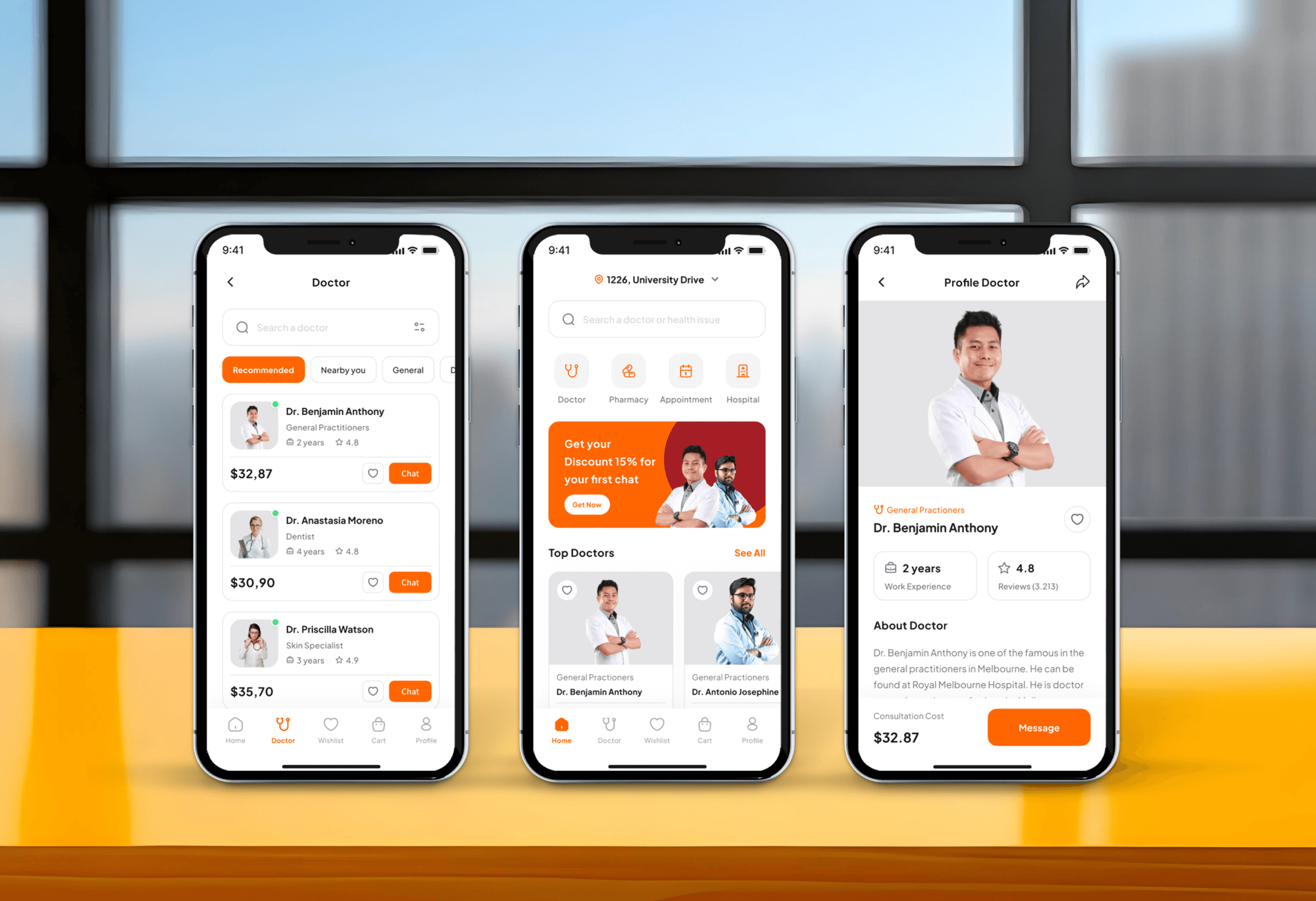
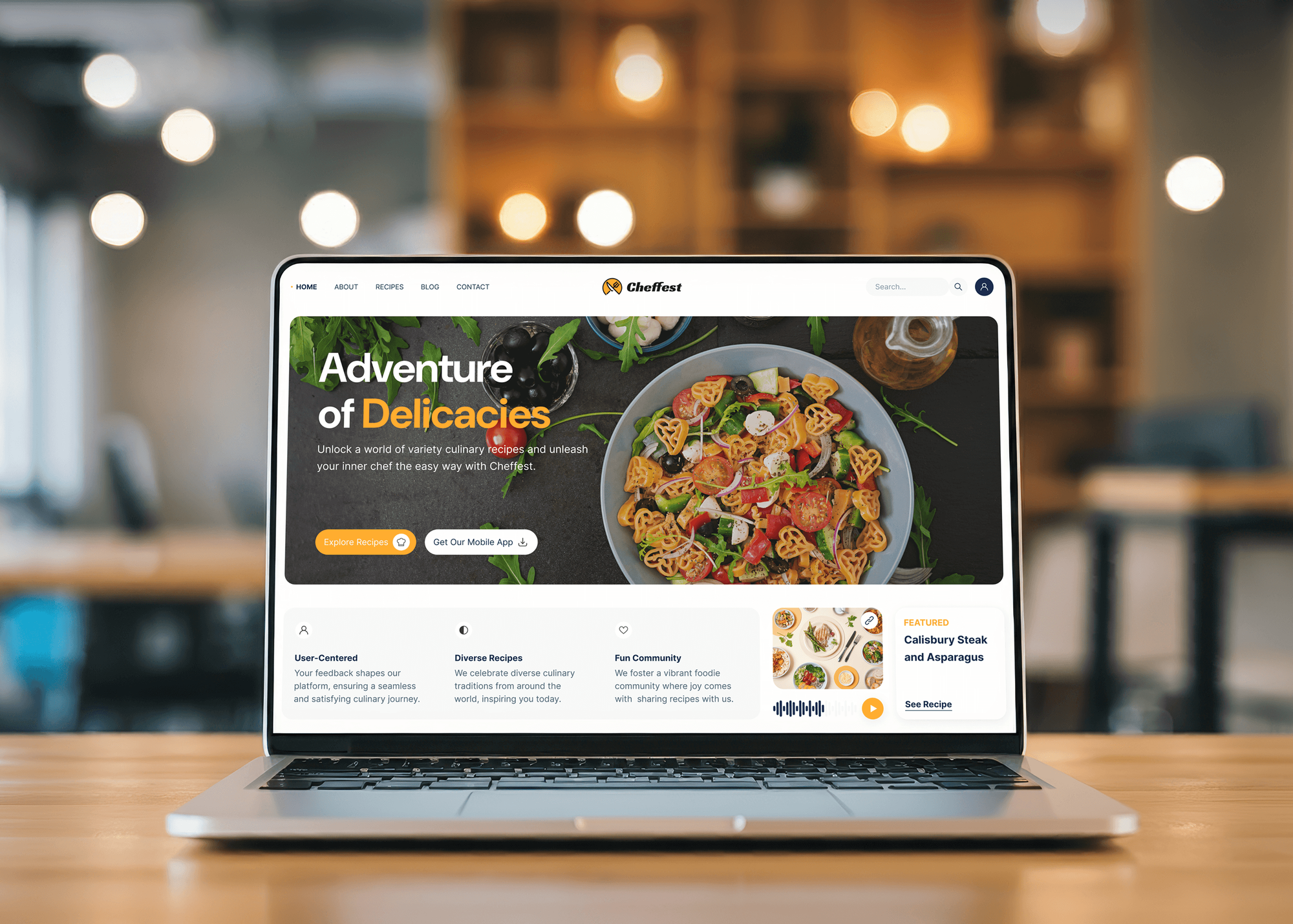
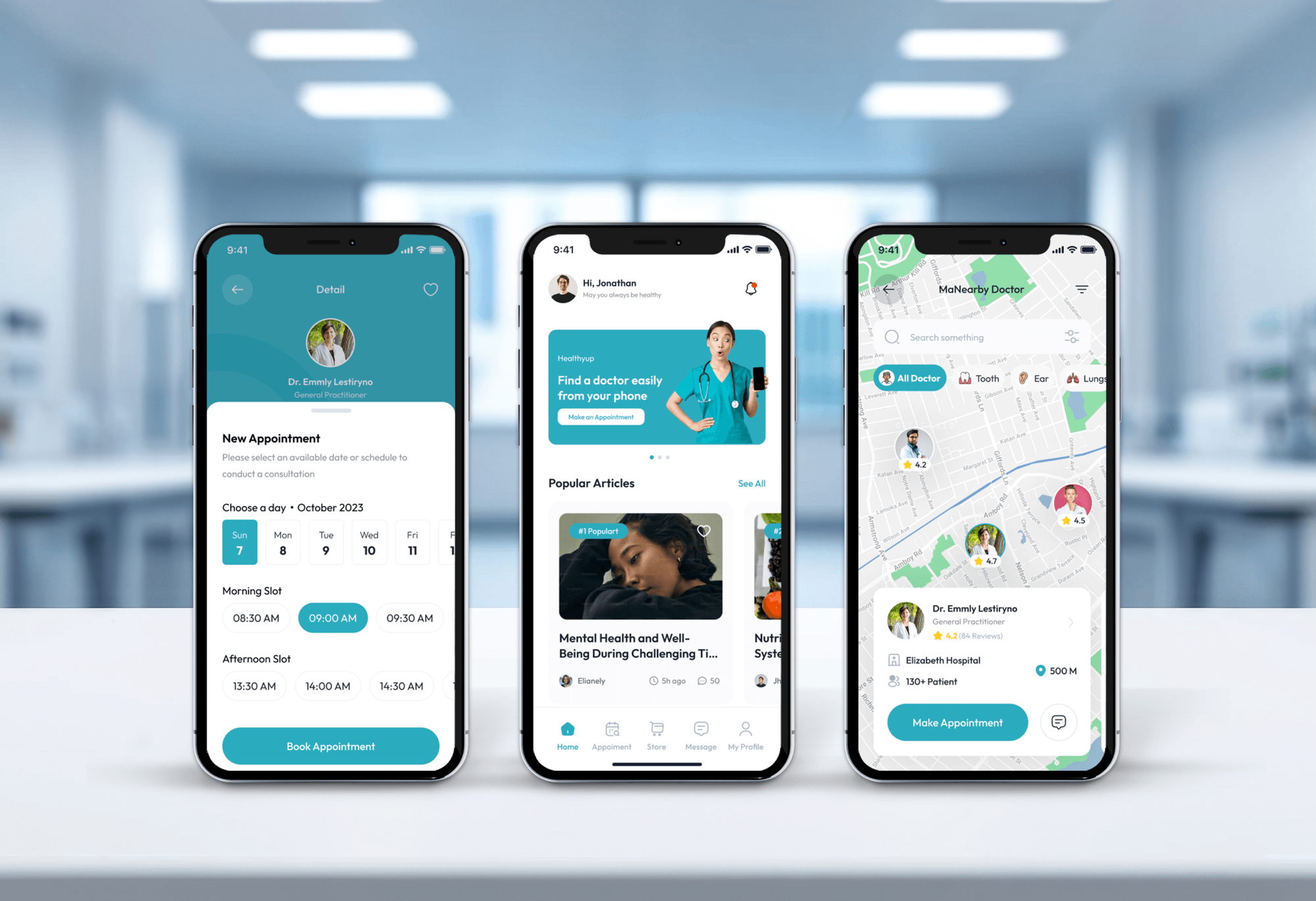
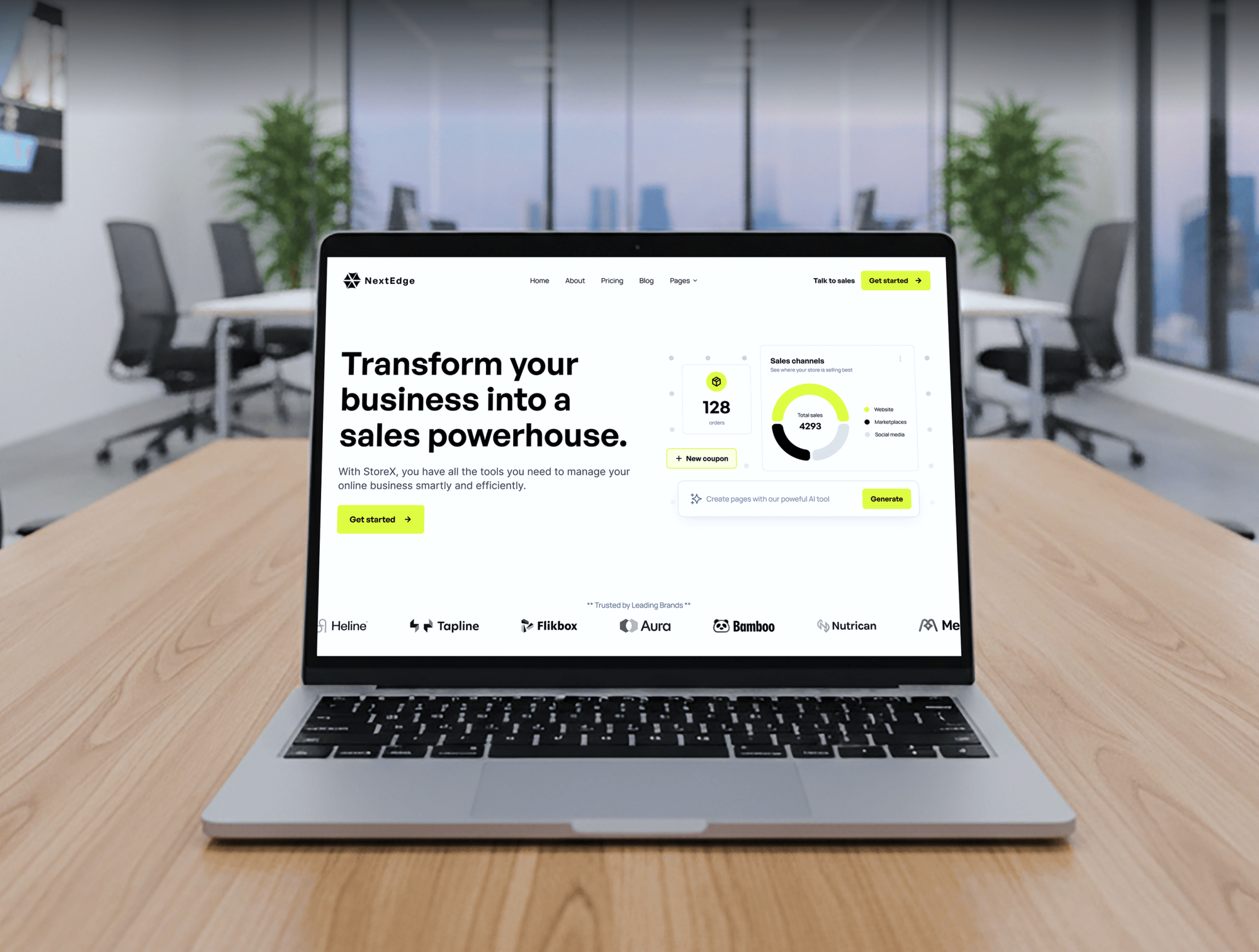
Appointment, food ordering, healthcare, and startup products from our portfolio, chosen for their bursty traffic and background jobs, not presented as serverless builds.
What Our Clients Say
Feedback from teams we have built cloud apps and APIs for.
We had a pretty specific idea of what we wanted our website to become, but I wasn’t sure how easily we could explain all of it to a development team. There were quite a few moving parts, and we were working toward a deadline, so I expected a few things to get lost along the way. That never really happened. They understood what we were trying to achieve, kept us updated throughout the process, and got everything ready within the agreed timeline. The final site feels much easier to navigate, works beautifully on mobile, and is noticeably smoother for our customers. It was a huge relief seeing the original idea actually turn into the website we had in mind.
The mobile experience is probably my favourite part of the new site. We had spent a lot of time making sure the desktop version looked right, and the team kept pushing us to think about how everything would actually feel on a phone too. They were right. The navigation is clean, the interactions feel natural, and everything we’ve tested so far works exactly as it should. They also went through the links, forms, integrations, and other details more than once before launch, which I really appreciated. And even after going live, we could still reach out when something came up. The whole process felt friendly, organised, and surprisingly straightforward.
What I appreciate most is that the website is actually easy for us to manage now. We can update content ourselves instead of sending a developer a message every time we need to change something small. They also paid attention to the technical SEO side, which mattered to us because we didn’t want a new website to create problems for the traffic we already had. I’ve probably asked more questions than I should have since launch, but every question has been handled patiently and without any fuss. The team is easy to work with, they explain things clearly, and when we need something changed, they focus on getting it done rather than making the process complicated.
1,250+
Projects shipped
10+
Years of experience
Top 3%
Upwork Top Rated Plus
5 stars
Average review score

Want results like these?
Tell us what you are building. You get a reply within 24 hours on business days, then a written estimate.
Work Culture
Serverless removes the servers, not the responsibility for them. These habits keep your functions cheap to run, easy to watch, and safe to change.
We estimate requests, run time, and memory for your real traffic before building. If containers would cost less for your load, the estimate shows it.
Handlers are written to be idempotent, because Lambda retries failed async events. A retry updates the order once instead of charging the customer twice.
Each function gets its own IAM role with only the permissions it uses. A bug in one function can't reach data outside its own job.
We load test on staging and measure cold starts before launch. Provisioned concurrency goes only where users feel the delay, since it adds cost.
Long video jobs or steady heavy traffic often run cheaper on containers. If that's your workload, we say so before quoting a serverless build.
Everything deploys into your own AWS account from templates in your repository. If we part ways, your team redeploys with one command.
Overview
DeveloperLook's serverless app development services cover APIs, scheduled jobs, and event workflows on AWS Lambda, defined in AWS SAM or CDK. Every function gets least-privilege access, retries with a dead-letter queue, and alarms, plus a cost estimate before we build. Prices start at $1,100, and projects take 2 to 16 weeks.
DEVELOPERLOOK
Project facts · Serverless App Development Services
Reviewed 11 Oct 2026 by Saimul Islam
Good fit
Teams with spiky traffic
Your traffic jumps during launches or campaigns, and the servers you size for those peaks sit idle the rest of the month.
Companies with fragile cron jobs
Your nightly jobs run on one aging server, and you only learn they failed when a customer reports missing data.
Startups planning a new API
You want to hire serverless developers to build a new API that starts small and grows without a server to maintain.
Teams already running on AWS
You already run on AWS and need to hire AWS Lambda developers for event processing, file handling, or integrations.
Agencies needing cloud back ends
Your agency builds client front ends and needs serverless software development for the APIs and jobs behind them, under your brand.
Not a fit
Steady heavy compute
Your app runs steady heavy traffic or long video processing around the clock. Containers usually cost less, and we'll tell you before we quote.
Full AWS account review
You need a review of your whole AWS setup, costs, and security. Our AWS Consulting Services page covers that review.
Mobile app on Google
You're building a mobile app and want Google's managed backend with sign-in and live data. Our Hire Firebase Developers page fits that better.
Budget under $1,100
Your budget is under $1,100, or you need one small script run occasionally. A scheduled task on your current host costs less.
Not sure we're the right fit?
Book a free call or message us. We'll tell you honestly whether we're the right team.
Pricing
These are starting points in USD. Your final price depends on the number of functions, event sources, and integrations, and you get a fixed proposal after a free workload review.
For one workload, such as a cron job, webhook receiver, or file processor, moved onto Lambda. About 2 weeks.
$1,100one-time, USD
For a new API on API Gateway, Lambda, and DynamoDB with sign-in. About 6 to 9 weeks.
$3,950one-time, USD
For full apps with multi-step workflows, event routing, and outside integrations. About 10 to 16 weeks.
$8,100one-time, USD
For Agencies
You keep the client relationship. We supply the serverless engineering behind it: Lambda APIs, background jobs, and workflows under your brand. Everything deploys into your client's AWS account from templates their team can read.
White label: your client only ever sees your brand
Send the app, its traffic pattern, and your client's AWS access plan.
You get an architecture sketch, a monthly AWS estimate, and a fixed price.
We deploy into your client's AWS account with templates and a runbook.
Cost estimates and architecture diagrams go out under your brand.
Fixed scope, with the cost estimate approved before any building starts.
Lambda, DynamoDB, and Step Functions work from experienced developers.
One workload, a full API, or ongoing serverless work for clients.
The Right Technology for Your Project
The AWS services serverless apps are built from, the languages and templates we write them in, and the tools that watch them after launch.
 Node.js
 Python
 TypeScript
 AWS
FAQ
Straight answers on what serverless is, how it works, what it costs, and what developers need to plan for.
Saimul IslamFounder & CEO, DeveloperLookStill have questions?
Send a message or book a call with the team.
Serverless, also called serverless computing, is a cloud model where you run code without provisioning or managing servers yourself. The provider starts your code when a request or event arrives, scales it with demand, and bills by use. AWS Lambda, Google Cloud Functions, and Azure Functions are common examples.
Serverless architecture works by connecting events to short-lived functions and managed services. A request hits API Gateway, which invokes a Lambda function that reads DynamoDB and returns a response. Background work flows through SQS queues or EventBridge schedules, and Step Functions coordinates longer, multi-step processes.
Our serverless app development services start at $1,100 for moving one workload, such as a cron job or webhook, onto AWS Lambda with alarms. A serverless API with sign-in and DynamoDB starts at $3,950. Event-driven apps with Step Functions and integrations start at $8,100. AWS bills your usage to your own account.
A single workload, such as a scheduled job or webhook receiver, takes about 2 weeks to move onto Lambda. A new serverless API takes 6 to 9 weeks, and a full event-driven app 10 to 16 weeks. The cost estimate and design review in the first week often trims scope before any code is written.
No, serverless doesn't mean there are no servers: it means you don't manage them. The cloud provider runs, patches, and scales the machines behind your functions. You still own the code, the data design, the permissions, and the bill, which is where most serverless projects succeed or struggle.
Use serverless when your traffic is uneven, your work is event-driven, or your team doesn't want to run servers. You pay for requests and run time instead of idle capacity, and scaling happens without tuning autoscaling rules. Steady, heavy workloads are the exception, since containers often cost less there.
Serverless in the cloud takes patching, capacity planning, and idle cost off your team's list. AWS Lambda's free tier also covers one million requests and 400,000 GB-seconds a month, so small workloads can cost very little. The trade-off is less control over limits, such as Lambda's 15-minute maximum run time.
Serverless development is the practice of writing code as small functions that respond to events, plus the setup that connects them to managed services. In practice, that means writing handlers, defining infrastructure in tools like AWS SAM or CDK, and testing how functions behave when events retry. It's backend work with less server upkeep.
Adopting a serverless model shifts work from managing servers to designing events, permissions, and failure handling. Teams deploy smaller pieces more often, test retries and timeouts on purpose, and watch costs per feature. Debugging changes too: you rely on structured logs, traces, and alarms instead of logging into a machine.
Developers building serverless architecture need to plan for retries, cold starts, timeouts, and permissions from the start. Lambda retries failed asynchronous events twice by default, so handlers must be idempotent, and every function stops at 15 minutes. Least-privilege IAM roles, dead-letter queues, and infrastructure as code head off the most common production surprises.
Saimul IslamFounder & CEO, DeveloperLookStill have questions?
Send a message or book a call with the team.
Free 30-min callGoogle Meet
Book a call
In 30 minutes on Google Meet we walk you through how we would build it, how long it takes and what it costs. Then you get a written estimate.
Calendar not showing? Book on cal.com or send a brief.