
Hotel PMS interface map
Every system around your PMS, the vendor path for each link, and who owns each guest data field.

For hotels whose PMS, channel manager, restaurant till, door locks, and phones don't talk: one guest record, posted once and read everywhere. From $1,400.
1
Guest record across systems
20+ hrs
Saved on double entry weekly
How your project runs
01 · FreeTeams we have built for:














The Problem
It shows up as your hotel adds systems one at a time: a channel manager, a restaurant POS, new locks, a guest app. Each works alone, and your staff carry data between them.
Key cards
The lock encoder doesn't know which room a guest checked into.
Key cards
Check-in in your PMS sends the room to the lock system for encoding.
Folio gaps
Restaurant and bar charges reach the guest folio by hand, late.
Folio gaps
POS charges post to the right folio with the room number attached.
Double sales
OTA bookings reach the channel manager but miss the PMS.
Double sales
A two-way channel link keeps availability and reservations matched both ways.
Room status
Phones and housekeeping show stale occupied rooms after checkout.
Room status
Checkout updates room status in the phone system and housekeeping view.
A guest checks in at 11 p.m. and your key encoder doesn't know which room they're in, so your night auditor types it in. Dinner charges sit in your restaurant till until someone moves them to the folio by hand. A booking from one OTA lands in your channel manager but not your PMS, and the room sells twice. Your phone system still shows room 214 as occupied after checkout. Each fix is one more spreadsheet, and your checkout disputes keep coming.
We start with an interface map: your PMS in the middle and every system that reads or writes your guest data around it. For each link we pick the documented path: your PMS vendor's REST API, its app marketplace, or an on-property interface for your locks and phones. Then we build, certify where your vendor requires it, and monitor each connection. These are the PMS interfaces hotels lean on every shift, so we treat each one as production software.
One map of every interface
Every system that reads or writes your guest data, drawn around your PMS before we build.
Built to vendor rules
Your PMS vendor's documented API path and certification steps, followed instead of worked around.
Monitored after go-live
Failed messages are flagged and retried, so you see a broken link before your guests do.
Our Hotel PMS Integration Process
You approve the interface map, the data each system may read or write, and the test results from a sandbox property before anything touches live guests.
We list every system around your PMS and how each of them connects today. You leave with an interface map and the vendor path for each link, including where certification or a paid connector is required.
What's Included
An interface map, field-by-field data mapping, connectors or custom links on your PMS vendor's API, certification support, on-property interfaces, and monitoring after go-live.
Compare Options
A marketplace app is often live within days, and your IT team knows the property best. Here is where each one fits when several systems share one guest record.
| Feature | DeveloperLookBest fit | Marketplace app | In-house IT |
|---|---|---|---|
| Planning | Interface map before any build | Covers its own link only | Built as needs come up |
| Data ownership | One owner per guest field | Vendor defaults | Decided case by case |
| Custom links | Built on the PMS API | Only what the app offers | When time allows |
| Certification | Taken through vendor review | Already certified | Rarely attempted |
| On-property systems | Locks, phones, and POS mapped | Usually cloud apps only | Knows the hardware well |
| Speed to start | 2 to 4 weeks per link | Live within days | Depends on workload |
| Cost | One-time fee per scope | Monthly subscription | Salary and time |
| Monitoring | Logs, alerts, and retries | Vendor status page | Noticed when staff complain |
Projects We've Built
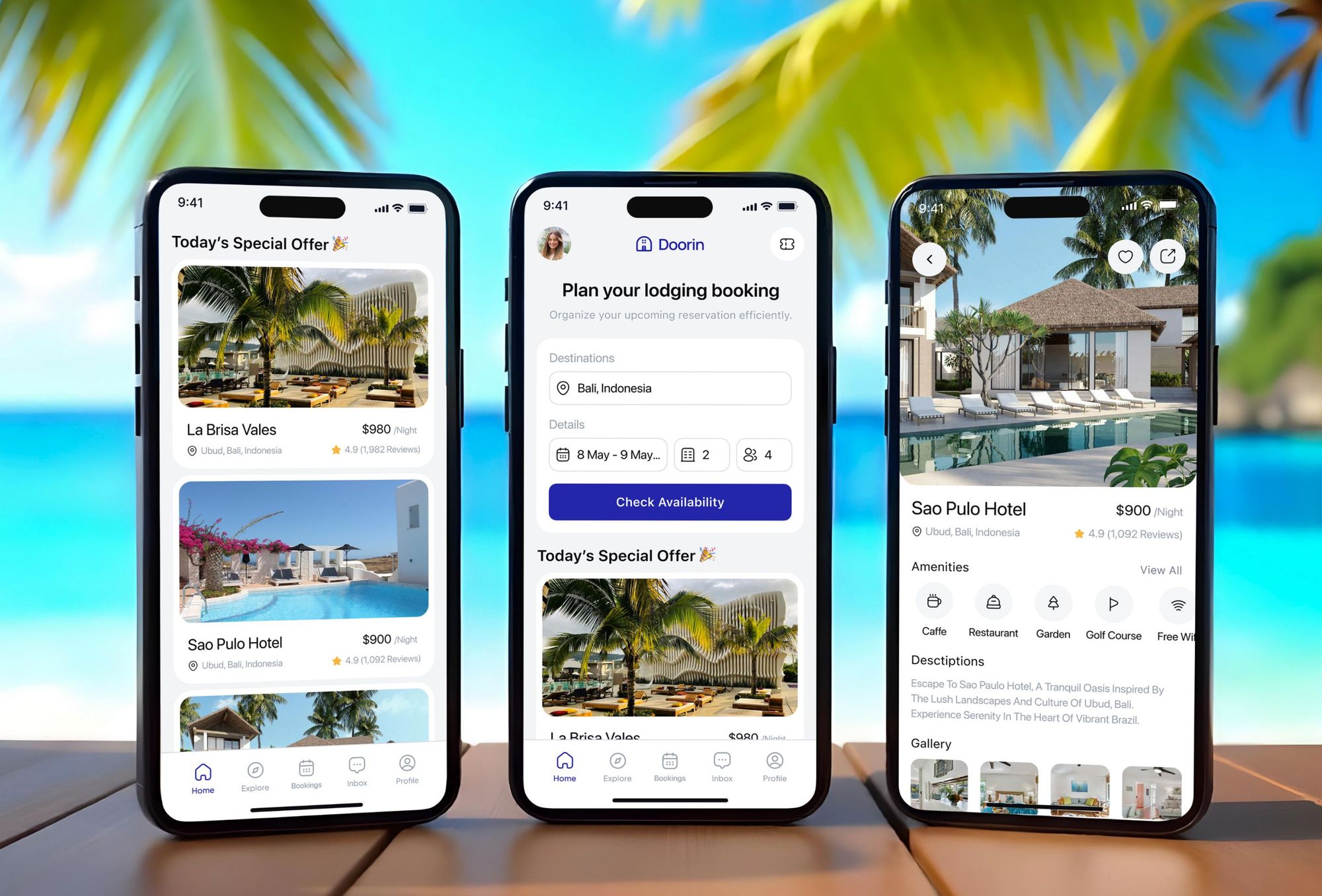
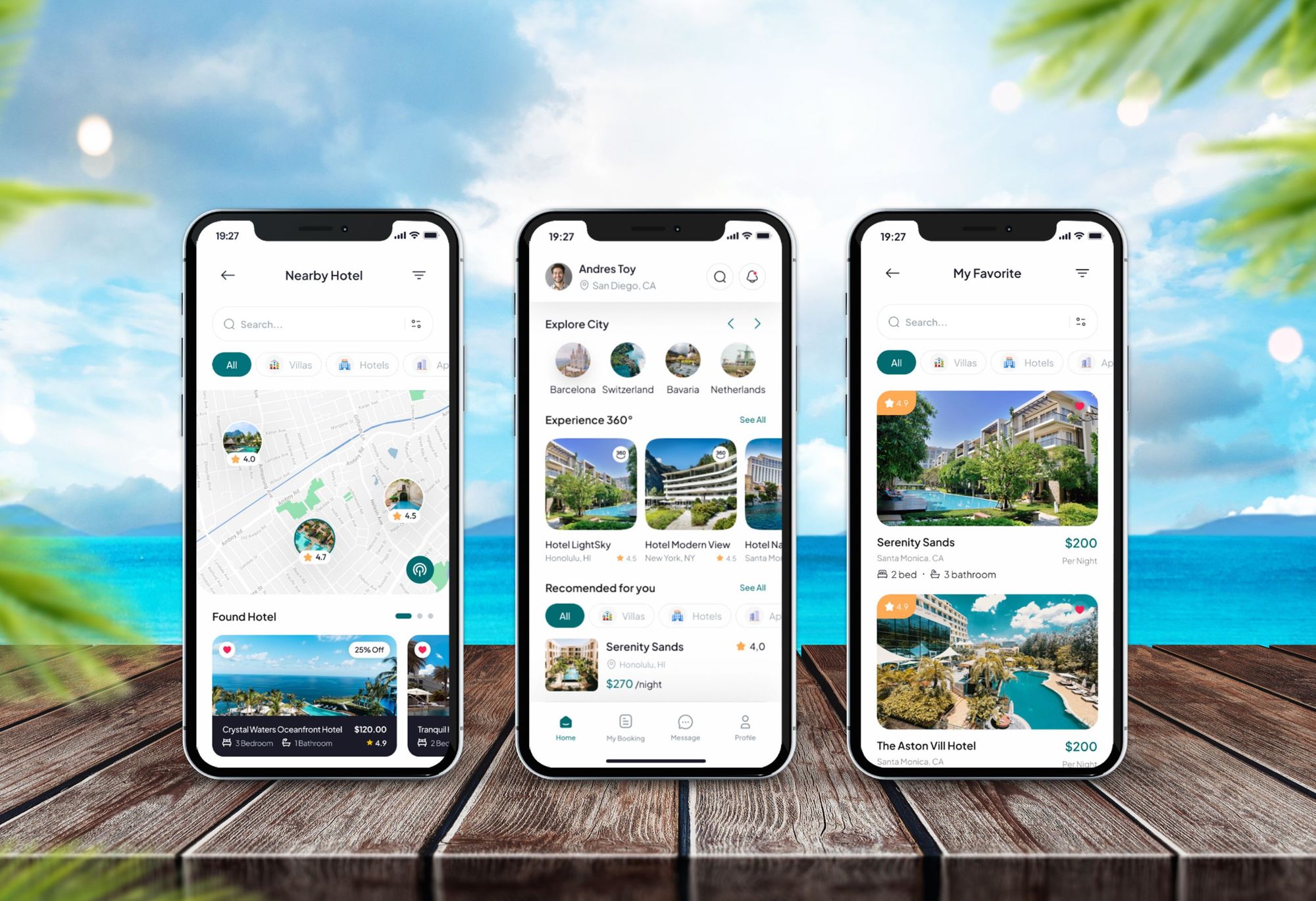
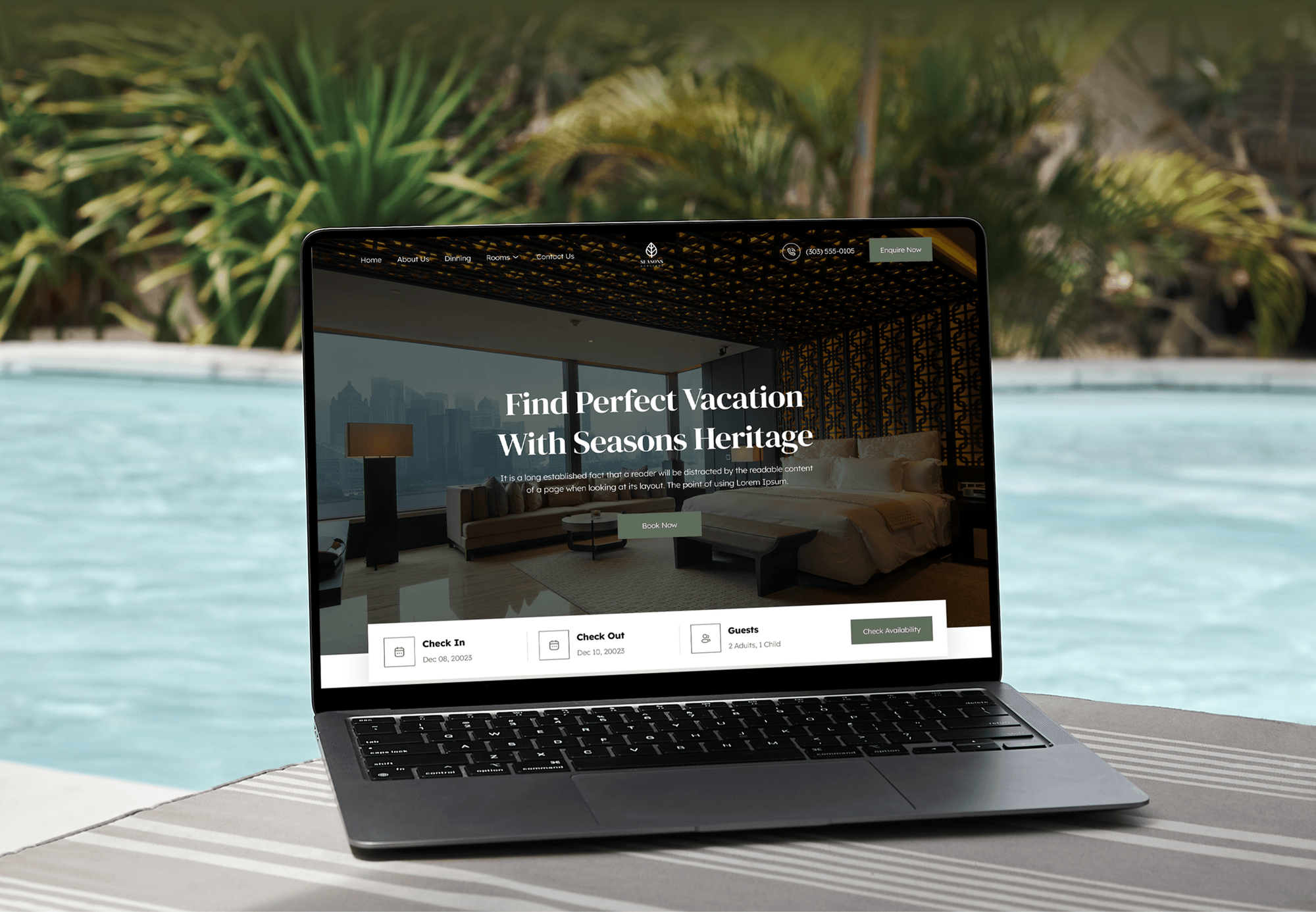
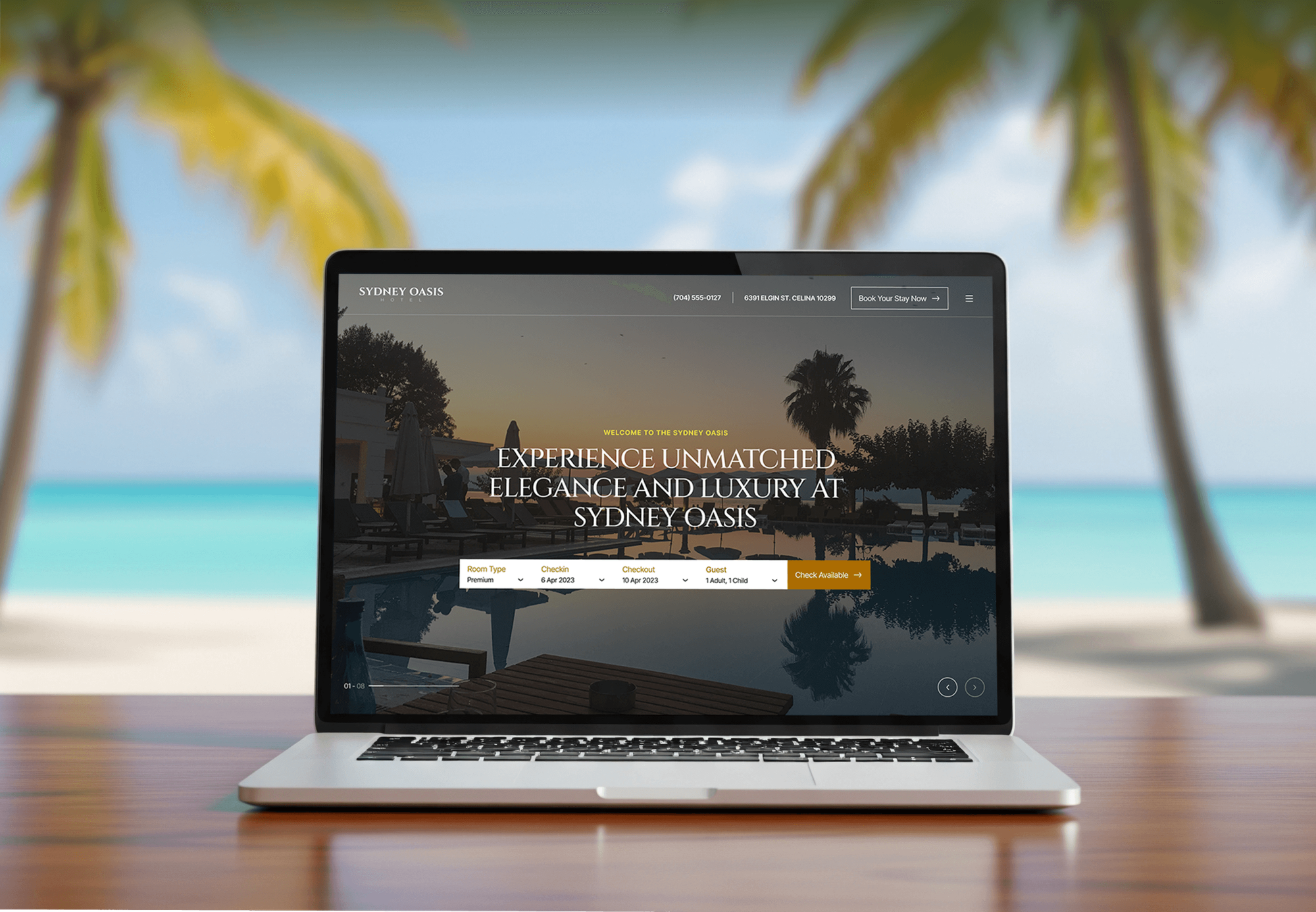
Hotel websites and stay booking apps we have designed and built, with the room inventory, guest accounts, and payments that a PMS integration keeps in sync.
What Our Clients Say
Feedback from teams we have built integrations, booking, and payment products for.
We had a pretty specific idea of what we wanted our website to become, but I wasn’t sure how easily we could explain all of it to a development team. There were quite a few moving parts, and we were working toward a deadline, so I expected a few things to get lost along the way. That never really happened. They understood what we were trying to achieve, kept us updated throughout the process, and got everything ready within the agreed timeline. The final site feels much easier to navigate, works beautifully on mobile, and is noticeably smoother for our customers. It was a huge relief seeing the original idea actually turn into the website we had in mind.
The mobile experience is probably my favourite part of the new site. We had spent a lot of time making sure the desktop version looked right, and the team kept pushing us to think about how everything would actually feel on a phone too. They were right. The navigation is clean, the interactions feel natural, and everything we’ve tested so far works exactly as it should. They also went through the links, forms, integrations, and other details more than once before launch, which I really appreciated. And even after going live, we could still reach out when something came up. The whole process felt friendly, organised, and surprisingly straightforward.
What I appreciate most is that the website is actually easy for us to manage now. We can update content ourselves instead of sending a developer a message every time we need to change something small. They also paid attention to the technical SEO side, which mattered to us because we didn’t want a new website to create problems for the traffic we already had. I’ve probably asked more questions than I should have since launch, but every question has been handled patiently and without any fuss. The team is easy to work with, they explain things clearly, and when we need something changed, they focus on getting it done rather than making the process complicated.
1,250+
Projects shipped
10+
Years of experience
Top 3%
Upwork Top Rated Plus
5 stars
Average review score
1,250+
Projects shipped
10+
Years of experience
Top 3%
Upwork Top Rated Plus
5 stars
Average review score

Want results like these?
Tell us what you are building. You get a reply within 24 hours on business days, then a written estimate.
Work Culture
Your PMS is the guest record your whole property runs on. These habits keep your connections readable, owned by you, and quiet on a busy night.
We document every system you run and who owns each guest field before we connect anything. Most hotel data problems start with two systems writing the same field.
Some PMS vendors certify every integration before it goes live. We follow their documented path, and we claim no partner status we don't hold.
Every link runs in your vendor's sandbox or a test property first. Your real guests only meet a connection that has already passed check-ins and checkouts.
We switch your interfaces on when arrivals are light, with your duty manager on the call. A problem at 2 p.m. on a Tuesday costs far less than one at check-in rush.
If a marketplace app already does what you need, we'll tell you before we quote. Custom work is for the links your connectors can't cover.
API credentials, middleware, and logs sit in accounts your hotel owns. We work as invited users and hand everything over with documentation at the end.
Overview
DeveloperLook builds hotel PMS integration for independent hotels, hotel groups, and hospitality tech vendors. We map every interface, connect channel managers, POS, door locks, phones, payments, and guest apps through each vendor's documented API, and monitor the links. Projects start at $1,400, take 2 to 14 weeks, and you own every credential.
DEVELOPERLOOK
Project facts · Hotel PMS Integration
Reviewed 28 Oct 2026 by Saimul Islam
Good fit
Independent hotels on a cloud PMS
Your front desk retypes OTA bookings and restaurant charges into the PMS, and you want pms integration for hotels your size.
Hotels moving to OPERA Cloud
You're moving from on-premise OPERA to OPERA Cloud, and every interface from locks to phones needs checking on the new setup.
Hotel groups with central reporting
You run several properties and need one hotel pms integration solution feeding guest data into a central CRM and reports.
Hotels adding guest tech
You're adding guest tablets in each room or a guest app, and each one needs a reliable PMS integration, tablet by tablet, across the hotel.
Hospitality software vendors
Your product must connect to Mews, Cloudbeds, or Apaleo, and you want each integration built to that vendor's certification rules.
Not a fit
Budget under $1,400
You run a small inn and your PMS's built-in channel manager covers everything. Better settings in the PMS you have are the cheaper fix.
Booking engine is the gap
Your PMS works, but guests can't book direct on your website. Hotel Booking Engine Integration covers the engine and its handoff.
Till and accounting only
Your restaurant till needs to reach accounting, not guest rooms. POS Integration Services covers restaurant and retail POS links.
Guest data security first
You're worried about who can reach guest records across these systems. Hotel Cyber Security covers that review before any new connection.
Not sure we're the right fit?
Book a free call or message us. We'll tell you honestly whether we're the right team.
Pricing
These are starting points in USD. Your final price depends on how many systems connect, whether your PMS vendor requires certification, and on-property interfaces. You get a fixed proposal after a free interface audit.
For Agencies
You own the relationship with the hotel or hospitality brand. We supply the integration engineering behind it: the interface map, custom links on the PMS API, certification steps, and monitoring, delivered under your agency's brand.
White label: your client only ever sees your brand
Send the hotel's PMS, connected systems, and pain points, and we scope it in writing.
We build each link in a sandbox and take it through vendor review.
You launch with the hotel while we monitor its interfaces for 60 days.
Send the hotel's PMS, connected systems, and pain points, and we scope it in writing.
We build each link in a sandbox and take it through vendor review.
You launch with the hotel while we monitor its interfaces for 60 days.
The Right Technology for Your Project
The PMS platforms, hotel systems, and integration tools we connect so every system reads the same guest record.
 Stripe
 Apple Pay
 Node.js
 PostgreSQL
 AWS
 Docker
 HubSpot
Related Services
Hotel and integration services that pair with your PMS connections, from the direct booking engine to POS links and guest data security.
This page
Hotel PMS Integration
Pairs with the 6 services around it
FAQ
Straight answers on cost, timelines, channel managers, third-party apps, payments, phones, and choosing a PMS that connects well.
Saimul IslamFounder & CEO, DeveloperLookStill have questions?
Send a message or book a call with the team.
Hotel PMS integration starts at $1,400 for one or two marketplace connectors, mapped and tested for your property. A custom link on your PMS vendor's API is $3,900. Programs with several custom links, vendor certification, and on-property interfaces start at $8,600. Connector subscriptions and any vendor certification fees are billed separately.
A marketplace connector usually goes live in 2 to 4 weeks, including mapping and test check-ins. A custom link takes 4 to 8 weeks. When your PMS vendor certifies integrations, add its review and pilot steps, which can bring the total to 8 to 14 weeks. We schedule each go-live for a quiet shift.
You connect them two ways: your availability and rates flow out, and reservations, changes, and cancellations flow back in. Most hotel channel manager pms integration work is mapping room types and rate plans once, on both sides, so nothing sells under the wrong code. Then we test a booking, a change, and a cancellation from each of your OTAs.
Most go through the PMS vendor's app marketplace or published API. Cloudbeds runs an App Marketplace with an open API, and Mews documents a Connector API whose integrations pass a certification and pilot before going public. We check whether a certified app already exists before building anything for you, because that's usually your cheaper route.
On-property systems such as door locks and phones usually connect through an interface server rather than a web API. Oracle's IFC8, for example, links OPERA to on-premise devices using message formats such as FIAS. The dormakaba Ambiance lock system encodes keys through a PMS interface, so your desk check-in tells it which room to encode.
When no connector exists, we build middleware on your PMS API. It listens for events such as check-in or a new reservation, then writes to your CRM, data warehouse, or guest app, with logs and retries. Apaleo, which calls itself an open, API-first platform, and OPERA Cloud's OHIP REST APIs both support this pattern.
No single PMS wins for every hotel: your best one has certified two-way connections to the channel manager and OTAs you already use. Cloud platforms such as Mews, Cloudbeds, and Apaleo publish their APIs and partner lists, so you can check before signing. We compare those lists against your channels in your free audit.
They use a payment provider connected to the PMS that stores card tokens instead of card numbers. Cloudbeds Payments terminals can tokenize and store a card without charging it, and Mews terminals tokenize a tapped card for later charges in Mews. Your guests tap or pay by link, and your staff don't see the raw card number.
NEC's hospitality phone systems, such as the SV9100, connect to a PMS through NEC's PMS interface. Check-in and checkout messages reach the phone system, room status updates with them, and your front desk can set wake-up calls. Which features work depends on your PMS's interface support, so we confirm both sides before quoting.
Your hotel does. API credentials, middleware, and logs sit in accounts your hotel or brand owns, and we join as invited users. After 60 days of monitoring we hand over your runbook and admin rights. You can keep us on call for new systems, vendor API changes, or a PMS migration.
Saimul IslamFounder & CEO, DeveloperLookStill have questions?
Send a message or book a call with the team.
Free 30-min callGoogle Meet
Book a call
In 30 minutes on Google Meet we walk you through how we would build it, how long it takes and what it costs. Then you get a written estimate.
Calendar not showing? Book on cal.com or send a brief.