




Intake and classification
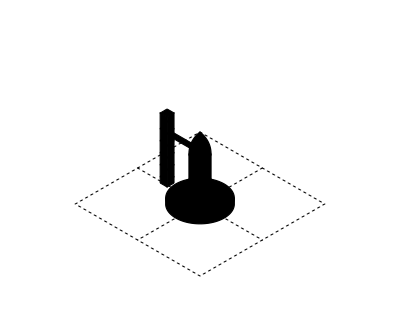
Email inboxes, upload forms, and SFTP folders feed one queue that sorts every file by document type.

For finance, claims, and operations teams who still key data from PDFs and scans: a pipeline that reads each document, checks the values, and hands you only the exceptions.
20+ hrs
Manual keying saved weekly
100%
Low-confidence fields reviewed
How your project runs
01 · FreeTeams we have built for:














The Problem
It shows up when volume grows faster than headcount: more vendors, more claim forms, more phone photos of paperwork, and an OCR tool that only reads the layouts it was set up for.
Rekeying
Staff retype invoice and claim fields from PDFs every day.
Rekeying
Fields are extracted, checked, and posted, so staff only touch the exceptions.
New layouts
A new vendor layout breaks the template-based OCR tool.
New layouts
Layout-aware extraction plus a language model reads layouts no template was built for.
Silent errors
Wrong totals slip into the ledger because nothing checks them.
Silent errors
Validation rules match totals, dates, and PO numbers before anything is exported.
Audit trail
Nobody can show where an exported value came from.
Audit trail
Every value links back to its page and field, and reviewer edits are logged.
Your accounts payable inbox fills up every Monday: invoices, credit notes, W-9s, and a bill of lading somebody photographed on a truck. Two people retype vendor names, totals, and line items into the ERP. The template OCR tool reads clean invoices, then breaks on every new vendor layout. A mistyped total slips into the ledger because nothing checks it, and month-end close stretches by days. Hiring more people for data entry fixes this week, not next quarter.
We start with your documents, not a demo file. We label a sample of real invoices, claims, or forms. Then we build a pipeline that sorts each file, reads it with layout-aware OCR, and calls a language model only for fields that need judgment. Validation rules check every value against your records. Anything uncertain goes to a reviewer with the field highlighted, so your team approves exceptions instead of retyping every page.
Scored on your documents
Accuracy comes from a labeled sample of your own files, not from a vendor brochure.
People check the hard fields
Values below the confidence threshold go to a reviewer with the source text highlighted on the page.
Data lands in your systems
Validated values post to your ERP, CRM, or claims system with a link back to the page.
Our Intelligent Document Processing Process
You approve the field list and the labeled sample before we build, then review the accuracy report on your own documents before the pipeline touches production data.
We look at 10 to 20 sample documents, where they arrive, and where the data must land. You get a written scope, the field list, and a fixed price before you share any production files.
What's Included
Everything from the moment a file arrives until approved data lands in your systems. You also get the labeled test set that proves the pipeline works.
Compare Options
IDP software suits standard forms at high volume, and offshore keying suits small, irregular batches. Here is where each breaks down when intelligent document processing automation must fit your systems.
| Feature | DeveloperLookBest fit | IDP Software | Offshore Data Entry |
|---|---|---|---|
| Setup | Scoped on your real documents | Self-serve templates and free trials | An instruction sheet for typists |
| Unusual layouts | Custom extraction when templates fail | Strong on common invoice and ID forms | Handles anything, at typing speed |
| Accuracy proof | Measured on your labeled sample | Vendor benchmarks on sample files | Spot checks by a supervisor |
| System checks | PO, vendor, and policy lookups | Extra connectors, often at extra cost | Manual cross-checks, if any |
| Exceptions | Review queue with highlighted fields | Built-in review screen | Emails and shared spreadsheets |
| Volume spikes | Queued and processed in order | Scales well within plan limits | Backlog grows with headcount |
| Ownership | Code and rules in your cloud | Vendor subscription and data | No system left to own |
| Cost | Fixed build plus usage at cost | Per-page fees, cheapest for standard forms | Low per page at small volume |
Projects We've Built
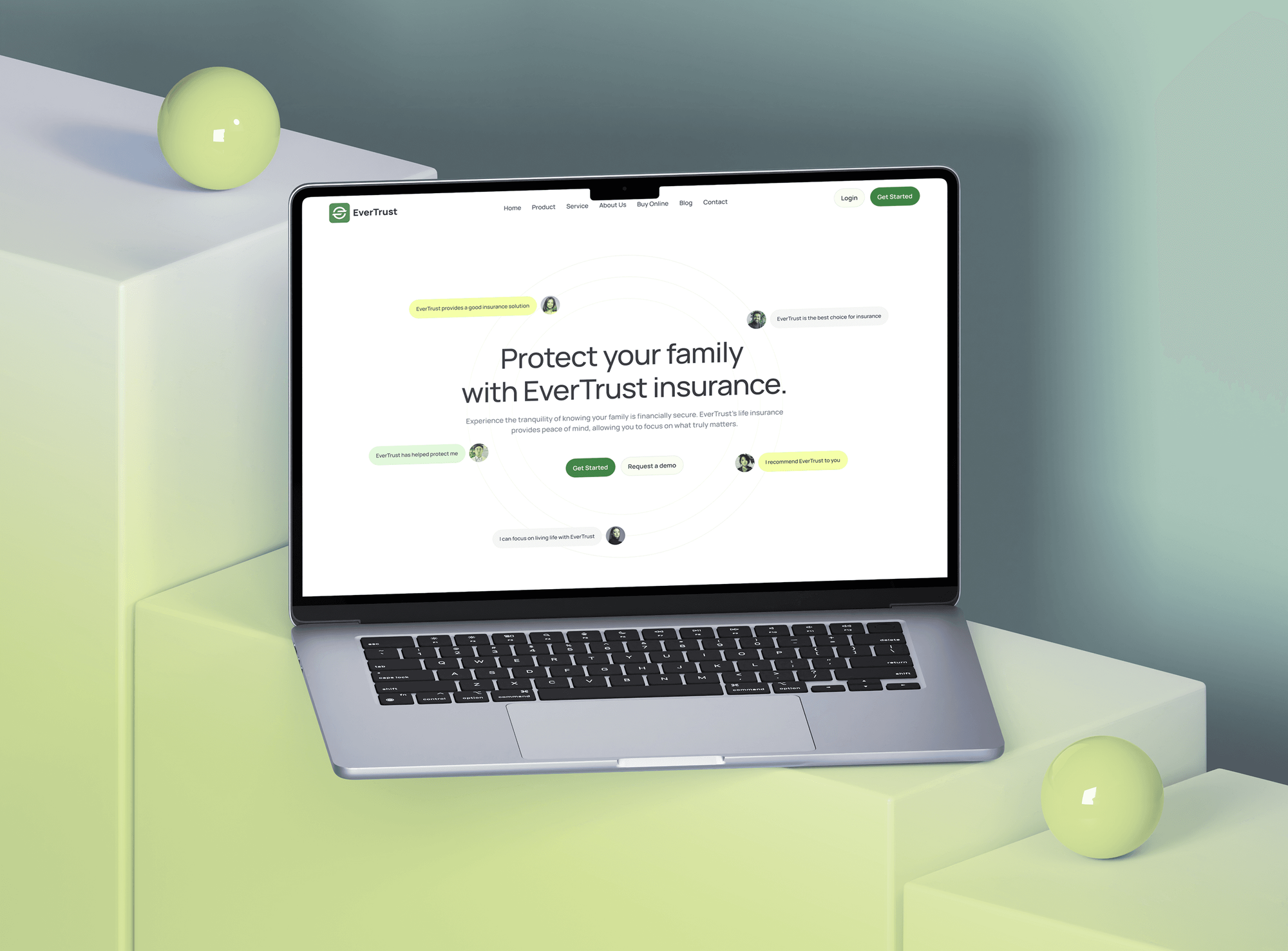
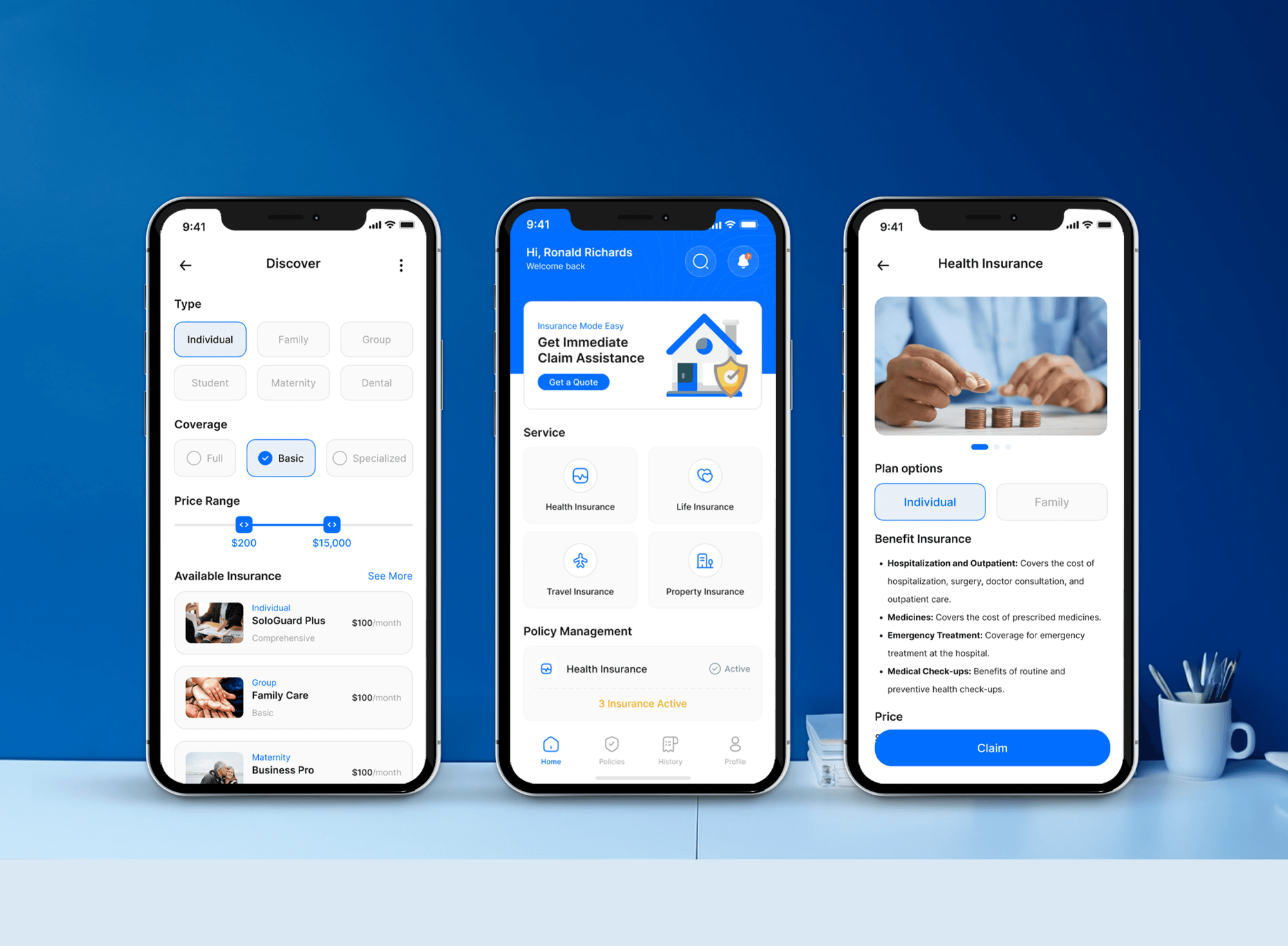
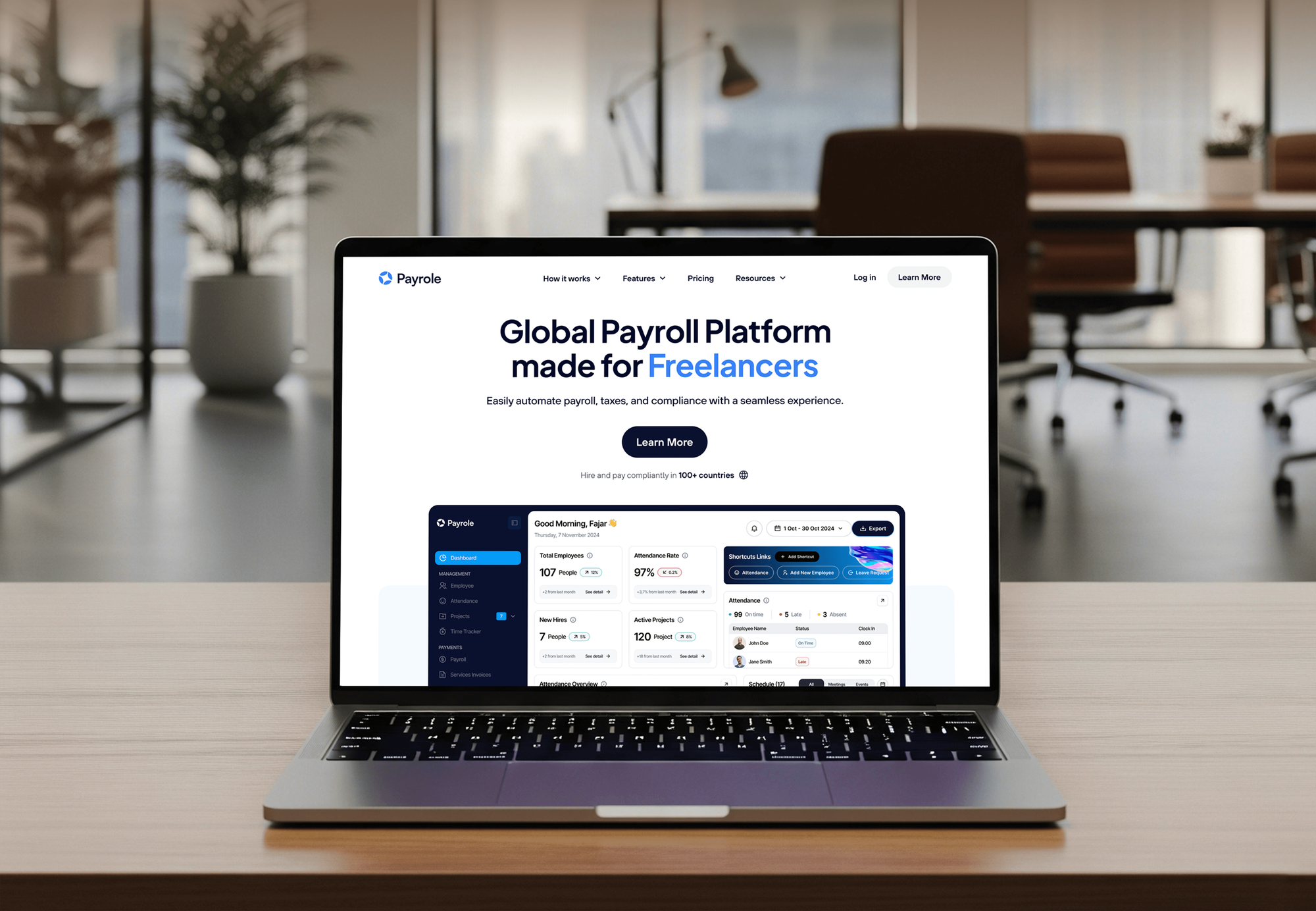
Insurance, payroll, and finance products where claims, contracts, and invoices drive the work. They show how we build forms, records, and dashboards, not IDP pipelines themselves.
What Our Clients Say
Feedback from teams we have built apps, platforms, and websites for.
We had a pretty specific idea of what we wanted our website to become, but I wasn’t sure how easily we could explain all of it to a development team. There were quite a few moving parts, and we were working toward a deadline, so I expected a few things to get lost along the way. That never really happened. They understood what we were trying to achieve, kept us updated throughout the process, and got everything ready within the agreed timeline. The final site feels much easier to navigate, works beautifully on mobile, and is noticeably smoother for our customers. It was a huge relief seeing the original idea actually turn into the website we had in mind.
The mobile experience is probably my favourite part of the new site. We had spent a lot of time making sure the desktop version looked right, and the team kept pushing us to think about how everything would actually feel on a phone too. They were right. The navigation is clean, the interactions feel natural, and everything we’ve tested so far works exactly as it should. They also went through the links, forms, integrations, and other details more than once before launch, which I really appreciated. And even after going live, we could still reach out when something came up. The whole process felt friendly, organised, and surprisingly straightforward.
What I appreciate most is that the website is actually easy for us to manage now. We can update content ourselves instead of sending a developer a message every time we need to change something small. They also paid attention to the technical SEO side, which mattered to us because we didn’t want a new website to create problems for the traffic we already had. I’ve probably asked more questions than I should have since launch, but every question has been handled patiently and without any fuss. The team is easy to work with, they explain things clearly, and when we need something changed, they focus on getting it done rather than making the process complicated.
1,250+
Projects shipped
10+
Years of experience
Top 3%
Upwork Top Rated Plus
5 stars
Average review score
1,250+
Projects shipped
10+
Years of experience
Top 3%
Upwork Top Rated Plus
5 stars
Average review score

Want results like these?
Tell us what you are building. You get a reply within 24 hours on business days, then a written estimate.
Work Culture
What sets us apart from other intelligent document processing companies is proof: accuracy measured on your own documents, people on the hard fields, and a pipeline you own.
We measure accuracy on a labeled sample of your own files. Vendor demo numbers don't decide whether a pipeline is ready for your ledger.
We route uncertain values to a person instead of forcing automation past its limits. Reviewers see the source text, so each check takes seconds.
Documents stay in your cloud account, and we redact personal data where the workflow allows. Healthcare jobs run only on services covered by a signed BAA.
If your accounting tool's built-in bill capture already handles your volume, we say so before we quote. You pay for a pipeline only when it earns its keep.
You get a fixed build price and an estimate of OCR and model fees per 1,000 pages. Those fees are billed to your own accounts with no markup.
Code, prompts, validation rules, and the labeled sample are yours at handover. Another team can maintain the pipeline without asking us for anything.
Overview
DeveloperLook builds intelligent document processing pipelines that read invoices, claims, and forms and post checked data to your systems. Each build covers intake, classification, field and table extraction, validation rules, and a human review queue. Projects start at $1,100, take 2 to 10 weeks, and are scored on your own documents.
DEVELOPERLOOK
Project facts · Intelligent Document Processing Services
Reviewed 28 Oct 2026 by Saimul Islam
Good fit
Accounts payable teams on many vendors
Your AP team retypes invoices from dozens of vendor layouts into NetSuite or QuickBooks, and month-end close waits on the backlog.
Insurance claims and underwriting teams
Your adjusters read claim forms, ACORD applications, and medical bills by hand before a claim can even move to review.
Logistics and freight operations
You process bills of lading, delivery receipts, and customs paperwork, often photographed on a phone, and need the data in your systems the same day.
Healthcare billing and intake offices
Your staff pulls patient details from referral faxes, insurance cards, and explanations of benefits, and every page holds protected health information.
Agencies selling automation to clients
You resell automation and need document pipelines delivered under your brand, with the accuracy testing your clients will ask about.
Not a fit
Creating invoices from orders
You need to generate and send invoices from store orders, not read incoming documents. Our Invoice Automation Software page covers that work at a lower price.
Questions across your documents
You want staff to ask questions across policies and manuals rather than pull fields into a system. RAG Development is the better fit for that.
Budget under $1,100
Your budget is under $1,100 and you handle a few dozen simple documents a month. Your accounting software's built-in bill capture is enough for now.
A vision model from scratch
You want a new vision model trained on millions of images for a product feature. Our Machine Learning Development Services page covers custom model work at that scale.
Not sure we're the right fit?
Book a free call or message us. We'll tell you honestly whether we're the right team.
Pricing
These are starting points in USD. Your final price depends on your document types, scan quality, and target systems, and you get a fixed proposal after a free document review.
For Agencies
You own the client relationship. We supply the document pipelines behind your automation offer: labeled samples, extraction, validation, and the accuracy report your client signs off on. Your logo goes on every deliverable, and we join client calls only when you ask.
White label: your client only ever sees your brand
Send sample documents, target systems, and the monthly volume your client expects.
You get a fixed price, a timeline, and an accuracy test plan within 2 business days.
We deliver the pipeline, the accuracy report, and the runbook under your brand.
Send sample documents, target systems, and the monthly volume your client expects.
You get a fixed price, a timeline, and an accuracy test plan within 2 business days.
We deliver the pipeline, the accuracy report, and the runbook under your brand.
The Right Technology for Your Project
We pick the OCR service and model per document type, keep files in your cloud account, and connect the output to the systems your team already runs.
 Amazon Textract
 Azure AI Document Intelligence
 Google Document AI
 OpenAI
 Anthropic Claude
 Google Gemini
 Meta Llama
 Python
 PostgreSQL
 Docker
 n8n
 QuickBooks
 Xero
 SAP
 Salesforce
Related Services
Pair document processing with the MCP layer your AI tools use, custom models, document question answering, and the automations that act on extracted data.
This page
Intelligent Document Processing Services
Pairs with the 6 services around it
FAQ
Straight answers on cost, accuracy, document types, and data safety for IDP projects.
Saimul IslamFounder & CEO, DeveloperLookStill have questions?
Send a message or book a call with the team.
Intelligent document processing is software that reads business documents the way a trained clerk would: it sorts them, finds the fields, and checks the values. That is the core of intelligent document processing vs OCR: plain OCR only turns an image into text, while IDP knows a number is an invoice total and checks it against the line items. Common intelligent document processing use cases are accounts payable, claims intake, onboarding forms, and shipping paperwork.
Document processing software works in four stages: intake, classification, extraction, and validation. Files arrive by email, upload, or SFTP and are sorted by type. OCR and layout analysis turn each page into text with positions, then extraction models pull out fields and tables. Validation rules check the values, and anything below a confidence threshold goes to a person before export.
IDP projects start at $1,100 for one document type with validation, a review queue, and a 100-document accuracy test. The Multi-Document Pipeline plan is $3,300 for up to 5 types with ERP or CRM lookups, and the Back-Office IDP Platform starts at $7,200. OCR and model usage is billed to your own cloud accounts at cost.
One document type usually goes live in 2 to 3 weeks, and a multi-type pipeline with system lookups takes 5 to 10 weeks. Labeling the sample fills the first few days, so the start date depends on how quickly you can share real files. You get a dated plan with the fixed proposal, and the accuracy report comes before launch.
Start with the document that costs the most keying time, automate it end to end, then add the next type. An inbox or folder feeds the pipeline, extracted data posts to your ERP or claims system, and staff work a review queue instead of typing. Approvals and payments stay in the tools your back office already uses, so nobody learns a new system.
Amazon Textract, Azure AI Document Intelligence, and Google Document AI all offer asynchronous APIs for multi-page and batch jobs. We pick the service per document type by accuracy on your sample and price per page. The pipeline queues every file, so a spike of thousands of pages is processed in order instead of timing out, and you see the backlog on a dashboard.
No. Intelligent data processing is a loose term for applying AI to any data, while IDP deals with documents: PDFs, scans, photos, and email attachments. The two meet after extraction, when document data joins your other records. If your inputs are already structured rows in a database or an API feed, you need a data pipeline, not an IDP build.
Machine learning does three jobs in IDP: it classifies each document, locates fields and tables in the layout, and scores its confidence in every value. Pretrained models in the cloud OCR services cover common forms, and we train a custom extractor when your layouts are unusual. That learning is what separates artificial intelligence document processing from rigid templates.
Complexity is the biggest driver of accuracy: clean digital PDFs score highest, while faint scans, handwriting, stamps, and tables that span pages score lower. That is why we label a sample that includes your hardest documents and report accuracy per field. A printed total might post automatically at high confidence, while a handwritten date goes to a reviewer by rule.
Enterprises manage IDP risk with four controls: human review, validation against systems of record, access limits, and an audit trail. Review covers every low-confidence field, and the trail links each exported value to its page. We also redact personal data where the workflow allows and keep files in your cloud account. Healthcare documents run only on services covered by a signed BAA.
Saimul IslamFounder & CEO, DeveloperLookStill have questions?
Send a message or book a call with the team.
Free 30-min callGoogle Meet
Book a call
In 30 minutes on Google Meet we walk you through how we would build it, how long it takes and what it costs. Then you get a written estimate.
Calendar not showing? Book on cal.com or send a brief.