Source connectors with sync
Drive, wiki, help center, or database connectors that pick up edits and deletions on a schedule.

For teams whose knowledge sits in drives, wikis, and help centers: an AI that answers from those sources, shows where each answer came from, and respects access rights.
100%
Answers linked to sources
100+
Test questions scored
How your project runs
01 · FreeTeams we have built for:














The Problem
It shows up the first week staff use the assistant on real work. Answers sound confident, cite nothing, and quote a policy that changed months ago or a document the person had no right to open.
General answers
The assistant answers from model memory, not your handbook.
General answers
Answers are written only from passages found in your approved sources.
Stale index
Documents change, but nobody updates the vector database.
Stale index
Sync jobs pick up edits and deletions, so retired content stops appearing.
Leaked files
People get summaries of files they can't open.
Leaked files
Retrieval filters by each user's permissions before the model sees any text.
No proof
Nobody can tell which passage a wrong answer came from.
No proof
Every answer shows its citations, and every miss is logged for review.
Your support lead asks the assistant about the refund policy, and it answers from the model's general knowledge instead of your handbook. A sales rep gets a confident price that was retired last year. Someone in marketing receives a summary of an HR file they shouldn't be able to see. The team loaded a folder of PDFs into a vector database once, and nobody updates it when documents change. When an answer is wrong, nobody can tell which passage it came from. Trust drops, and people go back to searching the drive by hand.
We start with your sources and who may read each one. Then we build a pipeline that syncs changes and deletions, splits documents along their headings, and searches by keyword and meaning together. A reranking step picks the best passages, and the model answers only from them, with a citation on every claim. Before launch, a test set of your real questions scores each change. Answers come from your files, not from the model's memory.
Every answer cites a source
Each claim links to the document and passage it came from, so people can check it.
Search that respects access
People only get answers from documents their own account is allowed to open.
Sources that stay current
Edits and deletions in your drive, wiki, or help center flow into the index automatically.
Our RAG Development Services Process
You approve the sources and access rules first, review test results before launch, and decide when answer quality is good enough to roll out to your team.
We go through where your knowledge lives, who reads what, and the questions people ask most. You get a written scope, a list of sources to include, and a fixed price before any access is shared.
What's Included
A retrieval pipeline your team can trust and maintain: connected sources, permission-aware search, cited answers, a scored test set, and monitoring once real people start asking.
Compare Options
RAG as a service platforms and a do-it-yourself setup both work for some teams. Here is where each fits once accuracy, access rules, and upkeep start to matter.
| Feature | DeveloperLookBest fit | RAG Platform | DIY Setup |
|---|---|---|---|
| Planning | Sources and test set agreed first | Upload and go | Usually skipped |
| Source sync | Edits and deletions synced | Depends on built-in connectors | Manual re-uploads |
| Access control | Per-user filters from your systems | Varies by plan | Rarely built |
| Search quality | Hybrid search plus reranking | Good defaults, few settings | Vector search only |
| Setup speed | 2 to 8 weeks | Fastest, often days | Quick to a first demo |
| Evaluation | Scored test set per change | Basic usage analytics | Spot checks by hand |
| Cost | Fixed build, then hosting | Monthly seat or usage fees | Cheapest to start |
| Ownership | Code and index you own | Vendor holds the index | Yours, if someone maintains it |
Projects We've Built
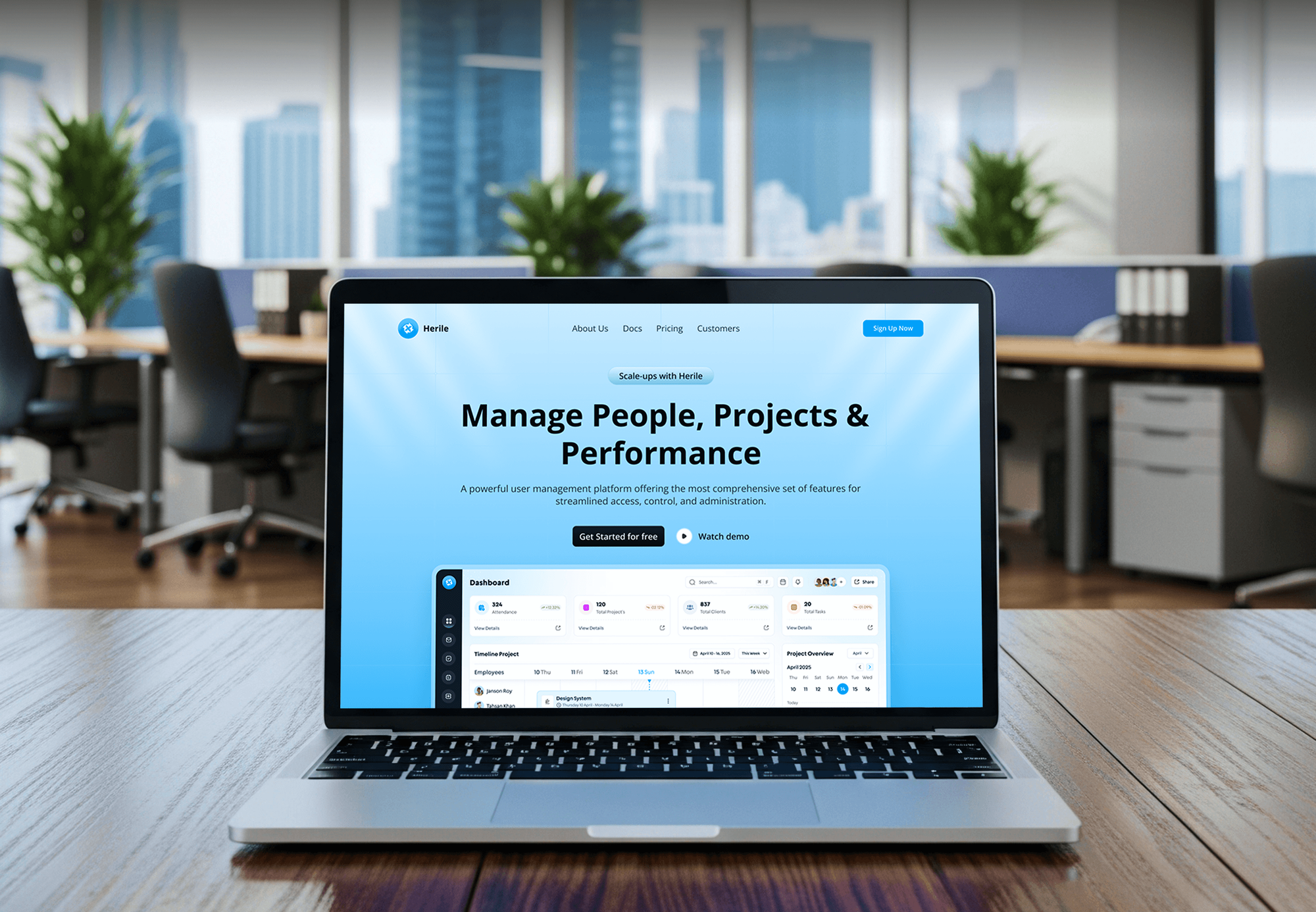
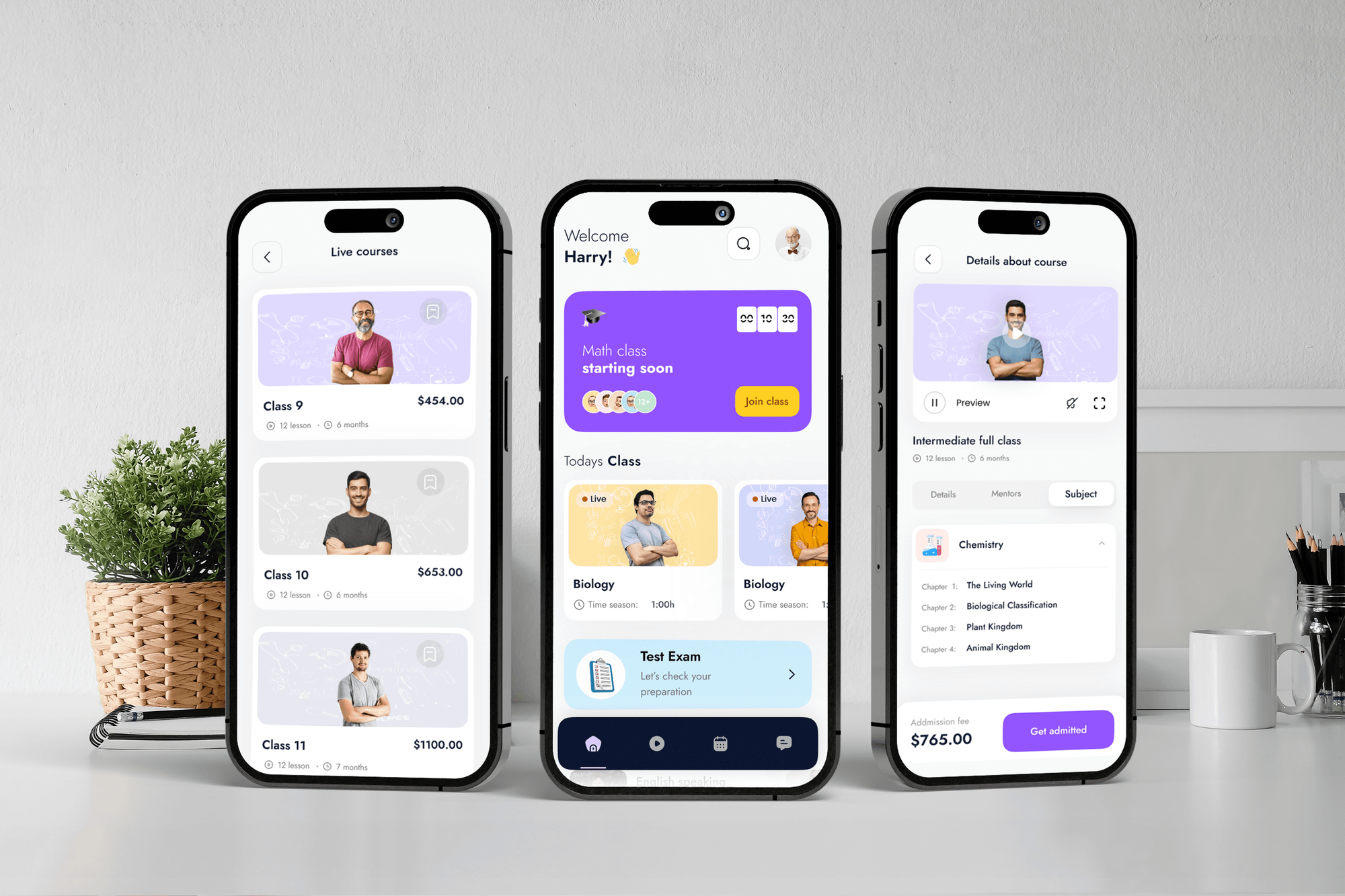
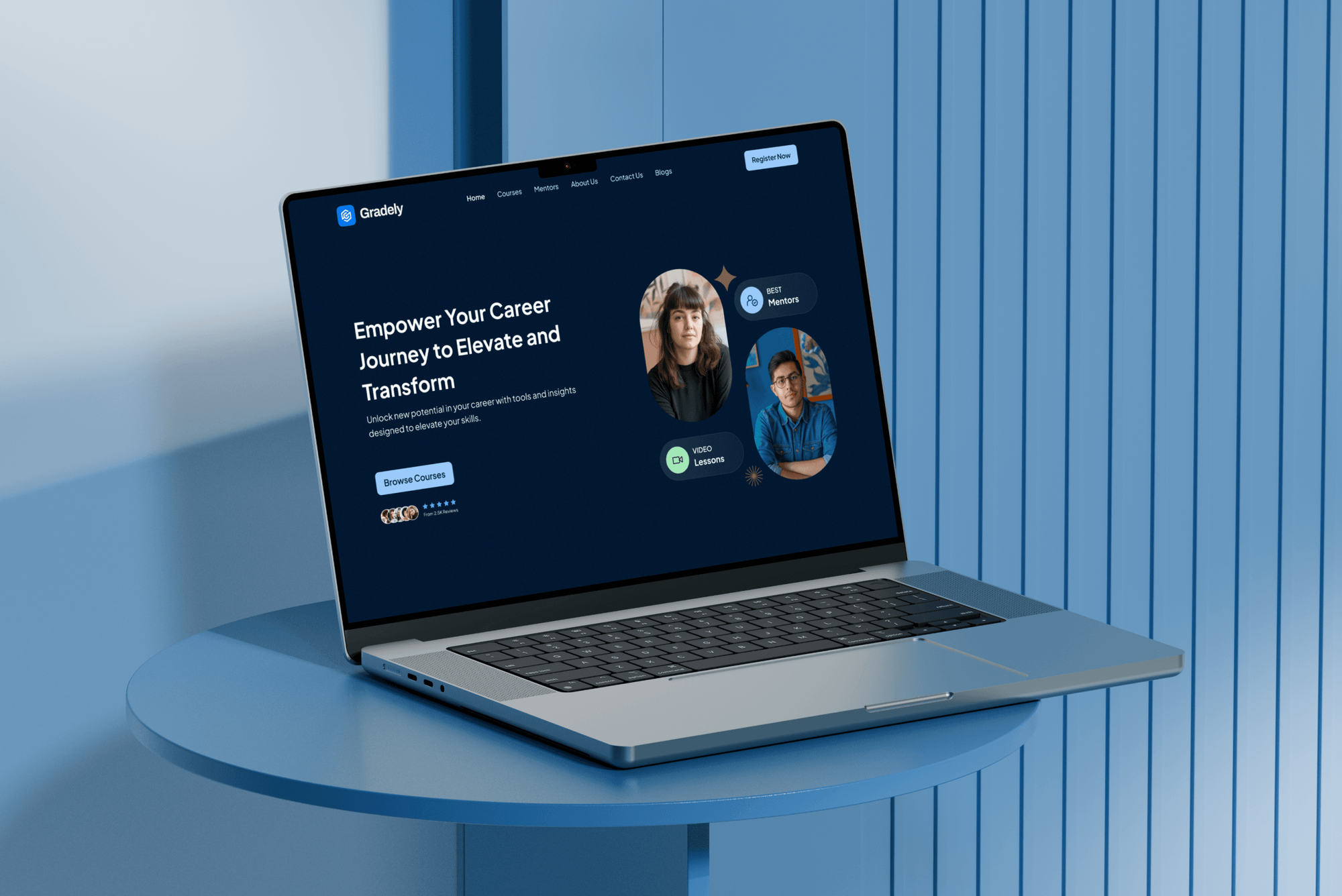
Platforms we designed and built that organize courses, documents, and user roles at scale. They show our build work, not past RAG projects.
What Our Clients Say
Feedback from teams we have built apps, platforms, and websites for.
We had a pretty specific idea of what we wanted our website to become, but I wasn’t sure how easily we could explain all of it to a development team. There were quite a few moving parts, and we were working toward a deadline, so I expected a few things to get lost along the way. That never really happened. They understood what we were trying to achieve, kept us updated throughout the process, and got everything ready within the agreed timeline. The final site feels much easier to navigate, works beautifully on mobile, and is noticeably smoother for our customers. It was a huge relief seeing the original idea actually turn into the website we had in mind.
The mobile experience is probably my favourite part of the new site. We had spent a lot of time making sure the desktop version looked right, and the team kept pushing us to think about how everything would actually feel on a phone too. They were right. The navigation is clean, the interactions feel natural, and everything we’ve tested so far works exactly as it should. They also went through the links, forms, integrations, and other details more than once before launch, which I really appreciated. And even after going live, we could still reach out when something came up. The whole process felt friendly, organised, and surprisingly straightforward.
What I appreciate most is that the website is actually easy for us to manage now. We can update content ourselves instead of sending a developer a message every time we need to change something small. They also paid attention to the technical SEO side, which mattered to us because we didn’t want a new website to create problems for the traffic we already had. I’ve probably asked more questions than I should have since launch, but every question has been handled patiently and without any fuss. The team is easy to work with, they explain things clearly, and when we need something changed, they focus on getting it done rather than making the process complicated.
1,250+
Projects shipped
10+
Years of experience
Top 3%
Upwork Top Rated Plus
5 stars
Average review score
1,250+
Projects shipped
10+
Years of experience
Top 3%
Upwork Top Rated Plus
5 stars
Average review score

Want results like these?
Tell us what you are building. You get a reply within 24 hours on business days, then a written estimate.
Work Culture
When you compare the best companies for RAG development services, ask how each one measures answer quality. Six habits keep our pipelines accurate, permission-safe, and maintained.
Many RAG companies tune until a demo looks good. We agree on real questions and correct answers with your team first, and every change is judged by the scores.
If retrieval finds nothing relevant, the assistant says so and points to a person. A clear no is better for your team than a confident guess.
Access rules come from the systems you already use, not a second list we maintain. When someone loses access to a folder, they lose it in the assistant too.
If your docs fit the built-in AI in your help desk or drive, we'll tell you before we quote. Custom RAG earns its cost on messy, permissioned, fast-changing content.
Wrong answers usually trace back to retrieval, not the model. We check which passage was found before touching prompts, so the fix sticks.
The pipeline, index, and test set live in your cloud account. You can switch model providers without rebuilding from scratch.
Overview
DeveloperLook builds retrieval augmented generation systems that answer from your company's documents. A search step finds the best passages in your sources, the model writes an answer from them, and every answer cites its source. Builds include sync, access filters, and a scored test set, start at $1,400, and take 2 to 8 weeks.
DEVELOPERLOOK
Project facts · RAG Development Services
Reviewed 28 Oct 2026 by Saimul Islam
Good fit
Support teams with a large help center
Your agents search the help center and old tickets for every reply, and you want cited answers inside Zendesk or your chat widget.
Operations teams buried in policies
Your staff ask the same questions about procedures, contracts, and policies spread across SharePoint and Google Drive, and the answers keep changing.
SaaS products adding AI answers
You want cited answers inside your product, drawn from each customer's own data, with no tenant able to see another tenant's files.
Regulated teams needing citations
Your answers must point to the exact clause or page, because a wrong summary of a contract or policy creates real risk for you.
Agencies building AI for clients
Your client wants an assistant on their own documents, and you need a white-label team for the retrieval pipeline and the evaluations behind it.
Not a fit
Budget under $1,400
You want AI answers from a few dozen documents and have less than $1,400 to spend. Your help desk's or drive's built-in AI assistant is the better start.
Need a support chatbot
You want a customer-facing chatbot with handoff to your agents. AI Chatbot Development Services covers the whole chat experience, with retrieval inside it.
AI must take actions
You need AI to update records or run tasks in your systems, not just read documents. MCP Server Development or AI Agent Development Services fits that.
Model must learn a style
You want the model to write in your brand voice or follow a fixed format, not look things up. That is a fine-tuning job, which we scope separately.
Not sure we're the right fit?
Book a free call or message us. We'll tell you honestly whether we're the right team.
Pricing
These are starting points in USD. Your final price depends on your sources, document volume, and access rules, and you get a fixed proposal after a free discovery call.
For Agencies
You own the client relationship. We supply the retrieval engineering behind it: source connectors, search tuning, permission filters, and the test set that proves answer quality. You present the results under your brand, and your client gets an assistant that cites its sources.
White label: your client only ever sees your brand
Send the client's sources, users, and target questions, under NDA if needed.
You get a source plan, a test set outline, and a fixed price to mark up.
We build, score, and document the pipeline, then hand it over to your team.
Send the client's sources, users, and target questions, under NDA if needed.
You get a source plan, a test set outline, and a fixed price to mark up.
We build, score, and document the pipeline, then hand it over to your team.
The Right Technology for Your Project
Model-agnostic tools, so you can switch providers later, plus the stores and sources your content already lives in.
 Anthropic Claude
 OpenAI
 Google Gemini
 Meta Llama
 PostgreSQL
 Python
 Zendesk
 Salesforce
 Docker
 AWS
Related Services
Services teams add around a RAG pipeline: the chatbot people talk to, AI inside existing tools, agents that act, and a security review before launch.
This page
RAG Development Services
Pairs with the 6 services around it
FAQ
Straight answers on how retrieval augmented generation works, where it pulls from, how to evaluate it, cost, and governance.
Saimul IslamFounder & CEO, DeveloperLookStill have questions?
Send a message or book a call with the team.
Our RAG services start at $1,400 for a pilot on one source with cited answers and a 100-question test set. Production pipelines with sync and permission filters start at $4,300, and multi-source enterprise platforms start at $8,800. A pilot takes 2 to 4 weeks, and you get a fixed quote after the free discovery call.
Retrieval augmented generation, or RAG, is a way to make a language model answer from specific documents instead of only its training data. A search step finds passages related to the question, and those passages go into the prompt. The model then writes its answer from that text and can cite where each part came from.
RAG development is the engineering that makes retrieval reliable: connecting sources, splitting documents, building search, filtering by permissions, and testing answers. The model call is a small part of it. Most of the effort goes into keeping the index current and making sure the right passage comes back for each question.
Retrieved documents become the context the model reads before it answers. The pipeline picks the top passages, adds them to the prompt with their titles and links, and tells the model to answer only from that text. The answer then cites those passages, so a reader can open the source and check it.
It pulls from the sources you connect and approve, such as Google Drive, SharePoint, Confluence, Notion, a help center, or a database. Those sources are indexed ahead of time, so the search step is fast. It doesn't browse the open web unless you add web search as a source on purpose.
The purpose of RAG is to ground AI answers in content you control, so they reflect your current policies, products, and records. You update what the AI knows by editing documents, not by retraining a model. It also makes answers checkable, because each one points back to its source.
RAG pipelines are the steps that turn your documents into answers: ingest, split, embed, store, search, rerank, and generate. Ingestion and indexing run on a schedule as documents change, while search, reranking, and generation run on every question. Each step can fail on its own, so we log and test them separately.
You evaluate it with a test set of real questions, each with its expected answer and source. We score whether search found the right passage, whether the answer stays faithful to it, and whether the citations are correct. Tools such as Ragas help with scoring, and every change reruns the full set before release.
Yes, when ChatGPT searches the web or reads files you upload, it retrieves text and answers from it, which is a form of RAG. Without those tools it answers from training data alone. A custom pipeline adds what ChatGPT can't know: your private sources, your access rules, and tests on your own questions.
Your data owners, security team, and compliance lead set the rules, and an engineering team like ours builds them into the pipeline. That means approved source lists, permission filters, retention limits, and an audit log of questions and answers. NIST's AI Risk Management Framework is a useful map for who owns each decision.
Saimul IslamFounder & CEO, DeveloperLookStill have questions?
Send a message or book a call with the team.
Free 30-min callGoogle Meet
Book a call
In 30 minutes on Google Meet we walk you through how we would build it, how long it takes and what it costs. Then you get a written estimate.
Calendar not showing? Book on cal.com or send a brief.