
Cluster audit report
Versions, add-ons, deprecated APIs, and resource use reviewed, with every gap ranked by its risk to production.

For product teams running Kubernetes on EKS, GKE, or AKS: workloads tuned, upgrades rehearsed, and a cluster your team can change with confidence. From $1,150.
1
Rehearsed upgrade path per cluster
100%
Workloads with requests and limits
How your project runs
Teams we have built for:














The Problem
It shows up a year after the first cluster goes live. The engineer who built it moves on, versions fall behind, and every upgrade notice lands like a threat.
01 · Noisy pods
One busy pod starves every other workload on the node.
Requests and limits per workload keep each one inside its own share.
02 · Laptop deploys
Deploys still run from a laptop with kubectl apply.
GitOps with Argo CD or Flux applies every change from a reviewed commit.
03 · Upgrade fear
Upgrade notices pile up while the cluster version falls behind.
Each upgrade is rehearsed on a test cluster first, with a written runbook.
04 · Mass evictions
A node pool upgrade evicts every pod at once.
Disruption budgets and readiness probes let nodes drain without taking the app down.
Your cluster went live last year, and the engineer who set it up has since moved on. Half the workloads have no resource requests, so one busy pod starves the rest. Deploys still run from someone's laptop with kubectl apply. Upgrade notices from your provider keep arriving, and Kubernetes ships a new minor version about 3 times a year. Nobody knows which APIs the old manifests use. Then a node pool upgrade evicts everything at once, and checkout goes down mid-afternoon.
We start with a review of the cluster you already run: versions, add-ons, deprecated APIs, and how each workload asks for CPU and memory. Then we set requests and limits, add readiness probes and disruption budgets, and rehearse the next upgrade on a test cluster. Deploys move to GitOps, so the cluster matches Git. The next upgrade notice becomes a scheduled task, not a fire drill.
Upgrades rehearsed first
Each version upgrade runs on a test cluster before it touches production, with a written runbook.
Requests and limits set
Every workload in scope asks for the CPU and memory it really needs, so one pod can't starve the rest.
Git as the source of truth
Argo CD or Flux keeps the cluster matching Git, so laptop deploys and silent drift stop.
Our Kubernetes Consulting Services Process
You see every finding with its risk, approve each change as a pull request, and keep the manifests, Helm charts, and runbooks when we finish.
We talk through your cluster, where it runs, what it hosts, and what keeps breaking. If a simpler platform would serve you better, we say so on this call. Otherwise you get a plan and a fixed price within 2 business days.
What's Included
Every plan audits one cluster, sets requests and limits, and rehearses the next upgrade. Larger plans add GitOps, autoscaling, dashboards, and a new managed cluster with services moved in.
Compare Options
A managed platform can take clusters off your plate entirely, and a freelance expert costs less for a single task. Here's where a fixed-price Kubernetes engagement fits.
| Feature | DeveloperLookBest fit | Freelance expert | Managed platform |
|---|---|---|---|
| Starting cost | From $1,150, fixed scope | Hourly, often the lowest | Platform fees every month |
| Need for Kubernetes | Questioned on the first call | Rarely questioned | No cluster to run |
| Version upgrades | Rehearsed, with a runbook | Depends on the person | Handled by the platform |
| Deploy method | GitOps with Argo CD or Flux | Varies by freelancer | Git push to the platform |
| Flexibility | Full Kubernetes control | Full Kubernetes control | Limited to platform features |
| Who does the work | Senior engineers, named upfront | One person | The platform itself |
| What you keep | Manifests, charts, and runbooks | Depends on the contract | Your app code only |
| Best fit | Teams already on Kubernetes | One clear, small task | Simple apps, few services |
Projects We've Built
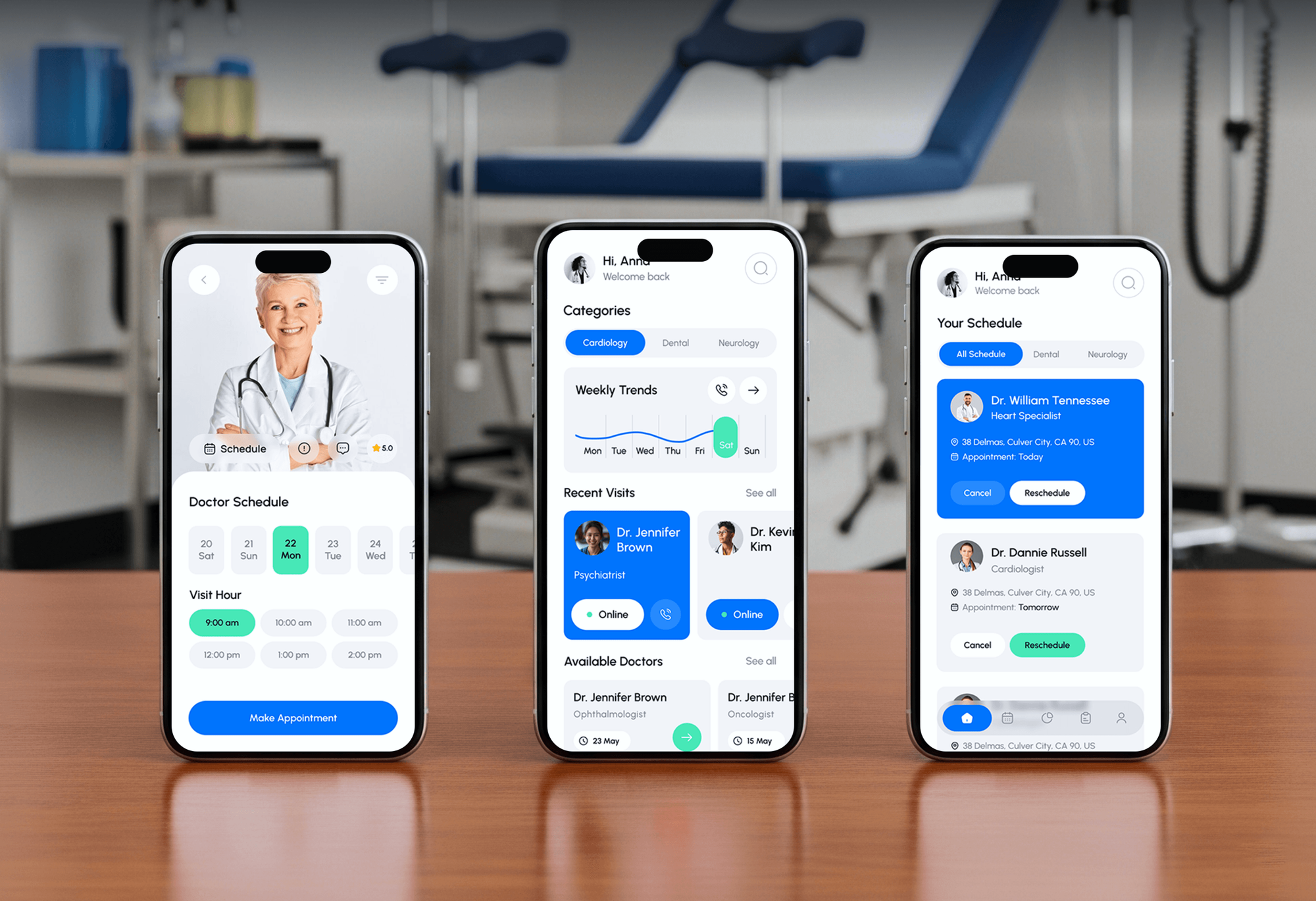
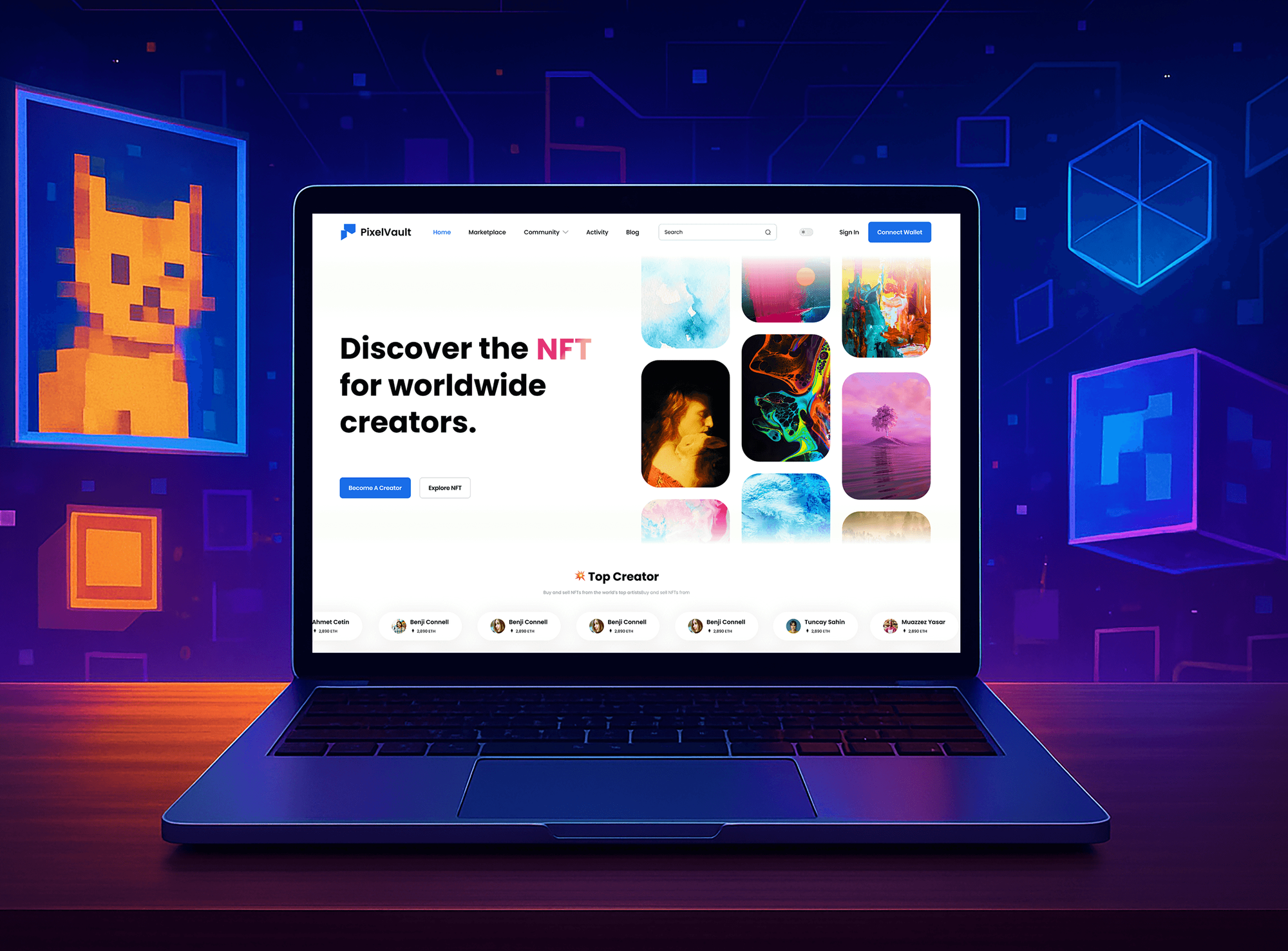
Platforms our team built with an app, a dashboard, and APIs working together, the kind of systems that end up on Kubernetes. They're builds, not Kubernetes engagements.


What Our Clients Say
Feedback from teams we have built web apps and websites for.
We had a pretty specific idea of what we wanted our website to become, but I wasn’t sure how easily we could explain all of it to a development team. There were quite a few moving parts, and we were working toward a deadline, so I expected a few things to get lost along the way. That never really happened. They understood what we were trying to achieve, kept us updated throughout the process, and got everything ready within the agreed timeline. The final site feels much easier to navigate, works beautifully on mobile, and is noticeably smoother for our customers. It was a huge relief seeing the original idea actually turn into the website we had in mind.
The mobile experience is probably my favourite part of the new site. We had spent a lot of time making sure the desktop version looked right, and the team kept pushing us to think about how everything would actually feel on a phone too. They were right. The navigation is clean, the interactions feel natural, and everything we’ve tested so far works exactly as it should. They also went through the links, forms, integrations, and other details more than once before launch, which I really appreciated. And even after going live, we could still reach out when something came up. The whole process felt friendly, organised, and surprisingly straightforward.
What I appreciate most is that the website is actually easy for us to manage now. We can update content ourselves instead of sending a developer a message every time we need to change something small. They also paid attention to the technical SEO side, which mattered to us because we didn’t want a new website to create problems for the traffic we already had. I’ve probably asked more questions than I should have since launch, but every question has been handled patiently and without any fuss. The team is easy to work with, they explain things clearly, and when we need something changed, they focus on getting it done rather than making the process complicated.
1,250+
Projects shipped
10+
Years of experience
Top 3%
Upwork Top Rated Plus
5 stars
Average review score

Want results like these?
Tell us what you are building. You get a reply within 24 hours on business days, then a written estimate.
Work Culture
Good Kubernetes help should leave your team calmer about the cluster, not more dependent on us. These habits keep changes reviewable and upgrades routine.
A few services and one database often run better on a managed platform. If that already covers your case, we'll tell you before we quote.
Kubernetes ships about 3 minor versions a year, each with roughly 14 months of patches. We plan your upgrades around that rhythm instead of reacting to deadline emails.
Every change lands as a commit your team reviews. Nothing gets applied by hand, so the cluster and Git stay in step from one release to the next.
We pick managed add-ons and standard tools over custom operators where they do the job. Fewer moving parts mean fewer pages in the middle of the night.
Runbooks and walkthroughs explain the reason behind each setting. Our goal is a team that handles the next upgrade on its own, without calling us.
We read real CPU and memory use before setting any request or limit. Guessing too low causes evictions, and guessing too high wastes money on idle nodes.
Overview
DeveloperLook provides Kubernetes consulting services for teams running EKS, GKE, AKS, or self-managed clusters. We audit the cluster, set requests and limits, rehearse upgrades on a test cluster, and add GitOps and autoscaling. Plans start at $1,150 and take 2 to 3 weeks, larger builds 4 to 10 weeks, and we'll say so when a simpler platform fits better.
DEVELOPERLOOK
Project facts · Kubernetes Consulting Services
Reviewed 10 Oct 2026 by Saimul Islam
Good fit
Teams that inherited a cluster
You inherited a Kubernetes cluster when its builder left, and you need Kubernetes consultants who explain it before changing anything.
Startups facing a forced upgrade
Your EKS version leaves standard support soon, and extended support adds a per-cluster fee. You want to hire a Kubernetes expert to upgrade it safely.
Companies moving off virtual machines
You're moving services off virtual machines and want Kubernetes professional services that plan the cluster, the deploys, and the cutover together.
Teams comparing outside help
You're weighing a Kubernetes consulting company against an in-house hire and want a small fixed-price project as a test before any retainer.
Agencies with Kubernetes clients
Your agency runs client apps on Kubernetes without a platform engineer, and you need Kubernetes developers for hire who work under your brand.
Not a fit
A few services, one database
You run a few services and one database with steady traffic. A managed platform such as Cloud Run fits better, and Docker Containerization Services can package your app for it.
Want monthly cluster ops
You want someone running the cluster every month rather than a fixed project. DevOps Services covers ongoing cluster work on a monthly plan.
Need SLOs and on-call
Your cluster is healthy, but alerts fire on server graphs instead of user pain. Site Reliability Engineering Services sets SLOs and on-call around your apps.
Budget under $1,150
Your budget is under $1,150 and the cluster runs one small app. An automatic mode such as GKE Autopilot or EKS Auto Mode may cover what you need.
Not sure we're the right fit?
Book a free call or message us. We'll tell you honestly whether we're the right team.
Pricing
These are starting points in USD. Your final price depends on cluster count, workloads in scope, and whether we build a new cluster, and you get a fixed proposal after a free cluster call.
For one cluster with up to 10 workloads that needs tuning and a safe next upgrade.
$1,150one-time, USD
For teams with up to 30 workloads that want GitOps, autoscaling, and dashboards.
$3,500one-time, USD
For teams moving onto a new managed cluster, with services migrated and staff trained.
$7,900one-time, USD
For Agencies
You own the client relationship. We supply the Kubernetes engineering: cluster audits, tuning, upgrades, and GitOps for the client platforms you run, delivered under your brand. Your team stays the contact, while we work inside each client's cluster and repositories.
White label: your client only ever sees your brand
List client clusters, where they run, and what keeps breaking in each one.
We audit each cluster, fix the agreed gaps, and rehearse its next upgrade.
You walk each client through the changes in your own branded report.
Audit reports and runbooks delivered with your agency's name on them.
Client clusters kept on supported versions, with every upgrade rehearsed first.
A set price for each client cluster, easy to quote onward.
Engineers who answer your developers' Kubernetes questions during client work.
The Right Technology for Your Project
The managed Kubernetes services we work on, plus the deploy, scaling, infrastructure, and observability tools we use to keep clusters healthy.
 Docker
FAQ
Straight answers on cost, timelines, choosing and hiring consultants, whether you need Kubernetes, and safe upgrades.
Saimul IslamFounder & CEO, DeveloperLookStill have questions?
Send a message or book a call with the team.
DeveloperLook's Kubernetes work starts at $1,150 for a fixed-price tune-up of one cluster with up to 10 workloads and a rehearsed upgrade. Production Readiness is $3,500 for up to 30 workloads with GitOps, autoscaling, and dashboards. Platform Build is $7,900 for a new managed cluster with up to 15 services moved in. You get a fixed proposal after a free cluster call.
A cluster tune-up takes 2 to 3 weeks, including the upgrade rehearsal. Production Readiness takes 4 to 6 weeks, because GitOps and autoscaling get tested under real traffic. A Platform Build with services moved in takes 8 to 10 weeks. Follow-up questions are covered for 14 to 60 days after handover, by plan.
Kubernetes consulting is bringing in outside experts to design, fix, or run your Kubernetes clusters and the workloads on them. Work ranges from a one-off audit to a production platform with GitOps, autoscaling, and monitoring. A good Kubernetes consultancy also teaches your team, so the cluster doesn't depend on the consultant.
Teams hire Kubernetes consultants when the cluster has become a risk they can't fix alongside product work. Typical triggers are a forced version upgrade, repeated evictions, or a builder who left. Consultants bring patterns from many clusters, so fixes that would take your team weeks of trial and error take far less time.
The best Kubernetes consulting companies for you depend on your cluster count and how much help you need. Large firms suit enterprise platform programs. Smaller teams like DeveloperLook suit companies with 1 to 3 clusters that want senior engineers on a fixed price. If certification matters to procurement, the CNCF lists Kubernetes Certified Service Providers.
Yes, Kubernetes consulting improves your cloud infrastructure when the cluster is part of the problem. Right-sized requests cut wasted nodes, autoscaling matches capacity to traffic, and GitOps makes every change traceable. If the real issue sits outside the cluster, such as the network or the database, we'll say so and point to the right fix.
To hire Kubernetes developers, test them on your real cluster rather than on trivia questions. Ask how they'd upgrade it, how they'd set requests and limits, and how they'd roll back a bad deploy. If you need help before a hire can start, a fixed-scope project covers the gap and leaves runbooks your new hire can use.
Not every team needs Kubernetes: a few services often run better on a managed platform such as Cloud Run or Azure Container Apps. Kubernetes earns its cost when you run many services, need custom networking or scheduling, or want one platform across clouds. We ask this on the first call, before any quote.
We upgrade a Kubernetes cluster by rehearsing first, on a short-lived test cluster at the next version. Deprecated APIs in your manifests get fixed in Git. Then the control plane upgrades, followed by node pools one at a time, with disruption budgets keeping apps up. On EKS, staying current also avoids the extra fee for extended support.
You keep every manifest, Helm chart, Terraform module, dashboard, and runbook, all in your own repositories and accounts. With GitOps, the cluster's full state lives in Git, so your team or a new hire can rebuild it from there. Our access ends at handover, and follow-up questions stay covered for 14 to 60 days.
Saimul IslamFounder & CEO, DeveloperLookStill have questions?
Send a message or book a call with the team.
Free 30-min callGoogle Meet
Book a call
In 30 minutes on Google Meet we walk you through how we would build it, how long it takes and what it costs. Then you get a written estimate.
Calendar not showing? Book on cal.com or send a brief.