
SLIs and SLOs per service
Latency, error, and availability signals measured from your real requests, with targets your product and engineering leads approve.

For product teams tired of noisy alerts and surprise outages: SLOs, alerts, and runbooks your developers can run on call. From $1,100.
2X
Faster incident recovery
100%
Alerts tied to user impact
How your project runs
Teams we have built for:














The Problem
It shows up when your monitoring watches servers instead of users. Dashboards stay green, alerts fire for the wrong things, and the first sign of real trouble is a customer email.
01 · Alert noise
Phones buzz at night for CPU spikes that fix themselves.
Alerts fire on the error rate and latency your users actually feel.
02 · Blind spots
Customers report checkout errors before any alert fires.
Each key user flow gets a measured signal and a target you approve.
03 · Debates
Nobody agreed on what working means, so incidents become arguments.
A written error budget policy says when to ship and when to fix.
04 · Repeat failures
The same failure returns a month after the hotfix.
Blameless postmortems end with owned follow-up actions, tracked until done.
It's 2 a.m. and your phone buzzes again: high CPU on a server that will look fine by morning. You mute it. A week later, checkout errors climb all afternoon while every dashboard stays green, and a customer emails before any alert fires. Nobody ever agreed on what "working" means, so each incident turns into a debate. Fixes go out as hotfixes with no postmortem, and the same failure comes back a month later. Your developers now dread their on-call week.
We start where site reliability engineering starts: with what your users feel. We pick the few signals that show a request worked, measure them on your real traffic, and agree on targets (SLOs) and an error budget with you. Alerts then fire only when users are affected or the budget is burning fast, and each one links to a runbook. Incidents end in a blameless postmortem, so the fix sticks instead of the outage returning next month.
SLOs from real traffic
Targets set from how your service performs today, not a number copied from someone else's status page.
Alerts that mean something
Pages go out only when your users are affected or the error budget is burning fast.
A runbook for every alert
Each alert links to steps the developer on call can follow at 2 a.m.
Our Site Reliability Engineering Process
You see your real baseline, approve every target and the error budget policy, and watch your team run a practice incident before we hand everything over.
We go through your last few incidents, your current alerts, and how on-call works today. You get a short list of the biggest reliability risks and a fixed-price proposal within 2 business days.
What's Included
Every plan covers measured service targets, an error budget policy, alerts tied to user impact, runbooks, and a tuning window. Larger plans add tracing, on-call setup, load tests, and failover drills.
Compare Options
A full-time SRE pays off once reliability work fills your week, and a monitoring tool is cheap to start. Here's where a one-time SRE setup fits between them.
| Feature | DeveloperLookBest fit | In-house SRE | Monitoring tool |
|---|---|---|---|
| Upfront cost | From $1,100, fixed scope | A full senior salary | Low monthly subscription |
| Time to first SLO | 2 to 3 weeks | After hiring and onboarding | Whenever you set it up |
| Alert design | Burn-rate alerts on agreed SLOs | Depends on the hire | Default threshold alerts |
| Runbooks and process | Written for every alert | Built up over months | Not included |
| Knowledge of your system | Documented at handover | Deepest over time | None beyond metrics |
| Ongoing coverage | Tuning window, then yours | Dashboards only | |
| Tool choice | Open source or your vendor | Usually the hire's favorite | Tied to one vendor |
| Best fit | Teams setting up SRE once | Large, busy platforms | Teams with SRE skills |
Projects We've Built
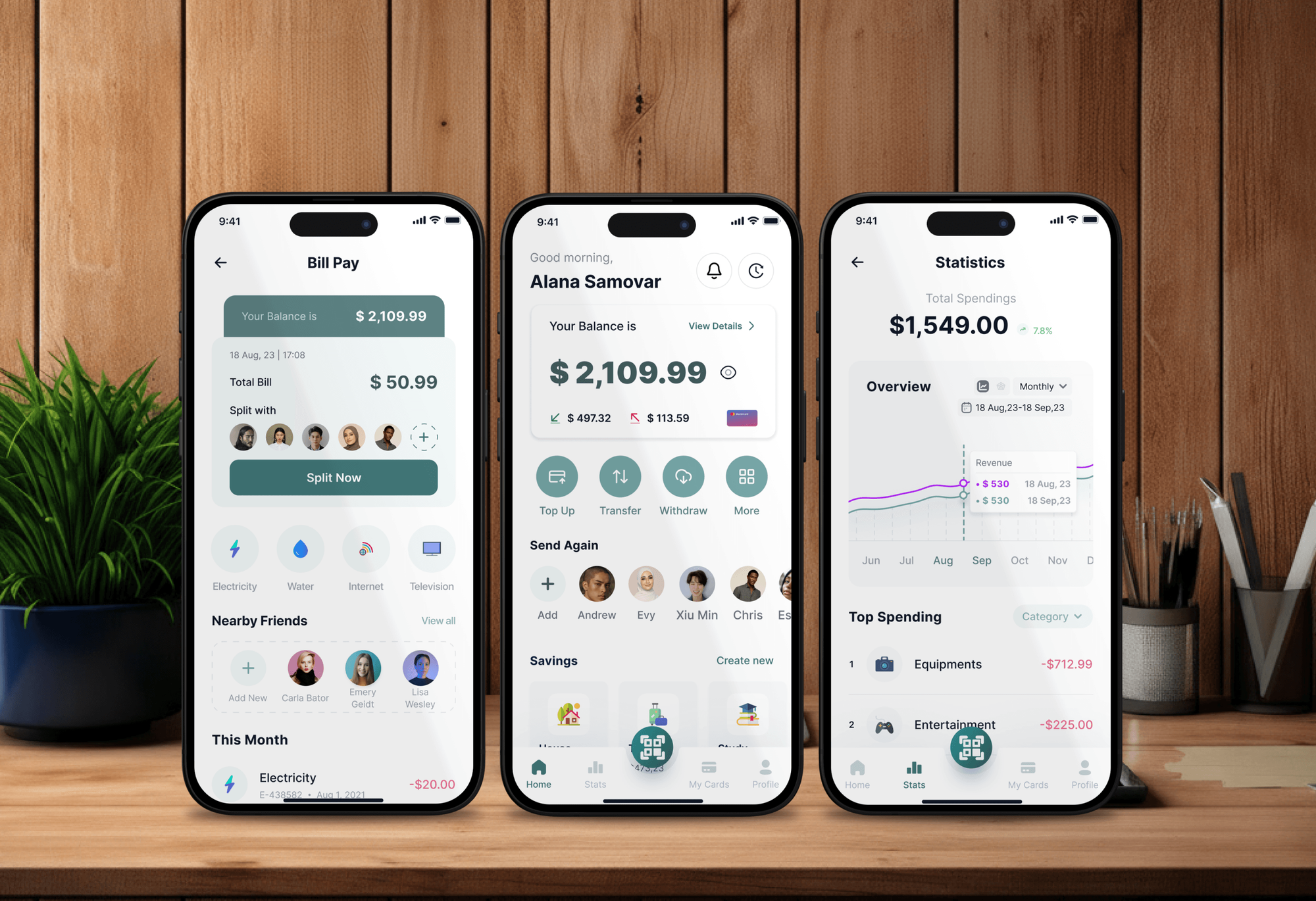
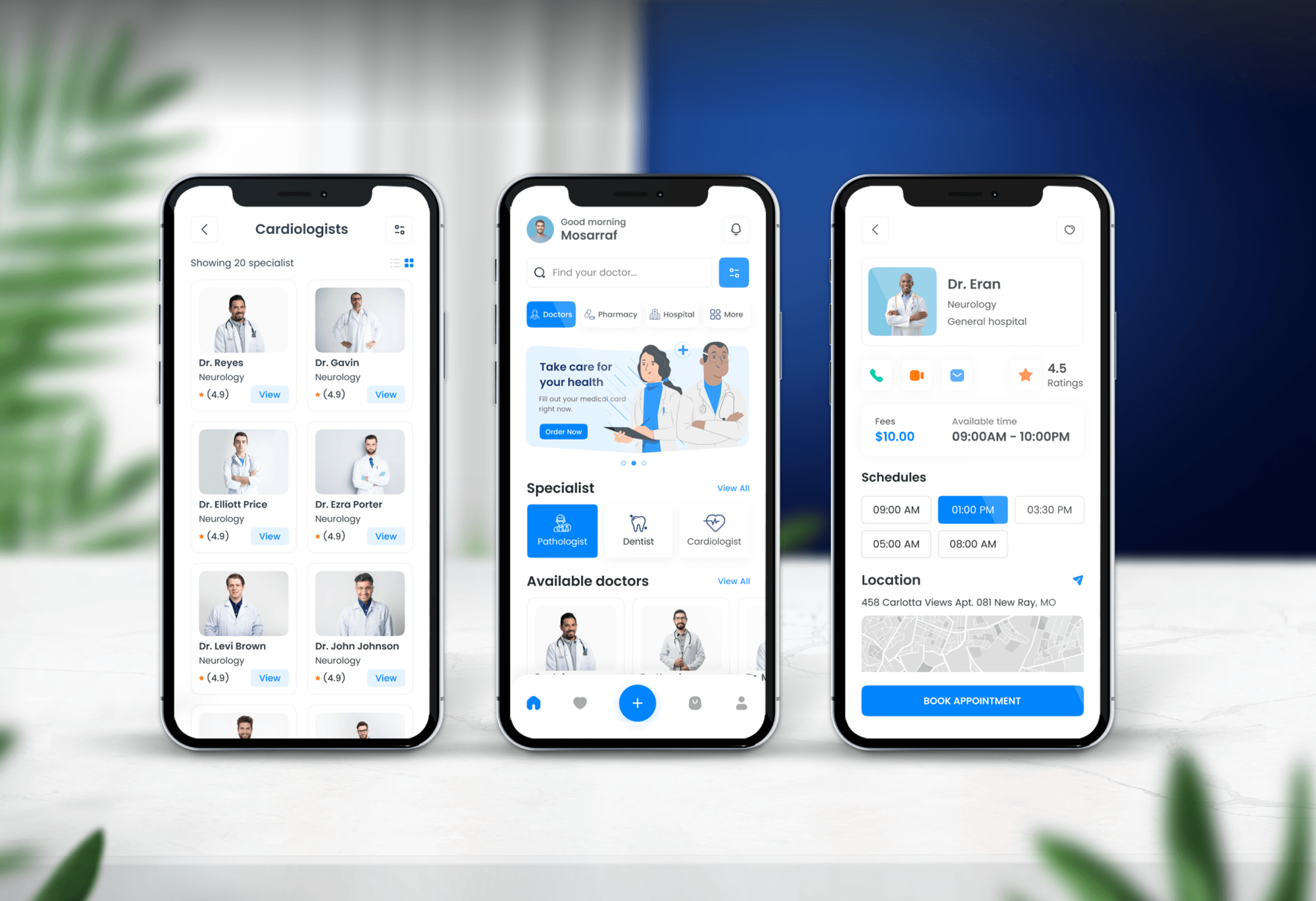
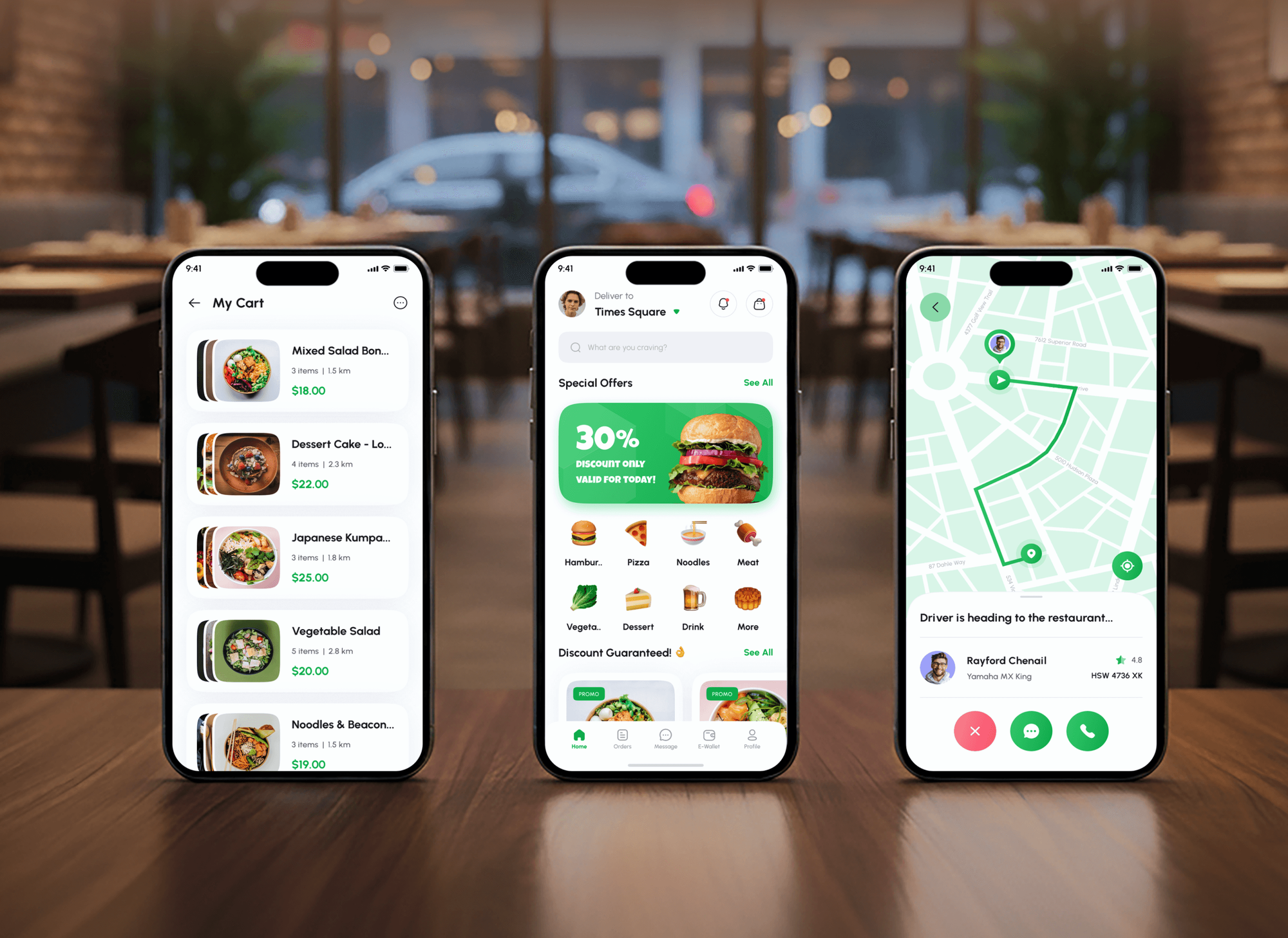
Apps our team designed and built where downtime has a direct cost: payments, bookings, and orders. They show the software we make reliable, not SRE-only engagements.

What Our Clients Say
Feedback from teams we have built web apps and websites for.
We had a pretty specific idea of what we wanted our website to become, but I wasn’t sure how easily we could explain all of it to a development team. There were quite a few moving parts, and we were working toward a deadline, so I expected a few things to get lost along the way. That never really happened. They understood what we were trying to achieve, kept us updated throughout the process, and got everything ready within the agreed timeline. The final site feels much easier to navigate, works beautifully on mobile, and is noticeably smoother for our customers. It was a huge relief seeing the original idea actually turn into the website we had in mind.
The mobile experience is probably my favourite part of the new site. We had spent a lot of time making sure the desktop version looked right, and the team kept pushing us to think about how everything would actually feel on a phone too. They were right. The navigation is clean, the interactions feel natural, and everything we’ve tested so far works exactly as it should. They also went through the links, forms, integrations, and other details more than once before launch, which I really appreciated. And even after going live, we could still reach out when something came up. The whole process felt friendly, organised, and surprisingly straightforward.
What I appreciate most is that the website is actually easy for us to manage now. We can update content ourselves instead of sending a developer a message every time we need to change something small. They also paid attention to the technical SEO side, which mattered to us because we didn’t want a new website to create problems for the traffic we already had. I’ve probably asked more questions than I should have since launch, but every question has been handled patiently and without any fuss. The team is easy to work with, they explain things clearly, and when we need something changed, they focus on getting it done rather than making the process complicated.
1,250+
Projects shipped
10+
Years of experience
Top 3%
Upwork Top Rated Plus
5 stars
Average review score

Want results like these?
Tell us what you are building. You get a reply within 24 hours on business days, then a written estimate.
Work Culture
Our SRE work ends with your team running what we built. These habits keep your targets, alerts, and runbooks useful long after we leave.
We measure what your customers experience, such as a failed checkout or a slow search, before CPU and memory. Server metrics still matter, but they explain your outages rather than announce them.
Our goal is a quieter pager for you, so we delete alerts nobody acts on. Each alert that survives has an owner, a runbook, and a clear reason to wake someone.
Postmortems look at how your system let a mistake through, not at who typed the command. Your people report problems early when they know they won't be blamed.
We won't push you toward five nines when your users can't tell the difference. Every extra nine costs engineering time, so we set targets your budget can carry.
Dashboards, alerts, and runbooks live in your own Grafana, Datadog, or cloud accounts. If we stop working together, nothing breaks and nothing needs moving.
Before we leave, your team runs a practice incident on the new alerts and runbooks. You find the gaps in a drill instead of during a real outage.
Overview
DeveloperLook sets up site reliability engineering for product teams that don't have an SRE team yet. We define SLIs and SLOs from your real traffic, write an error budget policy, replace noisy alerts with burn-rate alerts, and add runbooks and a blameless postmortem process. Projects start at $1,100, take 2 to 10 weeks, and everything stays in your own accounts.
DEVELOPERLOOK
Project facts · Site Reliability Engineering Services
Reviewed 10 Oct 2026 by Saimul Islam
Good fit
SaaS teams after a public outage
Your status page went red for an afternoon, customers now ask what changed, and you need site reliability engineering services that leave a written, measurable answer.
Startups without an SRE team
You can't justify a full site reliability engineering team yet, but on-call already rotates between developers who each handle alerts their own way.
CTOs buried in alert noise
Your team's phones buzz every night for disk and CPU warnings that need no action, and last month's real outage got lost among them.
Leads adopting SRE practices
Your engineering lead read the Google SRE book and wants site reliability engineering best practices, starting with SLOs and blameless postmortems, without stalling the roadmap.
Agencies with uptime promises
Your agency hosts client apps on AWS or Kubernetes with uptime promises in the contracts, and you need SLOs, alerts, and runbooks behind your brand.
Not a fit
Want monthly ops help
You want someone running pipelines, patches, and cloud changes every month, not a one-time setup. DevOps Services is a monthly plan built for that.
Need a staffed night shift
You need people answering pages overnight under a contract with response times. We set up your on-call, but a provider with a staffed night shift has to carry it.
Simple site on one server
Your site is a brochure site on one server with little traffic. Website Maintenance Services adds uptime checks, updates, and backups for far less.
Budget under $1,100
Your budget for reliability work is under $1,100. If your host's built-in uptime checks and error tracking already cover your case, we'll tell you before we quote.
Not sure we're the right fit?
Book a free call or message us. We'll tell you honestly whether we're the right team.
Pricing
These are starting points in USD. Your final price depends on the number of services, existing instrumentation, and your on-call setup, and you get a fixed proposal after a free reliability review.
For one customer-facing service that needs targets, useful alerts, and runbooks in 2 to 3 weeks.
$1,100one-time, USD
For products with several services and a rotating on-call that keeps waking the wrong people.
$3,600one-time, USD
For platforms with up to 12 services that need tested failover, capacity plans, and less toil.
$7,800one-time, USD
For Agencies
You own the client relationship. We supply the reliability engineering: SLOs, alerting, runbooks, and an incident process for client platforms, documented under your brand. Your team presents the reliability report and stays the client's contact, while we do the instrumentation and tuning.
White label: your client only ever sees your brand
List the client platforms, where they're hosted, and any uptime promises in their contracts.
We set SLOs, rebuild alerts, and write runbooks for each client platform you name.
You present the reliability report and runbooks to each client under your own brand.
SLO dashboards and runbooks delivered with your agency's name, not ours.
Client uptime promises get measured SLOs, so you see a breach coming.
The same alerting and runbook pattern reused across the client platforms you host.
A fixed quote per client platform that you can mark up in proposals.
The Right Technology for Your Project
Open source and mainstream tools for measuring user impact, tracing requests, paging the right person, and testing load, set up in your own accounts.
 AWS
 Kubernetes
FAQ
Straight answers on cost, timelines, what SRE is, what site reliability engineers do, and how SRE relates to DevOps.
Saimul IslamFounder & CEO, DeveloperLookStill have questions?
Send a message or book a call with the team.
An SRE setup from DeveloperLook starts at $1,100 for one service with SLOs, burn-rate alerts, a dashboard, and 2 runbooks. If you run up to 5 services, Reliability Foundation is $3,600 and adds tracing and on-call setup. Reliability Program is $7,800 for up to 12 services with load tests and a failover drill. You get a fixed proposal after a free review.
Your first service takes 2 to 3 weeks. That covers about a week measuring your real traffic, a few days agreeing on SLOs with you, and the rest rebuilding alerts and writing runbooks. If you have up to 5 services, plan on 4 to 6 weeks, and 12 services take 8 to 10 weeks. Alert tuning then continues for 14 to 60 days after handover.
Site reliability engineering (SRE) is the practice of running production systems with software engineering instead of manual operations. Google, where the practice started, framed it as software engineers designing how operations should work. For your team, that means measurable reliability targets, automation for repetitive operational work, and outages you fix at the root instead of patching twice.
A site reliability engineer is a software engineer who owns how a production system behaves: its availability, speed, and recovery. They write code to automate operations, define service level objectives, and lead incident response. If you've worked with a traditional sysadmin, the difference is that an SRE spends much of the week on engineering projects rather than tickets.
A site reliability engineer measures how your services perform for users, tunes alerts, takes on-call shifts, and leads postmortems. Between incidents, they automate toil such as manual deploys or certificate renewals and plan capacity. If you're comparing a site reliability engineer vs DevOps engineer, the SRE answers for reliability targets, while DevOps roles focus on delivery speed.
The goal of an SRE team is to keep your services reliable enough for users while your product team keeps shipping. It sets service level objectives, watches the error budget, and pushes back on risky releases when the budget runs out. It also cuts toil, so reliability improves without you adding people to operations.
Companies adopt SRE when outages start costing customers and release arguments start costing time. It replaces opinions with numbers: an agreed target, an error budget, and alerts tied to user impact. Your product and engineering leads then decide together whether to ship features or fix reliability, based on how much budget is left.
SRE is important because reliability problems grow faster than your team does. Each new service, customer, and integration adds ways to fail, and on-call built on guesswork burns your developers out. Site reliability engineering best practices, such as SLOs, runbooks, and blameless postmortems, keep incidents contained and stop the same failure from coming back.
In DevOps, SRE is one concrete way to practice the shared ownership DevOps describes. DevOps sets the culture: the people who build your software share responsibility for releasing and running it. SRE adds the measurements and rules, such as SLOs, error budgets, and limits on manual work. Seen as site reliability engineering vs DevOps, SRE is an implementation, not a rival.
The difference between SRE and DevOps is focus: DevOps improves how your code reaches production, while SRE sets and defends reliability targets once it's there. When you weigh DevOps vs SRE, your first hire usually covers pipelines, because releases come before targets. Our DevOps Services page is a monthly plan, and this page is a one-time SRE setup.
Saimul IslamFounder & CEO, DeveloperLookStill have questions?
Send a message or book a call with the team.
Free 30-min callGoogle Meet
Book a call
In 30 minutes on Google Meet we walk you through how we would build it, how long it takes and what it costs. Then you get a written estimate.
Calendar not showing? Book on cal.com or send a brief.