

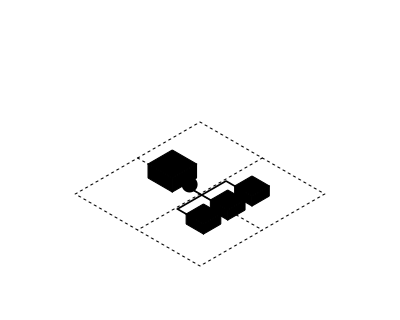

Card flow map per location
Every terminal, POS station, ordering channel, and phone line drawn with the path each card number takes.

For restaurant owners and quick-service operators who want card payments off the worry list: every card path mapped, the right SAQ, and fixes from $550.
100%
Card paths traced to processor
4.0.1
PCI DSS version covered
How your project runs
01 · FreeTeams we have built for:














The Problem
It usually surfaces when the processor's PCI letter arrives or a non-compliance fee shows up on the statement. A new location that opens with its card readers on the guest Wi-Fi router does it too.
Phone orders
Catering card numbers get written on paper at the host stand.
Phone orders
Phone orders keyed straight into the POS or sent a payment link, with no paper copy.
Guest Wi-Fi
Card readers share one router with the guest network.
Guest Wi-Fi
Readers moved to a separate network that guests and office PCs can't reach.
Remote access
The POS reseller logs in with an opening-day shared password.
Remote access
Named vendor logins with MFA, switched on only while a support ticket is open.
Wrong SAQ
Nobody knows which questionnaire matches how you take cards.
Wrong SAQ
The SAQ type confirmed with your processor, then answered with evidence you keep.
Friday at 7 pm, a server carries a handheld reader to table 12 while the host writes a catering order's card number on a ticket. The back-office PC that runs the POS also opens the manager's email. The terminals share one router with the guest Wi-Fi, and the password sits on the menu board. Your POS reseller still connects with the remote password set on opening day. Then the processor asks which SAQ you filed, and nobody knows. Wait, and the non-compliance fee keeps billing while one phished inbox can reach every card reader.
We start with the card itself: where it is tapped, dipped, keyed, or typed, and which systems see the number before your processor does. Then we shrink that list. Terminals get their own network, paper card notes stop, remote access gets named logins, and the SAQ matches how each location really takes payments. You end up with a smaller scope you can explain to your processor, not a long form answered by guesswork.
Card path mapped first
Every tap, dip, keyed entry, and online order traced from guest to processor before any fix.
Readers on their own network
Card terminals separated from guest Wi-Fi and office PCs, so fewer systems fall in scope.
An SAQ that fits
SAQ B-IP, P2PE, C, or A matched to how each location actually accepts cards.
Our PCI Compliance for Restaurants Process
You see the card path map before anything changes, approve each network and login fix, and review the SAQ answers with us before your processor sees them.
We go through how each location takes cards: terminals, POS, online ordering, delivery apps, and phone orders. You leave with a likely SAQ type and a fixed quote. If your processor's free PCI portal already covers your setup, we'll tell you before we quote.
What's Included
One written scope per location: the card flow map, network split, named logins, tamper checks, staff card rules, and SAQ answers with evidence. It fits one cafe or a whole counter-service brand.
Compare Options
Your processor's PCI portal and your POS reseller each cover part of the job, and both cost less. Here is where each one is enough and where a restaurant still needs scope mapped and fixed.
| Feature | DeveloperLookBest fit | Processor portal | POS reseller |
|---|---|---|---|
| Planning | Free call, fixed written scope | Self-serve questionnaire wizard | Covers its own system only |
| Card flow mapping | Every channel, phone orders included | Not included | POS terminals only |
| Choosing the SAQ | Confirmed with your processor | Wizard picks from your answers | Rarely part of support |
| Network separation | Planned and made with your vendor | Asks whether you have it | Sometimes, as a paid add-on |
| Remote access review | Named logins and MFA set up | Not covered | Its own access only |
| Staff training | Card-handling sheet and short session | Generic online module | Device basics at install |
| Cost | Fixed price from $550 | Free or bundled in fees | Often inside the support plan |
| Your records | Map, logs, and evidence stay yours | Stored inside the portal | Kept by the reseller |
Projects We've Built
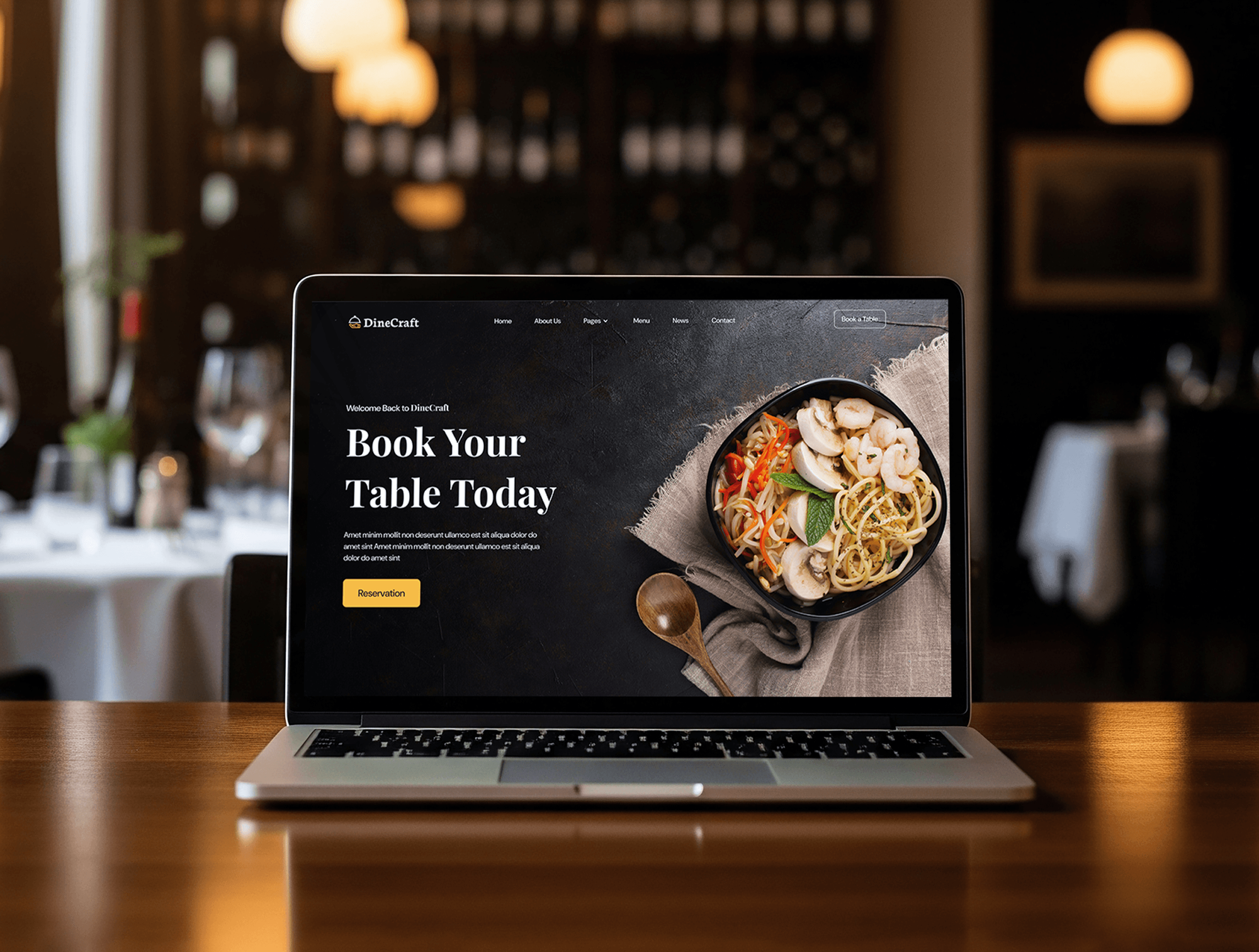
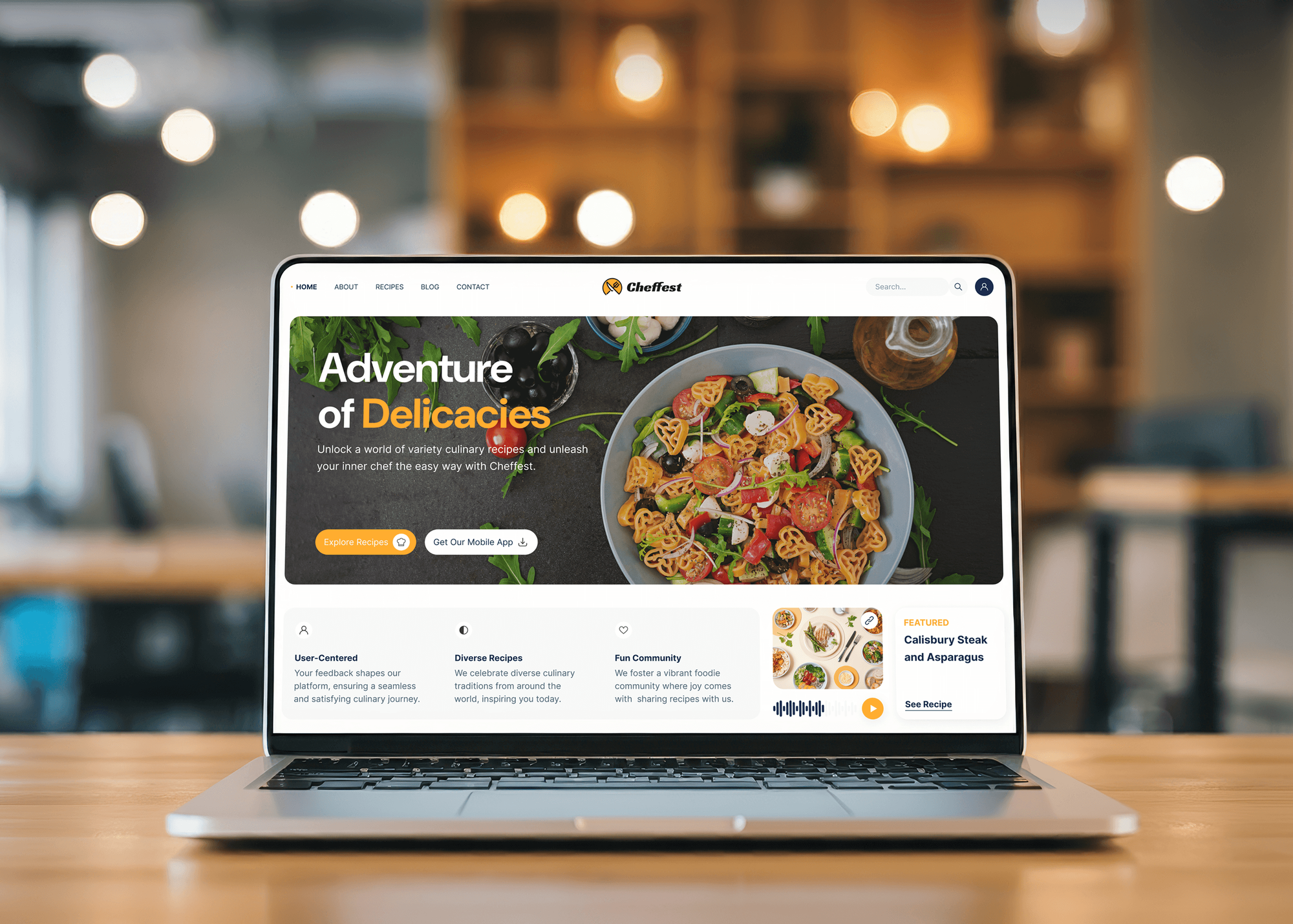
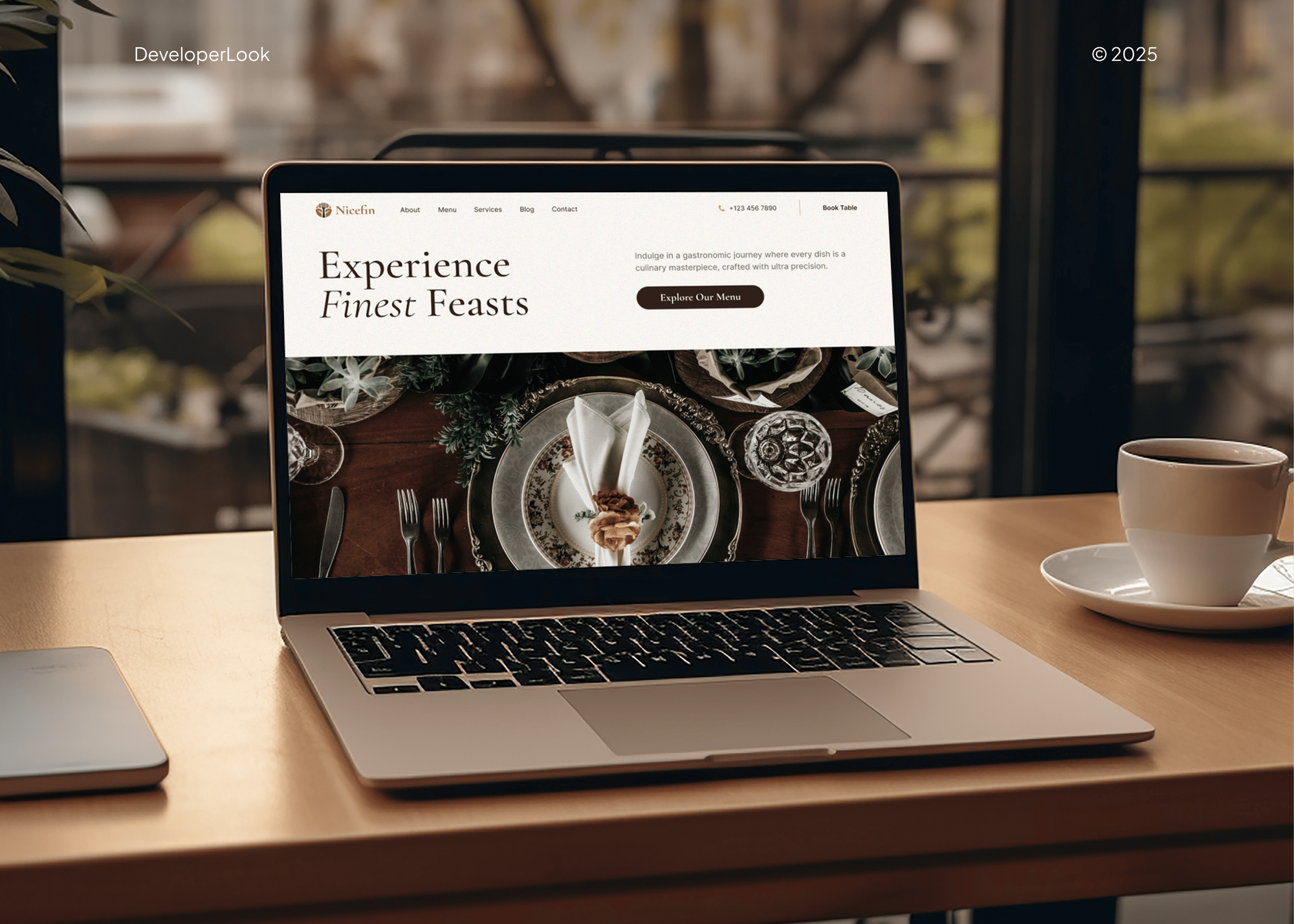
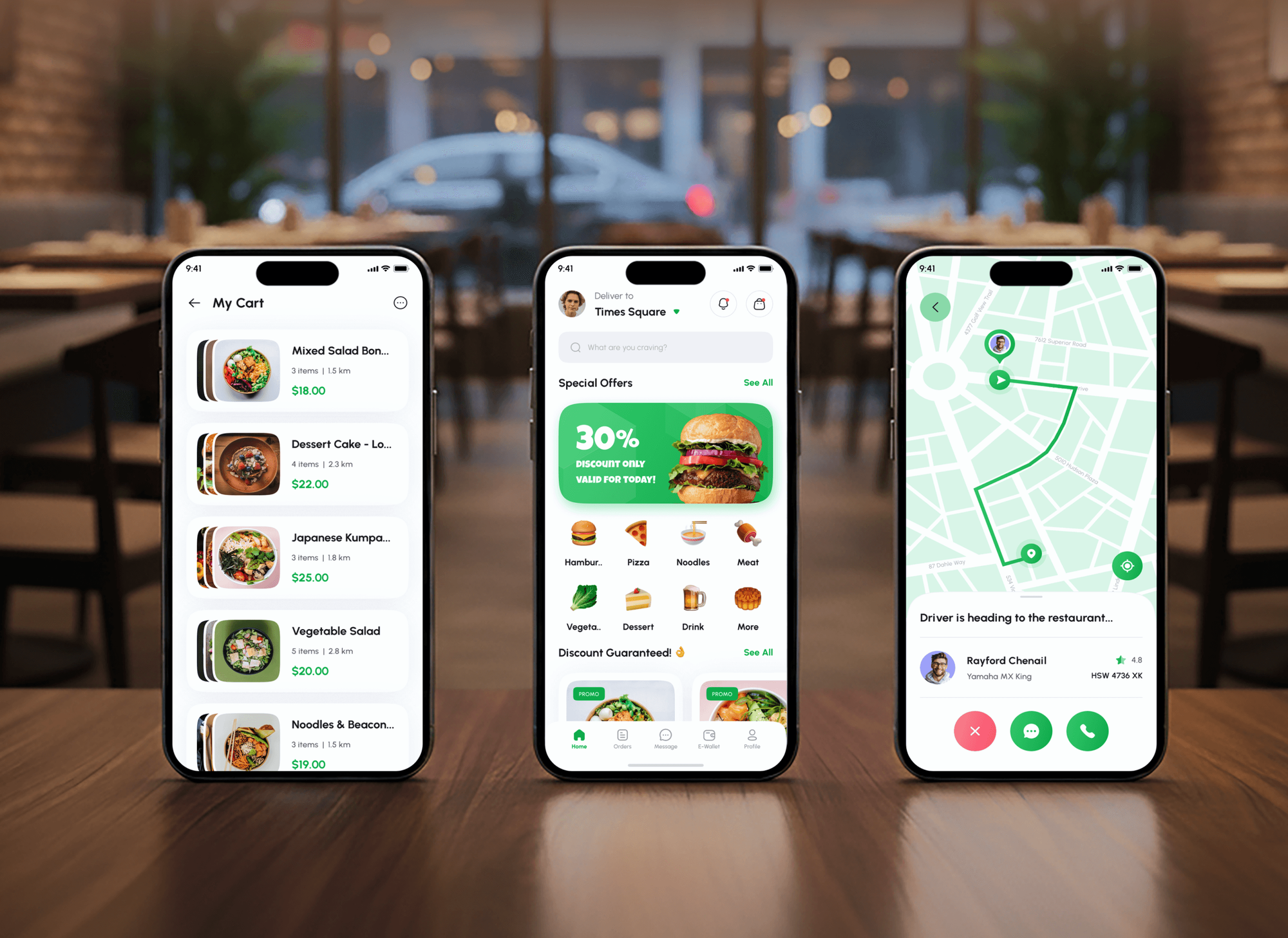
These restaurant websites and food ordering apps were design and build projects. They show how we handle ordering, booking, and payment screens; none of them was a PCI engagement.
What Our Clients Say
Feedback from teams we have built websites, apps, and payment flows for.
We had a pretty specific idea of what we wanted our website to become, but I wasn’t sure how easily we could explain all of it to a development team. There were quite a few moving parts, and we were working toward a deadline, so I expected a few things to get lost along the way. That never really happened. They understood what we were trying to achieve, kept us updated throughout the process, and got everything ready within the agreed timeline. The final site feels much easier to navigate, works beautifully on mobile, and is noticeably smoother for our customers. It was a huge relief seeing the original idea actually turn into the website we had in mind.
The mobile experience is probably my favourite part of the new site. We had spent a lot of time making sure the desktop version looked right, and the team kept pushing us to think about how everything would actually feel on a phone too. They were right. The navigation is clean, the interactions feel natural, and everything we’ve tested so far works exactly as it should. They also went through the links, forms, integrations, and other details more than once before launch, which I really appreciated. And even after going live, we could still reach out when something came up. The whole process felt friendly, organised, and surprisingly straightforward.
What I appreciate most is that the website is actually easy for us to manage now. We can update content ourselves instead of sending a developer a message every time we need to change something small. They also paid attention to the technical SEO side, which mattered to us because we didn’t want a new website to create problems for the traffic we already had. I’ve probably asked more questions than I should have since launch, but every question has been handled patiently and without any fuss. The team is easy to work with, they explain things clearly, and when we need something changed, they focus on getting it done rather than making the process complicated.
1,250+
Projects shipped
10+
Years of experience
Top 3%
Upwork Top Rated Plus
5 stars
Average review score
1,250+
Projects shipped
10+
Years of experience
Top 3%
Upwork Top Rated Plus
5 stars
Average review score

Want results like these?
Tell us what you are building. You get a reply within 24 hours on business days, then a written estimate.
Work Culture
We plan around service hours, talk to owners and managers in plain English, and treat your POS reseller as a partner. These habits keep PCI work away from your busiest shifts.
Network and POS changes happen after close or before prep starts. Your dinner rush and weekend brunch stay off limits for testing.
We explain why each system is in scope in one sentence you can repeat to your processor. If a free tool covers you, we say so first.
We work with the company that installed your POS instead of around it. That keeps your support contract intact and stops two people changing the same settings.
You get one fixed price for the locations in scope before work starts. An extra site is quoted up front, not found on an invoice.
Every map, log, and screenshot goes into a folder you own. Next year's SAQ starts from records instead of memory.
We map card paths without collecting card numbers, and we ask you to mask anything you share. Our work adds no system to your PCI scope.
Overview
DeveloperLook handles restaurant PCI compliance for single locations and quick-service chains. We map every card path, separate terminals from guest Wi-Fi, set named POS and vendor logins, and draft your SAQ with evidence. Fixed-price work starts at $550, most single locations finish in 2 to 5 weeks, and every record stays yours.
DEVELOPERLOOK
Project facts · PCI Compliance for Restaurants
Reviewed 27 Oct 2026 by Saimul Islam
Good fit
Single-location restaurants and cafes
Your processor's letter asks for an SAQ, and the Square or Clover POS, the office PC, and guest Wi-Fi all hang off one router.
Quick-service and fast casual chains
You run up to 12 counters with kiosks and drive-thru terminals and need PCI compliance for quick service restaurants applied the same way everywhere.
Bars and nightclubs running tabs
Your bartenders keep cards behind the bar to hold tabs open, and you want pre-authorized tabs that leave no card in a drawer.
Restaurant groups adding online ordering
You added Toast Online Ordering or a delivery app and need to know whether it changed your SAQ or pulled more systems into scope.
Agencies and IT providers for restaurants
Your agency or IT shop supports restaurant clients on Lightspeed or Toast and needs a PCI partner who maps and fixes scope under your name.
Not a fit
Online store, no dining room
You sell products online and no card is taken in person. Our PCI Compliance Services page covers ecommerce checkouts and service providers instead.
Checkout script rules only
You only need the payment page script controls in PCI DSS requirements 6.4.3 and 11.6.1. PCI DSS 6.4.3 and 11.6.1 Compliance is the narrower fit.
Failing ASV scans only
Your SAQ is done, but the quarterly ASV scan for your IP-connected terminals keeps failing. PCI ASV Scan Remediation fixes those findings without a full review.
One Square reader, nothing else
You take every card on a Square reader with a phone and run no other systems. Square's own PCI tools are likely enough, and we'd say so on the call.
Not sure we're the right fit?
Book a free call or message us. We'll tell you honestly whether we're the right team.
Pricing
These are starting points in USD. Your final price depends on locations, card channels, and your POS setup, and you get a fixed proposal after a free payments call.
For Agencies
You own the restaurant client and the relationship with their POS reseller. We supply the PCI work behind it: card flow maps, scope fixes, and SAQ drafts, delivered under your brand with your logo on every document we hand over.
White label: your client only ever sees your brand
Send the client's locations, POS vendor, and processor letter, and we reply with scope.
You get a fixed white-label quote and a named engineer within 2 business days.
We deliver the maps, fixes, and SAQ drafts in your branding for you to present.
Send the client's locations, POS vendor, and processor letter, and we reply with scope.
You get a fixed white-label quote and a named engineer within 2 business days.
We deliver the maps, fixes, and SAQ drafts in your branding for you to present.
The Right Technology for Your Project
These are the POS systems, payment services, and network tools restaurant PCI work touches. We work inside what you already run instead of selling new hardware.
 Stripe
 PayPal
 Apple Pay
 Google Pay
 Cloudflare
Related Services
Restaurants that finish this work often add ASV scans, a POS integration, or a new website. Each page below covers one of those next steps.
This page
PCI Compliance for Restaurants
Pairs with the 6 services around it
FAQ
Straight answers on PCI cost, SAQ types, EMV, doing it yourself, and what restaurants owe their processor.
Saimul IslamFounder & CEO, DeveloperLookStill have questions?
Send a message or book a call with the team.
Restaurant PCI compliance with us starts at $550 for one location with one POS. That covers the card flow map, the SAQ type check, a network check, and drafted answers. The $1,400 plan adds network separation, named logins, and staff training for up to 3 locations, and chains of up to 12 sites start at $2,850. You get a fixed quote after the free payments call.
Most single locations finish in 2 to 5 weeks. Mapping takes 3 to 5 days, and the longest wait is usually the network vendor's change window or the POS reseller's next visit. Chains of up to 12 locations take 5 to 10 weeks, because we roll the same baseline out site by site after the busiest days.
Yes. Any business that accepts card payments agrees to PCI DSS through its merchant agreement, whatever its size. A small cafe usually files a short SAQ rather than a full assessment, but skipping it often adds a monthly non-compliance fee from the processor. It also leaves you more exposed if a card breach is traced to your terminals.
Yes, and that holds even when your POS company says it handles PCI for you. A POS company or processor can make its own systems compliant, but your network, staff habits, logins, and paper notes stay on your side. Ask your provider which requirements it covers in writing. Everything left over goes in your SAQ, and that's what we help you answer.
Yes, many single-location restaurants can, using the processor's PCI portal. It works when you take cards only on standalone terminals or a validated P2PE solution and nothing else touches card data. Once phone orders, kiosks, online ordering, or a shared router enter the picture, a scope review saves you from answering yes to things that aren't true.
You get it by completing the right Self-Assessment Questionnaire and, if required, passing quarterly ASV scans, then submitting both to your processor. First confirm your SAQ type with the processor. Then fix gaps such as shared logins or terminals on guest Wi-Fi before you answer. Your processor sets the deadline and the portal you file in.
Start by removing the habits that expose card data, then file. Key phone orders straight into the POS or text a payment link instead of writing card numbers down, and shred old tickets. Move terminals off guest Wi-Fi and give every manager a named POS login. We then check whether those changes alter your SAQ type.
No, EMV chip readers stop counterfeit card fraud, but they don't make you compliant on their own. PCI compliance for restaurants and EMV work together: chip protects the card at the reader, while PCI DSS covers your network, logins, and records. Point-to-point encryption, where the terminal encrypts the card before your POS sees it, is what shrinks scope most.
The best partners map your card flow before selling anything, work alongside your POS reseller, and leave you records you own. Be wary of anyone who promises you will pass, because your processor and the card brands decide. Roundups of the best PCI compliance solutions for restaurants 2025 mostly ranked software, so ask each partner how they would shrink your scope.
You keep the card flow map, the inspection log, the staff sheet, and the drafted SAQ, and you file each year from them. Many restaurants call us again only when they add a location or change POS. If your processor or a card brand asks a question later, we can answer it under a small fixed quote.
Saimul IslamFounder & CEO, DeveloperLookStill have questions?
Send a message or book a call with the team.
Free 30-min callGoogle Meet
Book a call
In 30 minutes on Google Meet we walk you through how we would build it, how long it takes and what it costs. Then you get a written estimate.
Calendar not showing? Book on cal.com or send a brief.