
Finto Corporate Website Design & Development
- Finance
- Dashboard
- Website

For teams heading into a PCI or SOC 2 audit: we run the tests your framework requires, retest the fixes, and hand your assessor the evidence. From $1,500.
2
Frameworks in one test
100%
Evidence your auditor needs
How your project runs
01 · FreeIndustry leaders we work with
 Burp Suite
 OWASP
 Python
 AWS
 Microsoft Azure
 Google Cloud
The Problem
A quarterly scan and a clean dashboard are not the pen test a PCI or SOC 2 auditor asks for. Finding that out two weeks before the audit is a bad time.
Scan gap
You bring a scan to an audit that wants a pen test.
Scan gap
We run the real test the requirement asks for, with a report.
Unclear scope
Nobody is sure which systems the framework puts in scope.
Unclear scope
We map scope to the standard with you before testing starts.
Late booking
A rushed test near the audit date reads as weak evidence.
Late booking
We plan the test to land well ahead of your audit window.
No retest
Findings sit open because nobody retested the fixes.
No retest
We retest each finding and document that it is closed.
Your SOC 2 window opens in a month, or your PCI assessment is booked, and your auditor asks for a recent penetration test. You have a scan report, but that is a different thing, so you are reading requirement text to work out what counts. Does PCI mean internal and external? Does it want segmentation testing too? Will the assessor accept a scan, or do they want a real test with a report? The clock is running and the scope is unclear. A test booked late and done in a rush is the kind of evidence that gets a finding written against it.
We run the pen test your framework asks for and give your assessor what they expect. We read your PCI DSS scope or your SOC 2 boundary with you and agree what is in and out. Then we test it: external, internal, and segmentation where the standard calls for it. You get a report written against the requirement, with each finding mapped to the control it affects, plus the retest that closes it. We do the testing. Your QSA or CPA firm runs the audit and issues the report.
Mapped to the requirement
Every finding is tied to the control it affects, so your assessor can trace it without a translation step.
The test the standard asks for
We run external, internal, and segmentation testing at the depth and frequency your framework actually requires, not a generic scan.
Evidence, then a retest
You get a report your auditor accepts and a retest that shows each finding closed.
Our Compliance Penetration Testing Process
You confirm the framework and scope, watch the testing your standard requires, and see each finding mapped to its control. You get a report and retest your assessor accepts.
You tell us the framework (PCI DSS, SOC 2, or both), your audit date, and your environment. We read your cardholder data scope or control boundary with you and agree what is in scope. You sign a written authorization and get a fixed scope and price.
Projects We've Built
We build and run the payment flows, fintech dashboards, and customer systems that fall inside PCI and SOC 2 scope, so we know how these environments are wired.
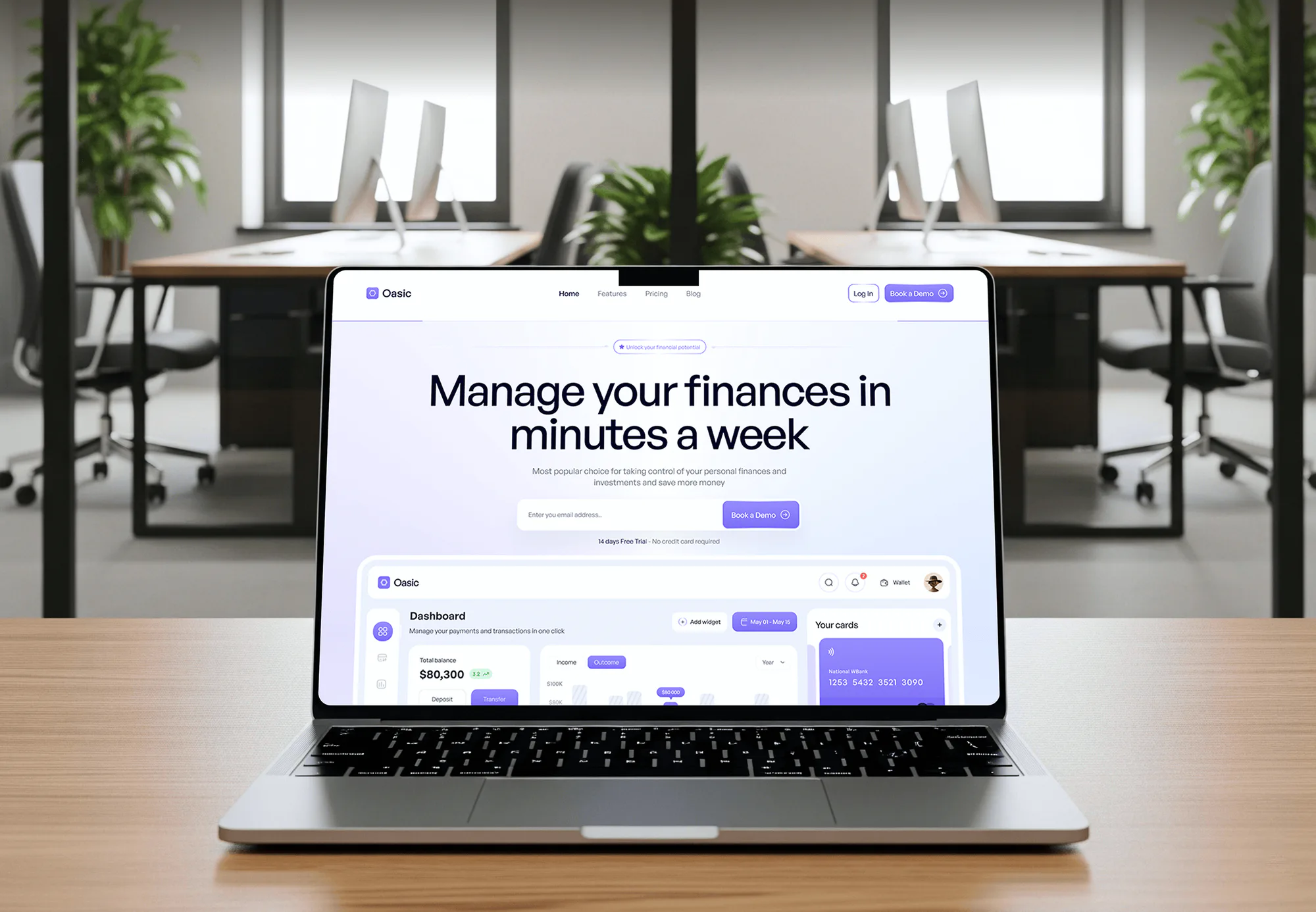
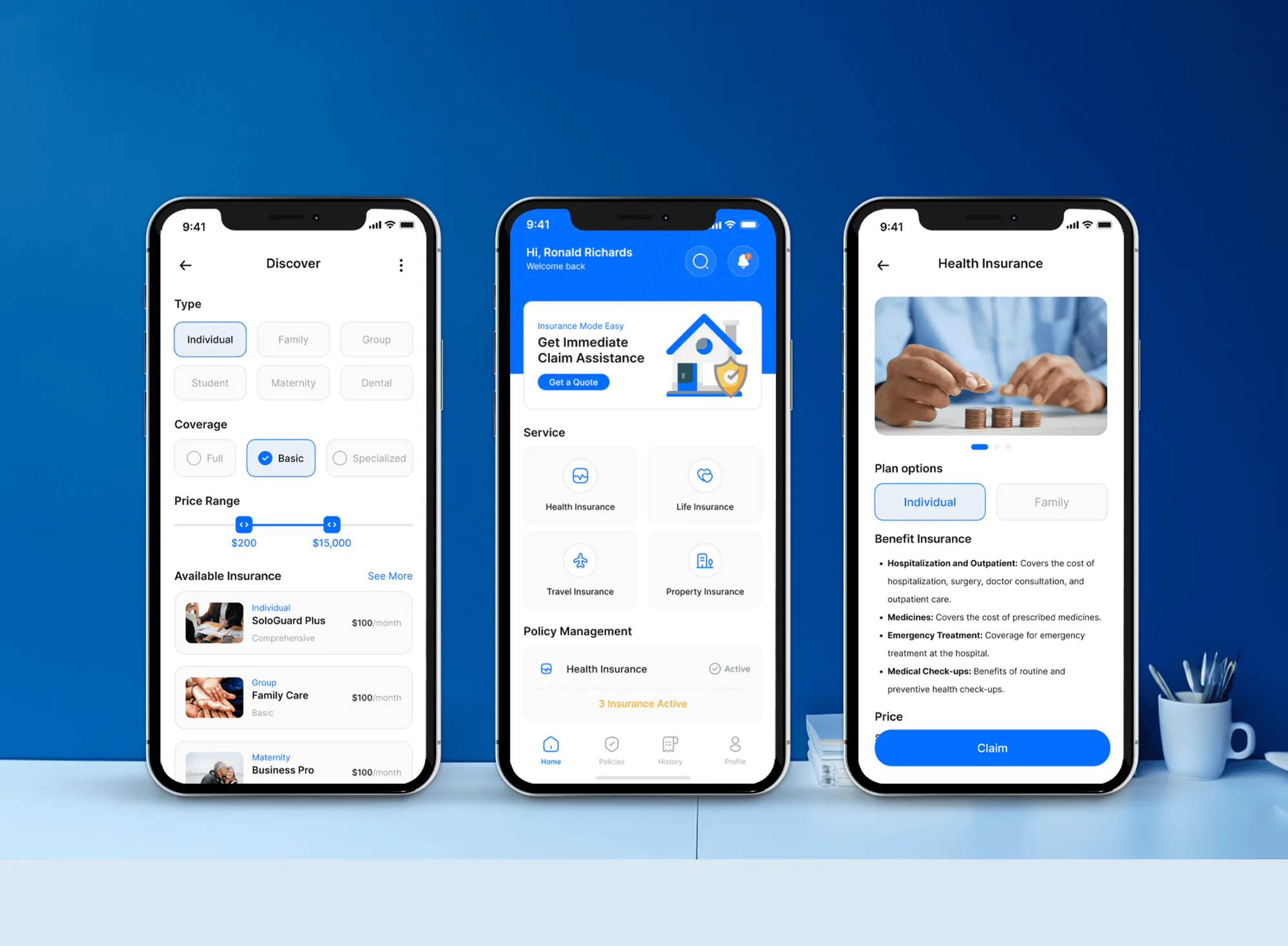
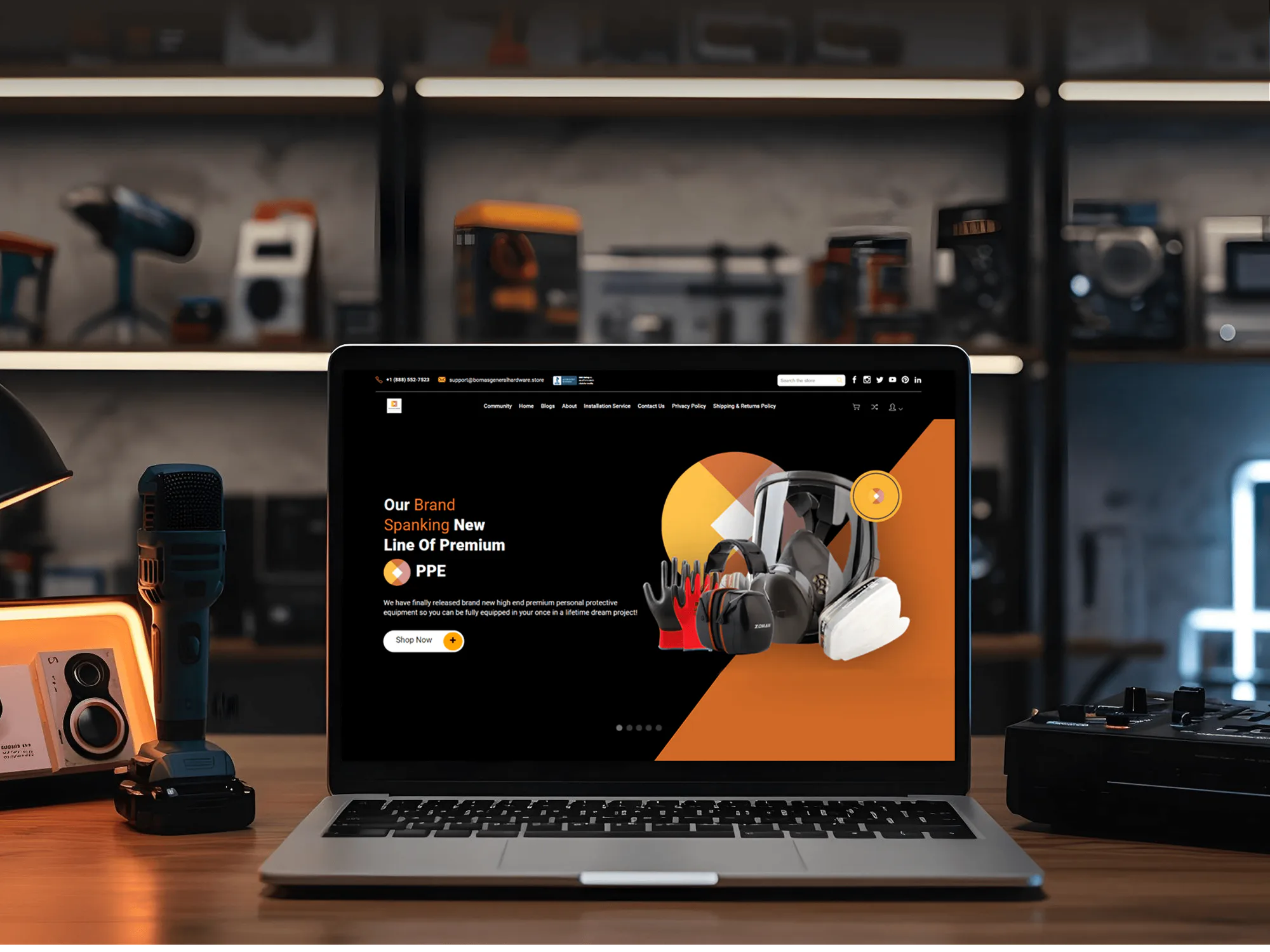
What's Included
You get scope mapped to your framework, external and internal testing, segmentation checks, findings tied to controls, an audit-ready report, and a retest.
Compare Options
A scan vendor is cheap and automated, and a large audit firm can test and audit under one roof. Here is where each fits a compliance pen test and where it stops.
| Feature | DeveloperLookBest fit | Scan vendor | Large audit firm |
|---|---|---|---|
| Starting cost | From $1,500 | Low, per scan | High, bundled |
| Scope mapping | To your framework | Generic ranges | |
| Internal testing | Assumed breach included | ||
| Segmentation | Tested directly | Not checked | Usually checked |
| Control mapping | Every finding | Not provided | Provided too |
| Independence | Test only, not the audit | Scan only | Tests and audits |
| Retest | Rescan anytime | Often extra | |
| Best for | Audit-ready evidence | Quarterly scanning | One-vendor tenders |
What Our Clients Say
Feedback from teams we have built and secured payment and compliance-bound systems for.
We had a pretty specific idea of what we wanted our website to become, but I wasn’t sure how easily we could explain all of it to a development team. There were quite a few moving parts, and we were working toward a deadline, so I expected a few things to get lost along the way. That never really happened. They understood what we were trying to achieve, kept us updated throughout the process, and got everything ready within the agreed timeline. The final site feels much easier to navigate, works beautifully on mobile, and is noticeably smoother for our customers. It was a huge relief seeing the original idea actually turn into the website we had in mind.
The mobile experience is probably my favourite part of the new site. We had spent a lot of time making sure the desktop version looked right, and the team kept pushing us to think about how everything would actually feel on a phone too. They were right. The navigation is clean, the interactions feel natural, and everything we’ve tested so far works exactly as it should. They also went through the links, forms, integrations, and other details more than once before launch, which I really appreciated. And even after going live, we could still reach out when something came up. The whole process felt friendly, organised, and surprisingly straightforward.
What I appreciate most is that the website is actually easy for us to manage now. We can update content ourselves instead of sending a developer a message every time we need to change something small. They also paid attention to the technical SEO side, which mattered to us because we didn’t want a new website to create problems for the traffic we already had. I’ve probably asked more questions than I should have since launch, but every question has been handled patiently and without any fuss. The team is easy to work with, they explain things clearly, and when we need something changed, they focus on getting it done rather than making the process complicated.
1,250+
Projects shipped
10+
Years of experience
5 stars
Clutch rating
5 stars
GoodFirms rating
Excellent
Trustpilot rating
Top 3%
Upwork Top Rated Plus
1,250+
Projects shipped
10+
Years of experience
5 stars
Clutch rating
5 stars
GoodFirms rating
Excellent
Trustpilot rating
Top 3%
Upwork Top Rated Plus

Want results like these?
Tell us what you are building. You get a reply within 24 hours on business days, then a written estimate.
Work Culture
A compliance test has to satisfy an outside assessor, so how we scope and document matters as much as what we find. These habits keep the evidence solid.
We run the pen test, and your QSA or CPA firm runs the audit and issues the report. We supply the testing evidence they ask for, and we say so up front to you.
We map the test to the requirement text with you, so the right systems are tested. An out-of-scope test wastes money, and a thin one fails the audit.
Our reports tie each finding to the control it affects, in language an auditor reads without a translation step. That is what keeps evidence clean.
We book the test to land well before your audit window, with time to fix and retest. A rushed test near the deadline is weak evidence.
If a scheduled scan or an ASV scan covers your case, we will say so before we quote. Not every requirement needs a full penetration test.
The report, the proofs, and the attestation letter are yours to hand to your assessor and keep on file, during the engagement and after it ends.
Overview
DeveloperLook provides PCI DSS penetration testing services and SOC 2 pentests scoped to your audit. We map the test to your framework, run external, internal, and segmentation testing, and tie each finding to the control it affects. Tests start at $1,500, take 2 to 3 weeks, and you get an audit-ready report, an attestation letter, and a retest for your assessor to review.
DEVELOPERLOOK
Project facts · Compliance Penetration Testing for PCI DSS and SOC 2
Reviewed 27 Oct 2026 by Saimul Islam
Good fit
SaaS teams facing a SOC 2 audit
Your SOC 2 Type 2 window is coming, and the assessor wants a recent penetration test, not a scan, with a report to rely on.
Merchants and payment teams
Your PCI DSS assessment is booked, and you need internal, external, and segmentation testing that meets requirement 11.4 on time.
Teams unsure of their scope
Your cardholder data environment or control boundary is fuzzy, and you want someone to map scope to the standard before anyone tests.
Service providers with tenants
You host data for many customers, and your assessor wants proof that segmentation keeps one tenant's environment away from another.
Teams chasing two frameworks
You carry both PCI DSS and SOC 2, and you want one test planned to produce evidence for both audits.
Not a fit
Need the audit itself
You need the audit run and the report signed. A QSA issues the PCI report and a licensed CPA firm issues the SOC 2 report. We run the pen test they ask for.
ASV scan only
You only need the quarterly PCI external scan from an Approved Scanning Vendor. Our PCI ASV Scanning page covers that requirement.
One app, not a framework
You want one web app tested, with no compliance scope. Our Web Application Penetration Testing Services page is a better fit.
Budget under $1,500
Your budget is under $1,500, or you are early and have no audit date yet. A vulnerability assessment is a cheaper first step.
Not sure we're the right fit?
Book a free call or message us. We'll tell you honestly whether we're the right team.
Pricing
These are starting points in USD. Your price depends on your in-scope systems, whether segmentation testing is needed, and how many frameworks you cover. You get a fixed proposal after a free scoping call.
For Agencies
You own the client relationship. We supply the compliance testing under your brand: scope mapped to the framework, the tests it requires, and an audit-ready report. One partner for the testing, so you can take clients into an audit without a red team.
White label: your client only ever sees your brand
You give us the framework, the scope, and the audit date.
We run the required tests and map each finding to its control.
You deliver the report and the evidence under your own brand.
You give us the framework, the scope, and the audit date.
We run the required tests and map each finding to its control.
You deliver the report and the evidence under your own brand.
The Right Technology for Your Project
We test with the tools assessors recognize and report in a format your QSA or CPA firm reads without a translation step.
Burp SuiteOWASP PythonAWSMicrosoft AzureGoogle Cloud
 Docker
 Cloudflare
FAQ
Straight answers on cost, timeline, which frameworks require a test, and how it differs from a scan or an audit.
Saimul IslamFounder & CEO, DeveloperLookStill have questions?
Send a message or book a call with the team.
PCI DSS penetration testing services start at $1,500 for one framework with a contained scope, external and internal. A larger scope that relies on segmentation runs $3,600, and testing both frameworks together starts at $6,800. You get a fixed quote after a free scoping call.
One framework usually takes 2 to 3 weeks end to end, and both frameworks together take 3 to 4 weeks. The hands-on testing sits in the middle, with scoping before and the report after. Book it to land well before your audit date, since you also need time to fix findings and let us retest them.
PCI DSS v4.0.1 covers penetration testing under requirement 11.4. It calls for external and internal tests at least once every 12 months and after any significant change. It also requires segmentation testing to confirm your controls isolate the cardholder data environment. Service providers test segmentation more often. We scope the test to match.
Yes. PCI DSS requires a penetration test, not just a vulnerability scan, under requirement 11.4. You need external and internal testing at least yearly and after significant changes, and segmentation testing where you use segmentation to reduce scope. This PCI compliance penetration testing is separate from the quarterly ASV scan, which does not replace it.
SOC 2 does not require penetration testing by name, but most assessors expect one. A SOC 2 penetration testing report is the evidence they look for on the security criteria. A Type 1 report checks control design at a point in time, so a recent test shows the control exists. Type 2 checks operation over a period, so it shows you test on a schedule.
PCI penetration testing is a hands-on test of the systems inside your cardholder data environment, scoped to PCI DSS requirement 11.4. It checks external and internal exposure and whether segmentation isolates cardholder data. Unlike a scan, a tester works by hand to prove what an attacker could reach. The report is written so your QSA can map each finding to a control.
A test gives your auditor proof that your controls hold under a real attack, not just a checklist. Teams often call this penetration testing compliance work, since the test exists to satisfy the framework. It surfaces gaps before the assessor does, and the retest shows each one closed. With findings mapped to controls, your assessor reviews the evidence quickly.
Pick a vendor who scopes to the requirement, maps findings to controls, and includes a retest, since open findings get written up. Ask for a sample report and confirm they test by hand. Confirm they stay independent of your audit. If you test often, continuous penetration testing services for compliance keep evidence fresh between audits. We do the testing; your assessor runs the audit.
Have your scope documented, your systems reachable, and test accounts ready at each role. Freeze major changes during the window, and flag fragile production gear so we test it carefully. Clear scope and working access let us spend the time testing, not chasing credentials, which keeps your audit evidence on schedule.
An ASV scan is an automated external scan run quarterly by an Approved Scanning Vendor, under a different PCI requirement. A compliance pen test is a hands-on test under requirement 11.4, with internal and segmentation testing a scan cannot do. You need both for PCI. Our PCI ASV Scanning page covers the scan side.
Saimul IslamFounder & CEO, DeveloperLookStill have questions?
Send a message or book a call with the team.
Free 30-min callGoogle Meet
Book a call
In 30 minutes on Google Meet we walk you through how we would build it, how long it takes and what it costs. Then you get a written estimate.
Calendar not showing? Book on cal.com or send a brief.