
Plaid Link API setup
Link on web, iOS, or Android, with link tokens, OAuth redirects, and clear error screens.

For fintech, payroll, and payment teams: users link their bank in a few taps, accounts verify before money moves, and broken connections get repaired fast.
3X
Faster bank account verification
100%
Bank logins kept off your servers
How your project runs
Teams we have built for:














The Problem
Most Plaid integrations break in the same quiet places. Users drop off during linking, logins expire, and support hears about it from emails instead of alerts.
01 · Manual entry
Users type account numbers and quit halfway through onboarding.
Plaid Link lets users pick their bank and log in on a secure screen.
02 · Slow checks
Micro-deposit checks delay first payments by days.
Plaid Auth verifies most accounts during linking, with micro-deposits as the fallback.
03 · Broken links
Connections break after password changes, and nobody notices.
Webhooks flag broken connections, and update mode asks users to reconnect.
04 · Exposed tokens
Access tokens sit unencrypted in a prototype database.
Tokens stay encrypted on your server, and ACH details pass through processor tokens.
Your onboarding asks users to type routing and account numbers, and many quit right there. Micro-deposit checks take days, so first payments slip. When a user changes their bank password, the connection breaks and your app keeps failing silently. Somebody stored access tokens in plain text during the prototype. Then an ACH debit comes back returned, and you learn about it from the return, not from a check before the debit.
We start with Plaid Link, so users pick their bank and log in on a screen Plaid controls. Your server exchanges the public token, stores the access token encrypted, and passes ACH details to Dwolla or Stripe through processor tokens. Webhooks and update mode catch broken connections. Money moves once the account is verified, not on a guess.
Bank linking users finish
Plaid Link handles bank search, login, and multi-factor checks on a screen Plaid controls.
Credentials off your servers
Your app receives tokens instead of bank passwords, and account numbers move through processor tokens.
Connections kept alive
Webhooks and update mode catch expired logins before payments or data syncs fail.
Our Plaid Integration Services Process
You see the data plan first, approve every consent screen and storage rule, and watch tests pass in Sandbox and at real banks before launch.
We review your product, the Plaid products you need, your payment partner, and your Plaid account status. Then we map the data each feature needs. You get a written plan, a product list, and a fixed price.
What's Included
Work runs from bank linking in one app to full builds with payments, transaction data, and risk checks. These six parts cover it, from the first screen to monitoring.
Compare Options
Plaid's own quickstart app is a fine way to prototype, and a freelancer can wire one product fast. Here's where each holds up once real money moves.
| Feature | DeveloperLookBest fit | DIY quickstart | Freelancer |
|---|---|---|---|
| Prototype speed | 2 to 4 weeks to launch | Running in a day | A few days |
| Token security | Encrypted and server-side | Sample code only | Depends on habits |
| ACH partner | Dwolla or Stripe processor tokens | Not included | Sometimes included |
| Broken connections | Webhooks and update mode | Not handled | Often skipped |
| Production approval | Request prepared with you | Your job | Your job |
| OAuth banks | Tested before launch | Sandbox only | Varies |
| Cost | Fixed price from $850 | Free sample code | Hourly rate |
| Ownership | Code and keys you own | Your own code | Varies by contract |
Projects We've Built
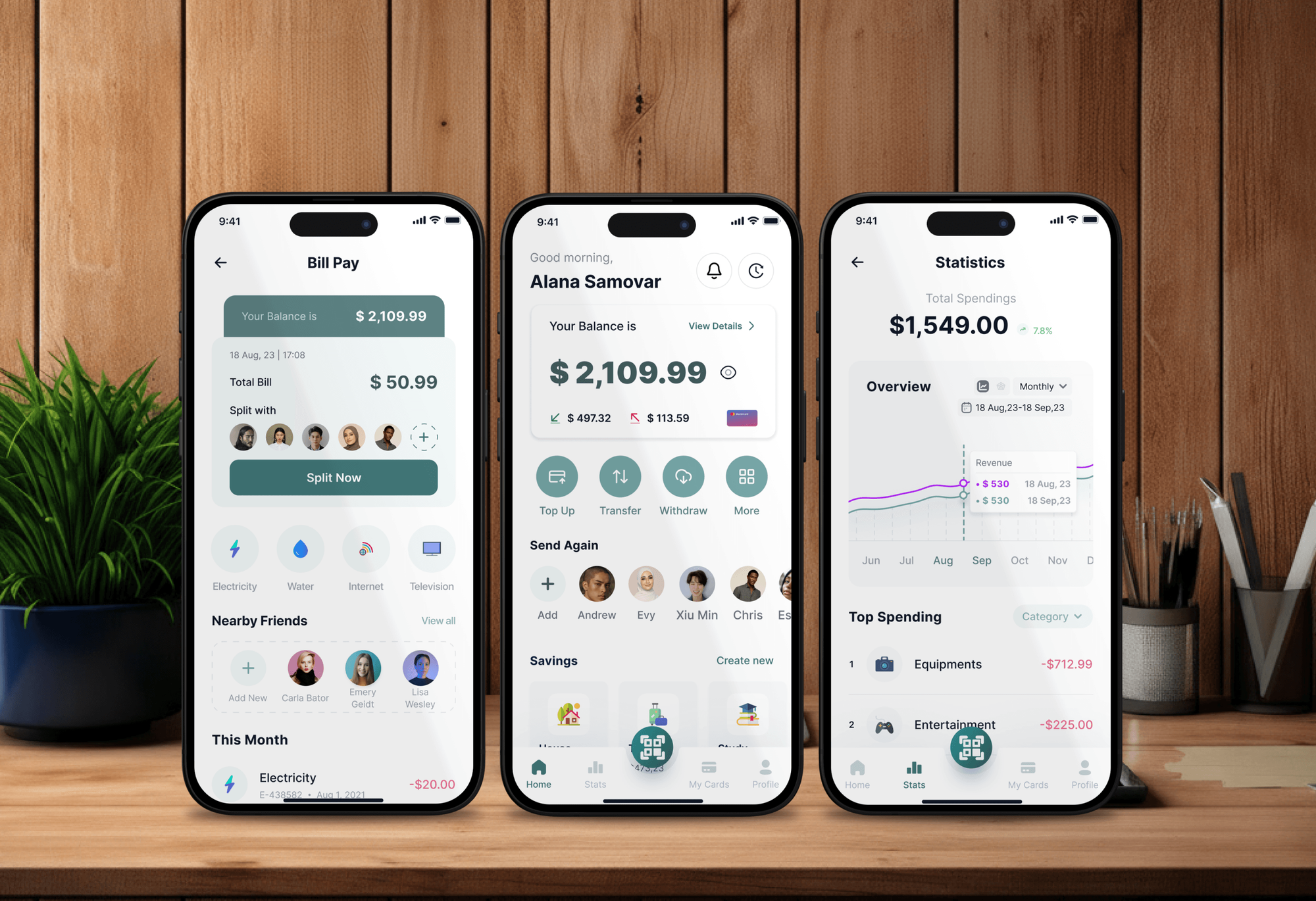
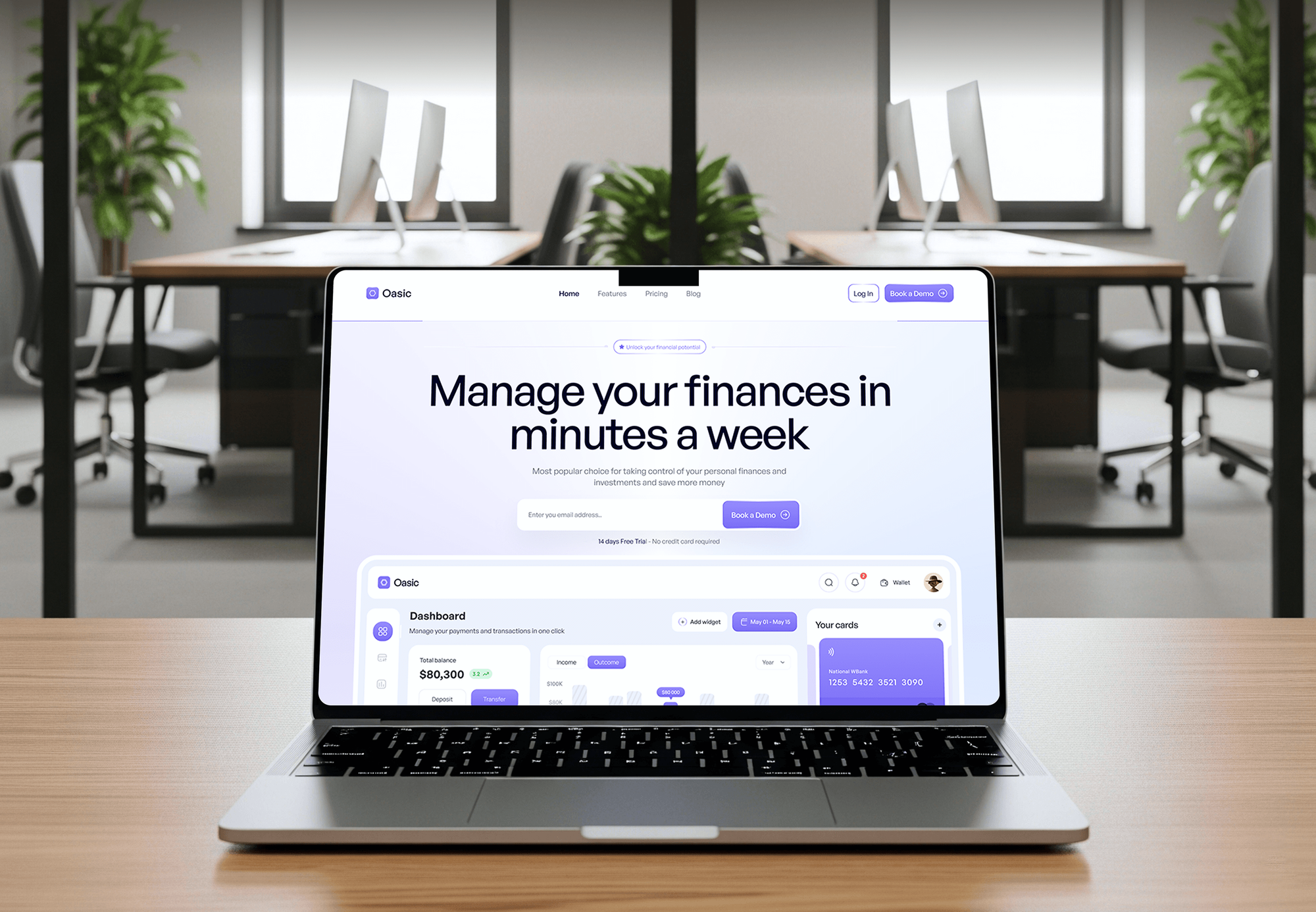
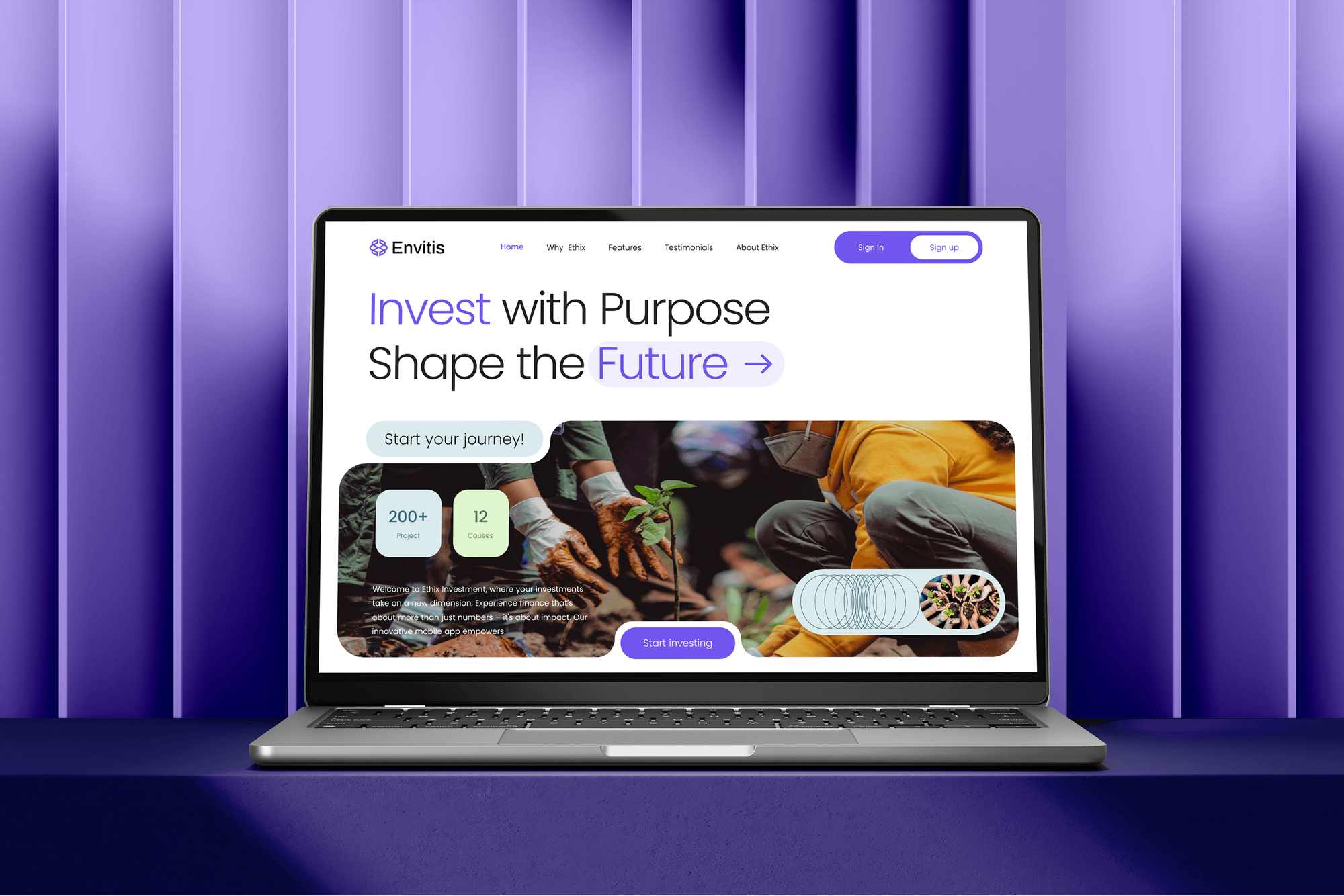
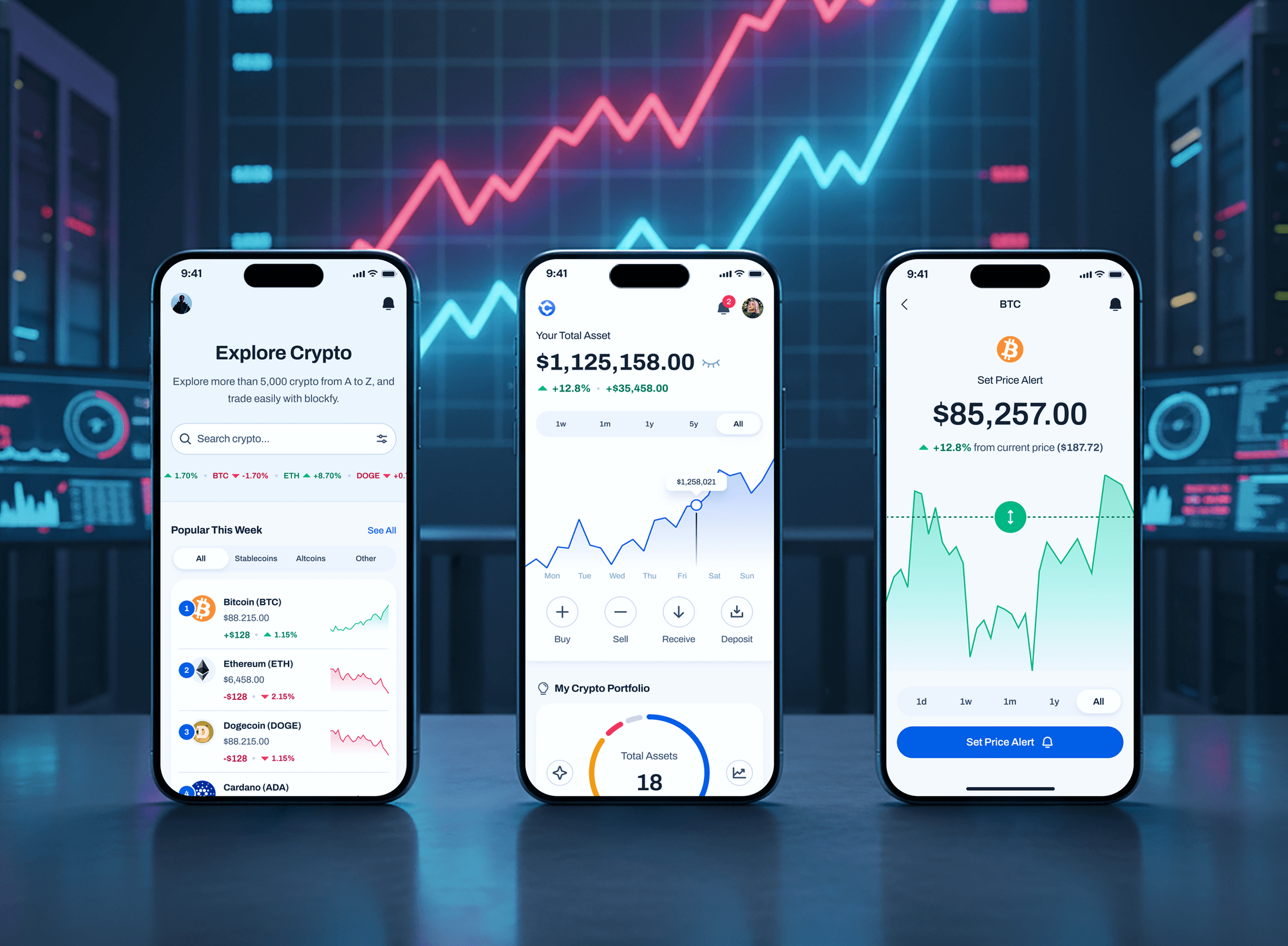
Personal finance, finance SaaS, investment, and crypto products. They aren't Plaid projects, but they handle the same sensitive account and transaction data.
What Our Clients Say
Feedback from teams we have built websites and business software for.
We had a pretty specific idea of what we wanted our website to become, but I wasn’t sure how easily we could explain all of it to a development team. There were quite a few moving parts, and we were working toward a deadline, so I expected a few things to get lost along the way. That never really happened. They understood what we were trying to achieve, kept us updated throughout the process, and got everything ready within the agreed timeline. The final site feels much easier to navigate, works beautifully on mobile, and is noticeably smoother for our customers. It was a huge relief seeing the original idea actually turn into the website we had in mind.
The mobile experience is probably my favourite part of the new site. We had spent a lot of time making sure the desktop version looked right, and the team kept pushing us to think about how everything would actually feel on a phone too. They were right. The navigation is clean, the interactions feel natural, and everything we’ve tested so far works exactly as it should. They also went through the links, forms, integrations, and other details more than once before launch, which I really appreciated. And even after going live, we could still reach out when something came up. The whole process felt friendly, organised, and surprisingly straightforward.
What I appreciate most is that the website is actually easy for us to manage now. We can update content ourselves instead of sending a developer a message every time we need to change something small. They also paid attention to the technical SEO side, which mattered to us because we didn’t want a new website to create problems for the traffic we already had. I’ve probably asked more questions than I should have since launch, but every question has been handled patiently and without any fuss. The team is easy to work with, they explain things clearly, and when we need something changed, they focus on getting it done rather than making the process complicated.
1,250+
Projects shipped
10+
Years of experience
Top 3%
Upwork Top Rated Plus
5 stars
Average review score

Want results like these?
Tell us what you are building. You get a reply within 24 hours on business days, then a written estimate.
Work Culture
Bank data is sensitive and governed by Plaid's own rules. These habits keep tokens protected, consent clear, and every connection easy to repair.
Access tokens are encrypted and stay on your server, out of the browser and app. A leaked front end can't expose a bank connection.
If QuickBooks or Xero bank feeds already give you what you need, we'll tell you before we quote. A Plaid build makes sense when your product needs the data.
We request the fewest Plaid products your feature needs. Users see a shorter consent screen, and you store less sensitive data.
Every flow passes Plaid's Sandbox test users first, then real accounts at a few banks. OAuth redirects and multi-factor quirks show up before your users find them.
Your Plaid dashboard, API keys, and payment partner accounts stay in your company's name. Changing developers doesn't mean re-linking every user.
We build to Plaid's policies and your counsel's guidance on financial data. Legal decisions stay with your team, and we document every data rule we implement.
Overview
DeveloperLook builds Plaid integration for fintech apps, payroll tools, and payment platforms. We set up Plaid Link, Auth, and Transactions, pass verified accounts to Dwolla or Stripe through processor tokens, and handle broken connections with update mode. Projects start at $850, take 2 to 10 weeks, and keys stay in your account.
DEVELOPERLOOK
Project facts · Plaid Integration Services
Reviewed 8 Oct 2026 by Saimul Islam
Good fit
Lending and pay-later startups
Your lending app needs a Plaid bank integration that verifies each borrower's account before the first ACH debit through Stripe.
Payroll and B2B payment platforms
Your platform pays contractors by ACH, and you want Dwolla Plaid flows that verify every bank account before money moves.
Personal finance and budgeting apps
Your budgeting app needs users' transactions pulled in daily, and you want the Plaid transaction API set up with sync and webhooks.
Teams whose bank links keep breaking
Your users' bank connections break after password changes, and support tickets pile up because nobody built update mode.
Product teams without Plaid developers
You're short on Plaid developers in-house and need someone to build for web and mobile, pass the production review, and hand it over.
Not a fit
Card payments only
You only take card payments at checkout and don't need bank accounts. Our Stripe Integration Services page covers that without bank linking.
Marketplace seller payouts
You pay sellers on a marketplace through Stripe. Our Stripe Connect Marketplace Payouts page covers seller onboarding and payouts in detail.
Bookkeeping feeds only
You only want bank transactions in your accounting software. QuickBooks and Xero already offer bank feeds, so a custom Plaid build isn't needed.
Budget under $850
Your budget is under $850 for a prototype. Plaid's Sandbox and its quickstart sample app may be enough to test the idea first.
Not sure we're the right fit?
Book a free call or message us. We'll tell you honestly whether we're the right team.
Pricing
These are starting points in USD. Your final price depends on the Plaid products, your payment partner, and the platforms you ship on, and you get a fixed proposal after a free Plaid review.
For one app that needs users to link and verify a bank account.
$850one-time, USD
For apps that move money by ACH and read transaction data.
$2,600one-time, USD
For web and mobile apps using up to 4 Plaid products with risk checks.
$5,600one-time, USD
For Agencies
You own the client relationship. We supply the Plaid engineering: Link screens, token handling, ACH handoffs, and production review support. Fixed quotes protect your margin, and every key stays in the client's own Plaid account.
White label: your client only ever sees your brand
Send the app, the Plaid products, and the payment partner involved.
You get a data flow plan, a fixed quote, and a launch window.
Tested flows and handover notes delivered under your studio's name.
Your studio leads the client, and our engineers stay in the background.
Token storage and consent screens built to Plaid's own guidance.
Each Plaid product quoted upfront, keeping your proposal margin intact.
Data flow notes that help the client answer Plaid's security questions.
The Right Technology for Your Project
We build on Plaid's official SDKs and APIs, connect them to your payment partner, and run the server side on tools your team knows.
 Stripe
 React
 Next.jsReact Native
 Node.js
 Python
 PostgreSQL
 AWS
FAQ
Straight answers on Plaid costs and timelines, Plaid Link, credentials and OAuth, ACH partners, broken connections, and production approval.
Saimul IslamFounder & CEO, DeveloperLookStill have questions?
Send a message or book a call with the team.
A Plaid integration with DeveloperLook starts at $850 for Plaid Link and Auth in one app, with secure token handling and sandbox tests. Adding Dwolla or Stripe ACH, transaction sync, and update mode starts at $2,600, and full builds start at $5,600. Plaid bills its own usage fees to your account.
Bank linking with Auth takes 2 to 4 weeks, and full builds with payments and transaction data take 6 to 10 weeks. Plaid's production access review runs alongside the build, so we start that request early. Tests at real OAuth banks happen in the last week.
Plaid Link is the drop-in module where users choose their bank and log in, on web or mobile. It handles bank search, credentials, multi-factor checks, and OAuth redirects, then returns a public token. Your server exchanges that token for an access token, so the Plaid Link API connects users without your app seeing passwords.
Sometimes. For banks that use OAuth, users log in on the bank's own site, so neither Plaid nor your app receives the password. For other banks, Plaid handles and stores the credentials under its own security program. Either way, your app receives tokens, not bank logins.
Yes, for many banks. Plaid uses OAuth with major US banks such as Chase, Wells Fargo, and US Bank, and with every bank it supports in the UK and EU. Your Link setup must handle OAuth redirects for those launches, so we register redirect URIs and test them with real accounts before release.
You create a link token on your server, open Plaid Link in your app, and exchange the returned public token for an access token. Then you call the products you need, such as Auth for account numbers or the transactions sync endpoint for activity. Webhooks tell your server when new data or errors arrive.
Yes. Plaid creates a processor token for the verified account, and Dwolla or Stripe uses it to set up the funding source. In the Dwolla Plaid flow, Dwolla pulls the account and routing numbers from Plaid directly, so they don't sit in your database. Stripe uses its own dedicated Plaid token endpoint.
Plaid flags it with an error such as ITEM_LOGIN_REQUIRED, usually after a password change or expired consent. Your app then opens Link in update mode, so the user reconnects without starting over. We build that flow plus alerts, so support sees broken connections before users complain.
Yes, full Production access needs an approved request with your business details and use case. Newer Plaid teams can start on a limited trial in Production, but scaling past it still needs approval. We help prepare the request and answer the security questions while the build continues.
You do. The Plaid account, API keys, code, and payment partner accounts stay in your company's name from day one. We hand over the repository and a runbook for webhooks and errors, and our Plaid developers support the build for 30 to 90 days, depending on plan.
Saimul IslamFounder & CEO, DeveloperLookStill have questions?
Send a message or book a call with the team.
Free 30-min callGoogle Meet
Book a call
In 30 minutes on Google Meet we walk you through how we would build it, how long it takes and what it costs. Then you get a written estimate.
Calendar not showing? Book on cal.com or send a brief.