
Custodian and held-away feeds
Your nightly custodian files and aggregator data, mapped to your accounts and checked for gaps before reports run.

For RIAs, wealth firms, and family offices: one reconciled view of every client household, with reports, goals, and records built on it. From $1,300.
3X
Faster quarterly report runs
1
Reconciled view per household
How your project runs
01 · FreeTeams we have built for:














The Problem
It shows at quarter end. Your custodian files, held-away accounts, and private investments sit in different places, so every report needs someone to stitch them together by hand.
Late files
A late custodian file leaves half your households out of date.
Late files
Nightly loads flag missing files and hold reports until positions reconcile.
Held-away assets
Outside 401(k) and brokerage accounts are missing from your report.
Held-away assets
Held-away accounts arrive through an aggregator and roll into the same household view.
Return method
Nobody can say which return method last quarter used.
Return method
Each report names its method: time-weighted for managers, money-weighted for client experience.
Audit requests
Finding an old client report means searching shared drives.
Audit requests
Every sent report is archived with its data date and stays searchable.
It's the second week of the quarter and your operations lead is still building reports. One custodian's file arrived late, a client moved an IRA to another firm, and a private fund's capital call is missing from the system. So she exports three spreadsheets, rebuilds your household totals, and hopes the returns match last quarter's method. Your advisors wait. Your clients ask why your numbers differ from their custodian statement, and nobody can say how each figure was produced.
We start with your data, not the screens. Your custodian files and held-away accounts land in one data model, get reconciled against the custodian's positions every night, and roll up into your households and legal entities. Returns come from that reconciled data, with the method printed on each report. Your planning tools, client portal, and archive all read the same numbers, so your clients see one figure everywhere instead of three versions of the truth.
Reconciled before it's shown
Your custodian positions are checked every night, and reports wait until the numbers tie out.
Returns with the method named
Time-weighted and money-weighted returns, each labeled so your clients and examiners know which one they see.
Households, not account lists
Accounts, trusts, and entities roll up the way your clients think about their money.
Our Wealth Management Software Development Process
You approve the data map before the build and check test households in staging. Then you compare new reports line by line with your current ones before switching.
We review your custodian files, held-away sources, CRM, and the reports you send today. You get a data map, a list of gaps such as missing cost basis, and a written scope with a fixed-price proposal.
What's Included
Your build covers data feeds and reconciliation, households and entities, performance reporting, goals-based planning, the client portal, and a searchable archive, all reading one set of reconciled numbers.
Compare Options
Packaged wealth management software solutions suit many RIAs, and an in-house team suits large firms. Here is where each one works, and where a custom build earns its cost.
| Feature | DeveloperLookBest fit | Packaged platform | In-house team |
|---|---|---|---|
| Time to launch | 8 to 20 weeks | Weeks after onboarding | 6 to 12 months to hire |
| Data model | Built around your households | Vendor's fixed account model | Built around your households |
| Custodian coverage | Your custodians and held-away sources | Long list of supported feeds | Each feed built from scratch |
| Return method | Named on every report | Set in vendor settings | Depends on your hires |
| Private assets | Capital calls and entities included | Varies by vendor and tier | Built when prioritized |
| Upfront cost | Fixed price per release | Low setup cost | Salaries before first release |
| Ongoing fees | No per-account license fees | Fees per account or assets | Payroll and tools |
| Code and data | You own both | Vendor hosts both | You own both |
Projects We've Built
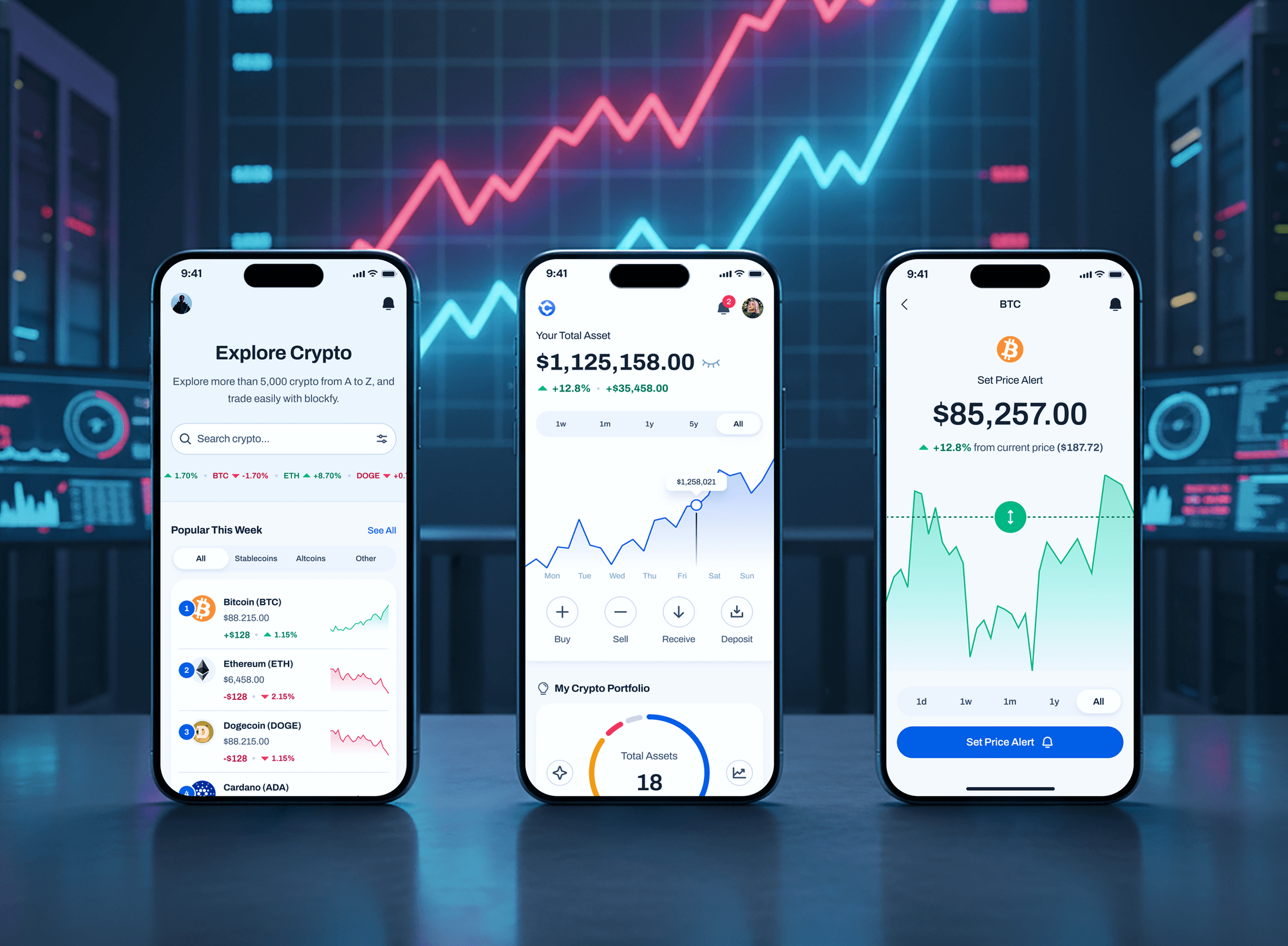
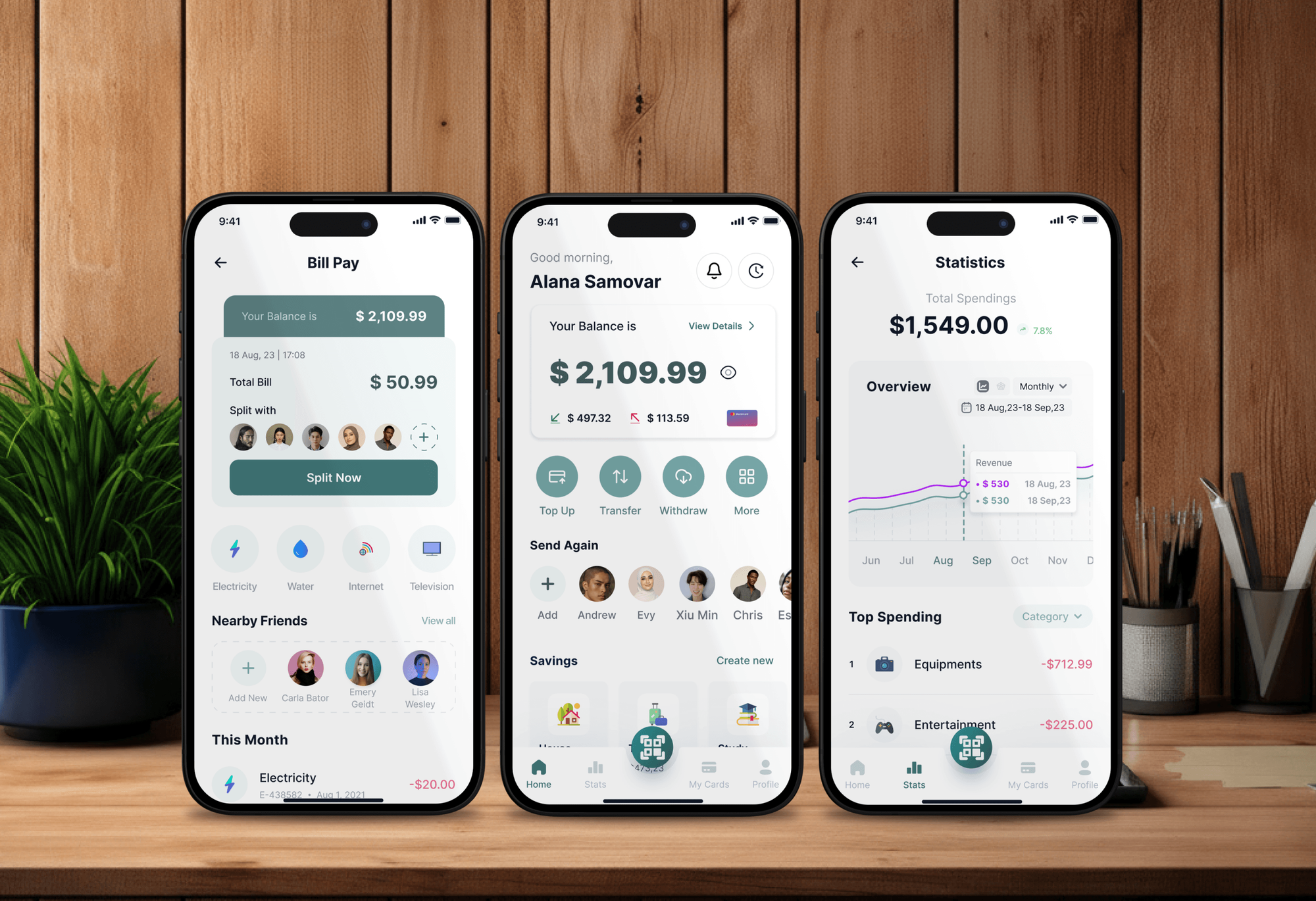
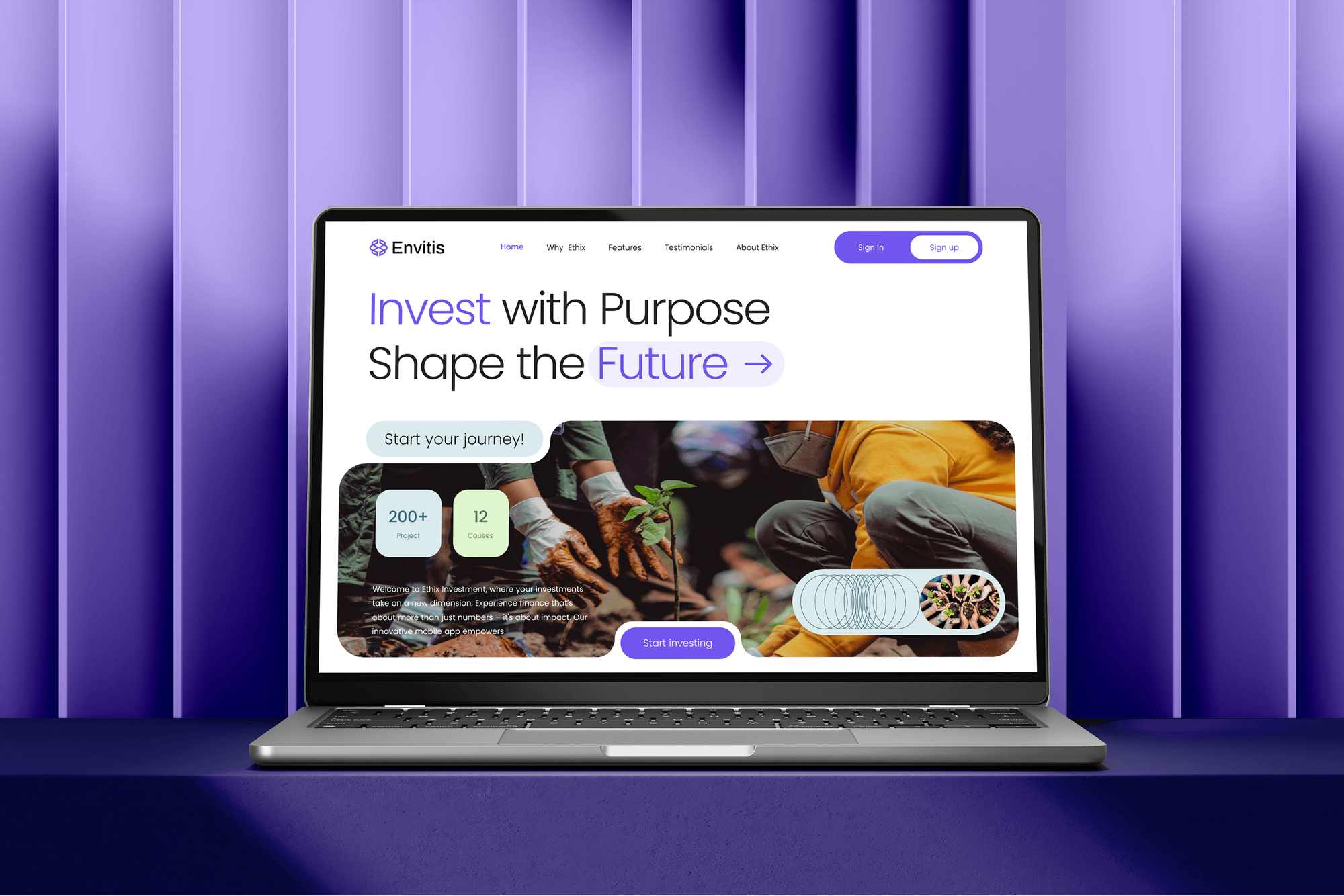
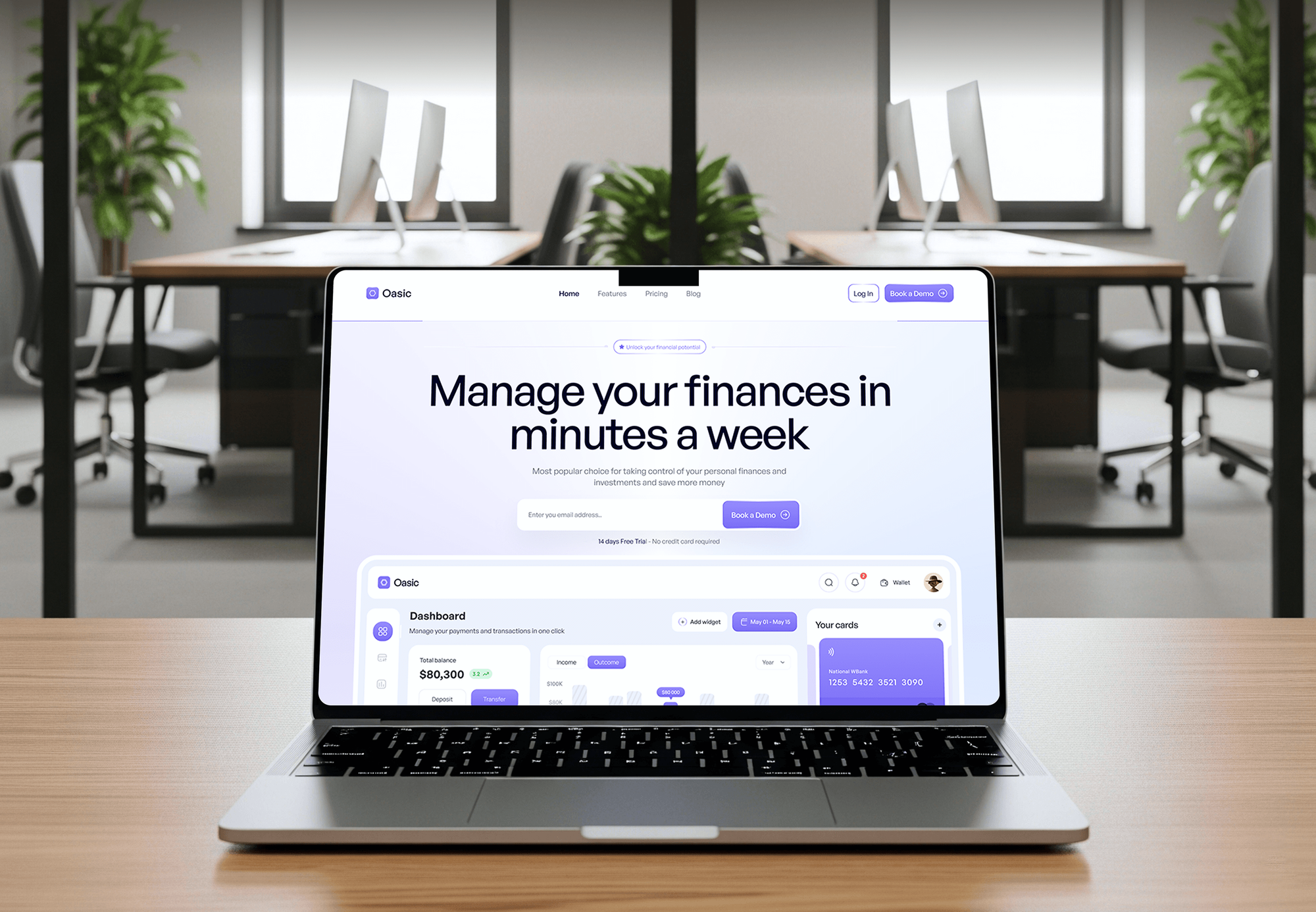
CoinSphere, Moneywish, Envitis, and Oasic are finance apps and dashboards we designed and built, with balances, trends, and savings goals. None of them is an RIA reporting platform.
What Our Clients Say
Feedback from teams we have built finance dashboards, portals, and web products for.
We had a pretty specific idea of what we wanted our website to become, but I wasn’t sure how easily we could explain all of it to a development team. There were quite a few moving parts, and we were working toward a deadline, so I expected a few things to get lost along the way. That never really happened. They understood what we were trying to achieve, kept us updated throughout the process, and got everything ready within the agreed timeline. The final site feels much easier to navigate, works beautifully on mobile, and is noticeably smoother for our customers. It was a huge relief seeing the original idea actually turn into the website we had in mind.
The mobile experience is probably my favourite part of the new site. We had spent a lot of time making sure the desktop version looked right, and the team kept pushing us to think about how everything would actually feel on a phone too. They were right. The navigation is clean, the interactions feel natural, and everything we’ve tested so far works exactly as it should. They also went through the links, forms, integrations, and other details more than once before launch, which I really appreciated. And even after going live, we could still reach out when something came up. The whole process felt friendly, organised, and surprisingly straightforward.
What I appreciate most is that the website is actually easy for us to manage now. We can update content ourselves instead of sending a developer a message every time we need to change something small. They also paid attention to the technical SEO side, which mattered to us because we didn’t want a new website to create problems for the traffic we already had. I’ve probably asked more questions than I should have since launch, but every question has been handled patiently and without any fuss. The team is easy to work with, they explain things clearly, and when we need something changed, they focus on getting it done rather than making the process complicated.
1,250+
Projects shipped
10+
Years of experience
Top 3%
Upwork Top Rated Plus
5 stars
Average review score
1,250+
Projects shipped
10+
Years of experience
Top 3%
Upwork Top Rated Plus
5 stars
Average review score

Want results like these?
Tell us what you are building. You get a reply within 24 hours on business days, then a written estimate.
Work Culture
Your software holds clients' net worth and family details, and an examiner can ask how any figure was produced. These habits keep your numbers accurate and your records easy to find.
We compare every calculated position and return with the custodian's own figures before a report ships. A difference gets traced to its source instead of rounded away.
Every return, fee, and benchmark calculation is documented in plain language. Your compliance team can answer an examiner's question without calling us.
We build the controls and records your chief compliance officer asks for. Decisions about SEC rules, marketing reviews, and FINRA duties stay with your compliance team.
Advisors see their own households, operations sees the feeds, and family members see only what they're granted. Access changes are logged, so you can show who saw what.
When a packaged platform already handles your custodians and reports, we say so before any proposal. A custom build only makes sense when your data doesn't fit.
The code, the database, and the cloud account belong to your firm from day one. Change developers or hire in-house, and nothing is locked away.
Overview
DeveloperLook handles wealth management software development for RIAs, wealth firms, and family offices. We build client portals, custodian data feeds, performance reporting, goal planning, and compliance archives on one reconciled data model. Projects start at $1,300, take 8 to 20 weeks, and your firm owns the code and the data.
DEVELOPERLOOK
Project facts · Wealth Management Software Development
Reviewed 28 Oct 2026 by Saimul Islam
Good fit
RIAs outgrowing their reporting tool
Your reporting tool can't handle a second custodian, and your operations team rebuilds household totals in spreadsheets at every quarter end.
Family offices with complex entity structures
You track trusts, LLCs, and partnerships across custodians and private funds, and you need family office wealth management software that shows look-through ownership.
Wealth firms launching a client portal
Your clients want a wealth management software platform with an app, MFA login, documents, and goals, and your current vendor's portal can't carry your brand.
Fintechs building software for advisors
You're a fintech building tools for advisors, and you need a wealth management software development company that knows custodian data, returns math, and records rules.
Agencies with an RIA client
Your agency built an RIA's website, and the client now wants a secure client login with holdings and reports connected to their custodian.
Not a fit
Only need an advisor CRM
You need a CRM for prospects, meetings, and tasks, not reporting software. Our CRM for Financial Advisors page covers choosing and setting one up.
Trading app for investors
You're building an app where people buy and sell stocks themselves. Our Trading Platform Development page covers order entry, market data, and broker connections.
Website redesign only
You need a new public website for your advisory firm, not client software. Our Financial Advisor Website Design page fits that scope better.
Budget under $1,300
Your budget is under $1,300, or a packaged platform already covers your custodians and reports. If one does, we'll tell you before we quote.
Not sure we're the right fit?
Book a free call or message us. We'll tell you honestly whether we're the right team.
Pricing
These are starting points in USD. Your final price depends on the number of custodians, your reporting depth, and private asset coverage. You get a fixed proposal after a free data review.
For Agencies
You own the client relationship. We supply the data and reporting engineering behind the portals your RIA and family office clients give their households. We build under your brand and document every calculation for your client's compliance review.
White label: your client only ever sees your brand
Send the client's custodians, sample reports, and deadlines, and we shape the scope together.
You receive a fixed-price proposal under your agency's name, with the engineers named.
We build, run the parallel quarter, and hand over code, data, and runbooks.
Send the client's custodians, sample reports, and deadlines, and we shape the scope together.
You receive a fixed-price proposal under your agency's name, with the engineers named.
We build, run the parallel quarter, and hand over code, data, and runbooks.
The Right Technology for Your Project
We build web and mobile portals on proven tools, load custodian data through scheduled pipelines, and run return calculations in tested Python services.
 React
 Next.js
 TypeScript
 Flutter
 Python
 PostgreSQL
 Node.js
 AWS
 Docker
Related Services
Trading and banking builds for the same clients, Plaid account linking, advisor CRM setup, RIA cybersecurity, and BI dashboards.
This page
Wealth Management Software Development
Pairs with the 6 services around it
FAQ
Straight answers on cost, timelines, return methods, SEC records, planning tools, and ownership.
Saimul IslamFounder & CEO, DeveloperLookStill have questions?
Send a message or book a call with the team.
A DeveloperLook build starts at $1,300 for a client reporting portal on one custodian feed. An advisor workspace with up to 3 custodians, held-away accounts, both return methods, and planning starts at $4,300. A family office platform with entities and private assets starts at $9,200. You get a fixed quote after a free data review.
Your build takes 8 to 20 weeks, depending on custodians and reporting depth. A reporting portal on one custodian takes about 8 to 10 weeks. An advisor workspace with several feeds and planning takes 12 to 16, and a family office platform about 20. That includes 1 to 2 weeks of parallel reports.
Wealth management software is the set of tools advisors use to see client accounts, measure performance, plan goals, and report to households. It usually combines portfolio accounting, reporting, a CRM, planning, and a client portal. Some firms buy each piece from a different vendor. Others build one platform, so every tool reads the same reconciled data.
Packaged vendors and custom developers both provide it. Reporting platforms such as Orion, Addepar, and Black Diamond serve many RIAs, eMoney and MoneyGuide cover planning, and Redtail and Wealthbox are common advisor CRMs. We build custom wealth management software solutions when your data or reports don't fit those products, and connect the ones you keep.
Buy when a packaged platform supports your custodians and the reports your clients expect. Build when your data doesn't fit: family entities, private investments, unusual fee schedules, or a portal that must carry your brand. Many firms do both: a packaged CRM or planning tool, plus a custom reporting layer that ties them together.
You implement it by linking each client goal to real accounts before running any projections. First load and reconcile your accounts, then define goals with dates, amounts, and priorities. Next, set the capital market assumptions your investment committee approves and run Monte Carlo projections. Your advisors rerun them in meetings when a client changes a date or amount.
Most firms use a portfolio accounting and reporting platform that pulls custodian data and calculates returns. Smaller RIAs often start with the reports their custodian or CRM provides. Firms with several custodians, private assets, or family entities move to a dedicated platform or a custom build. Check that it shows both return methods and names each one.
Test the software against each SEC rule your records must support. The Books and Records Rule (Rule 204-2) generally means keeping records for 5 years, the first 2 in an appropriate office. The Custody Rule calls for a comparison legend on statements you send yourself. The Marketing Rule wants net performance shown with gross. Your chief compliance officer makes the final call.
Choose forecasting software on how open its assumptions are, not on chart design. You should see and change the return, inflation, and volatility inputs, and Monte Carlo results should show a range rather than one number. Look for taxes, Social Security, and required minimum distributions in the model, and for account data read directly instead of typed in.
Your firm owns the code, the database, and the cloud account from the first day. At launch we hand over the repository, the deployment pipeline, data mapping notes, and a runbook for each feed. Your 60 days of post-launch support then cover data issues, report changes, and small fixes.
Saimul IslamFounder & CEO, DeveloperLookStill have questions?
Send a message or book a call with the team.
Free 30-min callGoogle Meet
Book a call
In 30 minutes on Google Meet we walk you through how we would build it, how long it takes and what it costs. Then you get a written estimate.
Calendar not showing? Book on cal.com or send a brief.