
Event and transport map
Every live event, its audience, and its transport written down, so the build matches what users must see.

For product teams whose users keep hitting refresh: live dashboards, tracking, and alerts that reach every screen and survive dropped connections. From $1,150.
<1sec
From event to every open screen
100%
Missed events replayed after reconnect
How your project runs
Teams we have built for:














The Problem
Live features look simple in a demo. They get hard when connections drop on mobile networks, traffic spreads across several servers, and a missed update leads to a wrong decision.
01 · Manual refresh
New orders only appear when someone reloads the page.
Server-Sent Events push each new order to every open dashboard as it arrives.
02 · Polling
The app polls every few seconds to fake a live map.
One open connection carries position updates, so the map moves without constant requests.
03 · Second server
Messages reached only users connected to the same server.
Redis fans each message out to users connected to every server.
04 · Dropped connections
Phones reconnect silently and miss everything in between.
Clients resume from their last event ID and receive every event they missed.
Your dispatcher watches the jobs board and hits refresh every minute, because new orders only appear on reload. Customers ask where their driver is, and the app polls the server every five seconds to fake a live map. Someone added WebSockets last quarter. It worked on one server, then broke when you added a second, because messages only reached users connected to the same machine. On flaky mobile networks, the app reconnects silently and misses whatever happened in between.
We start by picking the lightest transport for each feature: Server-Sent Events for one-way feeds, WebSockets for two-way updates, and WebRTC only for audio and video. Every event gets an ID, so a client that reconnects asks for what it missed. Redis fans messages out across servers, and a load test measures how long each event takes to reach a screen. Updates arrive on their own instead of waiting for a refresh.
Right transport per feature
SSE for feeds, WebSockets for two-way updates, and WebRTC only where audio or video needs it.
Replay after every reconnect
Events carry IDs, so a phone back online gets everything it missed, in the right order.
Fan-out across servers
Redis pub/sub delivers each message to users on every server, not just the one that received it.
Our Real-Time App Development Process
You approve the event map and transport choice before code, watch live updates on staging, and get load test numbers for latency and reconnects before launch.
On a free call, you show us the screens that should update live, how many people watch them, and where the data comes from. You get an honest view: real-time push, faster polling, or a scheduled refresh.
What's Included
Real-time applications push new data to every open screen the moment it changes. We build real-time data applications like dashboards and tracking maps, and real-time communication applications like in-app chat and calls.
Compare Options
Faster polling is the quickest fix for a single screen, and a hosted real-time service saves running your own servers. A custom build fits when live data is central to your product.
| Feature | DeveloperLookBest fit | Faster polling | Hosted service |
|---|---|---|---|
| First live update | Live feature in 2 to 3 weeks | Hours to set up | Days with their SDK |
| Update delay | Pushed as events happen | Up to one poll interval | Pushed as events happen |
| Server load | One open connection per user | Repeated requests from every client | Handled by the provider |
| Missed updates | Replayed by event ID | Next poll catches up | Depends on the plan |
| Custom logic | Any rule in your code | Any rule in your code | Limited to their features |
| Scaling | Redis fan-out, load tested | More requests per user | Provider scales it |
| Running cost | Your servers, predictable | Grows with the poll rate | Per message or connection |
| Data ownership | Stays in your systems | Stays in your systems | Passes through the vendor |
Projects We've Built
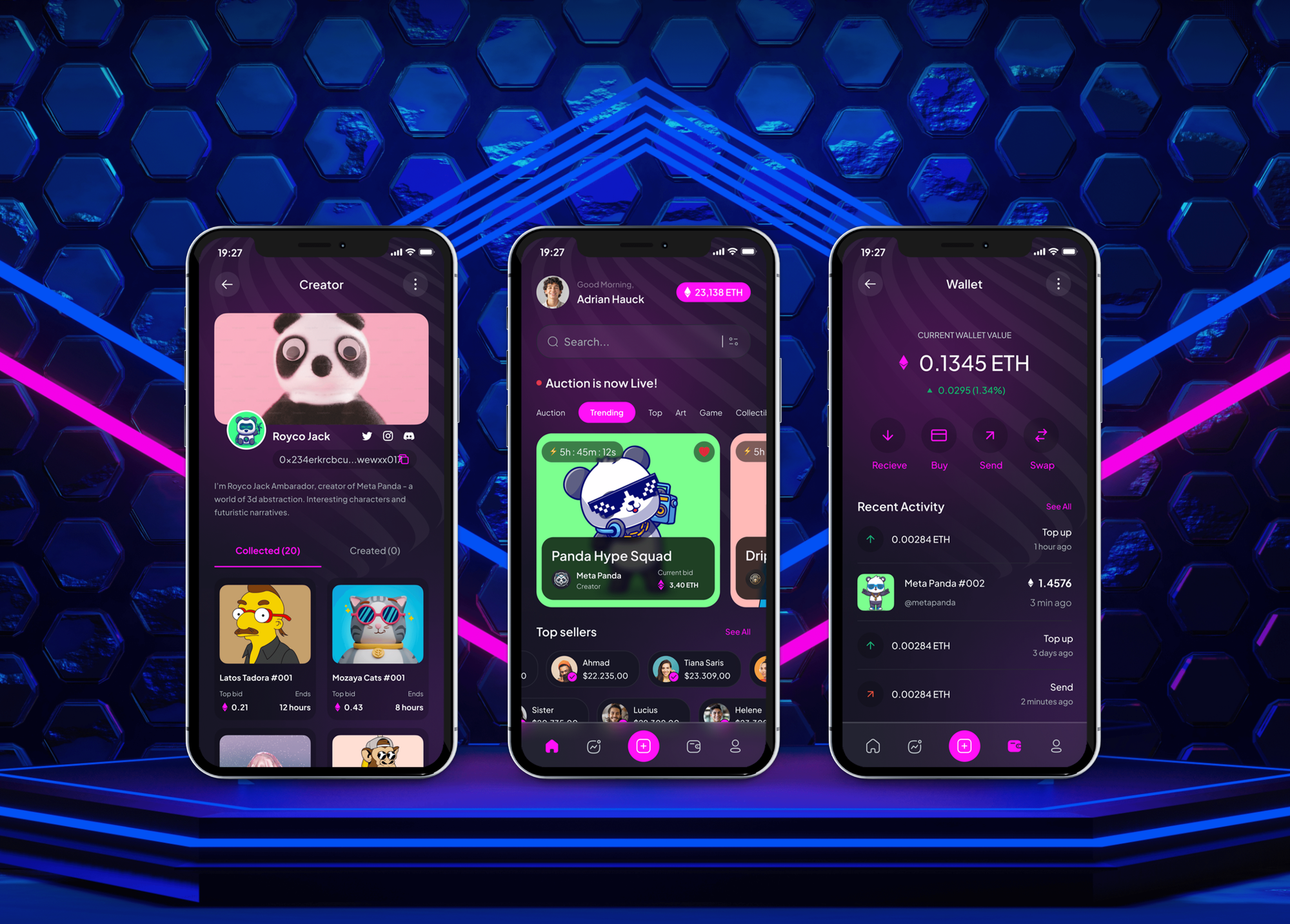
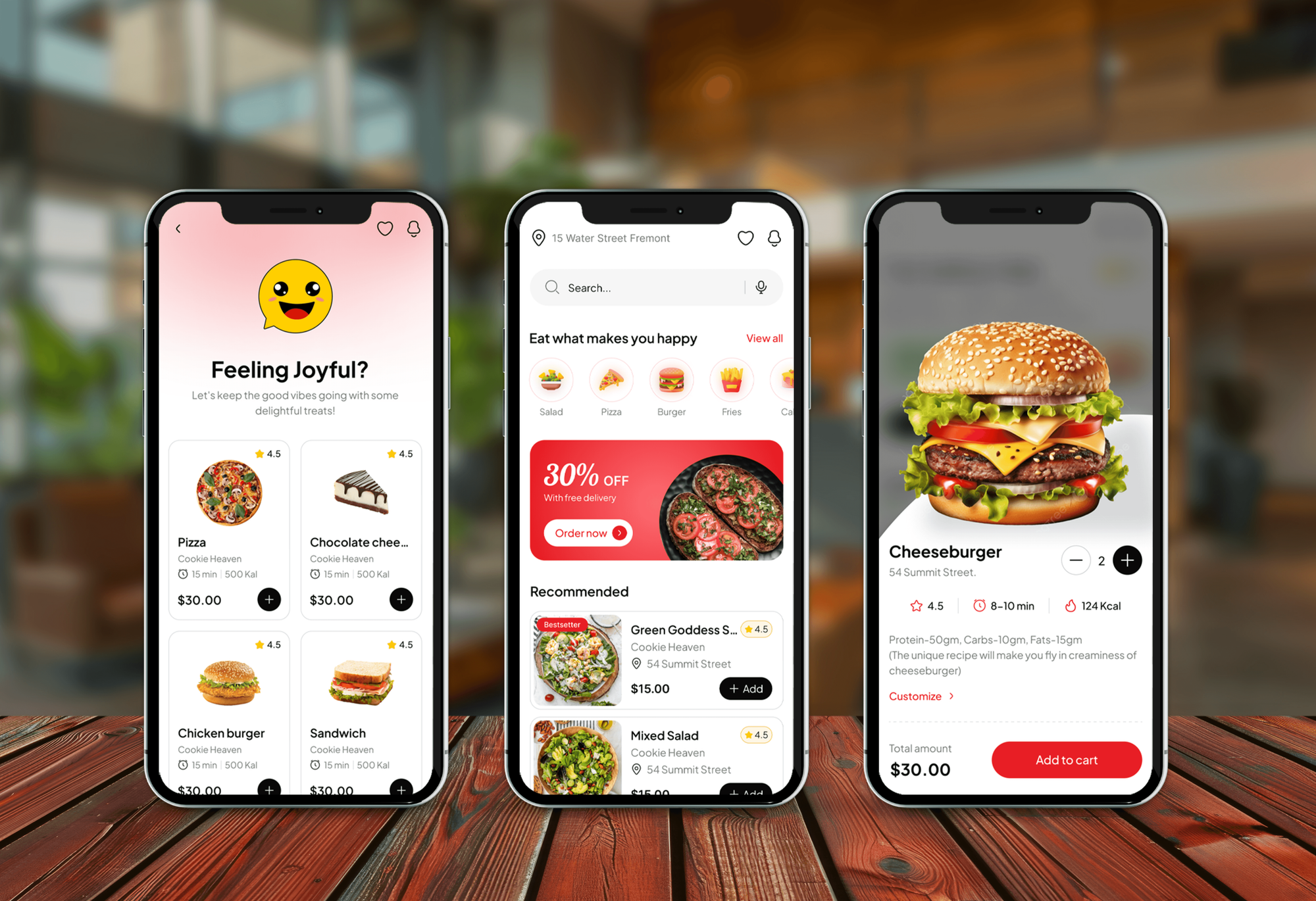
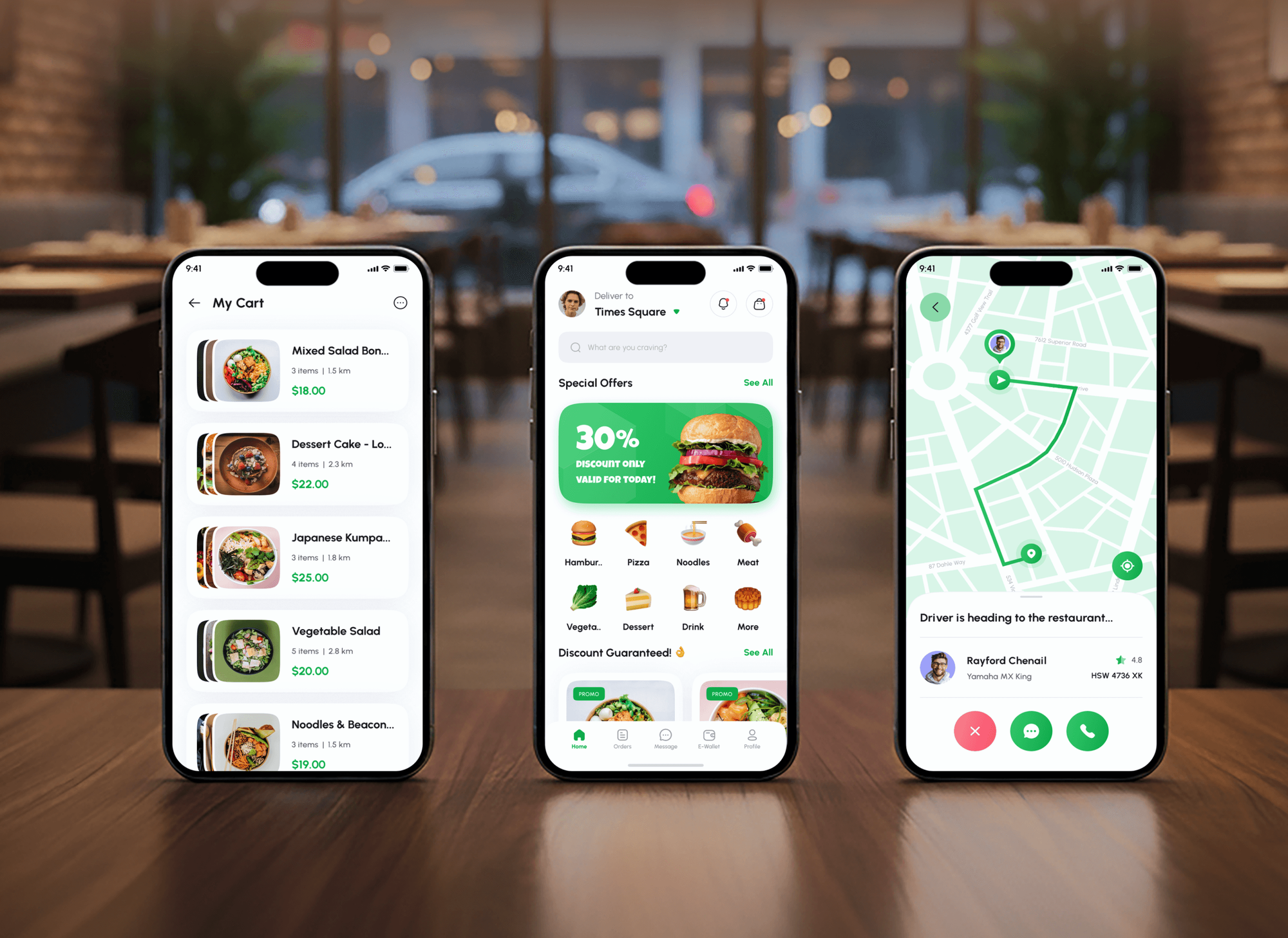
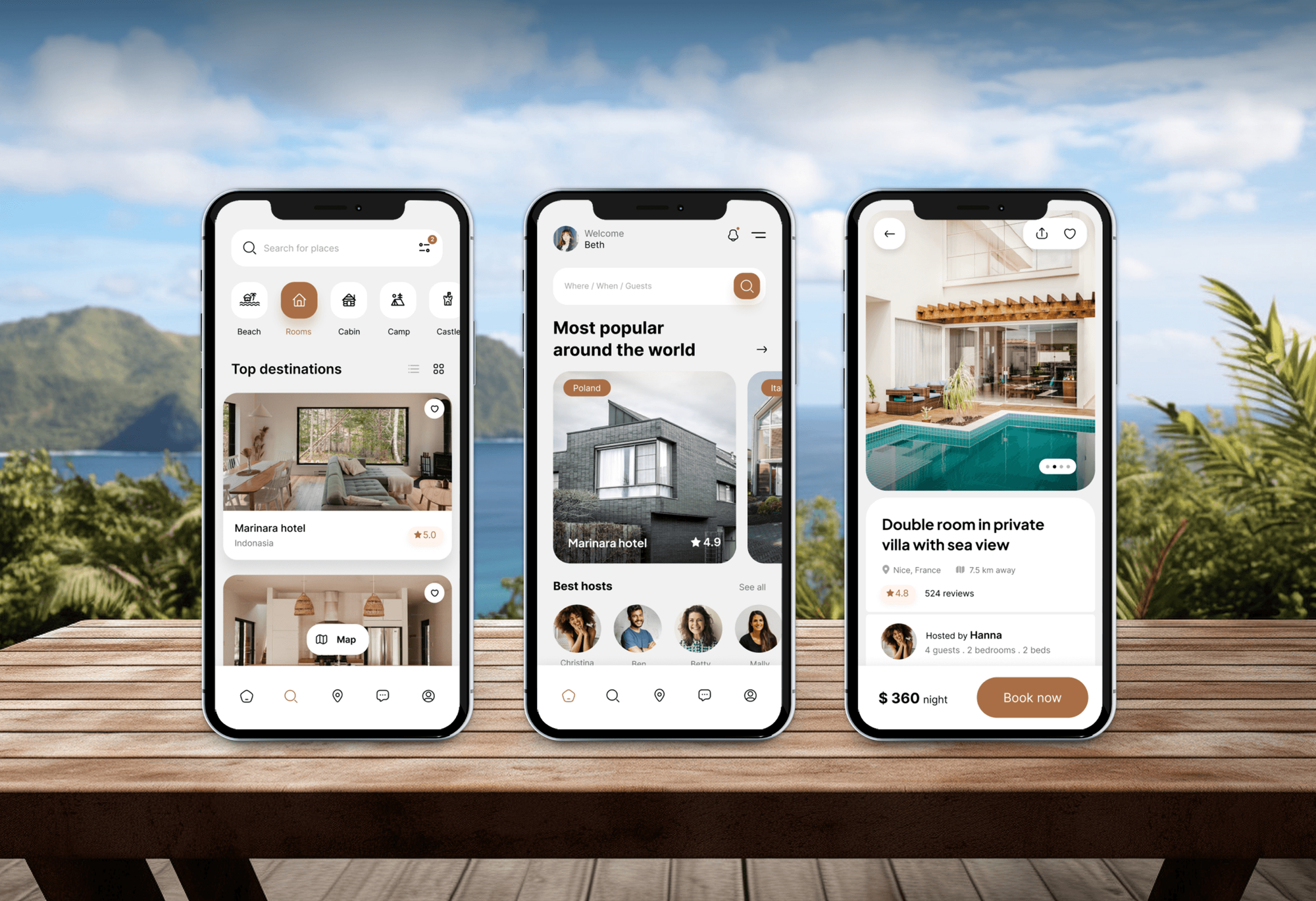
An NFT trading dashboard, two food delivery apps, and a tour booking app with an operator dashboard from our portfolio. None is shown here as a specific real-time stack.
What Our Clients Say
Feedback from teams we have built live, data-heavy products for.
We had a pretty specific idea of what we wanted our website to become, but I wasn’t sure how easily we could explain all of it to a development team. There were quite a few moving parts, and we were working toward a deadline, so I expected a few things to get lost along the way. That never really happened. They understood what we were trying to achieve, kept us updated throughout the process, and got everything ready within the agreed timeline. The final site feels much easier to navigate, works beautifully on mobile, and is noticeably smoother for our customers. It was a huge relief seeing the original idea actually turn into the website we had in mind.
The mobile experience is probably my favourite part of the new site. We had spent a lot of time making sure the desktop version looked right, and the team kept pushing us to think about how everything would actually feel on a phone too. They were right. The navigation is clean, the interactions feel natural, and everything we’ve tested so far works exactly as it should. They also went through the links, forms, integrations, and other details more than once before launch, which I really appreciated. And even after going live, we could still reach out when something came up. The whole process felt friendly, organised, and surprisingly straightforward.
What I appreciate most is that the website is actually easy for us to manage now. We can update content ourselves instead of sending a developer a message every time we need to change something small. They also paid attention to the technical SEO side, which mattered to us because we didn’t want a new website to create problems for the traffic we already had. I’ve probably asked more questions than I should have since launch, but every question has been handled patiently and without any fuss. The team is easy to work with, they explain things clearly, and when we need something changed, they focus on getting it done rather than making the process complicated.
1,250+
Projects shipped
10+
Years of experience
Top 3%
Upwork Top Rated Plus
5 stars
Average review score

Want results like these?
Tell us what you are building. You get a reply within 24 hours on business days, then a written estimate.
Work Culture
Live features fail in ways a demo doesn't show. These habits keep your live features working when networks drop, traffic spikes, and a second server joins.
We use Server-Sent Events when updates flow one way, and WebSockets when they flow both ways. Simpler transports mean fewer moving parts to run and debug.
We test on throttled and dropped mobile connections, not just office Wi-Fi. Reconnects resume from the last event, so users don't act on stale data.
We measure the time from event to screen in every load test and share the numbers. You know how live your app really is before launch.
Each connection is checked at login, and each subscription against what that user may see. A live feed can leak data as easily as an API.
If your data changes hourly, a scheduled refresh or simple polling costs less to run. We'll say so before quoting a real-time build.
Connection servers, Redis, and dashboards run in your cloud accounts under your organization. No per-message vendor bill grows with your traffic.
Overview
DeveloperLook handles real-time app development for live dashboards, tracking maps, notifications, and in-app calls. We choose SSE, WebSockets, or WebRTC per feature, replay missed events after reconnects, fan out across servers with Redis, and load test before launch. Prices start at $1,150, one live feature takes 2 to 3 weeks, a full app 6 to 16 weeks.
DEVELOPERLOOK
Project facts · Real-Time App Development Services
Reviewed 22 Oct 2026 by Saimul Islam
Good fit
Ops teams on refresh-driven dashboards
Your operations team keeps a dashboard open all day and hits refresh every minute, because new orders and alerts only appear on reload.
Delivery and logistics products
Your customers want to watch a driver or shipment move on a map, and your app polls the server every few seconds to fake it.
SaaS teams adding collaboration
Your users edit the same record at once and overwrite each other's changes, so they keep asking for live presence and updates.
Analytics products that lag
You run real time analytics applications for clients, and the charts lag minutes behind the events they're meant to show.
Agencies with live features to ship
Your agency promised a client live notifications and a tracking map, and your team hasn't scaled WebSockets past one server before.
Not a fit
Hourly updates are enough
Your data changes a few times a day, and nobody watches it live. A scheduled refresh is cheaper, and our Web Application Development Services page covers that build.
Firebase app needs tuning
Your app already runs on Firebase and only needs its live data secured and its costs tuned. Our Firebase development page covers Security Rules and billing.
Raw throughput problem
Your live feature works, but one server process can't keep up with the message volume. Our Golang Development Services page covers rebuilding that hot path in Go.
Budget under $1,150
Your budget is under $1,150, or a hosted chat widget already covers what you need. If it does, we'll tell you before we quote.
Not sure we're the right fit?
Book a free call or message us. We'll tell you honestly whether we're the right team.
Pricing
These are starting points in USD. Your final price depends on live event types, concurrent users, and client platforms, and you get a fixed proposal after a free live feature review.
For one live feature added to an existing app, such as notifications or a live status panel.
$1,150one-time, USD
For a live dashboard, tracking map, or collaborative screen built as a new module.
$3,750one-time, USD
For products where live data, calls, or shared editing are the core of the app.
$8,400one-time, USD
For Agencies
You own the client relationship. We supply the real-time engineering behind it: transport choice, connection servers, event replay, fan-out, and load tests, delivered under your brand with code in your client's repositories.
White label: your client only ever sees your brand
Send the screens that must update live, expected users, and the client's deadline.
You get an event map outline and a fixed price you can resell.
We build, load test, and deploy under your brand in the client's cloud.
Your client talks to you, and our engineers stay behind your brand.
Written event and transport maps your team can present as its own.
Engineers who scale WebSocket, SSE, and WebRTC features in production.
Add one engineer for a live feature, or a team for a full app.
The Right Technology for Your Project
Servers and transports for live updates, the brokers that fan messages out, the client apps that receive them, and the tools that test them.
 Node.js
 Go
 Python
 PostgreSQL
 React
 Next.js
FAQ
Straight answers on real-time app costs, timelines, WebSockets and WebRTC, latency, live data, and finding developers.
Saimul IslamFounder & CEO, DeveloperLookStill have questions?
Send a message or book a call with the team.
A real-time transit application starts at $1,150 for one live feature, such as GTFS Realtime vehicle positions on an existing map. A rider app with live arrivals, service alerts, and fan-out across servers starts at $3,750. A platform with an event stream, push alerts for offline riders, and 10,000-connection load tests starts at $8,400. Each is a fixed price after a free review.
One live feature in an existing app, such as notifications or a live status panel, takes 2 to 3 weeks. A full live dashboard, tracking map, or collaborative module takes 6 to 10 weeks. Platforms with calls or shared editing take 12 to 16 weeks, including load and failure testing.
Common examples include live dashboards, delivery and vehicle tracking, chat and video calls, collaborative editing, trading screens, and notification feeds. What they share is data that changes while someone is watching. A booking calendar that updates the moment another user takes a slot is a small, everyday example.
WebSockets keep one connection open between browser and server, so either side can send a message at any time. That removes the repeated requests of polling, and updates arrive as soon as they travel the network. The protocol is standardized as RFC 6455 and works in every major browser. You still need reconnect, login, and fan-out logic around it.
Low latency comes from pushing instead of polling, keeping messages small, and running servers close to users. Teams also keep slow work off the send path: a database write or heavy calculation runs separately while the update goes out at once. We measure latency from event to screen in load tests, not just server response times.
Teams manage real-time data by treating every change as an event with an ID and an order. Events go to a broker such as Redis or Kafka, servers fan them out to subscribed clients, and a short history lets reconnecting clients catch up. The database stays the source of truth, and the live layer only delivers changes.
You can hire them through an agency like DeveloperLook, a freelance marketplace, or a full-time search. Ask any candidate how they handle reconnects, a second server, and permissions on each channel, because those three separate demos from production work. Our team adds live features to existing apps in your codebase, at a fixed price.
Look for developers who have built dashboards with live charts, not only static reports. DeveloperLook builds real-time dashboards that stream new data with Server-Sent Events, so charts update without reloads. We also fix the slow queries behind them, which are often the real bottleneck. Real time analytics applications start from our $3,750 plan.
Developers integrate WebRTC through a signaling server, often on WebSockets, that lets two devices exchange connection details before media flows between them. STUN and TURN servers help calls connect through firewalls. WebRTC is a W3C Recommendation built on IETF protocols, so modern browsers support it. Group calls usually add a media server.
Yes, Python works well for live features when the server mostly waits on the network. FastAPI supports WebSockets natively, and Django Channels adds WebSockets to Django apps. For heavy processing on every message, such as high-volume trading feeds, Node.js or Go often fit better. We pick the language your team can maintain.
Saimul IslamFounder & CEO, DeveloperLookStill have questions?
Send a message or book a call with the team.
Free 30-min callGoogle Meet
Book a call
In 30 minutes on Google Meet we walk you through how we would build it, how long it takes and what it costs. Then you get a written estimate.
Calendar not showing? Book on cal.com or send a brief.