
Profiling and baselines
pprof profiles and load-test baselines, so every change is judged against real numbers from your traffic.

For teams whose busiest endpoint, worker, or webhook is slowing everything down: a small Go service that handles the load on fewer servers. From $1,200.
2X
More requests per server
1
Static binary per service
How your project runs
Teams we have built for:














The Problem
Most products have one path that takes the heaviest load: an API endpoint, a queue worker, or a webhook receiver. When it slows down, everything around it slows with it.
01 · Backlogs
The webhook receiver falls behind whenever a big customer imports data.
A Go worker processes events concurrently, with timeouts and retries kept under control.
02 · Memory
A simple worker uses a gigabyte of memory.
We rebuild the hot path in Go and measure memory before and after.
03 · Guesswork
Nobody profiled the service, so every fix is a guess.
pprof profiles point to the real bottleneck before anyone changes code.
04 · Rising bills
Server count keeps creeping up to cover the slow path.
One static Go binary handles the load on fewer, smaller servers.
Your webhook receiver falls behind every time a big customer runs a bulk import. Requests queue up, retries pile on, and the server count keeps creeping up to compensate. The worker is written in a scripting language and uses a gigabyte of memory for simple work. Nobody profiled it, so every fix is a guess. Your hosting bill grows each quarter, and customers still see delays at the worst possible moment.
We start by profiling the slow path, so you see where the time and memory actually go. Then we rebuild just that piece in Go: one static binary with timeouts on every call, tests run with the race detector, and Prometheus metrics. It handles the load on fewer servers, and the rest of your product keeps its current stack.
Profiled before rebuilt
pprof profiles show where time and memory go before any code is rewritten.
Concurrency without data races
Goroutines with context timeouts, and every test run with Go's race detector switched on.
One small binary
Each service ships as a single static binary inside a small container image.
Our Golang Development Process
Five steps take one slow path, or a whole new API, from guesswork to a measured Go service. You see the profiles, approve the plan, and check results on staging.
You walk us through the slow endpoint, worker, or job, and what it costs you today. We ask about traffic patterns and hosting. You get a short plan and a fixed-price proposal.
What's Included
Go work sized to the problem: one hot path rebuilt, or a new API from scratch, with profiling, race-checked tests, metrics, and deploys your team can run.
Compare Options
Adding servers is the fastest fix this week, and an in-house hire suits years of Go work. When you hire remote Golang developers from us, you fix the slow path without waiting on recruiting.
| Feature | DeveloperLookBest fit | Add servers | In-house hire |
|---|---|---|---|
| First fix | Profiled fix in about 2 weeks | Same day | After months of hiring |
| Root cause | Found with pprof profiles | Left in place | Found once they're hired |
| Running cost | Fewer, smaller servers | Grows with traffic | Salary plus servers |
| Concurrency safety | Race detector in CI | Not addressed | Depends on the hire |
| Observability | Prometheus metrics and traces | Existing dashboards only | Depends on the hire |
| Long-term knowledge | Runbook and handover | No change | Full-time expertise in house |
| Upfront cost | Fixed price per scope | Lowest upfront | Recruiting plus salary |
| Code ownership | Your repository | Nothing new to own | Yours |
Projects We've Built
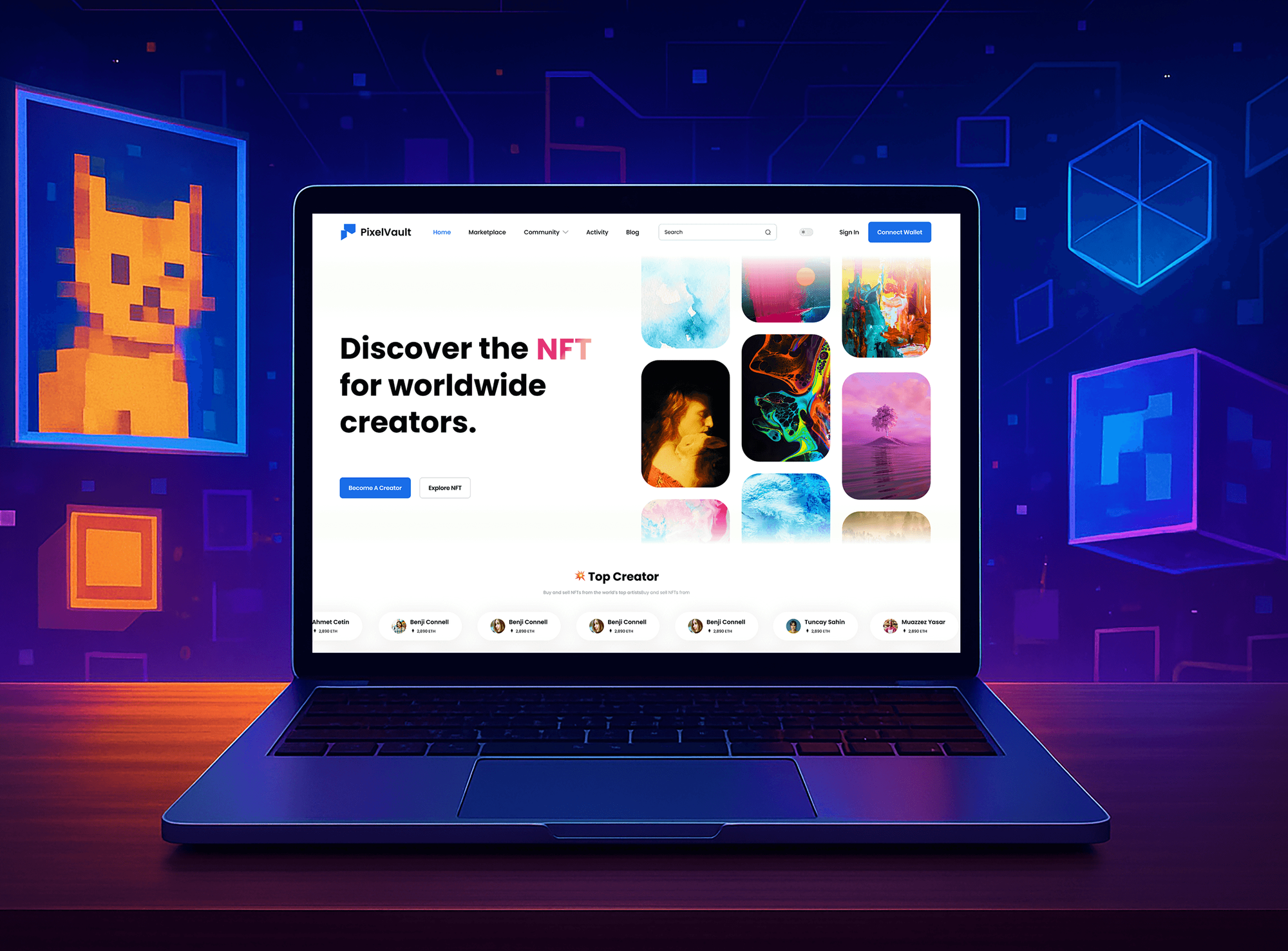
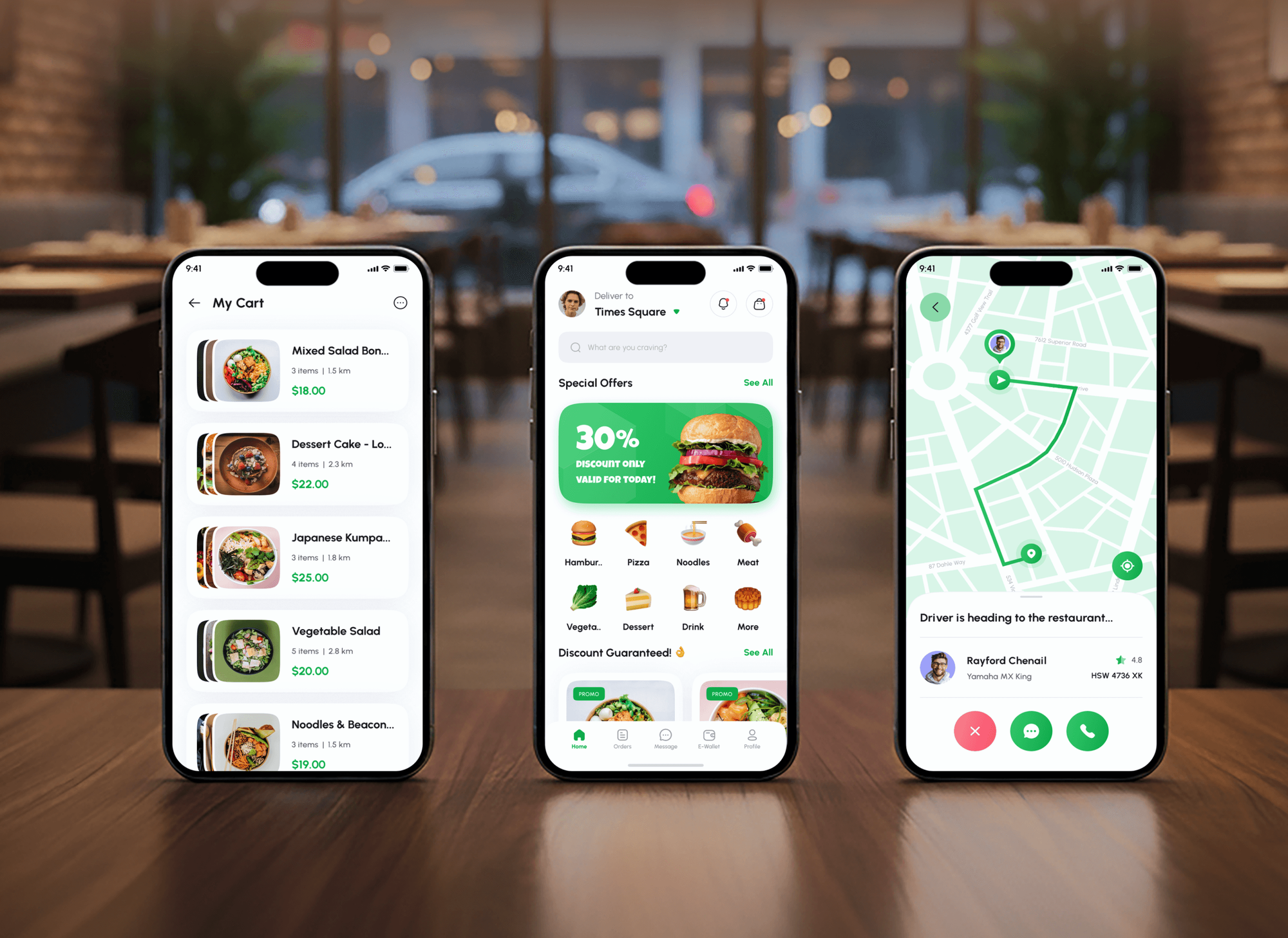
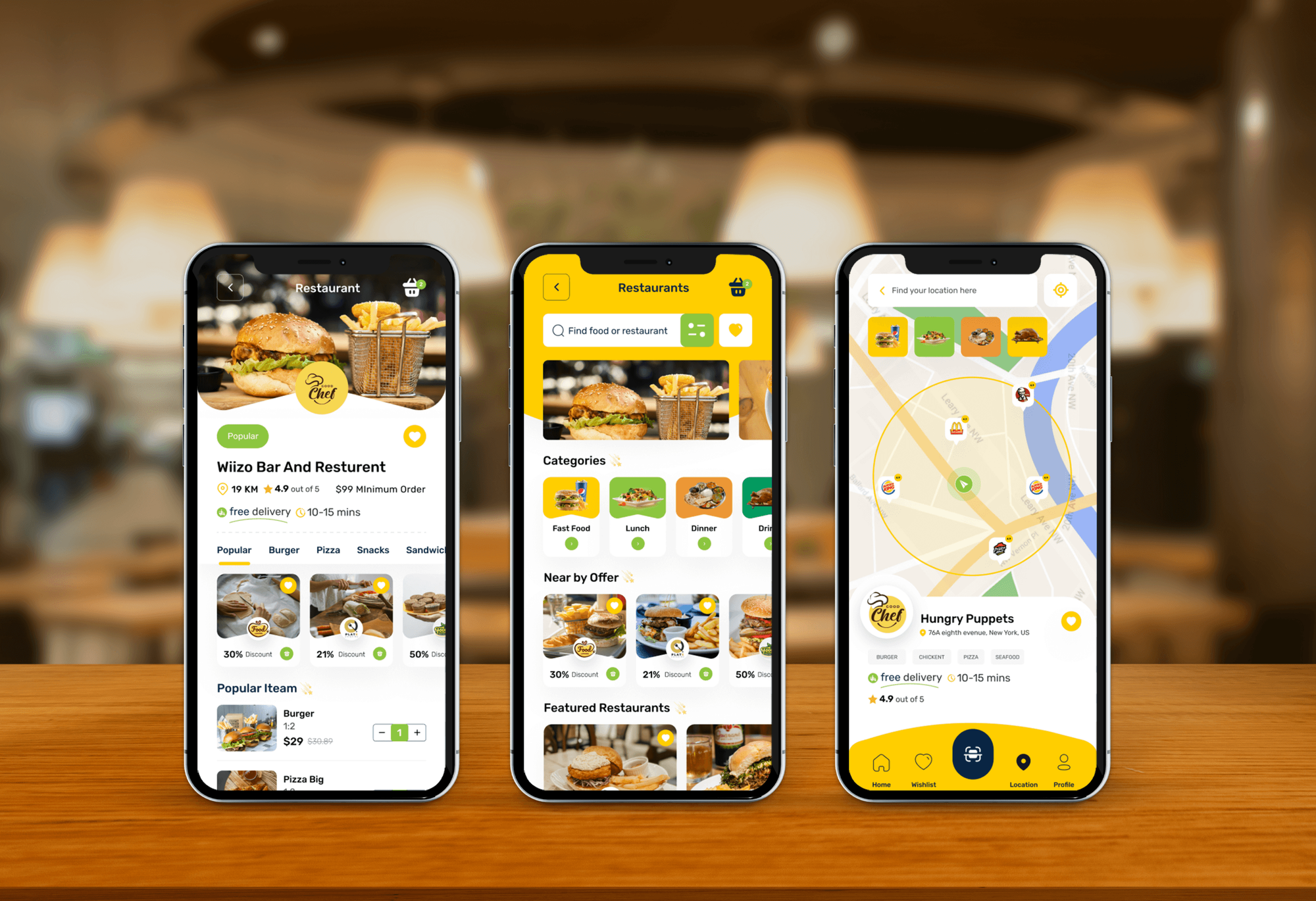
Crypto, NFT marketplace, and food delivery products from our portfolio, chosen for their live updates and traffic spikes, not shown as examples of one language.

What Our Clients Say
Feedback from teams we have built APIs and high-traffic products for.
We had a pretty specific idea of what we wanted our website to become, but I wasn’t sure how easily we could explain all of it to a development team. There were quite a few moving parts, and we were working toward a deadline, so I expected a few things to get lost along the way. That never really happened. They understood what we were trying to achieve, kept us updated throughout the process, and got everything ready within the agreed timeline. The final site feels much easier to navigate, works beautifully on mobile, and is noticeably smoother for our customers. It was a huge relief seeing the original idea actually turn into the website we had in mind.
The mobile experience is probably my favourite part of the new site. We had spent a lot of time making sure the desktop version looked right, and the team kept pushing us to think about how everything would actually feel on a phone too. They were right. The navigation is clean, the interactions feel natural, and everything we’ve tested so far works exactly as it should. They also went through the links, forms, integrations, and other details more than once before launch, which I really appreciated. And even after going live, we could still reach out when something came up. The whole process felt friendly, organised, and surprisingly straightforward.
What I appreciate most is that the website is actually easy for us to manage now. We can update content ourselves instead of sending a developer a message every time we need to change something small. They also paid attention to the technical SEO side, which mattered to us because we didn’t want a new website to create problems for the traffic we already had. I’ve probably asked more questions than I should have since launch, but every question has been handled patiently and without any fuss. The team is easy to work with, they explain things clearly, and when we need something changed, they focus on getting it done rather than making the process complicated.
1,250+
Projects shipped
10+
Years of experience
Top 3%
Upwork Top Rated Plus
5 stars
Average review score

Want results like these?
Tell us what you are building. You get a reply within 24 hours on business days, then a written estimate.
Work Culture
Fast code that nobody can operate isn't a win. These habits keep your Go services quick, observable, and easy for the next developer to run.
We profile before we change code and measure again after. You see the before-and-after numbers instead of taking speed claims on trust.
Every outbound request and database query gets a context deadline. A slow dependency degrades one feature instead of hanging the whole service.
Tests run with Go's race detector on every pull request. Concurrency bugs get caught in review, not in production at peak traffic.
We write idiomatic Go that leans on the standard library and keeps dependencies few. Any Go developer you hire later can read it quickly.
If your bottleneck is a missing index rather than the language, a rewrite won't help. We point that out in the proposal and price the smaller fix.
Code lives in your repository, images in your registry, and services in your cloud account. Switching teams later means sharing access, nothing more.
Overview
DeveloperLook helps teams hire Golang developers for the APIs, workers, and webhooks that carry the most traffic. We profile the slow path first, then build it in Go as one static binary with race-checked tests and Prometheus metrics. Prices start at $1,200, one service takes about 2 weeks, larger builds 5 to 16 weeks, and you own the code.
DEVELOPERLOOK
Project facts · Golang Development Services
Reviewed 10 Oct 2026 by Saimul Islam
Good fit
Teams with one overloaded service
Your webhook receiver or busiest API endpoint falls behind at peak traffic, and adding servers has stopped helping.
Companies with rising hosting bills
Your hosting bill grows every quarter because one memory-hungry worker needs more servers each time traffic increases.
Product teams planning a new API
You're designing a new API that must handle many concurrent connections, and you want it built in Go from the start.
Teams needing long-term Go capacity
You want to hire dedicated Golang developers for a platform rebuild without adding permanent headcount to your engineering team.
Agencies with Go client work
Your agency needs a Golang web development company to build a client's API under your brand, with load-test results to show.
Not a fit
Admin-heavy web app
Your app is mostly forms, records, and staff screens. Our Django Development Services page fits that kind of build better than Go.
JavaScript team, I/O work
Your team writes JavaScript and the service waits on I/O rather than heavy computation. Our Node.js Development Services page keeps one language across your stack.
Slow queries, not code
Your slowdown comes from missing indexes or heavy queries, not the language. A database tuning job fixes that faster, and we'll tell you before we quote.
Budget under $1,200
Your budget is under $1,200, or you need a one-off script rather than a running service. A short script in your current language costs less.
Not sure we're the right fit?
Book a free call or message us. We'll tell you honestly whether we're the right team.
Pricing
These are starting points in USD. Your final price depends on traffic, the number of services, and integrations, and you get a fixed proposal after a free discovery call.
For one slow or overloaded path rebuilt as a small Go service or worker. About 2 weeks.
$1,200one-time, USD
For a new Go REST or gRPC API with authentication, a database, and documentation. About 5 to 8 weeks.
$4,000one-time, USD
For high-traffic products that need several Go services, queues, and load testing. About 10 to 16 weeks.
$8,300one-time, USD
For Agencies
You keep the client relationship. We supply the Go engineering behind it: fast APIs, workers, and performance rebuilds, delivered under your brand with load-test results your client can see and code in their repository.
White label: your client only ever sees your brand
Send the slow service, its traffic numbers, and your client's performance targets.
You get a baseline, a service design, and a fixed price to resell.
We build, load test, and release under your client's accounts, with a runbook.
Profiles, load-test reports, and releases carry your brand.
Fixed scope with measured targets agreed before any code.
Go, gRPC, Kubernetes, and observability work from experienced developers.
One hot path, a full API, or dedicated Go developers.
The Right Technology for Your Project
Go and its standard tooling, the data and messaging systems Go services usually talk to, and the container and monitoring stack they run on.
 Go
 OpenAPI
 PostgreSQL
 Docker
 Kubernetes
 AWS
 Google Cloud
FAQ
Straight answers on Golang developer costs, hiring, what Go is used for, and how it compares with Python.
Saimul IslamFounder & CEO, DeveloperLookStill have questions?
Send a message or book a call with the team.
Hiring a Golang developer through DeveloperLook starts at $1,200 for one service or worker rebuilt in Go and profiled before and after. A new Go REST or gRPC API with authentication and a database starts at $4,000. Multi-service platforms with queues and load testing start at $8,300. You get a fixed quote after a free call.
Hire Golang developers by checking how they handle concurrency, timeouts, and profiling, not just syntax. Give a short paid task: a small HTTP service with a context deadline and a test run under the race detector. Through an agency, you also get code review and someone to cover holidays.
A Golang developer builds the services behind a product: APIs, background workers, data pipelines, and command-line tools. Day to day that means writing concurrent code with goroutines and channels, profiling hot paths, and wiring up metrics. Many also maintain the Docker and Kubernetes setup those services run on.
Yes, Golang is good for the backend side of web development: APIs, real-time services, and anything under heavy traffic. Its standard library includes a production-ready HTTP server, and compiled binaries start fast and use little memory. For admin-heavy sites with many forms, Django or Rails usually gets you there faster.
Yes, Golang can be used for web development, including server-rendered pages through its html/template package. In practice, most teams use Go for the API and pair it with a React or Next.js front end. Gin and Echo add routing and middleware, though the standard library alone covers many services.
You can build APIs, background workers, real-time services, command-line tools, and cloud infrastructure with Golang. Docker and Kubernetes are both written in Go, which shows how well it suits networked systems. It's less common for desktop apps, mobile apps, or data science, where other languages have stronger libraries.
Google created Go, and the Go team's published case studies include PayPal, American Express, Cloudflare, Uber, Dropbox, and Monzo. Those companies mostly use Go for payment systems, networking, and high-traffic backend services. That pattern matches where Go helps most: services that must be fast, reliable, and cheap to run.
Yes, Golang is a popular choice for backend development, especially for cloud services, APIs, and infrastructure tools. Single-binary deploys, fast startup, and built-in concurrency suit containers well. The hiring pool is smaller than for Java or Python, which is one reason teams bring in outside Go developers.
Golang is better than Python for high-traffic APIs and concurrent services, while Python is better for data-heavy apps and quick prototypes. Go compiles to one binary and handles many connections on little memory. Python's Django gives you an admin and ORM out of the box. Many teams use both: Python for data, Go for the hot path.
Golang is mainly used for backend services, APIs, cloud infrastructure, and command-line tools. Its concurrency model makes it a natural fit for programs that handle many network requests at once. In our projects, Go usually takes over the one service that has outgrown the rest of the stack.
Saimul IslamFounder & CEO, DeveloperLookStill have questions?
Send a message or book a call with the team.
Free 30-min callGoogle Meet
Book a call
In 30 minutes on Google Meet we walk you through how we would build it, how long it takes and what it costs. Then you get a written estimate.
Calendar not showing? Book on cal.com or send a brief.