








Goal-based engagement
One agreed objective, with the attack planned and run the way a real adversary would work toward it.

For security teams who want to know if they would see an attack coming: we work toward a real goal across email, web, and network, and measure how your team responds. From $1,450.
1goal
Set with you up front
100%
Response measured, not just gaps
How your project runs
01 · FreeTeams we have built for:














The Problem
A pen test finds the holes. The exercise asks a harder question: if someone used them toward a real goal, would your team see it, and could they stop it in time?
Pieces only
Each system was tested alone, not as one target.
Pieces only
We attack the whole, the way a real adversary would.
Blind spots
You do not know which steps your tools would catch.
Blind spots
We measure what fires and what slips past unseen.
No practice
Your team has not run a live detection drill.
No practice
We give them a live event to detect and respond to.
False calm
A clean pen test feels like proof you are safe.
False calm
We test whether you would actually notice an attack.
You have run pen tests, closed findings, and bought the tools. Still, nobody can say what happens in a real attack. If a staff laptop gets phished on Monday, does an alert fire, does someone act on it, and how far does the attacker get before anyone notices? Your defenses have been tested in pieces, not as a whole, against someone working toward a goal and trying not to be seen. That gap between a clean report and a real intrusion is where confidence turns out to be a guess.
We run a goal-based attack the way a real adversary would. You set the objective with us, such as reaching a sensitive system or proving data could leave. We work toward it quietly across the paths that fit your scope: phishing, exposed services, web applications, and movement inside the network. We measure what your tools catch and what your team does about it. You get the story of the attack, where you were seen and where you were not, and a plan to close the gaps.
One real objective
You set a goal, and we work toward it like an adversary, not as a list of unrelated findings.
Detection, measured live
We track what your tools catch and your team acts on at each step, so you see your blind spots.
The full attack path
We chain phishing, exposed services, and internal movement into one story, so you see how a real intrusion would unfold.
Our Red Team Assessment Process
You set the objective and rules, and we attack toward it quietly. We measure what your team detects and hand you the attack story with a plan to close the gaps.
You tell us what you want tested and what a win looks like, such as reaching a system or proving data could leave. We agree the objective, the paths in scope, and the rules of engagement. You sign a written authorization and get a fixed scope and price.
What's Included
You get a goal-based engagement, open-source recon, multi-path attacks, a measured detection review, a report mapped to ATT&CK, and a debrief.
Compare Options
A standard pen test is cheaper and broader, and a large firm carries brand weight for a formal tender. Here is where each fits a red teaming engagement and where it stops.
| Feature | DeveloperLookBest fit | Standard pen test | Large firm |
|---|---|---|---|
| Starting cost | From $1,450 | Lower, per system | Quoted per engagement |
| Approach | One real objective | Find every flaw | Objective based too |
| Scope | Chained, multi-path | One system at a time | Multi-path too |
| Detection tested | Measured against your team | Not tested | Also measured |
| Stealth | We try to stay unseen | Loud by design | Stays stealthy |
| ATT&CK mapping | Every step | Rarely mapped | Usually mapped |
| Debrief | Live working session | Report only | Readout call |
| Best for | Mature teams with tooling | Finding fixable bugs | Regulated tenders |
Projects We've Built
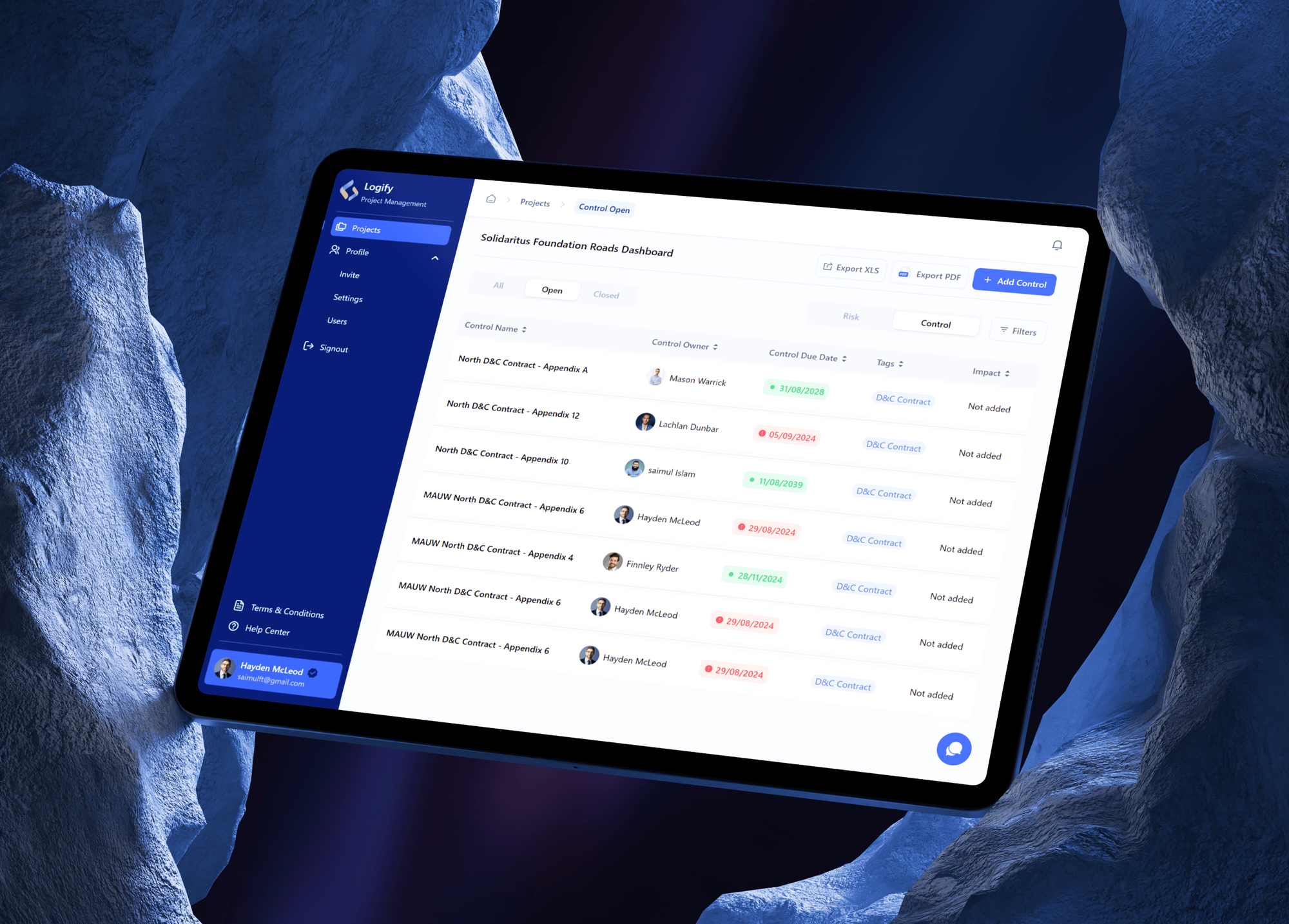
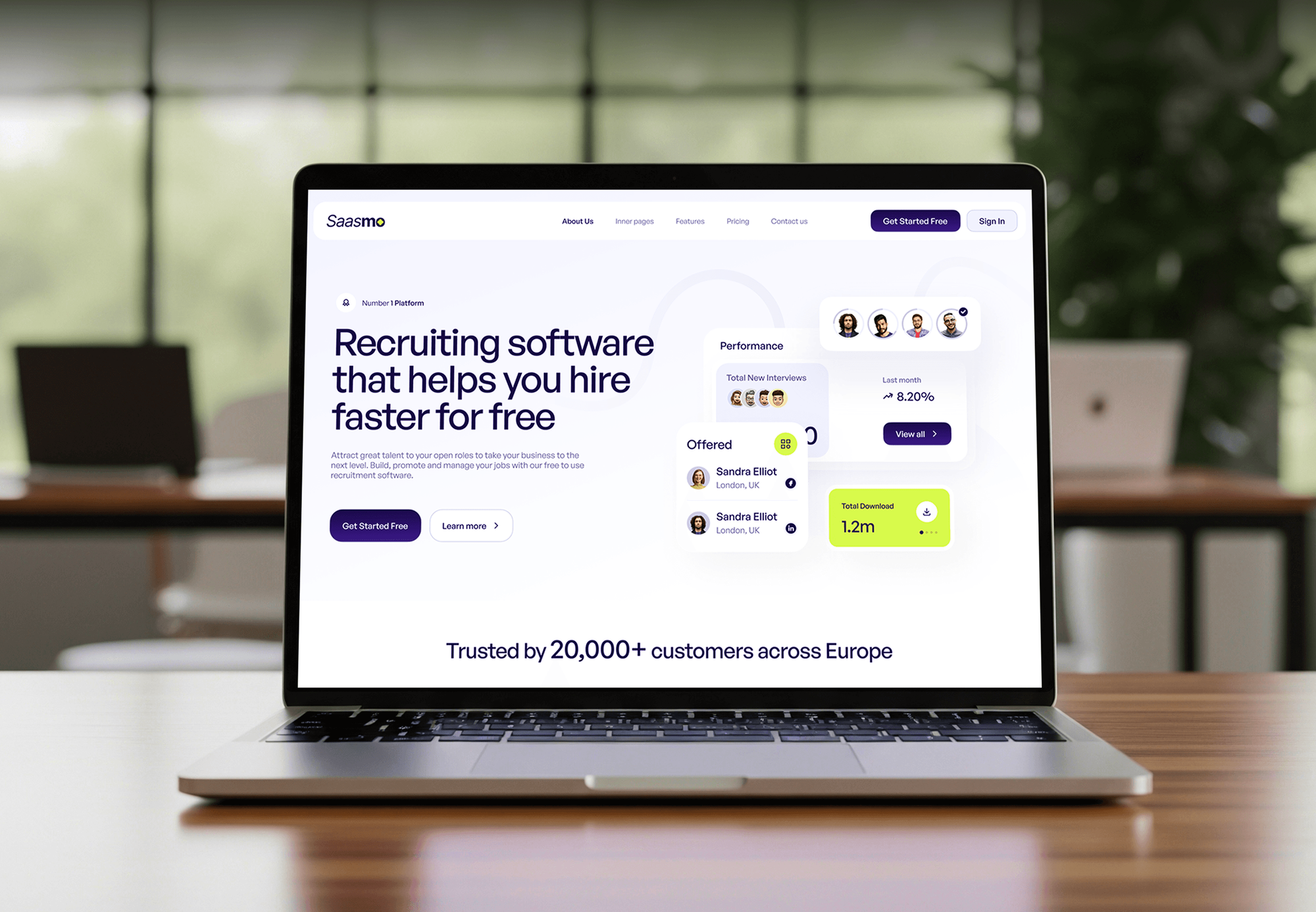
We build and run the apps, dashboards, and corporate systems a red team targets, so we understand how real environments, accounts, and data are wired together.


What Our Clients Say
Feedback from teams we have built and secured enterprise-grade systems for.
We had a pretty specific idea of what we wanted our website to become, but I wasn’t sure how easily we could explain all of it to a development team. There were quite a few moving parts, and we were working toward a deadline, so I expected a few things to get lost along the way. That never really happened. They understood what we were trying to achieve, kept us updated throughout the process, and got everything ready within the agreed timeline. The final site feels much easier to navigate, works beautifully on mobile, and is noticeably smoother for our customers. It was a huge relief seeing the original idea actually turn into the website we had in mind.
The mobile experience is probably my favourite part of the new site. We had spent a lot of time making sure the desktop version looked right, and the team kept pushing us to think about how everything would actually feel on a phone too. They were right. The navigation is clean, the interactions feel natural, and everything we’ve tested so far works exactly as it should. They also went through the links, forms, integrations, and other details more than once before launch, which I really appreciated. And even after going live, we could still reach out when something came up. The whole process felt friendly, organised, and surprisingly straightforward.
What I appreciate most is that the website is actually easy for us to manage now. We can update content ourselves instead of sending a developer a message every time we need to change something small. They also paid attention to the technical SEO side, which mattered to us because we didn’t want a new website to create problems for the traffic we already had. I’ve probably asked more questions than I should have since launch, but every question has been handled patiently and without any fuss. The team is easy to work with, they explain things clearly, and when we need something changed, they focus on getting it done rather than making the process complicated.
1,250+
Projects shipped
10+
Years of experience
Top 3%
Upwork Top Rated Plus
5 stars
Average review score
1,250+
Projects shipped
10+
Years of experience
Top 3%
Upwork Top Rated Plus
5 stars
Average review score

Want results like these?
Tell us what you are building. You get a reply within 24 hours on business days, then a written estimate.
Work Culture
Red teaming runs quietly against live systems and real people, so trust and control matter as much as skill. These habits keep the engagement safe and honest.
We run only against targets you own or authorize, under written rules of engagement. Objective, paths, and limits are agreed in writing before we start.
You name a trusted contact who can see our activity and stop the engagement at any point. We check in daily, so nobody is left guessing.
Reaching the goal is half the job. The value is in what your team detected and how fast, so we record and review that with equal care.
When a phishing step works, we report the process gap, not the person. The point is a stronger team, not a name to blame on a call.
If you have no detection tooling yet, we will tell you a pen test gives better value first. It suits teams with defenses to measure.
The report, the timeline, and the ATT&CK mapping are yours to keep and share with your board, an auditor, or an insurer, during and after the engagement.
Overview
DeveloperLook provides red team assessment services that test your defenses against a real objective. We run open-source recon, then attack across phishing, external services, web apps, and internal movement under written rules, and measure what your team detects. Engagements start at $1,450, run 3 to 6 weeks, and you get an ATT&CK-mapped report, a detection review, and a live debrief.
DEVELOPERLOOK
Project facts · Red Team Assessment Services
Reviewed 27 Oct 2026 by Saimul Islam
Good fit
Teams with detection tooling
You run an EDR, a SIEM, or a security team, and you want to know whether they would actually catch and stop a real attack.
Companies after clean pen tests
Your pen tests keep coming back clean, and you want a harder test that works toward a goal instead of listing isolated findings.
Boards asking hard questions
Your leadership wants proof of how the company would hold up in a real breach, not another vulnerability list they cannot read.
Regulated financial teams
You face threat-led testing expectations, such as DORA, TIBER-EU, or CBEST, and you want an engagement shaped around a real objective.
Teams preparing their defenders
Your security team has not run a live detection drill, and you want them to practice against a real adversary in a controlled way.
Not a fit
No detection yet
You have no monitoring or response team to measure. A penetration test finds and fixes more for your budget first. Our Penetration Testing as a Service page fits a growing team.
One app or network
You want one web app or your network tested for flaws, not a goal-based attack. Our Web Application and Network Penetration Testing pages fit better.
People only
You only want your staff tested against phishing and pretext calls. Our Social Engineering Testing page targets that on its own.
Budget under $1,450
Your budget is under $1,450, or you need a quick point-in-time test. A focused pen test is a better use of a smaller budget.
Not sure we're the right fit?
Book a free call or message us. We'll tell you honestly whether we're the right team.
Pricing
These are starting points in USD. Your price depends on the objective, how many attack paths are in scope, and how long the engagement runs. You get a fixed proposal after a free scoping call.
For Agencies
You own the client relationship. We supply the red teaming work under your brand: a scoped objective, multi-path attacks, a measured detection review, and an ATT&CK-mapped report. One partner for the engagement, so you can offer redteam as a service without building an in-house adversary team.
White label: your client only ever sees your brand
You give us the objective, the scope, and the rules of engagement.
We work toward the goal and measure what the client detects.
You deliver the story, the report, and the plan under your brand.
You give us the objective, the scope, and the rules of engagement.
We work toward the goal and measure what the client detects.
You deliver the story, the report, and the plan under your brand.
The Right Technology for Your Project
We use the tradecraft real adversaries use, mapped to MITRE ATT&CK, and report so your defenders can trace and tune each step.
 Burp Suite
 Python
 AWS
 Microsoft Azure
 Google Sheets
 Loom
Related Services
Services buyers often add: the pen test hub, social engineering and network testing, continuous testing, and managed detection.
This page
Red Team Assessment Services
Pairs with the 6 services around it
FAQ
Straight answers on cost, timeline, what red teaming does, and how it differs from a penetration test.
Saimul IslamFounder & CEO, DeveloperLookStill have questions?
Send a message or book a call with the team.
Red team assessment services start at $1,450 for one objective across a single primary path. A full multi-path engagement across phishing, external, web, and internal paths runs $4,500, and a longer, low-and-slow engagement with a purple-team phase starts at $8,800. You get a fixed quote after a free scoping call that sets the objective and paths.
A focused objective usually runs 3 to 4 weeks, and a full multi-path engagement 5 to 6 weeks. Recon and planning come first, then the quiet attack phase, then the detection review and debrief. A sustained, low-and-slow engagement runs longer by design. We agree the window at scoping so it fits your calendar.
A red team assessment is a goal-based, authorized attack on your organization. Instead of listing every flaw, it works toward one real objective, such as reaching a sensitive system, and tries to do it without being caught. It tests your technology, your detection tools, and your people together, the way a real adversary would.
A red team plays the attacker. Its role is to work toward an agreed objective across phishing, exposed services, web apps, and internal movement, while trying to stay below your defenses. A red teaming service measures not only what it reached. It also tracks what your tools caught and what your team did, so you learn where your response holds and where it breaks.
Red teaming means testing an organization by acting as a realistic adversary with a goal, rather than checking systems one by one. A red teaming assessment is that exercise delivered end to end. The idea comes from military exercises, where that team plays the enemy. In security, a red team security assessment stresses your people, process, and technology together, so you see how they hold up under a real attack, not in isolation.
The goal is to answer one question: if a real attacker came after us, would we notice and could we stop them? A red team cyber security services engagement measures your detection and response against a true-to-life attack, surfaces the paths that actually work, and gives your defenders a drill. The output is a stronger, better-practiced team, not just a bug list.
There are five. Scoping sets the objective and rules, and recon studies your public footprint. The engagement works toward the goal quietly, the detection review compares our timeline to your team's, and the debrief agrees the fixes. Each phase is recorded, so the engagement reads as one clear story.
A penetration test finds as many flaws as it can in a defined scope and reports them all. A red team assessment vs penetration test is narrower and deeper: it works toward one objective, stays quiet, and measures whether you detect it. A pen test answers what is broken; it answers whether you would notice an attack. Mature teams run pen tests often and red teaming less often.
We record every action with a timestamp, the system touched, and the technique used, mapped to MITRE ATT&CK. That timeline sits beside your defenders' view in the report, so you see what fired and what slipped past. You get an executive summary for leadership, the technical detail for engineers, and the raw timeline for your detection team to tune against.
It replaces guesswork with evidence. Instead of assuming your tools and team would handle a breach, the exercise shows what actually happens and how long each step takes to notice. That tells your leadership where real risk sits and where to spend next, and gives your board proof for its risk decisions. Choosing a red team company that measures response, not just access, is what makes it useful.
Saimul IslamFounder & CEO, DeveloperLookStill have questions?
Send a message or book a call with the team.
Free 30-min callGoogle Meet
Book a call
In 30 minutes on Google Meet we walk you through how we would build it, how long it takes and what it costs. Then you get a written estimate.
Calendar not showing? Book on cal.com or send a brief.