Device data intake
Readings from cellular kits and Bluetooth devices, deduplicated, timestamped, and matched to the right patient.

For clinics and care management teams who want device readings sorted into one work list, with staff time and reading counts ready for billing.
24/7
Readings checked on arrival
100%
Minutes and reading days logged
How your project runs
01 · FreeTeams we have built for:














The Problem
Remote patient monitoring (RPM) programs often start with a device vendor's dashboard. Trouble shows up at a few hundred patients, when readings, alerts, consent forms, and billing logs live in different places.
Triage
Nurses scroll through every reading, normal ones included.
Triage
Normal readings file themselves, and out-of-range ones open an alert with an owner.
Weekends
A Saturday spike sits unseen until Monday morning.
Weekends
Alerts follow the escalation path and on-call schedule your clinicians set.
Billing
Staff count reading days and minutes in a spreadsheet.
Billing
Reading days and staff minutes are logged per patient as the work happens.
Vendors
Each new device vendor adds another dashboard.
Vendors
Readings from every device brand land in one queue and one patient record.
Your nurses open the device vendor's dashboard every morning and scroll through every reading, normal ones included. A blood pressure spike from Saturday sits unseen until Monday. 2 patients share a cuff at home, so readings land in the wrong chart. At month end, someone counts reading days and phone minutes in a spreadsheet to decide what can be billed. When a second device vendor joins, your team gets a second dashboard to check.
We start with the work list, not the devices. Readings from cellular kits and Bluetooth devices flow into one place, checked against thresholds each clinician sets per patient. Normal readings file themselves, and out-of-range ones open an alert with an owner and a response target. Calls and reviews are timed as your staff work, and reading days count up on their own. Readings post to your EHR, so the chart and the program agree.
One work list for nurses
Out-of-range readings rise to the top, and normal ones file themselves without a click.
Thresholds set per patient
Clinicians set limits for each patient's blood pressure, weight, glucose, or oxygen readings.
Minutes and days counted
Staff time and reading days are logged per patient, ready for your billing team.
Our Remote Patient Monitoring Software Development Process
You approve the program rules, device list, and alert paths before design. Then your nurses test the work list with a few enrolled patients before the program grows.
We go through your conditions, devices, staffing, and how alerts reach a clinician today. You get a program map, device options (cellular or Bluetooth), and a fixed-price estimate. Billing rules stay with your billing team and advisor.
What's Included
A program your nurses can run from one screen: device data, thresholds, alerts, a patient app, time logs, and EHR posting, all set up in your accounts.
Compare Options
A device vendor's portal costs nothing extra for one device type, and an RPM platform launches fastest for a standard program. Here is where each fits once your program has its own rules.
| Feature | DeveloperLookBest fit | Device vendor portal | RPM platform |
|---|---|---|---|
| Device brands | Any brand with an API or feed | That vendor's devices only | The platform's supported list |
| Nurse work list | Built around your staffing | Basic list of readings | Vendor's standard queue |
| Thresholds | Per patient, set by clinicians | Device-level defaults | Per patient, fixed options |
| EHR posting | FHIR or HL7 to your EHR | Often a file export | Selected EHRs |
| Billing logs | Minutes and days per patient | Not included | |
| Time to launch | Pilot in 3 to 5 weeks | Days, once devices ship | Weeks after signing |
| Cost model | Fixed build, no per-patient fee | Bundled with devices | Monthly fee per patient |
| Data ownership | You own code and readings | Vendor holds the data | Vendor holds the data |
Projects We've Built
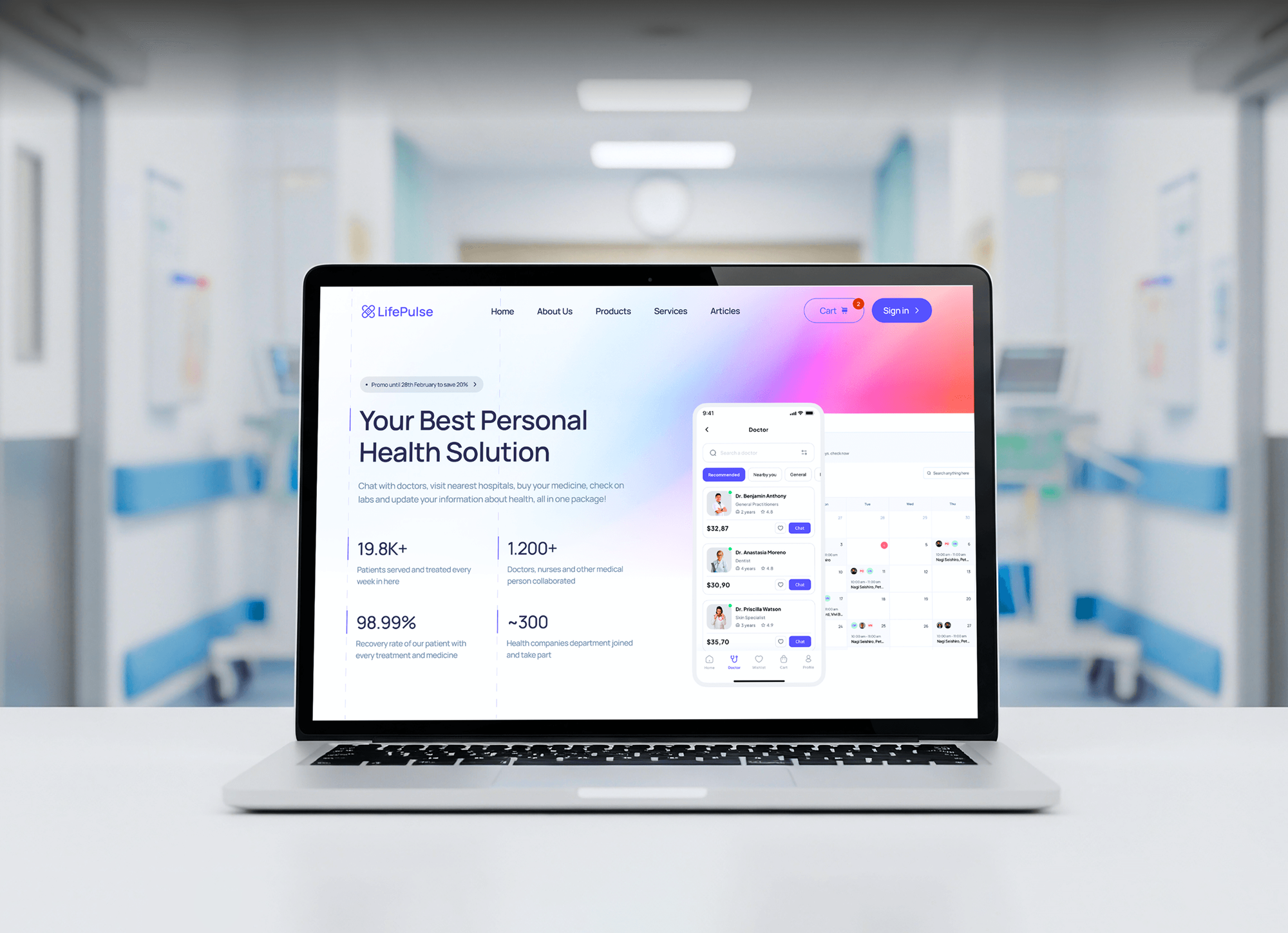
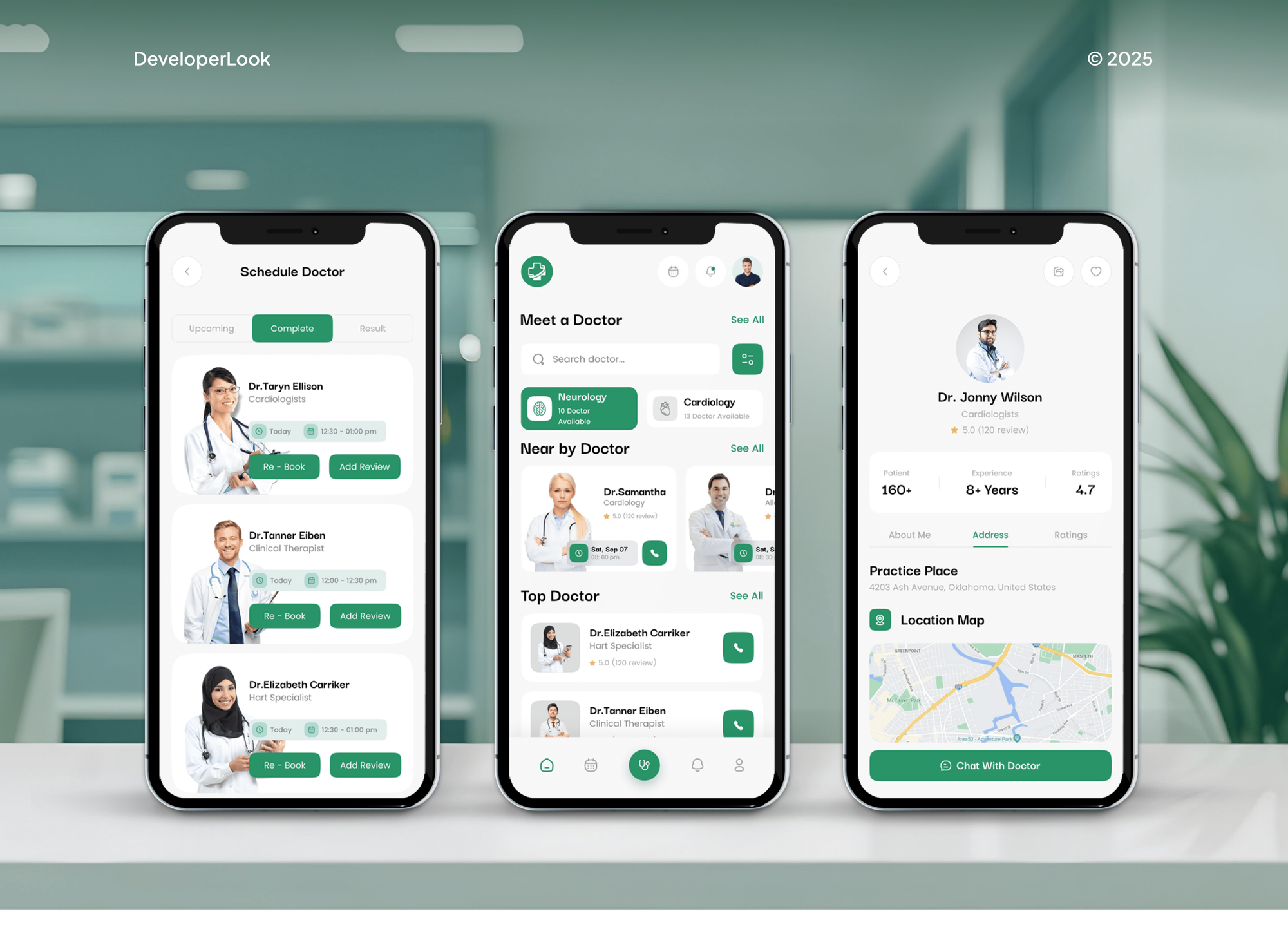
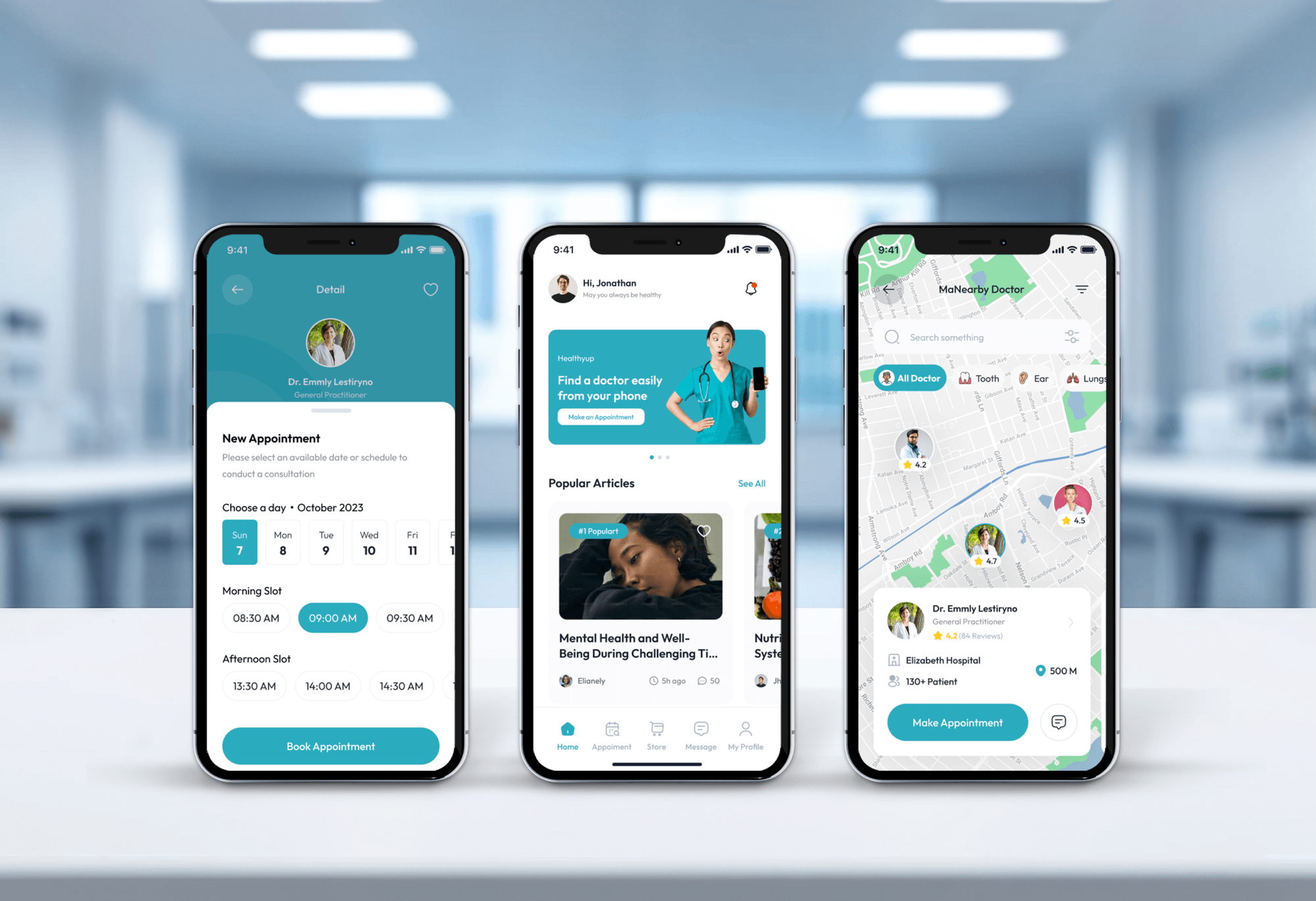
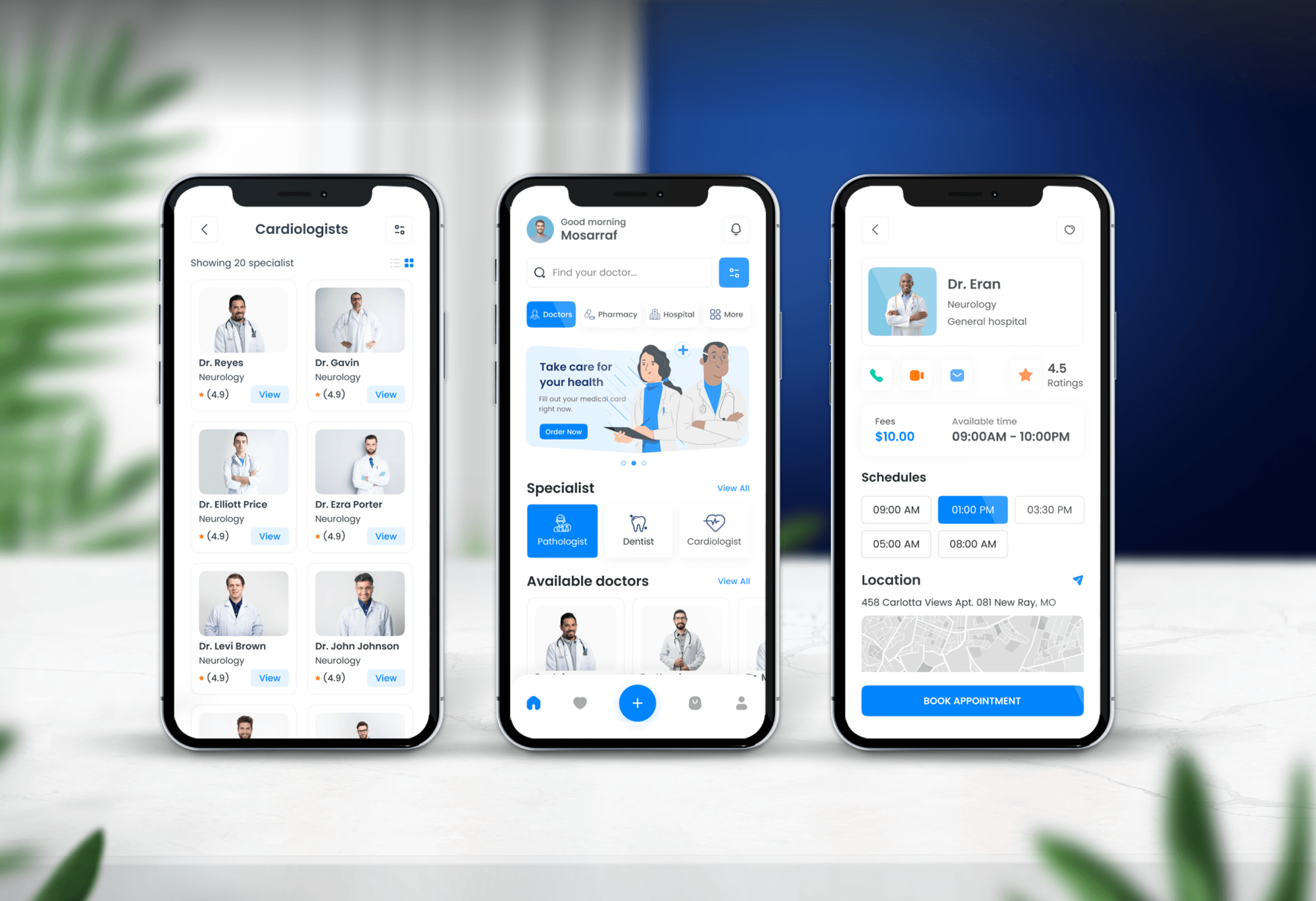
None of these is a monitoring program. They show the patient apps, doctor chat, and staff dashboards an RPM build reuses for enrollment and follow-up.
What Our Clients Say
Feedback from teams we have built apps and platforms for.
We had a pretty specific idea of what we wanted our website to become, but I wasn’t sure how easily we could explain all of it to a development team. There were quite a few moving parts, and we were working toward a deadline, so I expected a few things to get lost along the way. That never really happened. They understood what we were trying to achieve, kept us updated throughout the process, and got everything ready within the agreed timeline. The final site feels much easier to navigate, works beautifully on mobile, and is noticeably smoother for our customers. It was a huge relief seeing the original idea actually turn into the website we had in mind.
The mobile experience is probably my favourite part of the new site. We had spent a lot of time making sure the desktop version looked right, and the team kept pushing us to think about how everything would actually feel on a phone too. They were right. The navigation is clean, the interactions feel natural, and everything we’ve tested so far works exactly as it should. They also went through the links, forms, integrations, and other details more than once before launch, which I really appreciated. And even after going live, we could still reach out when something came up. The whole process felt friendly, organised, and surprisingly straightforward.
What I appreciate most is that the website is actually easy for us to manage now. We can update content ourselves instead of sending a developer a message every time we need to change something small. They also paid attention to the technical SEO side, which mattered to us because we didn’t want a new website to create problems for the traffic we already had. I’ve probably asked more questions than I should have since launch, but every question has been handled patiently and without any fuss. The team is easy to work with, they explain things clearly, and when we need something changed, they focus on getting it done rather than making the process complicated.
1,250+
Projects shipped
10+
Years of experience
Top 3%
Upwork Top Rated Plus
5 stars
Average review score
1,250+
Projects shipped
10+
Years of experience
Top 3%
Upwork Top Rated Plus
5 stars
Average review score

Want results like these?
Tell us what you are building. You get a reply within 24 hours on business days, then a written estimate.
Work Culture
Among remote patient monitoring software companies, we build around your nurses' day. Your clinicians set every threshold, and your billing advisor owns every billing rule.
Every threshold and escalation path comes from your clinicians, not our defaults. We build the tools to change them per patient without calling a developer.
We log minutes and reading days exactly as you define them, and your billing advisor decides what to claim. Medicare's RPM codes changed in 2026, so the rules sit in settings, not code.
We sign a business associate agreement before any real patient reading reaches us. Until then, we build with simulated devices and test patients.
Your patients live with weak signals and dead batteries. Readings queue on the device or phone and sync later, and the work list shows who has gone quiet.
If an RPM platform already fits your conditions and devices, we'll tell you before we quote. A custom build pays off when your program has its own rules.
Code, cloud accounts, and every reading stay in your name. If you change device vendors, history and thresholds move with you.
Overview
DeveloperLook handles remote patient monitoring software development for clinics and care management teams. We connect cellular and Bluetooth devices, build nurse work lists with per-patient thresholds and alerts, and log minutes and reading days for billing. Pilots start at $1,350 and take 3 to 5 weeks, and you own the code and data.
DEVELOPERLOOK
Project facts · Remote Patient Monitoring Software Development
Reviewed 28 Oct 2026 by Saimul Islam
Good fit
Primary care and cardiology practices
Your clinicians want blood pressure and weight watched between visits, but your nurses can't scroll a vendor portal all day.
Care management companies
You run RPM for several practices and need custom remote patient monitoring software that keeps each client's patients, staff, and logs apart.
Health systems adding a program
Your system wants readings posted to the EHR and alerts tied to existing nurse pools, not one more standalone portal.
Condition-focused digital health startups
You're building a heart failure or pregnancy blood pressure program and need a remote patient monitoring software development company to build it.
Physical therapy clinics
Your therapists track home exercise and pain scores for remote therapeutic monitoring, and want it in the same work list as device readings.
Not a fit
Budget under $1,350
You need a full program for under $1,350. A device vendor's free portal or an RPM platform subscription is the better start until your program grows.
Building the device itself
You're designing the cuff, scale, or sensor firmware. Our medical device software development page covers regulated device software and its records.
Video visits are the goal
You mainly need clinicians to see patients over video. Our telehealth platform development page covers the full virtual visit, from intake to payment.
Someone to watch readings
You want a vendor to staff nurses who review readings. We build the software, and your clinicians or a staffed monitoring service do the clinical work.
Not sure we're the right fit?
Book a free call or message us. We'll tell you honestly whether we're the right team.
Pricing
These are starting points in USD. Your final price depends on your device vendors, EHR posting, and the number of programs, and you get a fixed proposal after a free discovery call.
For Agencies
You own the client relationship. We supply the engineering for remote monitoring programs: device feeds, alert queues, billing logs, and EHR posting. Everything ships under your brand and runs in your client's own cloud.
White label: your client only ever sees your brand
Send the client's conditions, devices, staffing, and the EHR they use.
You get a fixed estimate, a device plan, and named developers within a week.
We deliver under your brand and hand over code, accounts, and device credentials.
Send the client's conditions, devices, staffing, and the EHR they use.
You get a fixed estimate, a device plan, and named developers within a week.
We deliver under your brand and hand over code, accounts, and device credentials.
The Right Technology for Your Project
Device feeds, alerts, and logs run on a backend you own, with HealthKit and Health Connect for phone-paired devices and FHIR for your EHR.
 Node.js
 Python
 PostgreSQL
 AWS
 React
 Next.js
 FlutterReact Native
 Twilio
Related Services
Monitoring programs sit next to device software, EHR feeds, virtual visits, and watch apps. These pages cover each of those builds.
This page
Remote Patient Monitoring Software Development
Pairs with the 6 services around it
FAQ
Straight answers on cost, timelines, devices, Medicare billing logs, and custom builds versus RPM platforms.
Saimul IslamFounder & CEO, DeveloperLookStill have questions?
Send a message or book a call with the team.
Our RPM builds start at $1,350 for a pilot with one device type, alerts, and a nurse work list. A full program with up to 4 device types, a patient app, and EHR posting starts at $4,600. A multi-program platform for care management companies starts at $9,300. You get a fixed proposal after a free discovery call.
A pilot takes 3 to 5 weeks, and a full program usually takes 9 to 15 weeks. Device vendor access and BAA paperwork often set the pace, so we start both in week 1. Launch begins with a small patient group for 2 weeks, so every alert path is tested on real readings before enrollment widens.
Exercise and physical therapy software usually offers remote therapeutic monitoring (RTM), not RPM. RTM tracks home exercise, pain, and adherence that patients report, while RPM uses devices that measure blood pressure, weight, glucose, or oxygen. Several home exercise program tools include RTM features. If your clinic needs both, we can put exercise logs and device readings in one work list.
Software for remote patient monitoring should collect readings, match each one to the right patient, and flag out-of-range values. It should route alerts to a clinician with a response target, log staff time and reading days, record consent, and post data to the EHR. Programs fail most often on the work list, so we design that first.
The main alternatives are a device vendor's free portal, an RPM platform subscription, and an RPM service that also supplies nurses. A vendor portal suits one device type and a small program. Platforms suit standard programs and usually charge per patient each month. Custom software pays off when you run several device brands, your own rules, or programs for many practices.
Compare providers by enrolling yourself as a test patient and following one out-of-range reading from device to nurse to EHR. Then ask which device brands they support, how thresholds are set per patient, how minutes and reading days are logged, and who owns the data if you leave. Per-patient fees add up, so model the cost at your target size.
Cellular devices send readings straight to the vendor's cloud with no phone needed, which suits older patients. Bluetooth devices pair with the patient's phone through an app using Apple HealthKit or Android's Health Connect, which costs less per device but needs a working smartphone. Google is retiring its older Google Fit APIs in 2026, so new Android builds use Health Connect.
Yes, it logs what your billing team needs: reading days per 30-day period and staff minutes per calendar month. Medicare's 2026 fee schedule added codes for 2 to 15 reading days and for the first 10 minutes of management, beside the older 16-day and 20-minute codes. Your billing advisor decides what to claim, and the rules live in settings, so they can change.
The devices usually do, and their makers handle it. A cuff or glucometer that measures and sends readings is a medical device cleared by its manufacturer. Under the 21st Century Cures Act, software that only transfers, stores, or displays device data isn't a device. Software that interprets readings to diagnose or recommend treatment may be, so we keep that line clear with your regulatory advisor.
You own the code, the cloud accounts, and every reading, and patient data stays in your systems. Full program builds include 60 days of fixes and threshold tuning after launch. We sign a business associate agreement before real readings reach us, and you can keep us on a monthly plan or move support in-house.
Saimul IslamFounder & CEO, DeveloperLookStill have questions?
Send a message or book a call with the team.
Free 30-min callGoogle Meet
Book a call
In 30 minutes on Google Meet we walk you through how we would build it, how long it takes and what it costs. Then you get a written estimate.
Calendar not showing? Book on cal.com or send a brief.