
Watch app screens
SwiftUI screens for Apple Watch or Compose for Wear OS screens, sized for small displays and quick taps.

For product teams adding an Apple Watch or Wear OS app to their phone app: watch features people use in a glance, tested on real watches. From $1,350.
1tap
Key actions from the wrist
100%
Flows tested on real watches
How your project runs
Teams we have built for:














The Problem
Wearable projects go wrong when the phone app gets shrunk onto a tiny screen. Watch users give you seconds, not minutes, and the battery sets the budget for everything.
01 · Shrunk screens
The watch app copies phone screens that are too small to use.
We design for the glance: a complication, tile, or one-tap notification first.
02 · Battery drain
Nonstop sensor reads drain the watch before the day ends.
Each feature gets a battery budget, measured on real watches before release.
03 · Dead ends
Notifications arrive with no action, so users grab the phone anyway.
Notifications carry actions, so users reply, confirm, or snooze from the wrist.
04 · Sync gaps
Data goes stale when the phone is out of range.
We cache on the watch and sync through WatchConnectivity or the Data Layer.
Your watch app opens to a scrolling list that worked fine on the phone. Users squint, tap the wrong row, and give up before the data arrives from the phone. A workout feature reads the heart rate sensor nonstop and drains the watch by lunchtime. Notifications arrive with no action, so people still pull out their phone. A month later the watch app sits unused, and the one-star reviews mention battery.
We start from the glance: the one thing a user wants from their wrist in a few seconds. That becomes a complication, a tile, or a notification with an action, and the app screens support it. Each feature gets a battery budget, measured on real watches. Your users check the watch instead of reaching for their phone.
Glance-first design
Complications, tiles, and actionable notifications come first, and full screens support them, not the other way round.
Battery budget per feature
Sensor reads, network calls, and screen updates measured on real watches before each release.
Health data with consent
HealthKit and Health Services data read only with clear permission prompts, for wellness features, not diagnosis.
Our Wearable App Development Process
Smart watch app development starts with what belongs on a wrist. You try each build on your own watch and approve it before the next step begins.
On a free call, we look at your phone app and pick the moments that belong on a wrist: a timer, a status, a quick reply. You get a shortlist of watch features and a fixed quote for the prototype.
What's Included
Watch screens, complications and tiles, phone sync, health and workout data, actionable notifications, and a release alongside your phone app, all tested on real watches.
Compare Options
A phone-focused agency may already know your codebase, and a freelancer can be cheaper for one small watch feature. Here is where each option breaks down on watch-specific work.
| Feature | DeveloperLookBest fit | Phone app agency | Freelancer |
|---|---|---|---|
| Watch-first design | Glance and complications first | Phone screens scaled down | Depends on the person |
| Battery testing | Budget per feature, real watches | Often simulator only | Varies |
| Platforms covered | Apple Watch and Wear OS | Usually one | Usually one |
| Your phone app code | Reviewed in week one | Known if they built it | Needs onboarding |
| Health data permissions | Built to each platform's rules | Varies | Varies |
| Cost of one small feature | From $1,350 | Agency minimums apply | Often cheapest |
| Release handling | Ships with your phone app | Often left to you | |
| Code ownership | Your accounts and repo | Usually yours | Check the contract |
Projects We've Built
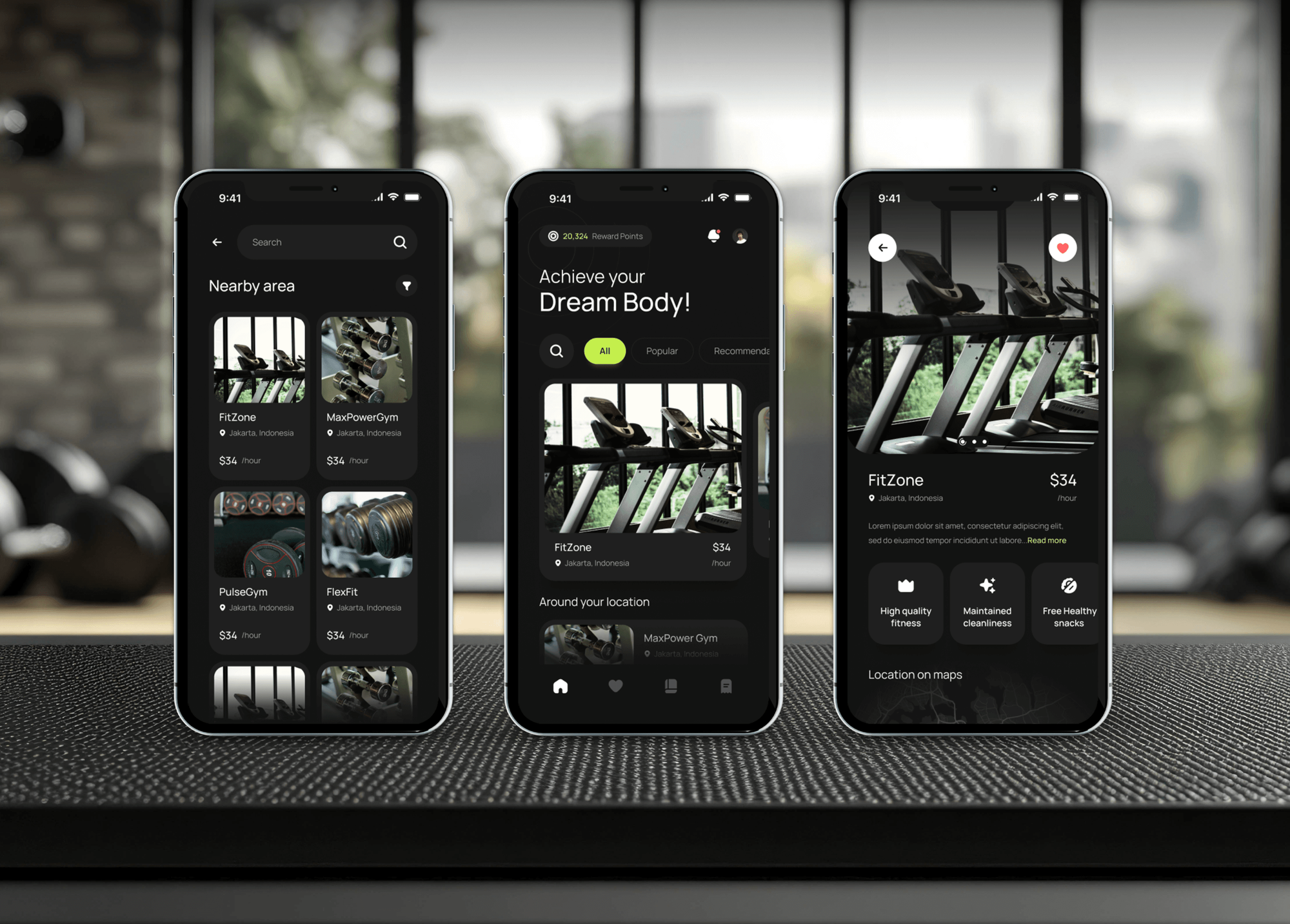
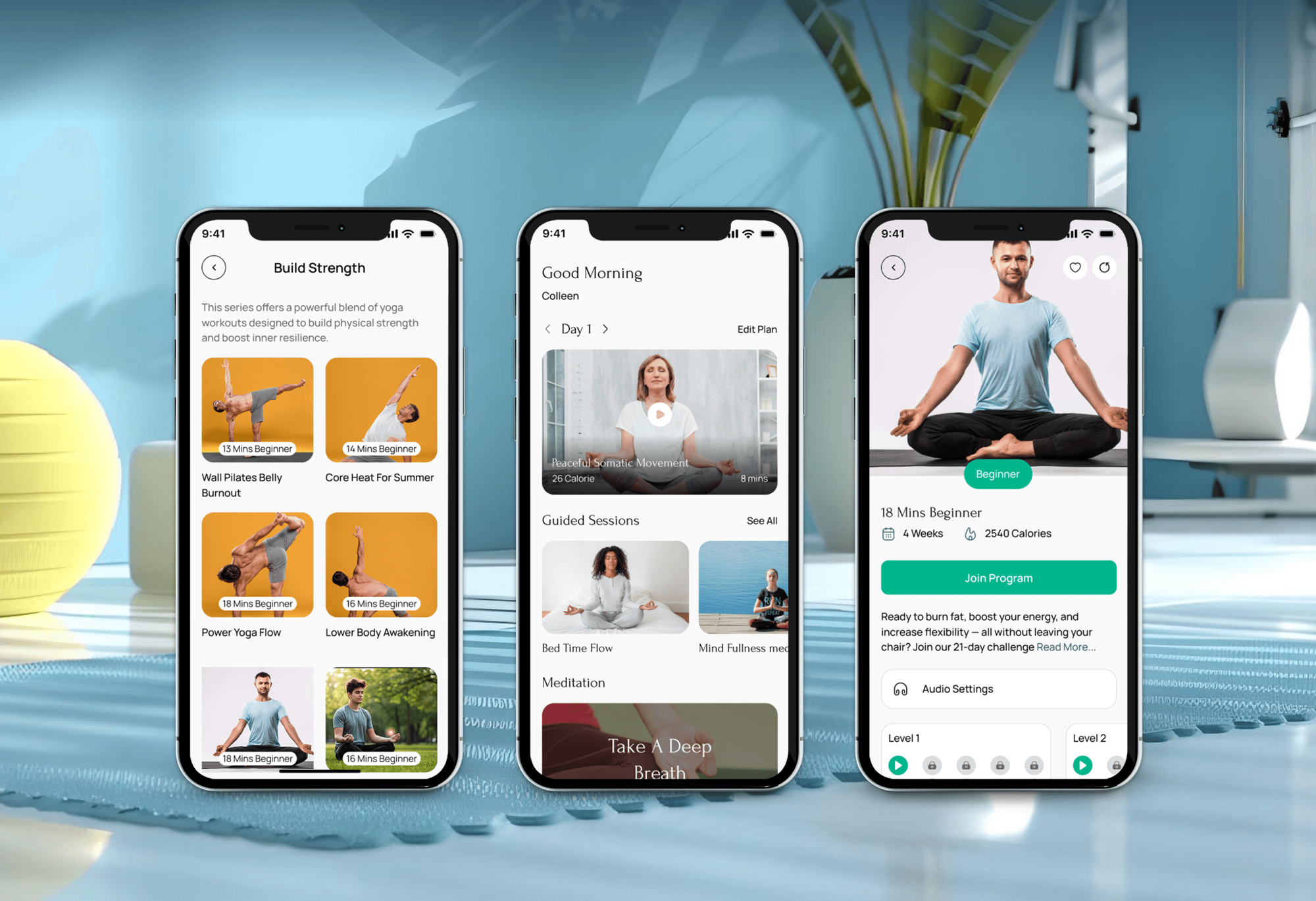
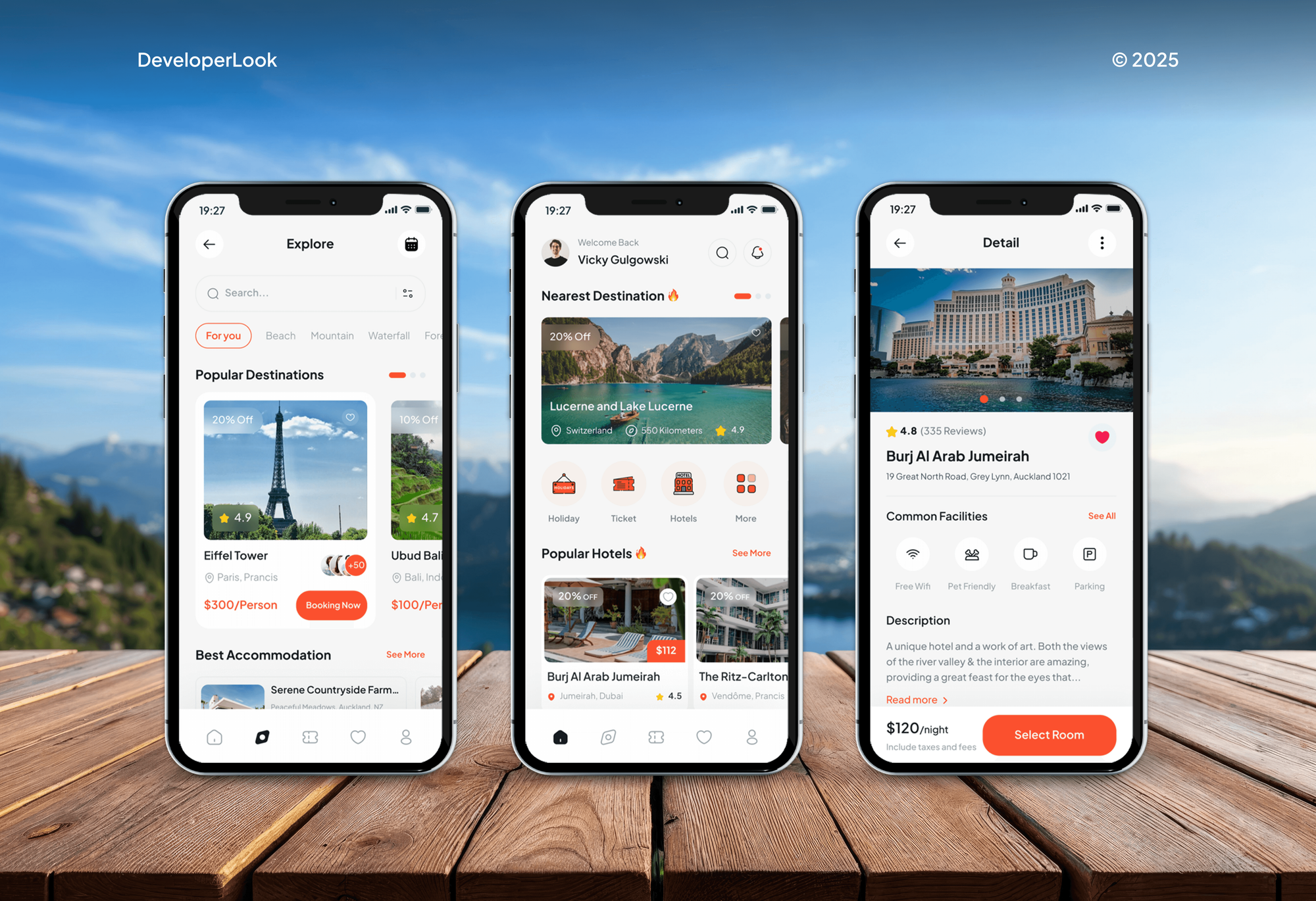
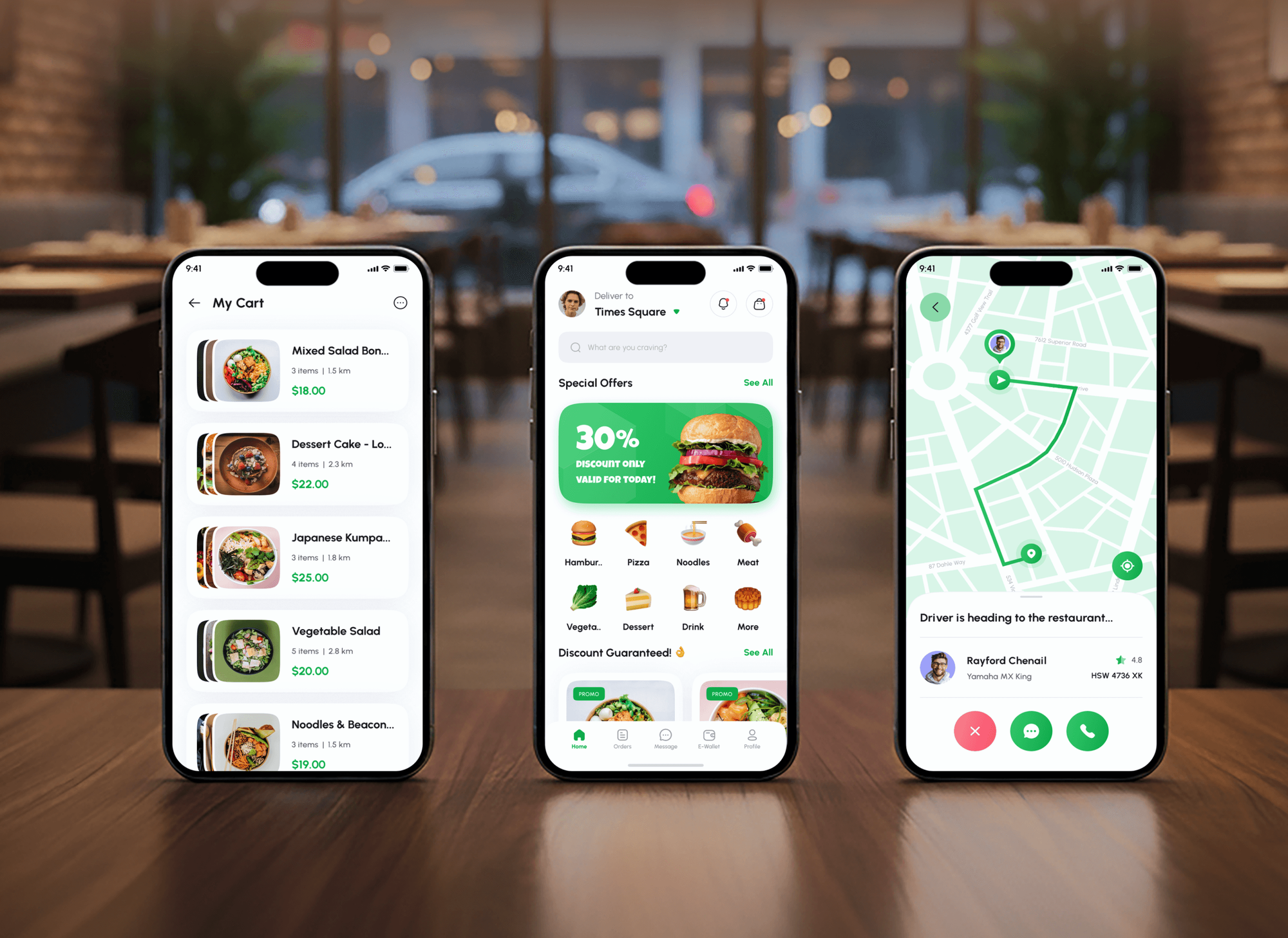
Fitness, wellness, travel, and food delivery phone apps, shown for their flows. A workout, a trip update, or an order status is often the next step on a wrist; these are not watch app case studies.
What Our Clients Say
Feedback from teams we have built mobile and web products for.
We had a pretty specific idea of what we wanted our website to become, but I wasn’t sure how easily we could explain all of it to a development team. There were quite a few moving parts, and we were working toward a deadline, so I expected a few things to get lost along the way. That never really happened. They understood what we were trying to achieve, kept us updated throughout the process, and got everything ready within the agreed timeline. The final site feels much easier to navigate, works beautifully on mobile, and is noticeably smoother for our customers. It was a huge relief seeing the original idea actually turn into the website we had in mind.
The mobile experience is probably my favourite part of the new site. We had spent a lot of time making sure the desktop version looked right, and the team kept pushing us to think about how everything would actually feel on a phone too. They were right. The navigation is clean, the interactions feel natural, and everything we’ve tested so far works exactly as it should. They also went through the links, forms, integrations, and other details more than once before launch, which I really appreciated. And even after going live, we could still reach out when something came up. The whole process felt friendly, organised, and surprisingly straightforward.
What I appreciate most is that the website is actually easy for us to manage now. We can update content ourselves instead of sending a developer a message every time we need to change something small. They also paid attention to the technical SEO side, which mattered to us because we didn’t want a new website to create problems for the traffic we already had. I’ve probably asked more questions than I should have since launch, but every question has been handled patiently and without any fuss. The team is easy to work with, they explain things clearly, and when we need something changed, they focus on getting it done rather than making the process complicated.
1,250+
Projects shipped
10+
Years of experience
Top 3%
Upwork Top Rated Plus
5 stars
Average review score

Want results like these?
Tell us what you are building. You get a reply within 24 hours on business days, then a written estimate.
Work Culture
Watch apps succeed when they respect the wrist: a few seconds of attention, a small battery, and a phone that may be in another room. These habits keep yours useful.
We plan every watch feature around a glance of a few seconds. If a task needs a long form or a scrolling list, it belongs on the phone, and we'll say so.
We profile sensor use, network calls, and screen updates on real watches before release. Simulators don't drain batteries, so they can't show what your users will feel.
We test on Apple Watch and Wear OS hardware, small and large cases, with the phone out of range. Sync gaps only show up when the phone is in another room.
We request health permissions only for features that need them, with plain-language reasons. We build wellness features and won't present them as medical tools.
The watch app ships under your Apple and Google developer accounts, signed with your keys. If another team takes over later, they inherit a clean handover.
Some apps gain little from a watch version. If a good phone notification covers the moment, we'll tell you before you pay for a watch build.
Overview
DeveloperLook provides wearable app development services for Apple Watch and Wear OS apps that people use in a glance. We build complications, tiles, watch screens, phone sync, and health or workout features. Prices start at $1,350, companion apps launch in 6 to 10 weeks, and every flow is tested on real watches.
DEVELOPERLOOK
Project facts · Wearable App Development Services
Reviewed 8 Oct 2026 by Saimul Islam
Good fit
Fitness and wellness apps
Your users track workouts on their phone, and they keep asking why they can't start, pause, and log a session from their watch.
Delivery and booking apps
Your customers check order or booking status again and again, and a watch notification with one action would save them reaching for the phone each time.
iPhone-first products
Your audience is mostly on iPhone, and you need an Apple Watch app development company that knows WatchConnectivity, HealthKit, and complications.
Buyers comparing watch app vendors
You're comparing wearable app developers and want a wearable app development company that talks about battery and complications before screens.
Agencies with watch requests
Your client wants their app on Apple Watch and Galaxy Watch, and you need wearable devices app development delivered under your brand.
Not a fit
No phone app yet
You don't have a phone app yet, and most watch features lean on one. Our Mobile App Development Company page covers the phone app first.
Screens not designed
You want watch and phone flows tested with real users before any code. Our Mobile App Design Services page handles that stage first.
Medical device features
Your watch app would diagnose or treat a medical condition, which may need regulatory clearance. We build wellness and fitness features, not regulated medical devices.
Budget under $1,350
Your budget is under $1,350, or a good phone notification already covers the moment. If it does, we'll tell you before we quote.
Not sure we're the right fit?
Book a free call or message us. We'll tell you honestly whether we're the right team.
Pricing
These are starting points in USD. Your final price depends on the watch platforms, standalone mode, and health data, and you get a fixed proposal after a free wrist review.
For teams that want one watch feature proven on a real wrist before committing to a build. About 2 weeks.
$1,350one-time, USD
For a watch app on one platform that works alongside your phone app. About 6 to 10 weeks.
$3,900one-time, USD
For products that need Apple Watch and Wear OS, including use without the phone. About 10 to 16 weeks.
$7,800one-time, USD
For Agencies
You keep the client relationship. We supply the watch engineering in the background: Apple Watch and Wear OS apps that ship with your client's phone app, under their developer accounts and your brand.
White label: your client only ever sees your brand
Send the phone app, the watch moments you want, and the deadline.
You get a working glance on a real watch and a fixed price to resell.
We ship with your client's phone app and hand over the code and keys.
Watch apps ship under your client's store accounts and signing keys.
A working watch prototype in about two weeks, then sprint builds.
SwiftUI, Compose for Wear OS, and sync work from experienced developers.
Add a watch app to a phone app your team already built.
The Right Technology for Your Project
Native watch toolkits from Apple and Google, the sync layer between watch and phone, and the testing and release tools both watch platforms need.
 Firebase
 Node.js
 GraphQL
 PostgreSQL
FAQ
Straight answers on wearable app costs, timelines, supported watches, battery life, and health data.
Saimul IslamFounder & CEO, DeveloperLookStill have questions?
Send a message or book a call with the team.
Wearable app development at DeveloperLook starts at $1,350 for a glance prototype: one watch feature running on a real watch. A companion app on Apple Watch or Wear OS starts at $3,900. Covering both platforms, with standalone use and background workouts, starts at $7,800. You get a fixed price after the prototype, before the full build starts.
A companion watch app takes about 6 to 10 weeks on one platform, including a 2-week prototype. Covering Apple Watch and Wear OS with standalone mode takes 10 to 16 weeks. Your phone app's release schedule matters too, because a companion watch app usually ships in the same submission.
A wearable app is software that runs on a device you wear, most often a smartwatch such as Apple Watch or a Wear OS watch. It shows small, glanceable information: a complication on the watch face, a tile, or a notification with an action. Many wearable apps pair with a phone app, and some run on their own.
Wearable app development is designing and building software for smartwatches around tiny screens, short sessions, and a small battery. On Apple Watch that means SwiftUI, WatchConnectivity, and HealthKit. On Wear OS it means Compose for Wear OS, tiles, and the Data Layer API. Good wearable application development starts from the moment someone glances at their wrist.
We build for Apple Watch and for Wear OS watches, which include Samsung Galaxy Watch and Google Pixel Watch models. Garmin watches use their own Connect IQ SDK and Monkey C language, so we scope them separately after a review. Fitness bands without an app store of their own are usually reached through the phone instead.
Only if your users leave the phone behind, such as runners, swimmers, or staff on a site. A companion app is simpler and cheaper, because the phone handles sign-in, network, and heavy work. Standalone apps need their own sign-in, network handling, and storage on the watch. We settle this in the prototype, before you pay for either.
We set a battery budget for each feature, then measure it on real watches before release. Watch batteries drain fastest from frequent screen updates, constant sensor reads, and network calls. We batch updates, follow each platform's refresh schedule for complications, and run background sessions only during a workout. Simulators don't show drain, so real devices decide.
Yes, with the user's permission: Apple Watch apps read health data through HealthKit, and Wear OS apps through Health Services. Each data type needs its own permission, and both Apple and Google review how apps use health data. We build wellness and fitness features; apps that diagnose or treat conditions may need regulatory clearance first.
Look for a wearable device app development company that tests on real watches, raises battery concerns early, and shows released apps. Ask how they would split work between the watch and the phone, and whether they have handled health permissions before. Check that store accounts, signing keys, and code stay in your name.
Every plan includes 30 or 60 days of support after launch, covering crash fixes and store review questions. watchOS and Wear OS get major updates every year, so a watch app needs ongoing upkeep; our App Maintenance Services plans cover that monthly. The code, signing keys, and store listings stay in your name throughout.
Saimul IslamFounder & CEO, DeveloperLookStill have questions?
Send a message or book a call with the team.
Free 30-min callGoogle Meet
Book a call
In 30 minutes on Google Meet we walk you through how we would build it, how long it takes and what it costs. Then you get a written estimate.
Calendar not showing? Book on cal.com or send a brief.