Device function check
Each feature compared against FDA's device software and decision support guidance, with open questions listed for your consultant.

For device makers and SaMD founders who need code that arrives with its IEC 62304 records, built under your quality system so your submission team isn't reconstructing anything.
100%
Requirements traced to tests
Day 1
Lifecycle records started
How your project runs
01 · FreeTeams we have built for:














The Problem
The gap shows up when your regulatory consultant asks for the traceability matrix, the SOUP list, and the anomaly log. The team that wrote the code kept none of them.
Records
Documentation gets written backward from finished code.
Records
Plans, requirements, and test records update in the same sprint as the code.
Libraries
Third-party libraries arrive without versions or anomaly checks.
Libraries
Each library joins the SOUP list with its version, purpose, and known anomalies.
Scope
Nobody knows which features are device functions.
Scope
We review each feature against FDA guidance before design, then your consultant confirms.
Traceability
Requirements and tests sit in separate, drifting spreadsheets.
Traceability
Each requirement links to its risk control, code change, and verifying test.
Your prototype works and the clinical team likes it. Then your consultant asks for the software development plan, the safety class rationale, and a matrix linking each requirement to its test. Nobody wrote them, because the first agency built for a demo. Third-party libraries went in without versions or anomaly checks. Now engineers spend weeks writing documents backward from code, and some features get rebuilt to match what the records should have said. The submission date moves, and so does the funding round.
We start with your intended use, not the code. First we check which features are device functions, then propose a safety class and write the plan your QA lead approves. Every requirement gets an ID that follows it through design, code, and test. The records update in the same sprint as the code, so your design history file grows with the product instead of being written after it.
Device functions checked first
Each of your features is checked against FDA's device software guidance before anyone writes code.
Traceability from day one
Your requirements link to risk controls, code, and tests from the first sprint onward.
Built inside your QMS
Your design control, review, and change procedures govern the work and every record.
Our Medical Device Software Development Process
You review the device function notes, the plan, and each sprint's records, and your quality team approves every stage under its own procedures.
We read your intended use statement and feature list against FDA's device software guidance and the Cures Act exclusions. You learn which functions look like device functions, so your regulatory consultant starts from a clear list.
What's Included
The engineering and the records together. You get device function notes, lifecycle documents matched to your safety class, traced and tested code, and a release package for your file.
Compare Options
A generic agency gets to a demo fastest, and an in-house team knows your device best. Here is where each option holds up when your code has to come with 62304 records.
| Feature | DeveloperLookBest fit | Generic agency | In-house team |
|---|---|---|---|
| Intended use check | Done before design starts | Rarely asked | Depends on RA support |
| 62304 records | Written every sprint | Written later, if at all | Yes, if staffed for it |
| Traceability | Requirement to test, kept current | Usually missing | Often kept in spreadsheets |
| SOUP management | Versions and anomalies listed | Not tracked | Varies by team |
| Speed to first build | Weeks, after the plan | Fastest to a demo | Slower while hiring |
| Device knowledge | Your QMS plus our process | Limited device experience | Deepest on your product |
| Code ownership | Your repository and QMS | Check the contract | |
| Cost | Fixed price per plan | Lower day rates | Salaries and hiring time |
Projects We've Built
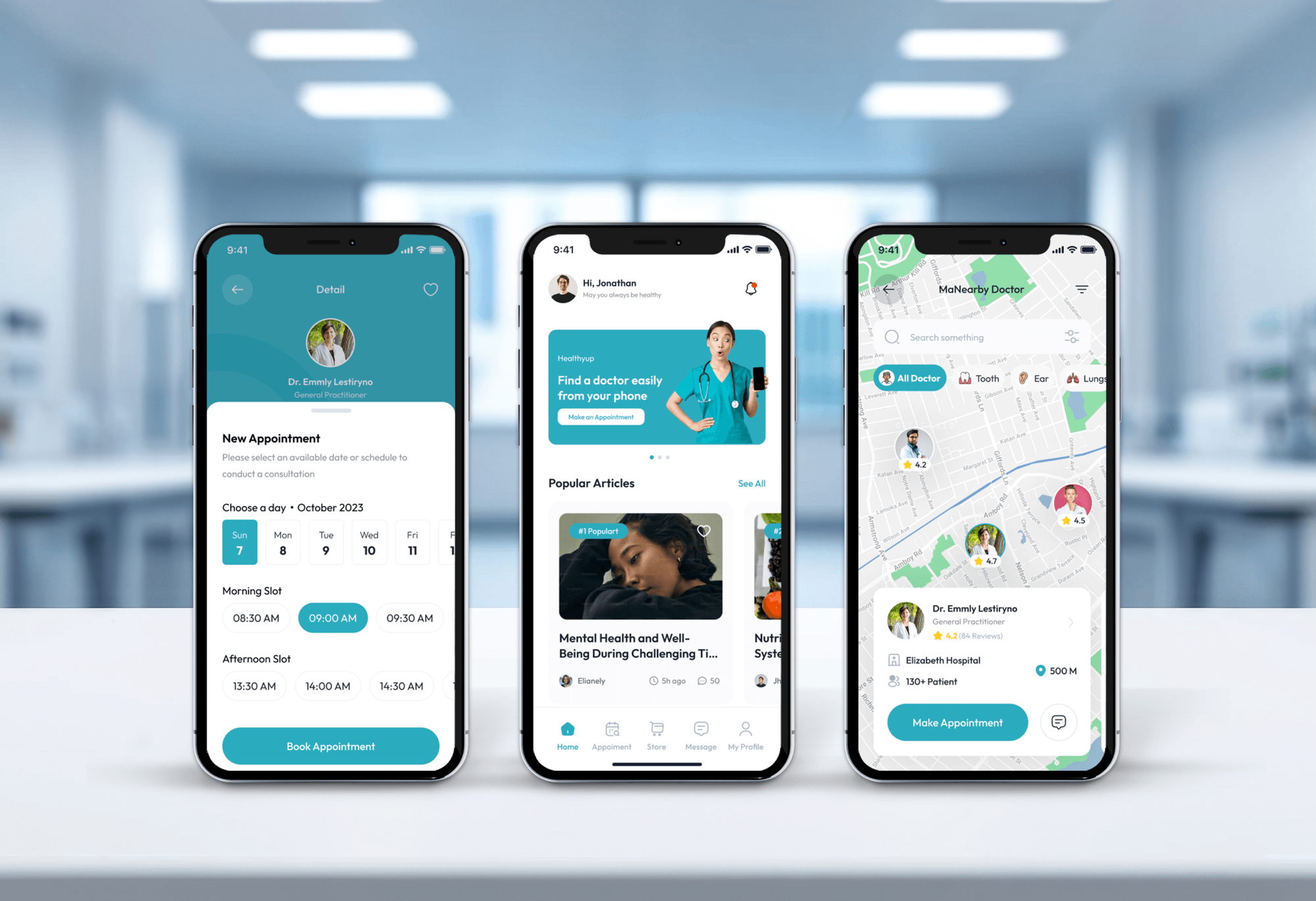
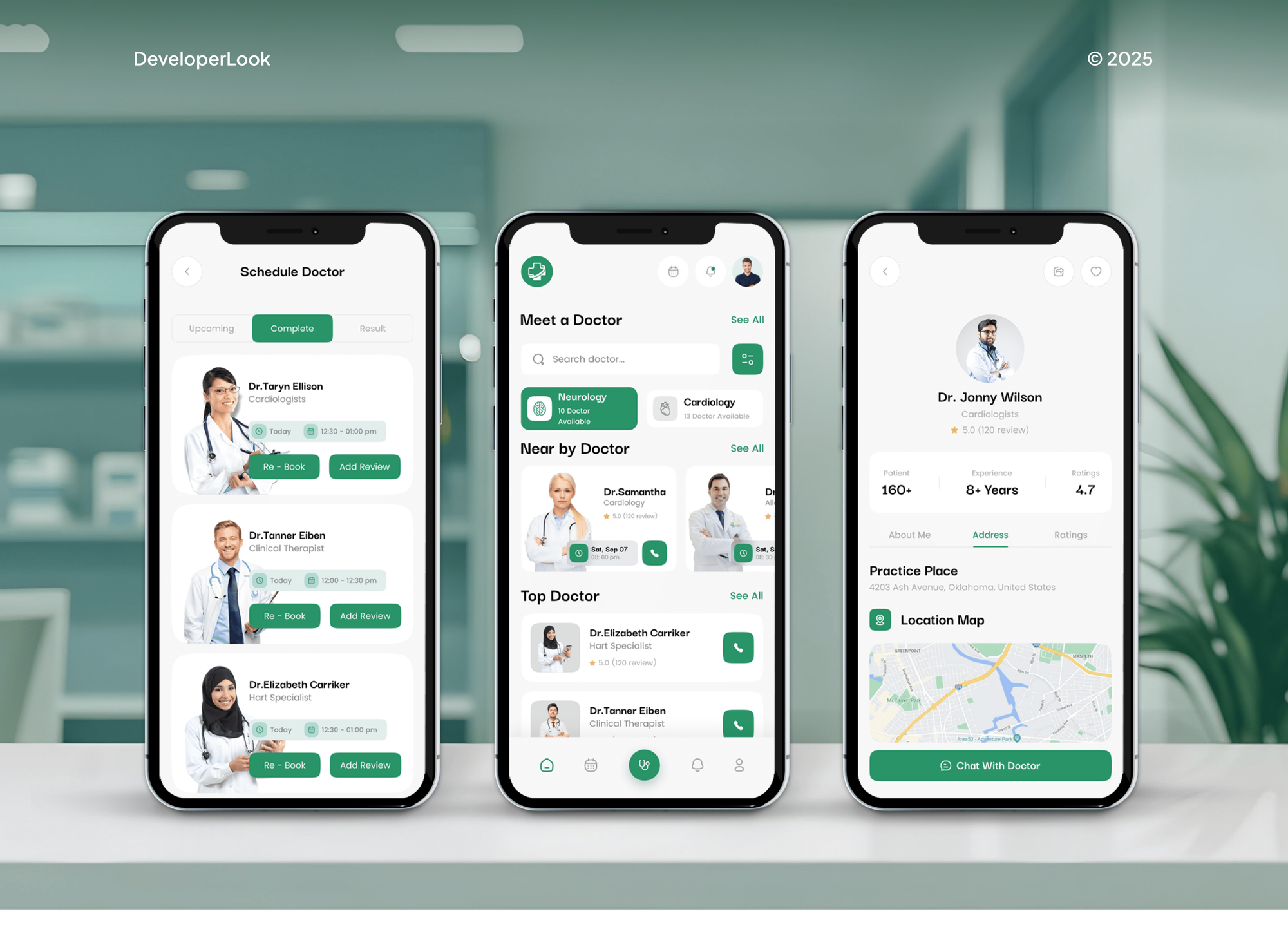
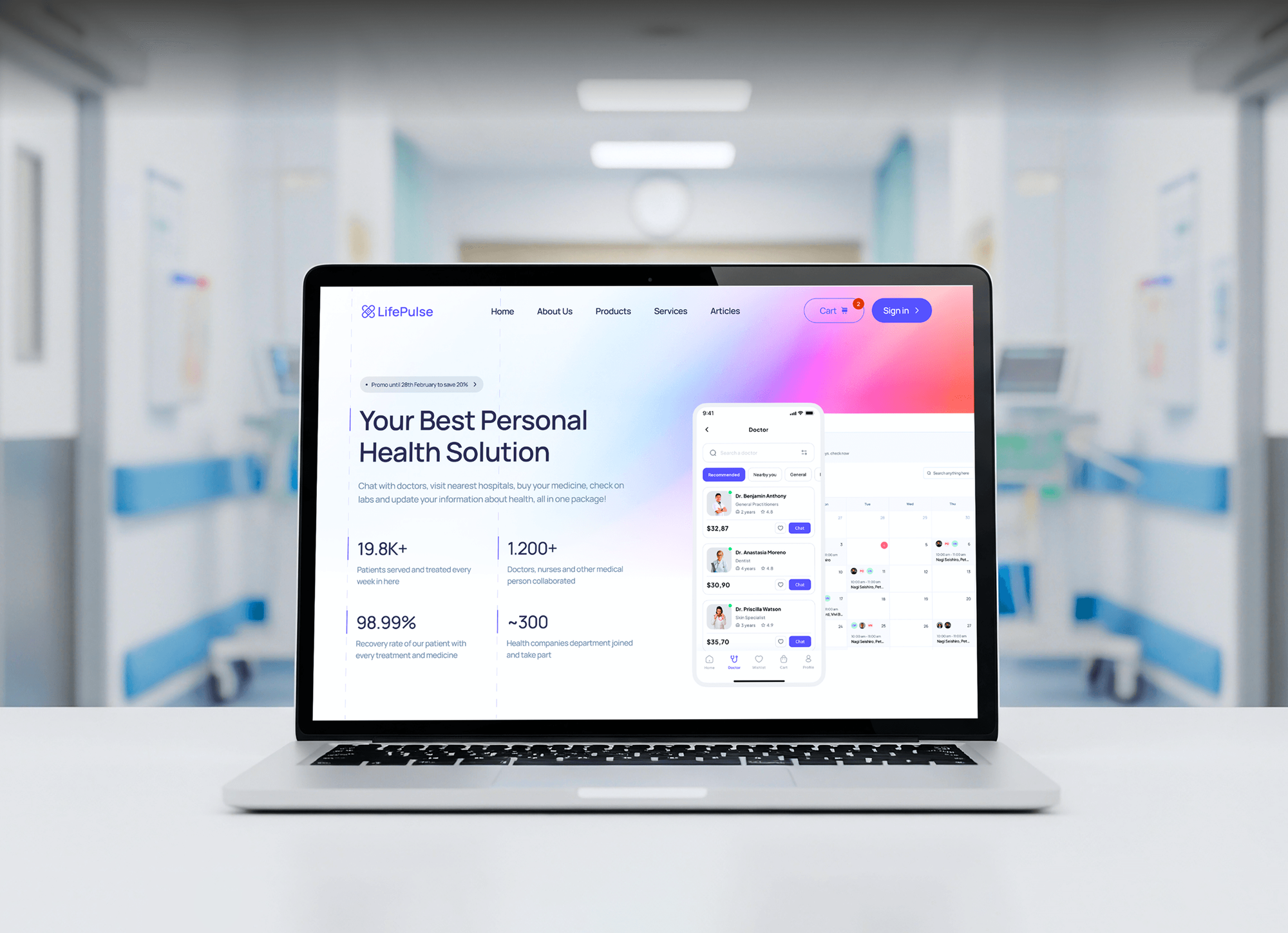
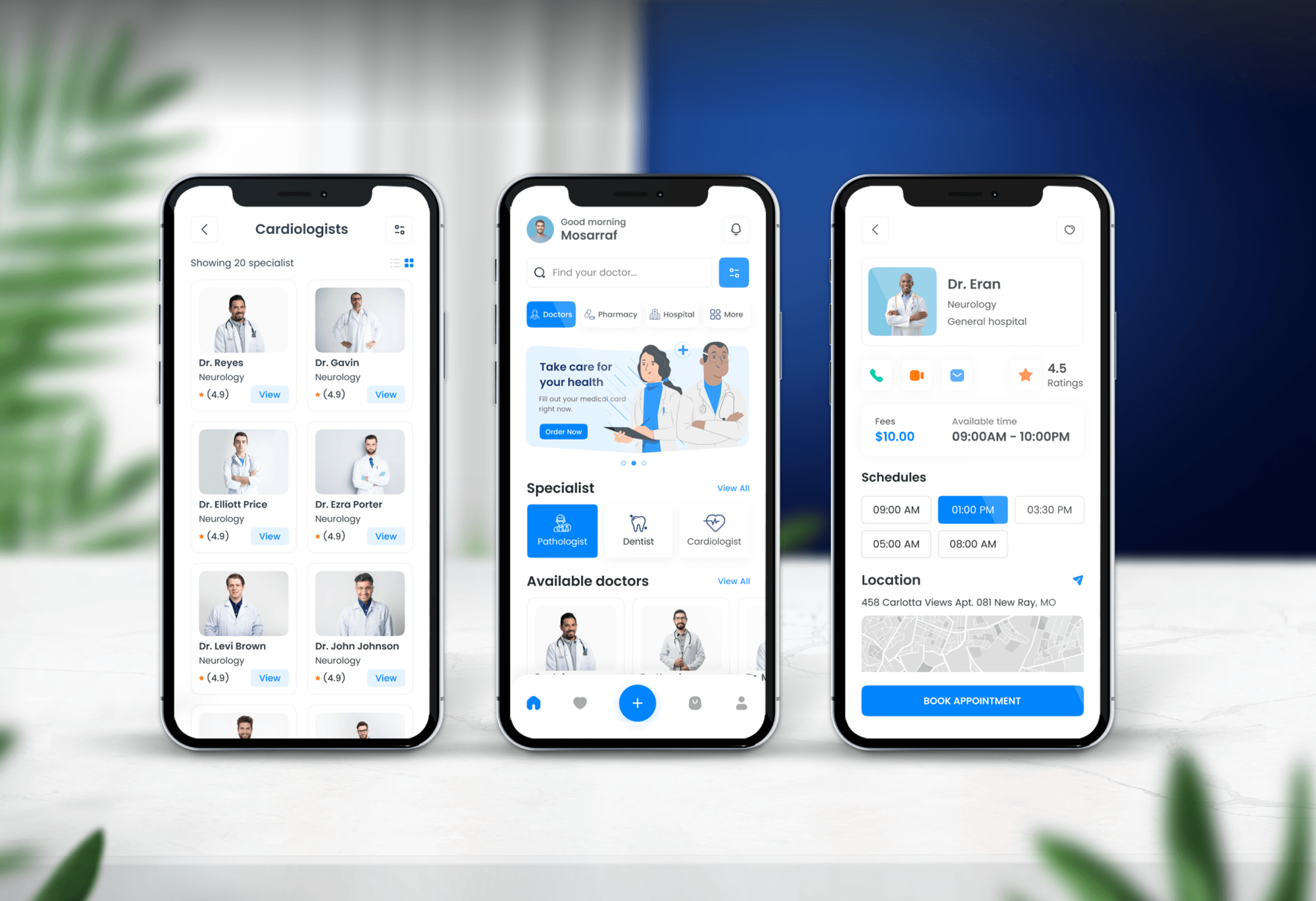
None of these is a regulated device. They show the patient apps, clinician dashboards, and booking flows we build, which SaMD companion apps often need.
What Our Clients Say
Feedback from teams we have built apps and web platforms for.
We had a pretty specific idea of what we wanted our website to become, but I wasn’t sure how easily we could explain all of it to a development team. There were quite a few moving parts, and we were working toward a deadline, so I expected a few things to get lost along the way. That never really happened. They understood what we were trying to achieve, kept us updated throughout the process, and got everything ready within the agreed timeline. The final site feels much easier to navigate, works beautifully on mobile, and is noticeably smoother for our customers. It was a huge relief seeing the original idea actually turn into the website we had in mind.
The mobile experience is probably my favourite part of the new site. We had spent a lot of time making sure the desktop version looked right, and the team kept pushing us to think about how everything would actually feel on a phone too. They were right. The navigation is clean, the interactions feel natural, and everything we’ve tested so far works exactly as it should. They also went through the links, forms, integrations, and other details more than once before launch, which I really appreciated. And even after going live, we could still reach out when something came up. The whole process felt friendly, organised, and surprisingly straightforward.
What I appreciate most is that the website is actually easy for us to manage now. We can update content ourselves instead of sending a developer a message every time we need to change something small. They also paid attention to the technical SEO side, which mattered to us because we didn’t want a new website to create problems for the traffic we already had. I’ve probably asked more questions than I should have since launch, but every question has been handled patiently and without any fuss. The team is easy to work with, they explain things clearly, and when we need something changed, they focus on getting it done rather than making the process complicated.
1,250+
Projects shipped
10+
Years of experience
Top 3%
Upwork Top Rated Plus
5 stars
Average review score
1,250+
Projects shipped
10+
Years of experience
Top 3%
Upwork Top Rated Plus
5 stars
Average review score

Want results like these?
Tell us what you are building. You get a reply within 24 hours on business days, then a written estimate.
Work Culture
Regulated software fails on missing evidence more often than on missing features. These habits keep your medical device software design and code ready for review.
Requirements, tests, and anomaly entries update in the sprint they belong to. Your design history file doesn't depend on someone reconstructing months of work before a submission.
We follow your procedures for design control, reviews, and change control under FDA's QMSR or ISO 13485. Your quality team signs off, and every record lands where your auditors expect it.
We tell you when a question needs your regulatory consultant instead of guessing. Clearance strategy, labeling, and submissions stay with the people qualified to own them.
Every change to your code gets a second engineer's review and passes static analysis before it merges. You get unit verification evidence for Class B and C items, and bugs surface early.
We build and verify with synthetic datasets unless your protocol says otherwise. When the work needs real patient data, it stays in your environment, and we sign a business associate agreement first where HIPAA applies.
Your repository, build pipeline, and records stay under your control from the first sprint. If you change suppliers later, nothing has to be rebuilt.
Overview
DeveloperLook offers medical device software development inside your quality system, for SaMD products and apps that work with devices. We check device functions, propose the IEC 62304 safety class, and deliver code with traceability and release records. Plans start at $1,400, builds take 8 to 20 weeks, and clearance stays with you.
DEVELOPERLOOK
Project facts · Medical Device Software Development
Reviewed 28 Oct 2026 by Saimul Islam
Good fit
SaMD startups before a submission
You have an intended use statement and a regulatory consultant, and need software development for medical devices that comes with the records your submission needs.
Device makers adding an app
Your connected device needs a companion app or cloud dashboard, and the app's role in the device decides how much documentation it carries.
Teams with an undocumented prototype
Your prototype works, but it was written without a plan, safety class, or traceability, and you need it rebuilt or documented properly.
Digital health teams near the device line
Your product gives clinicians treatment suggestions, and you need to know whether it stays non-device decision support before you build more.
Quality teams short on engineers
Your QA and RA lead has the procedures in place, but not enough engineers to deliver the next software release on schedule.
Not a fit
Need a 510(k) written
You need someone to write and file your 510(k) or De Novo request. A regulatory consultant does that; we build the software and records they file.
Device cybersecurity file
Your submission needs a threat model, SBOM, and cybersecurity documentation. Our Medical Device Cybersecurity Consulting service handles that file alongside the build.
Not a device after all
Your software only books visits, bills, or tracks wellness goals, so it isn't a device. Our Healthcare App Development service fits that build better.
Budget under $1,400
Your budget is under $1,400, or you need firmware for a custom circuit board. An embedded firmware specialist fits that better, and we'll say so before we quote.
Not sure we're the right fit?
Book a free call or message us. We'll tell you honestly whether we're the right team.
Pricing
These are starting points in USD. Your final price depends on the safety class, the software items, and your review steps, and you get a fixed proposal after a free intended use review.
For Agencies
You own the client relationship. We supply the software engineering and lifecycle records for your device client, working inside the client's quality system. Your team keeps the regulatory conversations, and we keep the code and records current.
White label: your client only ever sees your brand
Send the intended use, device context, and client procedures, and we scope it in writing.
We write the plan, then build in sprints with records under your brand.
You deliver code and records to your client while we fix anomalies for 60 days.
Send the intended use, device context, and client procedures, and we scope it in writing.
We write the plan, then build in sprints with records under your brand.
You deliver code and records to your client while we fix anomalies for 60 days.
The Right Technology for Your Project
Tools we use to build and verify device software, with issue tracking and static analysis that produce the records your quality system keeps.
 Flutter
 React
 TypeScript
 Python
 Node.js
 C++
 PostgreSQL
 AWS
 Docker
Related Services
Healthcare software and security services that sit next to a device build, from patient apps and HIPAA safeguards to the cybersecurity file and wearables.
This page
Medical Device Software Development
Pairs with the 6 services around it
FAQ
Straight answers on cost, timelines, SaMD rules, and how software qualifies as a medical device.
Saimul IslamFounder & CEO, DeveloperLookStill have questions?
Send a message or book a call with the team.
It starts at $1,400 for the device function check, safety class proposal, and software plan. A contained Class A or B software item with full records is $4,400. Class B or C systems with risk-control traceability and system test protocols start at $9,400. Your consultant's fees and any FDA user fees are separate from our price.
Plans take 2 to 3 weeks, and most builds take 8 to 20 weeks. Class C items and FDA's Enhanced documentation level add time, because both need detailed design and more verification records. FDA review comes after that and depends on your pathway, so your consultant's plan sets the overall market date.
DeveloperLook does, as software engineers who build to IEC 62304 inside your quality system. Regulatory consultants handle strategy and submissions; we build the software and its lifecycle records. When you compare medical device software development companies, ask each for a sample traceability matrix and SOUP list, not only a demo.
Software as a medical device is software intended for a medical purpose that performs it without being part of a hardware device. FDA uses this definition from the IMDRF, an international group of device regulators. Examples include software that analyzes MRI images to help detect a condition, or a calculator that recommends insulin doses from glucose readings.
SaMD runs on its own, on a phone, computer, or cloud server. Software in a medical device (SiMD) runs inside hardware, like the firmware in an infusion pump. The difference shapes your build: SaMD carries its own safety class and records, while SiMD is documented as part of its device's file.
FDA classifies it like other devices: by intended use and risk, into Class I, II, or III. Lower and moderate risk products often use the 510(k) or De Novo pathways, and the highest risk ones need premarket approval. FDA software as a medical device decisions start from your intended use statement, so your consultant confirms the product code and pathway.
Software qualifies when its intended use is to diagnose, treat, mitigate, cure, or prevent a disease or condition. Intended use comes from your labeling and marketing claims, not only from the code. The same algorithm can be a device in one product and not in another, depending on what you say it does.
Software that analyzes patient data to detect a condition, recommends a treatment dose, or drives a device usually qualifies. Scheduling, billing, EHR functions, and general wellness apps usually don't, because the 21st Century Cures Act excludes them. Some clinical decision support stays outside device rules when clinicians can review the basis for each recommendation.
You develop it under design controls and a lifecycle standard, usually IEC 62304, with risk management under ISO 14971. In practice that means a plan, requirements tied to risk controls, architecture, verified code, and release records. We do that engineering inside your quality system, sprint by sprint, so the evidence exists when your submission needs it.
You own the code, the repository, and every lifecycle record, all kept under your quality system from the first sprint. As your medical device software development company, we fix anomalies for 60 days after release and log each fix in your problem resolution records. After that, you can extend support or hand the work to your own engineers.
Saimul IslamFounder & CEO, DeveloperLookStill have questions?
Send a message or book a call with the team.
Free 30-min callGoogle Meet
Book a call
In 30 minutes on Google Meet we walk you through how we would build it, how long it takes and what it costs. Then you get a written estimate.
Calendar not showing? Book on cal.com or send a brief.