
SAP landscape review
Your release, middleware, and every system needing SAP data listed, with the right interface for each.

For IT teams on S/4HANA, ECC, or Business One: SAP connected to your CRM, stores, and finance tools through interfaces SAP supports, upgrade after upgrade.
24/7
Interface monitoring and alerts
100%
Built outside the SAP core
How your project runs
Teams we have built for:














The Problem
Most SAP integration work starts when a migration date gets close. Old interfaces, custom programs, and manual uploads all have to survive the move, and nobody has a full list of them.
01 · CSV uploads
Web orders reach SAP through a daily CSV upload.
Orders post through a released SAP API as soon as they're placed.
02 · Custom code
Old ABAP code feeds the CRM and blocks upgrades.
Interfaces run in middleware, so the SAP core stays untouched.
03 · Failed IDocs
Failed IDocs sit unnoticed until a customer calls.
Monitoring alerts a named owner as soon as any posting fails.
04 · Expenses
Finance retypes Concur expense totals into the ledger.
Concur's standard SAP integration posts approved reports to the general ledger.
Your web orders reach SAP through a CSV someone uploads every morning. A custom ABAP program written years ago feeds the CRM, and nobody wants to touch it before the S/4HANA move. Middleware licenses cost more each year, yet one failed IDoc still sits unnoticed until a customer calls. Finance retypes Concur expense totals into the ledger. Your ECC system reaches the end of mainstream maintenance in 2027, and every interface on it needs a plan.
We start from what SAP supports for your release, not from custom code. On S/4HANA that means released OData APIs and business events, on ECC it means IDocs and BAPIs, and on Business One it means the Service Layer. Flows run in middleware you already license where possible, with alerts on every failure. Your SAP core stays clean, so the next upgrade doesn't wait on interfaces.
Clean core by default
Interfaces use released APIs, IDocs, or the Service Layer instead of edits inside SAP.
Alerts on every failure
Failed postings reach a named owner right away instead of waiting in an SAP queue.
Ready for the 2027 deadline
Every interface is documented so it can move with you from ECC to S/4HANA.
Our SAP Integration Services Process
You see which standard interfaces cover each flow, approve the field design with your SAP team, and watch tests pass in QA before production changes.
We list your SAP release, the systems that need SAP data, and the middleware you already license. Then we check which released APIs, IDocs, or Service Layer endpoints cover each flow. You get a written interface plan with no SAP core changes.
What's Included
Projects range from one interface to a monitored set across several systems. These six parts cover that range, from the landscape review to the runbook.
Compare Options
Packaged SAP integration solutions from a large SI suit big rollouts, and an in-house team knows your system best. Here's where each holds up for focused interface work.
| Feature | DeveloperLookBest fit | In-house team | Large SI |
|---|---|---|---|
| Interface choice | Released APIs first | Often custom ABAP | Broad SAP portfolio |
| Clean core | No changes inside SAP | Depends on habits | Usually followed |
| Non-SAP systems | CRMs, stores, ServiceNow, Concur | Limited outside SAP | Usually covered |
| Middleware | Uses what you license | Whatever is installed | Often adds a platform |
| Monitoring | Alerts to a named owner | Depends on workload | Managed service contracts |
| Speed to start | 2 to 12 weeks | Depends on backlog | Months for large programs |
| Ownership | Your code and documents | Your own team | Shared with the SI |
| Cost | Fixed price from $1,100 | Salaries already paid | Large program budgets |
Projects We've Built
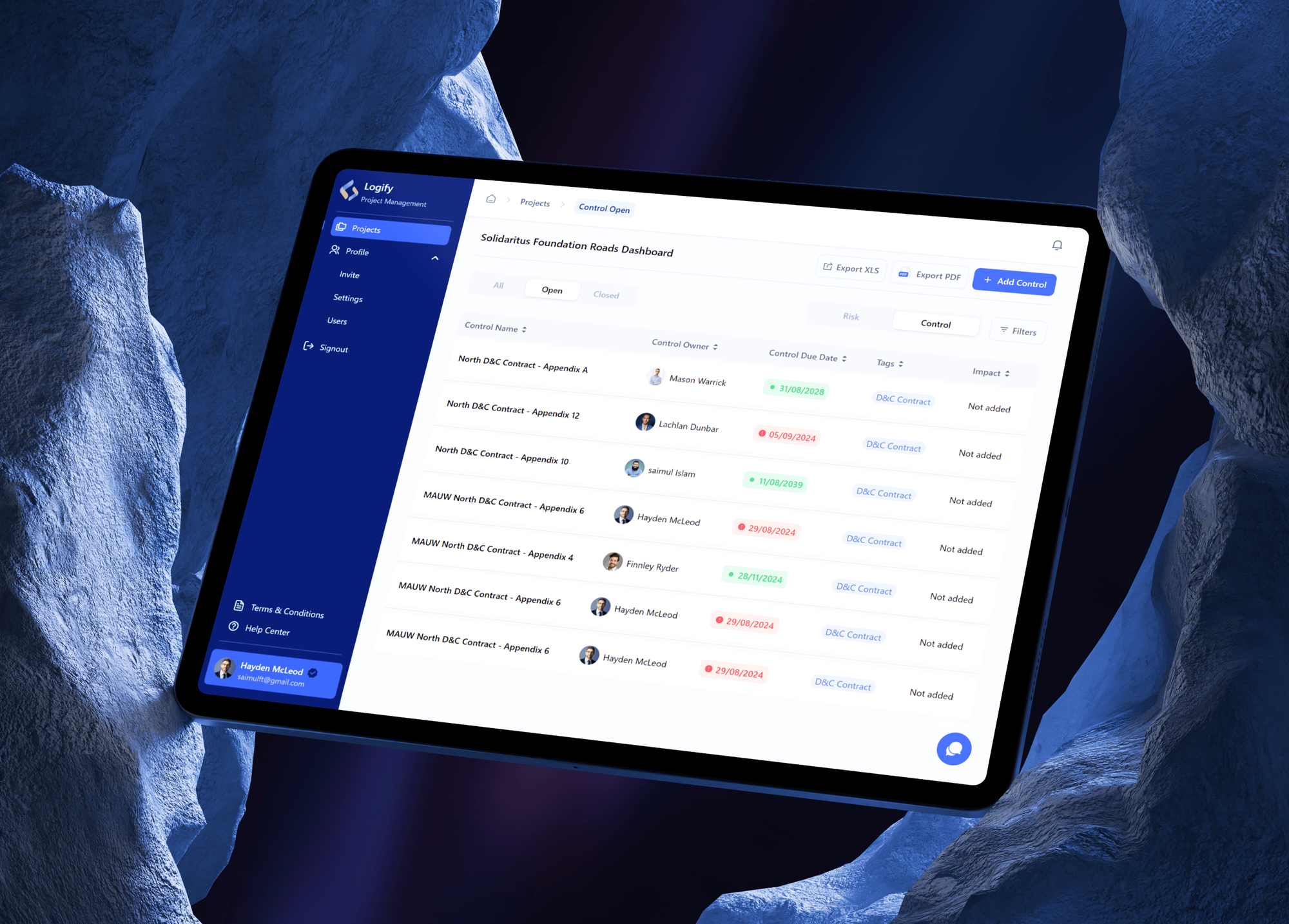
Store back offices, admin dashboards, and an enterprise risk app. They aren't SAP integrations, but order, stock, and reporting data like theirs is what SAP interfaces carry.



What Our Clients Say
Feedback from teams we have built websites and business software for.
We had a pretty specific idea of what we wanted our website to become, but I wasn’t sure how easily we could explain all of it to a development team. There were quite a few moving parts, and we were working toward a deadline, so I expected a few things to get lost along the way. That never really happened. They understood what we were trying to achieve, kept us updated throughout the process, and got everything ready within the agreed timeline. The final site feels much easier to navigate, works beautifully on mobile, and is noticeably smoother for our customers. It was a huge relief seeing the original idea actually turn into the website we had in mind.
The mobile experience is probably my favourite part of the new site. We had spent a lot of time making sure the desktop version looked right, and the team kept pushing us to think about how everything would actually feel on a phone too. They were right. The navigation is clean, the interactions feel natural, and everything we’ve tested so far works exactly as it should. They also went through the links, forms, integrations, and other details more than once before launch, which I really appreciated. And even after going live, we could still reach out when something came up. The whole process felt friendly, organised, and surprisingly straightforward.
What I appreciate most is that the website is actually easy for us to manage now. We can update content ourselves instead of sending a developer a message every time we need to change something small. They also paid attention to the technical SEO side, which mattered to us because we didn’t want a new website to create problems for the traffic we already had. I’ve probably asked more questions than I should have since launch, but every question has been handled patiently and without any fuss. The team is easy to work with, they explain things clearly, and when we need something changed, they focus on getting it done rather than making the process complicated.
1,250+
Projects shipped
10+
Years of experience
Top 3%
Upwork Top Rated Plus
5 stars
Average review score

Want results like these?
Tell us what you are building. You get a reply within 24 hours on business days, then a written estimate.
Work Culture
SAP holds the records your business runs on. These habits keep interfaces standard, licensing questions visible, and every change inside your own controls.
We check SAP's released APIs, IDocs, and the middleware you already pay for before pricing custom work. If a standard option covers it, we'll tell you before we quote.
Our interfaces live outside SAP, on released APIs and middleware. Your upgrades and support packs don't have to wait on our code.
Your SAP functional consultants sign off every field map. You avoid interfaces that post technically valid documents to the wrong accounts.
We list which SAP documents outside systems will create, so you can check Digital Access terms with SAP. Licensing questions surface before go-live, not after.
We move to production only inside your agreed change windows, with your Basis team watching. Month-end close and peak periods stay untouched.
Every interface gets a spec, an owner, and a runbook. Your team, or the next partner, can run it without reverse-engineering anything.
Overview
DeveloperLook offers SAP integration services for IT teams connecting S/4HANA, ECC, or Business One to CRMs, stores, and finance tools. We use released APIs, IDocs, the Service Layer, and middleware you already license, with alerts on every failure. Projects start at $1,100, take 2 to 12 weeks, and keep custom code out of SAP.
DEVELOPERLOOK
Project facts · SAP Integration Services
Reviewed 7 Oct 2026 by Saimul Islam
Good fit
IT teams running SAP S/4HANA
Your team runs S/4HANA and needs the CRM and web store connected through released APIs, without custom code that breaks at the next upgrade.
Companies still running SAP ECC
Your ECC system reaches the end of mainstream maintenance in 2027, and every new interface should still work after the move to S/4HANA.
Small businesses on SAP Business One
Your company runs SAP Business One, and you need an SAP Business One integration with your web store, CRM, or shipping tool through the Service Layer.
Finance teams using SAP Concur
Your expense reports live in SAP Concur, and you need an SAP Concur integration that posts approved reports to the right ledger accounts.
Data teams building SAP reporting
Your analysts export SAP tables to spreadsheets by hand, and you want SAP data integration that feeds a warehouse or BI tool on a schedule.
Not a fit
Your ERP isn't SAP
Your ERP is NetSuite, Dynamics, or another system rather than SAP. Our ERP Integration Services page covers those platforms and the choice between them.
Mostly Salesforce work
Your project is mainly Salesforce work, with SAP as one data source among several. Our Salesforce Integration Services page covers that side first.
SAP rollout or ABAP work
You need SAP modules configured or ABAP development inside the system. That's an SAP implementation partner's job, and we'll tell you before we quote.
Budget under $1,100
Your budget is under $1,100 for a one-off data pull. A scheduled SAP report or a CSV export is likely enough, and costs far less than an interface.
Not sure we're the right fit?
Book a free call or message us. We'll tell you honestly whether we're the right team.
Pricing
These are starting points in USD. Your final price depends on your SAP release, how many interfaces and objects are involved, and the middleware you use, and you get a fixed proposal after a free SAP landscape review.
For one system exchanging one data flow with SAP through a standard interface.
$1,100one-time, USD
For two-way syncs, such as CRM or web store orders, through middleware you license.
$3,600one-time, USD
For up to 4 interfaces with events, monitoring, and an ECC to S/4HANA plan.
$7,800one-time, USD
For Agencies
You own the client relationship. We supply the SAP interface engineering: API and IDoc builds, Service Layer links, and middleware flows. Fixed quotes protect your margin, and every interface stays in the client's own SAP landscape and accounts.
White label: your client only ever sees your brand
Send the SAP release, the systems involved, and the flows the client needs.
You get an interface design, a fixed quote, and a go-live window.
Tested interfaces and runbooks handed over under your firm's name.
Your firm's name on the work, and we join calls only on request.
Engineers who know OData, IDocs, BAPIs, and the Service Layer.
Each interface priced upfront, so your proposal holds its margin.
Interface specs and runbooks your consultants can present to clients.
The Right Technology for Your Project
We build on the interfaces SAP supports for each release and on middleware you already license, adding new tools only when nothing in place fits.
 SAP S/4HANA and ECC
 Node.js
 Java
 Salesforce
 Shopify
 HubSpot
 Power BI
 PostgreSQL
 AWS
 Microsoft Azure
 Python
FAQ
Straight answers on SAP project costs, timelines, interface choices, middleware, and connecting ServiceNow, Concur, and AR tools to SAP.
Saimul IslamFounder & CEO, DeveloperLookStill have questions?
Send a message or book a call with the team.
SAP integration services with DeveloperLook start at $1,100 for one interface on a standard SAP API, IDoc, or Service Layer endpoint. Two-way integrations through middleware you license start at $3,600, and programs of up to 4 interfaces with events and monitoring start at $7,800. SAP and middleware license fees stay with your vendors, and our fixed quote follows a free landscape review.
One interface takes 2 to 4 weeks, including tests in your QA system. Two-way integrations take 4 to 8 weeks, and multi-interface programs take 6 to 12 weeks. Access to your SAP sandbox and time from your functional team set the pace, so we request both during the landscape review.
SAP integration is connecting SAP systems, such as S/4HANA, ECC, or Business One, to the other software a company runs. Orders, customers, invoices, and stock move through APIs, IDocs, or middleware instead of manual entry. Good integrations use interfaces SAP supports, so they keep working through upgrades and support packs.
You use the interface SAP supports for your release. S/4HANA offers released OData and SOAP APIs, listed on SAP Business Accelerator Hub, plus business events. ECC relies on IDocs, BAPIs, and RFCs, and SAP Business One uses the Service Layer. We choose per flow and keep custom code out of the SAP core.
Most companies route SAP integrations through one platform instead of building point-to-point links. SAP Integration Suite is SAP's own option, and many firms already own ServiceNow Integration Hub or Power Automate. We reuse what you license, send SAP events or API calls through it, and add monitoring so every connected system shares one view of failures.
You connect a workflow tool to SAP through supported interfaces. SAP Build Process Automation runs workflows and bots on SAP BTP, while Power Automate's SAP ERP connector calls BAPIs and RFCs through an on-premises data gateway. We pick the tool your team can maintain, and keep approvals and posting rules visible to your SAP functional team.
It's usually the extra layers, not the middleware itself. Each flow needs mapping, licenses, and testing in two places, and SAP PI/PO 7.5 reaches the end of mainstream maintenance in 2027. SAP also licenses documents created by outside systems under its Digital Access model. We reuse what you own and check those costs before building.
They replace scheduled custom extracts with standard events and APIs. When S/4HANA publishes a business event, such as a sales order change, subscribers react through middleware instead of custom ABAP programs polling tables. That leaves fewer programs inside SAP to maintain and upgrade. We use events where your release supports them and fall back to IDocs on ECC.
Yes. Most AR automation platforms document SAP connectors, and HighRadius, for example, lists SAP-certified connectors for ECC 6.0 and S/4HANA. They read open invoices and customer data, then post cash applications back. We set up the connector, map payment and dispute data, and test it against a month of real receivables in QA.
You use ServiceNow Integration Hub's SAP spokes, such as the SAP ECC RFC spoke, which runs through a MID Server and the SAP Java Connector. It covers items like purchase orders, invoices, and sales orders, and it needs an Integration Hub subscription. For S/4HANA, we build the ServiceNow SAP integration on SAP's released APIs instead.
Saimul IslamFounder & CEO, DeveloperLookStill have questions?
Send a message or book a call with the team.
Free 30-min callGoogle Meet
Book a call
In 30 minutes on Google Meet we walk you through how we would build it, how long it takes and what it costs. Then you get a written estimate.
Calendar not showing? Book on cal.com or send a brief.