SKU match across both shops
Every Etsy listing and variation links to its Shopify variant before any count moves.

Shopify Etsy integration for makers: one-of-a-kind pieces sell once, personalization reaches every order, and stock stays synced. From $850.
100%
Personalization details kept
1
Sale per unique piece
Teams we have built for:














The Problem
It starts when your Etsy shop and Shopify store share the same handmade stock. Each piece is a single unit, personalization hides in order notes, and a missed update means a refund.
01 · Sold twice
A unique vase sells on both sites twenty minutes apart.
A unique piece that sells anywhere shows sold out elsewhere within minutes.
02 · Lost engraving
An engraving name stays stuck in Etsy's personalization box.
Personalization answers travel to the Shopify order and your packing slip.
03 · Retyped orders
Someone retypes the name, misspells it, and you remake the piece.
No one retypes buyer answers, so names reach the maker as written.
04 · Custom work
Custom pieces need a limit, not a fake stock count.
Custom work stays listed under a weekly production cap.
You finish a hand-thrown vase on Sunday and list it on Etsy and Shopify. It sells on Etsy at 9 a.m., and a Shopify buyer grabs it at 9:20 because the count hadn't moved. That morning, a necklace order's engraving name sits in Etsy's personalization box and doesn't make it to Shopify. Someone retypes it, misspells it, and you remake the piece.
We start by sorting your catalog into stocked items, unique pieces, and made-to-order work. Each gets its own rule. One-offs sell out on both sites within minutes of a sale, and custom work stays open under a production cap. Personalization answers travel to your packing slip. You spend the time making things, not copying orders.
One-offs sold once
A unique piece that sells on either site shows as sold out on the other within minutes.
Personalization on the slip
Buyer answers to Etsy's personalization questions land on the Shopify order and your packing slip.
Caps for custom work
Items you make after the sale stay listed under a weekly production cap, not an invented stock count.
Our Etsy Sync Process
You approve how each kind of listing behaves before anything goes live. Your Etsy API keys are created in your own account on day one.
We review your Etsy listings, variations, personalization questions, and recent double sales, then send a written plan and fixed price. If a Shopify App Store connector already covers your case, we'll tell you before we quote.
What's Included
Every plan matches SKUs, imports orders with personalization, syncs stock, and sends tracking. Larger plans add production caps, new listings, more shops, and your books.
Compare Options
Connector apps suit simple stocked items, and manual updates suit a handful of listings. A custom Shopify Etsy integration fits when one-offs, personalization, or production caps need their own rules.
| Feature | DeveloperLookBest fit | Etsy connector app | Manual updates |
|---|---|---|---|
| Cost to start | From $850, fixed | Monthly subscription | Free, but slow |
| Setup effort | We build and test it | You configure it | None |
| Unique pieces | Sold out on both sites | Depends on the app | Easy to miss |
| Custom work | Production caps you set | Standard quantities | Tracked by hand |
| Personalization | On the order and slip | Varies by app | Copied by hand |
| New Etsy listings | Handmade fields filled in | Varies by app | One at a time |
| Cancellations | Synced from Etsy | Varies by app | Handled twice |
| Keys and code | In your own accounts | Held by the app | Nothing to hand over |
Projects We've Built
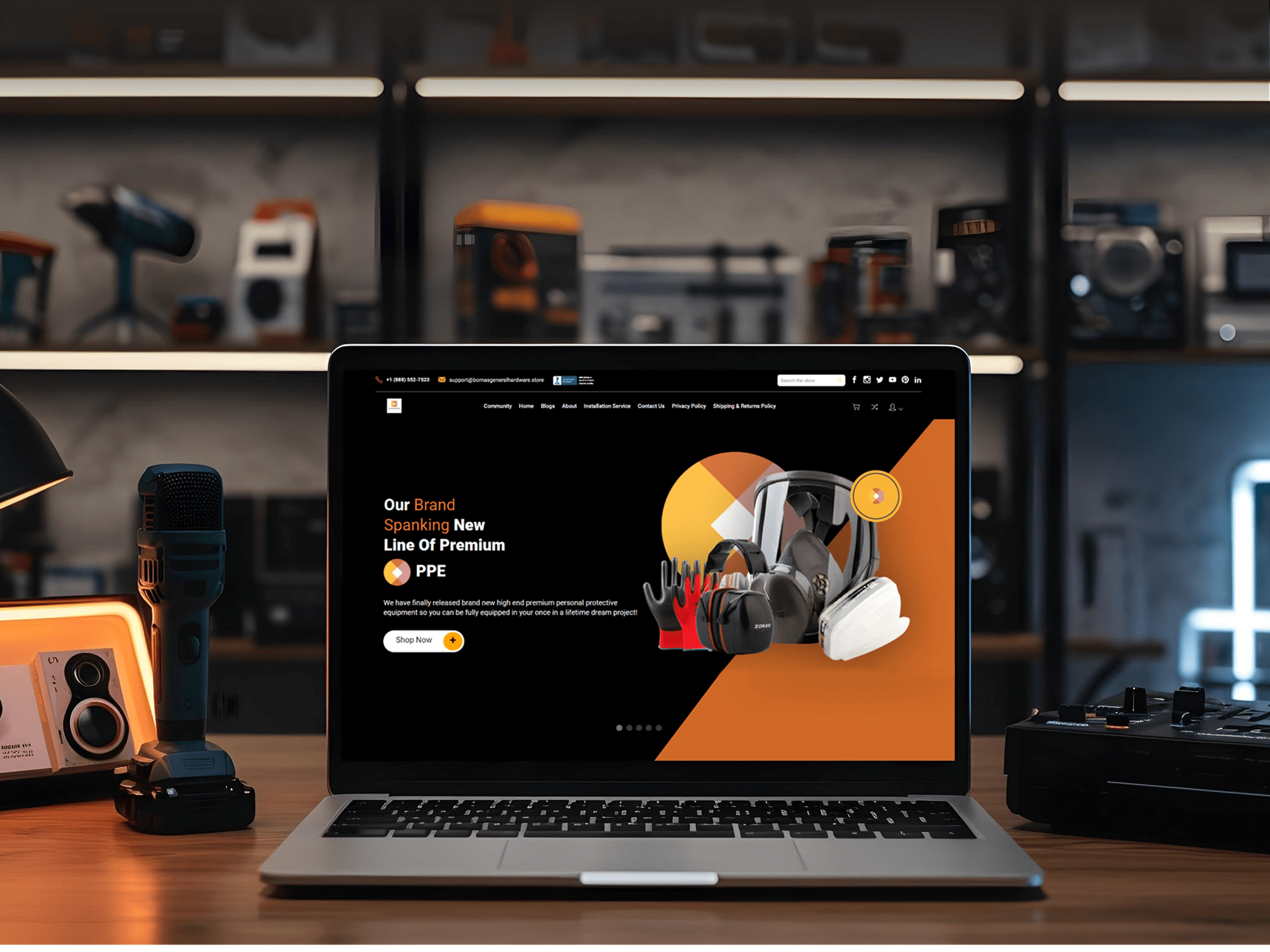
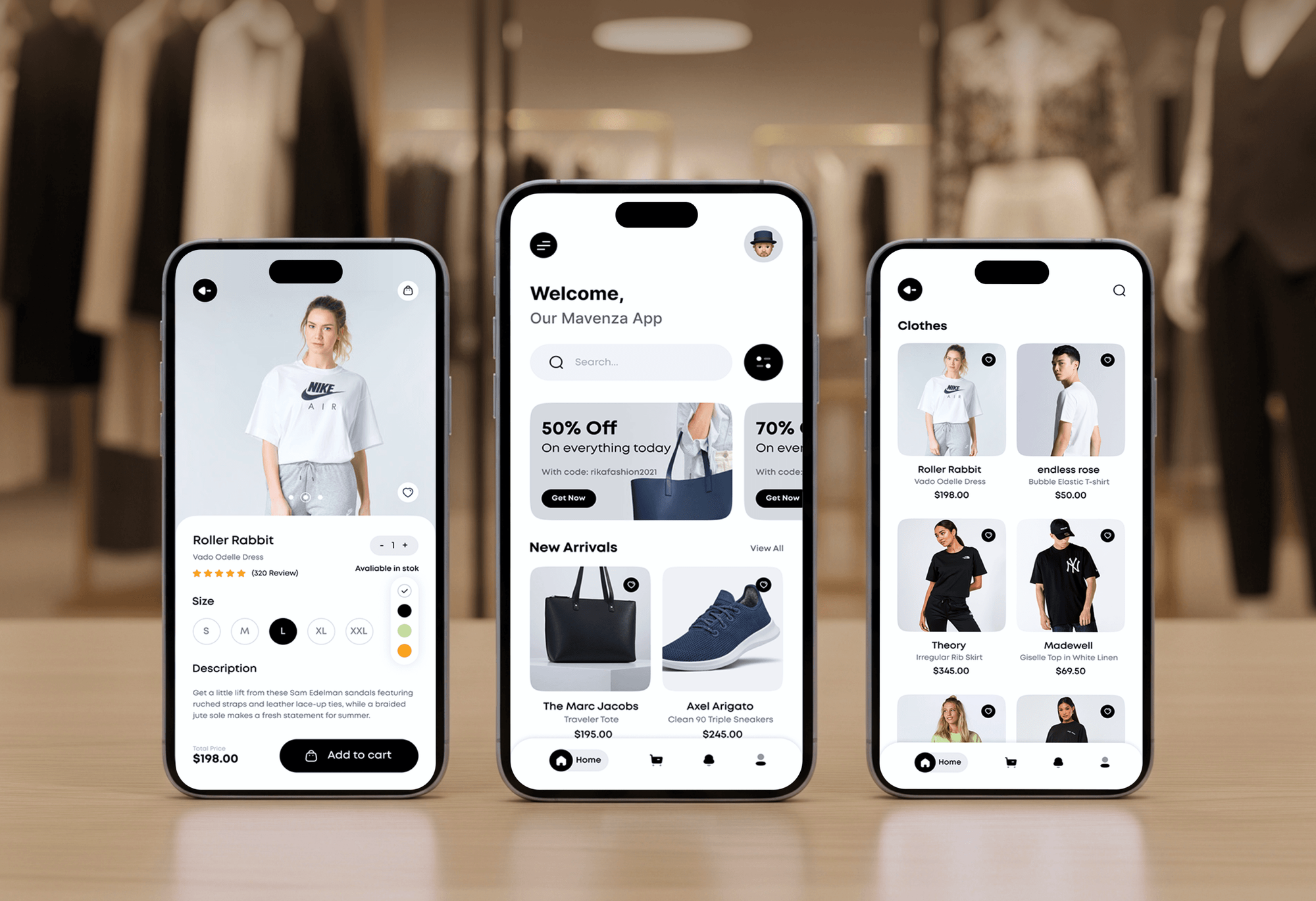
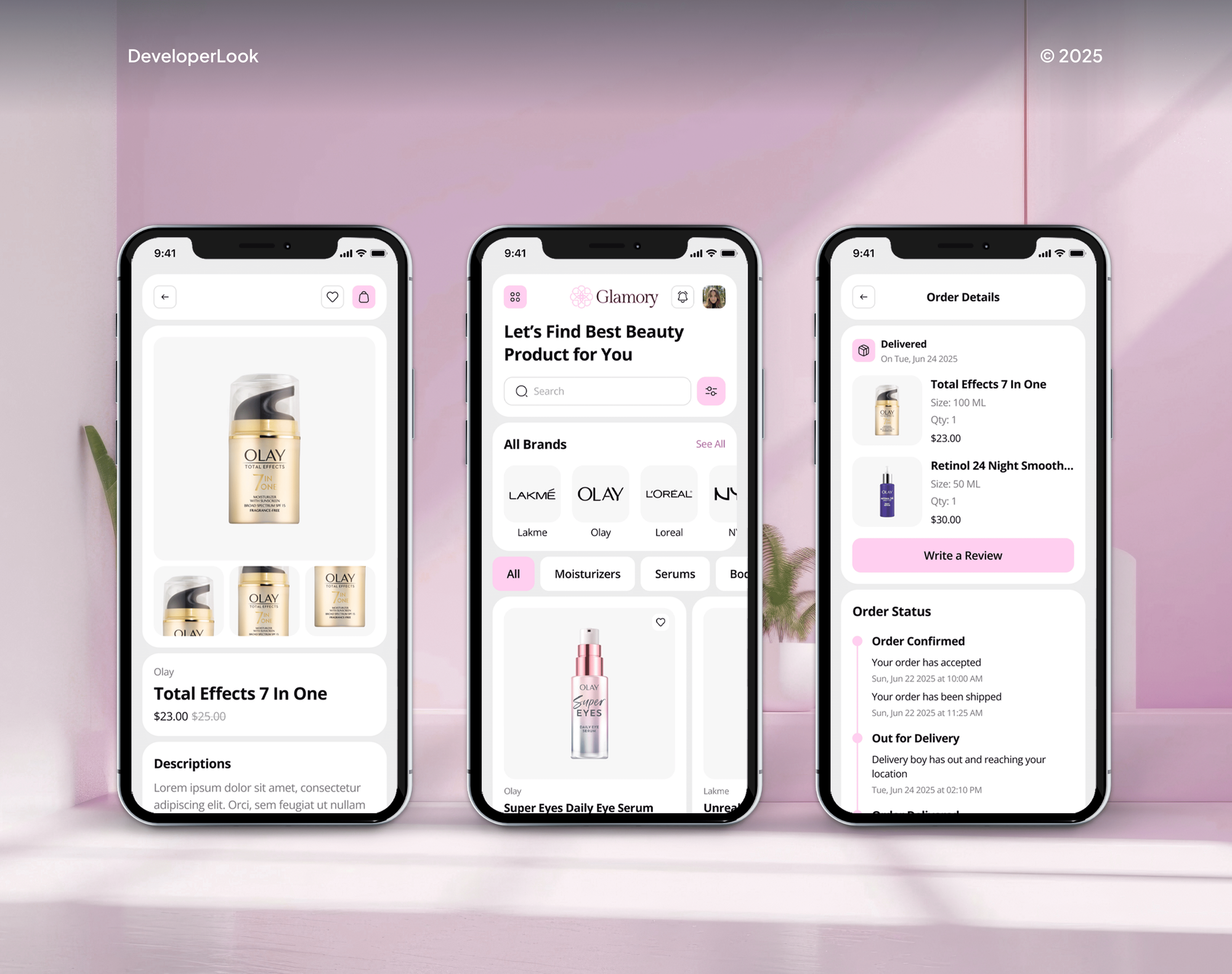
Ecommerce stores and apps from our portfolio. Each relied on accurate product data and dependable order flows, the same base an Etsy sync is built on.

What Our Clients Say
Feedback from ecommerce teams we have built stores, integrations, and automation for.
We had a different kind of problem. People were visiting the store, adding products to their carts, and then disappearing before they finished the order. We had tried a few apps and made changes here and there, but nothing really seemed to solve the bigger issue. The team went through the shopping experience with us and pointed out things we hadn't really noticed ourselves. They cleaned up the cart and checkout flow, made the mobile experience much smoother, and helped us make the store feel easier to shop. I’m not going to pretend we fixed everything overnight, but it finally feels like the store is helping the sale instead of getting in the way of it.
The mobile experience is probably my favourite part of the new site. We had spent a lot of time making sure the desktop version looked right, and the team kept pushing us to think about how everything would actually feel on a phone too. They were right. The navigation is clean, the interactions feel natural, and everything we’ve tested so far works exactly as it should. They also went through the links, forms, integrations, and other details more than once before launch, which I really appreciated. And even after going live, we could still reach out when something came up. The whole process felt friendly, organised, and surprisingly straightforward.
We had a pretty specific idea of what we wanted our website to become, but I wasn’t sure how easily we could explain all of it to a development team. There were quite a few moving parts, and we were working toward a deadline, so I expected a few things to get lost along the way. That never really happened. They understood what we were trying to achieve, kept us updated throughout the process, and got everything ready within the agreed timeline. The final site feels much easier to navigate, works beautifully on mobile, and is noticeably smoother for our customers. It was a huge relief seeing the original idea actually turn into the website we had in mind.
1,000+
Projects shipped
10+
Years of experience
Top 3%
Upwork Top Rated Plus
5 stars
Average review score
Work Culture
Handmade shops run on thin margins and personal orders, so one sync mistake costs real money. These habits keep your pieces and buyers safe.
Etsy charges $0.20 to renew a listing, and reactivating a sold-out one renews it, per Etsy's docs. We ask before relisting, so fees don't pile up quietly.
Etsy listings can ask several personalization questions, including file uploads. Every answer reaches your Shopify order, so nobody retypes a name or loses a photo.
Etsy requires who-made and when-made details on every new listing. We fill them from your product data, so listings appear under the right Handmade, Vintage, or Supplies heading.
Etsy's API can mark orders shipped but can't cancel or refund them. So Etsy cancellations sync into Shopify, and ones started in Shopify become a task to finish in Etsy.
We test with a few low-risk listings, including a personalized order and a one-off. Anything wrong surfaces in the test, long before a customer writes in.
The Seller App is registered to your own Etsy account, and the code and hosting are yours too. Switching developers doesn't cut off your shop.
Overview
DeveloperLook builds Shopify Etsy integration for makers who sell on both. Each item follows its own rule: stocked goods sync counts, one-of-a-kind pieces sell once, and made-to-order work follows a production cap. Personalization answers travel with every order. Projects start at $850, and one shop is ready in 2 to 3 weeks, with the keys in your Etsy account.
DEVELOPERLOOK
Project facts · Shopify Etsy Integration
Reviewed 28 Sep 2026 by Saimul Islam
Good fit
Makers selling unique handmade pieces
You list each handmade piece on Etsy and Shopify at once, and you've already refunded a buyer because both sites sold it.
Shops taking personalized orders
Your Etsy listings ask for names, dates, or photo uploads, and someone retypes every answer into your Shopify order notes.
Makers who craft after the sale
You make items after the sale, so stock counts mean little, but you still need a weekly limit on how many orders arrive.
Brands moving from Etsy to Shopify
You're growing your own Shopify store and want an Etsy to Shopify integration that keeps the Etsy shop selling during the move.
Agencies with maker clients
Your agency built a maker's Shopify store, and now they want an Etsy integration with Shopify delivered under your brand.
Not a fit
Simple stocked items
You sell a few stocked items with simple quantities. A connector app from the Shopify App Store costs less than our $850 starting price.
Amazon or eBay instead
Your second channel is Amazon or eBay, not Etsy. Look at our Shopify Amazon Integration or Shopify eBay Integration pages instead.
Print-on-demand products
Your products are print-on-demand, and Printful or Printify already connect to both shops. Our Printful POD Integration Services page covers custom POD setups.
Wholesale and fairs too
You want wholesale orders, craft fairs, and three marketplaces drawing on one stock count. That wider job belongs to our Multichannel Inventory Sync service.
Not sure we're the right fit?
Send a two-line brief. We'll tell you honestly whether we're the right team.
Pricing
These are starting points in USD. Your final price depends on listing count, how much you personalize, and shop count, and you get a fixed proposal after a free Etsy shop review.
For one Etsy shop that needs orders, stock, and unique pieces synced with Shopify.
$850one-time, USD
For makers with personalization questions, custom work, and new listings to publish.
$2,000one-time, USD
For makers running several Etsy shops or production partners from one Shopify store.
$3,900one-time, USD
For Agencies
Your maker client wants Etsy and Shopify working as one, and you'd rather not learn Etsy's API. We build it under your name, from catalog sort to launch, with a runbook your team can support.
White label: your client only ever sees your brand
Send the client's Etsy shop, Shopify store, and how they make and sell each item.
You receive listing rules, dates, and a price to resell.
We build, test on real listings, and hand over a runbook in your brand.
Your client sees your agency's name on every document and call.
One-offs, personalization, and production caps handled from the start.
One price per client, set after the free Etsy shop review.
Add us for one maker or your whole client list.
The Right Technology for Your Project
We connect Etsy's Open API to Shopify and the services makers rely on, with alerts that reach you by email or Slack.
 Shopify
 Etsy
Etsy GraphQL
 OpenAPI
 USPS
USPS UPS
UPS Printful
 Printify
 QuickBooks
 Xero
Xero Slack
Slack Google Sheets
 Node.js
 PostgreSQL
 Docker
 Cloudflare
FAQ
Straight answers on orders, cost, timelines, one-of-a-kind pieces, personalization, and connector apps.
 Saimul IslamFounder & CEO, DeveloperLook
Still have questions?
Send a message or book a call with the team.
Yes, a Shopify Etsy integration pulls Etsy orders in automatically once they're paid. Each order comes in with the buyer's details, items, shipping method, and every personalization answer, tagged as Etsy. Your team fulfills it in Shopify, and tracking goes back to Etsy, which tells the buyer it shipped.
A custom Etsy Shopify integration starts at $850 for one shop: orders with personalization, stock sync with sold-out handling, and tracking. Production caps, packing slip answers, and new listings cost $2,000. Up to 3 shops, production partners, and fees in your books cost $3,900, fixed after the free shop review.
Most single-shop Etsy integrations launch 2 to 3 weeks after the review call. Heavy personalization, production caps, or extra shops push it to 4 to 5 weeks. Sorting your listings into stocked, unique, and custom work sets the pace, so we start that in week one.
A connector app is enough for Etsy shops selling stocked items with simple variations. Apps in the Shopify App Store sync quantities and orders for a monthly fee. A custom build pays off when one-offs sell twice, personalization answers get lost, or made-to-order pieces need a production cap.
Each unique piece gets a quantity of one and a rule: when either site sells it, the other marks it sold out within minutes. Relisting later renews the Etsy listing at Etsy's $0.20 fee, so the sync asks first. Handmade stock you make in batches syncs like normal inventory.
Yes, personalized options sync with every Etsy order. Etsy listings can ask several personalization questions, from engraving text to photo uploads. We copy each answer onto the matching Shopify line item and your packing slip, so the person making the piece reads it exactly as the buyer typed it.
We avoid overselling with fast stock updates after every sale, a buffer on your best-sellers, and a scheduled count check. Etsy charges nothing to edit quantities, so frequent updates cost you nothing. Custom work skips stock counts and closes when its weekly production cap fills.
Yes, Shopify products can publish to Etsy as new listings with photos, variations, and prices. Etsy requires who-made and when-made details on each listing, so we map them from your product data. Each new listing costs Etsy's standard $0.20 fee, and you choose which products go live.
Yes, but for your own shop it's quick. You register a Seller App, and Etsy approves eligible sellers within minutes, with no manual review queue. The app can only access your shop, and its keys stay in your account, which keeps you in control if developers change.
We look after it for 30, 60, or 90 days, based on the plan you pick. In that window we fix failed syncs, add new listing types, and handle Etsy or Shopify API changes. After that, your runbook covers the common fixes, or you can keep us on monthly.
Saimul IslamFounder & CEO, DeveloperLookStill have questions?
Send a message or book a call with the team.
30-min strategy callGoogle Meet
Book a call
Pick a 30-minute slot that works for you. We meet on Google Meet to align on goals, scope, and the right next step.
