Dispatch board by equipment
Your dry vans, reefers, and flatbeds sorted by status, location, and next available time on one screen.

For carriers and dispatch services: one board with every truck, driver, and load, fed by your ELD, plus a driver app that ends the check calls. From $1,100.
2X
Faster load assignments
24/7
Truck locations on one board
How your project runs
01 · FreeTeams we have built for:














The Problem
It shows up once a fleet passes a handful of trucks. Every location check, delivery update, and paperwork request becomes a call or a text, and the plan lives in one person's head.
Check calls
Dispatch calls every driver just to learn where trucks are.
Check calls
ELD pings put each truck's location on the board without a phone call.
Hours left
Loads get assigned to drivers who are nearly out of hours.
Hours left
The board shows each driver's remaining hours before you assign a load.
Lost paperwork
BOL and POD photos vanish in group texts.
Lost paperwork
Drivers scan documents in the app, and each one files on its load.
Detention
Waiting time at shippers goes unbilled because nobody timed it.
Detention
Arrival and departure times log on their own, so detention gets billed.
It's 6 a.m. Your dispatcher has three drivers asking for their next load, a broker wanting an ETA, and a reefer stuck at a shipper with no detention clock running. The board is a whiteboard and a group chat. Nobody knows who has hours left until they call the driver. BOL photos arrive in texts and get lost before the factoring company asks for them. Each check call eats minutes, and a missed reload leaves a truck sitting empty overnight.
We start with one board that shows every truck, driver, and load, plus the hours each driver has left. Locations and duty status come straight from your ELD, so most check calls drop away. Drivers get loads, stops, and document scanning in an app on their phone. Detention starts counting when the truck arrives, not when someone remembers. Your dispatcher books the next load instead of chasing the last one.
One board for the fleet
Your trucks, drivers, loads, and equipment types share one screen you can sort and filter.
Hours of service in view
Each driver's remaining drive time comes from your ELD, so your assignments respect the rules.
Driver app on every phone
Your drivers see load details, send updates, and scan paperwork without calling you.
Our Trucking Dispatch Software Process
You see your own dispatch day mapped out, approve the board before we build it, and pilot it with a few drivers before the whole fleet switches over.
We spend a shift beside your dispatcher and log the calls, texts, and load board searches that fill the day. You get a short report on where the hours go and what a board should fix first.
What's Included
Your build covers the dispatch board, ELD connection, driver app, document capture, detention tracking, and settlements, set up with your own drivers, trucks, customers, and pay rules.
Compare Options
A subscription dispatch app suits many small fleets, and a whiteboard works for a few trucks. Here is where trucking dispatching software built for your operation pulls ahead, and where it doesn't.
| Feature | DeveloperLookBest fit | Dispatch app | Whiteboard |
|---|---|---|---|
| Driver and load view | Trucks, drivers, and loads together | Board in the vendor's layout | Magnets and memory |
| Hours-of-service awareness | HOS clocks shown before assigning | Some apps, on a higher tier | Phone the driver |
| ELD location feed | Samsara or Motive pings on the board | Depends on supported ELDs | |
| Paperwork from drivers | BOL and POD scans per load | Photos lost in texts | |
| Settlements and fees | Your own pay rules and deductions | Standard pay types only | Spreadsheet math |
| Monthly cost | No per-truck fees | Per truck or per user | Free to keep using |
| Time to start | 4 to 14 weeks | Sign up the same week | Already running today |
| Code and data ownership | You own code and data | Vendor keeps the platform | Lives on one wall |
Projects We've Built
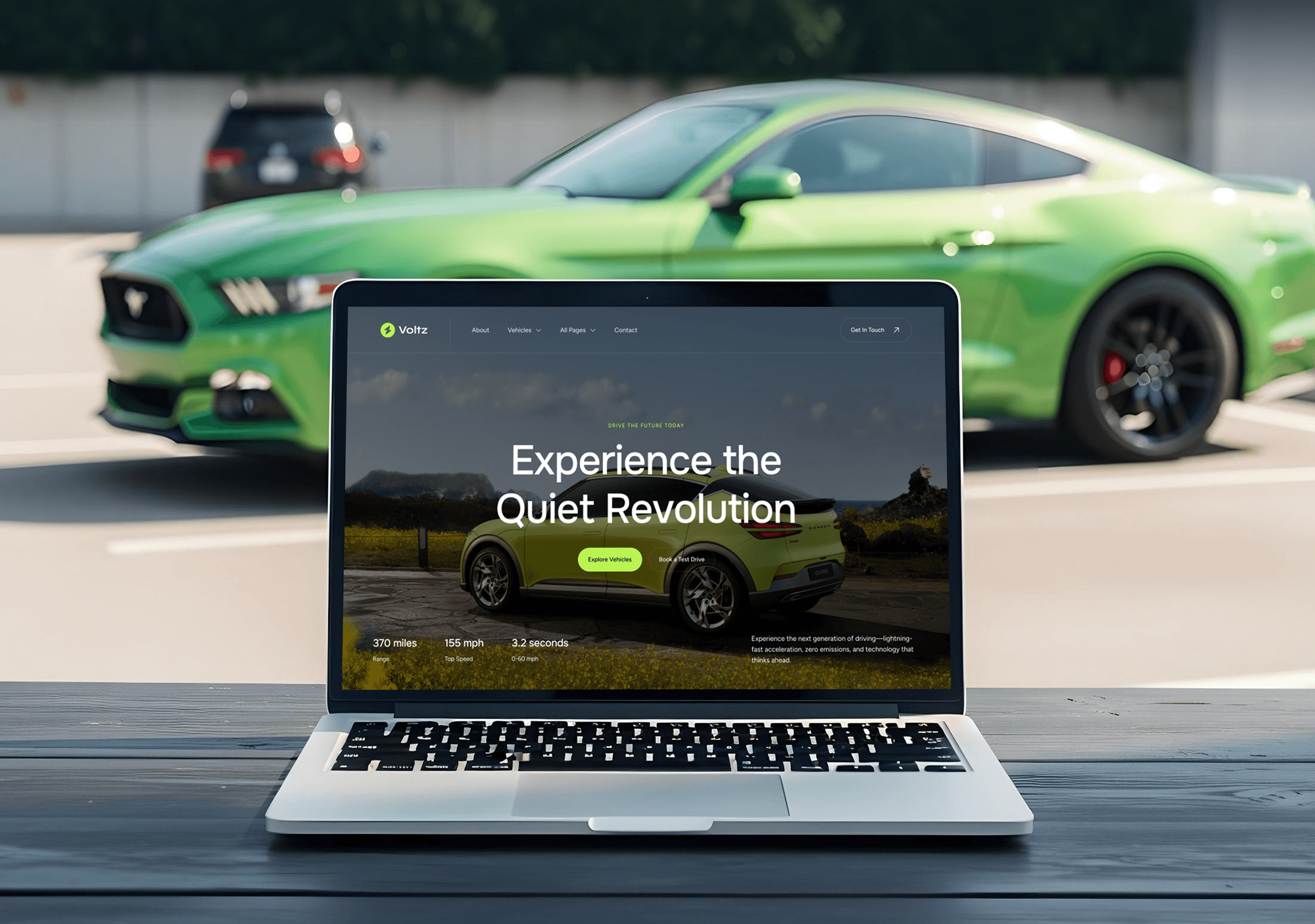
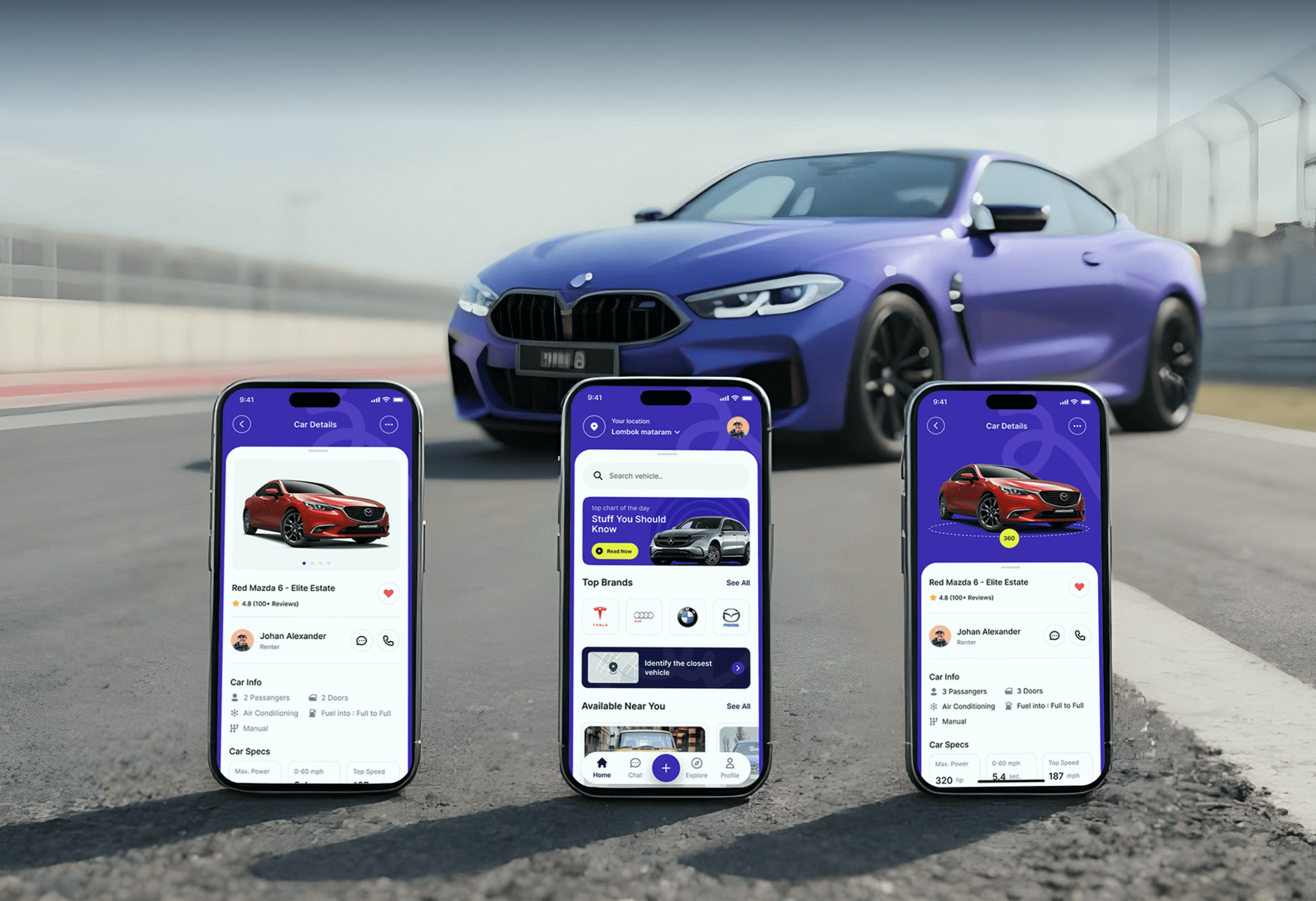
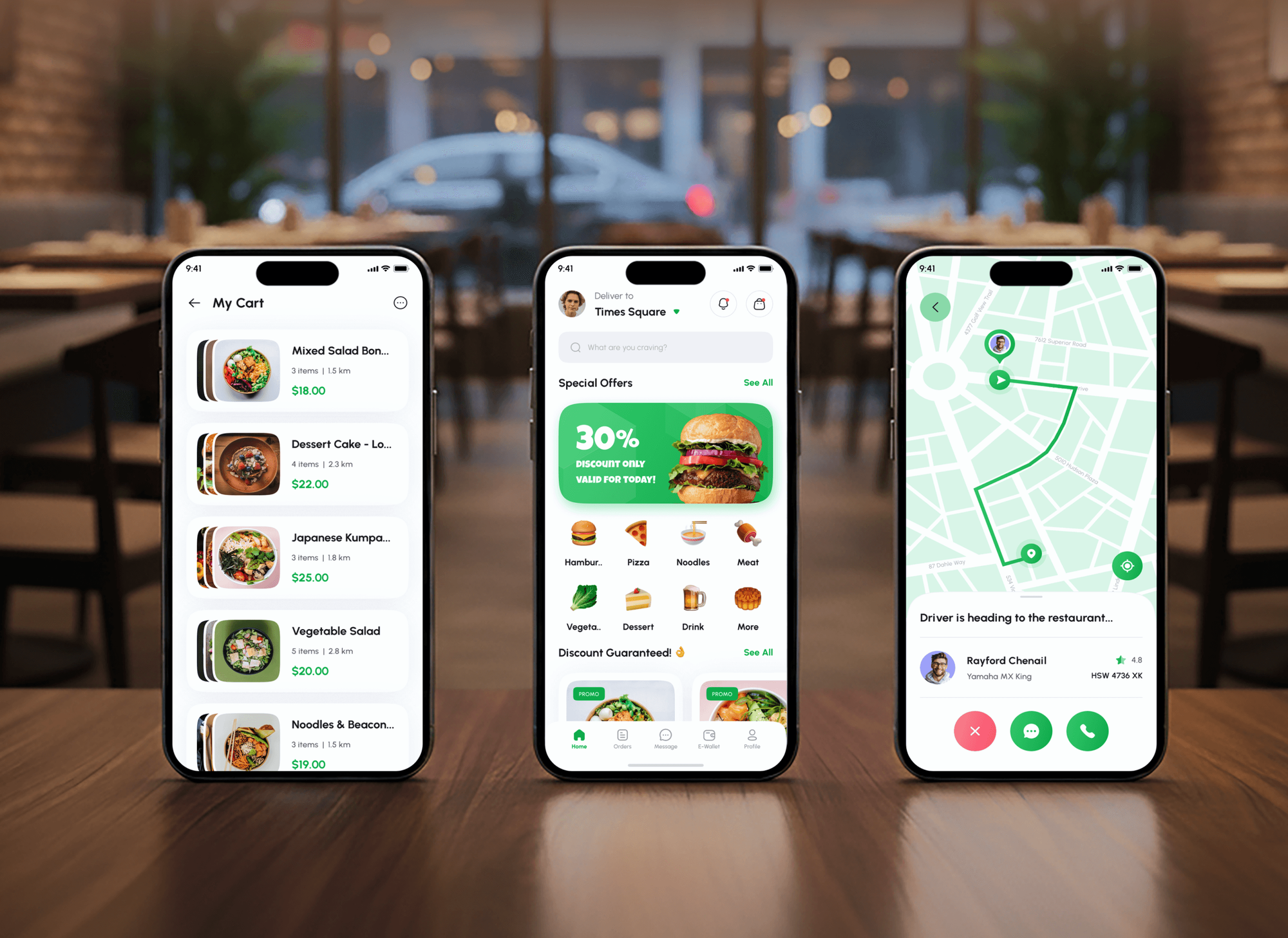
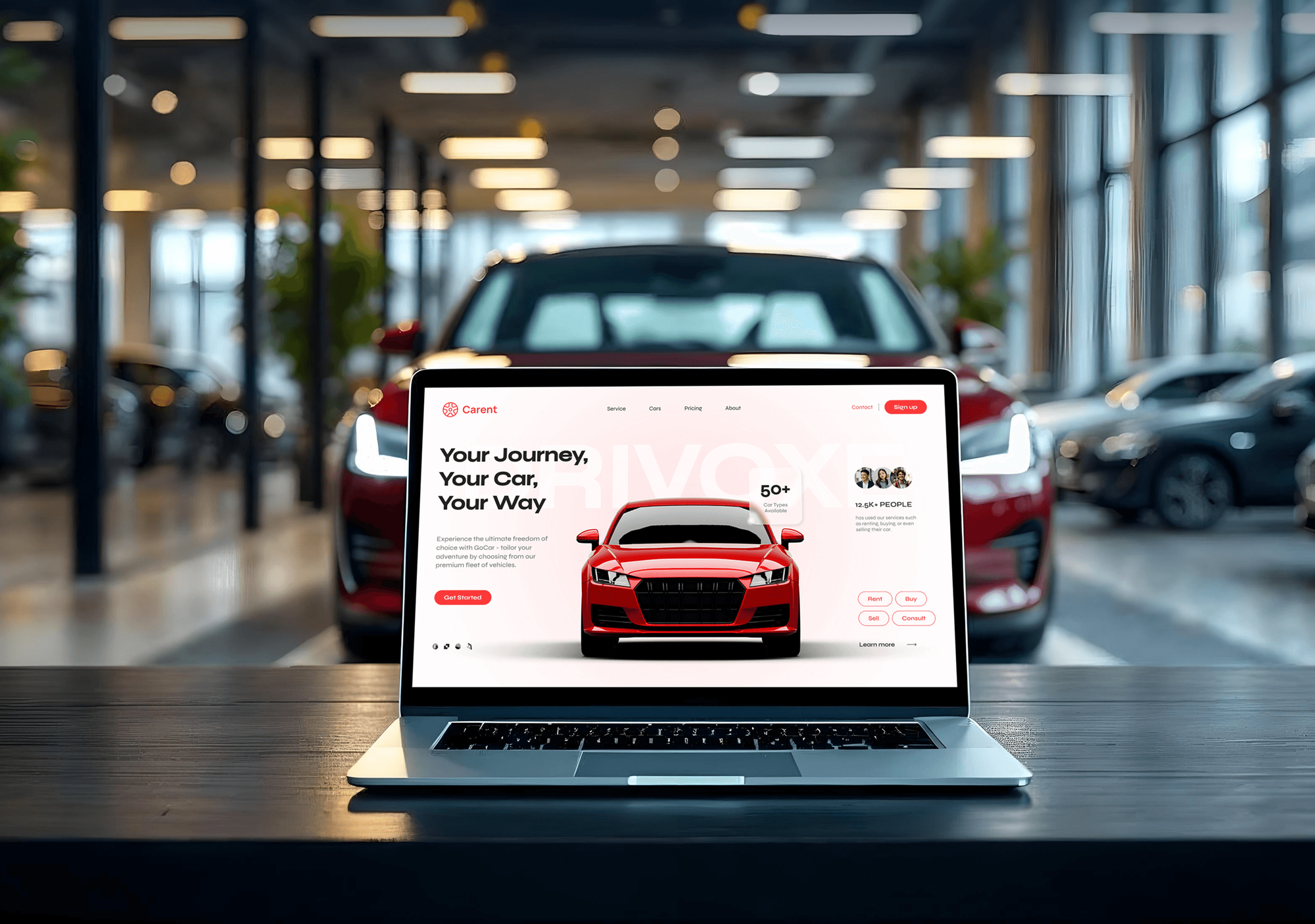
These aren't dispatch systems for trucking carriers. They show the fleet dashboards, live driver tracking, and booking tools we would build your board from.
What Our Clients Say
Feedback from teams we have built fleet dashboards, tracking apps, and booking tools for.
We had a pretty specific idea of what we wanted our website to become, but I wasn’t sure how easily we could explain all of it to a development team. There were quite a few moving parts, and we were working toward a deadline, so I expected a few things to get lost along the way. That never really happened. They understood what we were trying to achieve, kept us updated throughout the process, and got everything ready within the agreed timeline. The final site feels much easier to navigate, works beautifully on mobile, and is noticeably smoother for our customers. It was a huge relief seeing the original idea actually turn into the website we had in mind.
The mobile experience is probably my favourite part of the new site. We had spent a lot of time making sure the desktop version looked right, and the team kept pushing us to think about how everything would actually feel on a phone too. They were right. The navigation is clean, the interactions feel natural, and everything we’ve tested so far works exactly as it should. They also went through the links, forms, integrations, and other details more than once before launch, which I really appreciated. And even after going live, we could still reach out when something came up. The whole process felt friendly, organised, and surprisingly straightforward.
What I appreciate most is that the website is actually easy for us to manage now. We can update content ourselves instead of sending a developer a message every time we need to change something small. They also paid attention to the technical SEO side, which mattered to us because we didn’t want a new website to create problems for the traffic we already had. I’ve probably asked more questions than I should have since launch, but every question has been handled patiently and without any fuss. The team is easy to work with, they explain things clearly, and when we need something changed, they focus on getting it done rather than making the process complicated.
1,250+
Projects shipped
10+
Years of experience
Top 3%
Upwork Top Rated Plus
5 stars
Average review score
1,250+
Projects shipped
10+
Years of experience
Top 3%
Upwork Top Rated Plus
5 stars
Average review score

Want results like these?
Tell us what you are building. You get a reply within 24 hours on business days, then a written estimate.
Work Culture
Your dispatch day runs from early morning to late night, so your software can't stall at 5 a.m. These habits keep your project grounded in how your drivers and dispatchers work.
Before designing, we sit through a real dispatch shift and log every call and text. Your board is built around the questions your dispatcher actually gets asked.
Your driver screens are tested on mid-range phones with weak signal, not on a developer's desk. Big buttons and offline saving matter when your driver is at a dock.
Hours-of-service checks follow the FMCSA rules for each driver's duty cycle. The board flags limits, while your ELD stays the legal record of duty status.
Adding an equipment type or a pay rule shouldn't need a new project. We build settings your office can change without calling a developer.
You get a written scope and a set price for each phase up front. That way you know what the board and the driver app cost before you commit to either.
Driver records, load history, and settlement data live in your own database. You can export everything or move hosting whenever you like.
Overview
DeveloperLook builds trucking dispatch software for carriers and independent dispatch services. We build a dispatch board fed by your Samsara or Motive ELD, a driver app with document scanning, detention tracking, and driver settlements. Projects start at $1,100 and take 4 to 14 weeks, and you own the code with no per-truck fees.
DEVELOPERLOOK
Project facts · Trucking Dispatch Software
Reviewed 28 Oct 2026 by Saimul Islam
Good fit
Small carriers dispatching from a whiteboard
Your dispatcher runs the week from a whiteboard and group texts, and one missed reload means a truck sits empty overnight.
Fleets with an ELD but no board
You already pay for Samsara or Motive, yet dispatch still phones drivers for locations because nothing puts trucks and loads on one screen.
Independent truck dispatch services
You dispatch for owner-operators on a percentage of each load, and the truck dispatcher software you tried can't split fees by carrier.
Owner-operators growing into a fleet
You've added trucks and leased-on drivers, and the dispatch software for trucking you tried was built for much bigger fleets.
Agencies building apps for carrier clients
Your agency has a carrier client asking for a driver app on iOS and Android, and you need engineers who know BOLs and HOS.
Not a fit
You broker the freight
You book loads for shippers and pay outside carriers instead of running trucks. Our Freight Broker Software Development page is built for brokerage desks.
One truck, budget under $1,100
You run one or two trucks with a budget under $1,100. A subscription TMS or dispatch app costs less, and we'll tell you before we quote.
Field service or taxis
You dispatch technicians or cabs, not freight trucks. General dispatching software fits those jobs, and our Delivery App Development page covers courier apps.
Need a trucking website
You want a site that recruits drivers and wins shippers, not dispatch software. Our Trucking Website Design page is the better fit.
Not sure we're the right fit?
Book a free call or message us. We'll tell you honestly whether we're the right team.
Pricing
These are starting points in USD. Your final price depends on fleet size, your ELD, and whether drivers need the app, and you get a fixed proposal after a free dispatch ride-along.
For Agencies
You own the client relationship. We supply the engineering for the dispatch boards and driver apps your trucking clients rely on. Every screen ships under your brand, with ELD connections and documentation your team can support.
White label: your client only ever sees your brand
Send the client's fleet size, ELD, and dispatch pain points, and we scope it.
We send a fixed proposal in your name and assign a web and mobile team.
We build, pilot with real drivers, and hand you the code and docs.
Send the client's fleet size, ELD, and dispatch pain points, and we scope it.
We send a fixed proposal in your name and assign a web and mobile team.
We build, pilot with real drivers, and hand you the code and docs.
The Right Technology for Your Project
We use tools that run well on drivers' phones and connect cleanly to the ELD and mapping services your fleet already pays for.
 React
 Next.js
 Node.js
 PostgreSQLReact Native
 Firebase
 Twilio
 AWS
 Docker
 Slack
Related Services
Brokerage, delivery, and integration services that sit next to your dispatch board, plus the trucking website that recruits your next drivers.
This page
Trucking Dispatch Software
Pairs with the 6 services around it
FAQ
Straight answers on what dispatch software does, cost, timelines, ELD connections, and the tools truck dispatchers rely on.
Saimul IslamFounder & CEO, DeveloperLookStill have questions?
Send a message or book a call with the team.
A trucking dispatch system is the tool a carrier uses to assign loads to drivers and trucks, then follow each trip to delivery. It holds the load details, driver and equipment, stops, appointment times, and documents. Better systems also read truck locations and hours of service from the ELD, so your dispatcher can plan without calling every driver.
Dispatch software helps truck dispatchers by putting every truck, driver, and load on one screen, so nobody works from memory. Locations and remaining hours arrive from the ELD, drivers update loads from an app, and documents file themselves. Your dispatcher then spends the day booking and planning reloads instead of making check calls.
Spreadsheets and group texts work until a fleet grows past what one person can remember. A dispatch board keeps the plan visible to everyone, flags drivers who are short on hours, and captures paperwork the moment it's signed. It also builds load history, so you can see which customers and lanes keep your trucks busy.
A custom dispatch board from DeveloperLook starts at $1,100, fed by your ELD. Adding a driver app with document scanning, hours-of-service clocks, and settlements starts at $3,700. A platform for dispatch services that run many carriers starts at $7,600. You get a fixed price after a free ride-along, and there are no per-truck fees.
A dispatch board connected to your ELD takes 4 to 6 weeks. Adding the driver app for iOS and Android brings the total to 9 to 14 weeks, including a pilot week with a few of your drivers. App store review can add a few days, so we plan your release date around it.
Truck dispatchers need four kinds of tools to run a fleet well. A load board finds freight, a dispatch board or TMS plans trucks and drivers, ELD access shows locations and hours, and a document tool collects paperwork for billing. Dispatch services also need fee tracking per carrier. The fewer separate tabs you keep open, the faster you work.
Most truck dispatchers use a mix of load boards, ELD dashboards, a TMS or dispatch app, and group texts. DAT and Truckstop are the usual load boards, and Samsara and Motive are common ELD dashboards. Small fleets often start with subscription tools like AscendTMS or TruckingOffice. Custom software makes sense when your mix means re-typing the same load in several places.
The best option is the one that matches your fleet size, freight type, and ELD. A subscription app suits most fleets with a few trucks and standard driver pay. A custom build pays off when you run your own pay rules, dispatch for many carriers, or need the board to work the way your operation already does.
Yes, if your ELD offers an API, a truck dispatch app can show each driver's remaining hours. Samsara's developer API exposes hours-of-service data, and Motive offers an API for logs and locations. FMCSA rules, such as 11 hours of driving inside a 14-hour window, set the limits, while your ELD stays the legal record.
You own the dispatch software, its source code, and your driver and load history. The database and app store listings sit in accounts you control. We document the setup and hand over admin access at launch, followed by 30 days of post-launch support. After that, you can stay on a care plan or bring the work in-house.
Saimul IslamFounder & CEO, DeveloperLookStill have questions?
Send a message or book a call with the team.
Free 30-min callGoogle Meet
Book a call
In 30 minutes on Google Meet we walk you through how we would build it, how long it takes and what it costs. Then you get a written estimate.
Calendar not showing? Book on cal.com or send a brief.