





Email and PDF intake
Reads rate requests, tenders, and rate confirmations from email and fills the matching load fields.

For brokers, carriers, and 3PLs: AI agents that read your freight paperwork, answer status emails, and flag late loads inside the TMS you already run.
10+ hrs
Of retyping saved each week
100%
Documents logged to the load
How your project runs
01 · FreeTeams we have built for:














The Problem
It gets worse with every new customer. Tenders, rate confirmations, BOLs, and PODs arrive as emails and PDFs, and shippers want an update the moment a load runs late.
Manual entry
Coordinators retype every tender and rate request into the TMS.
Manual entry
An agent reads each email and PDF and fills the load fields for review.
Status calls
Shippers call repeatedly asking where their freight is.
Status calls
Replies are drafted from live ELD or visibility data with the current ETA.
Lost PODs
Delivery paperwork sits in text threads while billing waits.
Lost PODs
Each POD and BOL is matched and attached to its load.
Late surprises
Delays surface only when the customer complains.
Late surprises
Exception alerts flag missed pickups and slipping ETAs while there's time to act.
It's 2 p.m. on a Thursday. Your inbox holds a dozen rate requests, load tenders in different PDF layouts, and a shipper asking again where load 4471 is. A coordinator copies each tender into the TMS line by line, then checks the ELD portal and writes the same status reply again. The POD for yesterday's delivery is still in a driver's text thread, so billing waits. Doing nothing means hiring another coordinator for work a machine can read.
We start with your inbox and your TMS: the document types you receive, the fields each one feeds, and a few months of past loads. An AI agent reads each email and PDF, fills the load fields, attaches the document, and queues anything unclear for a person. Status replies come from your ELD or visibility feed, not from memory. The agent clears the busywork, and your dispatchers keep the decisions.
Paperwork read into the TMS
Rate requests, tenders, BOLs, and PODs are read and attached to the right load for review.
Status answers from live data
Status emails get replies built from ELD or visibility pings, with the latest location and ETA.
Late loads flagged early
Missed pickups, detention, and slipping ETAs raise an alert before the customer has to ask.
Our AI Solutions for Logistics Process
You approve the field mapping, see the agents tested on your own past loads, and decide when each one starts writing to the TMS.
We go through a sample of your emails, PDFs, and loads with your operations lead on a call. You get a map of the document types, the TMS fields they feed, and which tasks AI can safely take first.
What's Included
Agents for the paperwork and status work around every load, connected to your TMS, inboxes, and tracking feeds, with a person approving what changes.
Compare Options
A TMS add-on is the quickest start, and a data entry team handles odd documents well. Here is where each one fits a logistics operation, and where each one struggles.
| Feature | DeveloperLookBest fit | TMS add-on | Data entry team |
|---|---|---|---|
| Setup time | 3 to 4 weeks for intake | Days if your TMS offers it | A week to train staff |
| Odd document layouts | Learns your customers' formats | Standard forms work best | Handles anything, slowly |
| Status replies | From live ELD and tracking data | Varies by add-on | Manual lookups |
| Works across systems | TMS, inbox, ELD, and EDI | Inside one TMS | Any system, by hand |
| Exception alerts | Your rules and your lanes | Built-in rule set | When someone notices |
| Volume spikes | Same speed at peak | Same speed at peak | Needs more people |
| Pricing model | Fixed build, no per-load fee | Per-user or per-load fee | Hourly or per-document rate |
| Best for | Mixed systems and odd paperwork | Teams on one modern TMS | Low volume, rare formats |
Projects We've Built
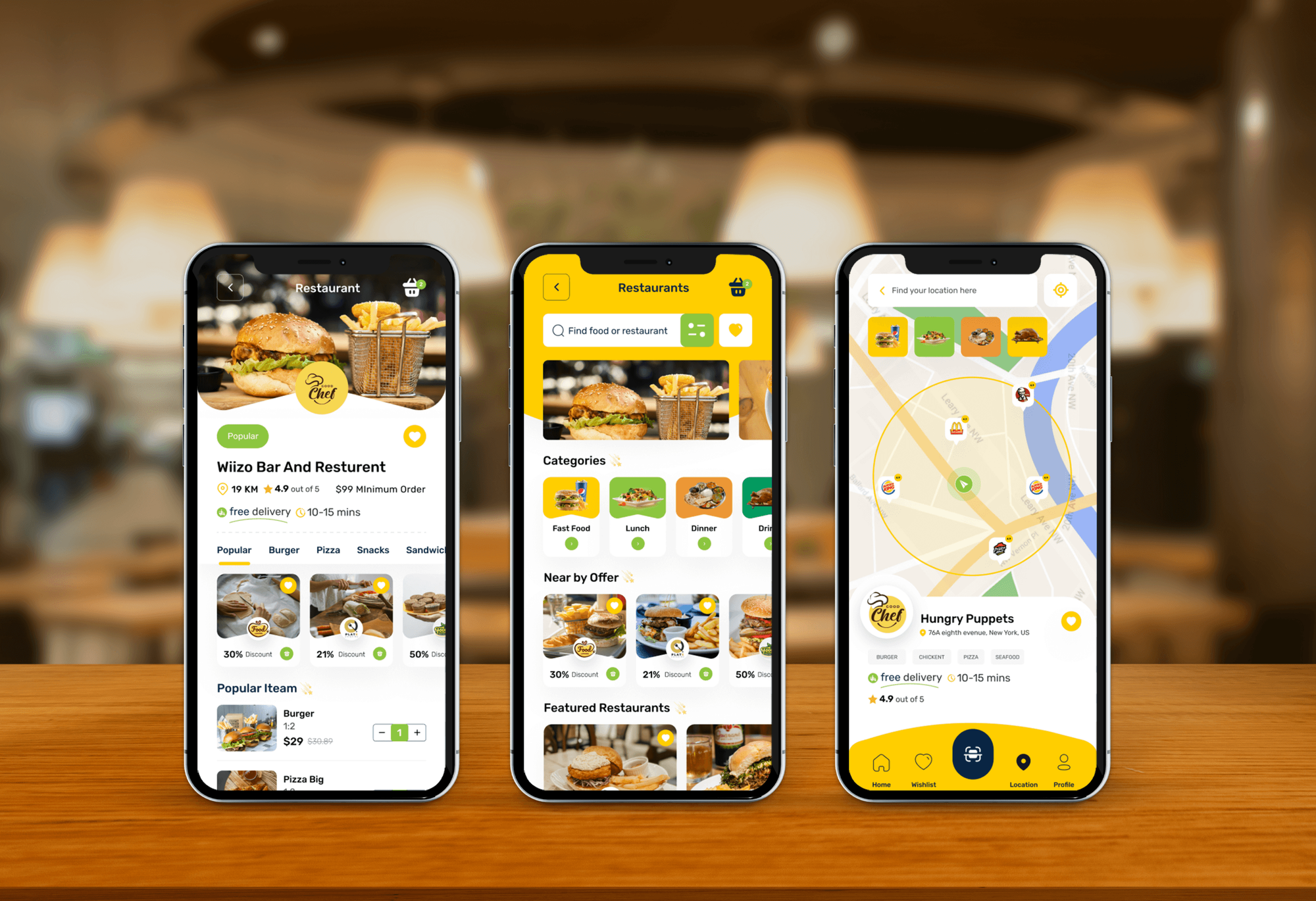
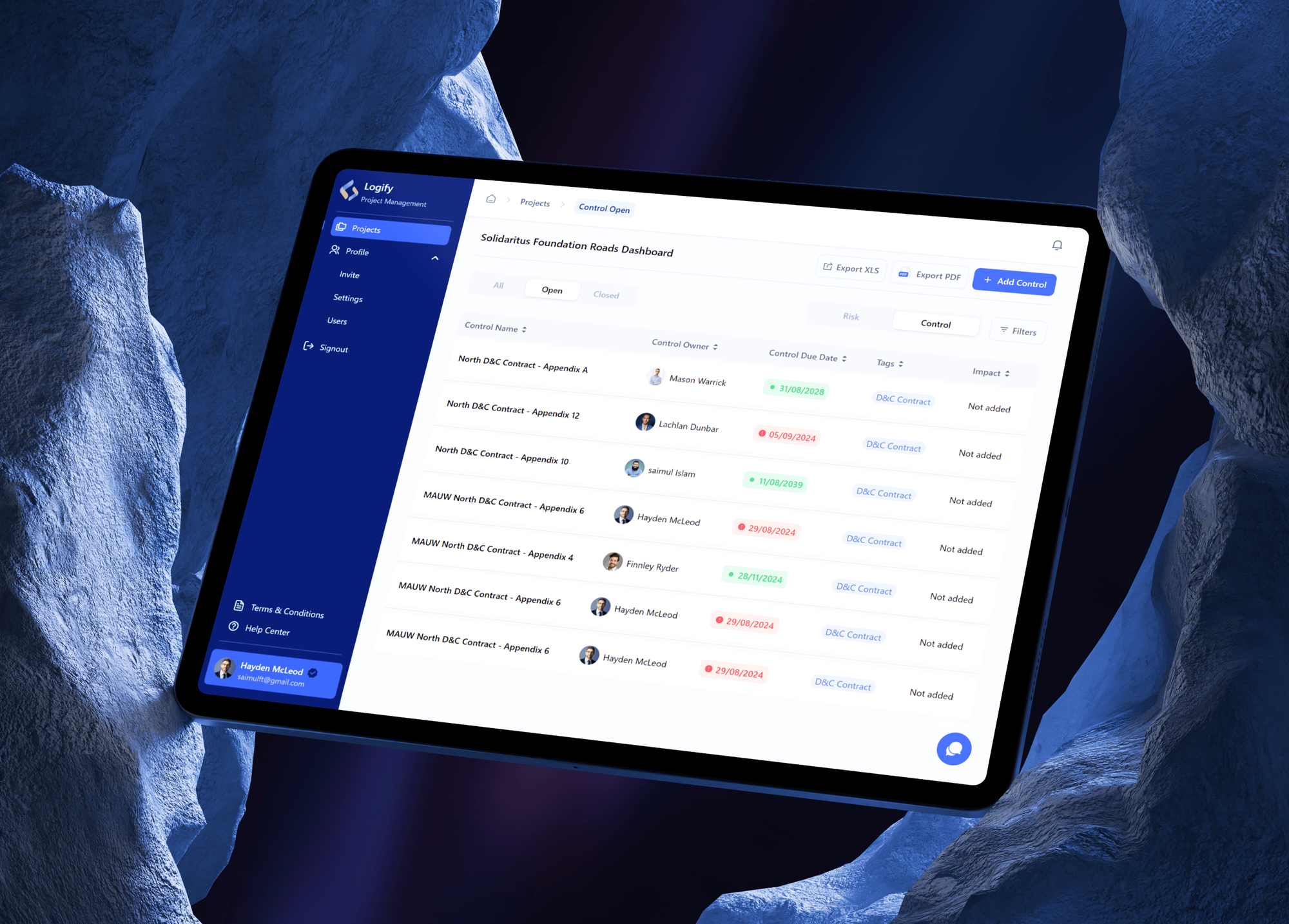
These projects show our transport booking, delivery tracking, and operations dashboard work. None of them is an AI logistics build, so judge them on build quality.


What Our Clients Say
Feedback from teams we have built websites, apps, and platforms for.
We had a pretty specific idea of what we wanted our website to become, but I wasn’t sure how easily we could explain all of it to a development team. There were quite a few moving parts, and we were working toward a deadline, so I expected a few things to get lost along the way. That never really happened. They understood what we were trying to achieve, kept us updated throughout the process, and got everything ready within the agreed timeline. The final site feels much easier to navigate, works beautifully on mobile, and is noticeably smoother for our customers. It was a huge relief seeing the original idea actually turn into the website we had in mind.
The mobile experience is probably my favourite part of the new site. We had spent a lot of time making sure the desktop version looked right, and the team kept pushing us to think about how everything would actually feel on a phone too. They were right. The navigation is clean, the interactions feel natural, and everything we’ve tested so far works exactly as it should. They also went through the links, forms, integrations, and other details more than once before launch, which I really appreciated. And even after going live, we could still reach out when something came up. The whole process felt friendly, organised, and surprisingly straightforward.
What I appreciate most is that the website is actually easy for us to manage now. We can update content ourselves instead of sending a developer a message every time we need to change something small. They also paid attention to the technical SEO side, which mattered to us because we didn’t want a new website to create problems for the traffic we already had. I’ve probably asked more questions than I should have since launch, but every question has been handled patiently and without any fuss. The team is easy to work with, they explain things clearly, and when we need something changed, they focus on getting it done rather than making the process complicated.
1,250+
Projects shipped
10+
Years of experience
Top 3%
Upwork Top Rated Plus
5 stars
Average review score
1,250+
Projects shipped
10+
Years of experience
Top 3%
Upwork Top Rated Plus
5 stars
Average review score

Want results like these?
Tell us what you are building. You get a reply within 24 hours on business days, then a written estimate.
Work Culture
Freight moves on tight windows and thin margins, so automation has to be accurate before it is fast. These habits keep agents useful at peak season.
Agents fill drafts, and a coordinator approves anything that changes a load, rate, or customer message. You choose which low-risk steps, like attaching a POD, run alone.
Every agent is replayed against your own emails and loads before go-live. You see field-level accuracy, misses included, on your real paperwork.
ELD and visibility data come through read-only API keys. The agent reads locations and hours and sends nothing to trucks or drivers.
Each field the agent fills and each reply it drafts is logged with its approver. Billing disputes and customer audits get a clear trail.
Your cost is the build plus your own model usage, with no charge per load or document. Peak season doesn't raise our bill.
Field mappings, prompts, and code become yours at launch. Your team or TMS vendor can extend them without asking us.
Overview
DeveloperLook builds AI solutions for logistics that sit on top of your TMS or WMS. Agents read rate requests, BOLs, and PODs into the right load, answer status emails from live tracking, and flag late shipments. Builds start at $1,200, take 3 to 12 weeks, and dispatchers approve every change.
DEVELOPERLOOK
Project facts · AI Solutions for Logistics
Reviewed 29 Oct 2026 by Saimul Islam
Good fit
Freight brokers buried in email
Your reps copy rate requests and load tenders from email into the TMS by hand, and quotes go out slower than shippers expect.
Carriers answering status calls
Your dispatchers stop planning every few minutes to answer shippers asking where their truck is, even though the ELD already knows.
3PL and warehouse billing teams
You match BOLs, PODs, and delivery receipts to orders by hand before invoicing, so billing runs days behind each delivery.
Operations leaders planning AI
Your owners keep reading about AI in transportation and logistics, and you need one tested agent on your own loads, not a platform pitch.
Supply chain consultants and TMS resellers
You advise shippers on AI in logistics and supply chain projects and need a build partner for TMS, EDI, and tracking integrations.
Not a fit
You need the TMS itself
You don't have a TMS yet, or yours can't be extended. Our TMS Software Development page covers the system first, and AI comes after.
Routes for local fleets
You mainly need multi-stop routes for delivery vans or field crews. Route Optimization Software Development is the better fit for that.
Budget under $1,200
Your budget is under $1,200. Your TMS or visibility provider may already include document capture or tracking emails, and we'll tell you if it does.
Hands-off dispatch decisions
You want AI to assign drivers and accept tenders with no dispatcher review. We don't build that: a person approves every load change.
Not sure we're the right fit?
Book a free call or message us. We'll tell you honestly whether we're the right team.
Pricing
These are starting points in USD. Your final price depends on your TMS, your document types, and the number of inboxes, and you get a fixed proposal after a free inbox review.
For Agencies
You own the client relationship. We supply the TMS, EDI, and tracking integrations and the agents behind your proposal, so your consulting firm or TMS practice can deliver AI work without hiring engineers. We follow your client's change process.
White label: your client only ever sees your brand
Send the client's TMS, document samples, and the tasks they want automated.
We return a fixed quote, a field map, and the engineers assigned.
We build, shadow-test on real loads, and launch under your name.
Send the client's TMS, document samples, and the tasks they want automated.
We return a fixed quote, a field map, and the engineers assigned.
We build, shadow-test on real loads, and launch under your name.
The Right Technology for Your Project
We connect to the systems freight already runs on: your TMS or WMS, EDI feeds, ELD and visibility providers, and your shared inboxes.
 OpenAI
 Anthropic Claude
 Google Gemini
 PyTorch
 Python
 PostgreSQL
 Docker
 AWS
Related Services
These services cover what logistics teams need next to AI: the TMS itself, route planning and dispatch tools, and AI for the factories you ship for.
This page
AI Solutions for Logistics
Pairs with the 6 services around it
FAQ
Straight answers on cost, implementation, routing, prediction, and choosing an AI partner for logistics.
Saimul IslamFounder & CEO, DeveloperLookStill have questions?
Send a message or book a call with the team.
AI is changing supply chain management by taking over reading, matching, and forecasting work that people did in spreadsheets and inboxes. Artificial intelligence in logistics now reads shipping documents, predicts ETAs from lane history, and spots exceptions early. Planners still make the calls, but they start from a draft and a forecast instead of a blank screen.
Implement AI in supply chain management one workflow at a time, starting with high-volume paperwork such as tenders, BOLs, or PODs. Map which TMS or ERP fields each document feeds, test an agent on a few months of past documents, then run it in shadow mode. Expand to forecasting only once the data feeding it is clean.
AI solutions for logistics from DeveloperLook start at $1,200 for a document intake agent on one inbox. Adding status replies, exception alerts, and up to 3 inboxes moves you to $3,450, and ETA models with route suggestions start at $7,700. Intake goes live in 3 to 4 weeks, and full programs take up to 12 weeks.
The best AI for logistics depends on the job you need done. Language models such as GPT or Claude read documents, machine learning predicts ETAs and delays, and solvers like Google OR-Tools plan routes. Pick by the task that costs your team the most hours, then test it on your own loads.
The best AI platforms for logistics management are usually the ones built into, or connected to, the TMS you already run. Visibility providers cover tracking and ETAs well, and some TMS vendors add document capture. AI-powered dispatch systems for logistics help when they read your ELD hours and lanes. A custom agent fits when your paperwork doesn't.
The biggest challenges of using AI in supply chains are messy data, many systems, and trust. Documents arrive in countless layouts, carrier data has gaps, and a wrong ETA can cost a customer. AI in logistics works when it starts on one workflow, keeps a person approving changes, and is measured against your own past loads.
AI improves route planning for complex deliveries by pairing a routing solver with predictions from your own history. The solver handles time windows, vehicle capacity, and driver hours, while machine learning adjusts stop times and travel estimates from past deliveries. Dispatchers still review each plan before drivers see it.
Use AI for predictive logistics by training models on your own lane history to forecast ETAs, late pickups, and volume swings. Each prediction carries a confidence level, and alerts fire only when a load drifts past its appointment window. Start with one lane group and compare predictions with actual results for a month.
Choose AI application development services for logistics optimization by checking 3 things: operations research skill, experience with your TMS, and testing on your own data. Ask how they would compare their routes or forecasts against your past results before launch. A good partner says so when a standard solver or your TMS already solves the problem.
Choose an AI vendor for logistics consulting who starts with a pilot on your own loads, not a platform demo. Ask who owns the models, prompts, and field mappings, and whether you pay per load. We hand all of them over at launch, charge no per-load fee, and support each build for 30 to 90 days by plan.
Saimul IslamFounder & CEO, DeveloperLookStill have questions?
Send a message or book a call with the team.
Free 30-min callGoogle Meet
Book a call
In 30 minutes on Google Meet we walk you through how we would build it, how long it takes and what it costs. Then you get a written estimate.
Calendar not showing? Book on cal.com or send a brief.