






Load record and statuses
Every load moves from tender to delivered to invoiced to paid, with stops, notes, and accessorials on one screen.

For freight brokerages juggling a TMS, spreadsheets, and email: one system that carries each load from tender to carrier pay, built around how your desk works. From $1,300.
20+ hrs
Back-office time saved weekly
100%
Loads tracked tender to pay
How your project runs
01 · FreeTeams we have built for:














The Problem
The trouble starts when volume outgrows the back office. Loads get quoted in email, covered from a load board, tracked by phone, and billed from a spreadsheet.
Scattered loads
Each load's details are split across email, texts, and spreadsheets.
Scattered loads
One load record holds the tender, carrier, documents, invoice, and pay status.
Rate cons
Rate confirmations go out from old templates with wrong details.
Rate cons
Rate confirmations build from the load itself and go out for e-signature.
Missing PODs
Invoices wait because nobody can find the signed proof of delivery.
Missing PODs
Drivers upload the POD to a load link, so billing can start that day.
Hidden margin
Nobody knows which lanes or customers actually make money.
Hidden margin
Margin by load and lane updates as invoices and carrier pay post.
It's 4:40 on a Friday and a shipper wants proof of delivery on yesterday's load. Your rep searches three inboxes while the driver's photo of the signed POD sits in a text thread. The rate confirmation went out from an old template with last week's pickup number. Accounting can't invoice until someone finds that POD, and the carrier is already asking about quick pay. Nobody can say which lanes made money this month, and each new rep just adds more searching.
We start with one load record that every step writes to: tender, carrier, rate confirmation, tracking, documents, invoice, and carrier pay. Then we build the screens each desk uses around it, from carrier sales to accounting. A carrier's authority and insurance are checked before the booking goes through. The POD lands on the load the moment the driver uploads it, so the invoice can go out that day. Your margin per load shows as it happens, not at month-end.
One record per load
Tender, carrier, tracking, documents, and pay live on the same load, so nobody re-keys the details.
Carriers checked before booking
Authority, insurance, and packet status show on the carrier before your rep sends a rate confirmation.
Invoices out the same day
Your signed POD attaches to the load as soon as it arrives, so billing starts when the freight delivers.
Our Freight Broker Software Development Process
You see your load flow mapped before we write code and approve each screen in staging. Then your reps run real loads through it before it replaces anything.
We sit in with your reps, carrier sales, and accounting during a day of real loads. You get a written map of your load flow and the fixes worth building first.
What's Included
The scope covers your load record, carrier onboarding, rate confirmations, tracking, documents, billing, and carrier pay. It also connects the load board and accounting tools you already use.
Compare Options
An off-the-shelf broker TMS suits many brokerages, and spreadsheets work at low volume. Here is where each holds up, and where custom transportation broker software earns its cost.
| Feature | DeveloperLookBest fit | Off-the-shelf TMS | Spreadsheets |
|---|---|---|---|
| Setup and planning | Desk review and mapped load flow | Vendor onboarding calls | None needed to start |
| Fit to your workflow | Built around how your desk works | You adapt to its screens | Anything goes, nothing enforced |
| Tender to pay record | One record from tender to pay | Split across files and inboxes | |
| Carrier compliance checks | Checked before every booking | Often a paid add-on | Manual lookups each time |
| Testing before go-live | Parallel run with live loads | Generic setup, vendor tested | |
| Time to start | 5 to 16 weeks | Days to a few weeks | Start the same day |
| Code and data ownership | You own code and data | Vendor hosted, exports vary | You own the files |
| Cost over time | Fixed price, no per-seat fees | Monthly fee per user | Free, but costly in hours |
Projects We've Built
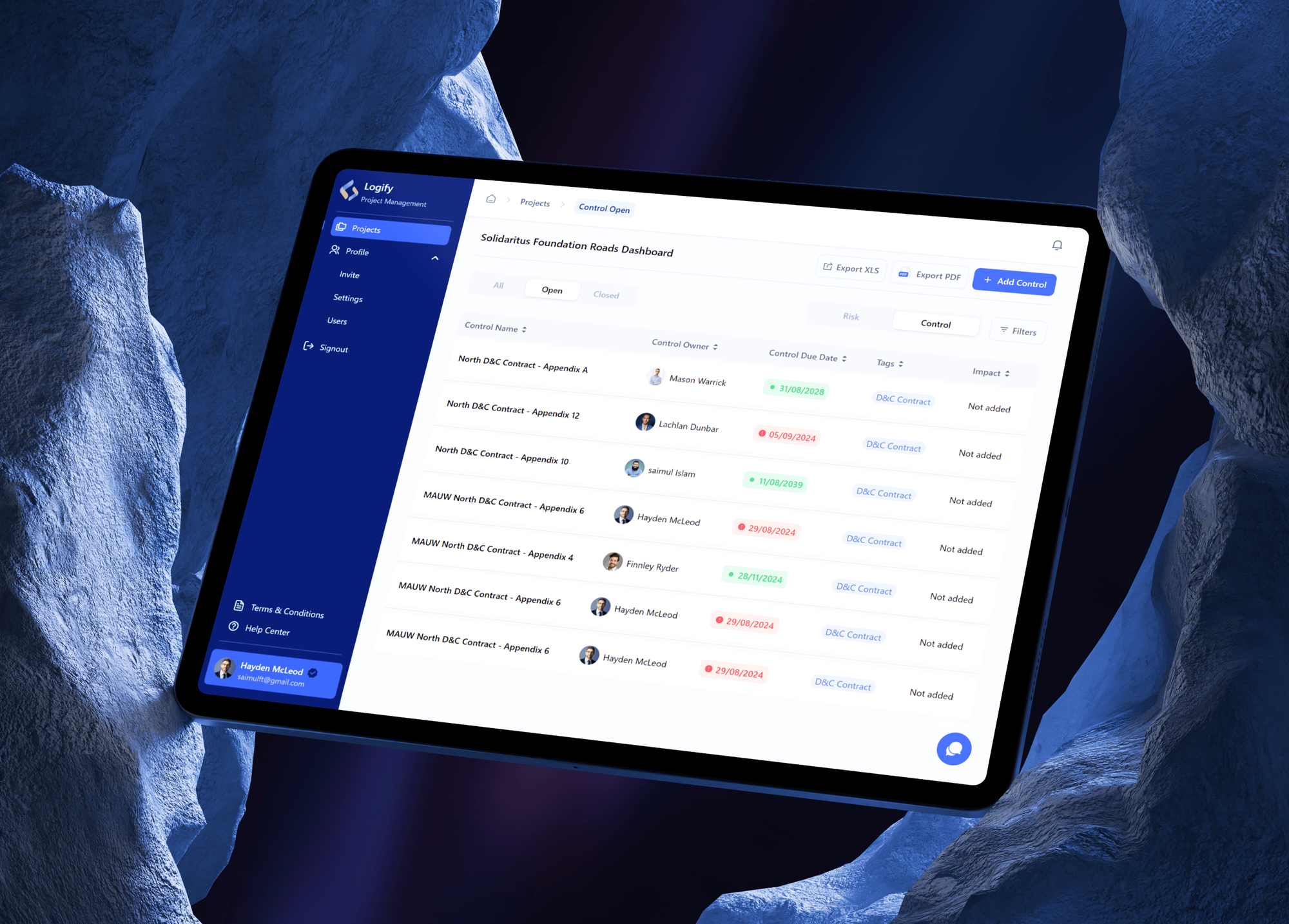
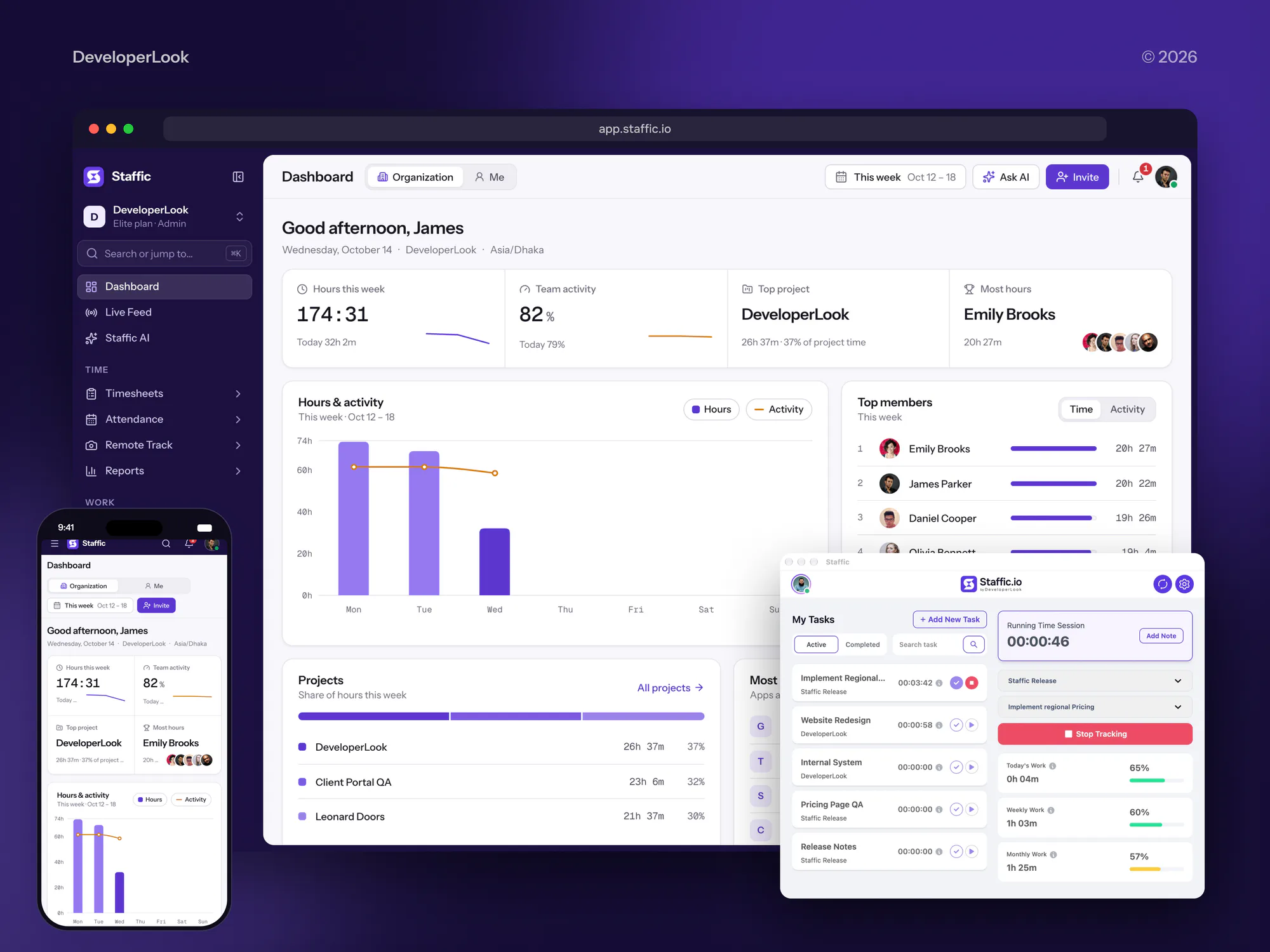
None of these is a brokerage platform. They show the tracking dashboards, scheduling tools, and web apps that a freight brokerage system is built from.


What Our Clients Say
Feedback from teams we have built dashboards, web apps, and operations software for.
We had a pretty specific idea of what we wanted our website to become, but I wasn’t sure how easily we could explain all of it to a development team. There were quite a few moving parts, and we were working toward a deadline, so I expected a few things to get lost along the way. That never really happened. They understood what we were trying to achieve, kept us updated throughout the process, and got everything ready within the agreed timeline. The final site feels much easier to navigate, works beautifully on mobile, and is noticeably smoother for our customers. It was a huge relief seeing the original idea actually turn into the website we had in mind.
The mobile experience is probably my favourite part of the new site. We had spent a lot of time making sure the desktop version looked right, and the team kept pushing us to think about how everything would actually feel on a phone too. They were right. The navigation is clean, the interactions feel natural, and everything we’ve tested so far works exactly as it should. They also went through the links, forms, integrations, and other details more than once before launch, which I really appreciated. And even after going live, we could still reach out when something came up. The whole process felt friendly, organised, and surprisingly straightforward.
What I appreciate most is that the website is actually easy for us to manage now. We can update content ourselves instead of sending a developer a message every time we need to change something small. They also paid attention to the technical SEO side, which mattered to us because we didn’t want a new website to create problems for the traffic we already had. I’ve probably asked more questions than I should have since launch, but every question has been handled patiently and without any fuss. The team is easy to work with, they explain things clearly, and when we need something changed, they focus on getting it done rather than making the process complicated.
1,250+
Projects shipped
10+
Years of experience
Top 3%
Upwork Top Rated Plus
5 stars
Average review score
1,250+
Projects shipped
10+
Years of experience
Top 3%
Upwork Top Rated Plus
5 stars
Average review score

Want results like these?
Tell us what you are building. You get a reply within 24 hours on business days, then a written estimate.
Work Culture
Brokerages run on thin margins and busy phones. These habits keep your project honest about cost, careful with live loads, and useful to the reps who work in it all day.
Before designing anything, we watch your reps cover real loads on a busy day. Your screens then match your office, not a vendor demo.
We test on a copy of your loads and run the new system beside the old one, so your shippers and carriers shouldn't notice the switch.
Carrier bank details and W-9s sit behind role-based access with an audit log. Only the people who pay your carriers can change remit-to details.
If an off-the-shelf broker TMS already covers your case, we'll tell you before we quote. Custom work pays off only where your workflow is your edge.
Every phase has a written scope and a fixed price before work starts. You won't get surprise hourly invoices halfway through your build.
Your code, database, and hosting accounts are yours from the first sprint. No per-seat license grows every time you hire another rep.
Overview
DeveloperLook builds custom freight broker software for brokerages that have outgrown spreadsheets or a generic TMS. We build the load record, carrier onboarding and checks, rate confirmations, tracking with POD capture, and billing with carrier settlement. Projects start at $1,300, run 5 to 16 weeks, and you own the code and data.
DEVELOPERLOOK
Project facts · Freight Broker Software Development
Reviewed 28 Oct 2026 by Saimul Islam
Good fit
Brokerages outgrowing spreadsheets and email
Your team books loads from a shared spreadsheet and inbox, and every POD hunt now costs a rep an afternoon.
Brokers whose TMS fights their workflow
Your truck brokerage software charges per seat, can't model your accessorials, and still makes reps re-type load details before billing.
Fast-growing brokerages adding carrier reps
You're hiring carrier reps every quarter, and each new seat adds cost without fixing handoffs between desks.
Accounting teams chasing PODs and quick pay
Your accounting team holds invoices until someone finds the signed POD, then re-keys every bill into QuickBooks Online or Xero by hand.
Agencies building tools for logistics clients
Your agency has a brokerage client who needs a carrier portal or DAT posting, built under your name.
Not a fit
You need a sales CRM
You mainly need to track shippers, lanes, and quotes until they book. Our CRM for Freight Brokers page covers that, next to the TMS you run.
You dispatch your own trucks
You're an asset carrier dispatching your own drivers rather than brokering loads. Our Trucking Dispatch Software page is built around drivers, equipment, and hours of service.
Budget under $1,300
Your budget for a first phase is under $1,300. A subscription broker TMS costs less to start, and we'll say so if it fits your volume.
Only a website needed
You need a site that wins shippers and carrier sign-ups, not software. Our Logistics Company Website Design page fits better.
Not sure we're the right fit?
Book a free call or message us. We'll tell you honestly whether we're the right team.
Pricing
These are starting points in USD. Your final price depends on your desks, modules, and connected systems, and you get a fixed proposal after a free desk review.
For Agencies
You own the client relationship. We supply the engineering for the brokerage software your logistics clients run daily. Load records, carrier portals, and documentation arrive under your brand, ready for your team to support.
White label: your client only ever sees your brand
Send the client's load flow, current tools, and goals, and we scope it with you.
You get a fixed proposal under your brand and a named team for the build.
We build, test with real loads, and hand over code and docs for your support.
Send the client's load flow, current tools, and goals, and we scope it with you.
You get a fixed proposal under your brand and a named team for the build.
We build, test with real loads, and hand over code and docs for your support.
The Right Technology for Your Project
We pick tools brokerages can host, audit, and hire for, then connect them to the load board and accounting systems your desks already use every day.
 React
 Next.js
 TypeScript
 Node.js
 PostgreSQL
 AWS
 Docker
 Twilio
 QuickBooks
 Xero
 Google Sheets
 Slack
Related Services
Brokerage CRM, dispatch, delivery, and moving software from the same logistics team, plus the accounting sync that closes each load cleanly.
This page
Freight Broker Software Development
Pairs with the 6 services around it
FAQ
Straight answers on cost, timelines, carrier checks, load boards, accounting, and choosing between a custom build and an off-the-shelf broker TMS.
Saimul IslamFounder & CEO, DeveloperLookStill have questions?
Send a message or book a call with the team.
A custom brokerage system from DeveloperLook starts at $1,300 for a load tracker module with rate confirmations and POD capture. A full platform with carrier checks, billing, and accounting sync starts at $4,300. Multi-office builds with portals start at $8,700. You get a fixed quote after a free desk review, with no per-seat fees later.
A single module such as a load tracker takes 5 to 7 weeks. A full platform for every desk usually takes 10 to 16 weeks: desk review, design, two-week build sprints, and a parallel run with your live loads. Connecting DAT or a legacy TMS can add time, and the proposal says so up front.
A brokerage system, often called a broker TMS, is the software you use to book, track, bill, and settle each load. It holds the tender, the booked carrier, the rate confirmation, tracking, the BOL and POD, your invoice, and the carrier payment. Ours keeps all of it on one load record, so each step updates the next.
The best broker system is the one that fits your load volume, modes, and back office. Off-the-shelf products such as Aljex, Tai TMS, or McLeod suit many brokerages and cost less to start. A custom build makes sense when per-seat fees keep climbing or no product handles your accessorials and agent splits.
A CRM is the core tool for generating broker leads, because it tracks shippers, lanes, and quotes until they book. Pair it with shipper data and your own lane history. Our CRM for Freight Brokers page covers that setup. Your brokerage system then feeds it closed-load history, so reps call about lanes you already run well.
Yes, DAT publishes APIs for posting loads, so your brokerage system can post and remove loads without anyone re-typing them. Access depends on your DAT subscription and DAT's approval of the integration, which we apply for with you. Each posting comes off the board when your rep books a carrier.
Freight broker accounting software tracks what each shipper owes you and what you owe each carrier on the same load. Ours creates your invoice when the POD arrives and sets the carrier payable with quick pay fees or factoring remit-to details. Both sync to QuickBooks Online or Xero, and your margin per load updates as each side posts.
Brokerage software checks a carrier's operating authority and insurance status before your rep can send a rate confirmation. We use FMCSA's public carrier data or a vetting service you already license. Lapsed insurance, inactive authority, or a changed remit-to address blocks the booking until someone with the right role reviews it.
Yes, if your current freight broker TMS software has an API or database access we can reach, we can build around it. Common add-ons are a carrier portal, a POD upload link, or margin reports. If your TMS is closed, you get a phased move instead, starting with the module that saves your team the most hours.
You own everything: the source code, the database with your loads, carriers, and customers, and the hosting accounts. We set it up in your AWS account, document it, and hand over admin access at launch. You get 60 days of post-launch support, then you can keep us on a care plan or hand it to any developer.
Saimul IslamFounder & CEO, DeveloperLookStill have questions?
Send a message or book a call with the team.
Free 30-min callGoogle Meet
Book a call
In 30 minutes on Google Meet we walk you through how we would build it, how long it takes and what it costs. Then you get a written estimate.
Calendar not showing? Book on cal.com or send a brief.