
Online registration form
A short, mobile-friendly form customers reach from a QR code on the box or from your website.

For product brands with paper cards and scattered records: one online registration flow that captures every owner, serial, and receipt, from $1,350.
24/7
Self-serve owner registration
100%
Registrations in one record
How your project runs
Teams we have built for:














The Problem
Most brands learn who owns their products only when something breaks. By then the serial number, the receipt, and the purchase date are scattered or gone.
01 · Paper cards
Paper cards rarely come back, and some get lost in the mail.
A QR code on the box opens a short online registration page.
02 · Scattered data
Registrations sit in a spreadsheet, an inbox, and old cards.
Each registration lands in one customer record synced to your CRM.
03 · Slow claims
Support can't find the serial number or purchase date.
Staff search by serial or email and see the warranty end date.
04 · Retail buyers
Customers who bought from a retailer are invisible to you.
Registration captures the retailer and receipt, so every owner gets a record.
Your box still ships with a paper registration card. A few come back by mail, some customers email photos of receipts, and most don't register at all. The ones who do land in a spreadsheet nobody owns. When a customer calls about a broken unit, support can't find the serial number or the purchase date. Buyers from retailers don't exist in your store data. And if a safety notice ever has to go out, you don't know who owns which model.
We start with what you need at claim time: serial number, model, purchase date, and where it was bought. Then we build a registration page customers reach from a QR code on the box, with a receipt upload. Each registration lands in one customer record, synced to your CRM or email tool. Support finds warranty status with one search, and you know who owns which model when a notice has to go out.
Serial and receipt capture
Serial number, model, purchase date, and a receipt photo collected in one short form.
One record per owner
Store buyers and retailer buyers in the same customer record, synced to your tools.
Owners you can reach
Contact lists by model and batch, ready if a safety notice or recall goes out.
Our Product Registration and Warranty Portal Process
You approve the fields, the flow, and the wording, then register real products yourself before the portal goes live for customers.
We look at your current cards, forms, and where registrations end up today. You get a field list, a recommended setup (form, portal, or full platform), and a fixed quote for the build.
What's Included
Every product registration solution we build covers the form, serial checks, receipt uploads, owner records, CRM sync, and an admin view, sized to your volume.
Compare Options
Off-the-shelf registration software works for many brands, and a form builder is the cheapest start. Here's where each fits and where records fall apart.
| Feature | DeveloperLookBest fit | Registration SaaS | Form builder |
|---|---|---|---|
| Planning | Fields mapped to claim needs | Vendor's standard fields | Fields you add yourself |
| Serial checks | Checked against your list | Often included | Format checks only |
| Retailer buyers | Captured with receipt | Usually supported | Manual review |
| Customer logins | Product list and warranty dates | Depends on the plan | None |
| Data sync | Your CRM, store, and ERP | Built-in connectors | Zapier or exports |
| Setup speed | 2 to 10 weeks | Days to weeks | Same day |
| Ownership | Code and data you own | Monthly subscription | Data in the form tool |
| Cost | From $1,350, fixed scope | Recurring subscription | Free or low monthly fee |
Projects We've Built
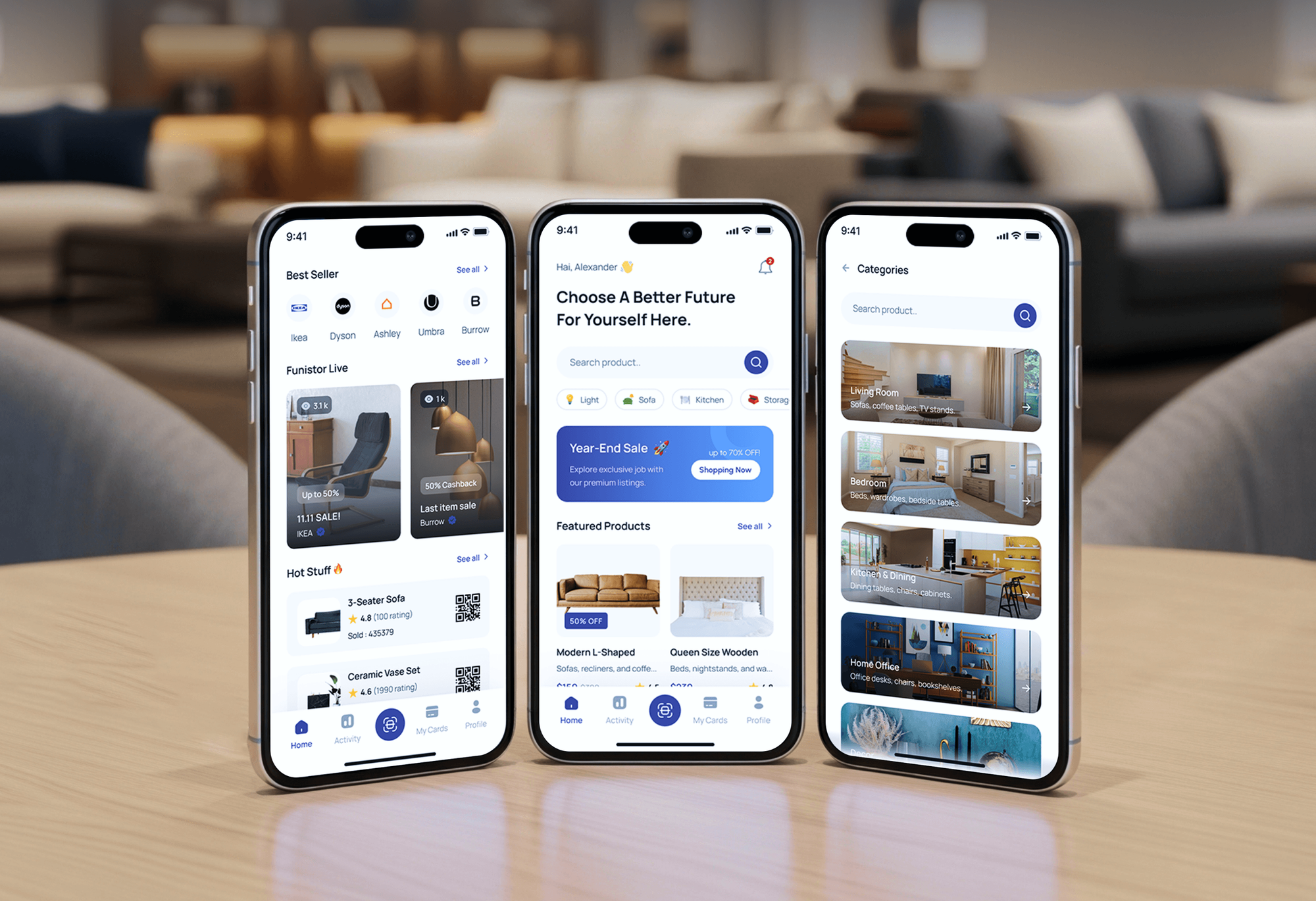
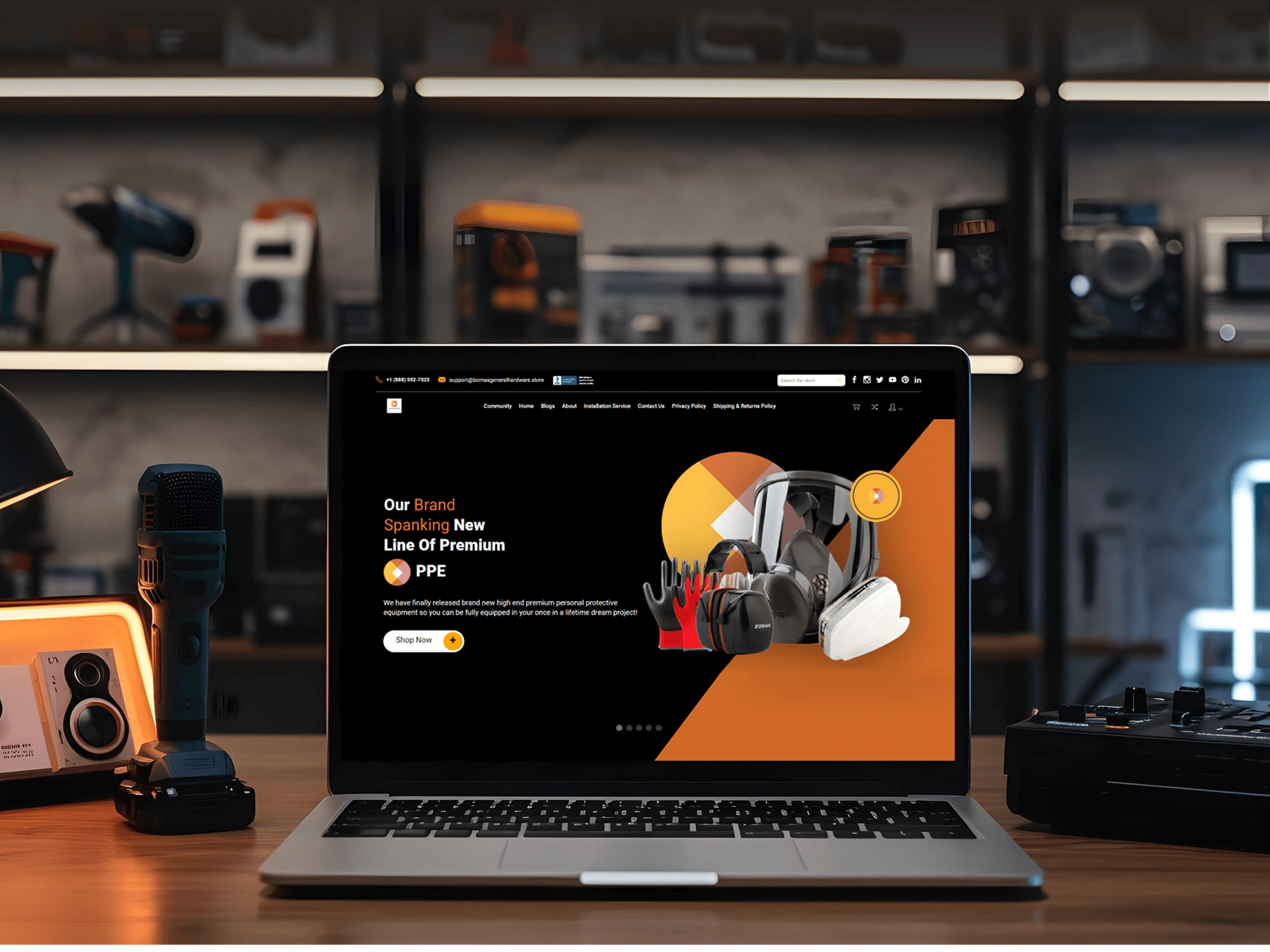
Furniture and hardware stores, apps, and admin dashboards our team designed and built, with the customer accounts and admin views a registration portal grows from.


What Our Clients Say
Feedback from teams we have built websites, portals, and dashboards for.
We had a pretty specific idea of what we wanted our website to become, but I wasn’t sure how easily we could explain all of it to a development team. There were quite a few moving parts, and we were working toward a deadline, so I expected a few things to get lost along the way. That never really happened. They understood what we were trying to achieve, kept us updated throughout the process, and got everything ready within the agreed timeline. The final site feels much easier to navigate, works beautifully on mobile, and is noticeably smoother for our customers. It was a huge relief seeing the original idea actually turn into the website we had in mind.
The mobile experience is probably my favourite part of the new site. We had spent a lot of time making sure the desktop version looked right, and the team kept pushing us to think about how everything would actually feel on a phone too. They were right. The navigation is clean, the interactions feel natural, and everything we’ve tested so far works exactly as it should. They also went through the links, forms, integrations, and other details more than once before launch, which I really appreciated. And even after going live, we could still reach out when something came up. The whole process felt friendly, organised, and surprisingly straightforward.
What I appreciate most is that the website is actually easy for us to manage now. We can update content ourselves instead of sending a developer a message every time we need to change something small. They also paid attention to the technical SEO side, which mattered to us because we didn’t want a new website to create problems for the traffic we already had. I’ve probably asked more questions than I should have since launch, but every question has been handled patiently and without any fuss. The team is easy to work with, they explain things clearly, and when we need something changed, they focus on getting it done rather than making the process complicated.
1,250+
Projects shipped
10+
Years of experience
Top 3%
Upwork Top Rated Plus
5 stars
Average review score

Want results like these?
Tell us what you are building. You get a reply within 24 hours on business days, then a written estimate.
Work Culture
Registration data outlives the launch it started with. These habits keep it accurate, fair to collect, and useful when a claim or a notice comes in.
Under the FTC's warranty guidance, a full warranty can't require a returned registration card. We word your page so registration stays optional where it must be.
If a well-built form and your CRM cover your needs, we'll tell you before quoting a portal. Portals earn their cost when owners and claims grow.
We collect the fields your claims and notices use, and nothing more. Fewer fields mean more finished registrations and less personal data to protect.
Customers register on a phone, standing next to the product. The QR code, the form, and the receipt upload all get tested on small screens.
We test with your real serial numbers, model names, and receipt photos. Typos, duplicates, and old formats get caught before customers find them.
The portal, its code, and every registration belong to your business. There's no per-registration fee to us and no lock-in when you change tools.
Overview
DeveloperLook builds a product registration solution for brands that sell direct and through retailers. We create the registration page, serial and receipt checks, customer product lists, and CRM sync. Projects start at $1,350, take 2 to 10 weeks, and the portal and its data belong to you.
DEVELOPERLOOK
Project facts · Product Registration and Warranty Portal
Reviewed 7 Oct 2026 by Saimul Islam
Good fit
Brands still using paper cards
Your boxes ship with paper registration cards, and you want online product registration software customers can reach from the box.
Brands selling through retailers
Your sales happen mostly at retailers or on Amazon, so your store data shows only a fraction of the people who own your products.
Shopify brands with warranties
You sell on Shopify and want Shopify product registration tied to customer accounts and order history, not a separate form.
Support teams handling claims
Your support team spends each warranty claim hunting for a serial number, a receipt, and a purchase date across inboxes.
Agencies building for manufacturers
Your agency builds websites for manufacturers and needs a product registration system delivered under your own brand.
Not a fit
Returns, not registrations
Your real need is handling returns and RMAs after purchase. Our Shopify Returns Portal Development service builds that workflow instead.
Account pages only
You only want orders and products shown in Shopify customer accounts. Our Shopify Customer Accounts Customization service covers that smaller job.
Budget under $1,350
Your budget is under $1,350 and you get a few registrations a month. A form builder connected to your CRM will do the job without serial checks.
Warranty terms not written
You still need your warranty terms written or reviewed. A lawyer drafts those, and we build the registration flow around the final wording.
Not sure we're the right fit?
Book a free call or message us. We'll tell you honestly whether we're the right team.
Pricing
These are starting points in USD. Your final price depends on logins, serial checks, claims, and integrations, and you get a fixed proposal after a free registration review.
For brands replacing paper cards or a basic form with one online registration page.
$1,350one-time, USD
For brands that want owners to log in, see their products, and check warranty status.
$3,900one-time, USD
For brands with retailer sales, several product lines, and warranty claims to manage.
$8,400one-time, USD
For Agencies
You own the client relationship. We supply the build behind your clients' registration flow: forms, serial checks, customer portals, and CRM sync. It's delivered under your brand, with the code and data handed to your client.
White label: your client only ever sees your brand
Send the client's products, serial formats, and the tools they already use.
You get a field list, a build plan, and a fixed price to resell.
Portal tested with real serial numbers before your client sees it.
Specs, demos, and team guides go out under your agency's name.
Forms, portals, admin views, and APIs built by one team.
A price set by fields, logins, claims, and integrations.
Extra hands when a client launch lands in a busy month.
The Right Technology for Your Project
We build on standard web tools and connect to the CRM and store you already run, so registrations land where your team works.
 React
 Next.js
 TypeScript
 Tailwind CSS
 Node.js
 PostgreSQL
 AWS
 Supabase
 HubSpot
 Salesforce
 Shopify
 WordPress
 Zapier
 Google Sheets
FAQ
Straight answers on whether registration is required, what to collect, Shopify and GoHighLevel setups, integrations, cost, and timelines.
Saimul IslamFounder & CEO, DeveloperLookStill have questions?
Send a message or book a call with the team.
A registration page with DeveloperLook starts at $1,350, with serial, model, and purchase date fields, a receipt upload, a confirmation email, and CRM sync. Customer logins, serial checks, and an admin view start at $3,900. Claims, retailer purchase matching, recall lists, and ERP sync start at $8,400. Hosting runs on your own account, billed by the provider.
A registration page takes 2 to 3 weeks, including QR codes and CRM sync. A portal with customer logins and serial checks takes 4 to 6 weeks. Adding claims, retailer matching, and ERP sync takes 6 to 10 weeks, because each connected system needs its own tests with real records.
No, not for a full warranty. The FTC's guide to the Magnuson-Moss Warranty Act calls a required registration card an unreasonable duty under a full warranty. A limited warranty can require registration if its terms say so clearly. Many brands keep it optional and offer something useful in return, such as faster claims.
Yes, registering a product is usually worth the few minutes it takes. It puts your purchase date on file, speeds up warranty claims, and lets the maker reach you about a recall. For baby gear covered by CPSC rules, makers may use that registration data only for safety alerts or recalls.
Yes, if you want recall notices and faster service, because a receipt only proves where and when you bought. Registration links the serial number to your contact details, so the brand can find you and your warranty without a search. Keep the receipt too, since some warranty claims still ask for it.
Off-the-shelf software fits brands with standard products and few integrations. A custom build fits when you need your own serial formats, retailer purchases, logins tied to your store, or ERP sync. We compare both during the free review and recommend the software when it covers your case, even though that means a smaller job for us.
Yes, with a registration page or portal connected to your Shopify customer records. Shopify Flow can react when a customer or order is created, and registration details can live in customer metafields. Owners who bought from a retailer get a customer record too, so every owner sits in one list.
A registration page should ask only for what claims and notices need: name, email, model, serial number, purchase date, and where it was bought. A receipt upload helps with retail purchases. Durable infant products under CPSC rules allow only name, address, phone, email, model, and manufacture date, with no pop-ups or banners.
Warranty providers usually connect to an original equipment manufacturer (OEM) registration system through an API, webhooks, or scheduled file transfers. Each registration sends the serial number, model, purchase date, and owner details, and claim updates flow back. We match serial formats on both sides, so one product doesn't end up with two records.
In GoHighLevel (GHL), the form starts in the Form Builder, with custom fields for model, serial number, and purchase date. Add a file upload for the receipt. Each submission creates a contact on its own. Then build a workflow with the Form Submitted trigger to send a confirmation, tag the contact, and alert support.
Saimul IslamFounder & CEO, DeveloperLookStill have questions?
Send a message or book a call with the team.
Free 30-min callGoogle Meet
Book a call
In 30 minutes on Google Meet we walk you through how we would build it, how long it takes and what it costs. Then you get a written estimate.
Calendar not showing? Book on cal.com or send a brief.