Recovery review
A check of what you send today, which carts get nothing, and where consent is missing.

Abandoned cart recovery for Shopify and WooCommerce: timed email, SMS, and push reminders, consent rules, and real cart tests. Setups from $500.
2X
More carts recovered
3
Timed reminders per cart
How your project runs
Teams we have built for:














The Problem
Your store probably sends something already. The trouble is timing and consent: wrong shoppers get messages, right ones get none, and flows fire after the order.
01 · No email
A shopper leaves before typing an email, so nothing goes out.
Cart and product-view events trigger reminders, not just started checkouts.
02 · Generic reminder
The only reminder is generic and arrives a day later.
Messages carry the real cart and fire at their own timing.
03 · Buyer reminders
Customers who already bought still get the reminder.
Flows check for a placed order before each message goes out.
04 · Unknown results
Your reports can't say which reminders work.
Recovered orders show up in a report you can check.
A shopper fills a cart with skincare, reaches checkout, then gets pulled away before typing an email. Shopify has no address to write to, so nothing goes out. Another shopper did enter an email and got one generic reminder the next day. A third bought an hour later and still got the reminder, then unsubscribed. Every lost cart was traffic you already paid for, and nothing in your reports says which reminders work.
We start with your triggers: checkout, cart, and product-view events, each with its own timing and an exit the moment an order is placed. Your messages carry the real cart, go only to people your consent rules allow, and add SMS where shoppers opted in. We test each flow with real carts before launch, so recovered orders show up in your reports, not complaints in your inbox.
Three triggers, three timings
Your checkout, cart, and product-view reminders each fire at their own time.
Stops the moment they buy
Your flows check for a placed order before each message goes out.
Consent before channels
Email, SMS, and push reach only the shoppers your consent rules allow.
Our Recovery Flow Process
You see which carts get no reminder today, the triggers and timing we propose, and a real test of each flow before launch.
We check what your store sends today: Shopify's default email, a Klaviyo flow, or nothing. You see which of your carts get no reminder, where consent is missing, and what the fix costs. If Shopify's free templates already do the job, we'll tell you before we quote.
What's Included
Every setup covers the recovery review, triggers and timing, messages in your brand, consent rules, live cart tests, and a recovered revenue report.
Compare Options
Your platform's default email is free, and a recovery app adds abandoned cart automation in an afternoon. The gaps show up in timing, consent, and testing.
| Feature | DeveloperLookBest fit | Platform default email | Recovery app |
|---|---|---|---|
| Upfront cost | From $500, fixed scope | Included in your plan | Monthly app fee |
| Setup time | 3 to 20 business days | Under an hour | About a day |
| Triggers covered | Checkout, cart, product views | Templates for all three | Varies by app |
| Messages per cart | Up to 3, timed | Often just one | Template sequence |
| Consent by region | Set per market | Subscribers only by default | App defaults |
| Live testing | Real carts, each flow | Up to you | Rarely included |
| Revenue reporting | Recovered revenue per flow | Basic automation stats | App dashboard |
| Help after launch | 30 to 90 days | Shopify support | App support |
Projects We've Built
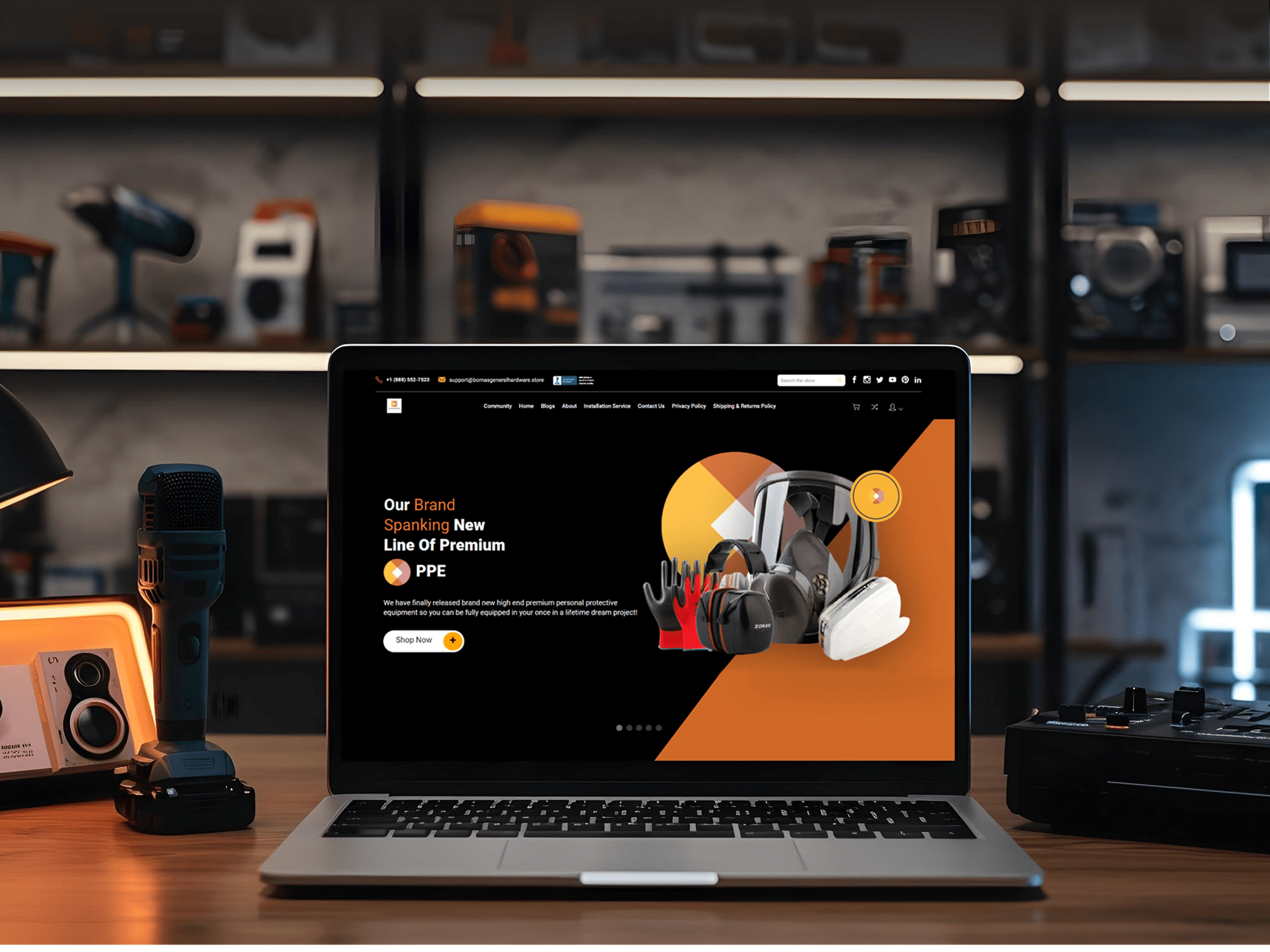
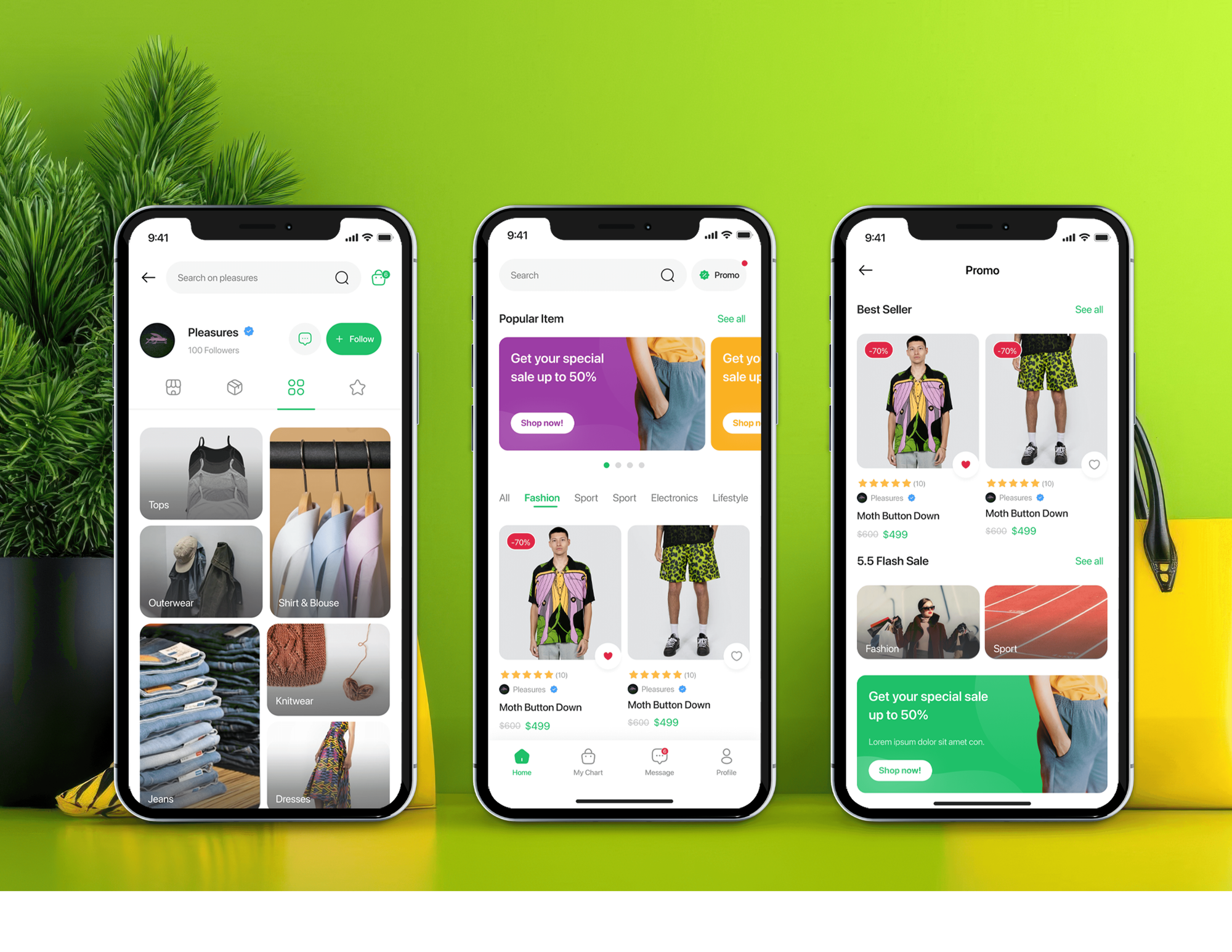
A selection of ecommerce stores we've built and extended. Recovery flows go faster when we already know a store's catalog and checkout.


What Our Clients Say
Feedback from ecommerce teams we have built checkouts, payments, and integrations for.
We were getting plenty of traffic, but far too many people were leaving at checkout. The buying process had simply become too complicated. The team took the time to understand where customers were dropping off, then rebuilt the checkout flow and cleaned up the shopping experience. What I really appreciated was that they didn’t just make the store look better, they actually solved the problems that were costing us sales. The whole store feels faster, simpler, and much easier to buy from now. Exactly what we needed.
We had a different kind of problem. People were visiting the store, adding products to their carts, and then disappearing before they finished the order. We had tried a few apps and made changes here and there, but nothing really seemed to solve the bigger issue. The team went through the shopping experience with us and pointed out things we hadn't really noticed ourselves. They cleaned up the cart and checkout flow, made the mobile experience much smoother, and helped us make the store feel easier to shop. I’m not going to pretend we fixed everything overnight, but it finally feels like the store is helping the sale instead of getting in the way of it.
Our old store was making it way too difficult for people to find products. We had a large catalogue, but the search, filters, and mobile navigation were frustrating customers. The team completely changed how the store handled product discovery and made the experience much easier to use on mobile. I was especially impressed by how much thought went into the customer journey rather than just the visual design. They understood what we were trying to achieve and turned it into a store that actually feels built for our customers. We’re genuinely proud of the result.
1,000+
Projects shipped
10+
Years of experience
Top 3%
Upwork Top Rated Plus
5 stars
Average review score
Work Culture
A reminder that arrives after your customer buys costs you more than it earns. These are the habits we bring to each recovery flow.
A reminder after purchase costs you trust and subscribers. Your flows check for a placed order before each message, and a test purchase proves it.
Klaviyo treats cart reminders as promotional, not transactional. We set who gets email, text, and push by region and consent, so reminders reach only people who agreed.
We abandon carts on your store from desktop and phone, then wait for every message. Timing, items, and the restore link are checked before customers see them.
We report recovered orders per flow against your checkout numbers, not open rates. You see what each reminder earns and where to test next.
If only a few carts are abandoned each week, Shopify's free templates may do. We'll tell you that first, instead of quoting a custom flow you don't need.
Your flows, templates, and subscriber lists stay in your Klaviyo or Shopify account. Nothing depends on our logins after handover.
Overview
DeveloperLook sets up abandoned cart recovery for Shopify, WooCommerce, and BigCommerce stores. We build your checkout, cart, and browse reminders in Klaviyo or Shopify Messaging and add text reminders where shoppers opted in. Each flow stops once an order is placed. Setup starts at $500. A checkout flow launches in 3 to 5 business days, and full programs take up to 4 weeks.
DEVELOPERLOOK
Project facts · Abandoned Cart Recovery Setup
Reviewed 28 Sep 2026 by Saimul Islam
Good fit
Shopify stores on the default reminder
You rely on one generic abandoned checkout email, and shoppers who leave before checkout get no reminder at all.
Stores whose flows misfire
Your recovery flow still emails shoppers after they buy, or sends three messages in an hour, and unsubscribes keep climbing.
WooCommerce and BigCommerce stores
Your WooCommerce or BigCommerce store has no cart report you trust, and unpaid orders pile up with no follow-up.
Brands adding SMS to recovery
You collect SMS consent at checkout and want text reminders that follow carrier rules and only reach shoppers who opted in.
Agencies with retention clients
Your client needs a cart abandonment solution across email and SMS, and you want it built and tested under your brand.
Not a fit
Checkout itself leaks
Your checkout itself loses buyers through slow pages, surprise shipping costs, or missing wallets. Our Checkout Conversion Rate Optimization service fixes that first.
Every Klaviyo flow
You want every Klaviyo flow built, from welcome to win-back. Our Klaviyo Expert Flow Setup service covers the full set.
Klaviyo not installed yet
You still need Klaviyo installed and syncing with your store. Our Klaviyo Shopify Integration service does that groundwork before any flow gets built.
Few abandoned checkouts
Only a handful of checkouts are abandoned each month. Shopify's free templates may be enough, and our $500 setup can wait.
Not sure we're the right fit?
Send a two-line brief. We'll tell you honestly whether we're the right team.
Pricing
These are starting points in USD. Your final price depends on your platform, channels, and number of flows, and you get a fixed proposal after a free recovery review.
For stores adding a proper checkout recovery sequence in Klaviyo or Shopify Messaging.
$500one-time, USD
For stores adding cart, product-view, and SMS reminders with branches by cart value.
$1,150one-time, USD
For WooCommerce or BigCommerce stores, or brands adding push and holdout testing.
$2,350one-time, USD
For Agencies
You own the client relationship. We supply the recovery work: triggers, timing, messages, consent rules, and live cart tests. Everything ships under your brand, with a report your client can read.
White label: your client only ever sees your brand
Send store access, the client's email tool, and their consent setup.
You get the recovery review, a fixed price, and a launch date first.
We build and test every flow, then hand over notes under your brand.
We work under your agency's name through launch and support.
A fixed price per store and a launch date agreed first.
Klaviyo, Shopify Messaging, and WooCommerce flows handled without hand-holding.
Bring one client store or a queue of recovery builds.
The Right Technology for Your Project
We build in the email and SMS tool you already use, such as Klaviyo or Shopify Messaging. Code comes in only where your platform can't track a cart.
 Shopify
 WooCommerce
 BigCommerce
 WordPressShopify MessagingShopify Flow
 Twilio
 Slack
Slack Google Analytics (GA4)
 Google Tag Manager
 Google Sheets
 Hotjar
 JavaScript
 PHP
PHP Node.js
 GraphQL
FAQ
Straight answers on reminder timing, consent, push, WooCommerce, and what recovery setups cost.
 Saimul IslamFounder & CEO, DeveloperLook
Still have questions?
Send a message or book a call with the team.
Our setup starts at $500 for a checkout recovery flow in Klaviyo or Shopify Messaging. Cart, product-view, and SMS reminders with branches by cart value cost $1,150. WooCommerce, BigCommerce, or push programs start at $2,350. Your email or SMS tool bills you separately for sends.
A checkout recovery flow goes live in 3 to 5 business days, including live cart tests. Your cart, product-view, and SMS flows take 1 to 2 weeks, since SMS consent and a sending number come first. WooCommerce or BigCommerce programs with push and holdout tests take 3 to 4 weeks.
Cart recovery is the automated follow-up that brings back shoppers who left items behind. On Shopify, a checkout counts as abandoned 10 minutes after the shopper enters an email and leaves. A flow then sends timed reminders by email, text, or push, and stops as soon as they buy.
Start at the source, then recover the rest. Baymard Institute's research names extra costs like shipping, tax, and fees as the top reason shoppers leave, so show them early. Then add timed reminders for the carts that still get away. Our Checkout Conversion Rate Optimization service handles the source side.
Klaviyo recommends 2 or 3 messages for a recovery flow. Send the first 2 to 4 hours after your shopper leaves and the second 20 to 48 hours later. Each one is skipped once an order comes in. Text reminders are stricter: in the US, Klaviyo allows one SMS per shopper, within 48 hours.
No, Klaviyo lists abandoned cart messages as promotional, not transactional. Shopify's Messaging automations also email subscribers only by default, though its abandoned checkout email can be switched to all customers. US cart texts need explicit consent and double opt-in, so we set each flow's audience by region.
Web push can reach a shopper after they close your tab, often faster than email, but only if they allowed notifications. On iPhone, Apple's WebKit supports it only for sites added to the Home Screen, on iOS 16.4 or later. So push works best as a third channel beside email and SMS.
Divide completed checkouts by carts started, then subtract that from 1. Shopify's Conversion rate breakdown report shows your sessions that added to cart and those that completed checkout. You can run the math per week or per device. We track it before and after launch to measure recovery.
Because most carts don't turn into orders. Baymard Institute puts the average documented abandonment rate at 70.22%, based on 50 studies. Each abandoned cart is a shopper you already paid to attract, so recovering even a few of them adds revenue without new ad spend.
WooCommerce has no cart report. Unpaid orders show under Orders as Pending payment, and block checkout drafts sit on a Draft tab that WooCommerce clears daily. For abandoned cart recovery, WooCommerce 11.0 added an experimental reminder, one email per order and off by default. Most stores use AutomateWoo's Carts screen instead.
Saimul IslamFounder & CEO, DeveloperLookStill have questions?
Send a message or book a call with the team.
30-min strategy callGoogle Meet
Book a call
Pick a 30-minute slot that works for you. We meet on Google Meet to align on goals, scope, and the right next step.
