

Process and state map
Every step, handoff, wait, and exception written down and approved before any agent is built.

For operations and product teams handing a whole multi-step process to AI: specialist agents, one orchestrator, and a person approving anything that spends money or changes records.
24/7
Multi-step work keeps moving
100%
Risky actions approved first
How your project runs
01 · FreeTeams we have built for:














The Problem
It shows up when a process spans several systems, several people, and several days. One agent can answer a question, but nobody planned how the work moves, waits, recovers, or gets approved.
Lost context
The agent forgets a case when a reply arrives days later.
Lost context
Each case keeps its state in a database, so long waits and restarts lose nothing.
Retry storms
Failed tool calls repeat until the rate limit stops them.
Retry storms
Retries follow set limits with backoff, and stuck cases go to a person.
Silent changes
A bank detail change gets marked verified without a human.
Silent changes
Money and record changes stop at an approval step with the full context attached.
No trace
Nobody can explain why the agent took an action.
No trace
Every plan, tool call, and approval is logged and can be replayed step by step.
Your supplier onboarding takes nine steps across email, the ERP, a compliance check, and two approvers. You tried an AI agent, and it handled step one nicely. Then it lost track when a supplier replied three days later. It retried a failed API call until it hit the rate limit. Once, it marked a bank detail change as verified without asking anyone. Now nobody trusts it with the steps that matter, so people run the whole process by hand again and check the agent too.
We start by mapping the process as a set of states, not a chat. An orchestrator holds the state of every case, specialist agents handle one stage each, and the work survives restarts and long waits. Steps that spend money or change records stop at a person for approval. Each run gets a step and spend budget, plus a full trace you can replay. The process runs on rails, not on hope.
Process mapped as states
Every case moves through named states, so the system knows what happened and what comes next.
People approve risky steps
Payments, record changes, and customer messages wait for a named person to approve them.
Every run can be replayed
Each run keeps a full trace of plans, tool calls, and approvals for review and debugging.
Our Agentic AI Development Services Process
You approve the process map, the approval rules, and the scenario results before anything touches live systems. Shadow runs come before go-live, so you see real decisions without real risk.
We walk through one process end to end: the steps, systems, people, and the places it goes wrong today. You get an honest view of whether agents fit, which steps should stay manual, and a fixed price for the pilot.
What's Included
The full agentic system around your process: the state map, the orchestrator and agents, the tools they may call, the approval queue, and the tests that prove it before go-live.
Compare Options
A workflow builder suits fixed, predictable steps, and an in-house team suits a company ready to staff agent work for years. Here is where each one fits once a process needs judgment and approvals.
| Feature | DeveloperLookBest fit | Workflow builder | In-house team |
|---|---|---|---|
| Process design | States, handoffs, and approvals mapped | You design the flow yourself | Depends on team experience |
| Judgment steps | Agents read, decide, and escalate | Fixed if-then rules | Strong once the team matures |
| Long waits | Cases resume after days | Good for scheduled waits | Built for each process |
| Approvals | Queue with full case context | Basic approval steps | Built from scratch |
| Testing | 30+ scenarios before go-live | Manual test runs | Grows with the team |
| Starting cost | From $1,450, fixed scope | Lowest, a monthly subscription | Salaries plus hiring time |
| Simple fixed flows | Pilot in 3 to 4 weeks | Fastest for fixed steps | Months to hire |
| Ownership | Code and prompts are yours | Tied to the platform | Yours from day one |
Projects We've Built
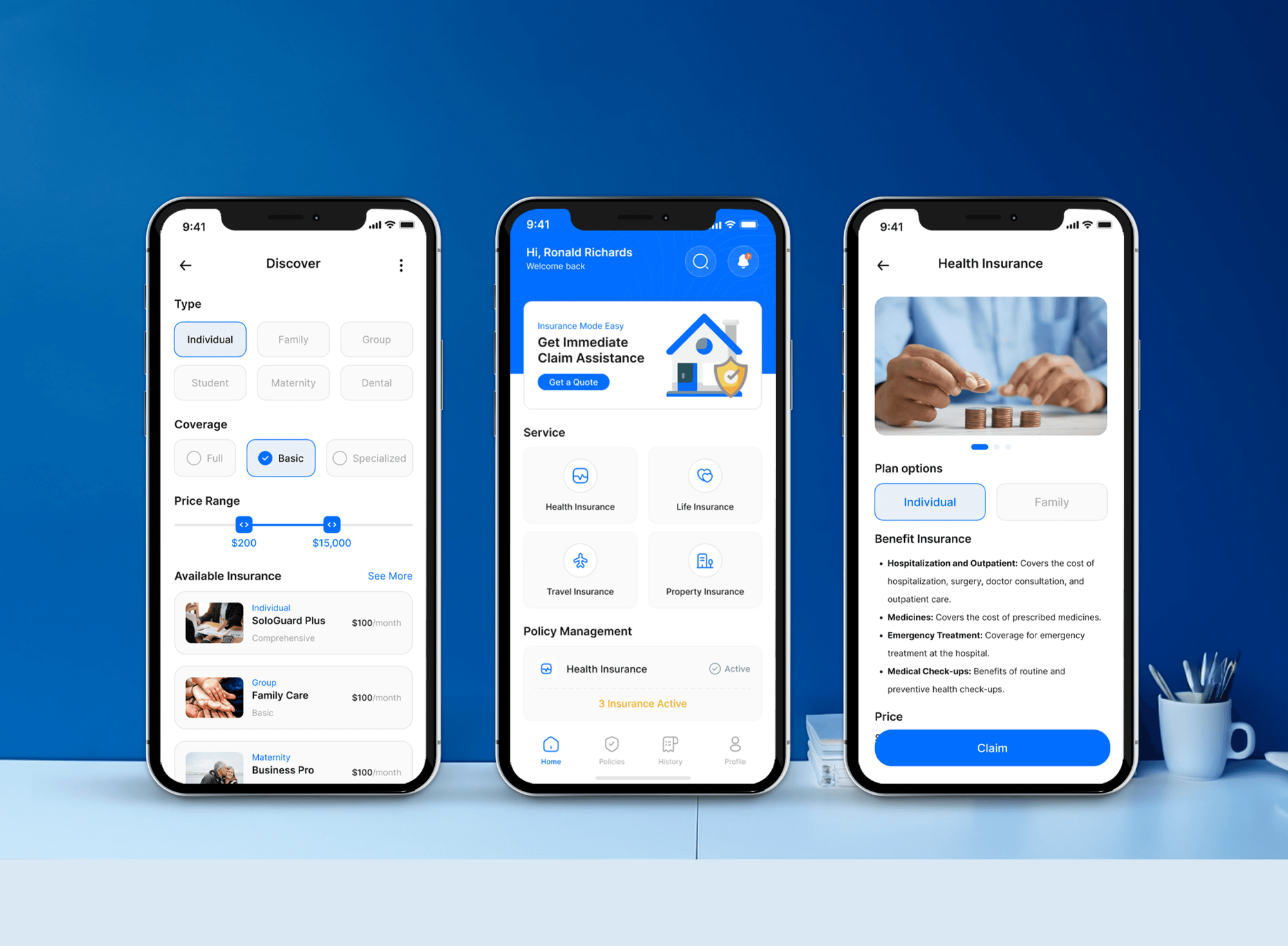
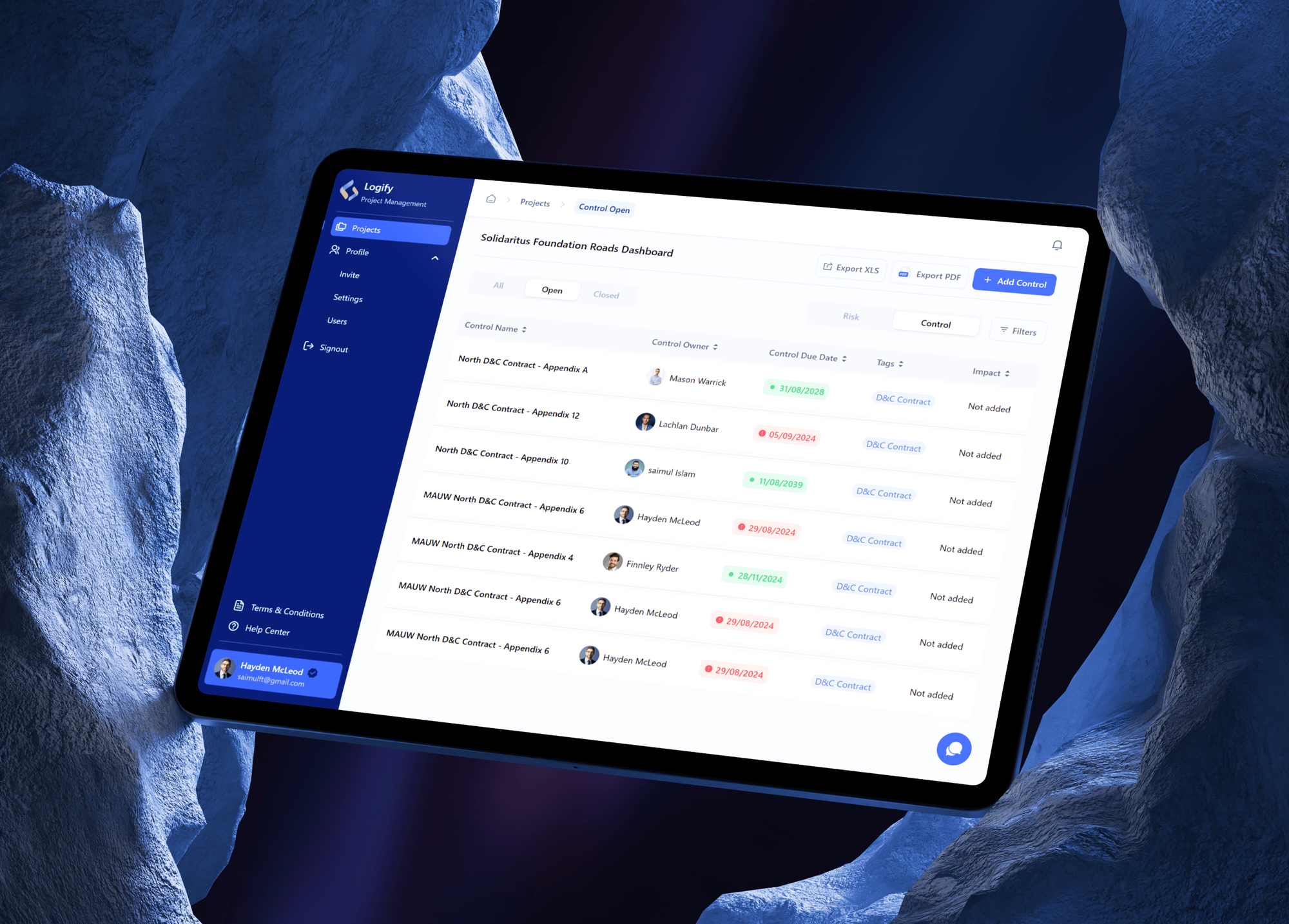
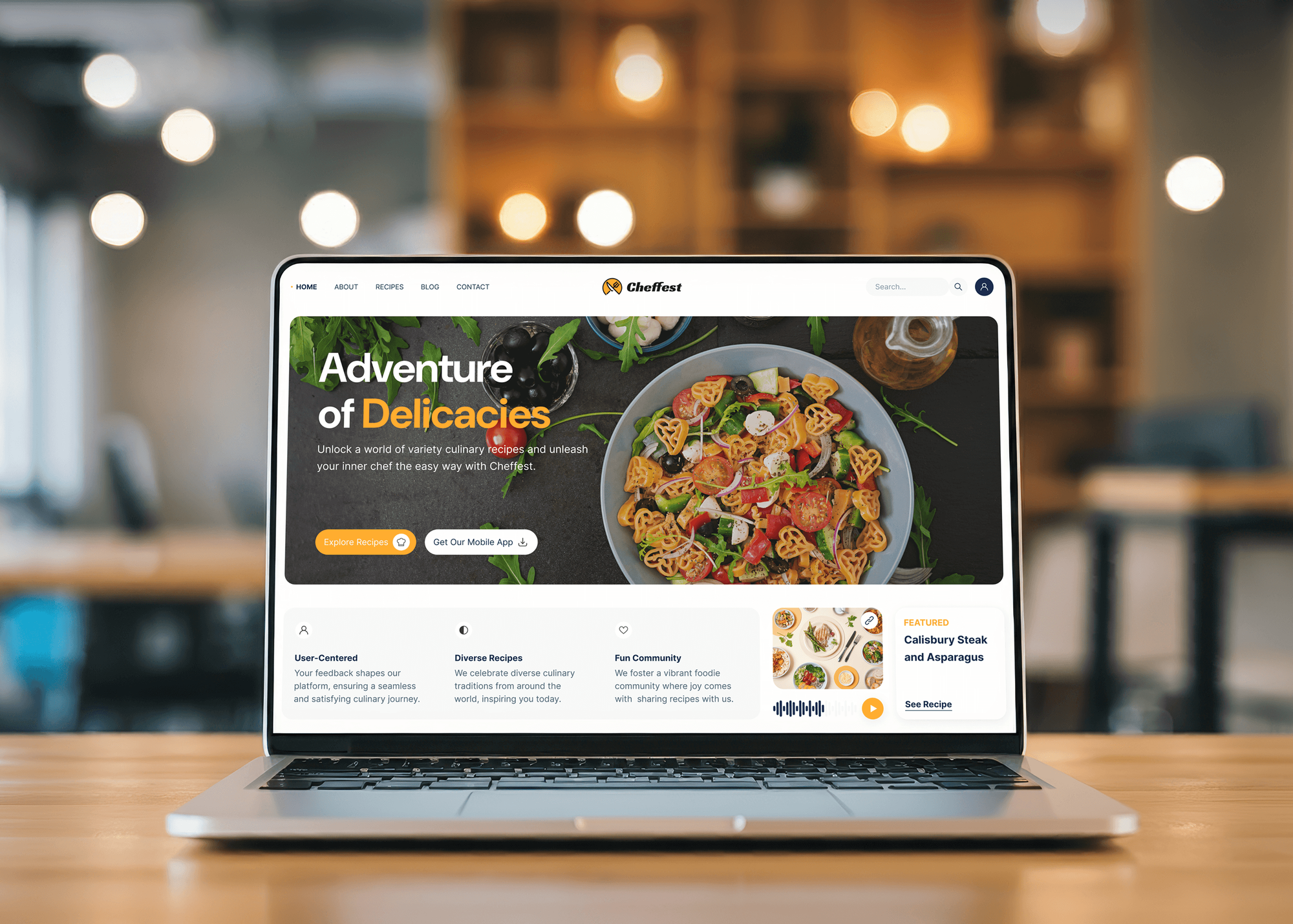
Workflow platforms we designed and built, from insurance claims to project controls and restaurant operations. They show the systems agents act in, not agent builds.

What Our Clients Say
Feedback from teams we have built apps, platforms, and websites for.
We had a pretty specific idea of what we wanted our website to become, but I wasn’t sure how easily we could explain all of it to a development team. There were quite a few moving parts, and we were working toward a deadline, so I expected a few things to get lost along the way. That never really happened. They understood what we were trying to achieve, kept us updated throughout the process, and got everything ready within the agreed timeline. The final site feels much easier to navigate, works beautifully on mobile, and is noticeably smoother for our customers. It was a huge relief seeing the original idea actually turn into the website we had in mind.
The mobile experience is probably my favourite part of the new site. We had spent a lot of time making sure the desktop version looked right, and the team kept pushing us to think about how everything would actually feel on a phone too. They were right. The navigation is clean, the interactions feel natural, and everything we’ve tested so far works exactly as it should. They also went through the links, forms, integrations, and other details more than once before launch, which I really appreciated. And even after going live, we could still reach out when something came up. The whole process felt friendly, organised, and surprisingly straightforward.
What I appreciate most is that the website is actually easy for us to manage now. We can update content ourselves instead of sending a developer a message every time we need to change something small. They also paid attention to the technical SEO side, which mattered to us because we didn’t want a new website to create problems for the traffic we already had. I’ve probably asked more questions than I should have since launch, but every question has been handled patiently and without any fuss. The team is easy to work with, they explain things clearly, and when we need something changed, they focus on getting it done rather than making the process complicated.
1,250+
Projects shipped
10+
Years of experience
Top 3%
Upwork Top Rated Plus
5 stars
Average review score
1,250+
Projects shipped
10+
Years of experience
Top 3%
Upwork Top Rated Plus
5 stars
Average review score

Want results like these?
Tell us what you are building. You get a reply within 24 hours on business days, then a written estimate.
Work Culture
Teams often look for agentic AI system developers because of the clever planning demos. They stay with us because the boring parts hold up: state, limits, approvals, and a trace for every action.
We agree with you which actions need a person before we write code. Money, records, and customer messages stop at an approval step until you decide otherwise.
Each run gets a cap on steps, tokens, and spend. A case that hits a limit goes to a person instead of looping quietly through your API quota.
If a fixed workflow in n8n or Zapier already covers your case, we'll tell you before we quote. Agents earn their cost only where steps need judgment.
Our scenario suites include prompt injection in emails and documents, missing data, and conflicting instructions. We fix what breaks before go-live, not after a customer finds it.
Every plan, tool call, and approval is stored with the inputs behind it. When someone asks why the system did something, you can show them in minutes.
Code, prompts, scenario suites, and cloud accounts belong to you from the first commit. You can run, change, or move the system without us.
Overview
DeveloperLook provides agentic AI development services for teams handing multi-step processes to AI. We map the process as states, build an orchestrator and specialist agents, scope their tools, add approval queues and spend limits, and test 30 full scenarios. Pilots start at $1,450 and take 3 to 4 weeks, production takes 6 to 12 weeks, and you own the code.
DEVELOPERLOOK
Project facts · Agentic AI Development Services
Reviewed 28 Oct 2026 by Saimul Islam
Good fit
Operations teams with multi-day processes
Your onboarding, claims, or order exception process spans several systems and waits days for replies, and staff spend hours chasing each case.
Companies past their first AI agent
Your first single-task agent works, and now you need agentic AI systems that coordinate several steps without losing track of open cases.
Product teams adding an agent layer
Your engineers need agentic AI software development services to add supervised agents to your own product, with scenario tests your team can run.
Regulated teams that need approvals
Your auditors ask who approved each change, so any AI that touches money or customer records must log a named approver every time.
Agencies selling AI automation
Your clients want agentic workflows, and you need senior engineers to build and test them under your brand while you run the account.
Not a fit
One task, one agent
You need one agent for one repeatable job, such as qualifying leads. AI Agent Development Services covers single-task agents at a smaller scope.
Fixed steps, no judgment
Every step in your process follows fixed rules with no reading or judgment. Our n8n Developer and Consultant page covers that for less than an agent build.
Fully unsupervised payments
You want agents to move money or sign contracts with no human review at all. We build approval steps into those actions, so this isn't the right fit.
Budget under $1,450
Your budget is under $1,450 for the whole project. Start with a single-task agent or a workflow tool, then grow once the process proves itself.
Not sure we're the right fit?
Book a free call or message us. We'll tell you honestly whether we're the right team.
Pricing
These are starting points in USD. Your final price depends on the number of agents, connected systems, and approval rules, and you get a fixed proposal after a free discovery call.
For Agencies
You own the client relationship. We build the agentic system behind it: process maps, orchestrators, tool connections, approval queues, and scenario tests. The system ships under your brand, and your team leads every client call.
White label: your client only ever sees your brand
Send the client's process, systems, and the steps they want automated.
You get the state map, approval rules, and a fixed build price.
We deliver under your brand, with scenario reports and a runbook.
Send the client's process, systems, and the steps they want automated.
You get the state map, approval rules, and a fixed build price.
We deliver under your brand, with scenario reports and a runbook.
The Right Technology for Your Project
We pick agent frameworks and durable workflow tools to suit the process, keep every tool scoped, and choose models by scenario results.
 OpenAI Agents SDK
 Claude Agent SDKOpenAIAnthropic Claude
 Google Gemini
 Meta Llama
 PostgreSQL
 Python
 TypeScript
 Slack
 Salesforce
 HubSpot
 Zendesk
Related Services
Pair agentic systems with single-task agents, the language model layer, sales agents, fixed workflows, and the MCP server your agents call tools through.
This page
Agentic AI Development Services
Pairs with the 6 services around it
FAQ
Straight answers on what agentic AI is, how it works, cost, timelines, challenges, and ethics.
Saimul IslamFounder & CEO, DeveloperLookStill have questions?
Send a message or book a call with the team.
Agentic AI means AI systems that pursue a goal across several steps instead of answering one prompt. They plan, call tools such as APIs or databases, check the results, and decide what to do next. The term agentic artificial intelligence covers everything from one agent with tools to several agents sharing a process, usually with limits and human checkpoints.
Agentic AI works in a loop of planning, acting, and checking until the task is done or a limit is hit. The model reads the goal and current state, picks an action, calls a tool, and reads the result. In business systems, an orchestrator stores each case's state, so work can pause for replies or approvals and resume days later.
Our agentic projects start at $1,450 for a sandbox pilot of one multi-step process. A Production Agentic System with up to 4 agents and an approval queue starts at $4,400, and a Multi-Agent Operations Platform starts at $9,300. Your model provider bills usage directly, and the fixed quote follows the free process review.
A sandbox pilot takes 3 to 4 weeks from the first call, including the process map and 30 scored scenarios. A production system takes 6 to 12 weeks in total, because shadow runs on real cases come before go-live. Processes with many systems or strict approval rules sit at the longer end of that range.
An agentic AI system is software in which AI agents work toward a goal with tools, case memory, and rules on what they may do. A typical setup has an orchestrator that tracks state, specialist agents for each stage, scoped API access, and an approval queue for risky actions.
Agentic AI development is the engineering that turns a business process into a supervised multi-agent system. It covers mapping the process, designing tools and permissions, writing agent instructions, storing state, adding approvals and limits, and testing complete scenarios. A good agentic AI development company spends as much time on failure handling as on the agents.
The main challenges are reliability over many steps, safe tool access, and cost control. Small errors compound across a long run, so we test full scenarios rather than single answers. Tools need tight permissions, prompt injection hidden in emails or documents must be caught, and every run needs a step and spend limit to stop runaway loops.
The core ethical considerations are accountability, transparency, and privacy. A named person should own every high-impact action, so agents propose and people approve when money, jobs, or customer records are involved. People affected should know when AI acted, decisions should be traceable, and agents should see only the data their task needs. NIST's AI Risk Management Framework is a useful reference.
We won't rank competitors, but strong agentic AI teams share traits you can check in one call. They show real scenario reports, explain how agents get permissions, describe their approval and rollback design, and hand you the code. When you hire agentic AI developers, ask what happens when a tool call fails halfway through a case.
Agentic AI fits into software development as reviewed help, not unsupervised commits. Agents can triage bug reports, draft tests, open pull requests for small fixes, or update documentation, while your CI pipeline and code reviewers stay the gate. We connect these agents to GitHub or GitLab with narrow permissions and require human review before anything merges.
Saimul IslamFounder & CEO, DeveloperLookStill have questions?
Send a message or book a call with the team.
Free 30-min callGoogle Meet
Book a call
In 30 minutes on Google Meet we walk you through how we would build it, how long it takes and what it costs. Then you get a written estimate.
Calendar not showing? Book on cal.com or send a brief.