
Hosting and data plan
A written choice of vendor API, cloud model service, or self-hosted model, with monthly costs for each.

For product and engineering teams putting language models into real software: the right model, hosted where your data rules allow, behind one gateway you control.
2+
Models behind one gateway
100%
Requests traced and costed
How your project runs
01 · FreeTeams we have built for:














The Problem
It shows up when a prototype meets a security review, a cloud bill, or a second model. The demo called one vendor's API with one key, and production asks questions the demo didn't have to answer.
Data location
Nobody knows where customer text goes after the API call.
Data location
Hosting follows your data rules: a vendor API, your cloud account, or your own servers.
Hardcoded prompts
Prompts sit inside the code, so every tweak needs a release.
Hardcoded prompts
Prompts live outside the code, versioned and tested before any change goes live.
Vendor outage
One provider outage takes the whole feature offline.
Vendor outage
The gateway sends requests to a backup model when the main provider fails.
Unknown cost
Nobody can say what a single request costs.
Unknown cost
Every request is traced with tokens and cost, rolled up by feature and customer.
Your team wired a language model into the product in two weeks, and the demo landed. Then security asked where customer text goes after the API call, and nobody had an answer. The prompts live in a string inside the code, so every tweak is a release. One provider outage last Tuesday took the feature down with it. Finance can't say what a single request costs, and legal wants European customer data kept in the EU. Each fix so far is a patch on the demo, and the next model upgrade could break all of them.
We start with the hosting decision, because it shapes everything after it. Your data rules, volume, and response time targets decide where the model runs: a vendor API, your own cloud account, or your own GPUs. Then we put a gateway between your app and every model, version the prompts, and trace each request with its cost. Models change every few months, so your app is built to change with them, not to be rebuilt each time.
Hosting chosen by data rules
Vendor API, your own cloud account, or a self-hosted model, picked by your data rules and cost.
Models scored on your tasks
Candidate models run on real prompts from your product, with cost and response time side by side.
Every request traced
Each call logs its prompt version, model, tokens, cost, and response time, so problems surface early.
Our LLM Development Services Process
You approve the hosting choice, the scored prototype, and the cost estimate before we build. After launch, every prompt or model change is tested before it reaches your users.
We go through the use case, the data involved, your cloud setup, and any rules on where data may live. You get an honest read on whether a language model fits, the main cost drivers, and a fixed price for the prototype.
What's Included
The whole language model layer of your product: where the model runs, how requests reach it, how prompts change safely, and how you see cost and quality once real users arrive.
Compare Options
A freelancer suits a single prompt or a small proof of concept, and an in-house team suits years of daily model work. Here is how an LLM development partner compares for a first production launch.
| Feature | DeveloperLookBest fit | Freelancer | In-house team |
|---|---|---|---|
| Hosting decision | Written options with monthly costs | Usually the vendor they know | Depends on team experience |
| Model choice | Scored on your real tasks | Often one favorite model | Strong once the team matures |
| Vendor lock-in | Gateway lets you switch models | Calls tied to one vendor SDK | Depends on the architecture |
| Testing | Test set runs in CI | Manual spot checks | Built up over time |
| Data protection | Redaction before every model call | Varies by developer | Set by your security team |
| Starting cost | From $1,250, fixed scope | Lowest for a small prototype | Salaries plus hiring time |
| Time to start | Prototype in 2 to 3 weeks | Can often start this week | Months to hire senior people |
| Ownership | Code, prompts, and keys are yours | Yours if the contract says so | Yours from day one |
Projects We've Built
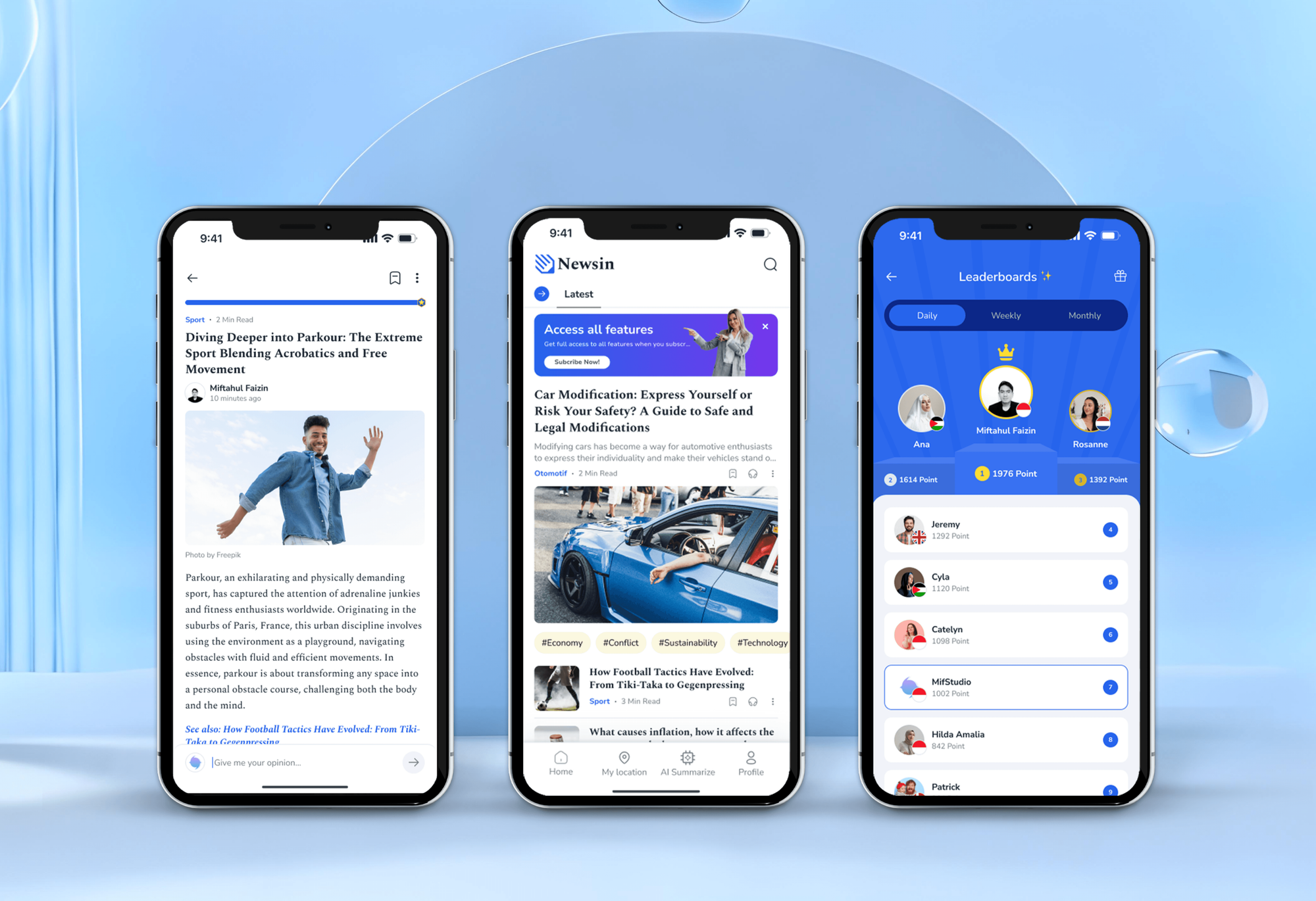
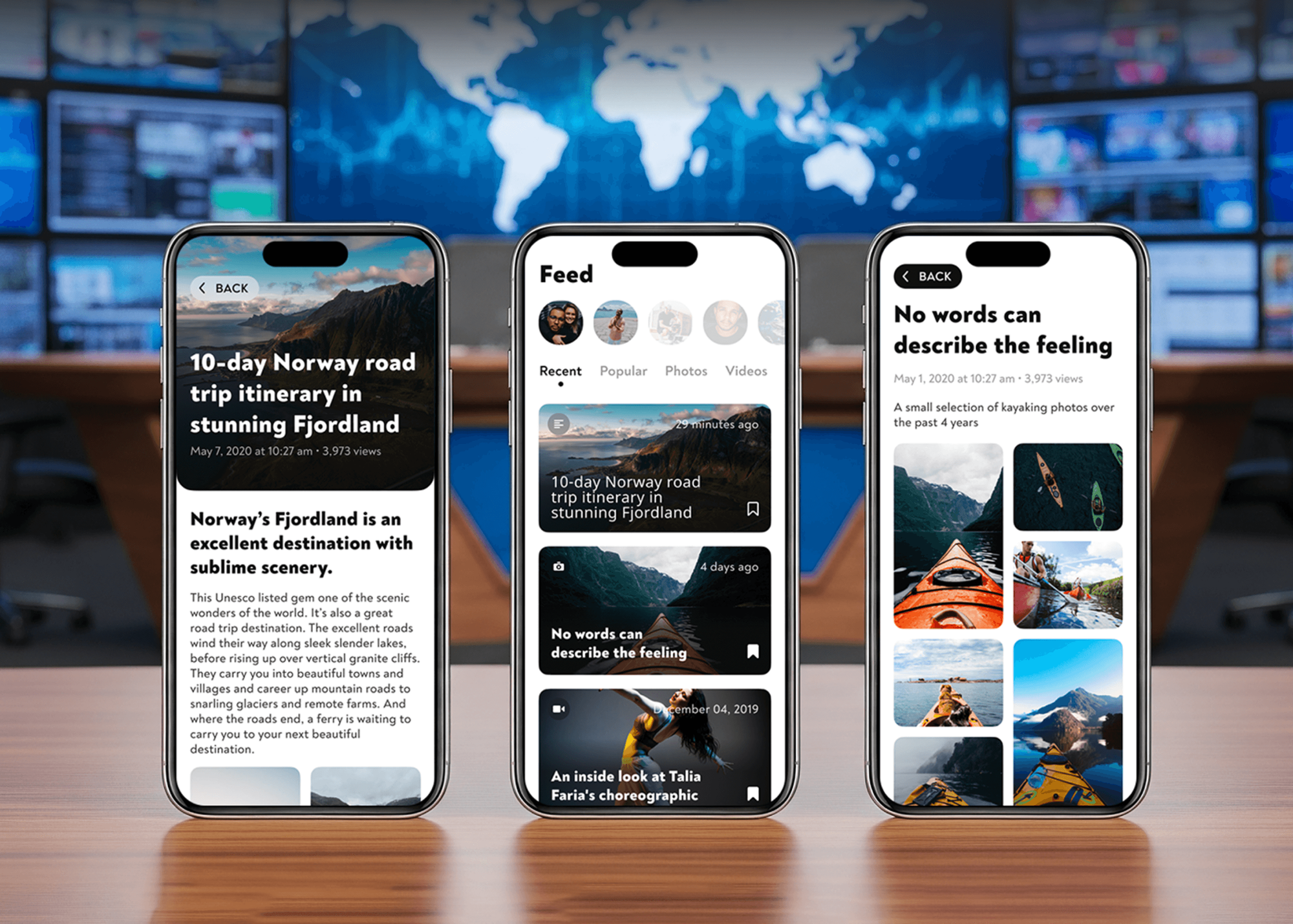
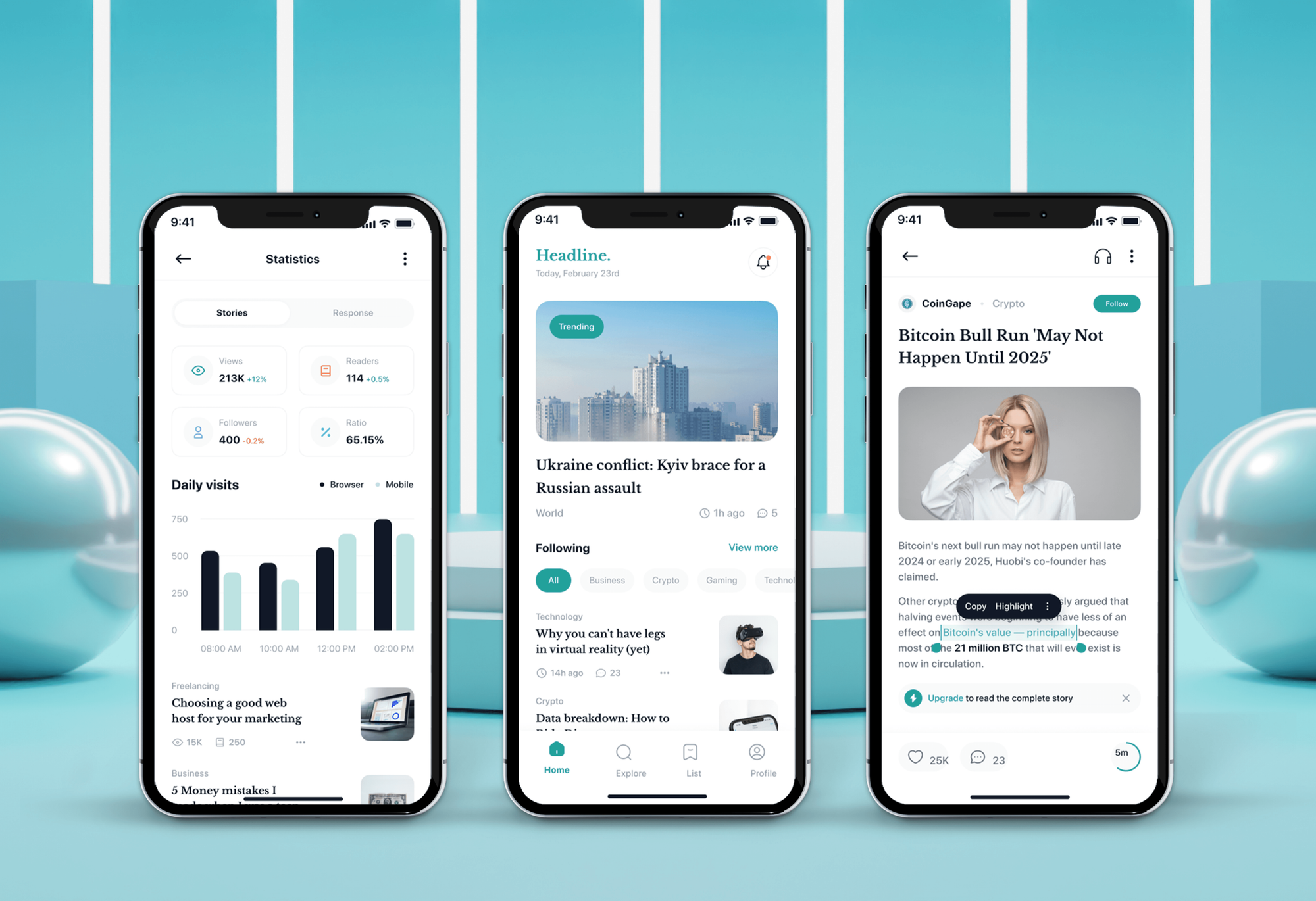
Reading and publishing products we designed and built, including TrueLine with its AI summaries. They show the product side a model layer plugs into, not one LLM build each.

What Our Clients Say
Feedback from teams we have built apps, platforms, and websites for.
We had a pretty specific idea of what we wanted our website to become, but I wasn’t sure how easily we could explain all of it to a development team. There were quite a few moving parts, and we were working toward a deadline, so I expected a few things to get lost along the way. That never really happened. They understood what we were trying to achieve, kept us updated throughout the process, and got everything ready within the agreed timeline. The final site feels much easier to navigate, works beautifully on mobile, and is noticeably smoother for our customers. It was a huge relief seeing the original idea actually turn into the website we had in mind.
The mobile experience is probably my favourite part of the new site. We had spent a lot of time making sure the desktop version looked right, and the team kept pushing us to think about how everything would actually feel on a phone too. They were right. The navigation is clean, the interactions feel natural, and everything we’ve tested so far works exactly as it should. They also went through the links, forms, integrations, and other details more than once before launch, which I really appreciated. And even after going live, we could still reach out when something came up. The whole process felt friendly, organised, and surprisingly straightforward.
What I appreciate most is that the website is actually easy for us to manage now. We can update content ourselves instead of sending a developer a message every time we need to change something small. They also paid attention to the technical SEO side, which mattered to us because we didn’t want a new website to create problems for the traffic we already had. I’ve probably asked more questions than I should have since launch, but every question has been handled patiently and without any fuss. The team is easy to work with, they explain things clearly, and when we need something changed, they focus on getting it done rather than making the process complicated.
1,250+
Projects shipped
10+
Years of experience
Top 3%
Upwork Top Rated Plus
5 stars
Average review score
1,250+
Projects shipped
10+
Years of experience
Top 3%
Upwork Top Rated Plus
5 stars
Average review score

Want results like these?
Tell us what you are building. You get a reply within 24 hours on business days, then a written estimate.
Work Culture
Teams often go looking for one clever prompt. They stay with us for the plumbing that keeps that prompt reliable, affordable, and inside their data rules once real traffic arrives.
We ask where your data may live before we compare models. A model that can't run inside your rules leaves the shortlist, however well it scores.
We place a gateway between your product and every provider. When prices drop or a new model wins your tests, you change a setting instead of your codebase.
If a search index, a rules engine, or a smaller model already covers your case, we'll tell you before we quote. Bigger models cost more on every request.
We trace tokens and cost on every call from the first prototype. You see what each feature and each customer costs before the monthly invoice arrives.
You get a short written update each week with test scores, spend, and the decisions we need from you. Engineers and managers both get answers they can act on.
Model accounts, cloud resources, prompts, and code sit in your name from day one. Nothing depends on our logins once the project ends.
Overview
DeveloperLook provides LLM development services for teams building language models into real products. We choose the model and where it runs, build a gateway with a backup model, version prompts, add redaction, and trace cost per request. Prototypes start at $1,250 and take 2 to 3 weeks, production takes 4 to 10 weeks more, and you own the code.
DEVELOPERLOOK
Project facts · LLM Development Services
Reviewed 28 Oct 2026 by Saimul Islam
Good fit
SaaS teams taking a prototype live
Your language model feature works in a demo, and now you need llm product development that survives security review, real traffic, and the next model release.
Companies with strict data residency rules
Your customers or regulators require data to stay in the EU or inside your own cloud account, so a public API call isn't an option.
Engineering leads short on LLM skills
Your developers are strong, but nobody has shipped LLM application development at scale. You want senior people to set patterns your team will keep.
Startups locked into one vendor
You're two months into llm app development and still on one vendor's SDK, so a price change or an outage hits your margins directly.
Agencies needing a white-label LLM team
Your clients ask for language model features, and you need a senior team to build them under your brand while you keep the relationship.
Not a fit
Training a model from scratch
You want to train your own foundation model on billions of tokens. That needs a research lab and a large GPU budget, not an application build team.
Answers from your documents
Your main need is cited answers drawn from your own documents. RAG Development Services covers retrieval, chunking, and source permissions in more depth.
Agents that take actions
Your system has to plan several steps and act in your tools, such as updating records or issuing refunds. Agentic AI Development Services is built for that.
Budget under $1,250
Your budget is under $1,250 for the whole project. An off-the-shelf AI assistant subscription will likely serve you better until the use case proves itself.
Not sure we're the right fit?
Book a free call or message us. We'll tell you honestly whether we're the right team.
Pricing
These are starting points in USD. Your final price depends on the hosting option, the number of models, and your data rules, and you get a fixed proposal after a free discovery call.
For Agencies
You own the client relationship. We supply the language model engineering behind it: hosting choice, gateway, prompts, tests, and dashboards. Your team presents the work, and we stay out of client calls unless you invite us.
White label: your client only ever sees your brand
Send the client's use case, data rules, and target launch date.
You get a working prototype, scored models, and a fixed build price.
We ship under your brand and hand over code, prompts, and the runbook.
Send the client's use case, data rules, and target launch date.
You get a working prototype, scored models, and a fixed build price.
We ship under your brand and hand over code, prompts, and the runbook.
The Right Technology for Your Project
We choose models by their scores on your tasks and hosting by your data rules, then use open tools so nothing ties you to one vendor.
 OpenAI
 Anthropic Claude
 Google Gemini
 Meta Llama
 Amazon Bedrock
 Azure OpenAI
 Google Vertex AI
 Docker
 Kubernetes
 Python
 TypeScript
 PostgreSQL
Related Services
Pair the language model layer with retrieval over your documents, agents that act in your systems, ChatGPT integrations, and the MCP server AI tools connect through.
This page
LLM Development Services
Pairs with the 6 services around it
FAQ
Straight answers on what LLM development is, cost, timelines, hiring, and choosing models and infrastructure.
Saimul IslamFounder & CEO, DeveloperLookStill have questions?
Send a message or book a call with the team.
LLM development is building software that uses a large language model to read, write, summarize, or classify text inside a real product. The work covers choosing the model, deciding where it runs, writing and versioning prompts, testing outputs on real tasks, and watching cost and quality after launch. It usually builds on existing models from OpenAI, Anthropic, Google, or open-weight families such as Llama.
LLM application development is the engineering around the model: the app, API, or workflow that sends it requests and uses its answers. That includes the gateway that routes requests, retries and fallbacks, checks on outputs, redaction of personal data, caching, and the screens where people review results. The model is often the smallest part of the code, and the part you can swap.
Our LLM projects start at $1,250 for a prototype with a hosting decision and 2 scored models. A Production LLM Application starts at $4,100, and a Private LLM Deployment with a self-hosted open-weight model starts at $8,600. Model usage or GPU hosting is billed by the provider straight to your own account, and you get a fixed quote after the prototype.
Most projects reach a scored prototype in 2 to 3 weeks and production 4 to 10 weeks after that. A feature on a vendor API sits at the short end. Self-hosting an open-weight model takes longer because of GPU setup, load tests, and access controls. We launch behind a feature flag, so users see the feature only once traces look healthy.
An LLM developer is a software engineer who builds products on large language models. Day to day, that means prompt and output design, model APIs, evaluation sets, retrieval, cost tracking, and the backend code that keeps it all reliable. The good ones think like product engineers first, because most failures come from data, latency, and edge cases rather than the model.
Hire for LLM work by testing candidates on a small paid task from your own product, not on general AI trivia. Ask how they would evaluate outputs, handle a provider outage, and keep personal data out of prompts. If you need results in weeks, a team can start now, while a senior full-time hire often takes months. We also coach your engineers during the build.
Score candidate models on your own tasks first, then filter by where each one is allowed to run. Data residency, contract terms, response time, and cost at your volume often matter more than public benchmark rankings. We test 2 to 3 models on real prompts and keep a gateway in place, so the choice can change as models improve.
Three groups provide LLM infrastructure: model vendors, cloud providers, and your own servers. OpenAI, Anthropic, and Google offer models through their APIs. Amazon Bedrock, Azure OpenAI, and Google Vertex AI run major models inside your cloud account. For full control, open-weight models such as Llama run on your own GPUs with serving tools like vLLM.
Ask each candidate to show you a real weekly update before you sign anything. Good partners explain trade-offs in plain English, report test scores and spend in writing, and name the person you will talk to each week. We send a written update every week with scores, costs, open risks, and the decisions we need from you.
We won't rank other firms, but you can test any US shortlist with four questions in one call. Ask to see a past evaluation report, how they keep personal data out of prompts, how they avoid single-vendor lock-in, and who owns the code. DeveloperLook is a US company, and we answer all four in writing before you sign.
Saimul IslamFounder & CEO, DeveloperLookStill have questions?
Send a message or book a call with the team.
Free 30-min callGoogle Meet
Book a call
In 30 minutes on Google Meet we walk you through how we would build it, how long it takes and what it costs. Then you get a written estimate.
Calendar not showing? Book on cal.com or send a brief.