
Architecture and layer choice
A written plan choosing the plain SDK, LangChain's create_agent, or LangGraph for each part of your app.

For teams whose LangChain prototype broke on upgrade, or who are starting an agent: the right framework layer, traced and tested on every change.
50+
Tests rerun on every change
1.x
Current LangChain, versions pinned
How your project runs
01 · FreeTeams we have built for:














The Problem
It shows up when a LangChain prototype meets real users. Package updates break imports, agents misuse tools with no record of why, and the team debates a rewrite instead of shipping.
Broken upgrades
Old LangChain imports break after a package update.
Broken upgrades
Versions pinned on LangChain 1.x, with legacy chains rewritten on current APIs.
Black box
Nobody can see why the agent picked a tool.
Black box
LangSmith traces show each step, prompt, tool call, and cost.
Overbuilt
Simple prompts wrapped in layers of chains and callbacks.
Overbuilt
Layers that don't earn their place come out, and the code stays plain.
Quiet regressions
A prompt tweak fixes one case and quietly breaks others.
Quiet regressions
50+ test cases rerun on every change and block regressions before release.
Your team built a LangChain prototype last year, and it impressed everyone in the demo. Then a package update broke the imports, and the chains it relied on are now legacy. Nobody can tell why the agent picks the wrong tool, because nothing records its steps. Each prompt fix seems to break something else. One engineer wants to rip LangChain out, another wants LangGraph, and the launch date keeps slipping while the debate goes on.
We start by asking whether LangChain still fits your app. For agents that use several tools, models, or steps, LangChain 1.x and LangGraph are actively maintained and worth keeping. For a single prompt, the provider's own SDK is simpler. Then we pin versions, add LangSmith tracing, and build a 50-case eval set that runs on every change. Your team ships on evidence instead of arguing about frameworks.
The right layer for the job
Plain SDK, LangChain agent, or LangGraph graph, chosen by the steps your app really runs.
Traced from the first run
LangSmith traces show every prompt, tool call, and cost while you build and after launch.
Current versions, pinned
LangChain 1.x with pinned packages, and older chains moved onto supported APIs.
Our LangChain Development Services Process
You approve the architecture, the tools the agent may call, and the test cases it must pass. Every build step shows up in traces you can open yourself.
We look at what you're building or what's breaking, and say whether LangChain, LangGraph, or the plain provider SDK fits your app. You get an honest recommendation and a fixed price for the build.
What's Included
Everything a LangChain app needs to survive real users: a clear architecture, working agents and tools, rescued legacy code, tracing, tests in CI, and a clean deployment.
Compare Options
A plain provider SDK suits simple prompt apps, and a freelancer suits a quick prototype. Lists of the best LangChain development companies skip the real question: how each option holds up in production.
| Feature | DeveloperLookBest fit | Plain SDK | Freelancer |
|---|---|---|---|
| Multi-step agents | LangGraph state, retries, and approvals | You build state handling yourself | Depends on their experience |
| Model switching | One interface across providers | Rewrite code for each provider | Often tied to one model |
| Simple apps | We'll say if LangChain is overkill | Simplest option, fewest dependencies | Often adds the framework anyway |
| Tracing | LangSmith traces on every run | Your own logging | Rarely set up |
| Testing | 50+ eval cases in CI | Up to your team | Manual spot checks |
| Upgrades | Pinned versions, planned upgrades | Fewer packages to upgrade | Often left on old versions |
| Cost | From $1,000, fixed scope | Lowest if your team builds it | Lower hourly rate |
| Ownership | Code, evals, and traces are yours | Yours, built in-house | Yours if the contract says so |
Projects We've Built
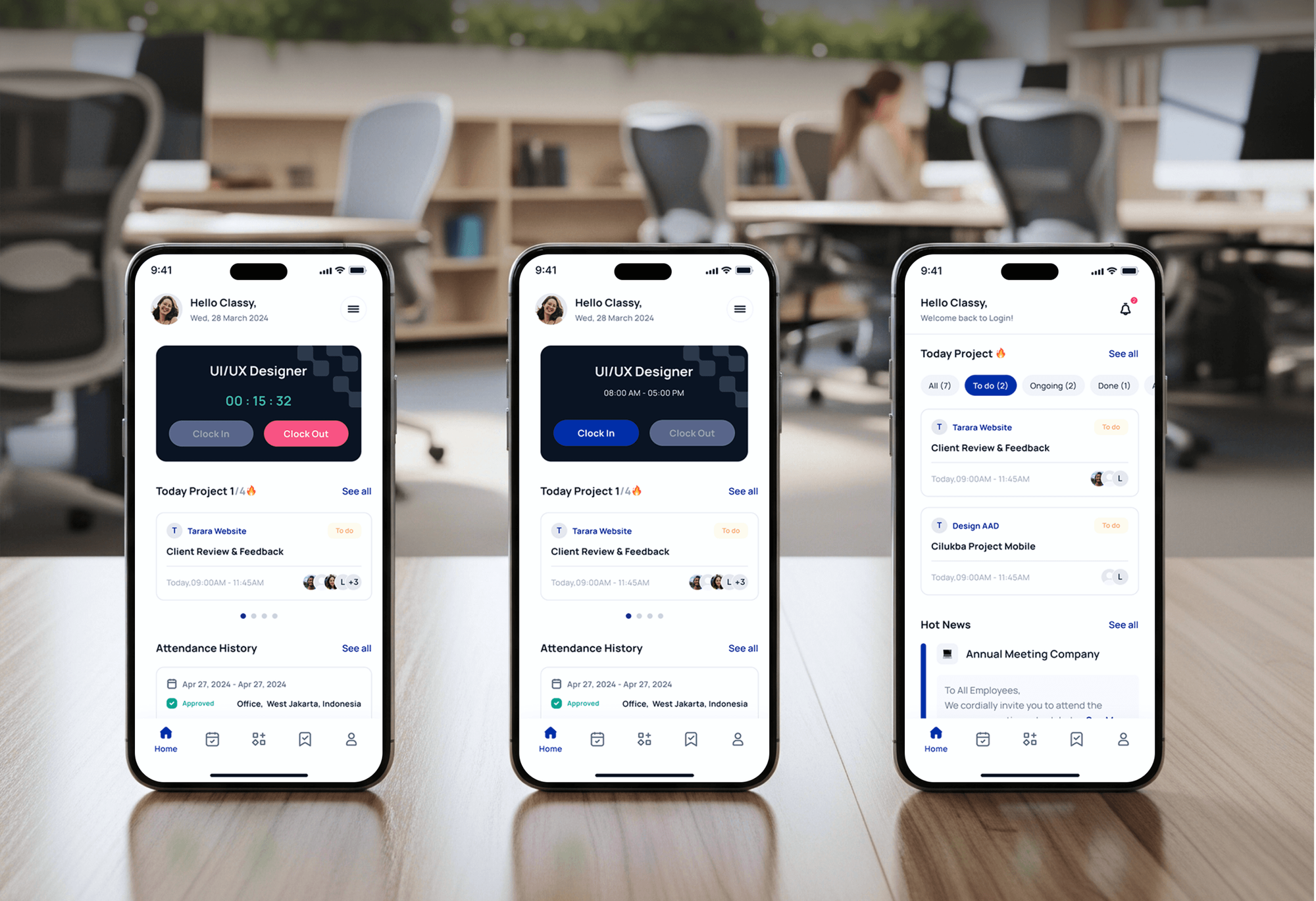
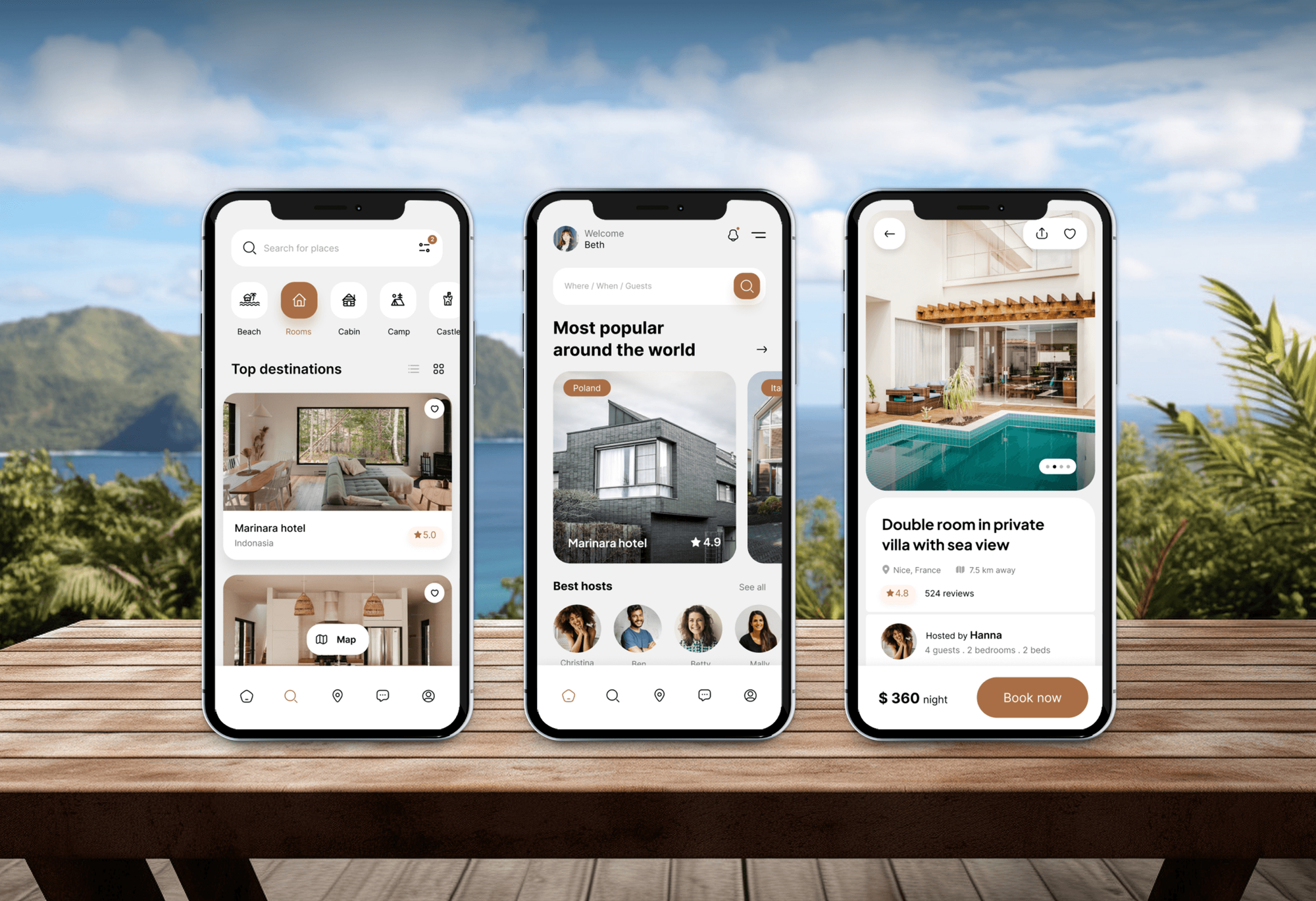
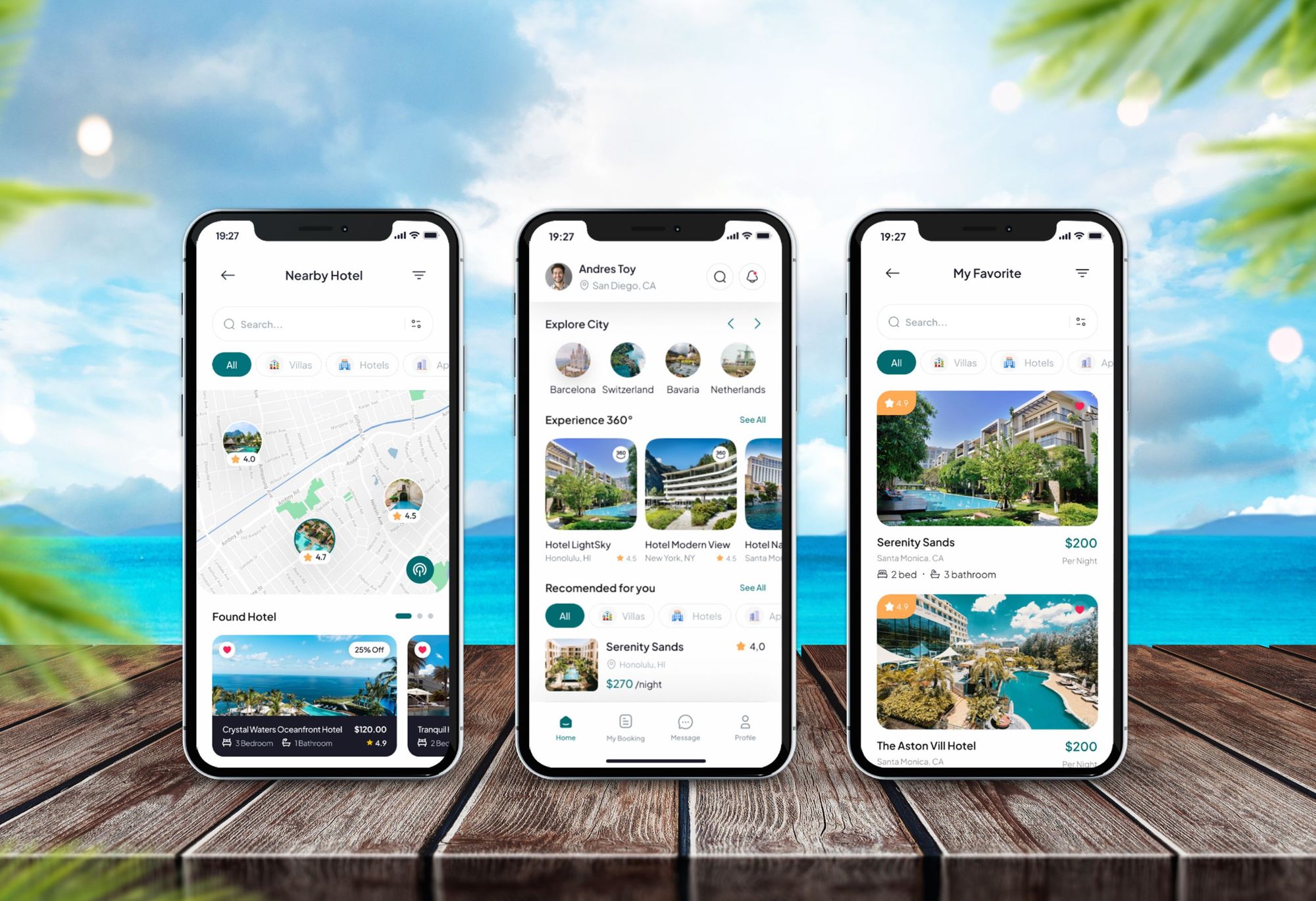
Apps and dashboards we designed and built, with the bookings, records, and actions an LLM agent would call as tools. Product examples, not LangChain builds.
What Our Clients Say
Feedback from teams we have built apps, platforms, and websites for.
We had a pretty specific idea of what we wanted our website to become, but I wasn’t sure how easily we could explain all of it to a development team. There were quite a few moving parts, and we were working toward a deadline, so I expected a few things to get lost along the way. That never really happened. They understood what we were trying to achieve, kept us updated throughout the process, and got everything ready within the agreed timeline. The final site feels much easier to navigate, works beautifully on mobile, and is noticeably smoother for our customers. It was a huge relief seeing the original idea actually turn into the website we had in mind.
The mobile experience is probably my favourite part of the new site. We had spent a lot of time making sure the desktop version looked right, and the team kept pushing us to think about how everything would actually feel on a phone too. They were right. The navigation is clean, the interactions feel natural, and everything we’ve tested so far works exactly as it should. They also went through the links, forms, integrations, and other details more than once before launch, which I really appreciated. And even after going live, we could still reach out when something came up. The whole process felt friendly, organised, and surprisingly straightforward.
What I appreciate most is that the website is actually easy for us to manage now. We can update content ourselves instead of sending a developer a message every time we need to change something small. They also paid attention to the technical SEO side, which mattered to us because we didn’t want a new website to create problems for the traffic we already had. I’ve probably asked more questions than I should have since launch, but every question has been handled patiently and without any fuss. The team is easy to work with, they explain things clearly, and when we need something changed, they focus on getting it done rather than making the process complicated.
1,250+
Projects shipped
10+
Years of experience
Top 3%
Upwork Top Rated Plus
5 stars
Average review score
1,250+
Projects shipped
10+
Years of experience
Top 3%
Upwork Top Rated Plus
5 stars
Average review score

Want results like these?
Tell us what you are building. You get a reply within 24 hours on business days, then a written estimate.
Work Culture
Teams usually come to us with a LangChain prototype that broke or a framework debate that stalled. They stay because every decision shows up in traces and test scores.
We pick between the plain SDK, LangChain's create_agent, and a LangGraph graph for each job. Extra abstraction goes in only when it saves you work later.
LangSmith tracing goes in on the first day, so every run shows its prompts, tool calls, and costs. Bugs get found in a trace, not guessed at.
A 50-case eval set runs on every pull request. Prompt and model changes ship when the scores hold, not when a demo looks good.
We pin LangChain, LangGraph, and provider packages, then upgrade on purpose. Old 0.x code moves to current APIs instead of being patched again and again.
If your app is one prompt and one model, we'll tell you the provider SDK is simpler before we quote. LangChain earns its place with several tools or steps.
The repository, eval sets, and LangSmith project sit in your accounts. Your team can maintain the app or hire LangChain developers elsewhere later.
Overview
DeveloperLook provides LangChain development services for teams building agents and LLM apps, or rescuing older LangChain code. We choose the right layer, build on pinned LangChain 1.x or LangGraph, add LangSmith tracing, and run a 50-case eval set on every change. Projects start at $1,000, and one agent takes 2 to 4 weeks.
DEVELOPERLOOK
Project facts · LangChain Development Services
Reviewed 29 Oct 2026 by Saimul Islam
Good fit
Teams whose LangChain prototype broke
Your prototype ran on an old LangChain version and upgrades broke its imports, so you need a LangChain developer to move it forward.
Product teams building their first agent
Your product needs an agent that calls your own APIs and tools, and you want it built on LangChain with tests from the first day.
Startups weighing LangChain and LangGraph
Your team keeps debating LangChain vs LangGraph for a workflow with approvals, and you want a working answer instead of another spike.
Companies standardizing on MCP tools
Your tools already sit behind MCP servers, and you want LangChain agents that load those tools instead of custom wrappers.
Agencies selling AI builds
Your clients ask for LangChain apps, and you need a LangChain development company that delivers under your brand with traces and tests.
Not a fit
Document search is the job
Your main need is answers from documents with citations. RAG Development Services covers retrieval and scoring, whatever framework sits on top.
A finished agent, any framework
You want a finished business agent, such as an inbox or ticket agent, and don't mind the framework. AI Agent Development Services sells that outcome.
Processes that run for days
Your process runs for days across systems, with approvals and audit needs. Agentic AI Development Services covers that, often on LangGraph or Temporal.
Budget under $1,000
Your budget is under $1,000, or a single prompt does the job. The provider's own SDK is simpler, and we'll tell you so before we quote.
Not sure we're the right fit?
Book a free call or message us. We'll tell you honestly whether we're the right team.
Pricing
These are starting points in USD. Your final price depends on agents, tools, and any legacy code to rescue, and you get a fixed proposal after a free discovery call.
For Agencies
You own the client relationship. We do the LangChain engineering behind it: the architecture call, the agents, the tracing, the eval set, and the deployment. The app ships under your client's name, and your team keeps the conversation.
White label: your client only ever sees your brand
Send the client's use case, tools, data, and any existing LangChain code.
You get the layer choice, an eval plan, and a fixed price.
We deliver under your brand, with code, traces, and tests handed over.
Send the client's use case, tools, data, and any existing LangChain code.
You get the layer choice, an eval plan, and a fixed price.
We deliver under your brand, with code, traces, and tests handed over.
The Right Technology for Your Project
We build on the current LangChain and LangGraph releases, trace with LangSmith, and deploy where your data and team already live.
 OpenAI API
 Claude API
 Gemini API
 Llama
 Python
 TypeScript
 PostgreSQL
 Docker
 AWS
 Google Cloud
 Microsoft Azure
Related Services
Pair LangChain work with the MCP hub, long-running agentic processes, retrieval engineering, finished business agents, and the model platform layer.
This page
LangChain Development Services
Pairs with the 6 services around it
FAQ
Straight answers on what LangChain is, cost, how it works, LangGraph, MCP, licensing, and finding developers.
Saimul IslamFounder & CEO, DeveloperLookStill have questions?
Send a message or book a call with the team.
LangChain is an open-source framework for building apps and agents on top of large language models. It gives one interface to models from OpenAI, Anthropic, Google, and others, plus building blocks for tools, memory, and structured output. Version 1.0 arrived in October 2025 with a simpler agent API built on LangGraph.
LangChain is used for agents that call tools, chat assistants over company data, extraction into structured fields, and workflows that chain several model calls. Teams pick it to switch providers without rewrites and to reuse ready-made integrations. Search over documents usually adds a vector database alongside it.
Our LangChain builds start at $1,000 for one agent or chain with up to 3 tools, LangSmith tracing, and a 50-case eval set. A production LangGraph app or a legacy rescue starts at $3,300, and multi-agent platforms start at $7,000. Model and LangSmith usage bill to your own accounts.
LangChain handles the plumbing between your code and a language model. It formats prompts, calls the model, parses the reply, and runs the tools the model asks for. Its middleware adds personal-data masking, summaries of long conversations, and human approval steps. You write the business logic, and LangChain carries each request through.
LangChain wraps each model, tool, and prompt in a standard interface and runs them in a loop. With create_agent, the model reads the request and picks a tool, LangChain runs it, and the result goes back to the model until it can answer. LangGraph runs that loop underneath, which adds saved state and streaming.
LangChain is the high-level layer for building agents quickly, and LangGraph is the lower-level runtime for stateful workflows. In the LangChain vs LangGraph choice, use create_agent for a standard tool-calling agent. Use LangGraph when you need custom steps, branches, state saved across days, or human approvals.
Yes. LangChain agents can load tools from Model Context Protocol servers, so they call the same MCP tools that Claude or Cursor use. MCP support started in the separate langchain-mcp-adapters package, which has since moved into LangChain itself. We often pair a LangChain agent with an MCP server for your own systems.
Yes, the LangChain and LangGraph libraries are free to use. You still pay for the model APIs your app calls and the servers it runs on. LangSmith, the tracing and evaluation service from the same company, has a free developer plan with usage limits and paid plans for teams.
Yes. LangChain is open source under the MIT license, with its code on GitHub, so you can read it, fork it, and ship it in commercial products. LangGraph is open source too. LangSmith, the hosted tracing and deployment service, is a commercial product, and LangChain apps run fine without it.
Look for developers who show traces and eval results, not just demos. Directories of top LangChain development companies are a starting point, but ask each team how they test prompt changes and handle upgrades. You can also hire LangChain developers through us for a fixed-scope build or rescue.
Saimul IslamFounder & CEO, DeveloperLookStill have questions?
Send a message or book a call with the team.
Free 30-min callGoogle Meet
Book a call
In 30 minutes on Google Meet we walk you through how we would build it, how long it takes and what it costs. Then you get a written estimate.
Calendar not showing? Book on cal.com or send a brief.