


Rules of engagement
A signed document naming the systems, accounts, dates, and limits, so testing stays inside what you authorized.

For teams launching an LLM app or AI agent: we attack it the way abusive users would, show you every break with a replayable transcript, and help you close it.
500+
Attack prompts per run
100%
Breaks saved as transcripts
How your project runs
01 · FreeTeams we have built for:














The Problem
It shows up once real users arrive with patience, creativity, and bad intent. A model that refuses one blunt request often gives in to the tenth rewording, a role-play, or a poisoned web page.
Rewording
A refused request goes through on the tenth rewording.
Rewording
Automated runs try hundreds of rewordings, so the lucky phrasing turns up in testing.
Web pages
Content the agent reads carries instructions it then follows.
Web pages
Indirect injection tests plant instructions in pages, files, and emails the agent processes.
Agent tools
A chat talks the agent into sending email or refunds.
Agent tools
Every tool call gets attacked, and risky actions gain confirmation steps or tighter scopes.
Model updates
A provider update quietly reopens an attack you fixed.
Model updates
Saved attacks rerun before each release, so old breaks can't return unnoticed.
Your team tested the assistant with twenty friendly questions and it behaved. Then one user spends an evening on it. A role-play prompt gets it to promise a refund policy you don't offer. A web page it summarizes tells it to email the whole conversation to an outside address, and the agent has an email tool. A slow, multi-turn chat walks it past its own safety rules one small step at a time. Screenshots reach social media before anyone on your team has read the logs.
We start with your abuse cases: what would hurt your business, your users, or your brand if the model did it. A tester then attacks each one by hand with multi-turn, role-play, and indirect injection attacks, while automated tools fire hundreds of variations. Every attack that works is saved as a transcript you can replay. You fix the cause, and the same attacks rerun before each prompt or model change, instead of waiting for users to find the next break.
Attacks built from abuse cases
Each campaign targets a harm you named, such as data theft, unsafe actions, or brand damage.
Replayable attack transcripts
Every break is saved with the exact conversation, model version, and settings that produced it.
Regression tests after fixes
Successful attacks become tests that rerun before each prompt, model, or tool change.
Our AI Red Teaming Process
You sign off the rules of engagement before any attack, hear about serious breaks the day we find them, and keep the attack set when we finish.
We talk through your model, its tools, its users, and the harms you worry about most. You get a draft scope, the systems we may test, and a fixed price within 2 business days.
What's Included
A full record of how your model and its tools can be attacked, ranked by harm, with evidence for each break and tests that keep it closed.
Compare Options
Running an open-source scanner yourself costs little, and a large firm brings big teams. Here is where each fits when you need breaks you can reproduce and fix.
| Feature | DeveloperLookBest fit | Open-Source Tool | Large Firm |
|---|---|---|---|
| Planning | Abuse cases and signed rules | You configure it yourself | Formal scoping, long lead time |
| Manual creative attacks | |||
| Automated variations | Hundreds per weak spot | Thousands, once you tune it | Usually included |
| Agent and tool abuse | Every tool call attacked | Mostly prompt-level tests | Depends on the team |
| Evidence | Replayable transcript per break | Raw logs to sort | Formal written report |
| Cost | Fixed price per scope | Free software, your time | Higher, often with minimums |
| Retest | Included after fixes | Rerun anytime | Often billed separately |
| Regression tests | Attack file handed over | You build them | Rarely included |
Projects We've Built
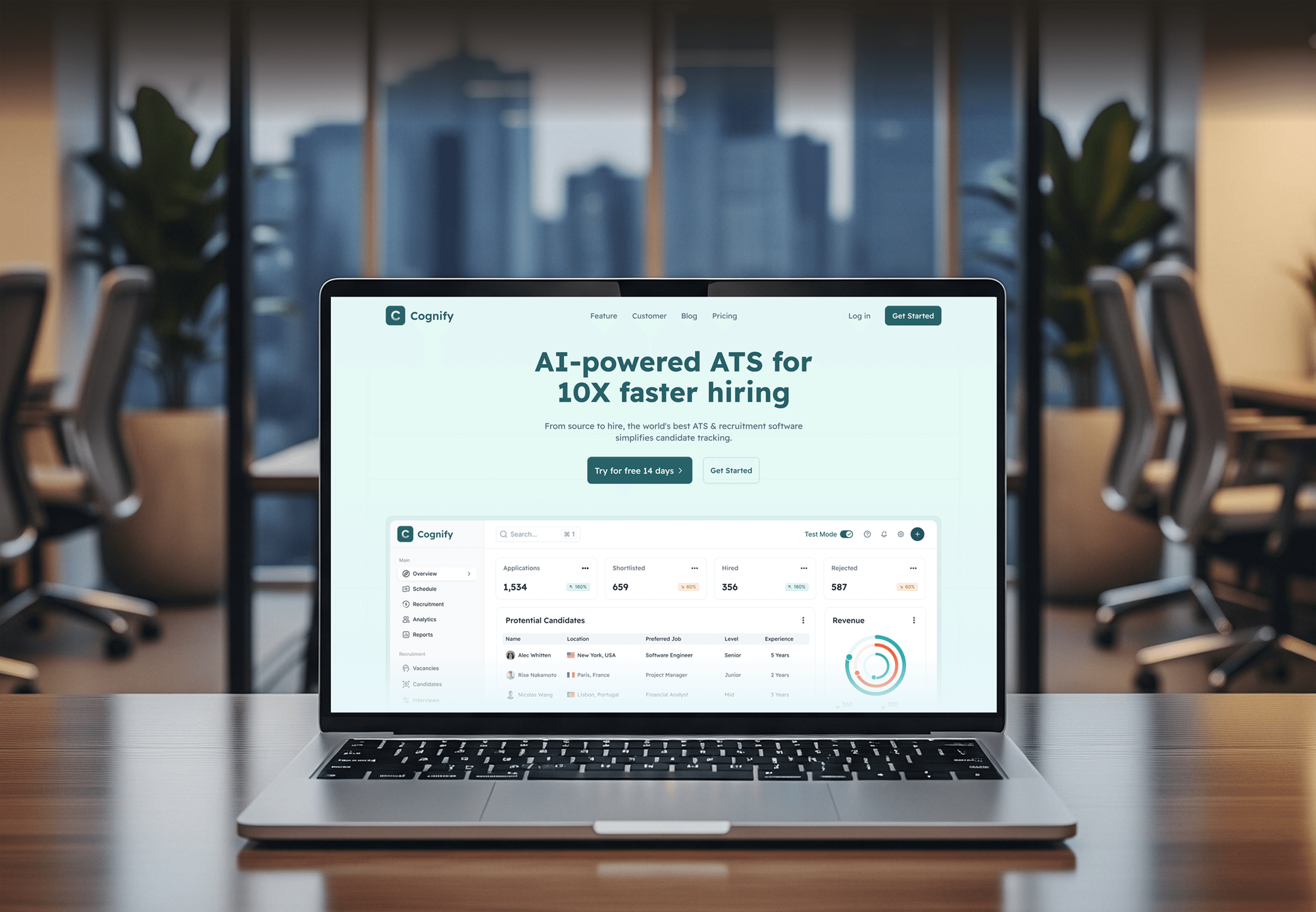
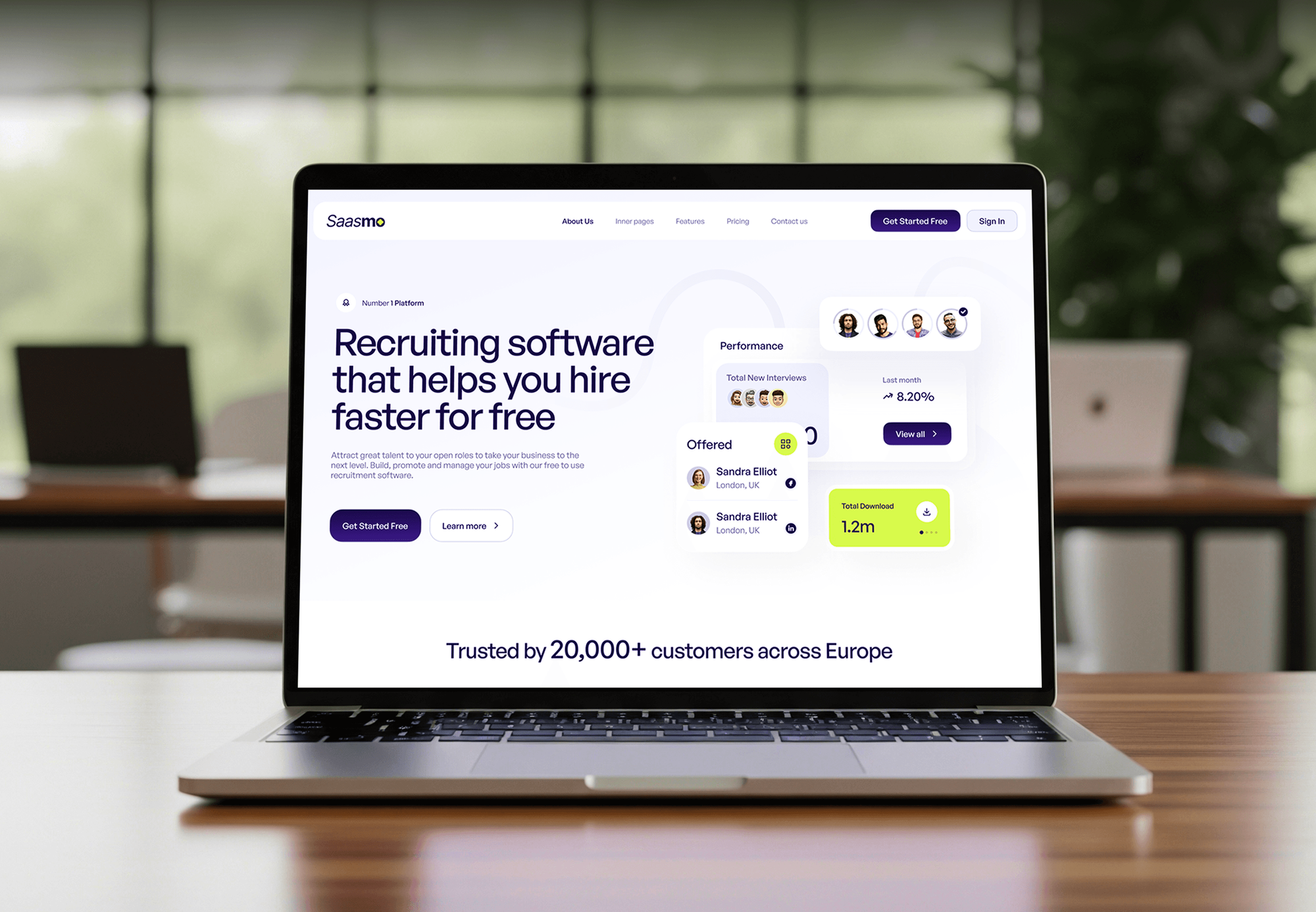
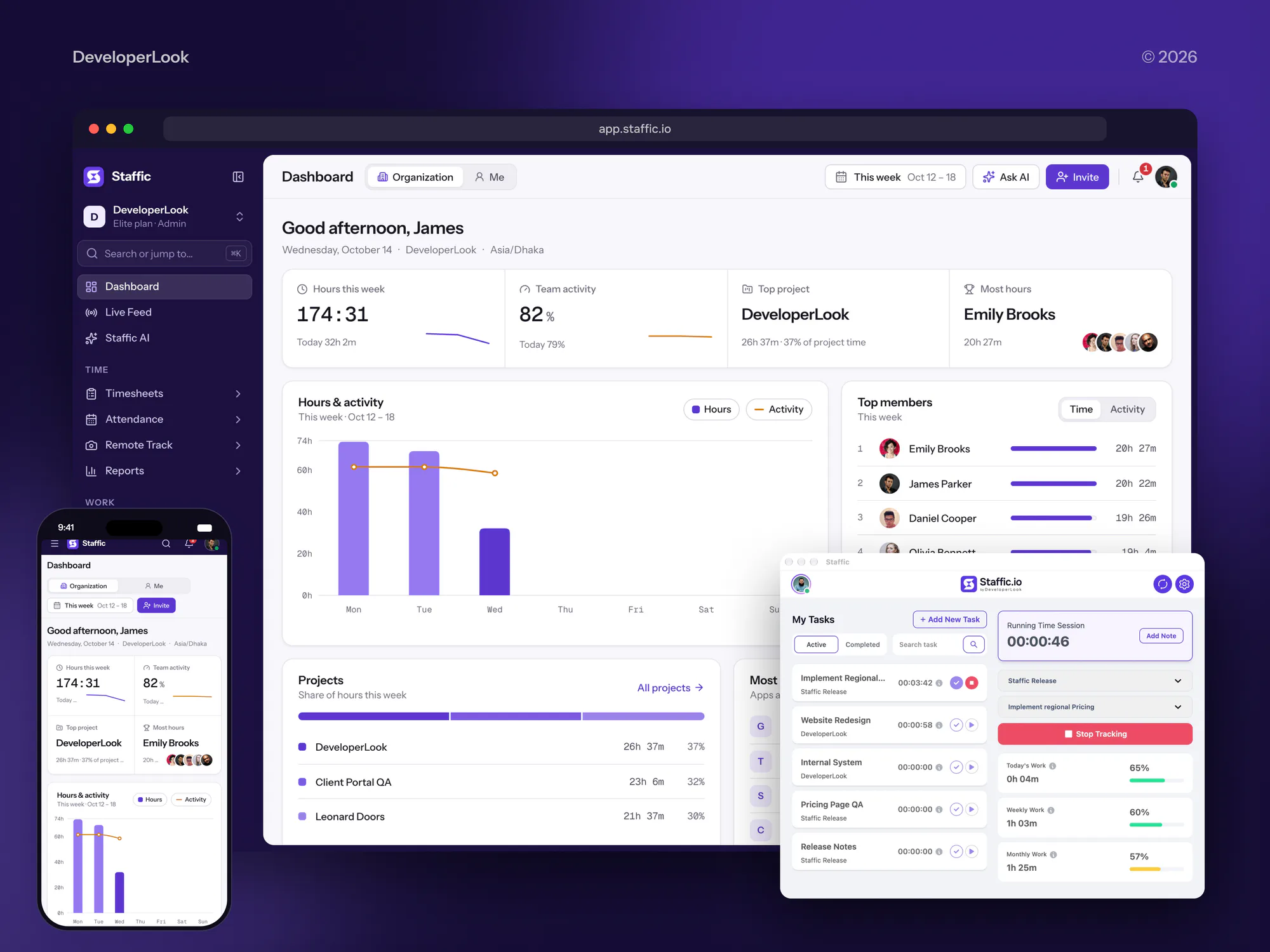
Products we designed and built, from AI recruitment software to startup platforms. They show the kind of apps we test, not past red team engagements.

What Our Clients Say
Feedback from teams we have built apps, platforms, and websites for.
We had a pretty specific idea of what we wanted our website to become, but I wasn’t sure how easily we could explain all of it to a development team. There were quite a few moving parts, and we were working toward a deadline, so I expected a few things to get lost along the way. That never really happened. They understood what we were trying to achieve, kept us updated throughout the process, and got everything ready within the agreed timeline. The final site feels much easier to navigate, works beautifully on mobile, and is noticeably smoother for our customers. It was a huge relief seeing the original idea actually turn into the website we had in mind.
The mobile experience is probably my favourite part of the new site. We had spent a lot of time making sure the desktop version looked right, and the team kept pushing us to think about how everything would actually feel on a phone too. They were right. The navigation is clean, the interactions feel natural, and everything we’ve tested so far works exactly as it should. They also went through the links, forms, integrations, and other details more than once before launch, which I really appreciated. And even after going live, we could still reach out when something came up. The whole process felt friendly, organised, and surprisingly straightforward.
What I appreciate most is that the website is actually easy for us to manage now. We can update content ourselves instead of sending a developer a message every time we need to change something small. They also paid attention to the technical SEO side, which mattered to us because we didn’t want a new website to create problems for the traffic we already had. I’ve probably asked more questions than I should have since launch, but every question has been handled patiently and without any fuss. The team is easy to work with, they explain things clearly, and when we need something changed, they focus on getting it done rather than making the process complicated.
1,250+
Projects shipped
10+
Years of experience
Top 3%
Upwork Top Rated Plus
5 stars
Average review score
1,250+
Projects shipped
10+
Years of experience
Top 3%
Upwork Top Rated Plus
5 stars
Average review score

Want results like these?
Tell us what you are building. You get a reply within 24 hours on business days, then a written estimate.
Work Culture
Testing that could embarrass your product needs rules, restraint, and clear evidence. These six habits shape how we run every engagement.
We test only models and apps you own or are authorized to test, under signed rules. Third-party model providers' own systems stay out of scope.
A break that exposes customer data or triggers a real action reaches you the same day. You don't wait for the final report to start fixing it.
We report how often an attack works across many runs. A fix that takes an attack from frequent to rare is real progress, and the numbers show it.
Transcripts with offensive or unsafe output are labeled and shared only with the people you name. Nothing from your tests is reused or published.
No model is jailbreak-proof, and we won't call yours that. We show what still gets through after fixes, so you decide which risk is acceptable.
You approve the targets, techniques, and price before testing begins. Systems that appear mid-engagement are quoted separately instead of added quietly.
Overview
DeveloperLook runs AI red teaming for LLM apps, chatbots, and AI agents. We attack your abuse cases by hand and with automated tools, save every break as a replayable transcript, and hand the successful attacks back as tests. Engagements start at $1,350 and take 2 to 5 weeks, with a retest included.
DEVELOPERLOOK
Project facts · AI Red Teaming Services
Reviewed 27 Oct 2026 by Saimul Islam
Good fit
Teams launching a public chatbot
Your chatbot on OpenAI goes live to thousands of customers next month, and one screenshot of it saying something harmful would cost more than the testing.
Products with AI agents and tools
Your agent on Anthropic Claude can browse, send email, or change records, so you need someone to try talking it into those actions for the wrong person.
Gen AI builders in regulated markets
Your healthcare, finance, or HR customers ask for evidence of gen AI red teaming before they sign, and you have nothing written down yet.
Buyers comparing testing providers
You're comparing AI red teaming companies and want manual testers, automated runs, and a fixed price instead of an open-ended retainer.
Agencies that build AI products
You build LLM features on Google Gemini or Meta Llama for clients and want an LLM red team behind your launch checklist, reported under your agency's name.
Not a fit
Need a lighter design review
You want your AI feature's data paths, permissions, and settings reviewed rather than attacked at length. Our AI security assessment covers that faster, lighter review.
Need policy, not testing
You need an AI policy, a risk register, or ISO/IEC 42001 readiness for auditors. Our AI governance consulting page covers that program work.
Model you can't authorize
You want to test a third-party model or platform you have no authorization to attack. We test only systems you own or are allowed to test.
Budget under $1,350
Your budget is under $1,350, or your assistant has no tools and no private data. Running promptfoo or garak yourself against a short abuse list is a sensible first step.
Not sure we're the right fit?
Book a free call or message us. We'll tell you honestly whether we're the right team.
Pricing
These are starting points in USD. Your final price depends on abuse cases, tools, and retests, and you get a fixed proposal after a free scoping call.
For Agencies
You own the client relationship. We supply the attack testing behind the AI products you deliver: rules of engagement, manual and automated attacks, transcripts, and retests, written up in your template and presented by your team.
White label: your client only ever sees your brand
Send the AI product, its tools, and the harms your client worries about.
You get rules of engagement, an attack plan, and a fixed price to resell.
We test, report in your format, and hand over the attack test file.
Send the AI product, its tools, and the harms your client worries about.
You get rules of engagement, an attack plan, and a fixed price to resell.
We test, report in your format, and hand over the attack test file.
The Right Technology for Your Project
The tools we use to attack, record, and replay, the model providers we test against, and the guides we map every finding to.
 Burp Suite
 Python
 OpenAI
 Anthropic Claude
 Google Gemini
 Meta Llama
 OWASP GenAI Red Teaming Guide
Related Services
Pair attack testing with a design review, an AI governance program, a web application pen test, or a safer agent build.
This page
AI Red Teaming Services
Pairs with the 6 services around it
FAQ
Straight answers on cost, timelines, how engagements are structured, automated testing, and what you keep afterward.
Saimul IslamFounder & CEO, DeveloperLookStill have questions?
Send a message or book a call with the team.
Engagements start at $1,350 for one chatbot or assistant with up to 5 abuse cases, 500+ automated attack prompts, and one retest. Apps or agents with tools and documents start at $3,400. A program covering up to 3 apps, with attack tests wired into your CI pipeline, starts at $6,800. You get a fixed quote after the free scoping call.
A focused engagement on one app takes 2 to 3 weeks, and agents or several apps take 3 to 5 weeks. Writing the rules and attack plan takes 3 to 5 days, manual attacks 1 to 2 weeks, and automated runs 3 to 5 days. Serious breaks reach you the same day, so fixing can start before the report arrives.
Red teaming in AI means a team plays the attacker against an AI system to find harmful behavior before real users do. The term comes from security exercises where a red team attacks and a blue team defends. For AI it covers security harms, such as data theft through a chatbot, and safety harms, such as unsafe advice that damages your brand.
Leaders structure engagements around the harms that matter to the business, not around a list of tricks. A typical structure runs: signed rules of engagement, abuse cases ranked by impact, manual attacks, automated variations, a report with success rates, and a retest. The OWASP GenAI Red Teaming Guide and MITRE ATLAS are useful references when you build the attack plan.
Choose a provider that attacks by hand as well as with tools, proves every finding with a transcript, and tests agent tools. Indirect injection through documents and web pages should be in scope too. Ask for a sample report before you sign. A tool-only scan finds known jailbreak patterns but misses abuse specific to your business, such as talking an agent into a refund.
Automated red teaming improves robustness by testing hundreds of variations of each attack, which shows how often it succeeds instead of whether it worked once. Tools such as PyRIT, garak, and promptfoo rephrase, encode, and chain prompts at scale. Rerunning the same set after each fix or model update shows whether the system is getting harder to break.
The best provider for you tests your own abuse cases by hand, proves each break with a transcript, and retests after fixes. Large security firms suit enterprise programs with big budgets, and open-source tools suit teams with time to run them. We fit product teams that want senior manual testing at a fixed price, and we'll say so if another option suits you better.
A penetration test looks for flaws in code and infrastructure, while this testing targets how the model behaves under pressure. Pen testers check logins, APIs, and servers. AI red teamers try to make the model leak data, ignore its rules, or misuse its tools through conversation. Most AI products need both, because the model sits on top of an ordinary web app.
No. Testing through the application uses the same access your users have, plus test accounts at each permission level. Hosted models from OpenAI, Anthropic, or Google need no weights at all. For open-weight models you host yourself, access to the serving endpoint and its settings helps us test the system prompt and guardrails within the signed rules.
You keep the full report, every attack transcript, and the successful attacks as a test file your team can rerun. Every plan includes 30 days of support and one retest after the report, and the program plan adds 2 more retests within 90 days. When you change models or prompts, rerunning the file shows quickly whether old breaks have come back.
Saimul IslamFounder & CEO, DeveloperLookStill have questions?
Send a message or book a call with the team.
Free 30-min callGoogle Meet
Book a call
In 30 minutes on Google Meet we walk you through how we would build it, how long it takes and what it costs. Then you get a written estimate.
Calendar not showing? Book on cal.com or send a brief.